The Evolution of Search: Why Prompt Tracking is the New Frontier for Brand Visibility

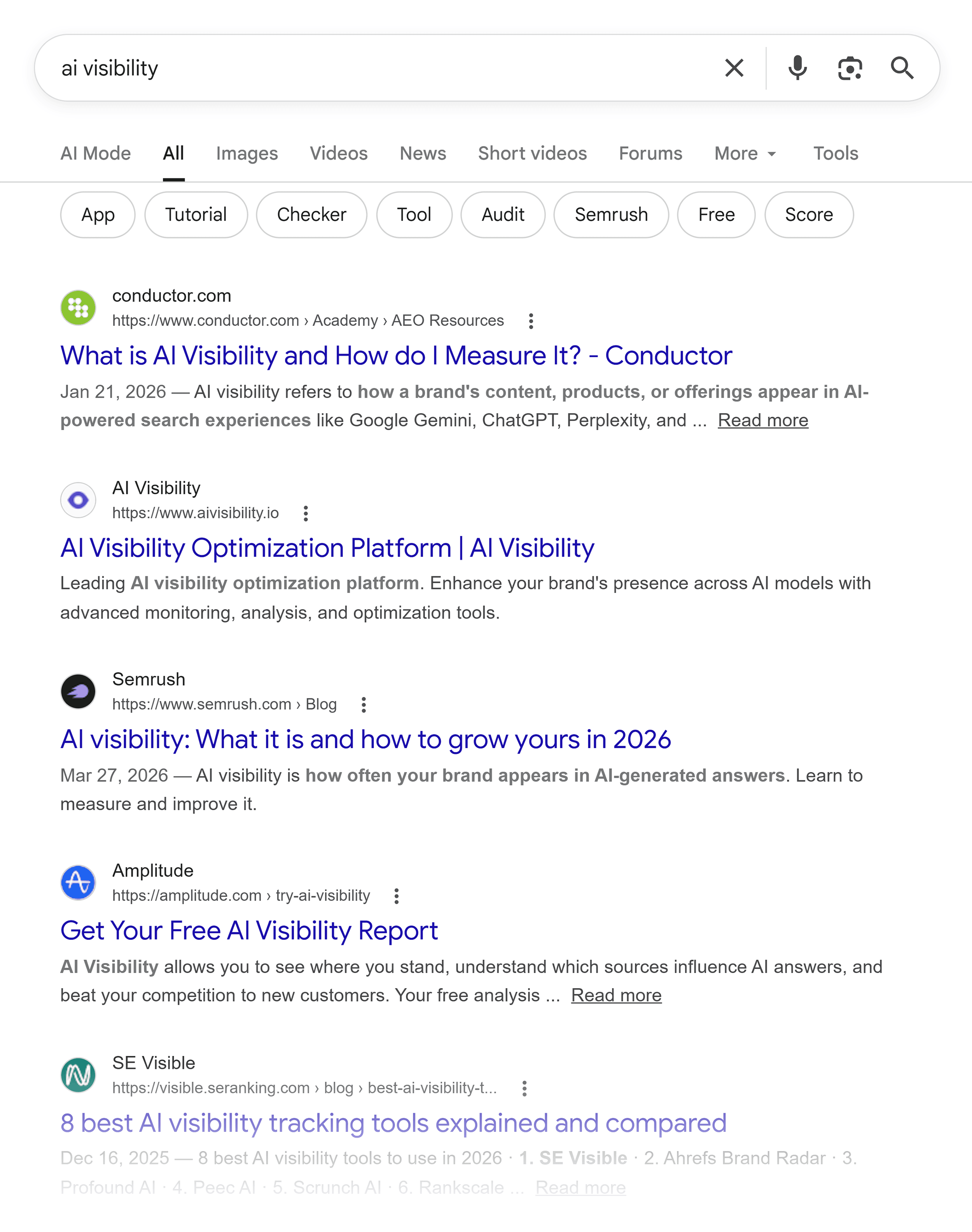
As the digital landscape transitions from keyword-based search engine results pages to conversational artificial intelligence, marketing executives face a hidden vulnerability: a brand can hold the premier ranking on traditional search engines while remaining completely invisible to large language models (LLMs). Recent data highlights a significant paradigm shift in consumer behavior, with industry studies indicating that more than half of internet users now rely on AI tools as their primary research medium, and nearly a third depend on them for product recommendations. This structural evolution has forced digital strategists to abandon conventional search engine optimization metrics in favor of prompt tracking, an emerging discipline designed to monitor how brands appear within AI-generated responses over time.
Understanding the Mechanics of LLM Visibility
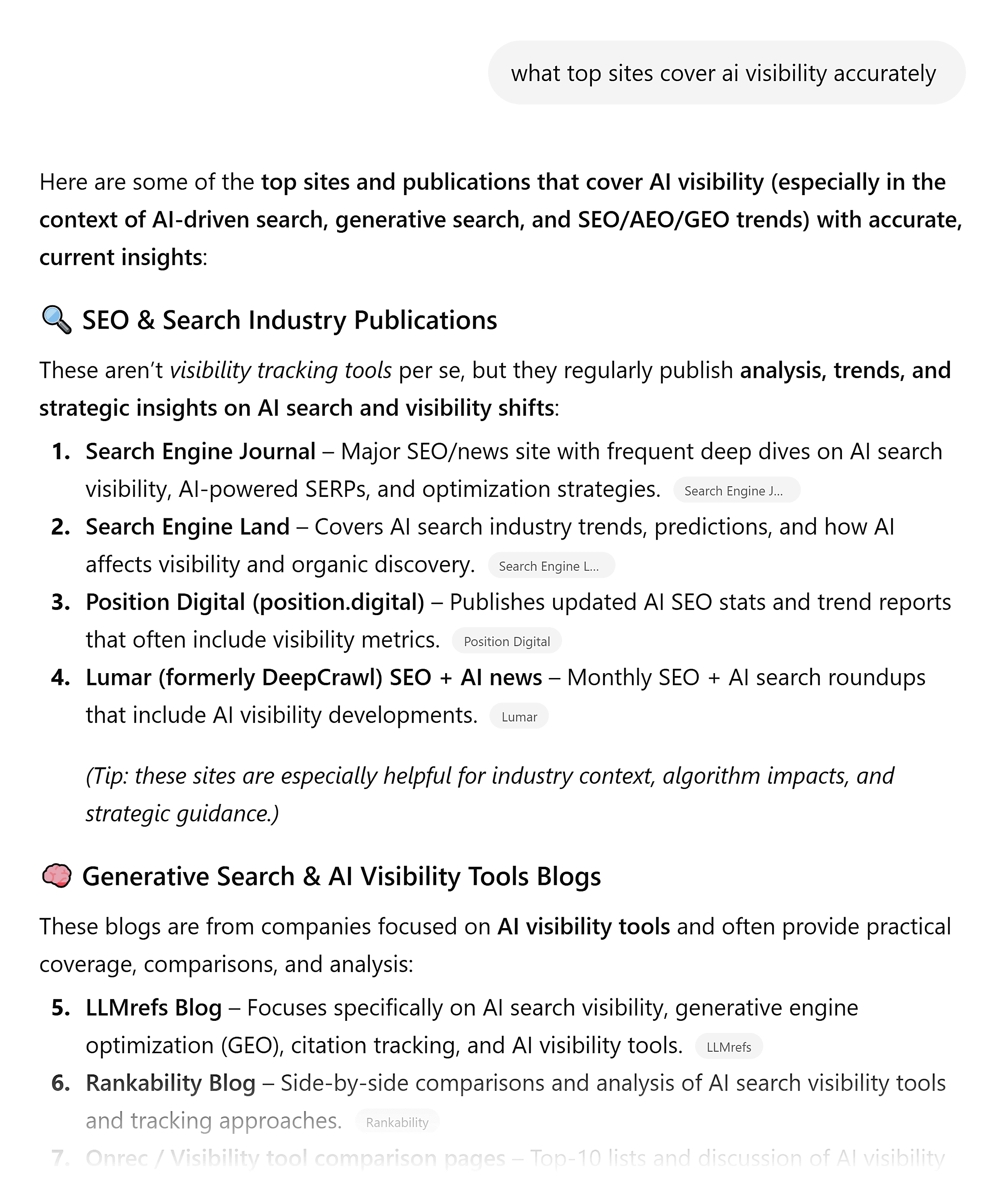
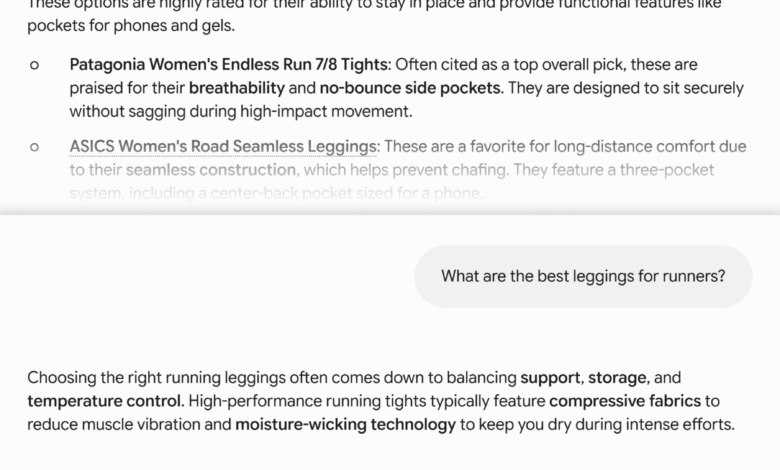
Traditional search engine optimization relies on predictable architectures, presenting users with static lists of blue links corresponding to keyword queries. In contrast, generative AI platforms operate on non-deterministic models, drawing from vast repositories of information to dynamically synthesize unique answers tailored to each user and conversational context. A consumer querying an AI assistant twice about the same category may receive entirely different recommendations, making traditional rank tracking obsolete.
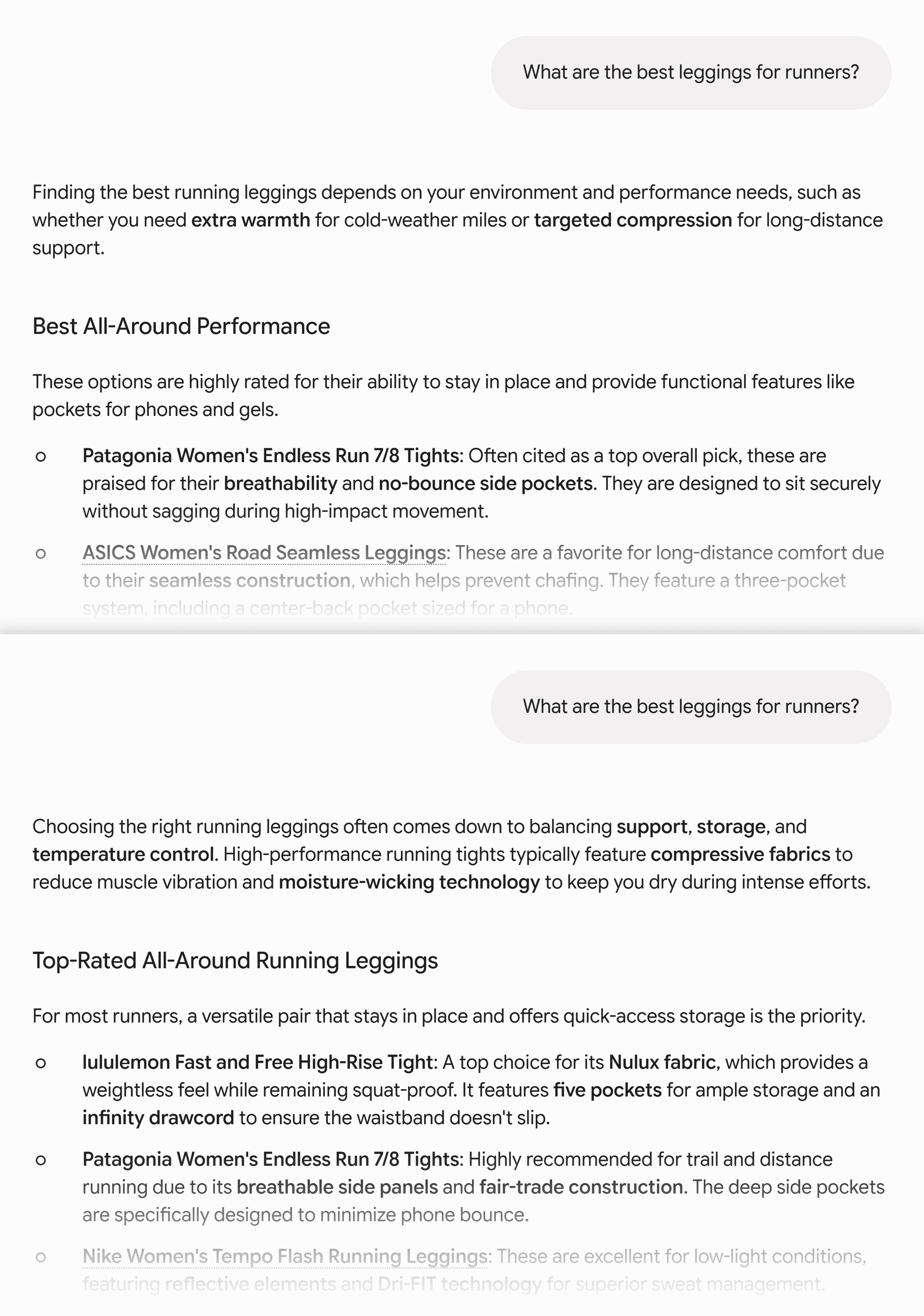
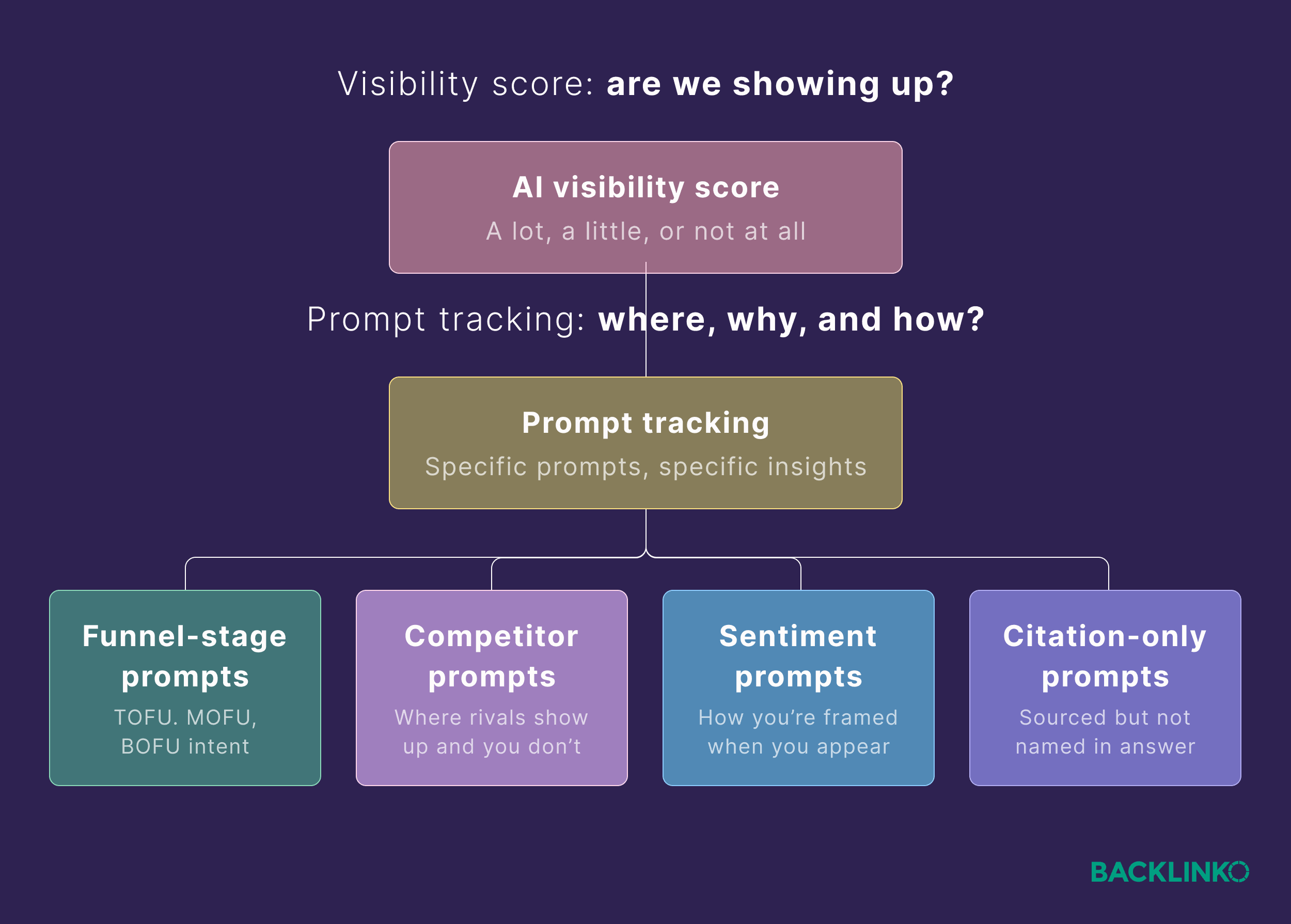
Prompt tracking, sometimes referred to as LLM visibility tracking, addresses this unpredictability by monitoring brand mentions, sentiments, and citations across multiple AI interactions. Rather than questioning proximity to the top search position, prompt tracking evaluates whether an AI model consistently associates positive, accurate attributes with a brand when engaging prospective buyers. Without systematic monitoring, companies risk losing market share to competitors or suffering financial losses due to outdated or incorrect algorithmic representations.
The Shift in Buyer Behavior and Strategic Implications
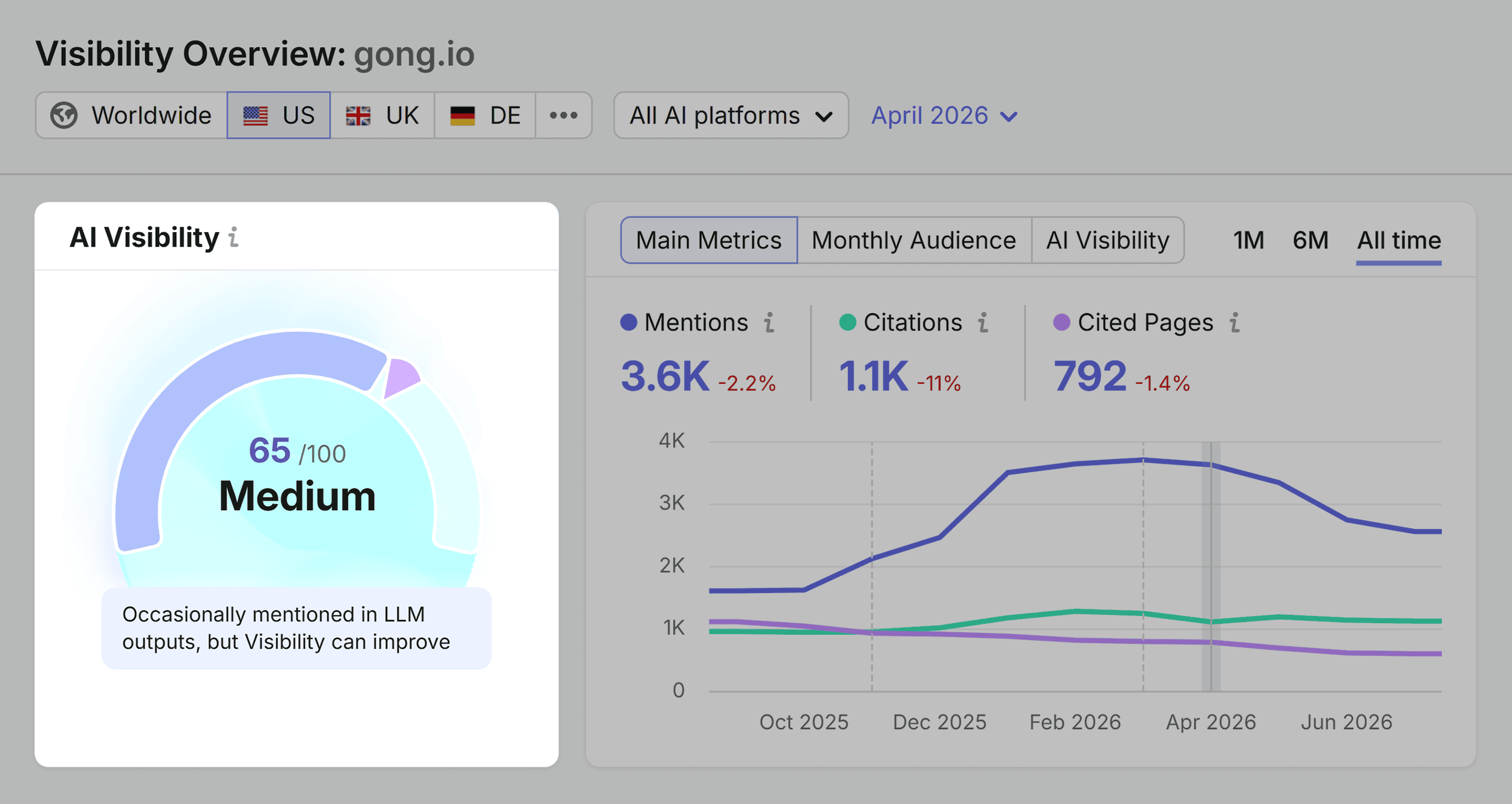
Market research from prominent analytics firms underscores the urgency of this transition. Over 70 percent of business-to-business software buyers now utilize AI chatbots for initial product research, bypassing traditional company websites entirely during the discovery phase. This trend is not confined to the enterprise software sector; retail, finance, and consumer goods are experiencing similar shifts as consumers increasingly delegate preliminary product vetting to conversational agents.
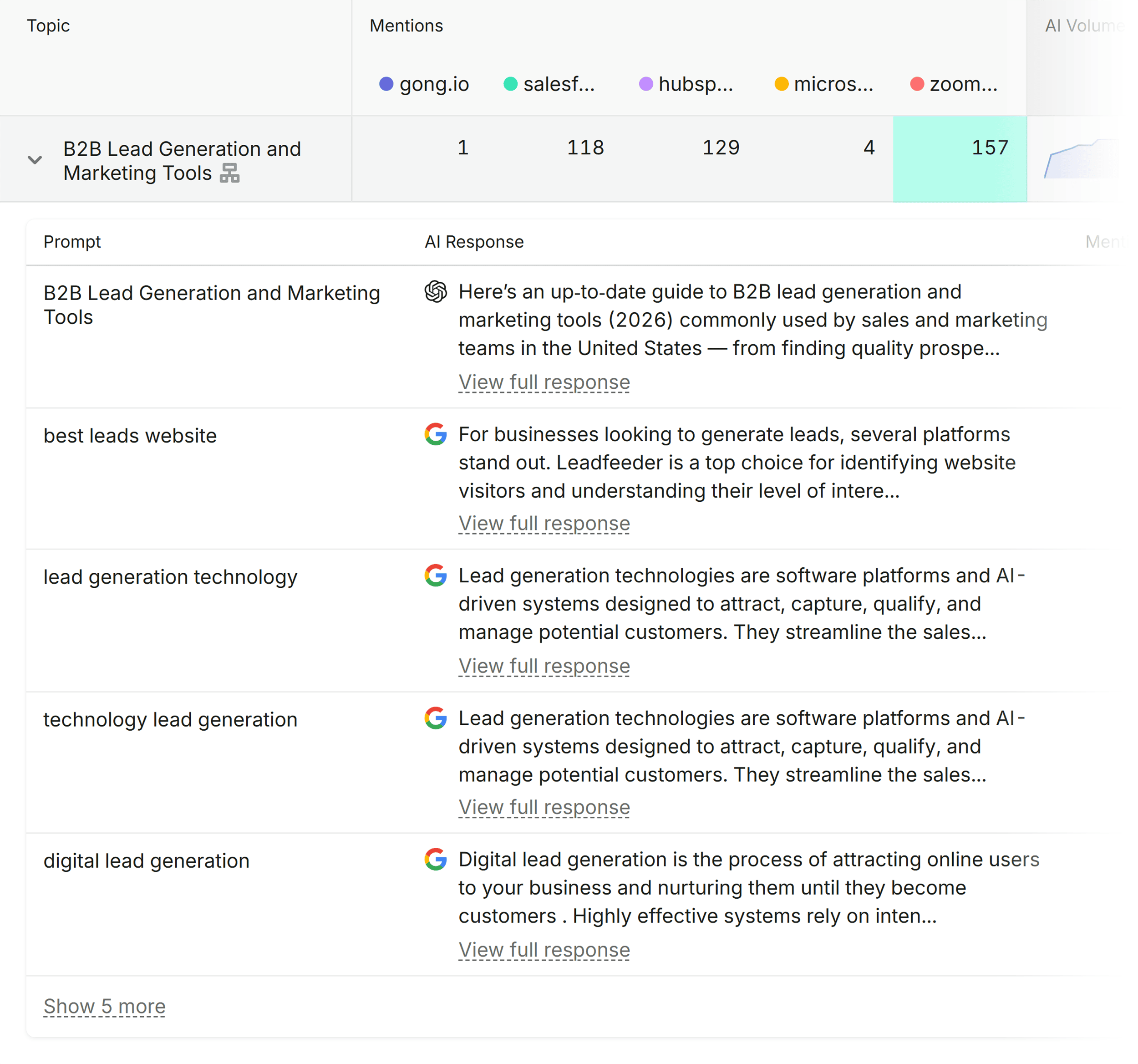
Industry experts emphasize that prompt tracking is most effective for organizations with established content ecosystems and active participation in competitive digital markets. Conversely, local businesses heavily reliant on localized mapping services or direct word-of-mouth may find limited immediate utility in LLM tracking until AI search integration becomes more pervasive locally. For brands operating in competitive digital spaces, however, identifying visibility gaps—such as queries where competitors consistently dominate recommendations—provides critical direction for content optimization and public relations strategies.
Methodologies and Frameworks for Effective Monitoring
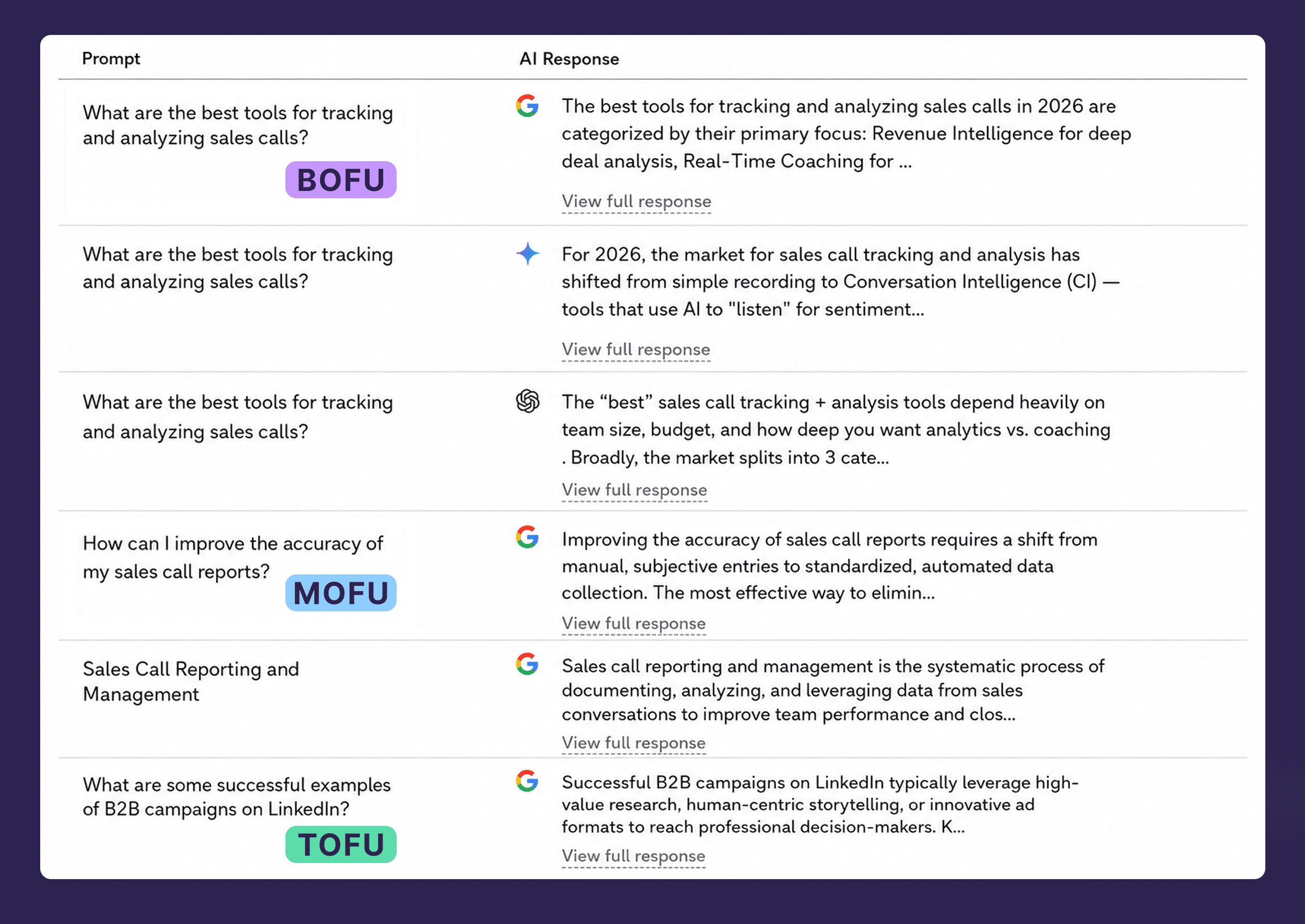
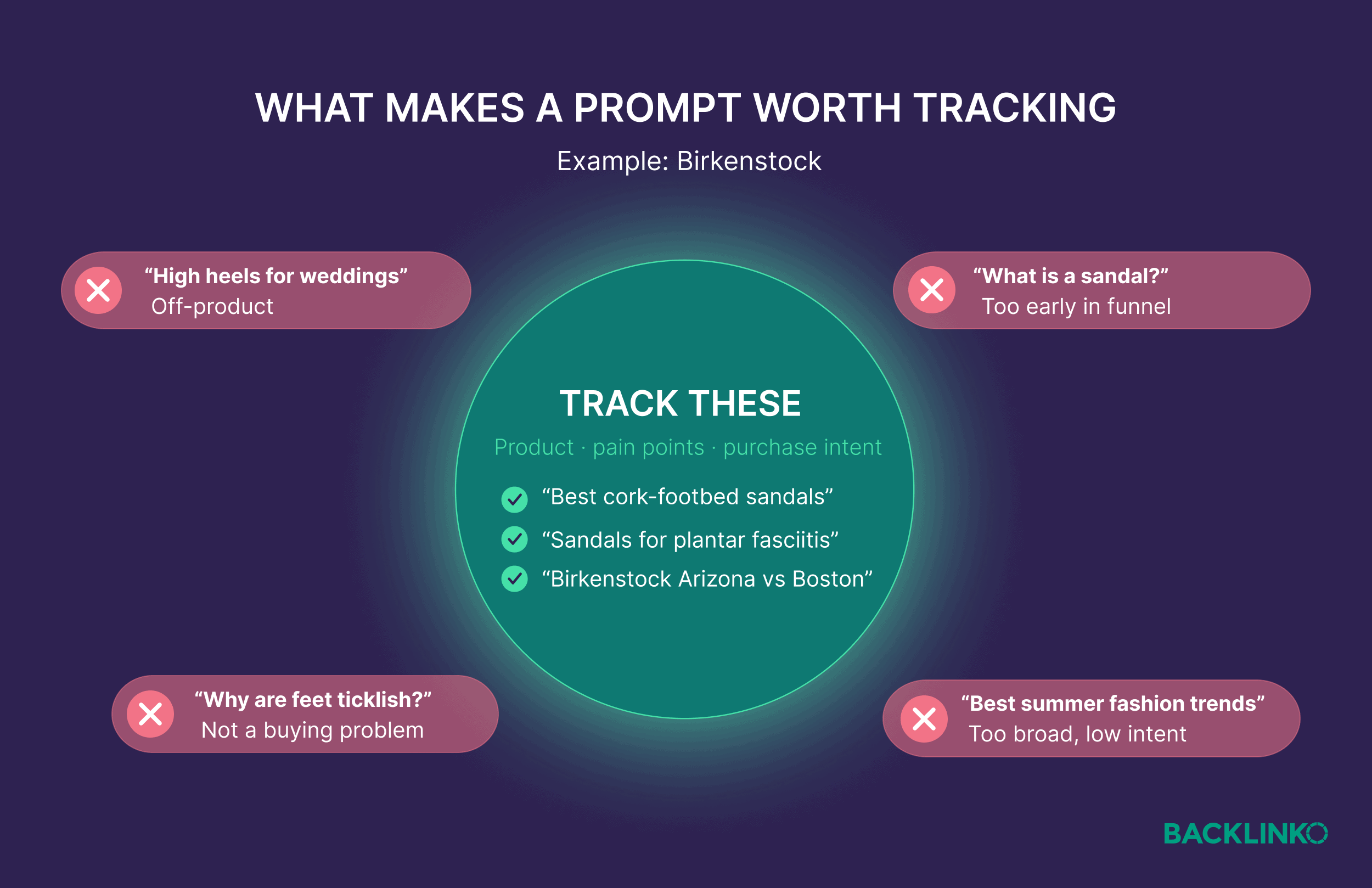
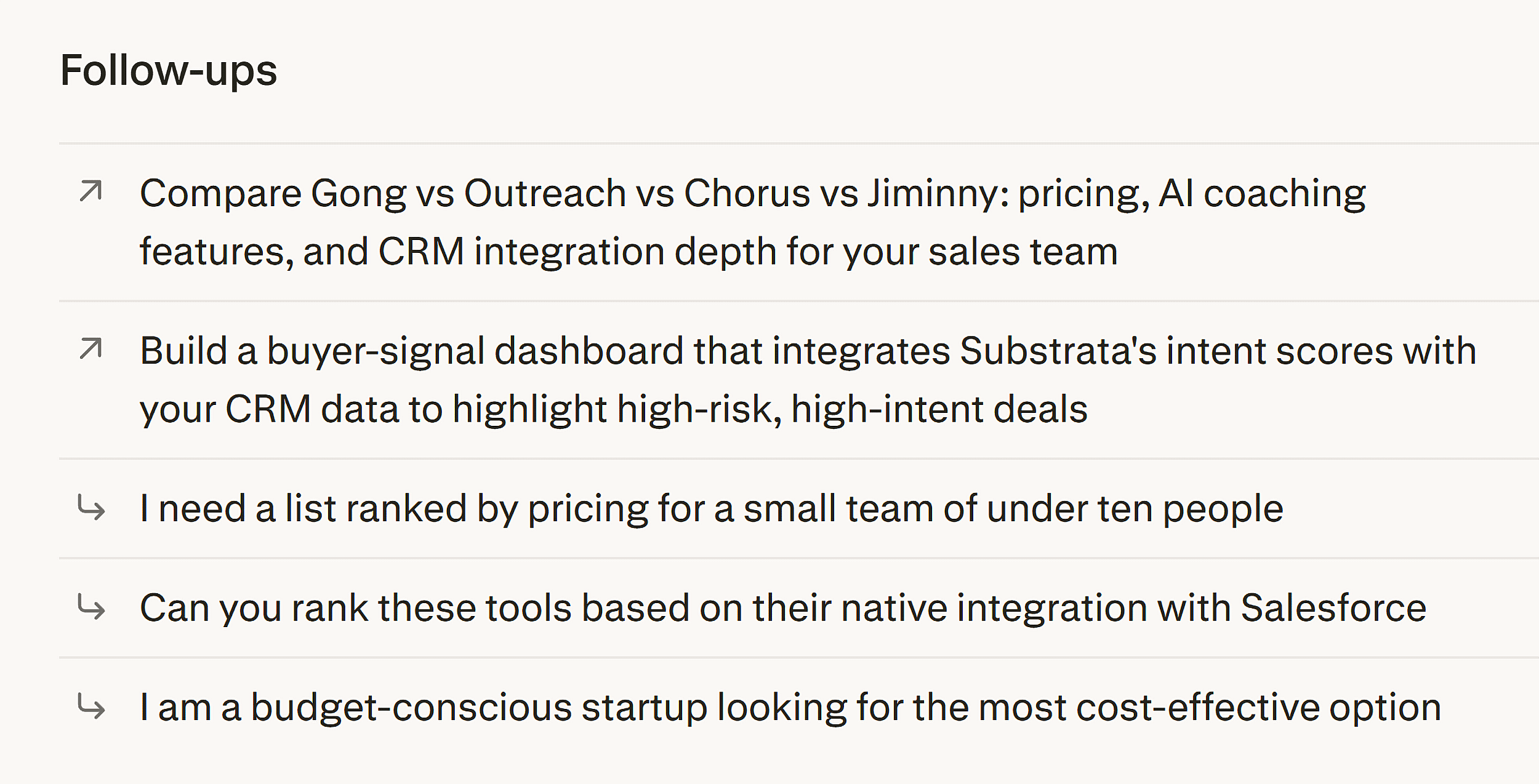
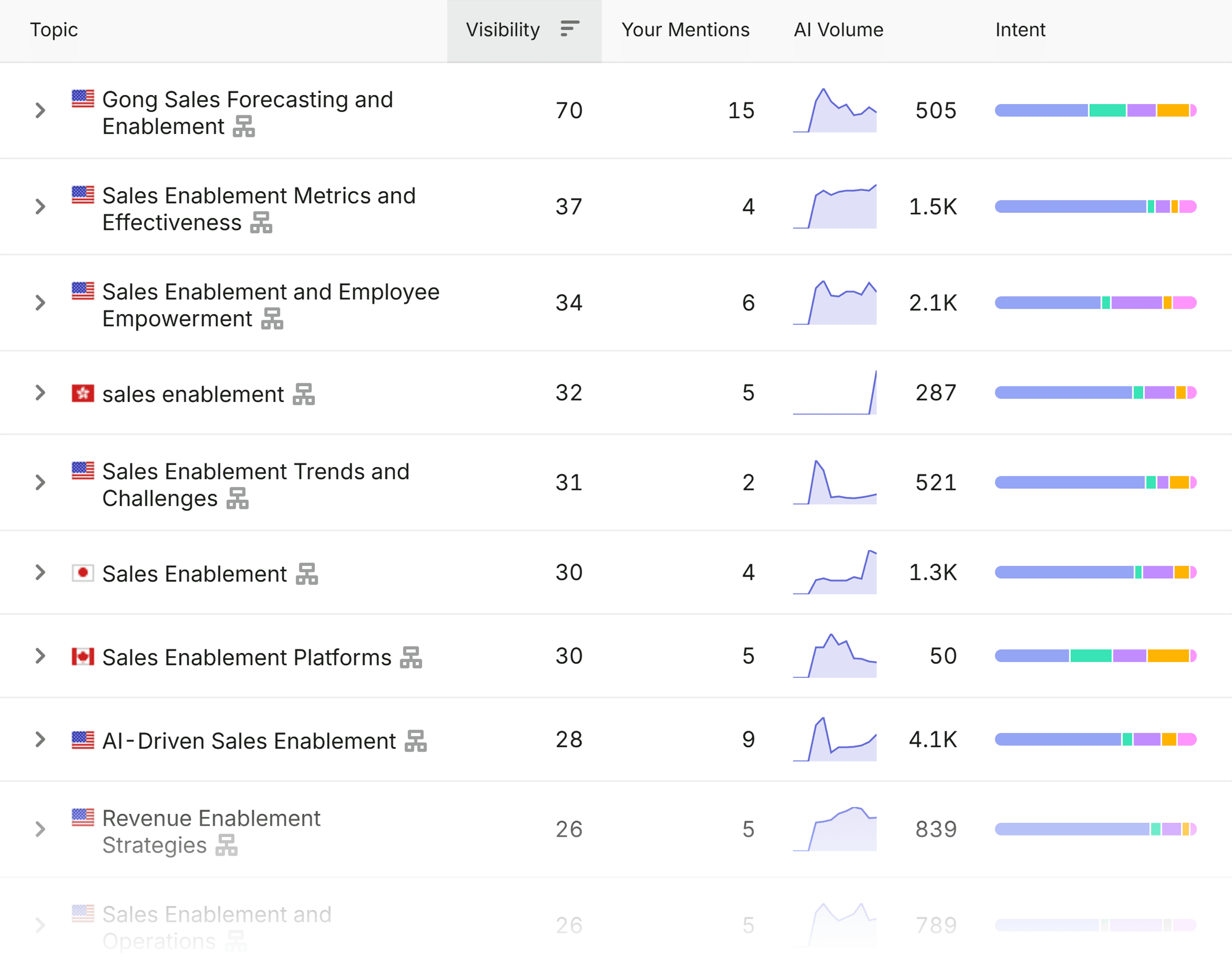
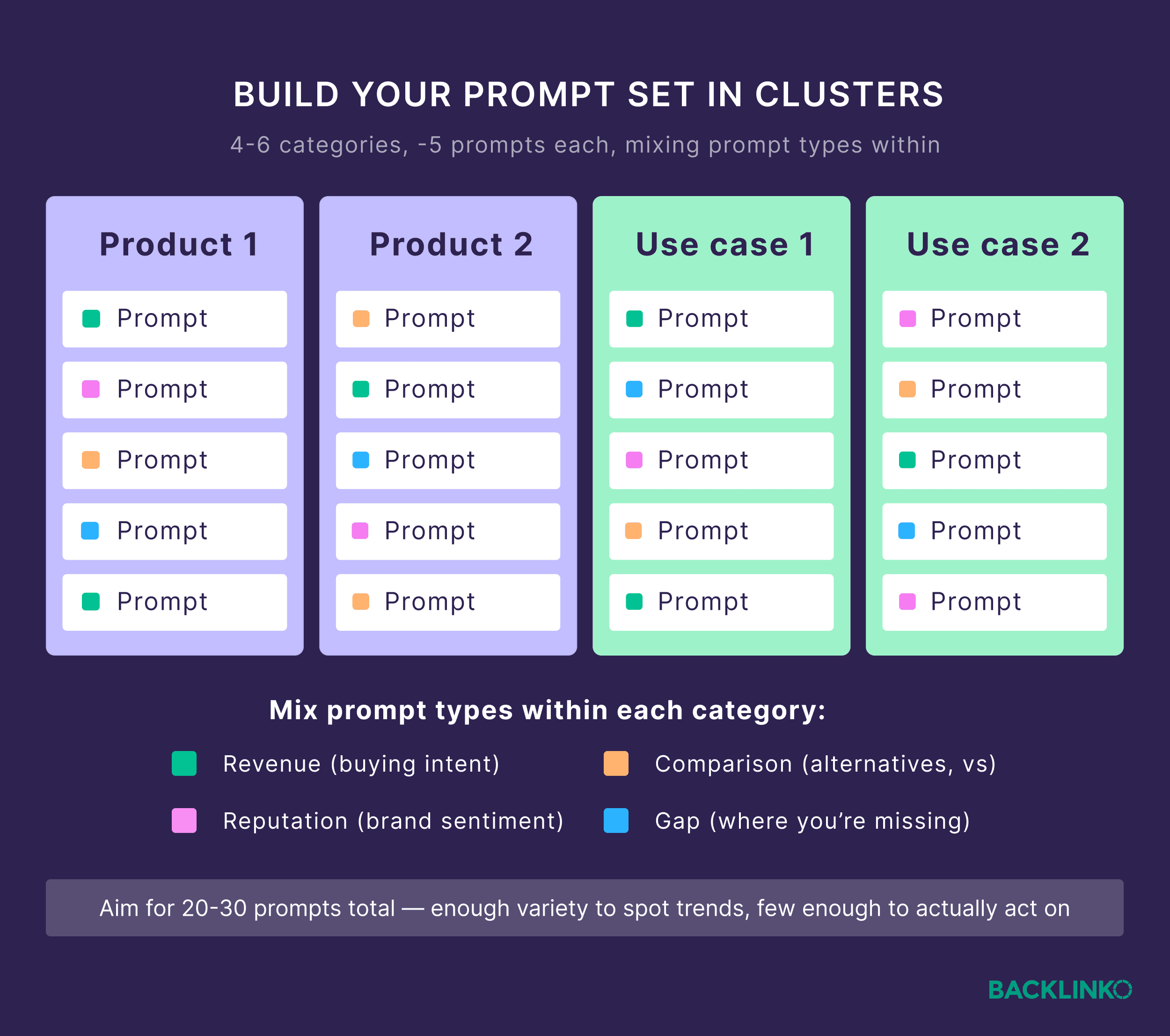
Implementing a robust prompt tracking framework requires careful selection and categorization of prompts. Digital strategists advise against tracking every possible user query, recommending instead a targeted set of 20 to 30 prompts mapped across four distinct categories: evaluation, comparison, reputation, and gap analysis.
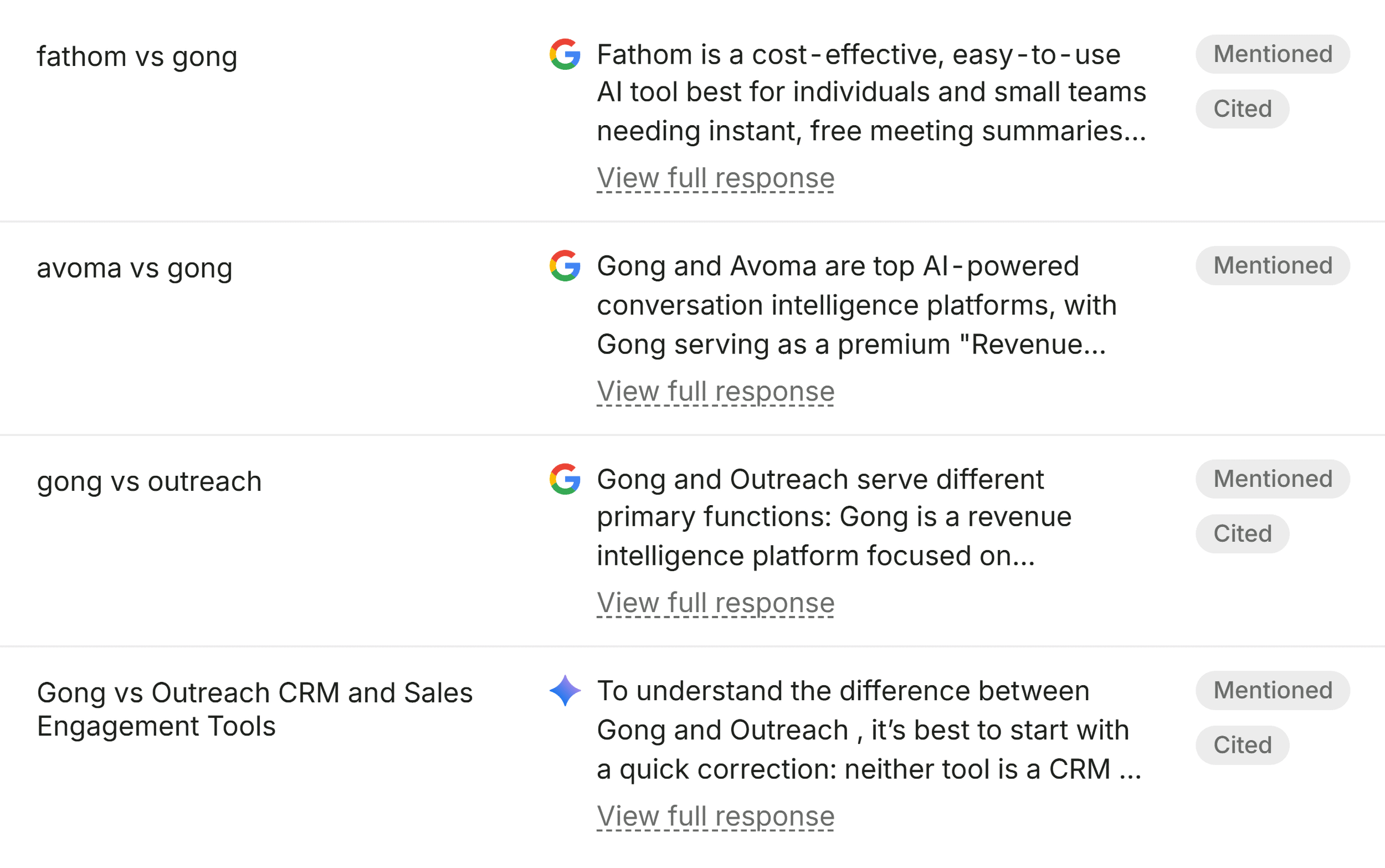
- Evaluation Prompts: Assess how frequently a brand appears when users ask for top-tier solutions within a specific category.
- Comparison Prompts: Measure how models position a brand directly against primary competitors.
- Reputation Prompts: Evaluate sentiment and qualitative feedback regarding pricing, reliability, or customer service.
- Gap Prompts: Identify high-volume queries where the brand is intentionally or unintentionally omitted.
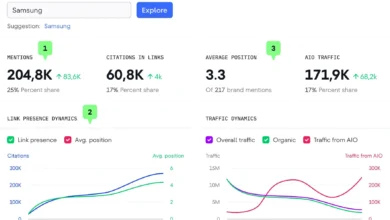
Advanced practitioners, such as digital commerce agencies and enterprise SEO teams, utilize structured categorization models like "Constraint Mapping." This approach analyzes the intersection of a user’s primary task—such as finding project management software—with specific operational constraints, like integration capabilities or team size. By automating these queries through platform APIs across major LLMs including ChatGPT, Google Gemini, and Perplexity, organizations can log visibility scores, citation frequencies, and sentiment trends with statistical reliability.
Analyzing Data and Mitigating False Conclusions
A primary challenge in prompt tracking is the inherent variance in AI outputs. Silent model updates, training data biases, and conversational context can cause significant fluctuations in brand mentions from week to week. Consequently, industry analysts strongly advise against reacting to short-term anomalies. Experts recommend establishing a four-week baseline before implementing strategic interventions, as a single week of suppressed visibility is frequently the result of algorithmic variance rather than a structural content deficiency.
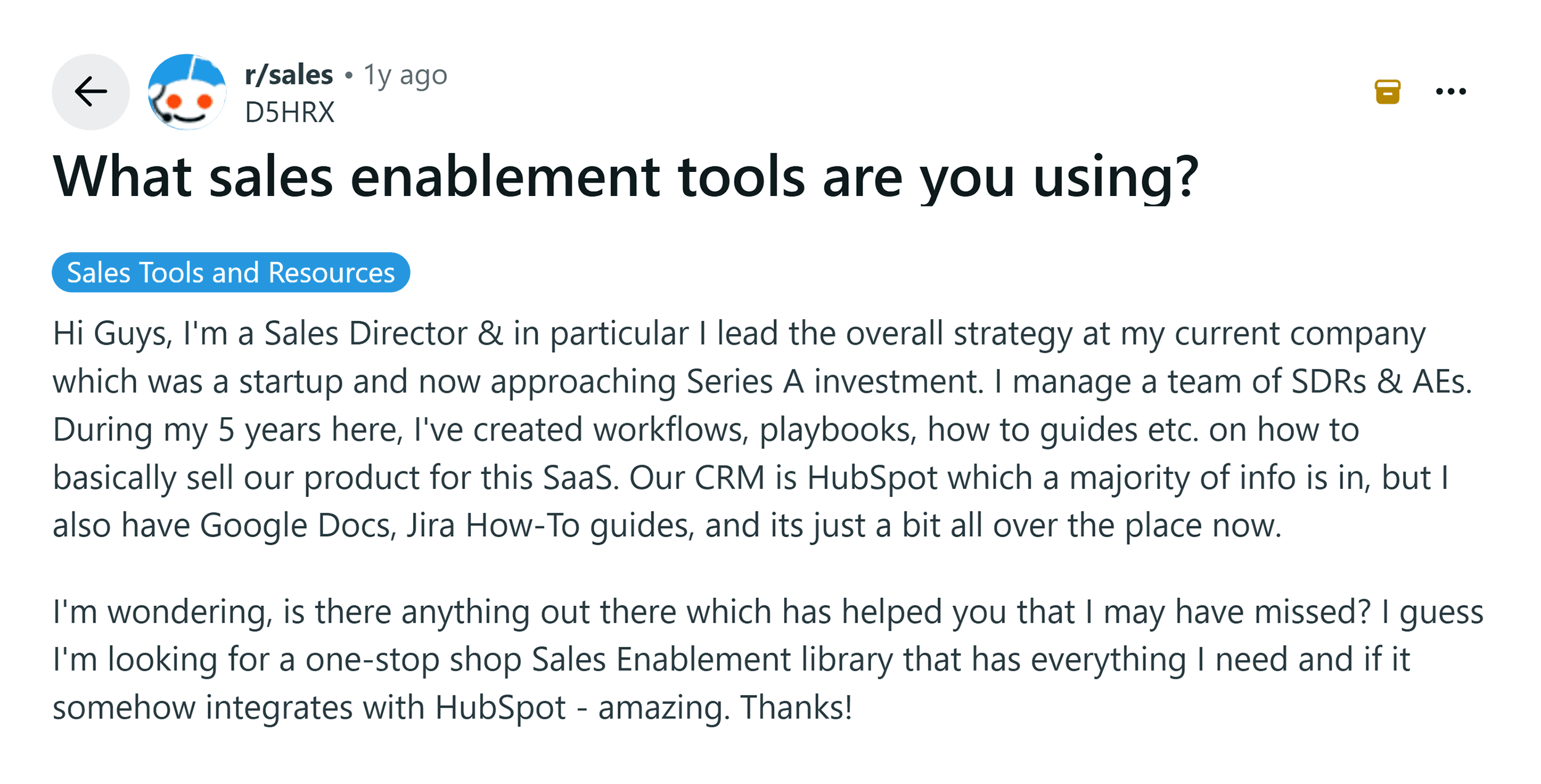
Furthermore, strategists must distinguish between genuine visibility improvements and superficial metrics. Tracking branded queries—searches that explicitly include the company name—yields little actionable intelligence, as the LLM will almost invariably include the brand in its response. True analytical value emerges from monitoring unbranded, category-level prompts where purchase decisions are actively being shaped.
Broader Impact and Future Outlook
As generative AI continues to mature as a primary discovery channel, the integration of traditional SEO and AI optimization will define digital marketing success. Brands that successfully leverage prompt tracking can identify precisely which third-party sources—such as review platforms, industry forums, and trade publications—are most frequently cited by LLMs. By proactively managing their presence across these trusted external ecosystems, companies can transform invisible citations into direct brand recommendations.
Ultimately, prompt tracking functions less as a static scoreboard and more as a strategic compass. Organizations that master the nuances of LLM visibility will successfully navigate the answer economy, ensuring their products and services remain visible, accurate, and competitive as consumer research habits permanently evolve.