The Rise of Digital PR: How Earned Media and Third-Party Validation Dominate AI Search Visibility

The paradigm of search engine optimization has fundamentally shifted. As generative artificial intelligence models and large language models (LLMs) reshape how consumers discover information, traditional strategies focused purely on onsite publishing and self-promotion are no longer sufficient. Modern search discovery is driven less by what a brand says about itself on its own domain, and more by what credible, independent third parties communicate across the wider digital ecosystem.

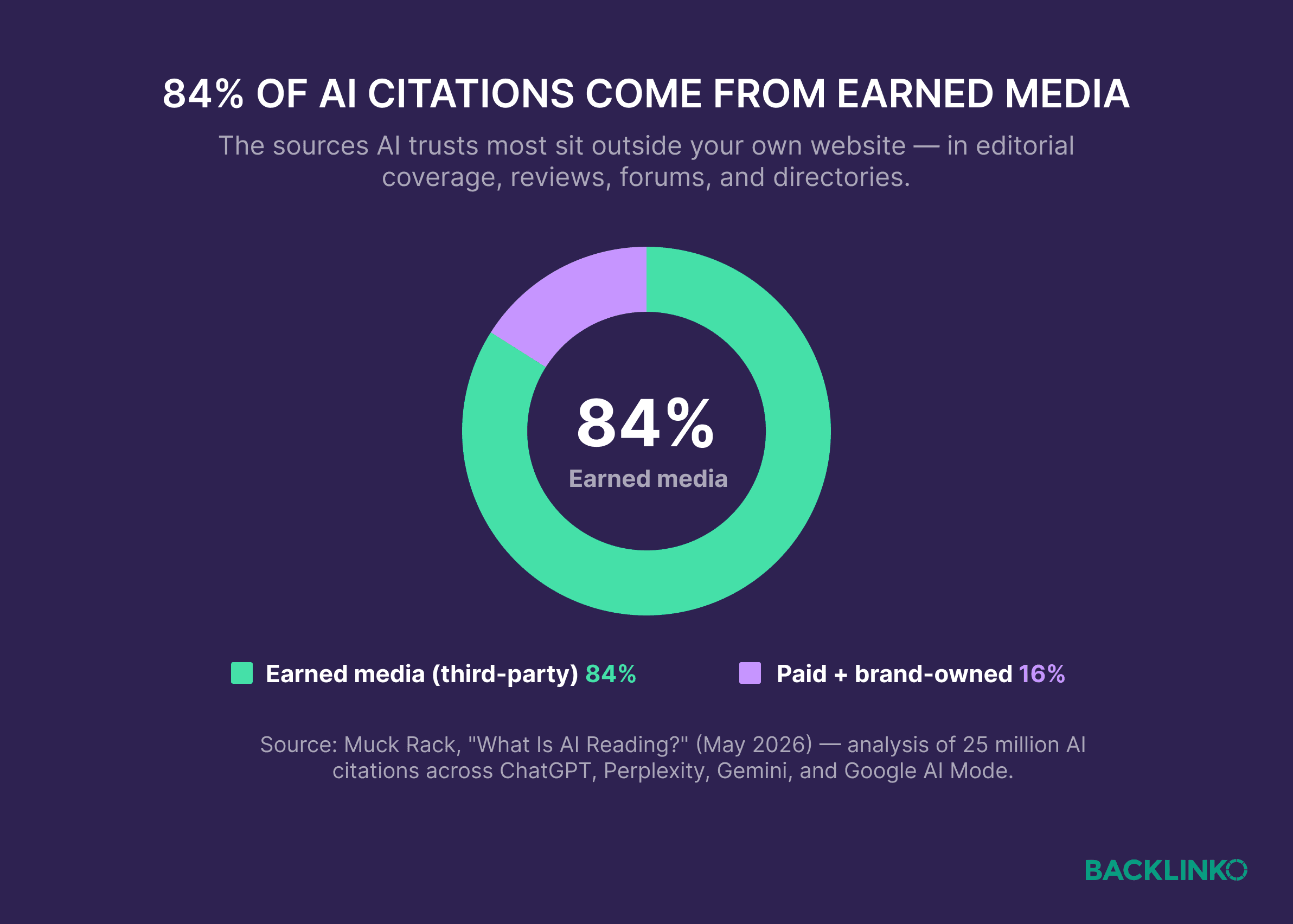
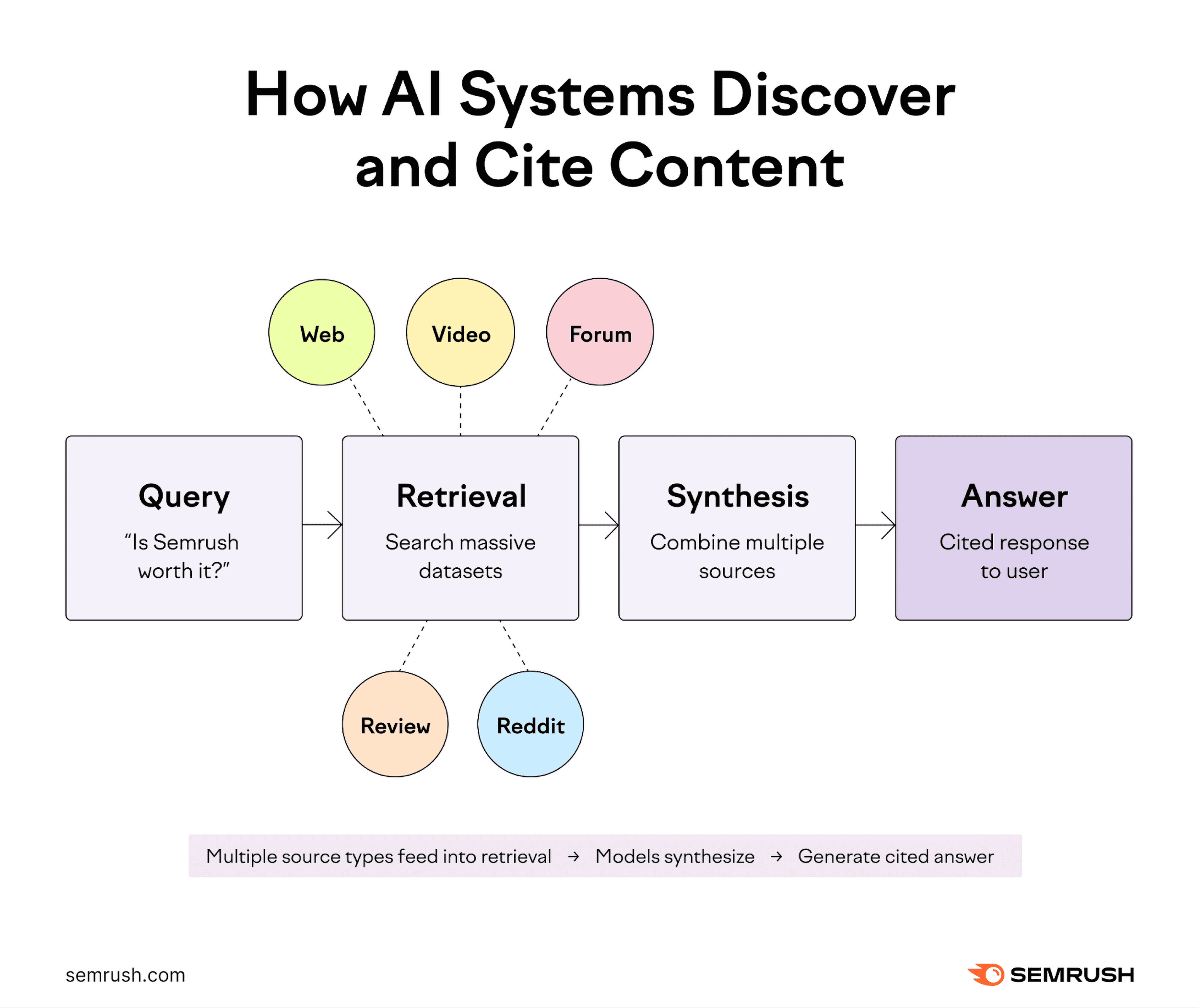
According to comprehensive industry research conducted by Muck Rack, a staggering 84% of all AI-generated citations originate from earned media. This includes editorial news coverage, professional reviews, and community-driven forum discussions. Rather than acting as traditional web crawlers that merely index isolated pages, modern AI systems synthesize information from dozens of external sources to formulate single, cohesive answers. Consequently, the visibility of any given brand within an AI-generated response is directly proportional to its consistent, widespread presence across trusted web domains.
Understanding the Mechanics of AI Discovery and External Authority
The transition from keyword-based blue links to conversational AI answers has placed a premium on offsite authority. When a user prompts an AI chatbot or search assistant for recommendations—such as the best enterprise software, top digital marketing agencies, or leading consumer products—the underlying LLM queries its training data and real-time web search indexes to find consensus.
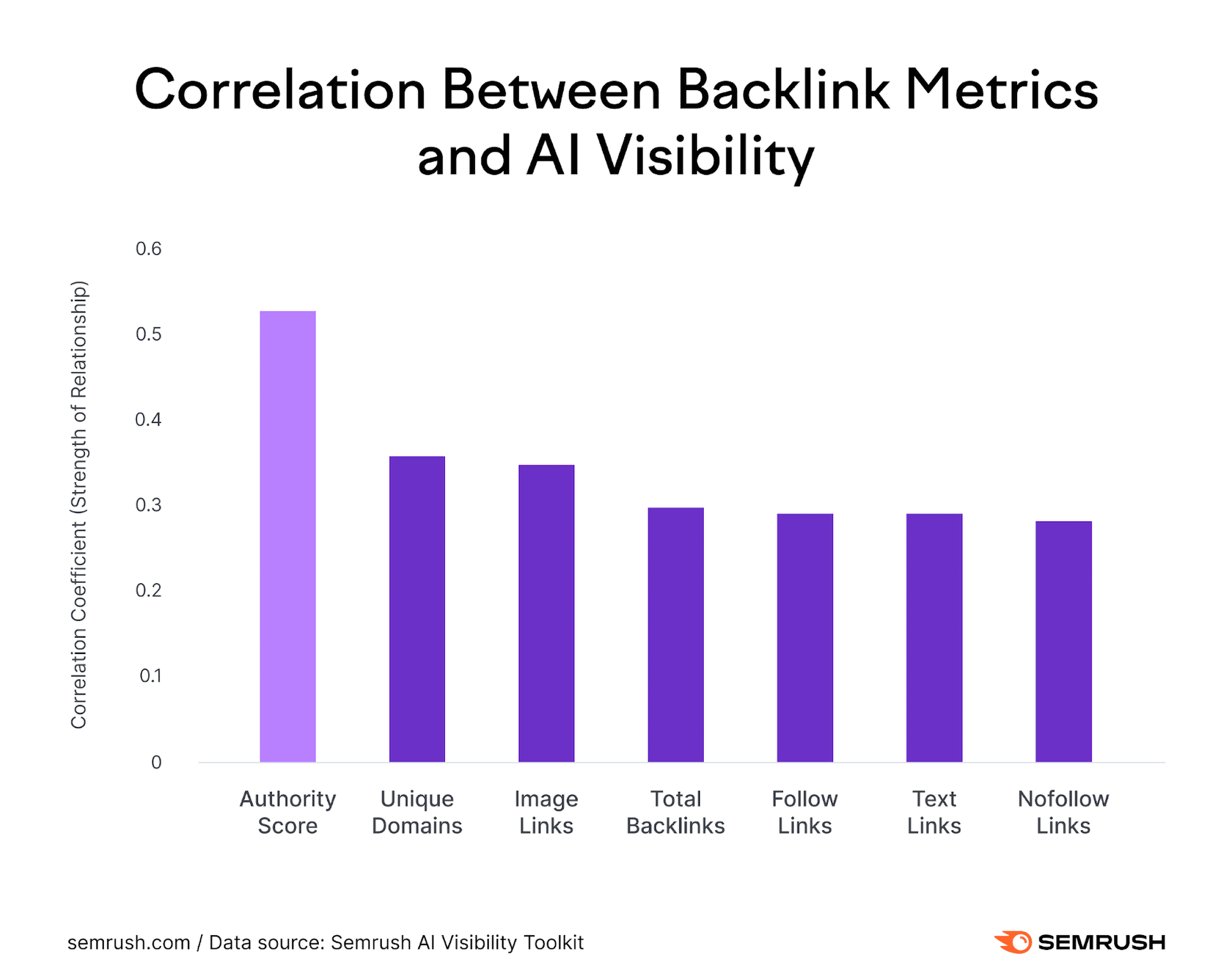
Data compiled from a Semrush study encompassing 1,000 domains indicates a strong, direct correlation between high-backlink authority and frequent appearance in AI-generated answers. Further supporting this, research from Seer Interactive underscores that domain authority and high-quality backlinks originating from websites with a Domain Authority of 60 or higher remain the primary ranking metrics influencing LLM visibility.
Because artificial intelligence engines prioritize reliability and consensus, they rely heavily on third-party validation. Brands that fail to cultivate an active offsite footprint risk becoming invisible in the era of generative search, regardless of how well-optimized their internal web pages might be. To combat this, digital marketers and public relations professionals are adopting a multi-tiered approach built on six core strategies designed to maximize earned media, reinforce offsite authority, and secure coveted LLM citations.
Strategy 1: Data-Led PR and Original Research
One of the most reliable methods for earning authoritative backlinks and third-party citations is data-led public relations. This strategy involves conducting original research, publishing statistical industry roundups, and distributing the findings to relevant journalists, bloggers, and market analysts.
In professional media and content creation, credible data is a perennial commodity. Writers and editors are constantly seeking fresh statistics to substantiate their claims. By publishing proprietary reports—such as workforce studies, industry overviews, or trend analyses—brands position themselves as primary sources of information.
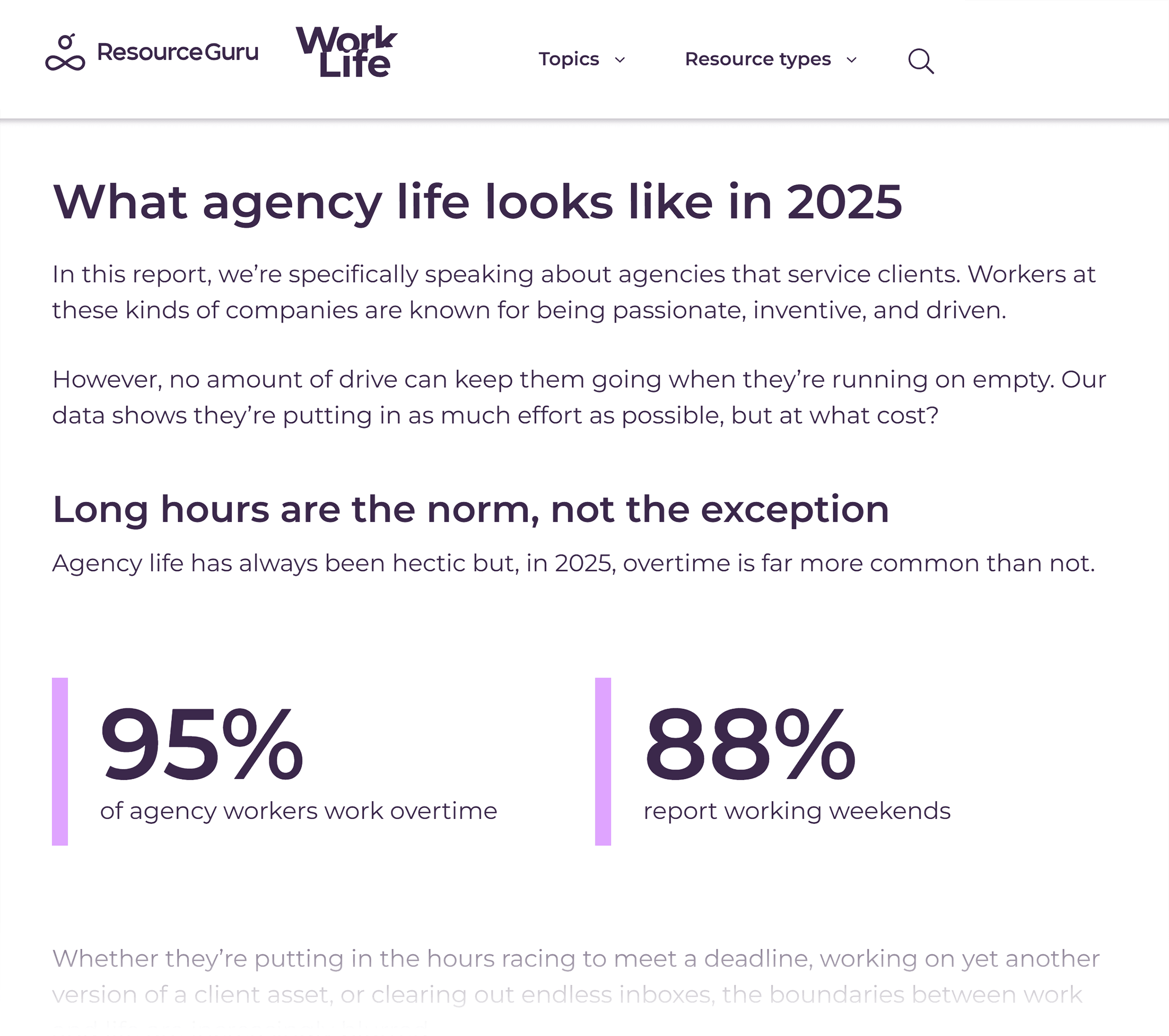
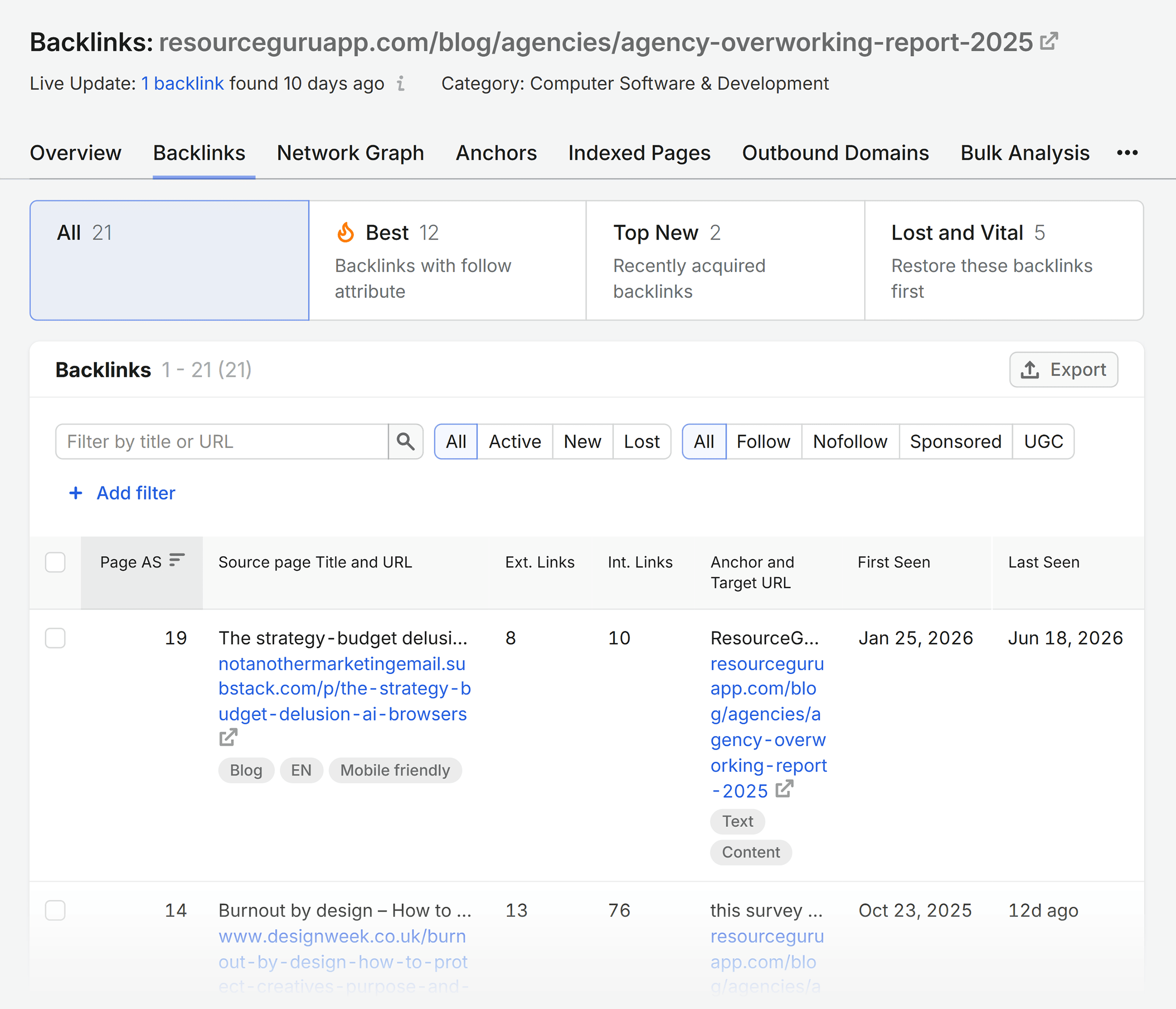
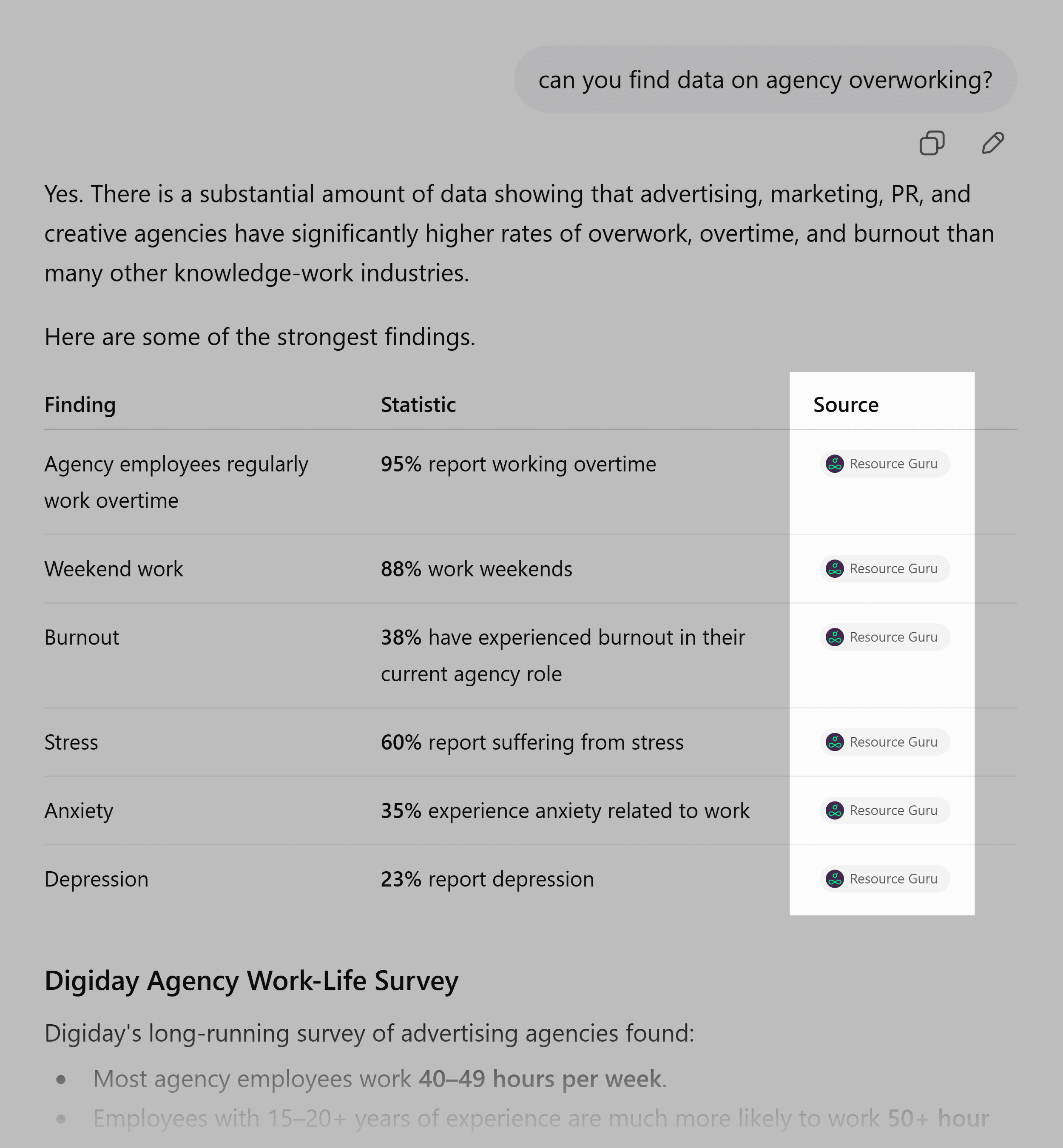
For instance, when specialized workforce platforms release annual reports detailing workplace trends or operational challenges, these studies routinely generate dozens of natural backlinks from high-authority media outlets like Forbes and Bloomberg. More importantly, these original data points are frequently ingested by web-scraping AI models, making the originating brand a permanent reference point whenever an LLM answers queries related to those specific statistics. Proactive outreach—such as offering fresh data to authors of older, outdated statistical roundups—serves as an efficient mechanism to capture established traffic and secure enduring AI citations.
Strategy 2: Strategic AI Citation Outreach
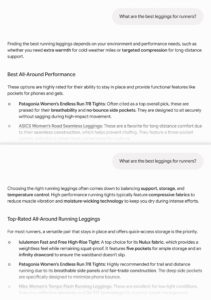
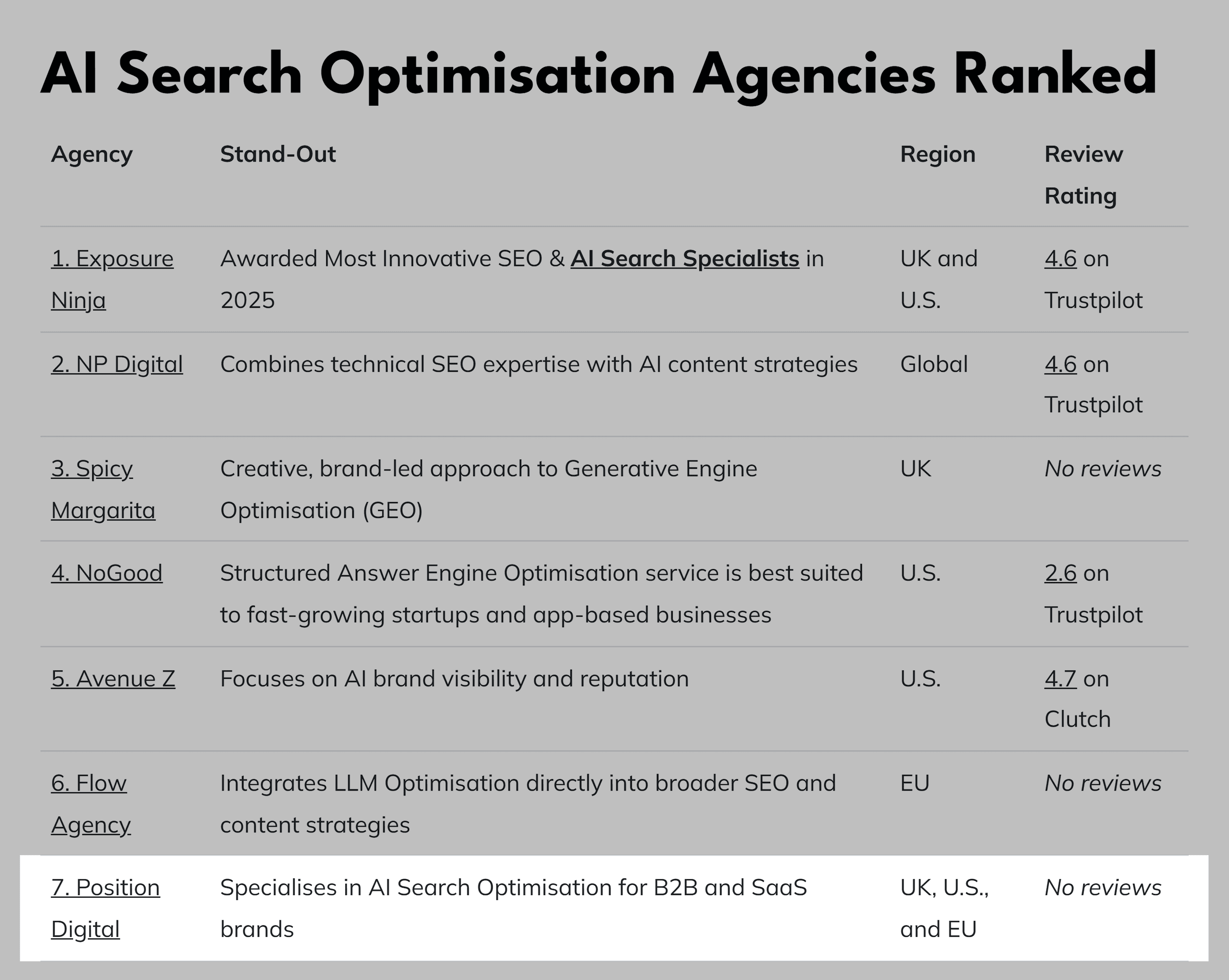
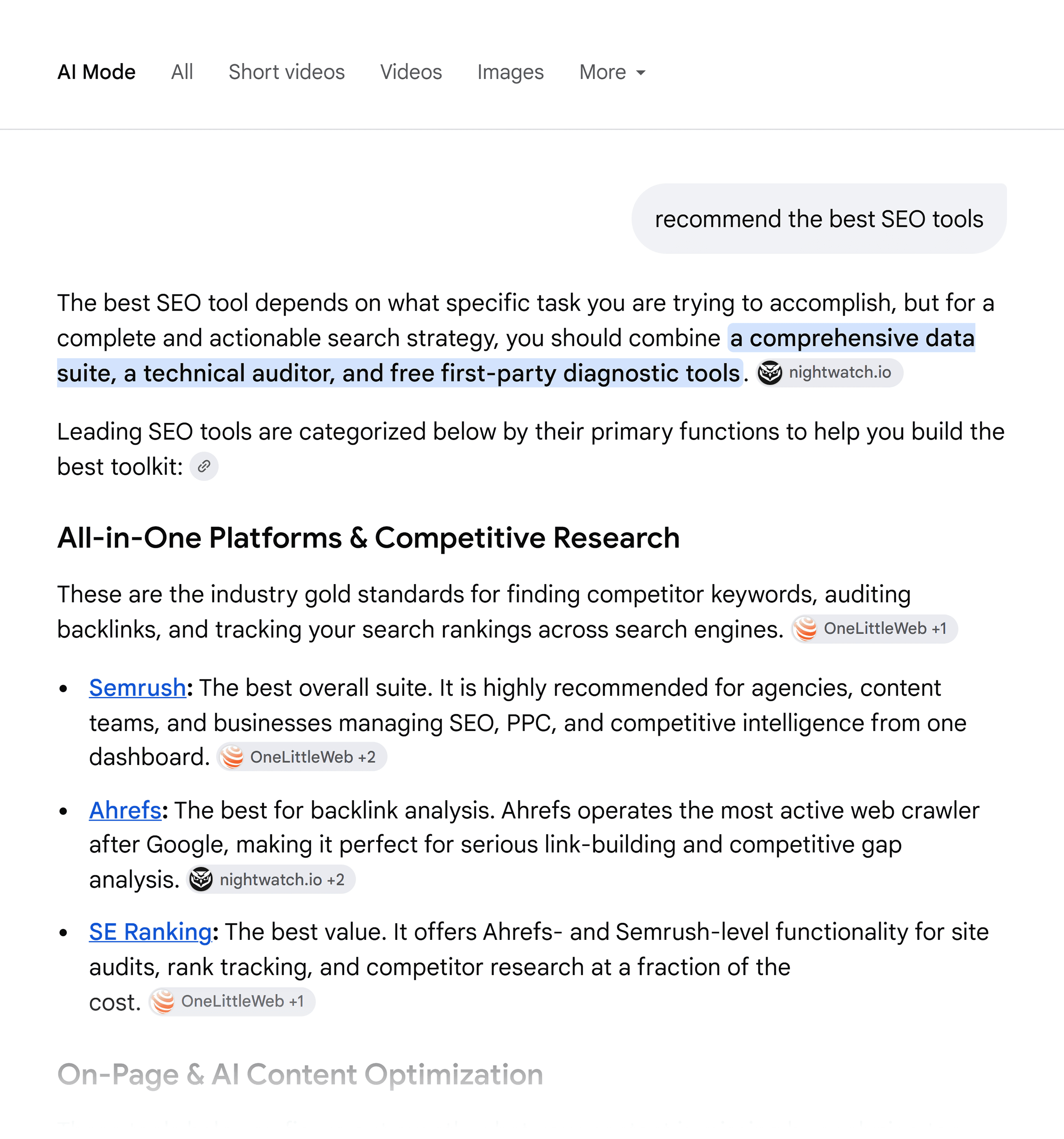
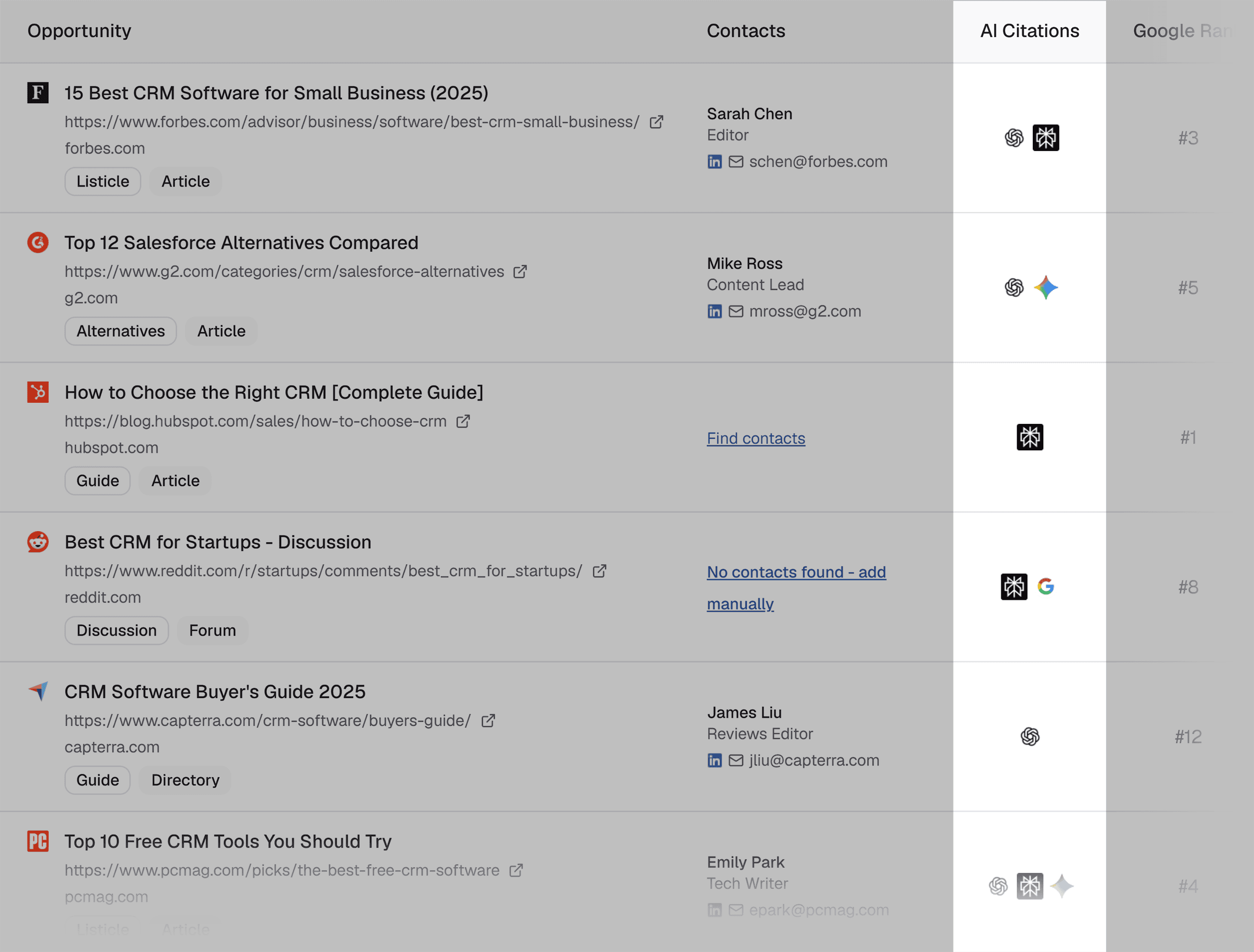
Securing placements in the exact publications, listicles, and comparison guides that AI models already reference is perhaps the most direct method to influence generative search results. Because different LLMs rely on distinct training datasets and real-time retrieval mechanisms, AI citation profiles vary significantly across platforms like ChatGPT, Google AI Mode, and Perplexity.
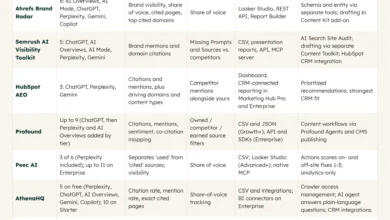
To execute effective AI citation outreach, organizations must first map out the conversational prompts their target audience utilizes. This involves analyzing sales call transcripts, mining Google Search Console for ultra-long-tail query data, leveraging "People Also Ask" databases, and utilizing specialized AI visibility toolkits. Once target prompts are identified, marketers analyze the specific third-party pages cited by the AI models.
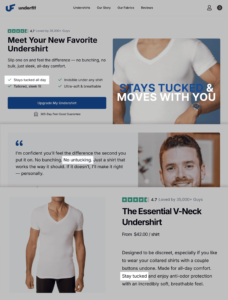
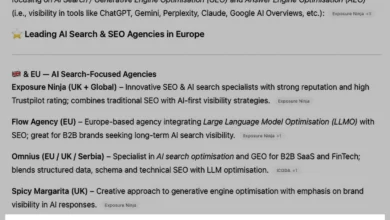
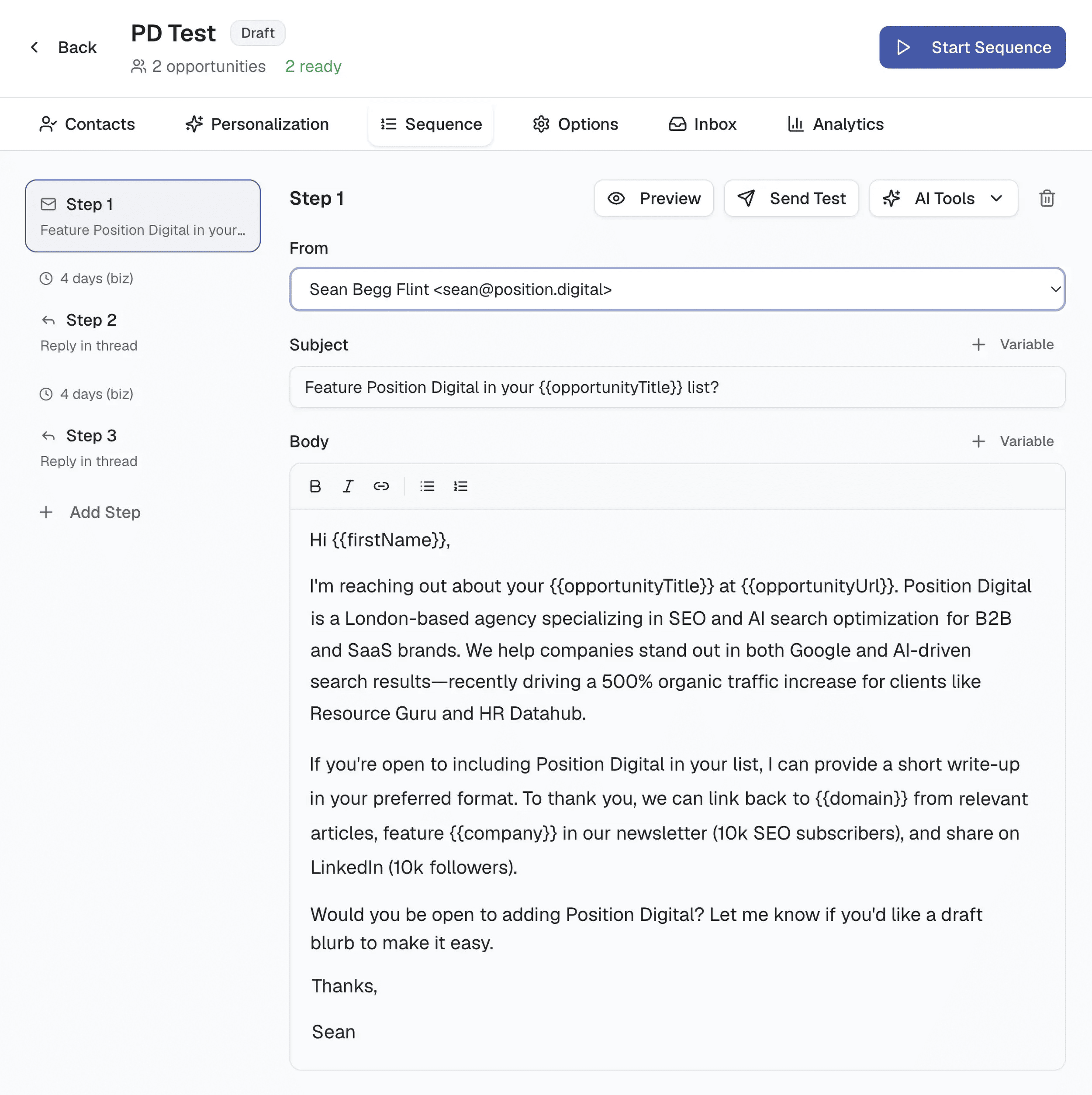
By conducting targeted outreach to the authors and editors of these ranking listicles—often providing concise, ready-to-publish blurbs and valuable insights in return—brands can secure inclusion. When an AI model subsequently indexes the updated listicle, the newly added brand is naturally woven into the conversational output delivered to the end user.
Strategy 3: Reactive PR and Speed-to-Market
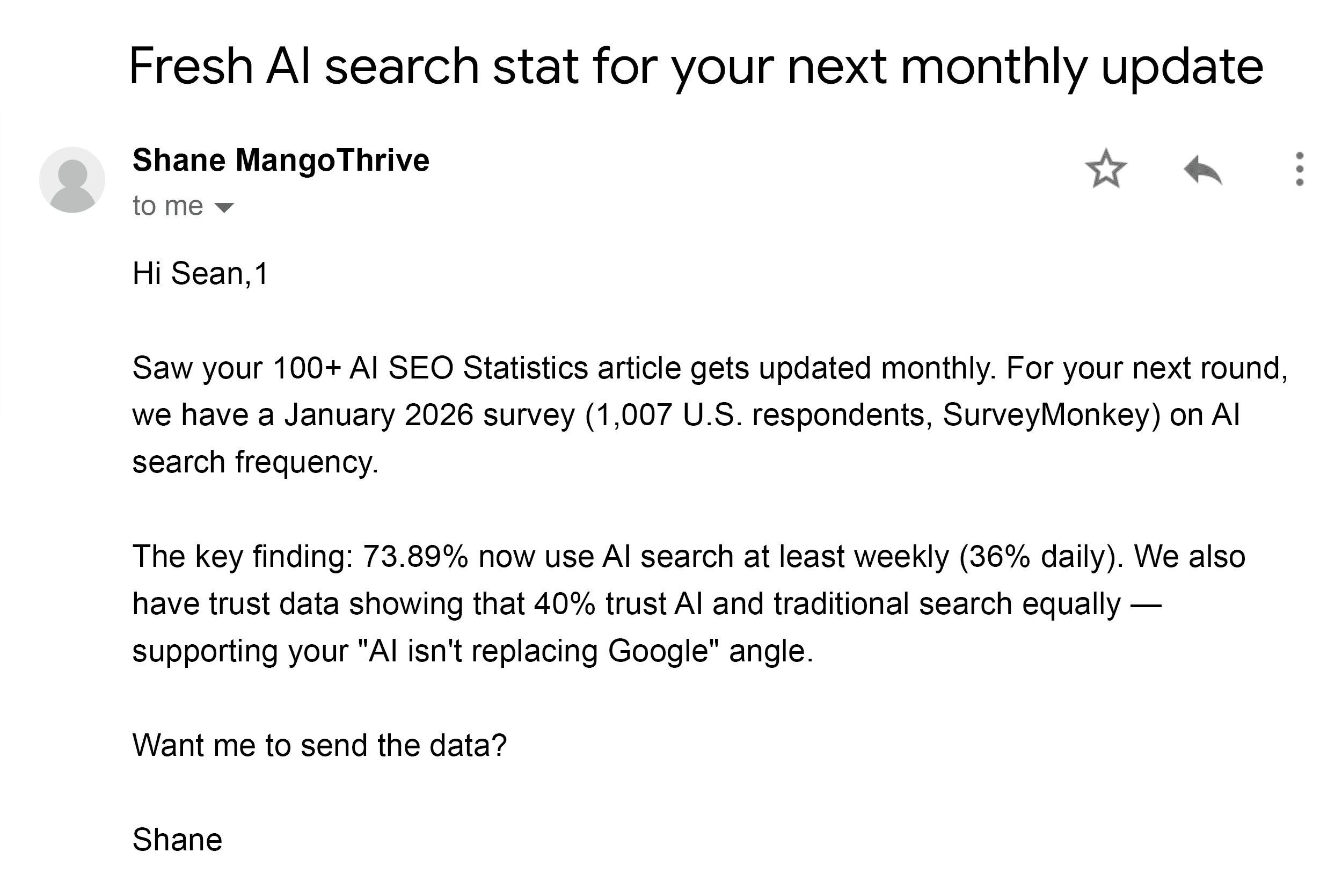
While traditional PR campaigns require weeks of preparation, reactive PR is predicated on velocity. When breaking news, regulatory updates, or viral industry shifts occur, LLM training data instantly faces a temporal cutoff. To answer user queries regarding current events, AI models must bypass static training parameters and scour the web for real-time reporting.
During a breaking news cycle, only a handful of credible outlets initially cover the story. Organizations that provide immediate, authoritative commentary, expert analysis, or objective reporting capture a critical window of visibility. When major trade publications or news organizations cite these rapid insights, AI engines aggregate the coverage, embedding the responsive brand into the real-time knowledge graph. Overcoming the primary challenge of reactive PR—spotting emerging trends before they saturate the mainstream—requires continuous monitoring of industry newsletters, specialized social media discourse, and niche blogging networks.
Strategy 4: Ego Bait and Expert Collaboration
Ego bait strategies involve integrating recognized industry experts, thought leaders, and influencers into a brand’s content. This can take the form of expert roundups, collaborative case studies, or curated lists of prominent figures within a specific sector.
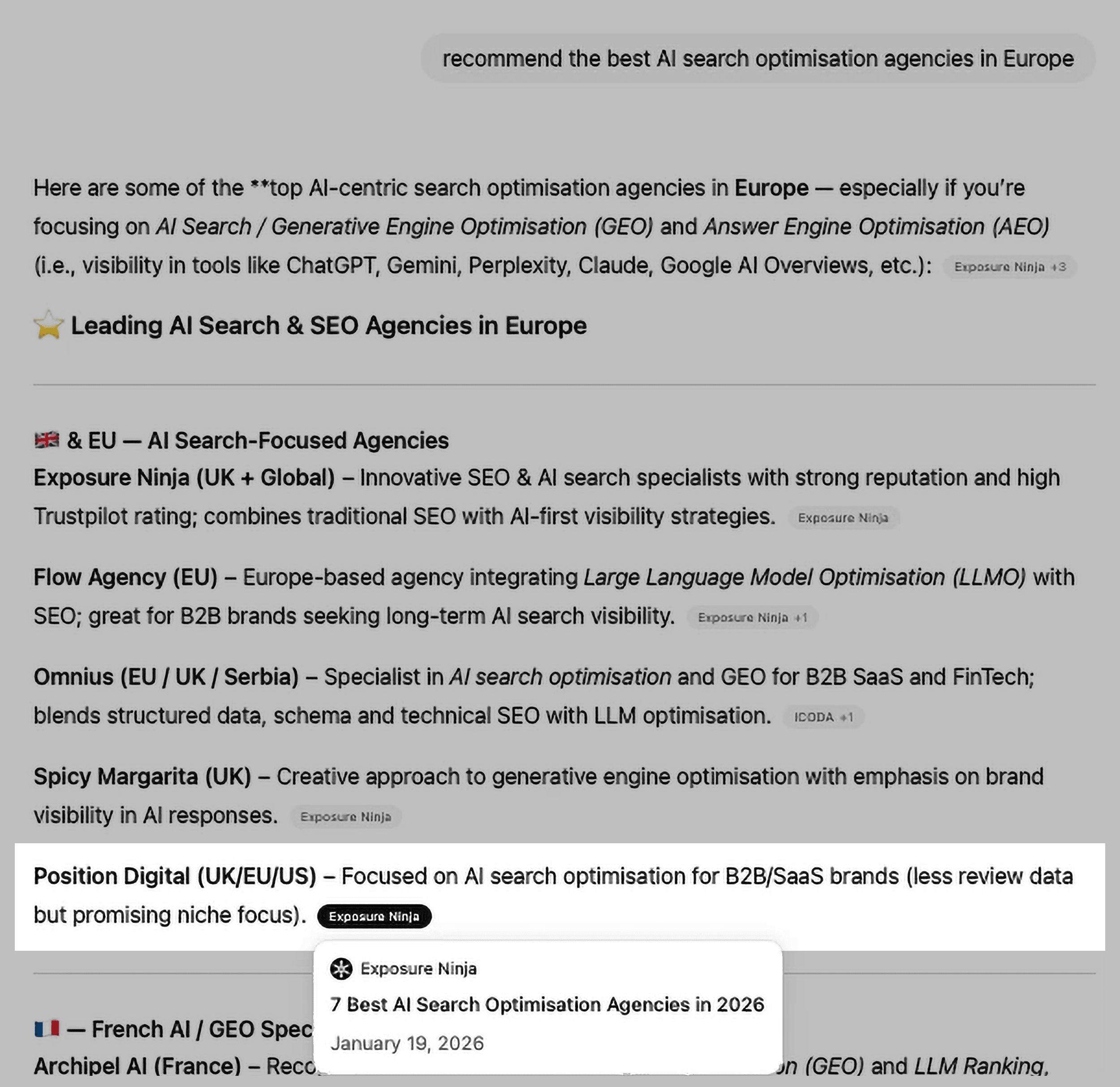
The implementation of expert commentary yields a dual benefit. First, it acts as an immediate trust signal. Empirical analysis of AI search behaviors reveals that web pages incorporating authoritative expert quotes achieve significantly higher citation averages in LLM outputs compared to pages lacking external validation. AI systems recognize expert commentary as a marker of high editorial quality. Second, featured experts naturally act as a distribution channel. When influencers are cited or featured in a piece of content, they frequently share it across their professional networks, driving social engagement, inbound links, and broader web visibility that collectively elevate LLM recognition.
Strategy 5: Scaled Thought Leadership
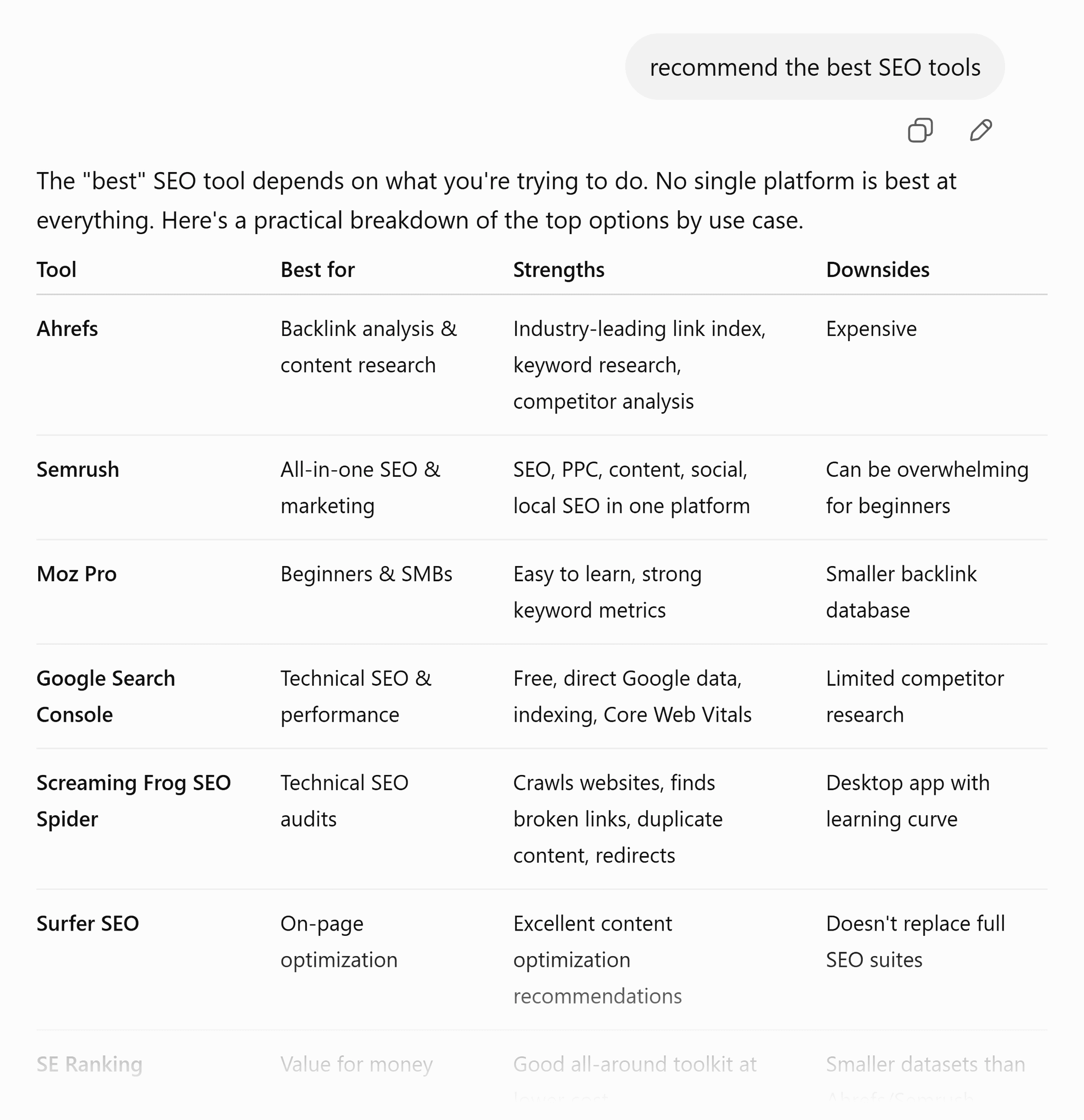
While traditional search engine optimization focuses on ranking for high-volume commercial keywords, thought leadership is engineered to establish an unmistakable, recognizable voice for both human audiences and AI algorithms. Thought-provoking content challenges conventional industry assumptions, introduces novel conceptual frameworks, and sparks debate.
Platforms like LinkedIn play a critical role in this ecosystem. Semrush studies indicate that professional networking platforms like LinkedIn frequently rank among the most heavily cited domains across major generative search interfaces. Organizations and executives who consistently publish analytical insights, original perspectives, and contrarian industry commentary build a powerful digital footprint.
Furthermore, framework-driven distribution models—such as publishing a comprehensive core guide on a primary domain, distributing tailored variations across high-authority guest blogging platforms, and appearing as guests on niche industry podcasts—create a robust web of interconnected citations. When multiple authoritative sources point to a single brand as the originating voice of a concept, AI models recognize that brand as the definitive subject matter authority.
Strategy 6: Community Building and Neutral Validation
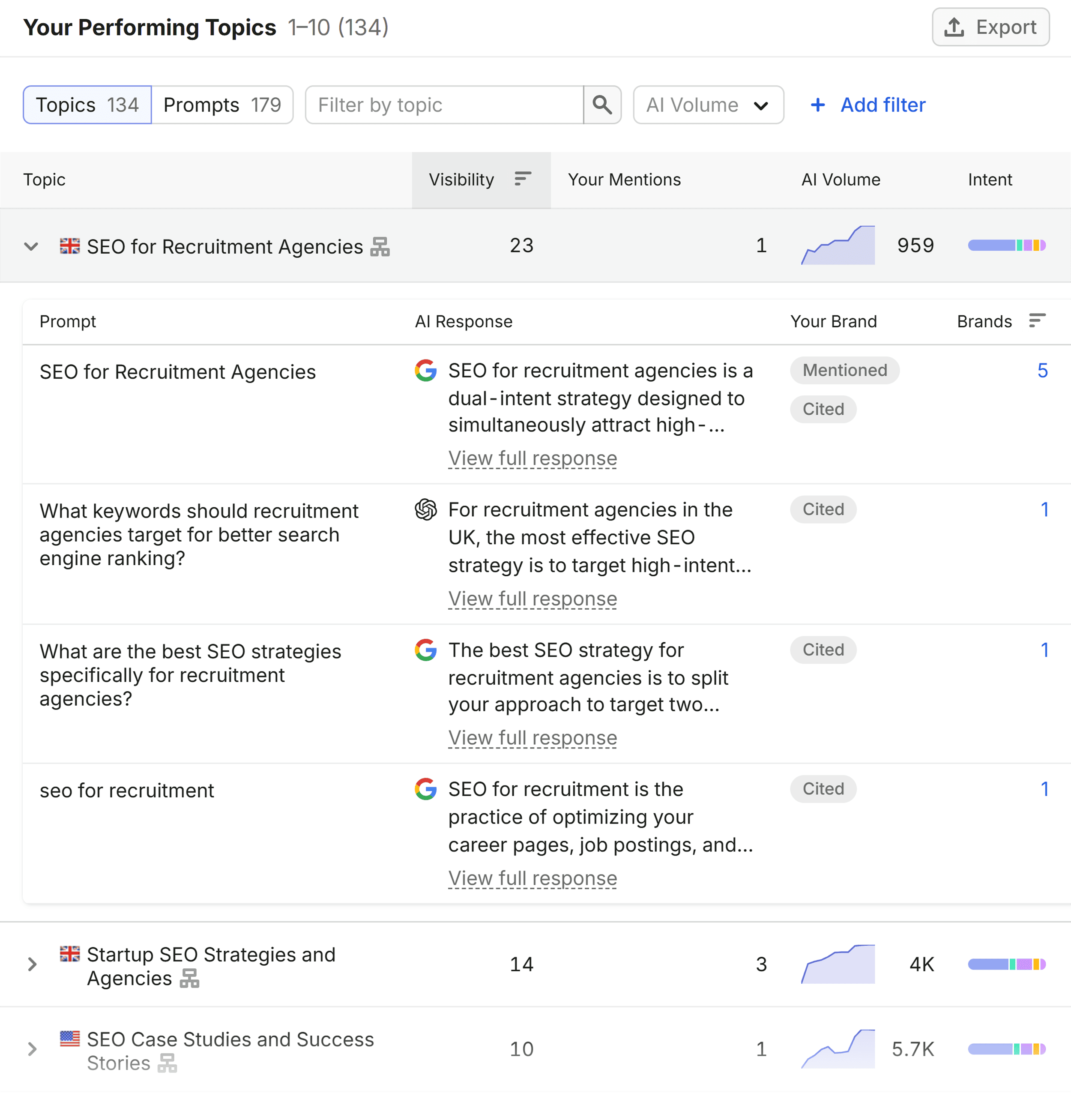
AI models place exceptional trust in neutral, community-driven sources and independent review platforms over brand-owned marketing materials. Data from comprehensive AI visibility studies demonstrate that LLMs frequently cite active forum threads, peer review sites, and customer feedback platforms far more often than corporate blogs or promotional landing pages.
For example, independent analyses of AI search results show that platforms like Reddit, Trustpilot, G2, and Quora carry immense weight in shaping brand perception within generative engines. Brands with established, active profiles on review platforms experience drastically higher AI citation rates compared to those with no third-party review presence.
To capitalize on this dynamic, organizations must engage in authentic community building. This involves contributing genuine, helpful insights to niche forum discussions without resorting to overt self-promotion. By participating constructively in Q&A communities, optimizing profiles on verified software and service review sites, and encouraging authentic customer feedback, brands build a resilient foundation of third-party validation that AI engines are programmed to trust.
Implications and Future Outlook
The evolution of AI search marks the definitive end of insular marketing strategies. As artificial intelligence continues to synthesize the collective web into direct conversational answers, brand visibility will increasingly depend on external reputation rather than internal optimization alone.
Industry analysts emphasize that organizations adapting to this shift must integrate digital PR, data-led research, reactive commentary, and community engagement into their core visibility frameworks. By aligning marketing efforts with the third-party validation metrics that LLMs prioritize, businesses can secure enduring prominence in the next generation of digital discovery.