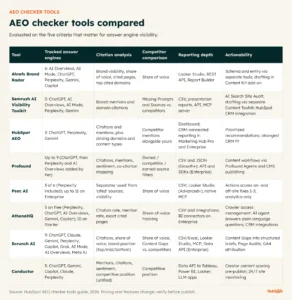
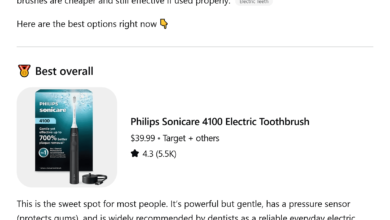
The Evolving Landscape of Digital Promotion: Website Marketing Strategies for 2026


The fundamental mechanics of website marketing have undergone a profound structural shift, permanently altering how businesses acquire digital traffic and convert prospective buyers. For decades, the traditional paradigm of website marketing relied on a direct, linear pipeline: brands promoted their proprietary URLs through search engine optimization and direct advertising, fundling external audiences directly onto homepages and product landing pages to secure conversions.
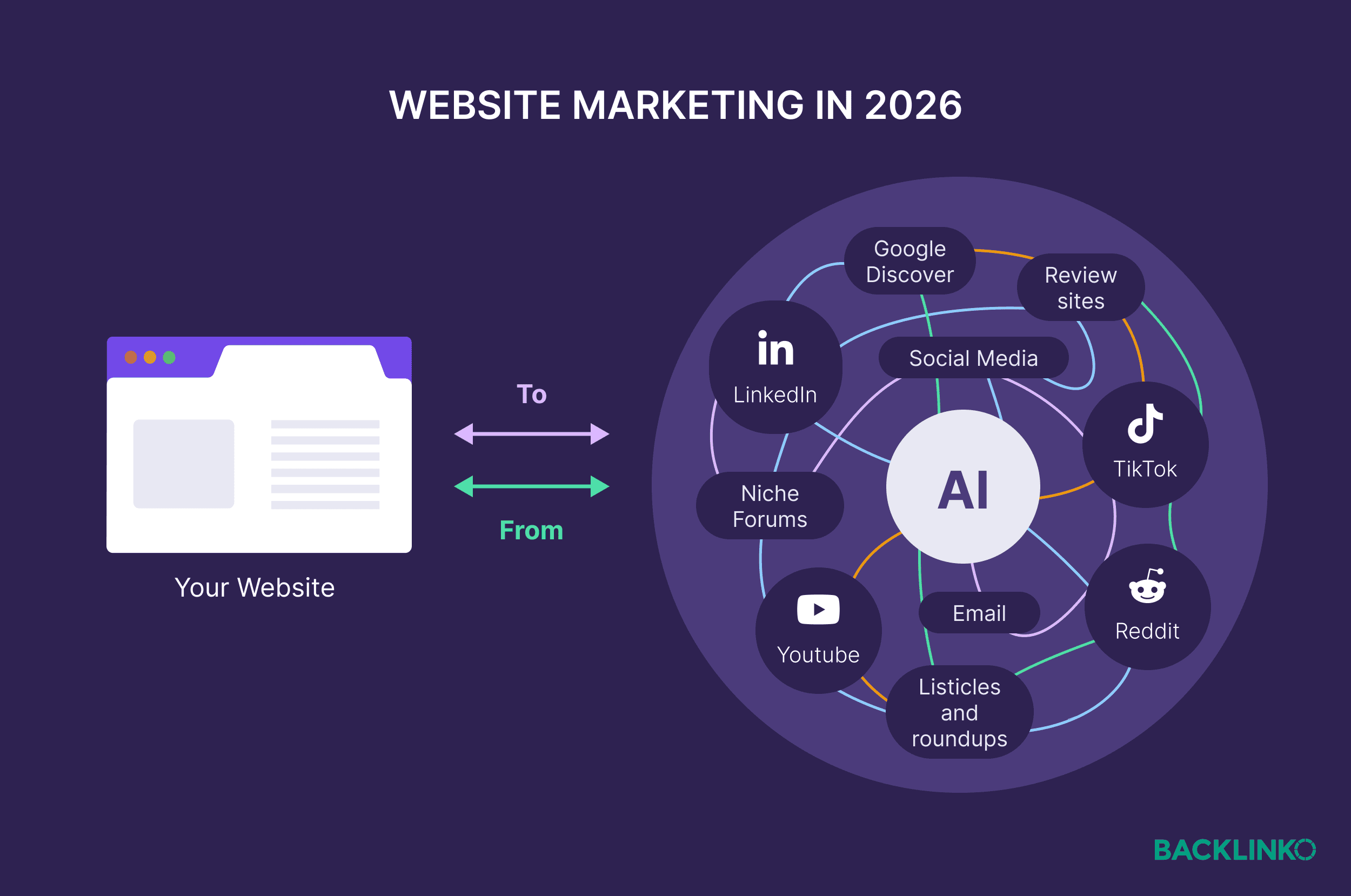
However, market research indicates that this straightforward customer journey has largely disintegrated. Modern consumer behavior data shows that by the time a prospective buyer clicks onto a corporate website, a significant portion of their research and decision-making process has already taken place across an array of decentralized digital ecosystems. Potential customers now heavily rely on generative artificial intelligence search tools, peer-to-peer discussion boards like Reddit, and various social media platforms to evaluate brand credibility and compare industry alternatives before ever visiting a primary domain. Consequently, companies that fail to establish visibility and authority across these external touchpoints frequently find themselves excluded from the modern consumer’s consideration set.
This decentralized path to purchase requires a fundamental restructuring of corporate marketing frameworks. Rather than treating the corporate website as an isolated destination, contemporary digital strategy must view the website as the final, high-intent validation point of a much broader, multi-channel discovery journey. When consumers encounter a brand repeatedly across AI summaries, community forums, and video platforms, they arrive at the corporate website with significantly higher contextual trust, resulting in elevated intent and superior conversion rates.

To address this modern consumer journey, digital strategists are increasingly adopting a multi-tiered promotional framework designed to capture attention across diverse digital spaces while maximizing the conversion efficiency of incoming traffic.

Positioning Brands for Dual AI and Human Discovery
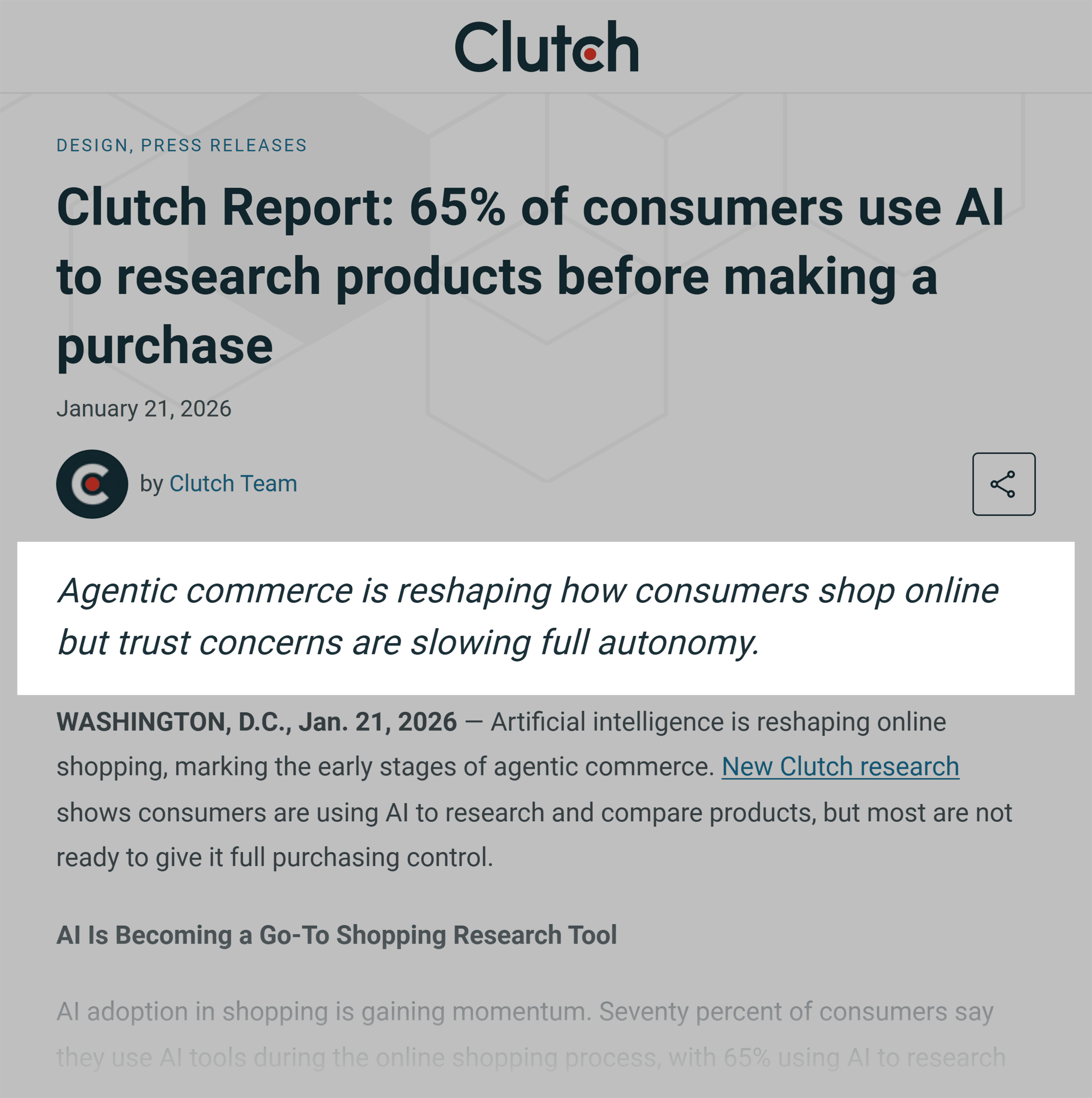
The rapid integration of artificial intelligence into everyday consumer research has radically compressed traditional search funnels. Recent industry surveys conducted by enterprise research firms indicate that over 65 percent of commercial buyers now utilize generative artificial intelligence tools to research products, services, and corporate reputations before initiating direct contact with a vendor.
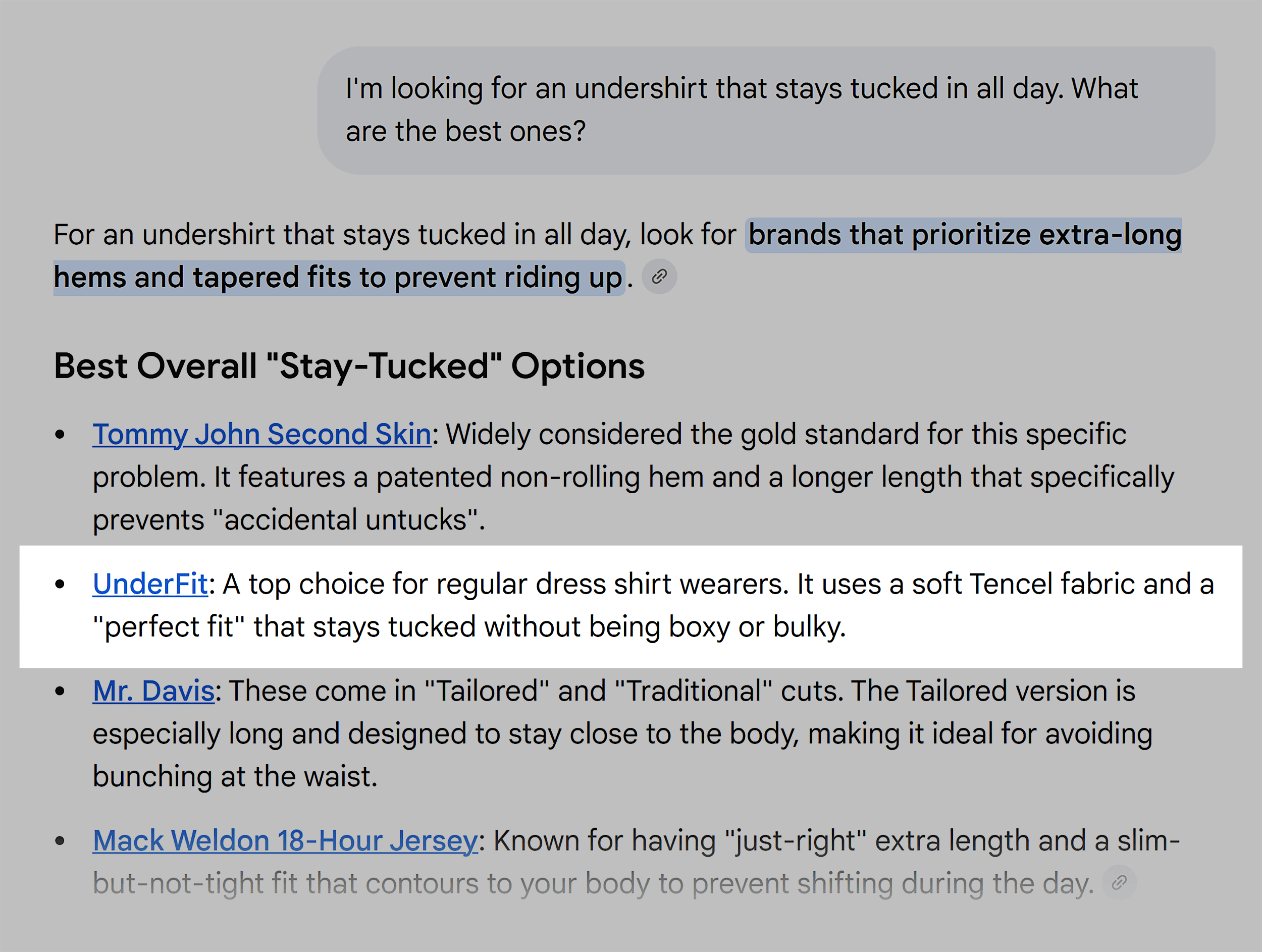
Because LLMs synthesize brand narratives from a vast corpus of third-party web text, customer reviews, and discussion forums, businesses can no longer afford to leave their online reputation to chance. Engineering how the broader internet describes a brand begins with the formal documentation of a clear brand messaging strategy. This foundational document establishes the standardized vocabulary, core positioning pillars, and value propositions that must be consistently associated with an enterprise across all public communications.
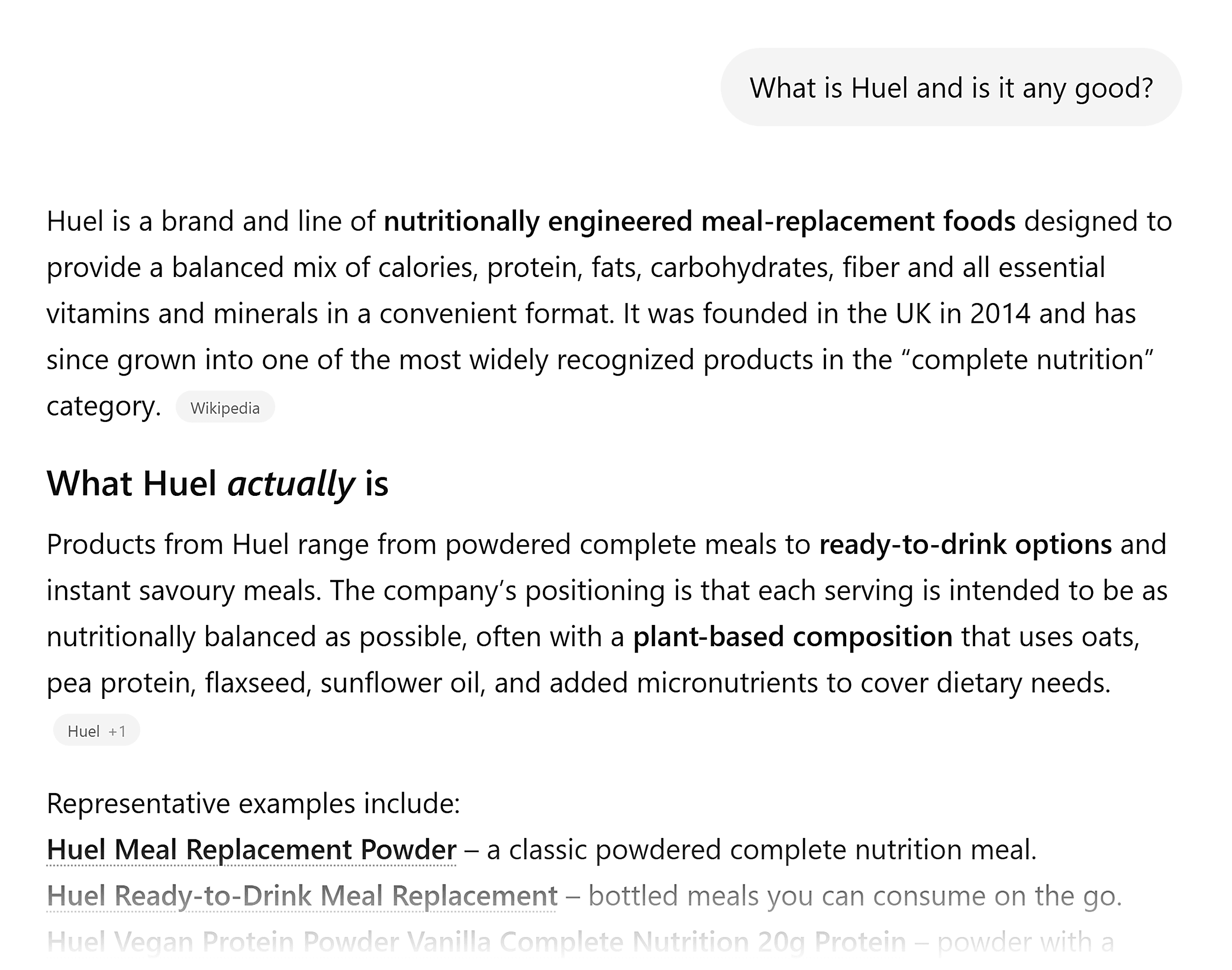
Market consistency in messaging serves a dual purpose. For human audiences, the repetition of precise value propositions clarifies category association and solves specific consumer pain points. For algorithms and large language models, consistent phrasing across reviews, industry roundups, and corporate blogs establishes semantic patterns that make it easier for AI search engines to accurately index and recommend the brand for relevant query categories.
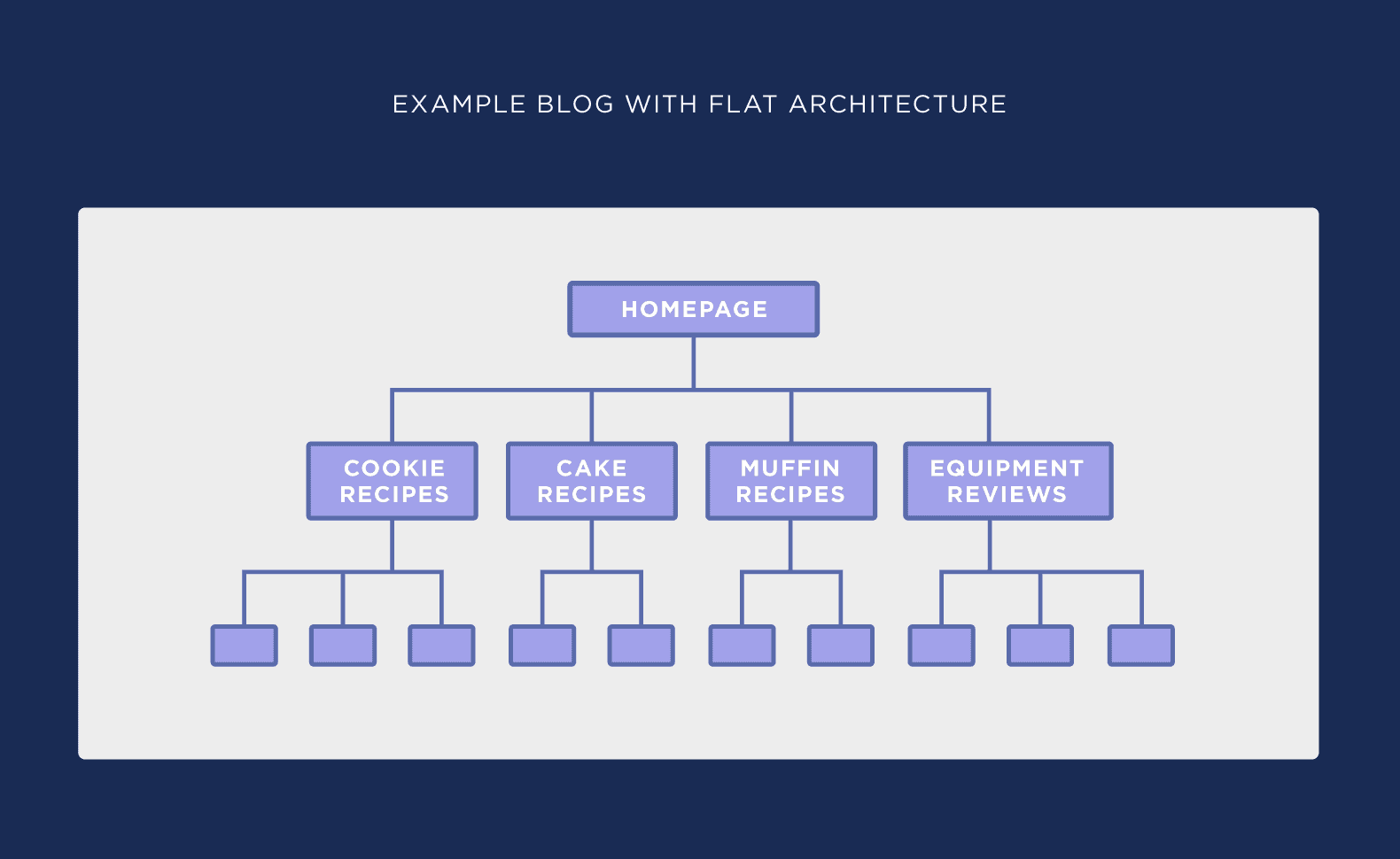
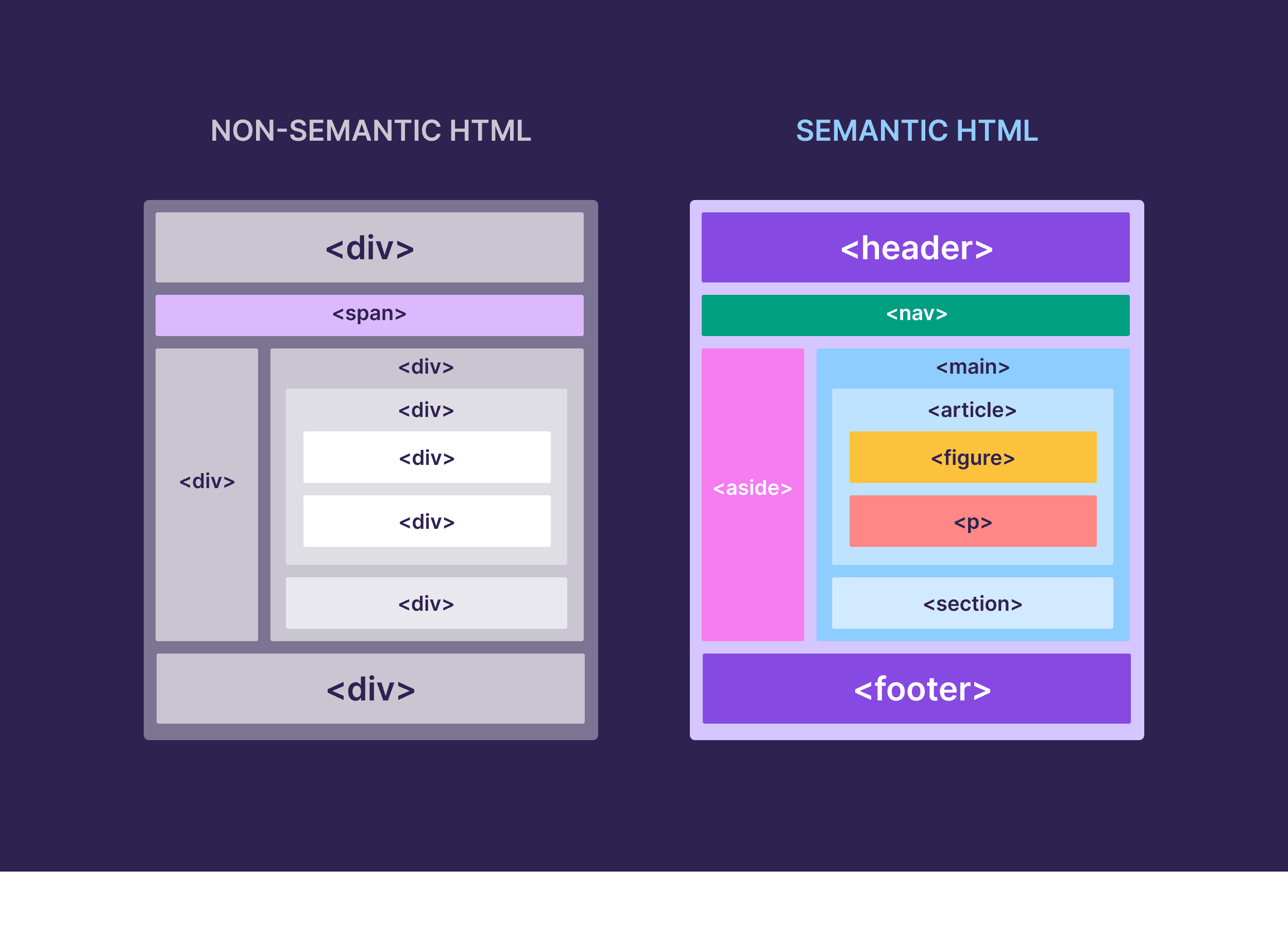
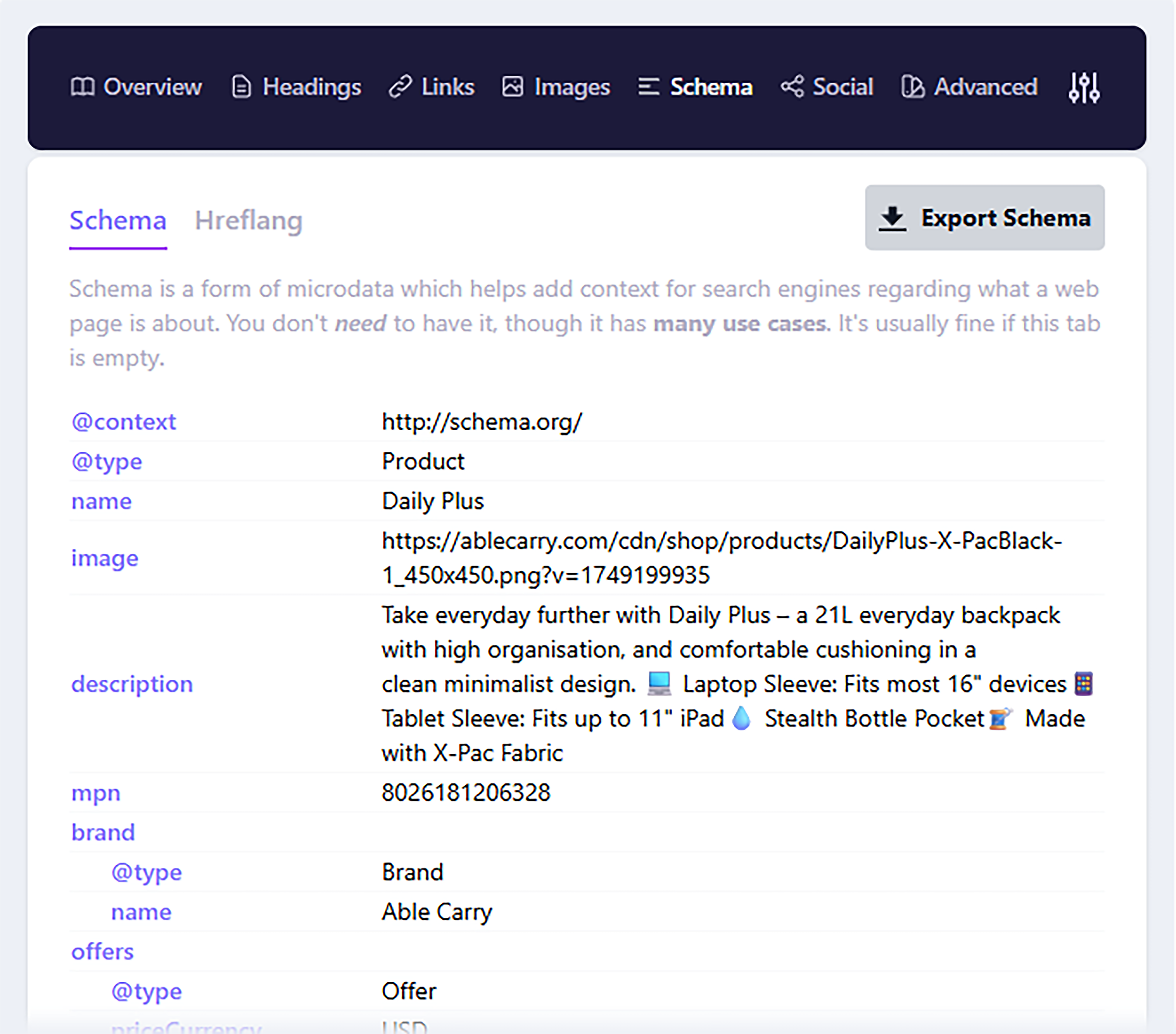
Complementing this external messaging alignment requires robust, scannable website architecture. As search engines and AI parsers increasingly favor structured, easily interpretable data, websites must implement clean semantic HTML, logical heading hierarchies, and properly configured schema markup. This structural clarity allows automated crawlers to immediately interpret page intent and content organization, ensuring that technical search optimization keeps pace with evolving algorithmic standards.

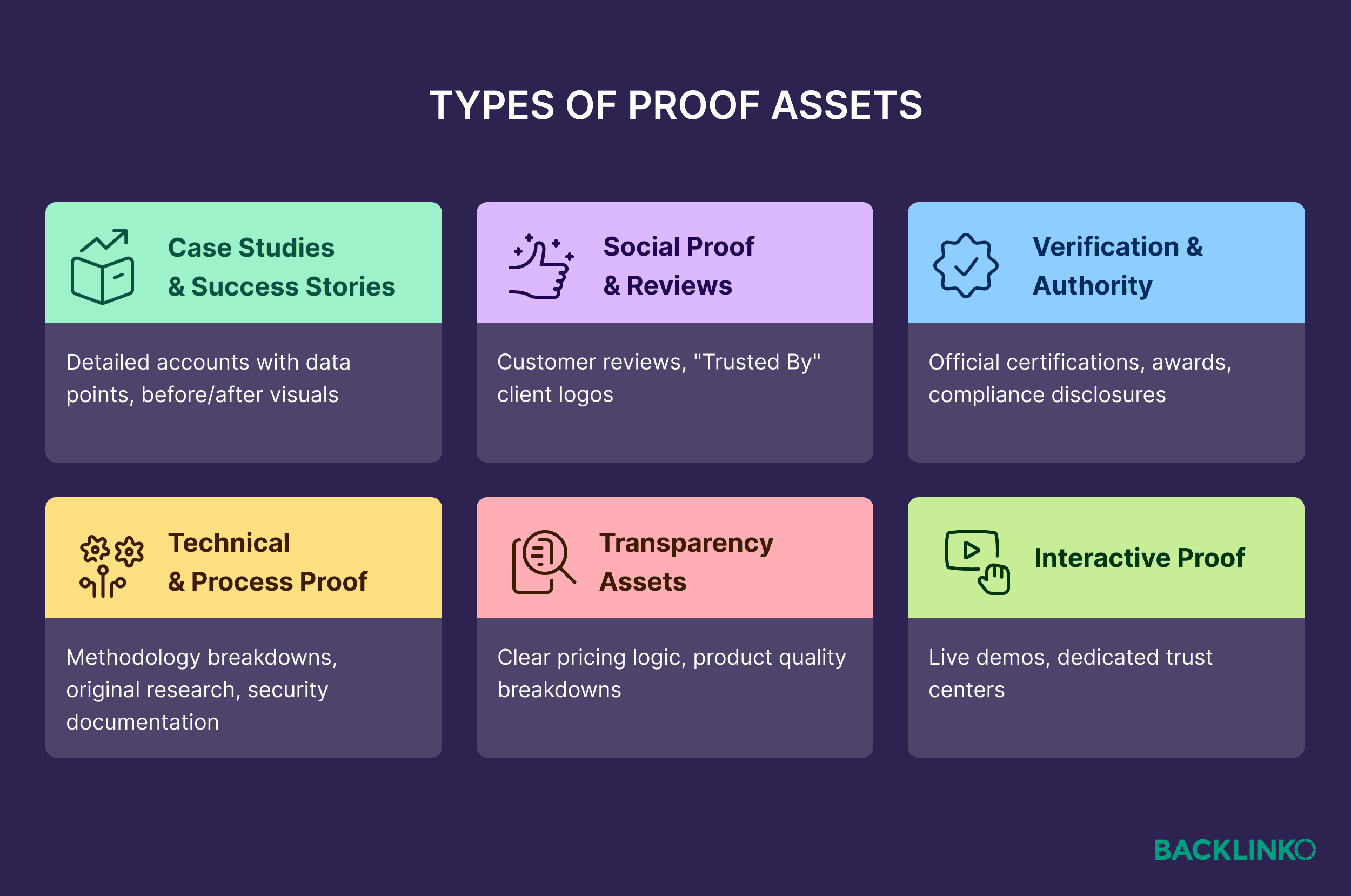
Furthermore, the publication of verifiable proof assets—such as rigorous case studies, third-party security audits, empirical performance metrics, and transparent return policies—provides the objective evidence required to satisfy both skeptical human buyers and automated evaluation systems.
Leveraging Video Assets to Establish Pre-Purchase Trust
Video content has emerged as one of the most effective mediums for bridging the psychological gap between initial brand discovery and ultimate commercial conversion. Long-form video platforms, webinars, and structured educational series allow enterprises to demonstrate deep domain expertise while giving consumers a tangible sense of familiarity with the people behind the organization.
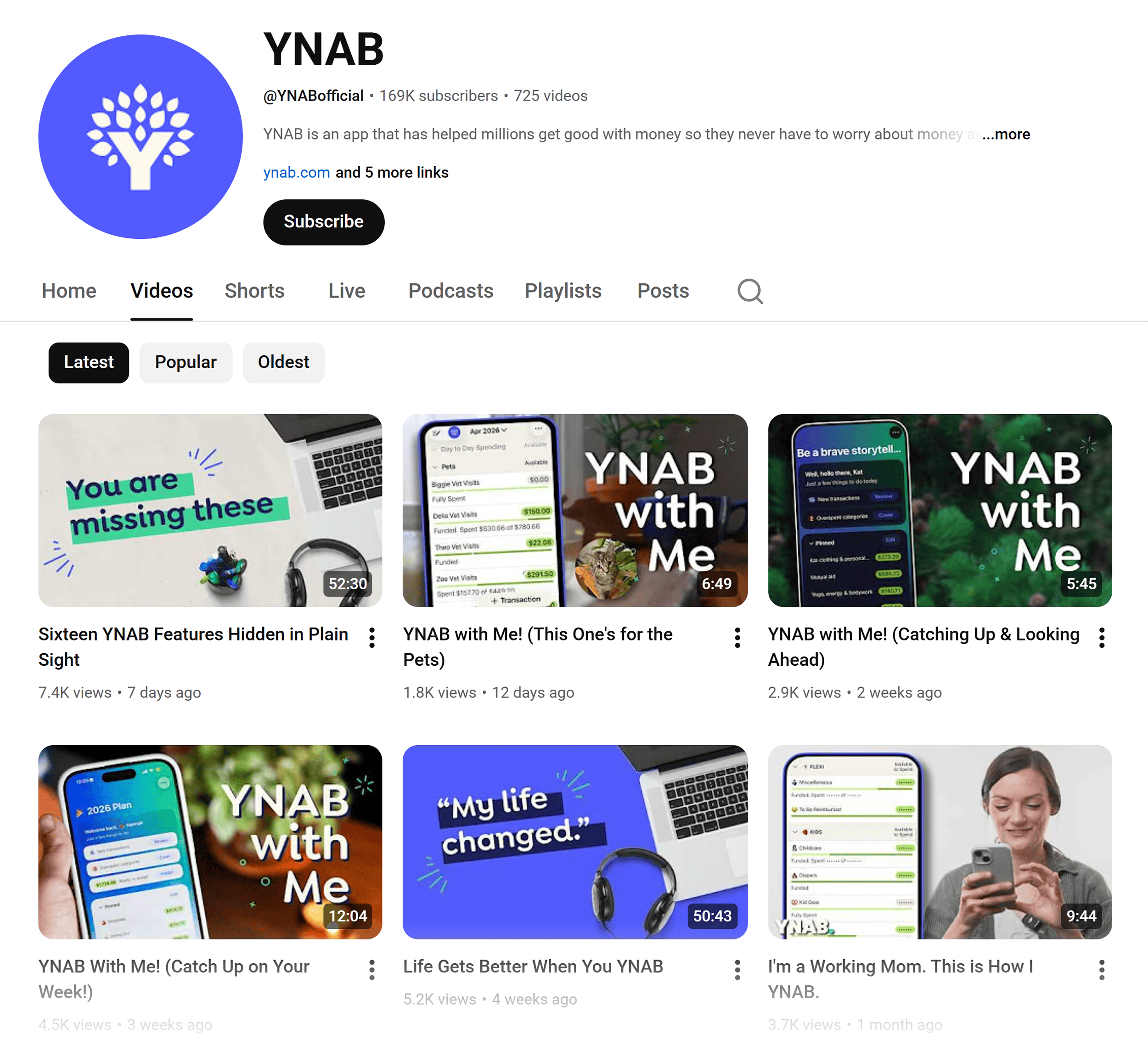
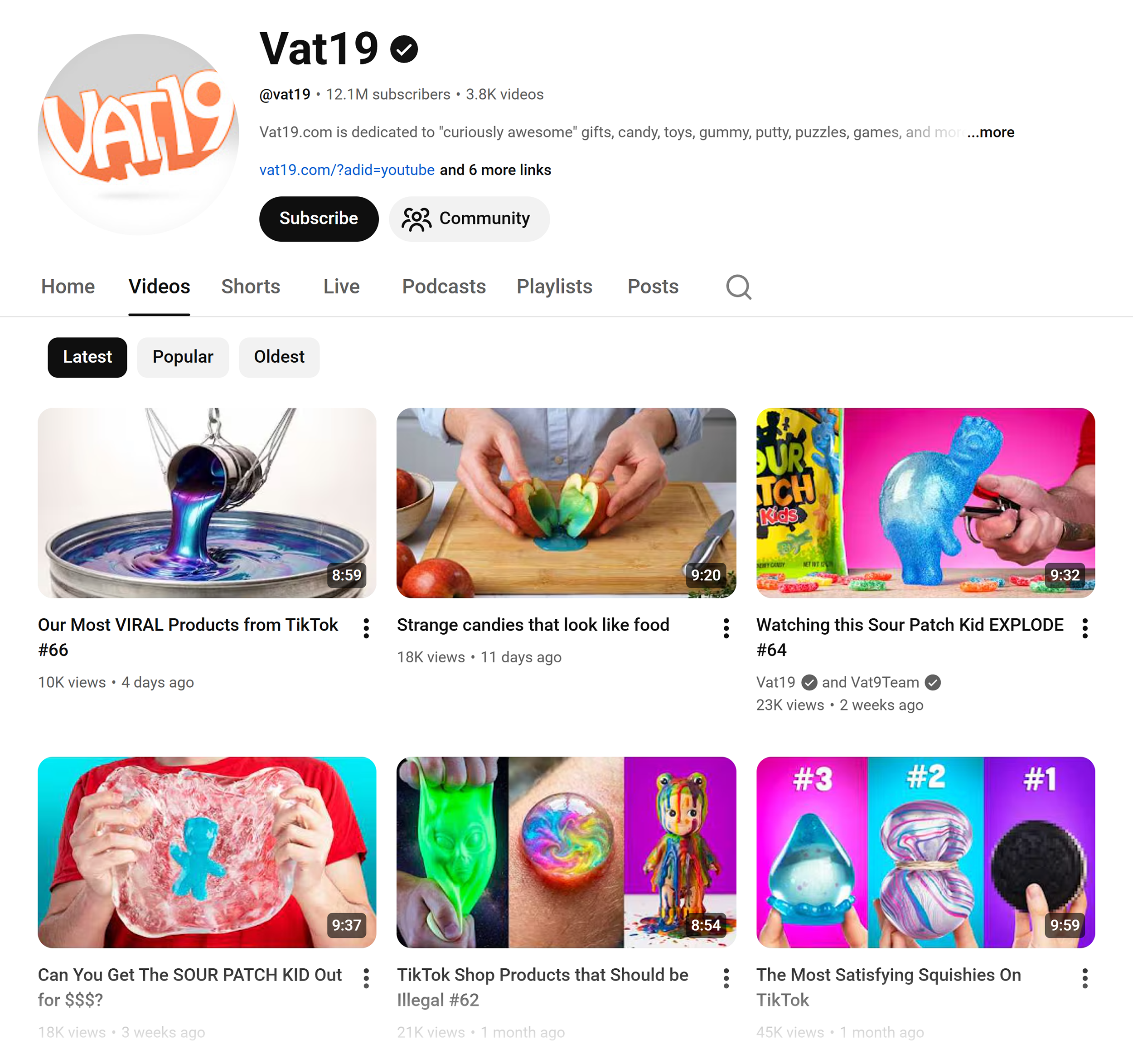
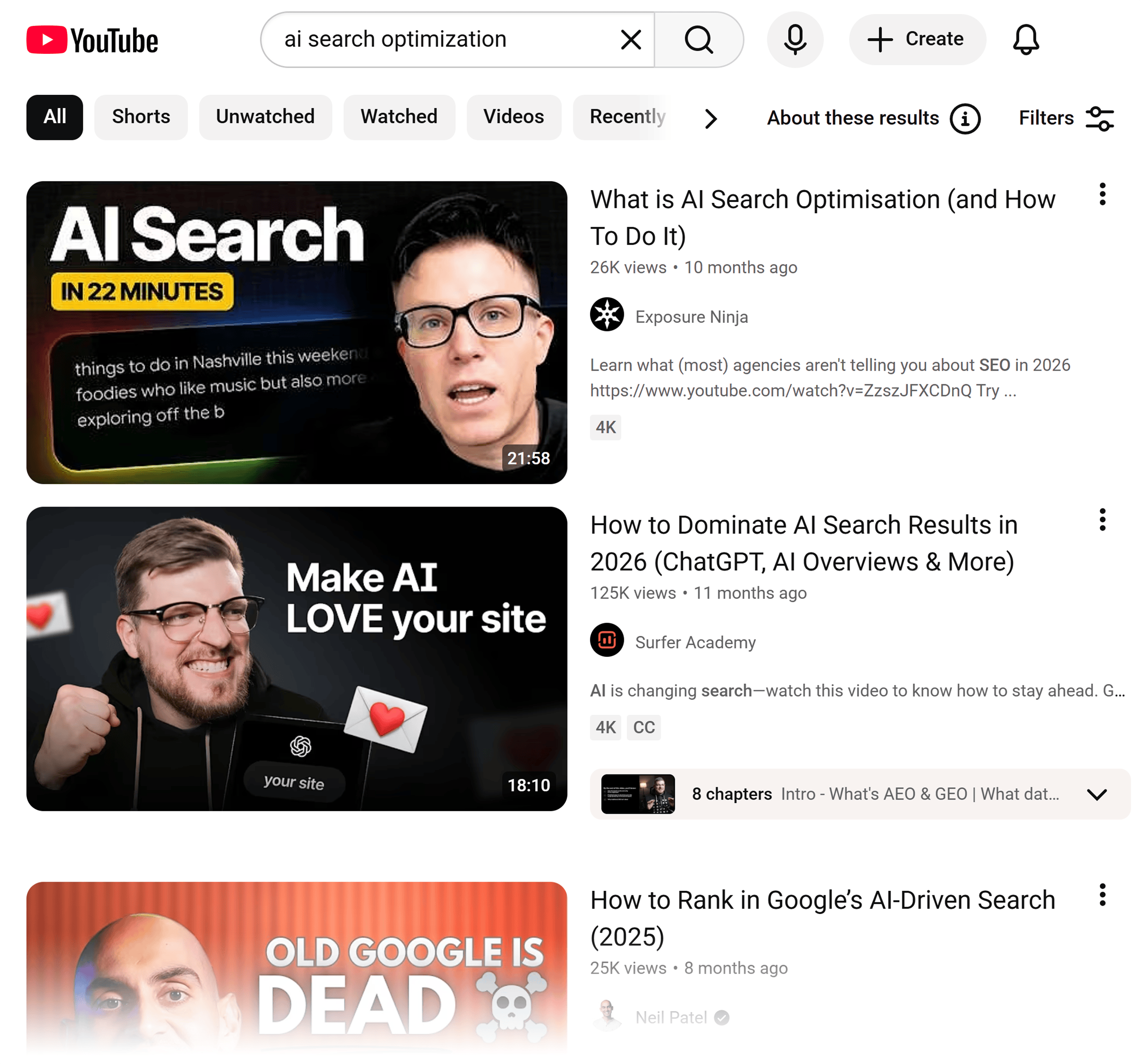
Industry case studies consistently demonstrate that brands utilizing dedicated long-form video channels—such as YouTube—to address complex buyer questions experience higher levels of qualified inbound traffic. Rather than relying solely on promotional pitches, high-performing video strategies focus on pre-purchase evaluation, helping prospective clients weigh their options, understand product limitations, and evaluate implementation requirements before making a financial commitment.
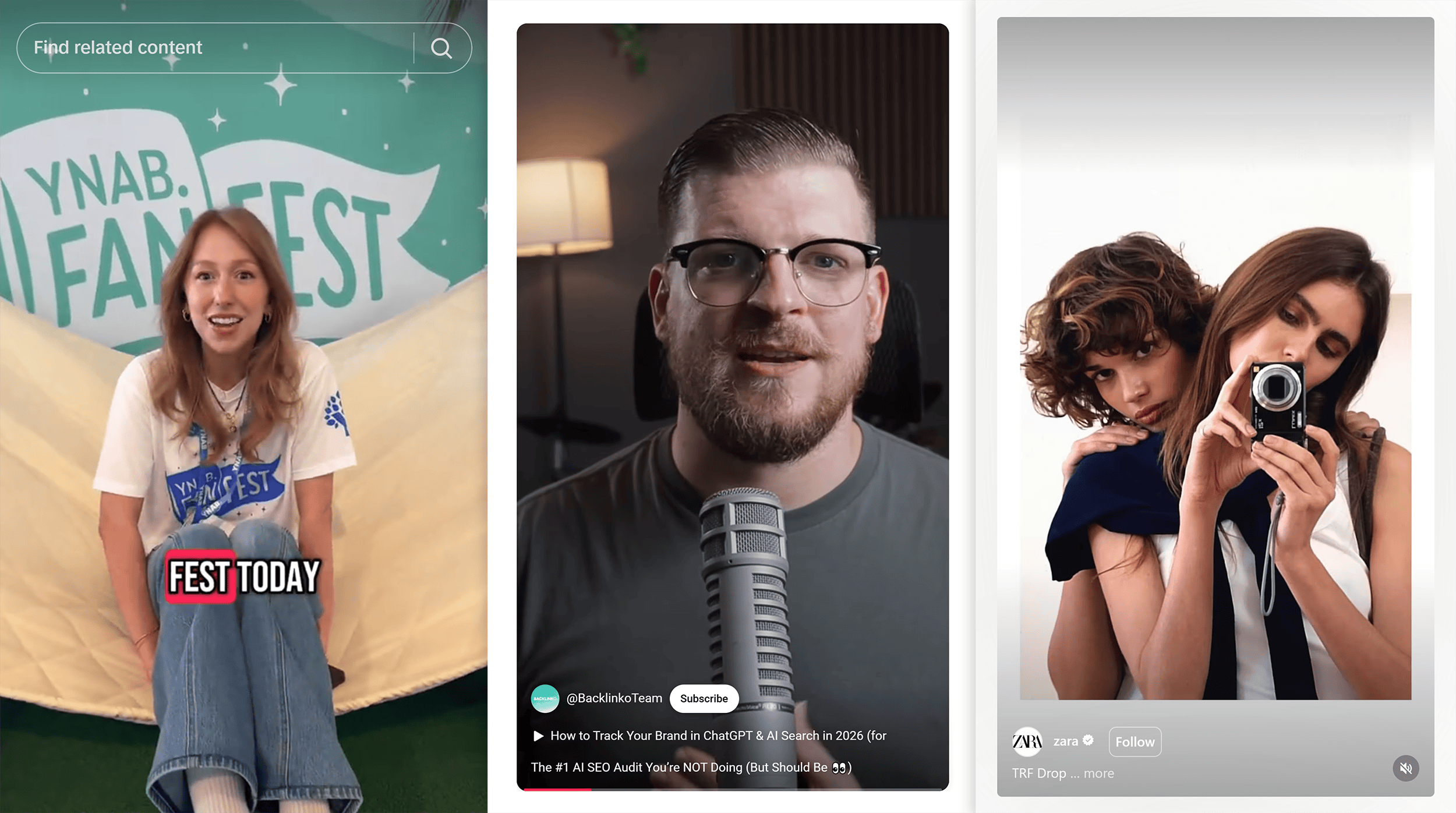
Concurrently, short-form video ecosystems on platforms like TikTok, Instagram Reels, and YouTube Shorts provide continuous, repetitive brand reinforcement. By systematically addressing recurring customer objections and answering frequently asked questions in concise visual formats, brands maintain top-of-mind awareness without necessitating extensive production budgets or complex technical setups.

Capturing Traffic Through Algorithmic Feeds and Discover Channels
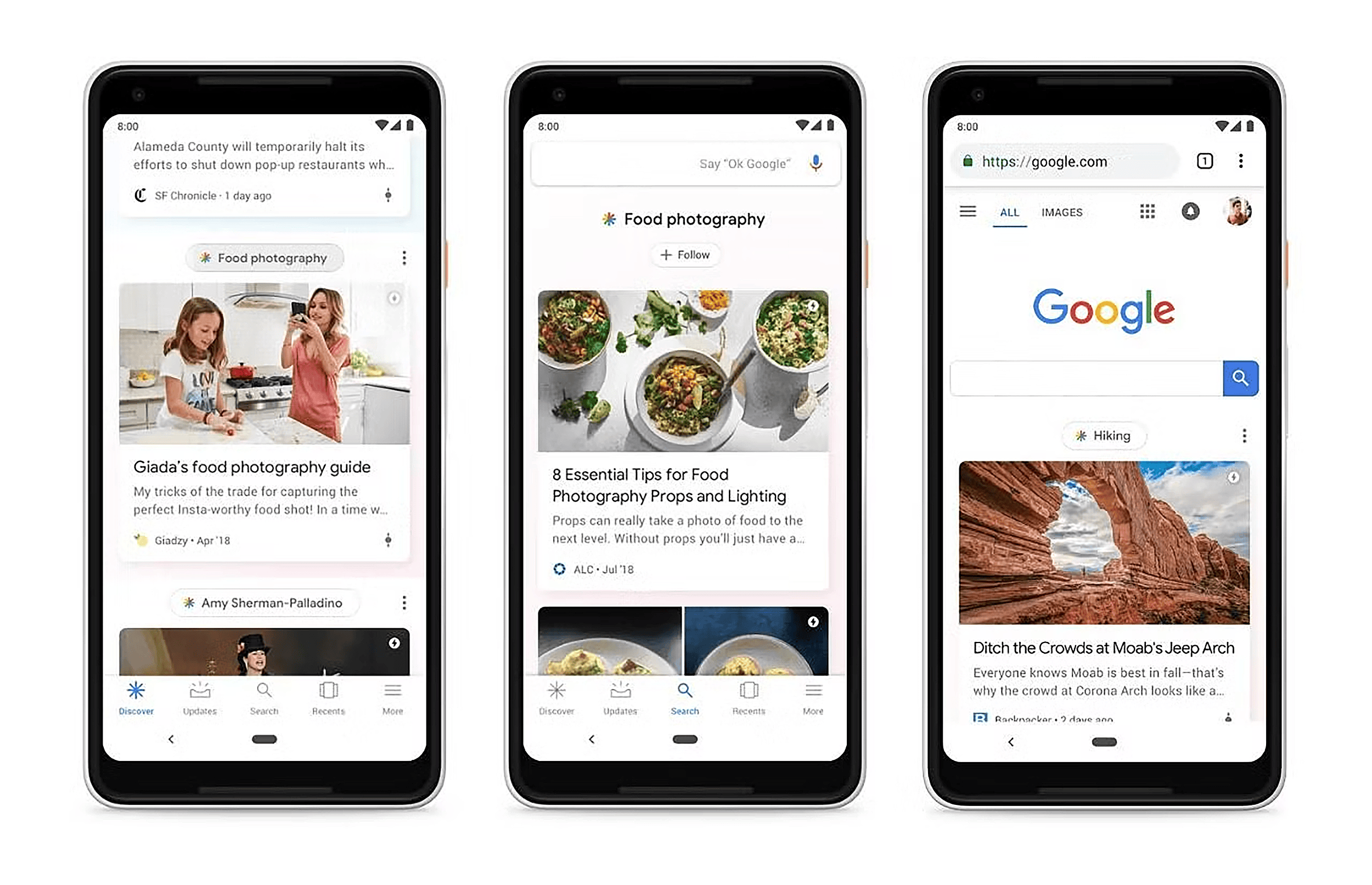
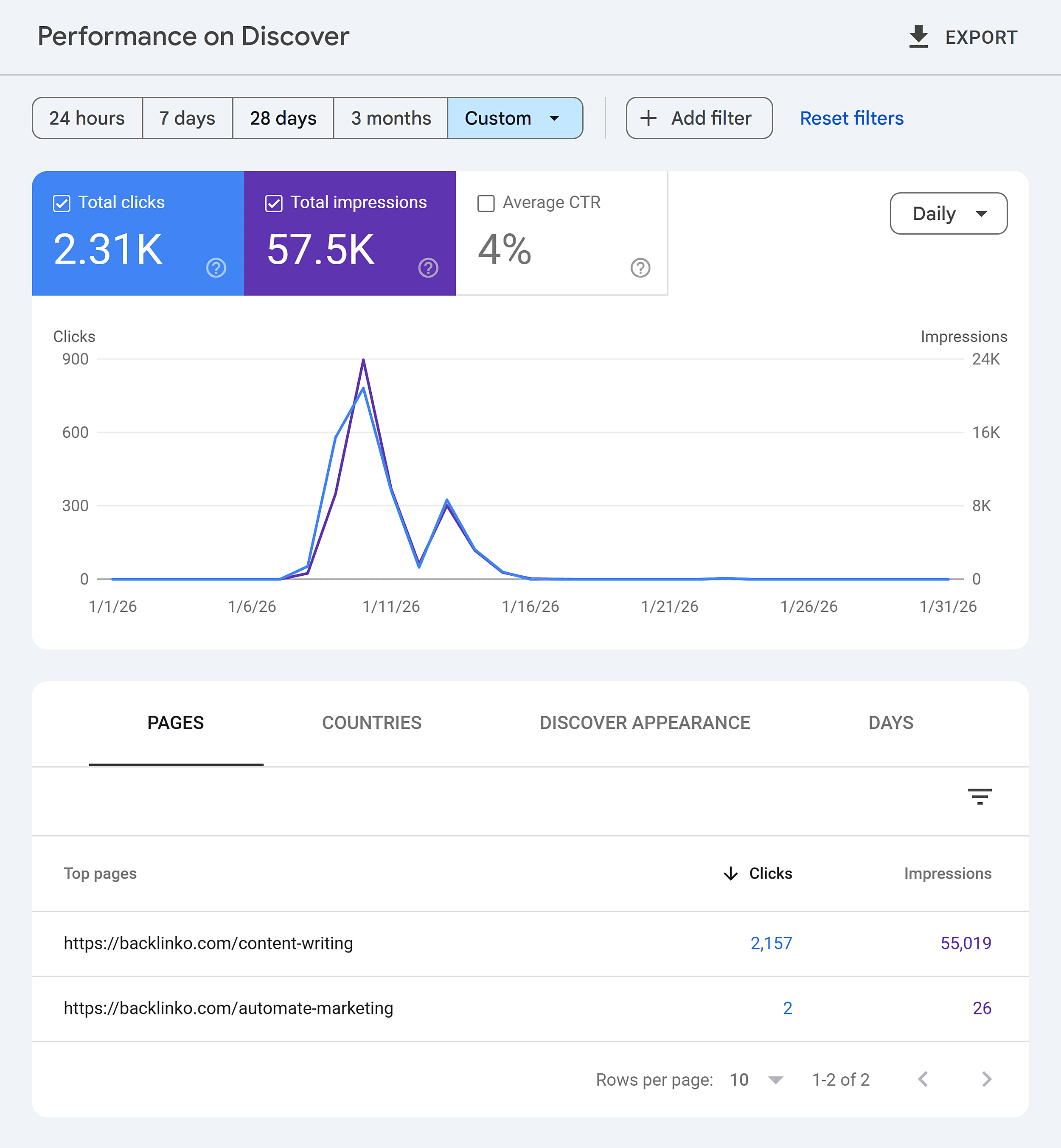
In addition to traditional search engines, personalized content feeds like Google Discover have become major drivers of unpredictable yet substantial traffic spikes. Curated by algorithmic systems based on individual user interests, browsing history, and behavioral patterns, Discover surfaces timely, highly engaging content directly to mobile users.
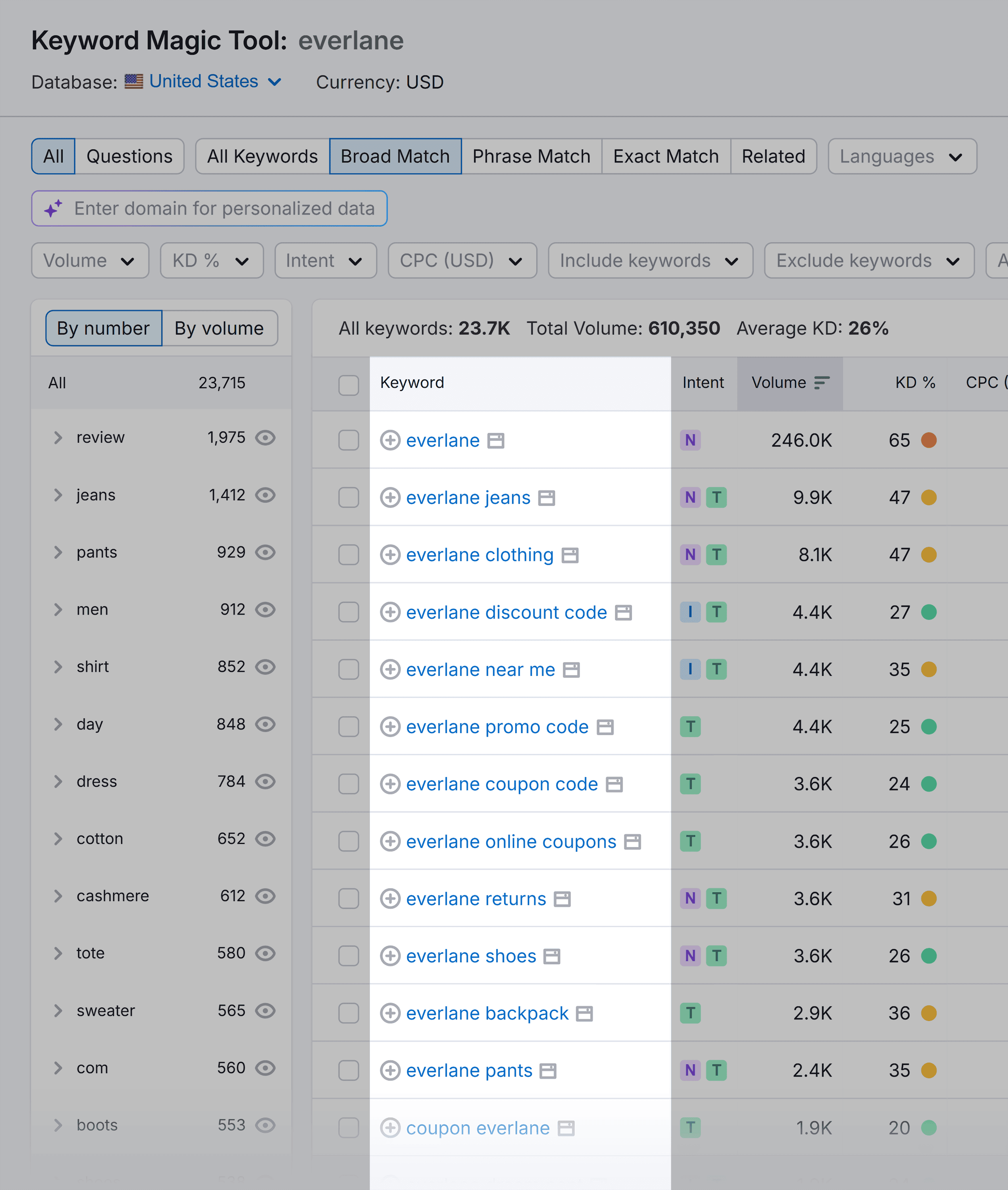
Optimizing for Discover traffic necessitates a distinct editorial approach. Content creators must develop specialized content lanes focused on interest-based discovery, ensuring that published articles possess compelling angles, clear editorial stakes, and high-quality visual assets. Because Discover feeds prioritize material that explains "why this matters now," successful articles often involve reframing evergreen topics around current regulatory shifts, emerging industry controversies, or developing consumer trends. Packaging these assets with striking headlines and high-resolution thumbnail images is essential for capturing user attention in fast-moving, multi-topic mobile environments.
Optimizing Conversion Rates in a Zero-Click Environment
The proliferation of zero-click search results, where users receive direct answers from search engine snippets and AI summaries without visiting an underlying web page, places a premium on website conversion rate optimization. Because incoming traffic is increasingly pre-educated and further advanced in its decision-making cycle, digital marketers must prioritize immediate revenue per visitor metrics.

Audits of high-intent conversion paths—such as product pages, SaaS pricing structures, and demo booking forms—are critical for eliminating friction and anxiety. Friction, manifested through slow page load speeds or convoluted checkout navigation, directly impedes transactional momentum. Similarly, unresolved anxieties regarding data security, compliance, or financial risk can cause high-intent visitors to abandon a site prematurely.
To maintain engagement after a visitor departs, brands are increasingly deploying behavioral email marketing workflows. By utilizing automated triggers tied to specific on-site actions—such as viewing a pricing page, abandoning a shopping cart, or completing a purchase—enterprises can deliver personalized, high-relevance follow-up communications that capitalize on active consumer intent.

Humanizing Corporate Identity and Supporting Niche Communities
Amid an influx of automated digital content, establishing a recognizable human identity behind a brand provides a distinct competitive advantage. Thought leadership initiatives that articulate a clear, opinionated point of view on industry practices are significantly more effective when championed by visible individuals—whether founders, executives, or subject matter experts. Public-facing profiles on professional networks and industry panels help scale the human element of an enterprise, reducing perceived commercial risk.
Simultaneously, active participation in decentralized third-party communities—including specialized subreddits, professional Discord servers, and industry forums—remains vital for brand credibility. Rather than engaging in direct self-promotion, successful brands contribute as helpful community members, addressing technical questions, resolving complaints, and providing genuine value. This active stewardship directly influences the sentiment data analyzed by AI models and human buyers alike.
Strategic Content Repurposing and Platform Focus
Finally, modern digital marketing demands a disciplined approach to content repurposing. Rather than attempting to saturate every available social channel with uncoordinated material, high-performing organizations identify proven, high-performing core ideas—often validated through initial social engagement or search analytics—and systematically expand them across multiple formats.
By utilizing advanced generative AI tools to assist in structural formatting, teams can efficiently transform long-form research reports into industry-specific articles, slide decks, video scripts, and email newsletters. Maintaining focus on a curated selection of primary platforms ensures that promotional efforts remain targeted, sustainable, and aligned with overall business objectives.
Ultimately, digital marketing in 2026 requires an integrated operational framework that acknowledges the decentralized nature of modern consumer research. By aligning brand messaging across AI tools, third-party communities, and proprietary digital assets, enterprises can build enduring credibility that translates into measurable commercial growth.