Mastering the Architecture of Digital Influence Through the Topical Authority Pyramid Framework

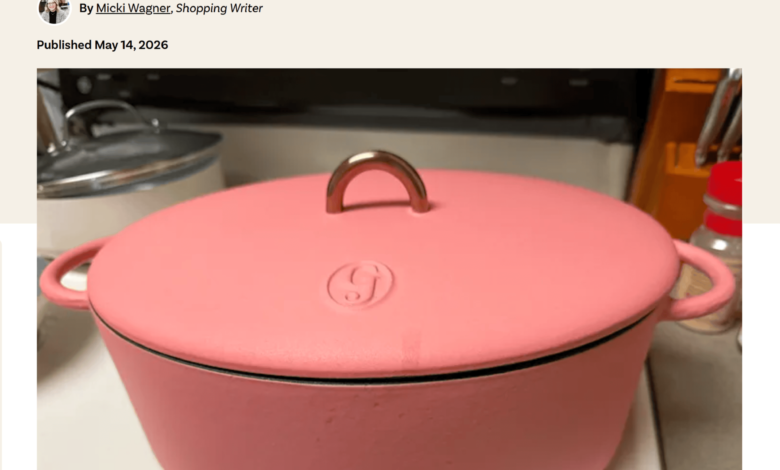
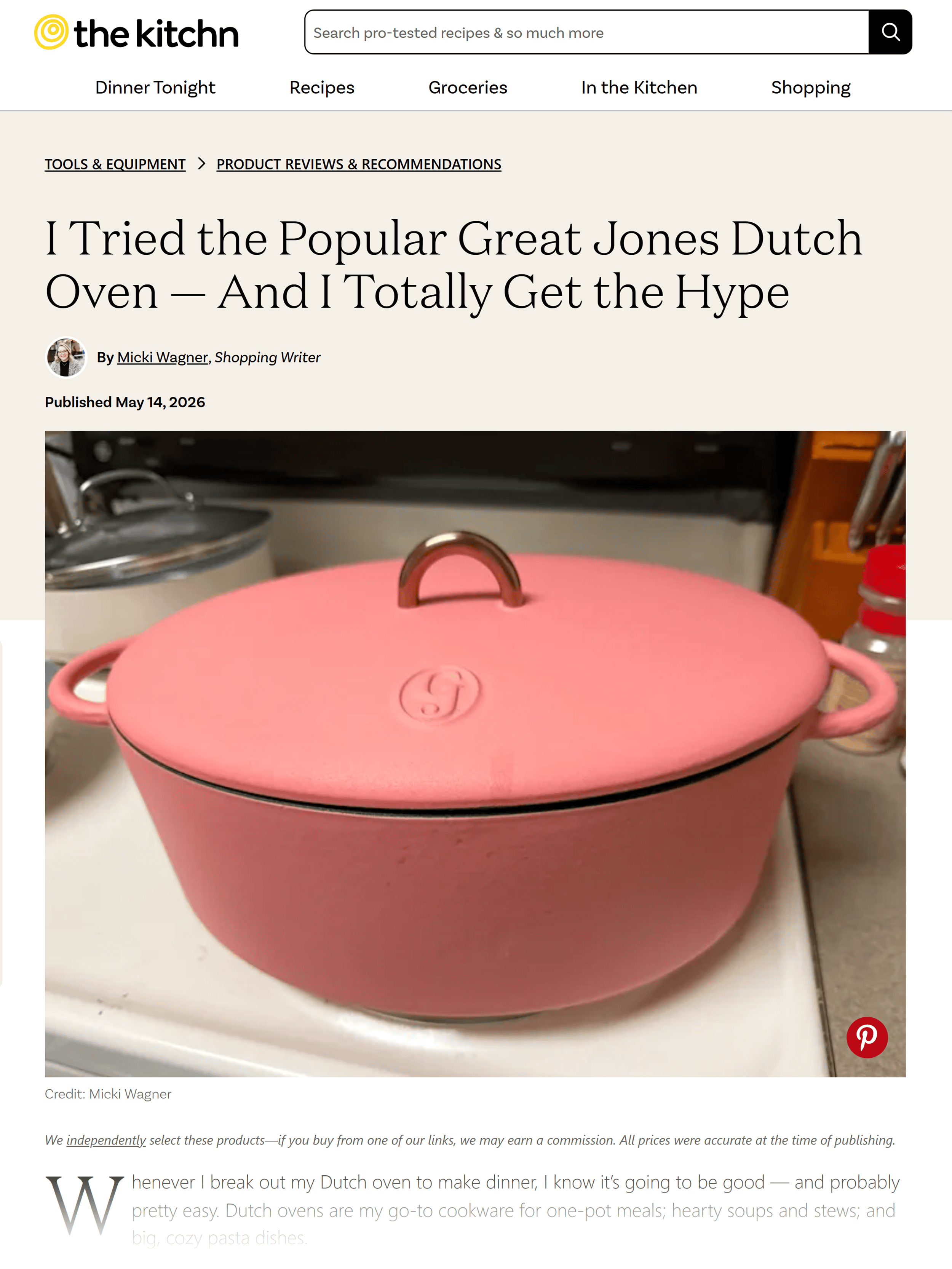
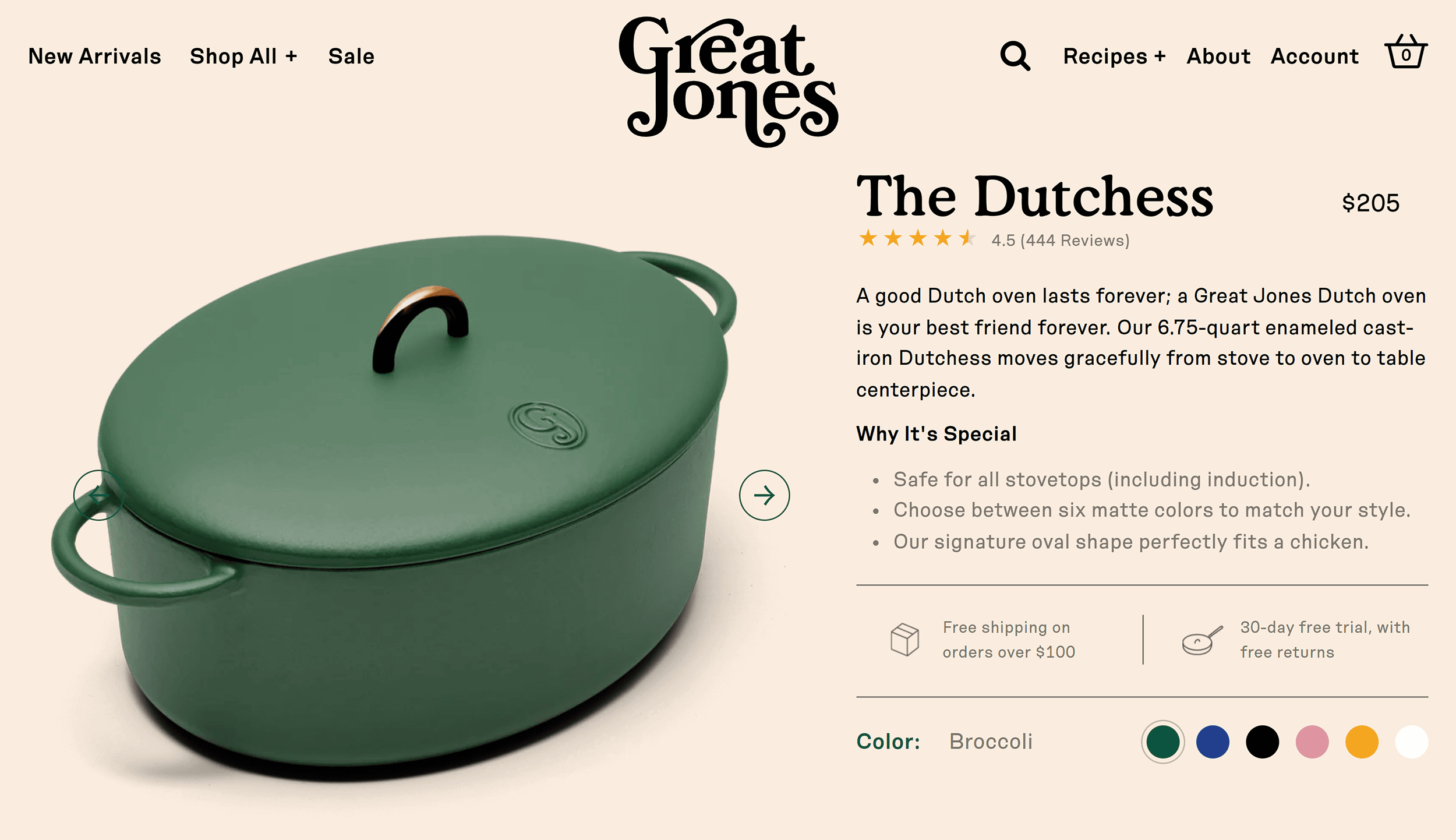
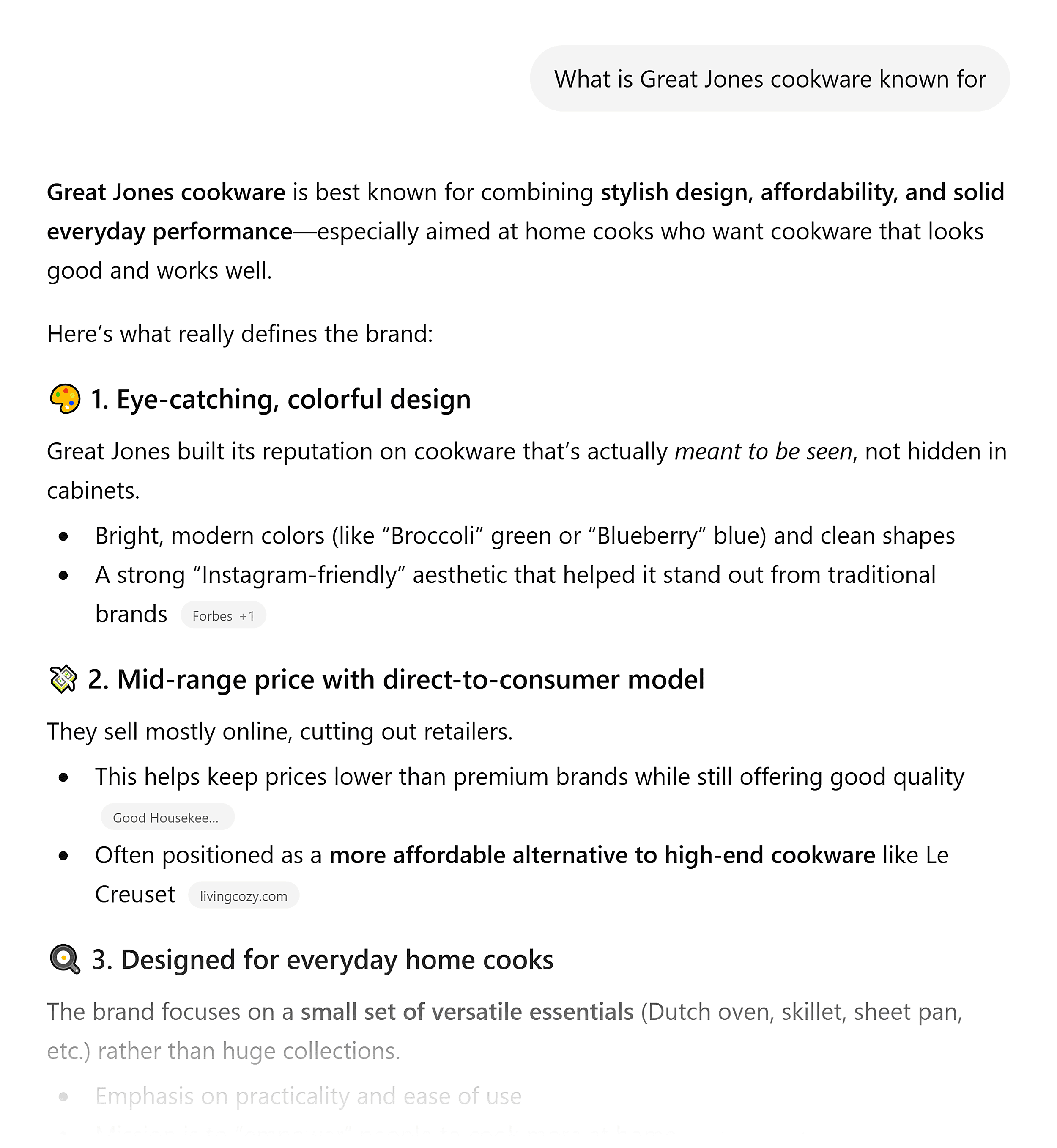
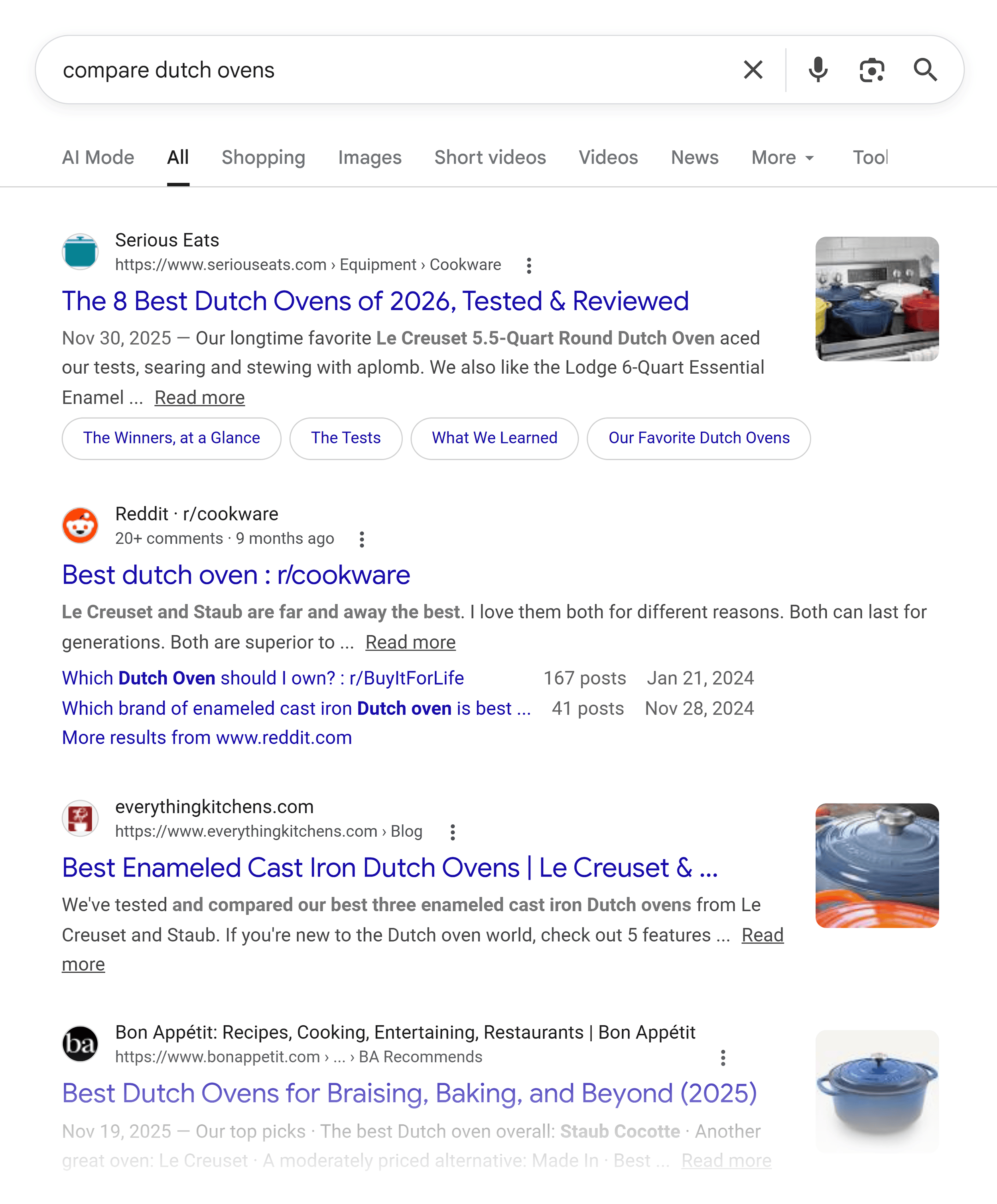
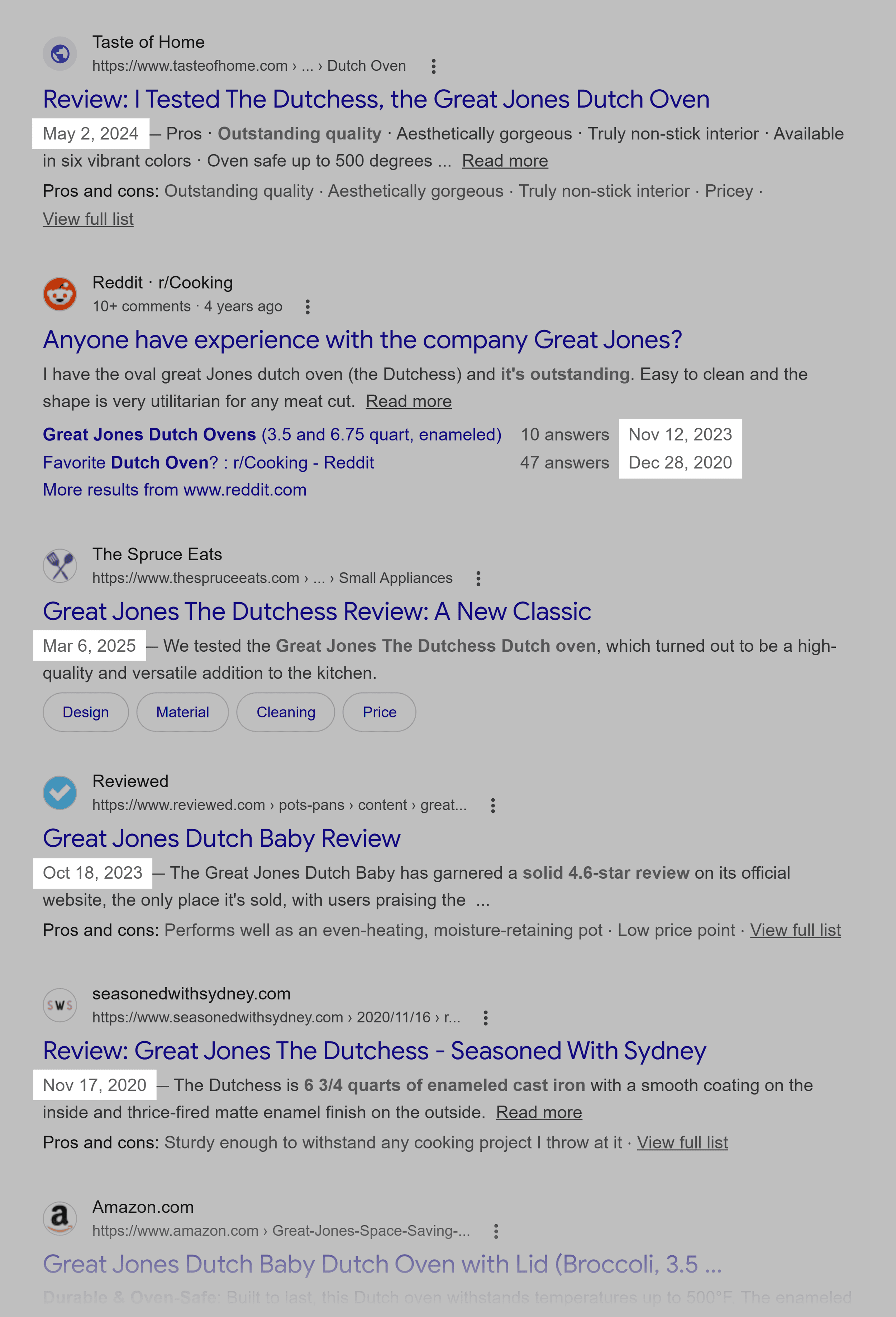
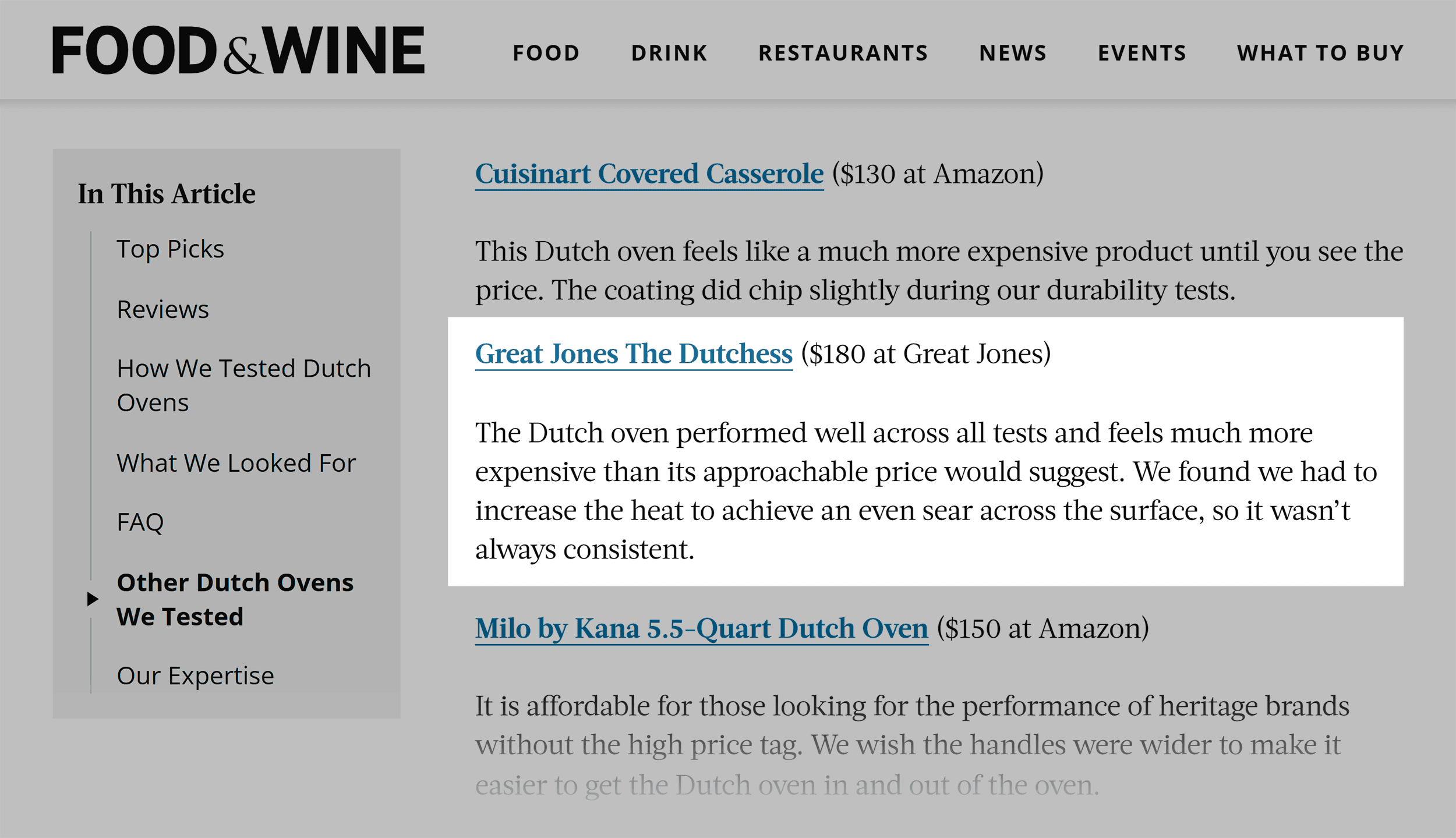
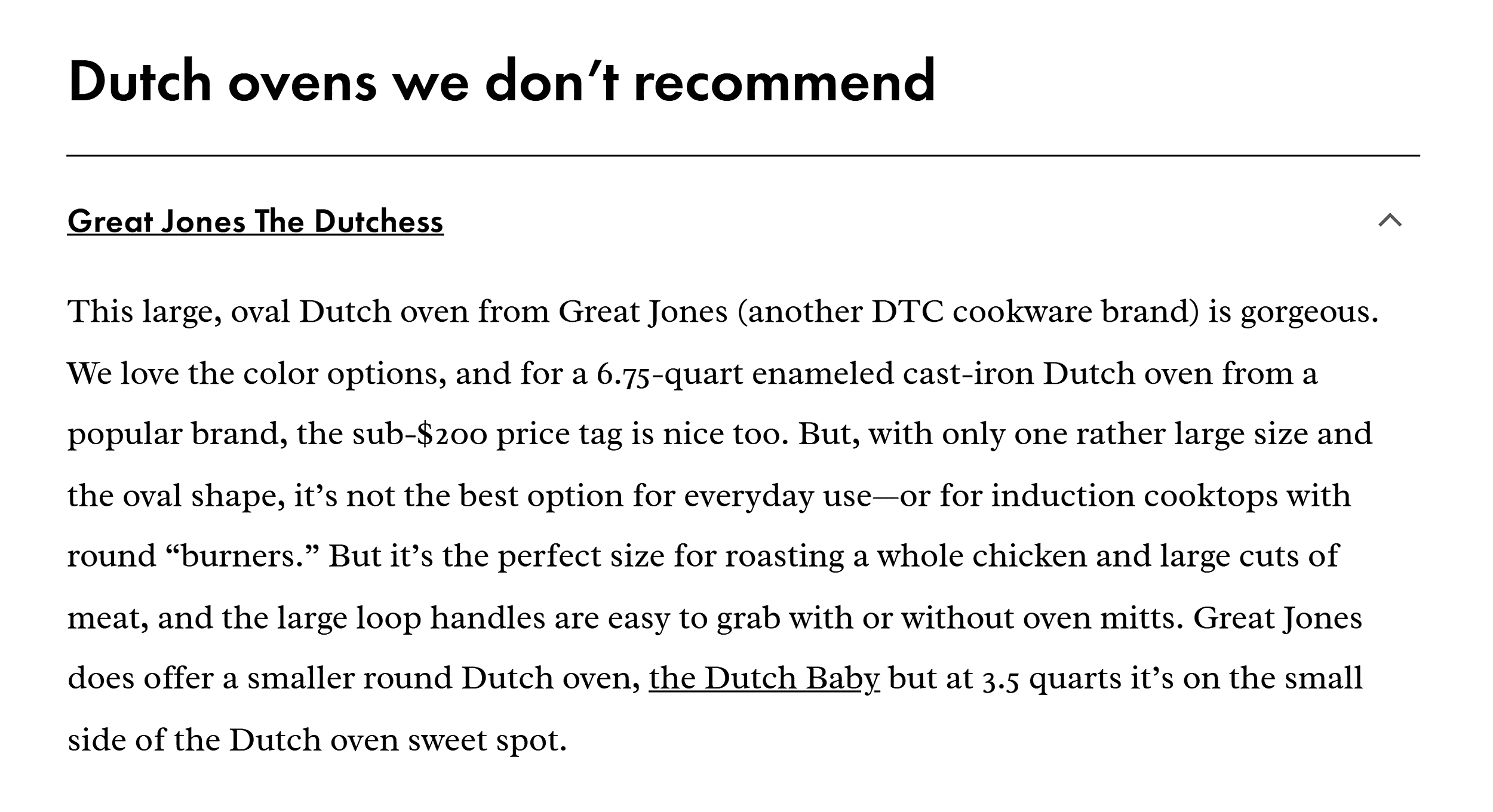
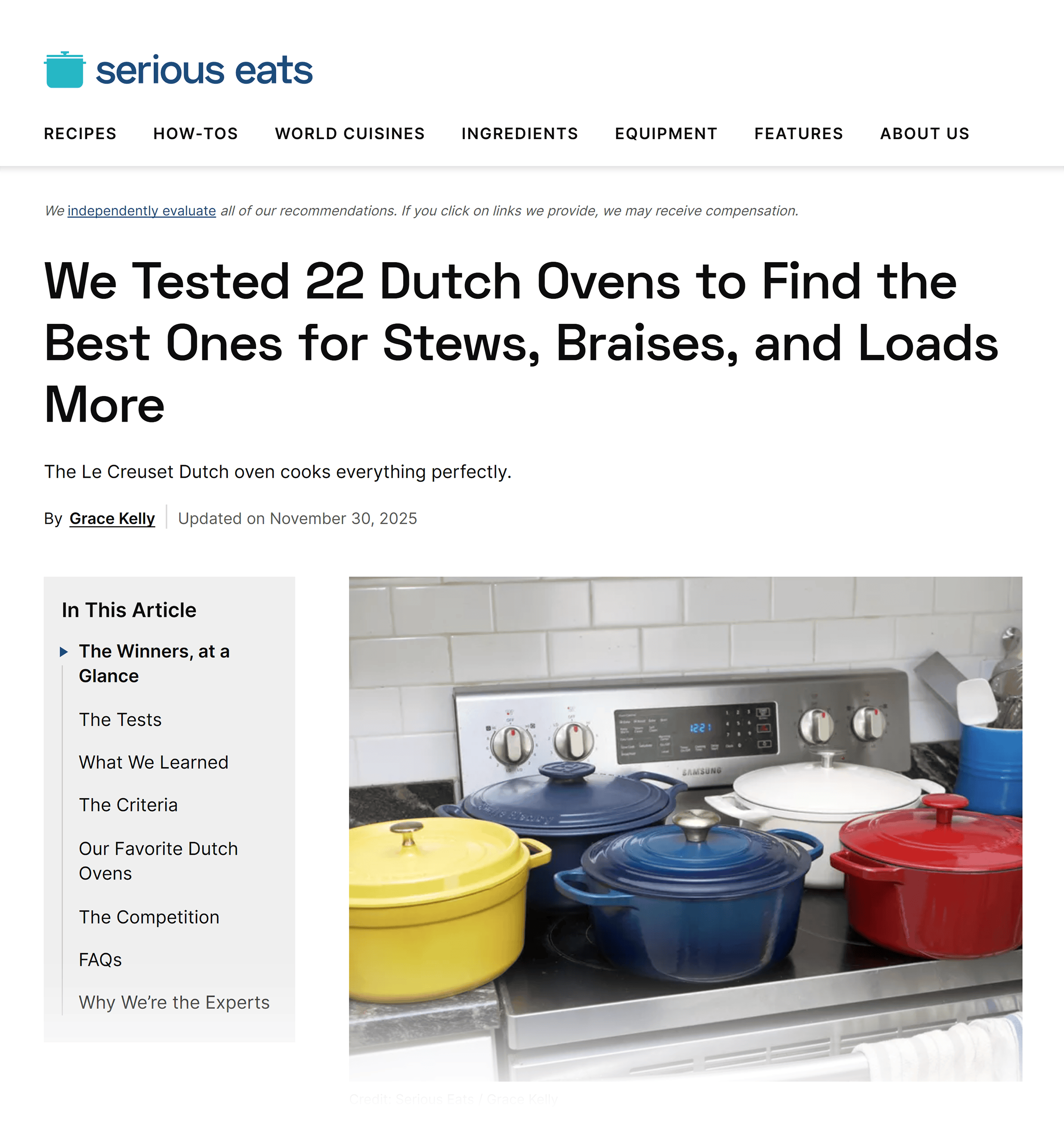
The digital marketing landscape is currently undergoing a fundamental shift as search engines and large language models redefine how brand authority is calculated and displayed to consumers. For years, the prevailing wisdom suggested that a combination of high-quality content, a strong aesthetic brand, and mentions in prestigious publications would guarantee visibility in search results. However, a recent analysis of the kitchenware industry, specifically focusing on the brand Great Jones, reveals a significant discrepancy between traditional brand prestige and modern topical authority. Despite having its flagship Dutch oven, "The Dutchess," featured in elite publications such as Vogue, the New York Times, and Bon Appétit, the brand remains largely absent from organic search recommendations and artificial intelligence queries regarding the "best Dutch ovens." This phenomenon underscores a critical gap in modern digital strategy: the distinction between being a "known brand" and being a "topical authority."
The Crisis of Invisible Authority in the Age of AI
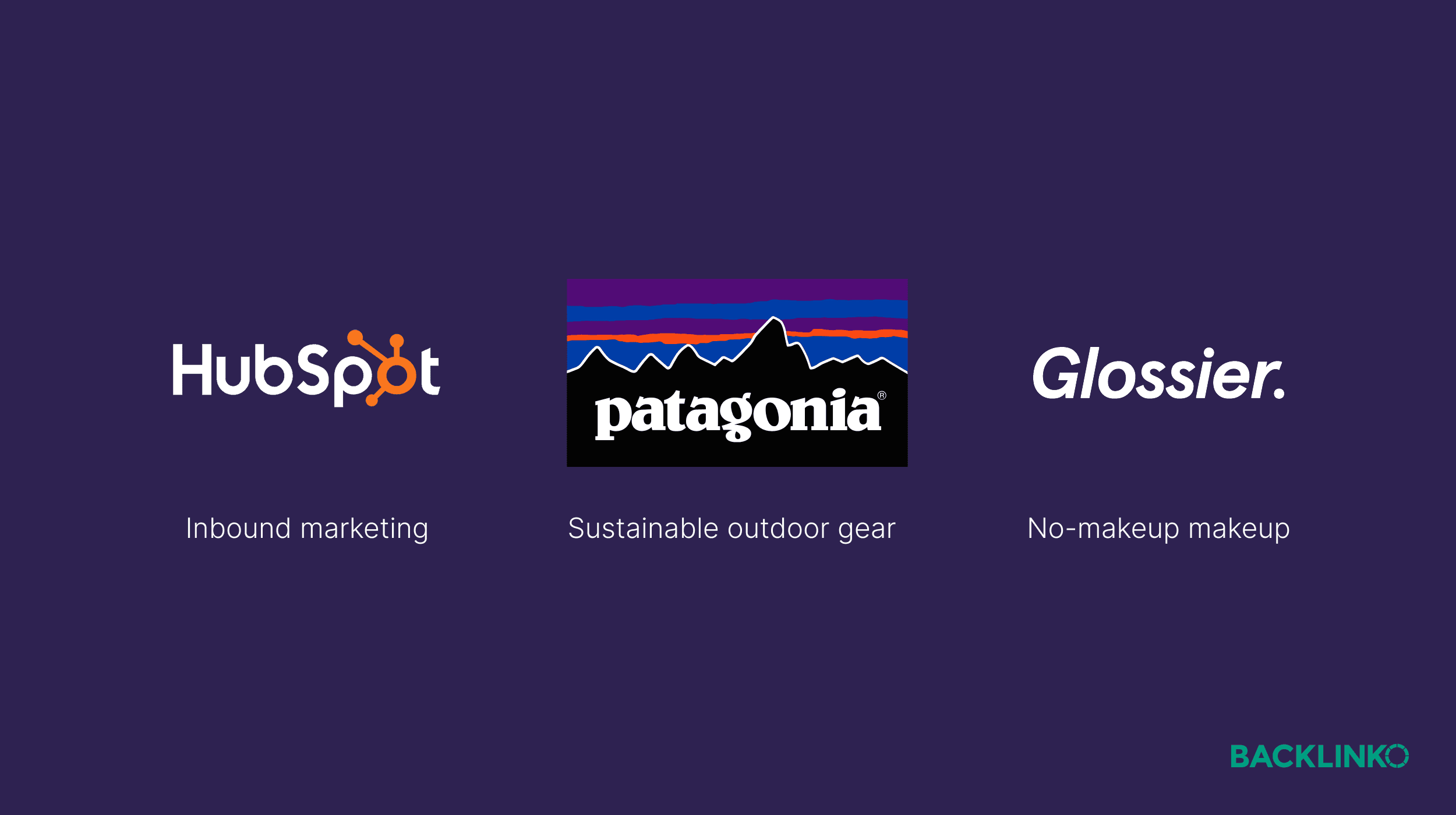
Topical authority is defined as a website’s earned reputation for expertise on a specific subject. In the current ecosystem, this reputation is no longer built solely on the volume of articles published. Instead, it is formed through a consistent, positive framing that connects a brand to a specific topic across both first-party and third-party platforms. When search engines like Google or Large Language Models (LLMs) like ChatGPT evaluate a brand, they search for a recurring pattern of association.
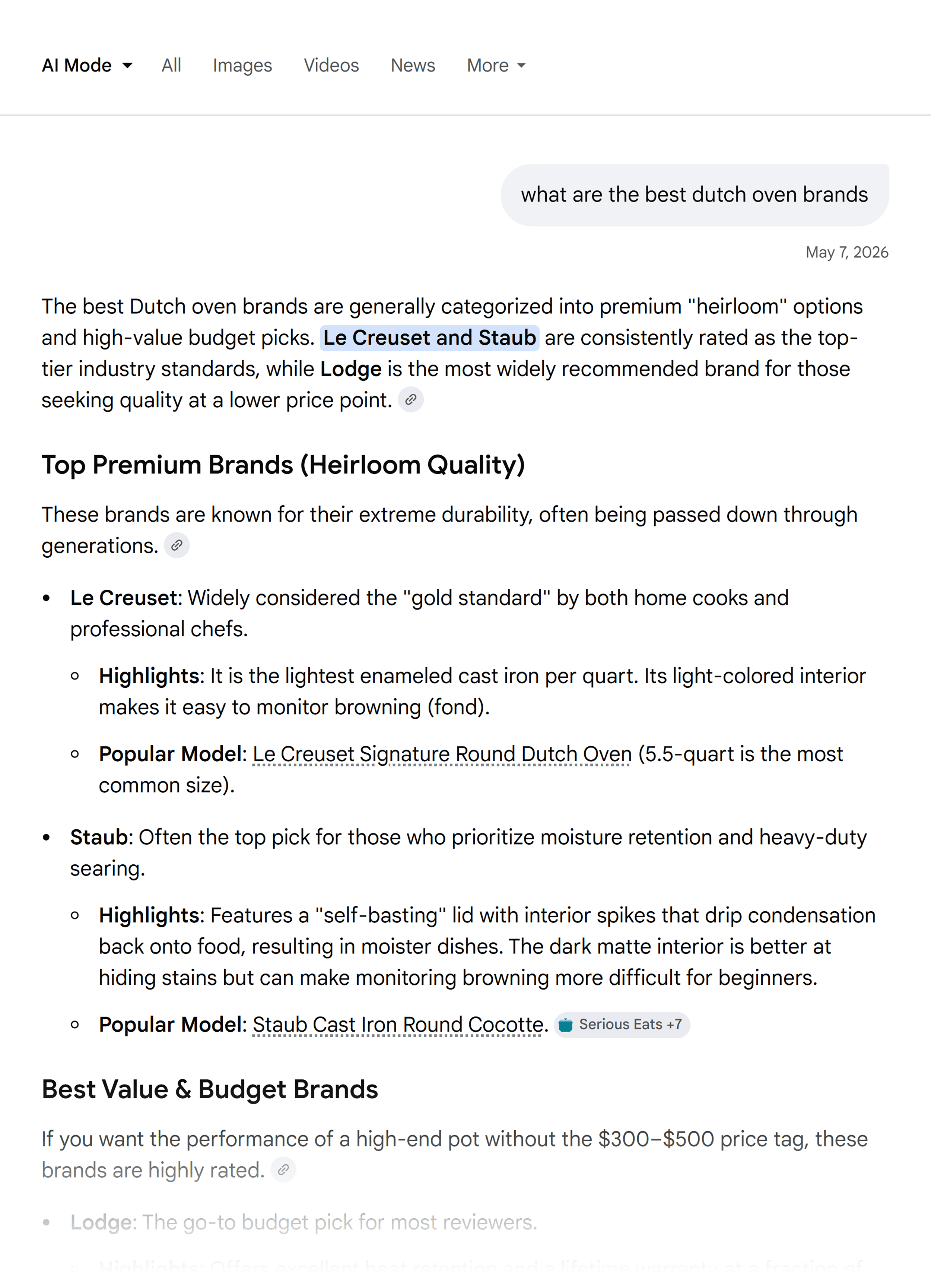
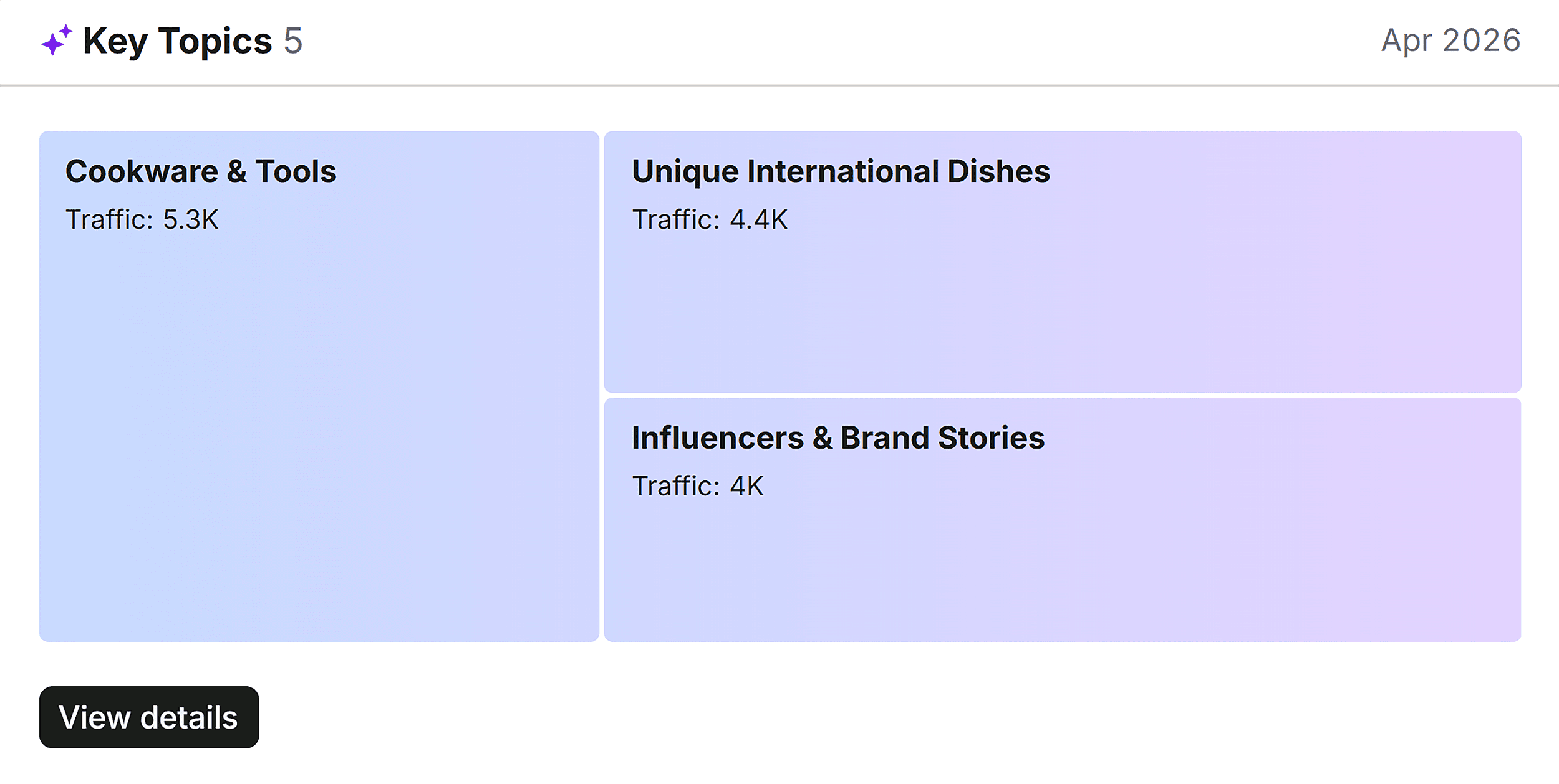
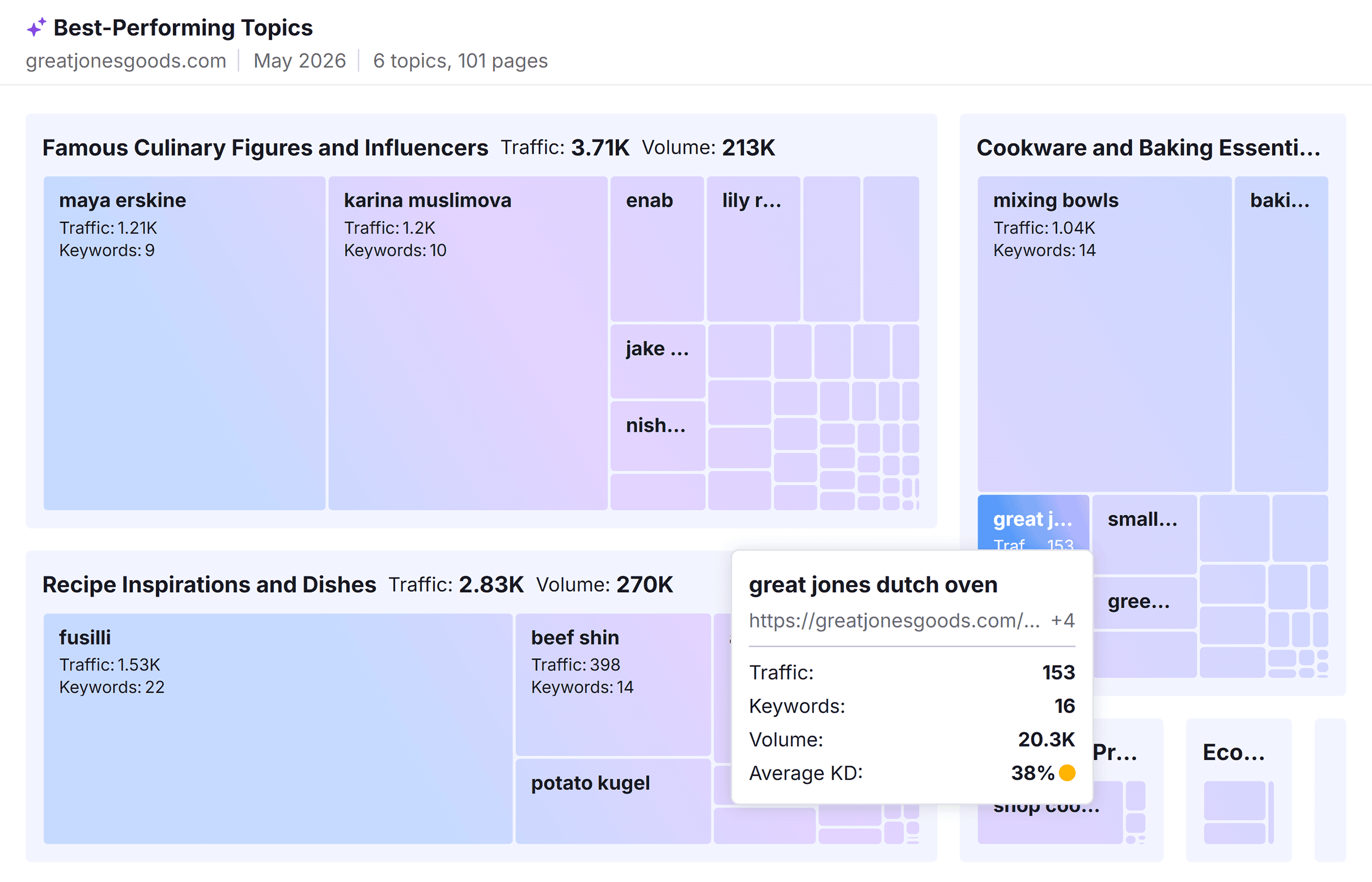
In the case of Great Jones, an audit of their digital footprint suggests that while they have significant "foundational authority"—meaning they have a functional website and high-quality products—they lack a cohesive "Point of View" (POV) that search engines can latch onto. Their strongest topical associations currently rank for "recipes" and "celebrity chefs" rather than their primary product category. This mismatch creates a signal vacuum, causing AI systems to default to legacy brands like Le Creuset or Lodge, which have established multi-decade patterns of association with the term "Dutch oven."
The Topical Authority Pyramid: A Strategic Framework
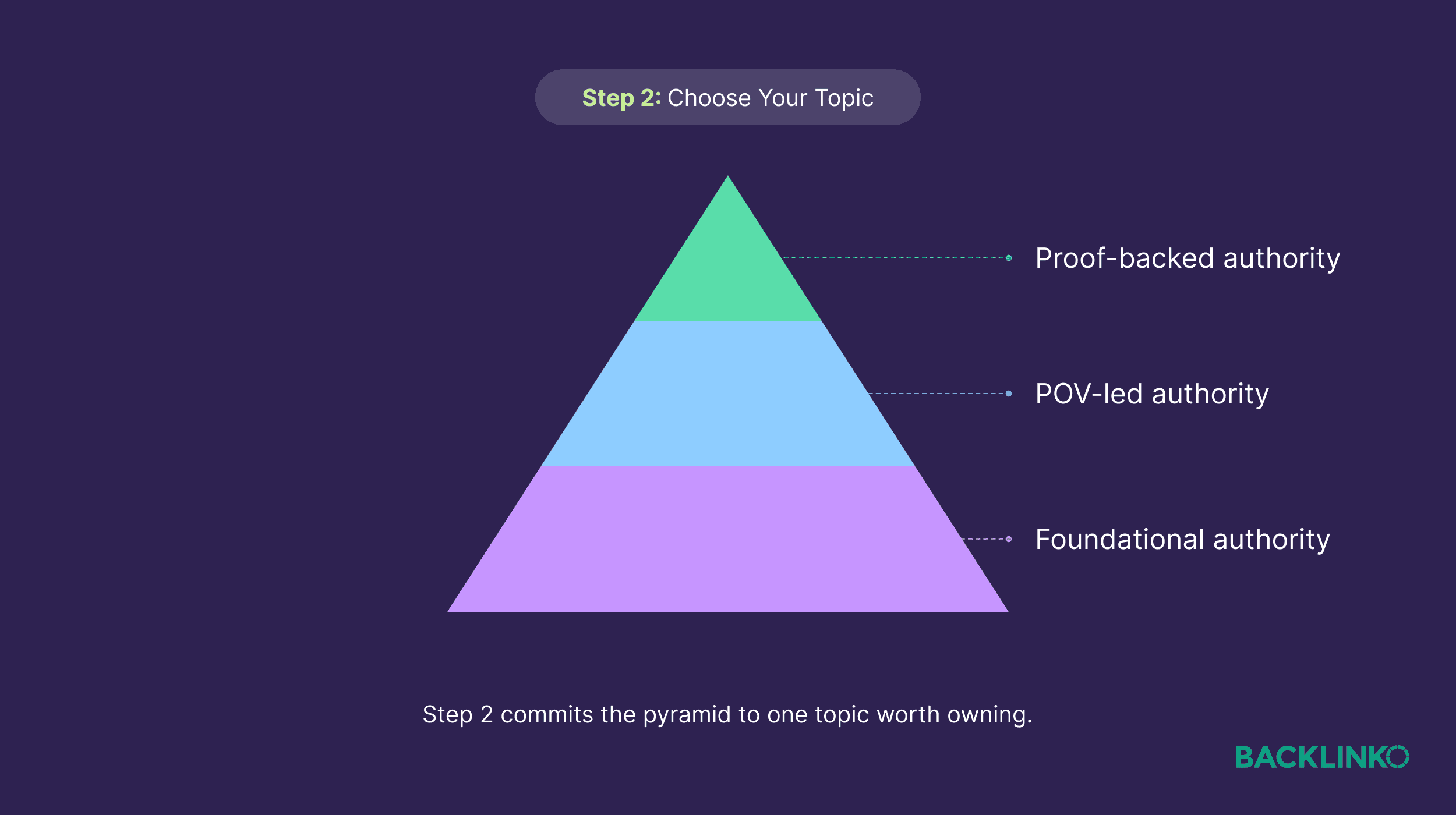
To bridge this gap, marketing experts have developed the Topical Authority Pyramid, a three-tiered framework designed to turn a brand into the definitive name within a specific niche. This framework moves beyond simple keyword density and focuses on the intersection of foundational content, unique perspective, and external validation.
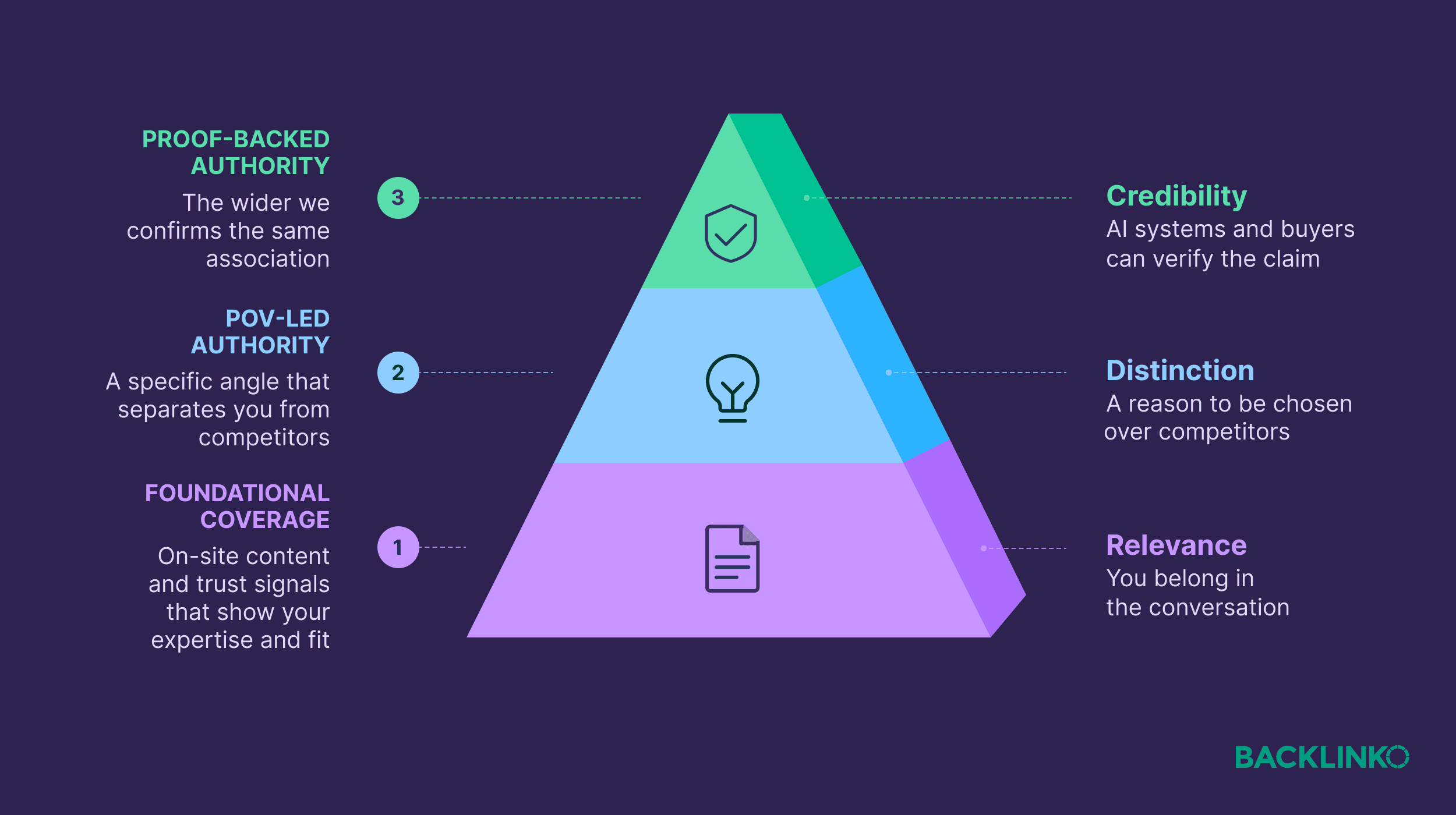
Tier 1: Foundational Authority
This represents the base of the pyramid. It involves comprehensive coverage of a subject. To achieve foundational authority, a site must answer the "what," "how," and "why" of a topic through a structured hub-and-spoke content model.
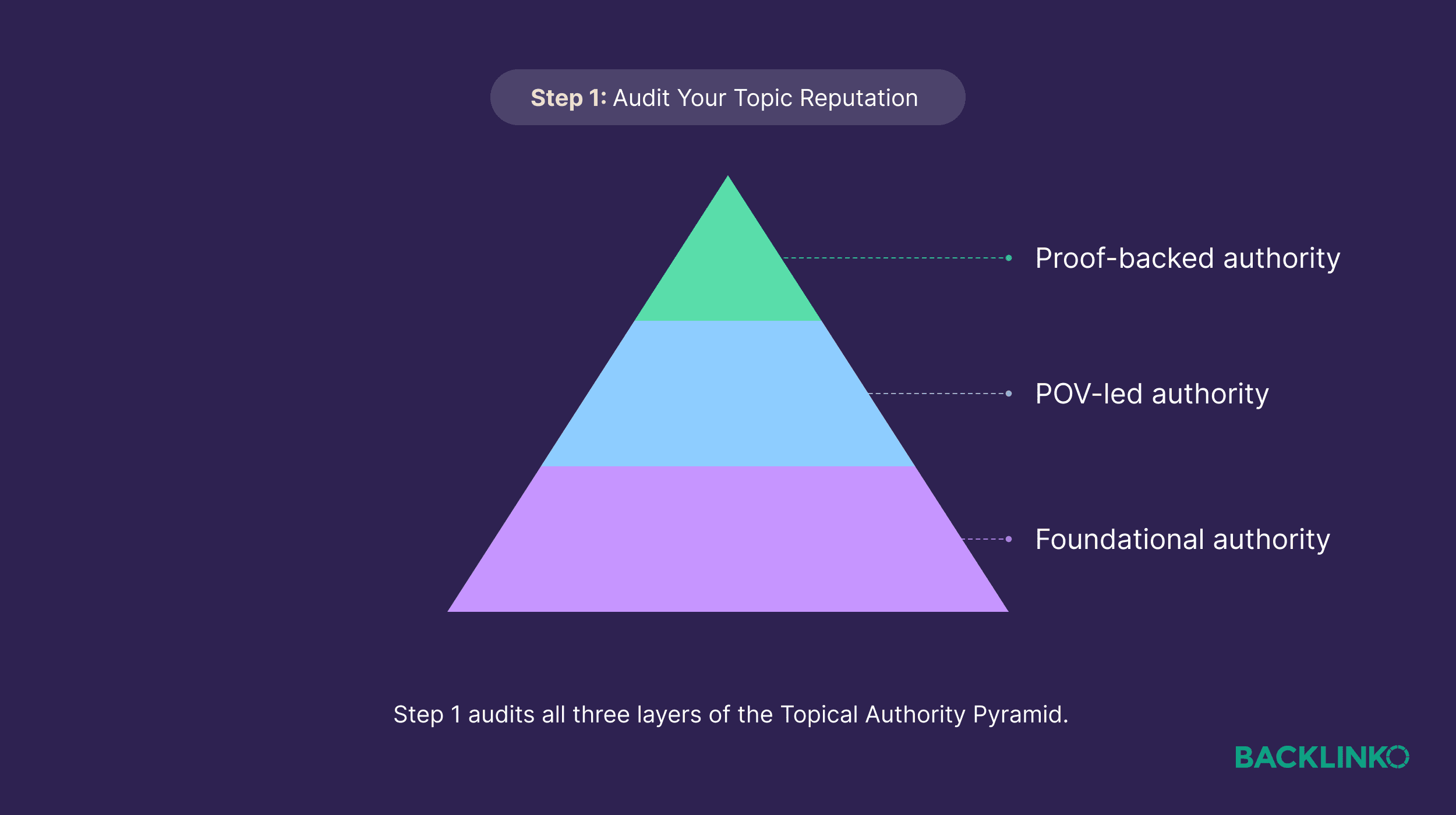
Tier 2: Point of View (POV)
The second tier is the brand’s unique angle. In a saturated market where every brand claims to be "the best," the POV provides a specific reason for a brand to exist. It is the "distinctive signal" that helps LLMs categorize the brand. For instance, while one brand might own the POV of "professional durability," another might own "aesthetic gifting."
Tier 3: Proof
The apex of the pyramid is proof. This is external evidence from trusted sources—reviews, data studies, and community discussions—that confirms the brand’s POV. AI systems weigh third-party "proof" more heavily than a brand’s own claims, making this the most difficult yet most rewarding tier to master.
Chronology of Implementation: Auditing and Topic Selection
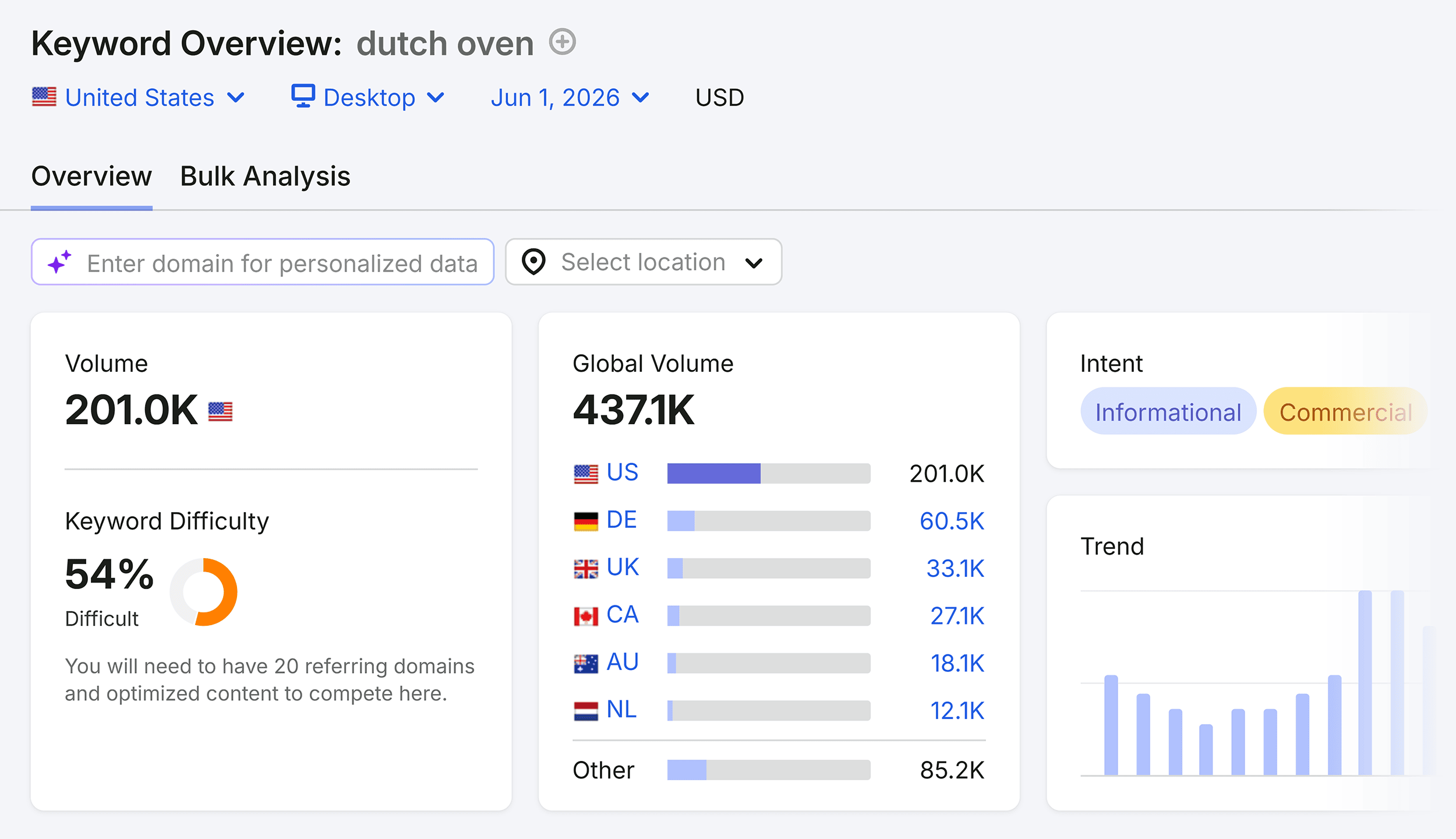
The process of building topical authority begins with a rigorous audit of existing reputation. Using organic ranking tools, brands must identify the "gap" between what they want to be known for and what they are currently associated with. For Great Jones, the data indicates that "Dutch oven" queries receive over 200,000 monthly searches, yet the brand does not appear in the top recommendations for "best" or "gift-worthy" options.
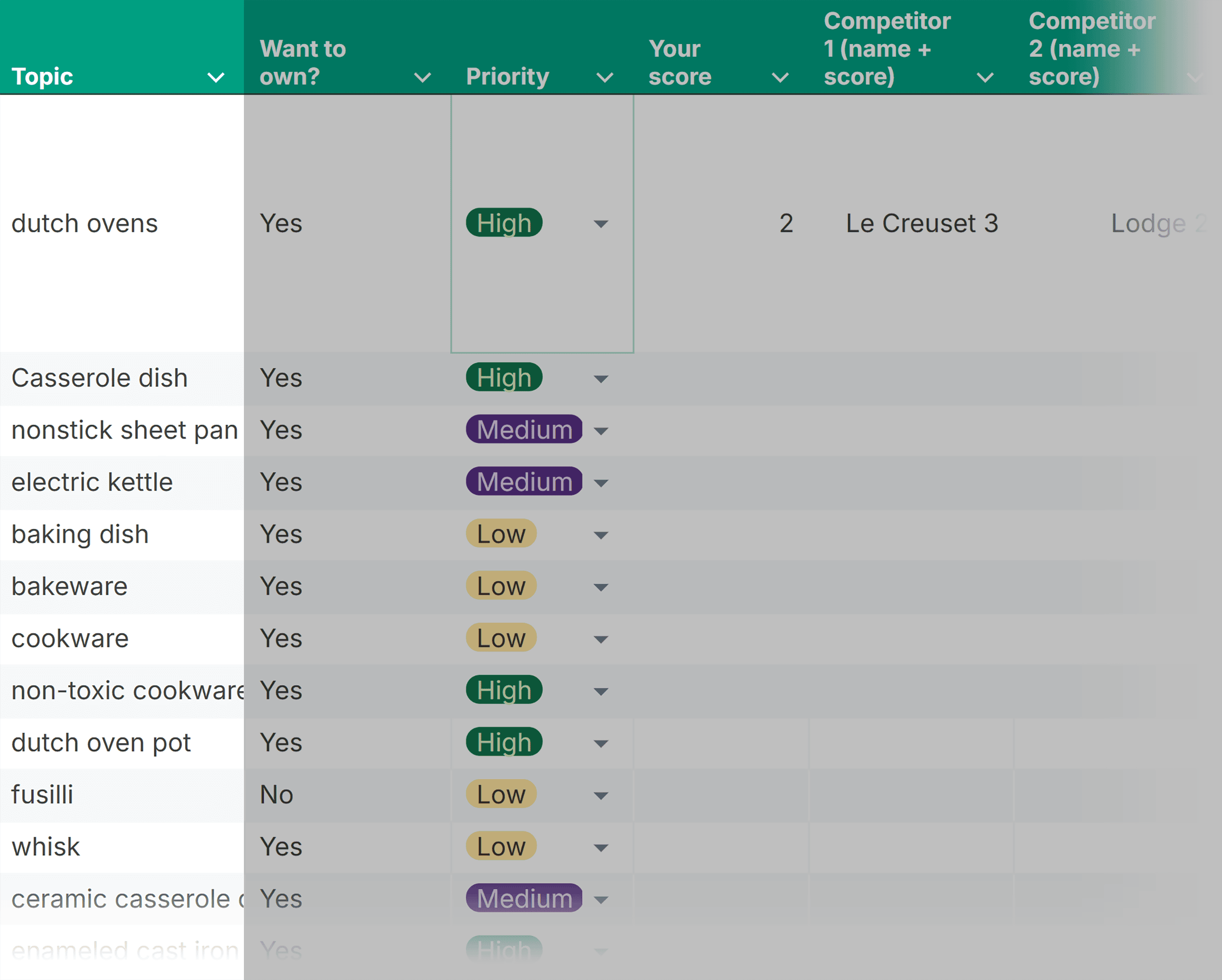
Once the gap is identified, the next step involves prioritizing a single "winnable" topic. Strategic topic selection requires balancing three factors: revenue potential, current traction, and competitive weakness. A "Query Audit" is then performed across Google and various LLMs to see who currently owns the broad terms and where the "unclaimed territory" lies. In the kitchenware sector, while legacy brands own the "professional performance" space, there is often a vacuum in categories like "non-toxic materials" or "modern gifting," providing an entry point for newer challengers.
Developing a Distinctive Point of View
A brand’s POV is the specific narrative that makes it distinct to both human buyers and machine algorithms. Mapping the competitive landscape is essential here to avoid "territory overlap." If a competitor like Le Creuset already owns the "heritage and heirloom" narrative, a brand attempting to compete on those same terms faces an uphill battle.
Instead, a brand must identify a POV that passes three tests:
- Demand: Do buyers actually care about this angle?
- Authenticity: Does the product actually deliver on this promise?
- Openness: Is the territory unclaimed by a dominant rival?
For a brand like Great Jones, the "gifting" angle presents a significant opportunity. Consumers frequently search for Dutch ovens as wedding or housewarming gifts, yet no single brand has successfully claimed the title of "the ultimate gift-worthy Dutch oven." By focusing on aesthetics, packaging, and the "modern kitchen" lifestyle, a brand can carve out a POV that search engines can clearly identify and categorize.
Architecture of Proof: On-Site and Off-Site Foundations
A Point of View is merely a claim until it is supported by an "Architecture of Proof." This involves a dual strategy of on-site foundation building and off-site distribution.
The On-Site Foundation
The brand must create a "Hub Page" that serves as the central authority document for their chosen POV. For a gifting-focused strategy, this would be an exhaustive "Dutch Oven Gifting Guide" that routes users to supporting pages, such as "Best Wedding Gifts" or "Non-Toxic Cookware Reports." These pages must be structured using the "inverted pyramid" journalistic style—leading with the most critical information—to ensure that both readers and machines can quickly parse the expertise. Furthermore, semantic HTML and internal linking are utilized to create a "proof system" where every page reinforces the authority of the others.
The Off-Site Proof System
In the current era of AI search, what a brand says about itself is less important than what others say about the brand. This requires the creation of "Signature Proof Points"—original data, unique findings, or proprietary stories that others want to cite.
For example, a brand could analyze its own sales data to release a report on "The Rise of Color-Centric Kitchens." This data-driven insight can then be distributed through four main channels:
- Earned Media: Press pitches to lifestyle and business publications.
- Owned Channels: Social media, newsletters, and YouTube.
- Paid Distribution: Targeted ads that highlight the "proof" rather than just the product.
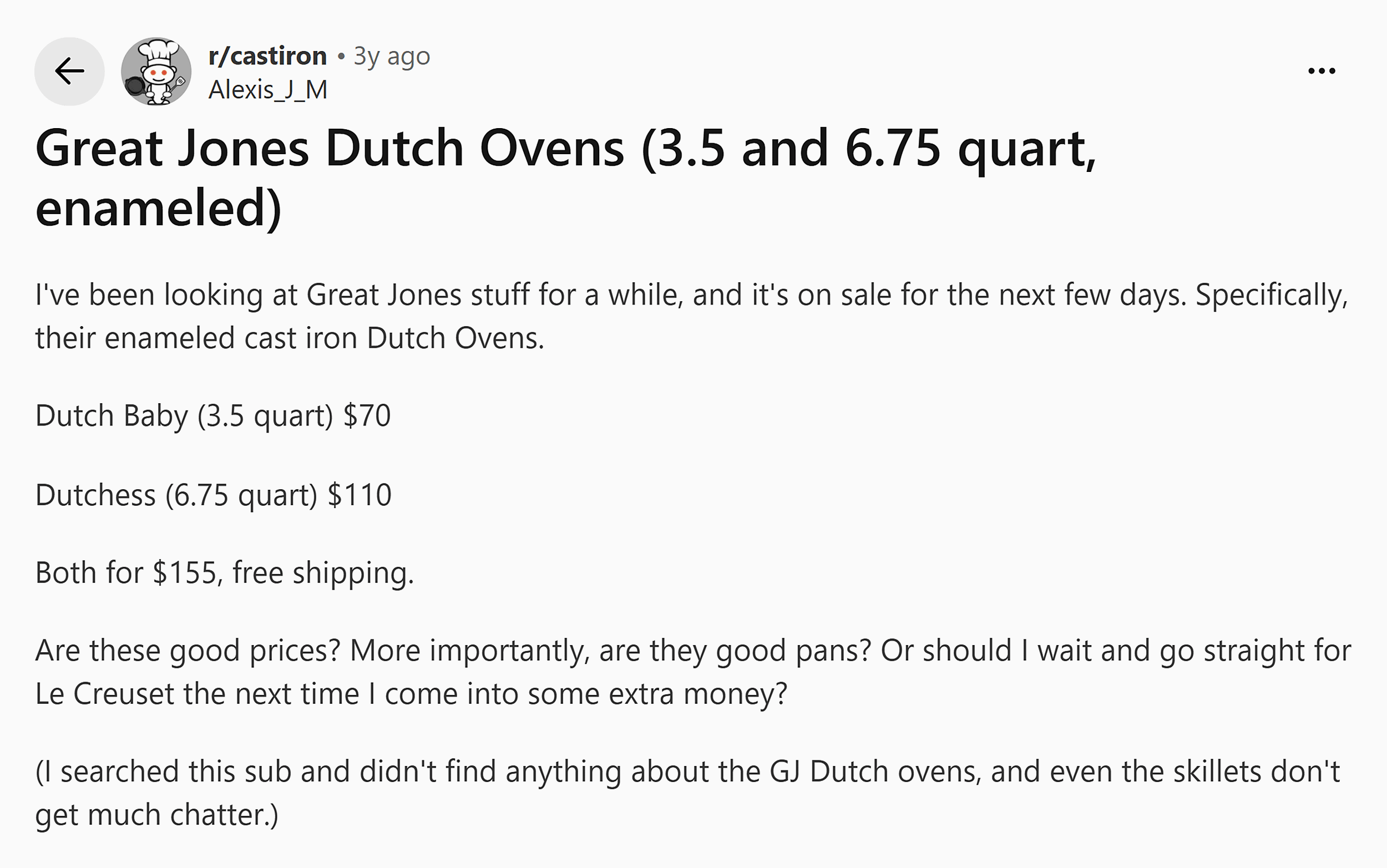
- Niche Communities: Engaging in discussions on platforms like Reddit or specialized forums where buyers seek unprompted recommendations.
Monitoring Progress and the Broader Impact of AI Search
Tracking the success of a topical authority campaign requires a 90-day monitoring cycle. Marketers must observe whether their brand is appearing unprompted in "best of" queries and whether the language used by AI systems aligns with their chosen POV. Success is not just measured by a ranking on page one, but by the "sentiment drivers" that LLMs associate with the brand name.
The broader implications of this shift are profound for e-commerce and SaaS industries. As search moves away from a list of links toward synthesized AI answers, the "winner-take-all" dynamic intensifies. Brands that fail to establish a clear pattern of topical authority risk becoming invisible, regardless of their product quality or traditional PR success. Conversely, brands that successfully build the Topical Authority Pyramid can bypass traditional gatekeepers and become the "default" recommendation for their niche.
The case of Great Jones serves as a cautionary tale for the modern era: prestige is not authority. In an age where machines are the primary navigators of information, brands must move beyond high-quality content and focus on building a consistent, validated, and distinct pattern of expertise. The Topical Authority Pyramid provides the blueprint for this evolution, ensuring that when the next generation of consumers asks an AI for a recommendation, your brand is the answer it provides by default.