The Strategic Evolution of Digital PR: How Earned Media and Third-Party Validation Now Drive Visibility in the Era of AI Search

The landscape of search engine optimization (SEO) is undergoing its most significant transformation since the inception of the backlink. As artificial intelligence (AI) models like ChatGPT, Claude, and Google’s Gemini increasingly become the primary interface through which users consume information, the traditional "onsite-first" strategy is being superseded by a more expansive approach: Digital PR. Recent industry data and empirical studies suggest that the ability to secure third-party validation through earned media is now the single most important factor in determining whether a brand is cited, recommended, or even recognized by large language models (LLMs).
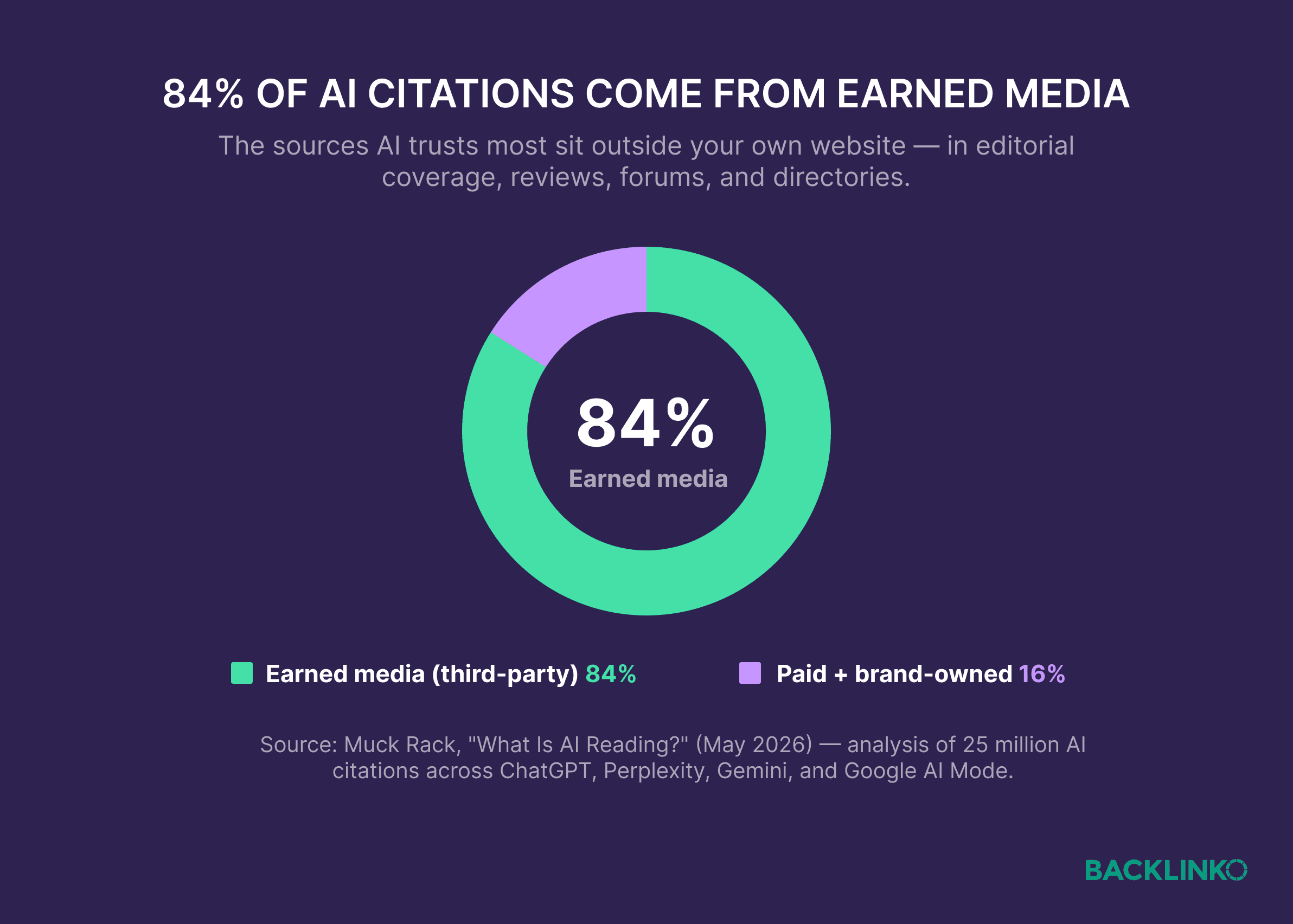
A pivotal study conducted by Muck Rack recently revealed a startling statistic that has sent ripples through the digital marketing industry: 84% of AI citations originate from earned media. This includes editorial coverage, independent reviews, and community forums. The implication for global brands is clear: while maintaining a high-quality website remains a foundational requirement, a brand’s visibility in the age of AI is increasingly dictated by its footprint outside its own digital borders.
The Shift from Traditional SEO to AI-Driven Discovery
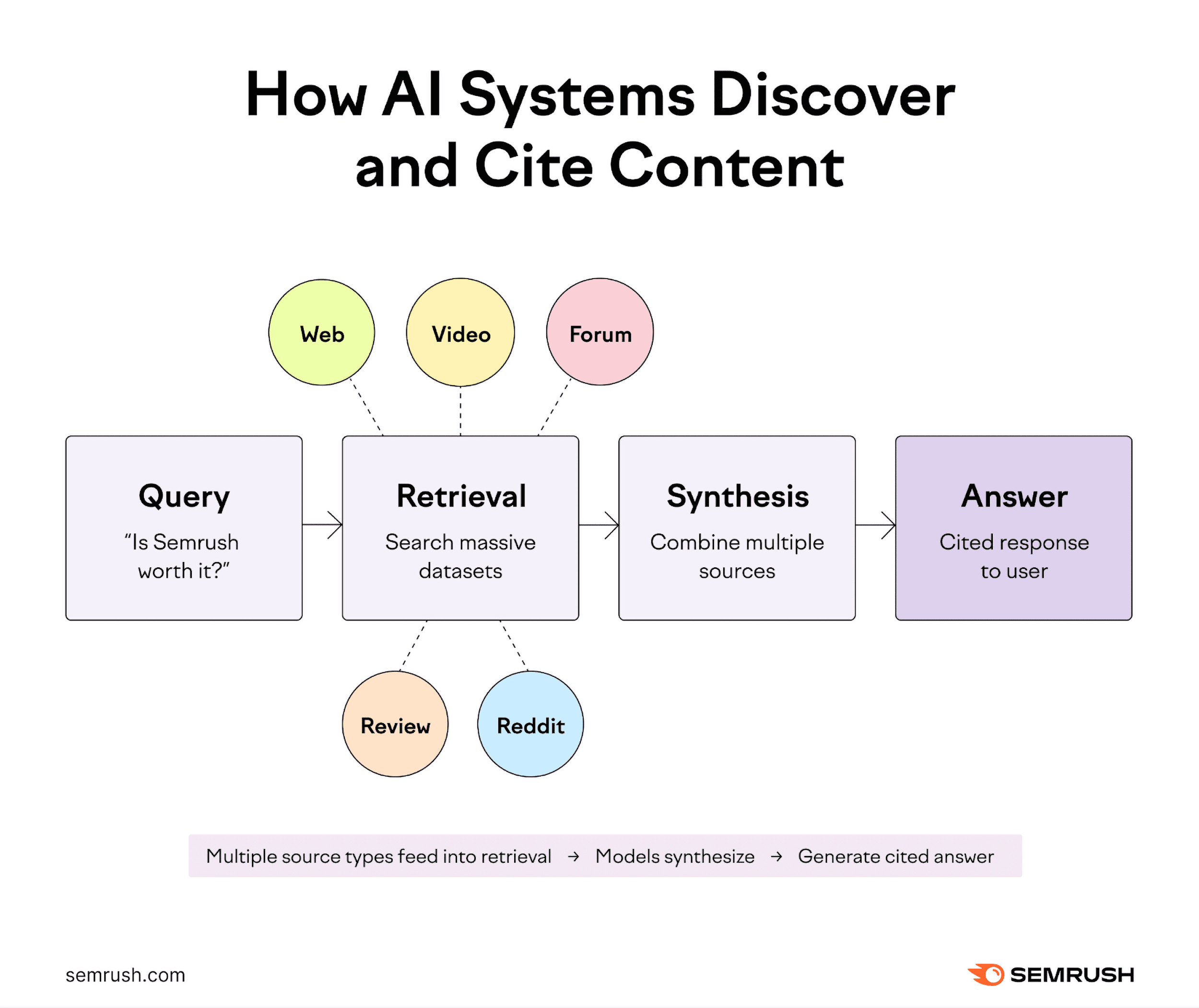
For over two decades, SEO was primarily a game of technical optimization and keyword density. However, the rise of AI search—often referred to as Generative Engine Optimization (GEO) or AI Engine Optimization (AEO)—has introduced a "black box" element to visibility. AI systems do not simply rank pages; they synthesize information from dozens of disparate sources to produce a single, cohesive answer.
In this new environment, LLMs act as sophisticated consensus-builders. If a brand claims to be a leader in its field on its own website, the AI views that as self-promotion. However, if that same brand is mentioned in an investigative piece in a major publication, discussed on a niche industry forum, and cited in a statistical roundup by a third-party researcher, the AI perceives a consensus of authority. This "offsite authority" has become the primary metric for trust in the AI era.
The Mechanics of AI Citations: Why Third-Party Sources Win
To understand why digital PR has become the linchpin of AI search, one must examine the data-gathering processes of LLMs. Unlike traditional search engines that return a list of links, AI models utilize Retrieval-Augmented Generation (RAG) to pull real-time data from the web. When an AI model processes a user prompt, it prioritizes sources that demonstrate high levels of E-E-A-T (Experience, Expertise, Authoritativeness, and Trustworthiness).
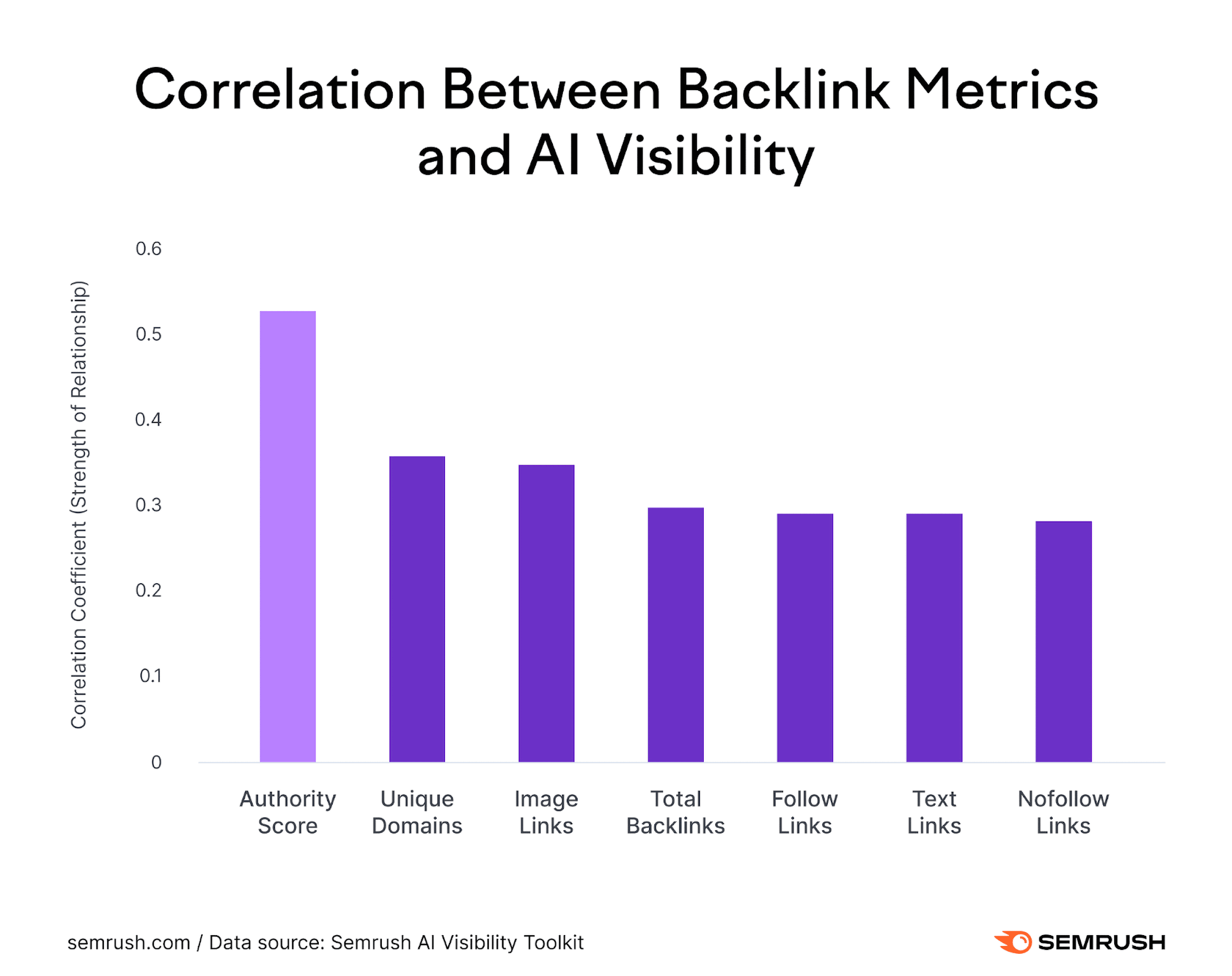
Earned media—the core output of digital PR—is the gold standard for E-E-A-T. A study by Semrush involving 1,000 domains found a direct correlation between backlink authority and AI visibility. Specifically, links from sites with a Domain Authority (DA) of 60 or higher were found to be the most influential in triggering AI citations. This suggests that the quality of the media placement is far more important than the quantity of mentions.
Strategy I: The Power of Data-Led PR and Original Research
One of the most potent weapons in a modern digital PR arsenal is original research. In an era of information saturation, journalists and AI models alike are hungry for fresh, proprietary data. By publishing original studies, statistical roundups, or industry reports, brands can position themselves as the "primary source" for a specific topic.
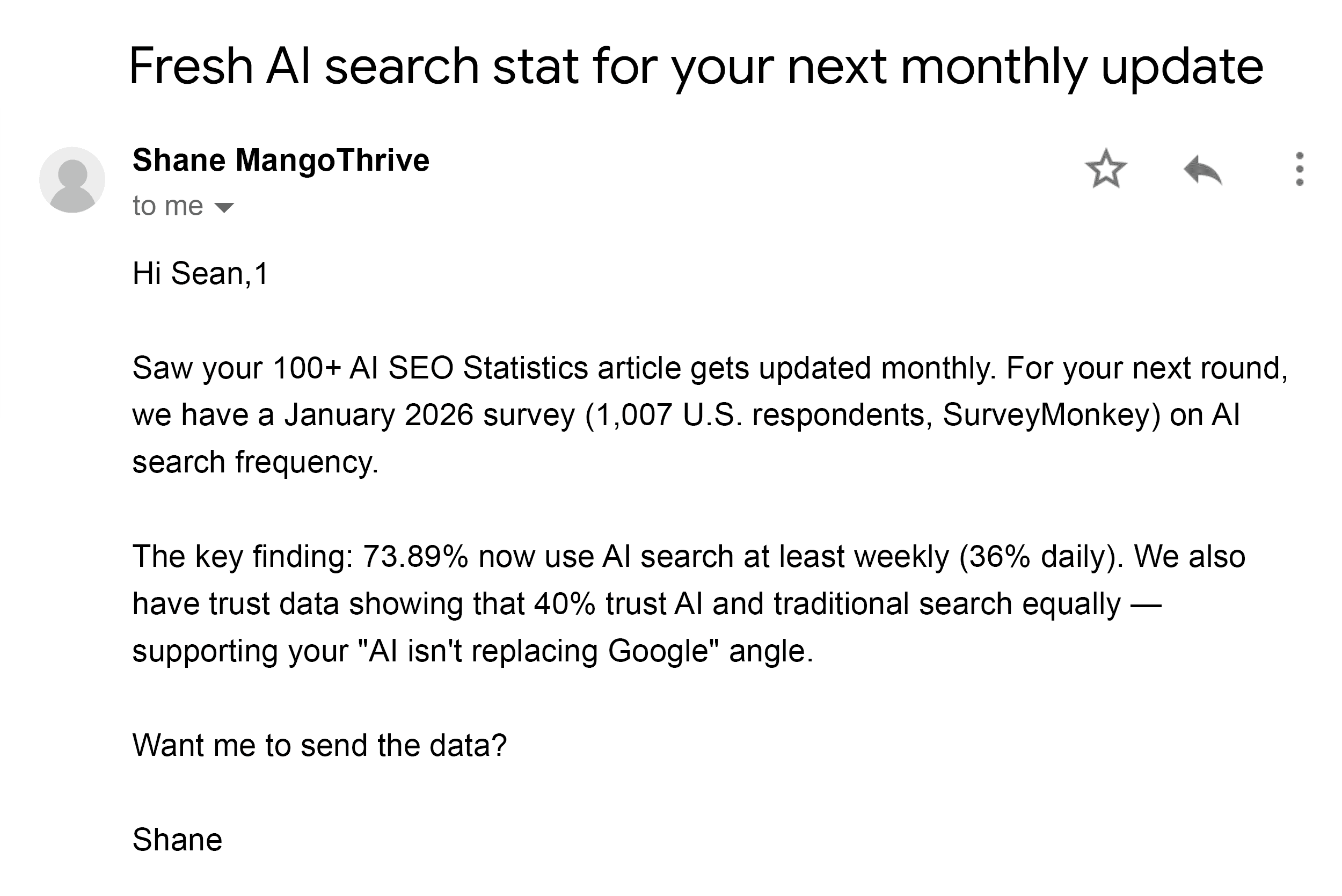
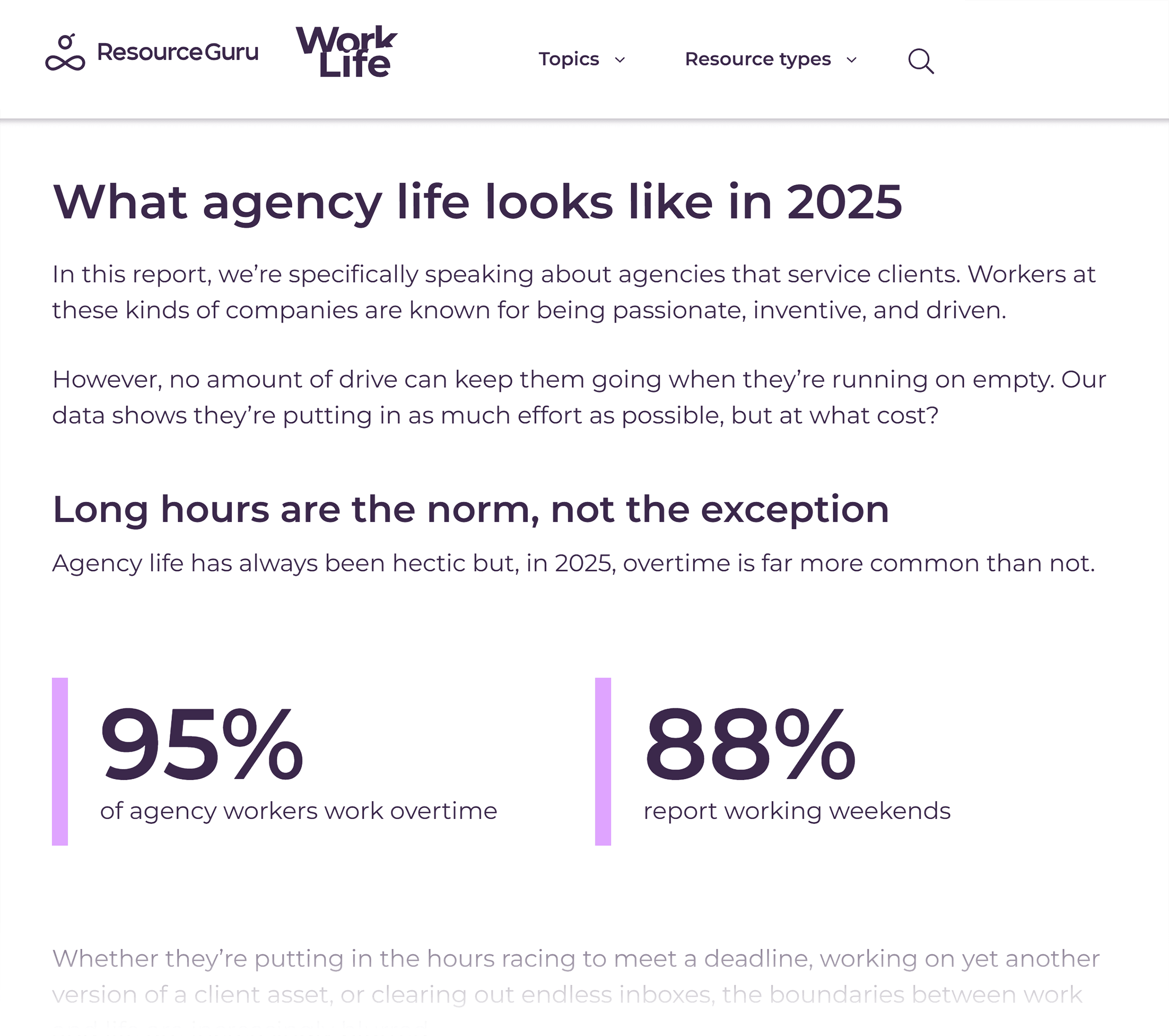
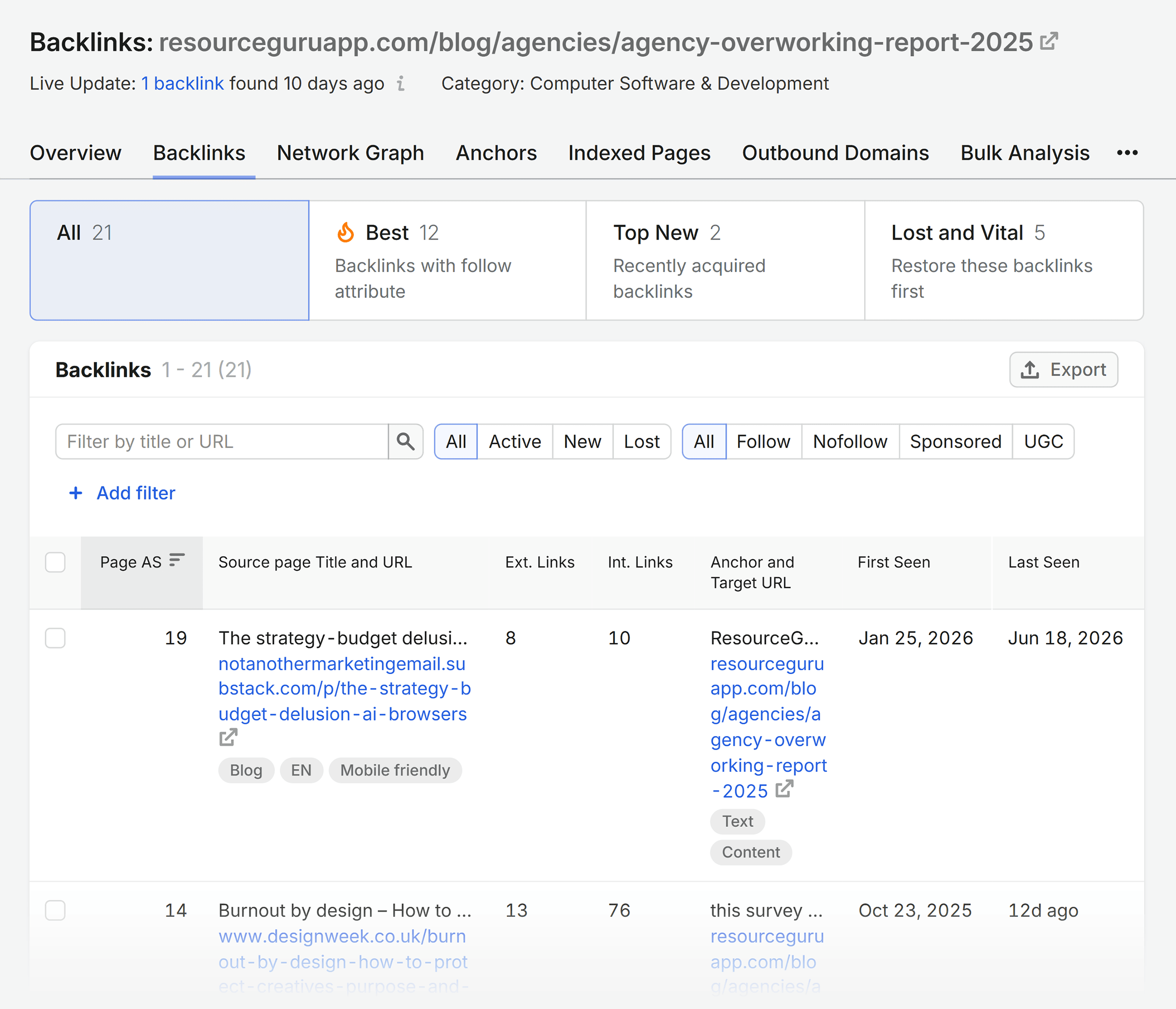
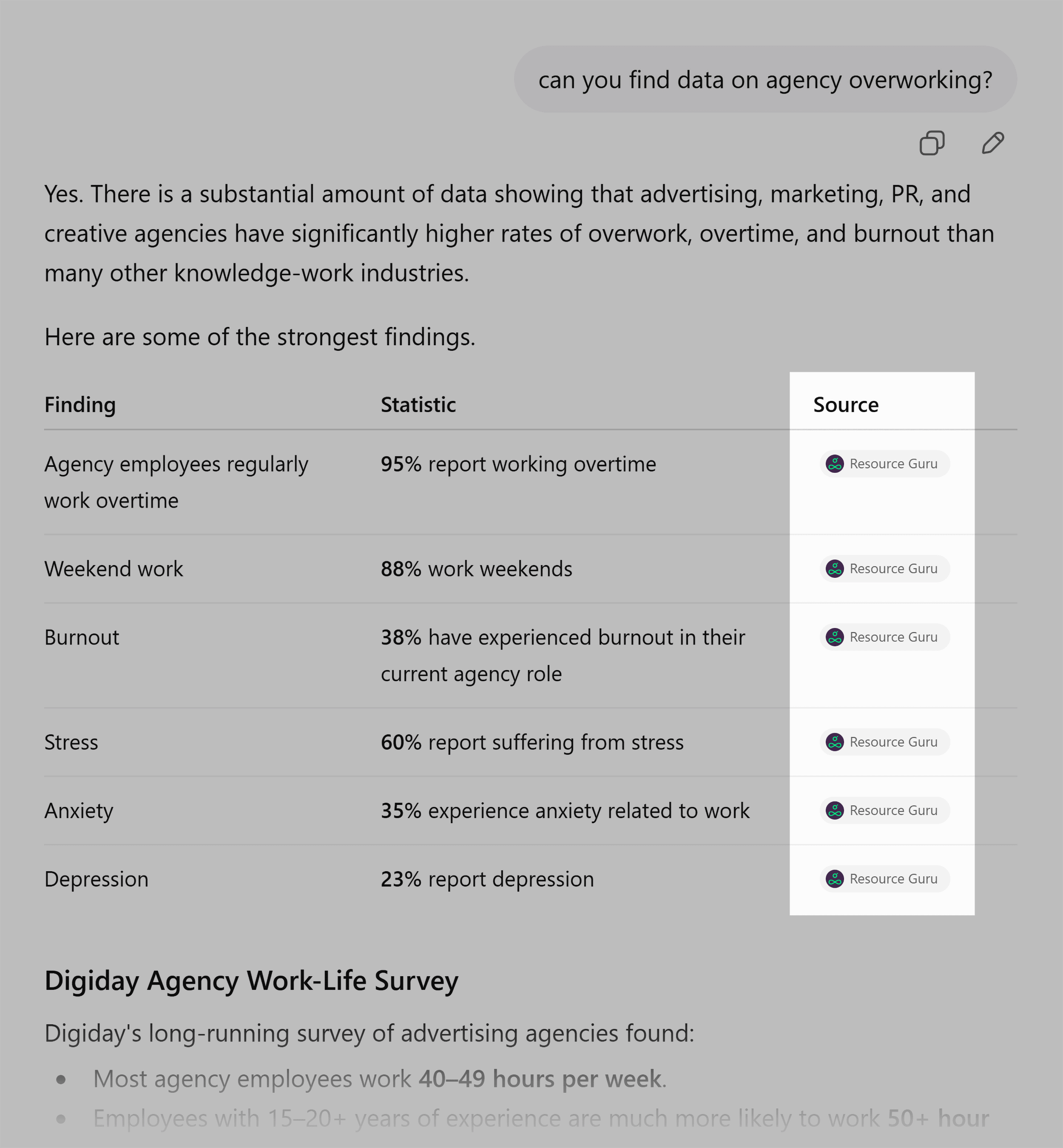
The "Agency Overworking Report 2025," a study conducted for a project management software client, serves as a textbook example of this phenomenon. By surveying industry professionals and providing new insights into workplace stress, the report earned 21 natural backlinks from high-authority outlets, including Forbes. Consequently, when users ask AI models about "agency burnout trends," the AI cites the report as a definitive source. For the AI, the brand is no longer just a software provider; it is an authority on industry culture.
Strategy II: AI Citation Outreach and Prompt Mapping
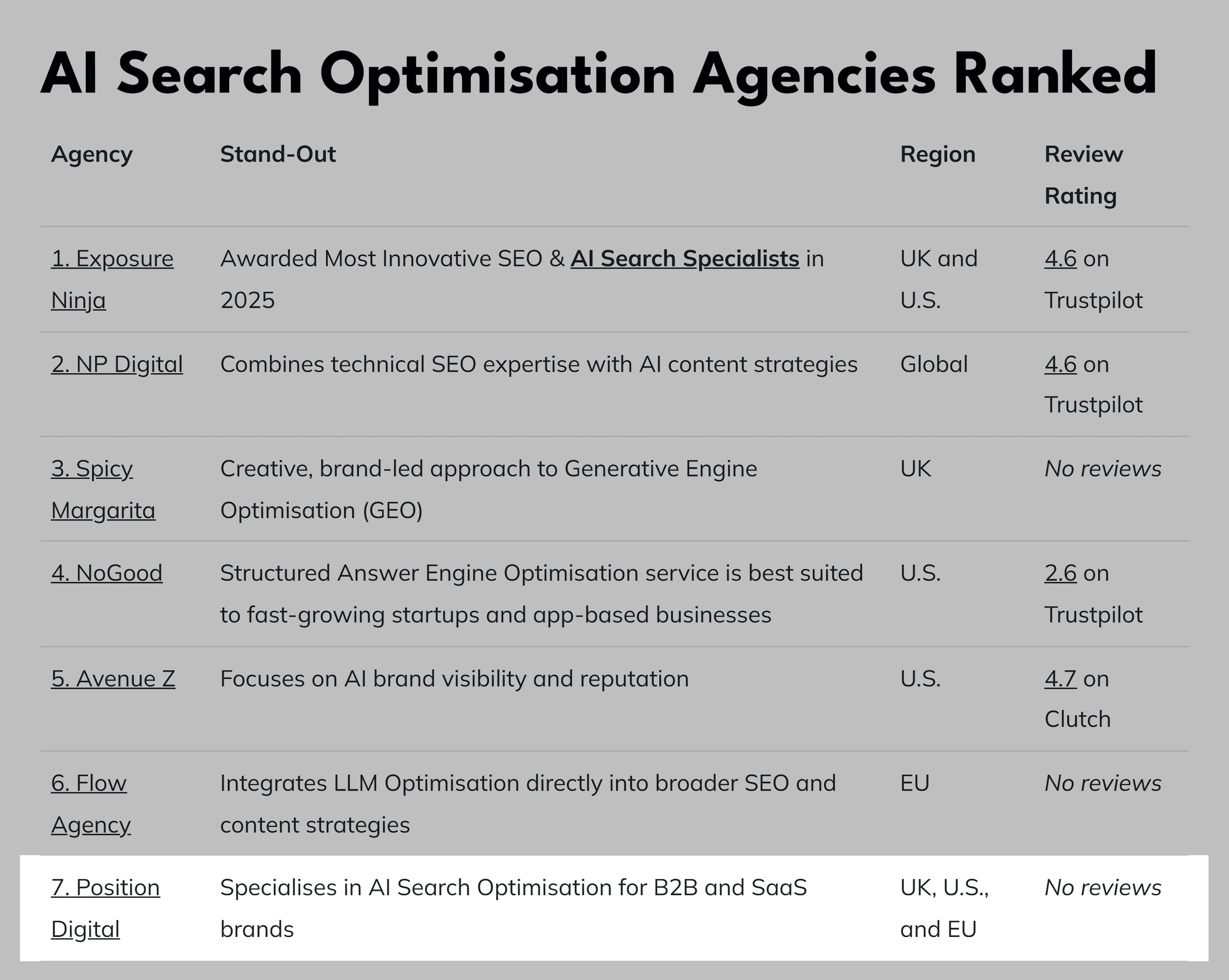
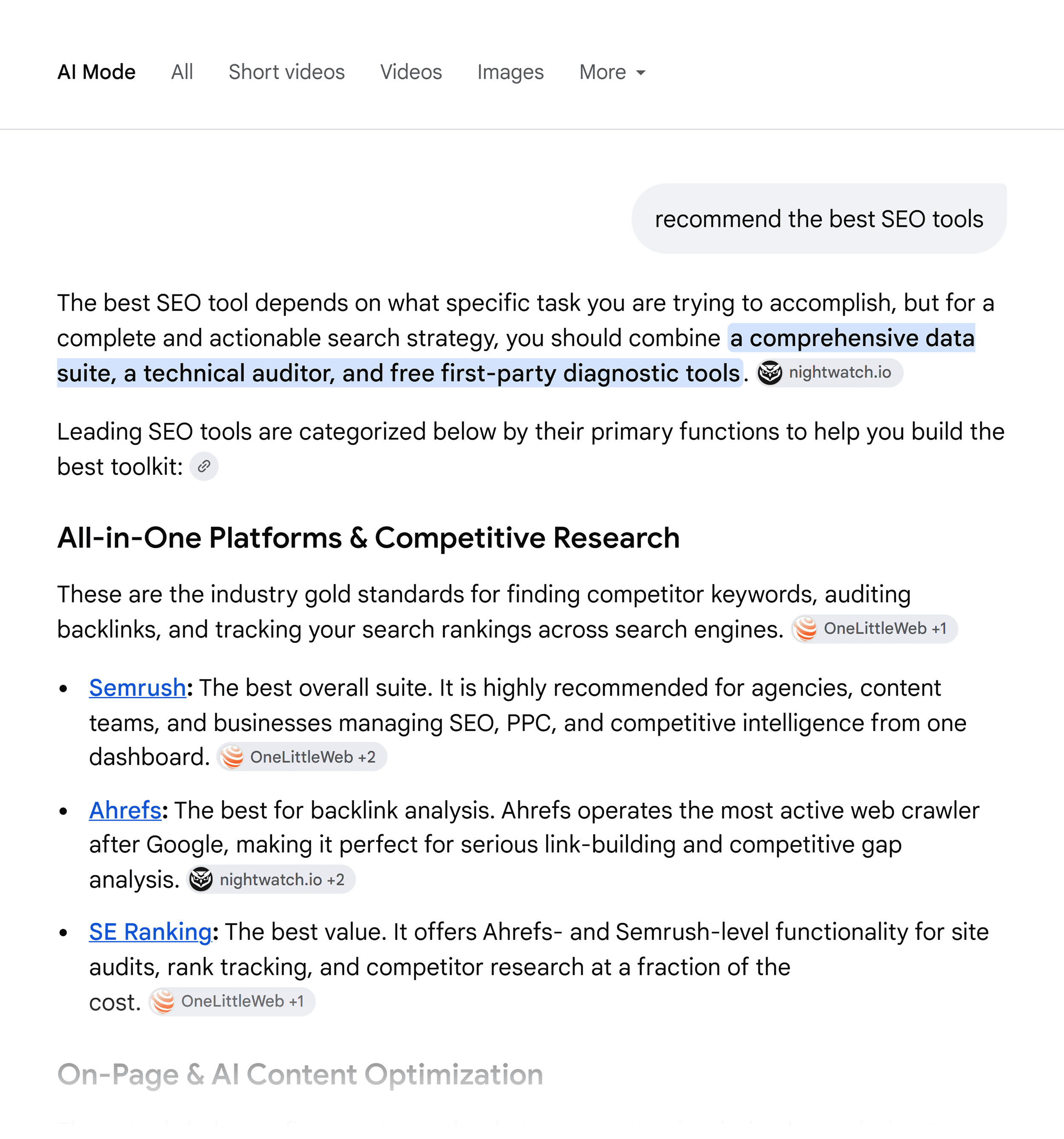
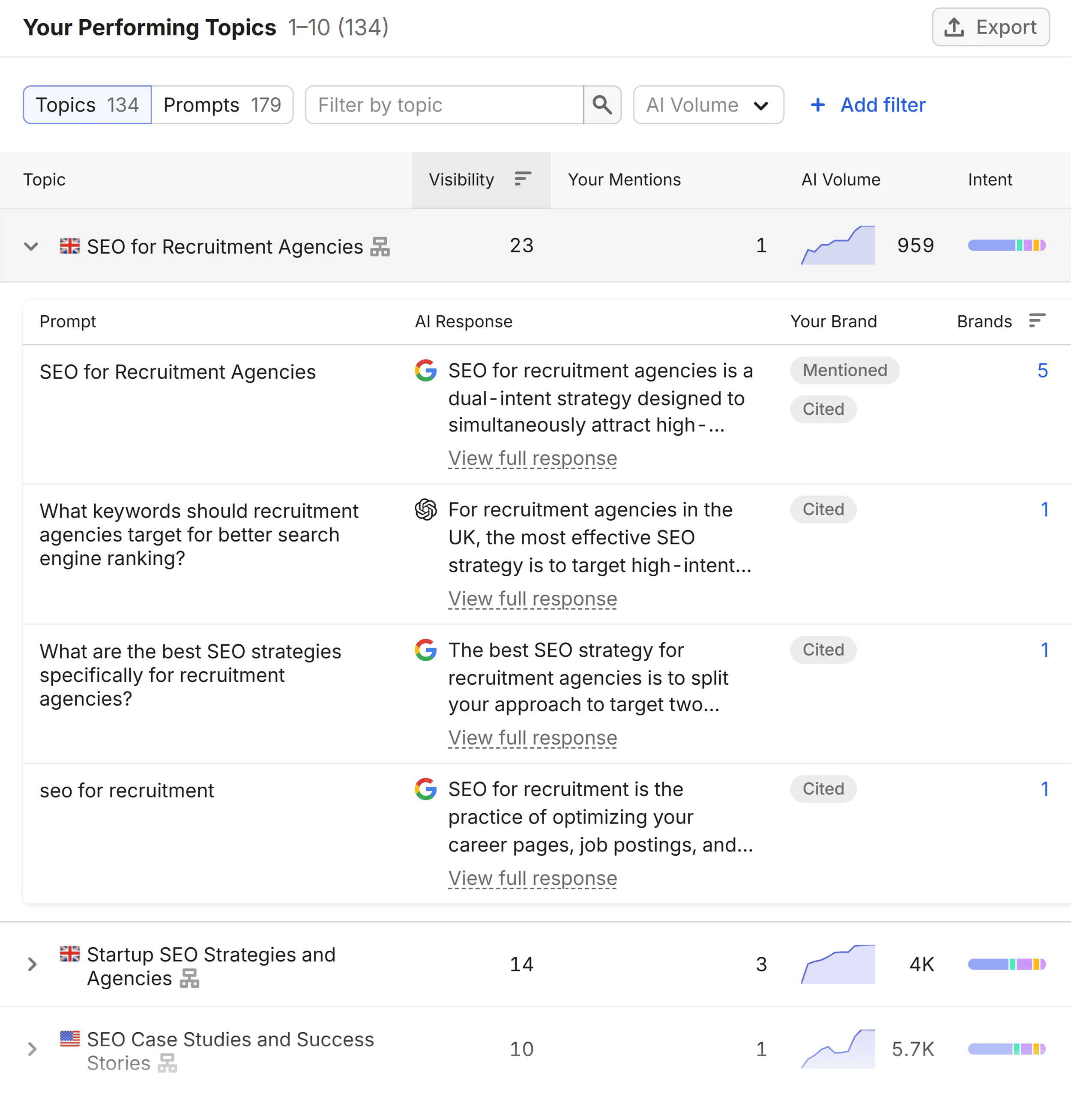
As AI companies remain opaque about their internal data, savvy digital PR professionals are turning to "prompt mapping" to reverse-engineer visibility. This involves identifying the specific queries a target audience is likely to ask an AI and then analyzing which sources the AI currently cites in response.
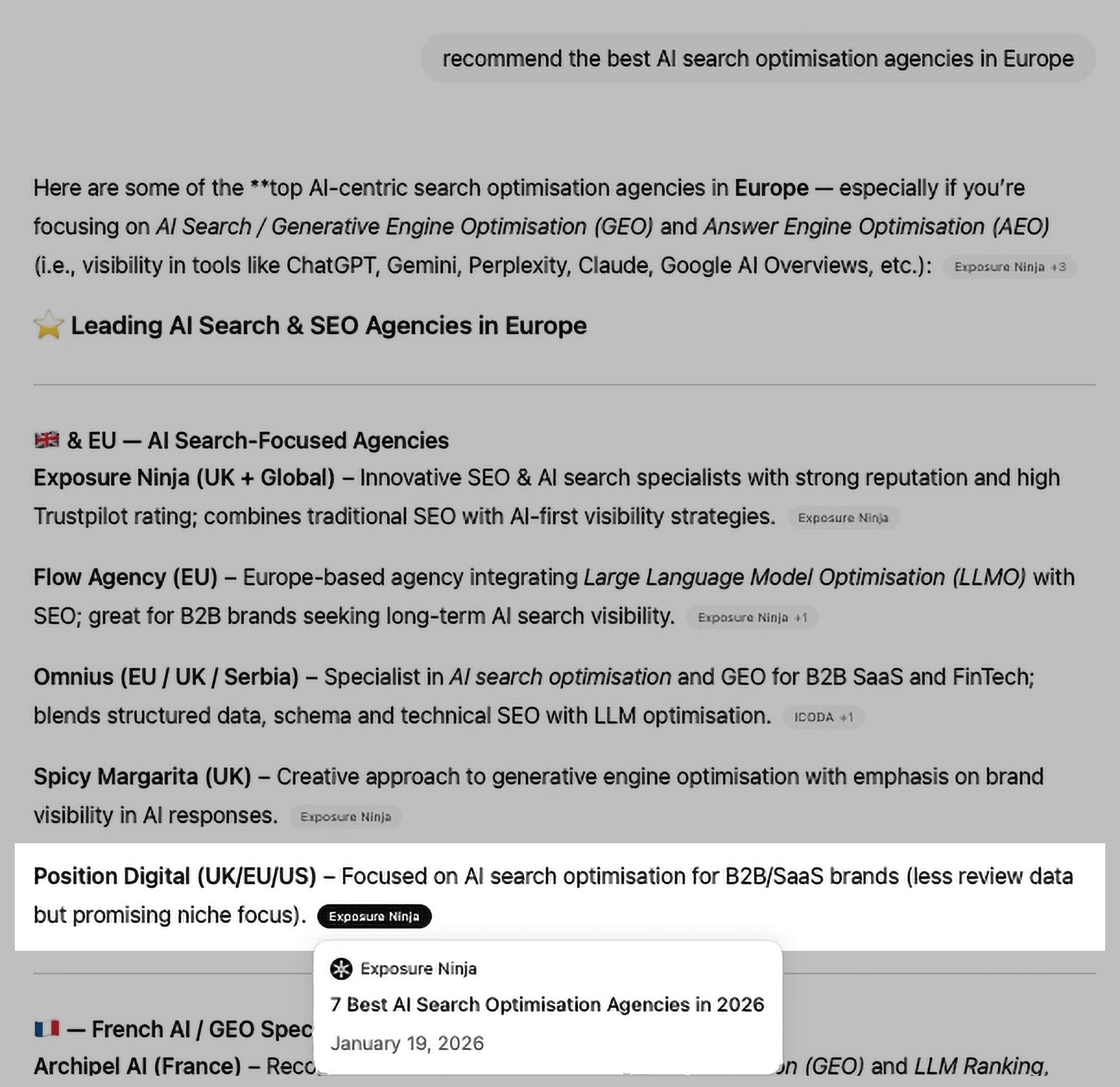
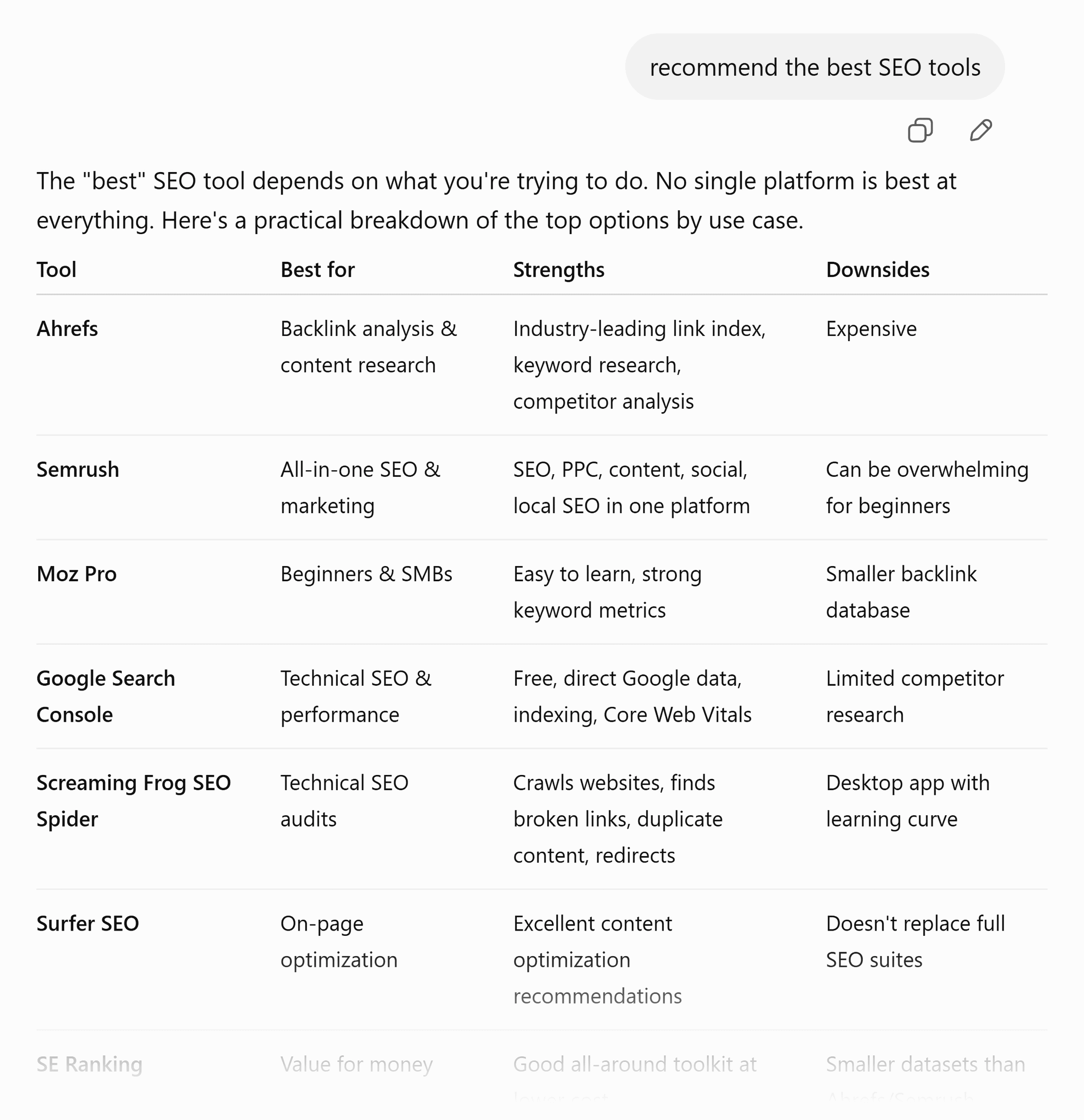
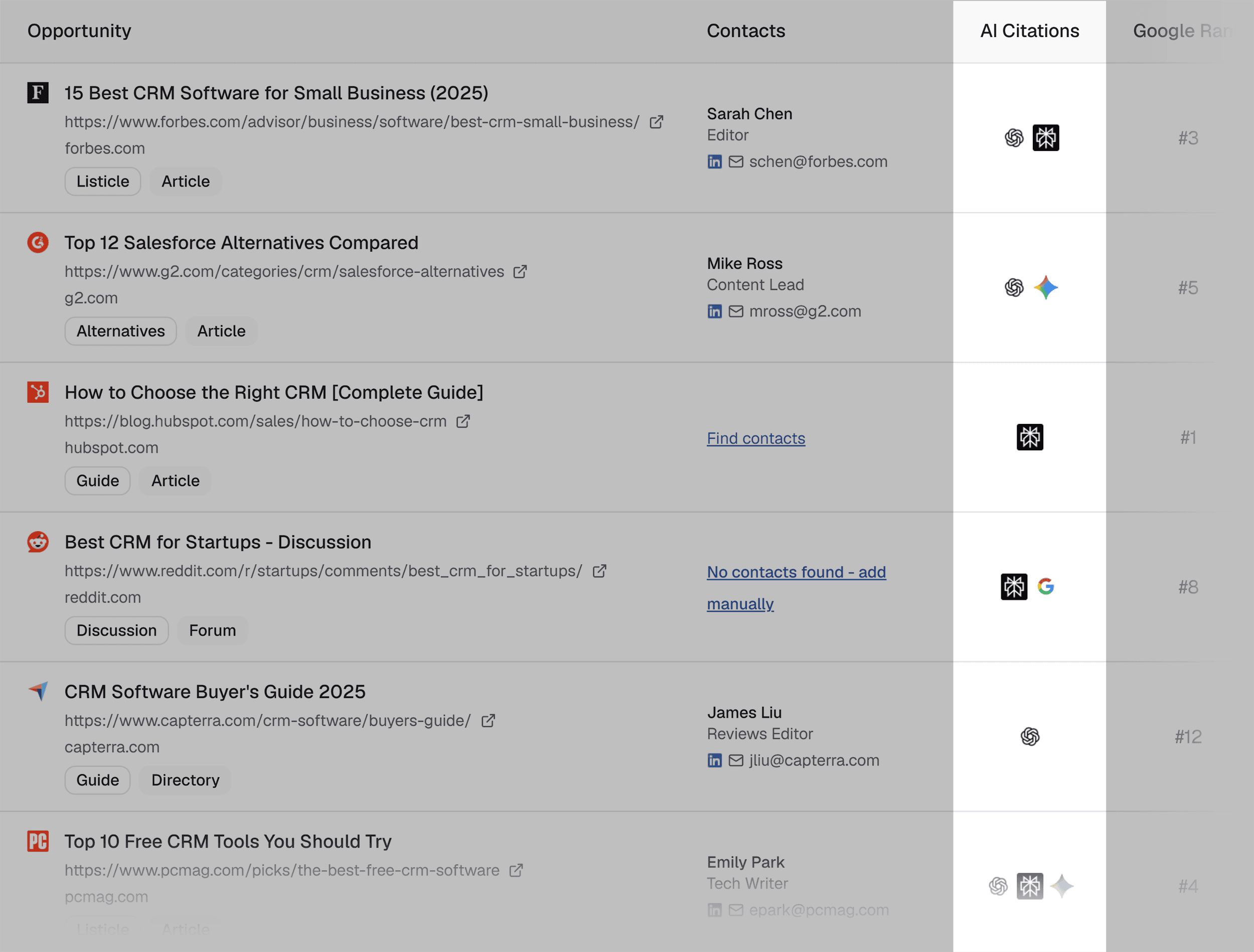
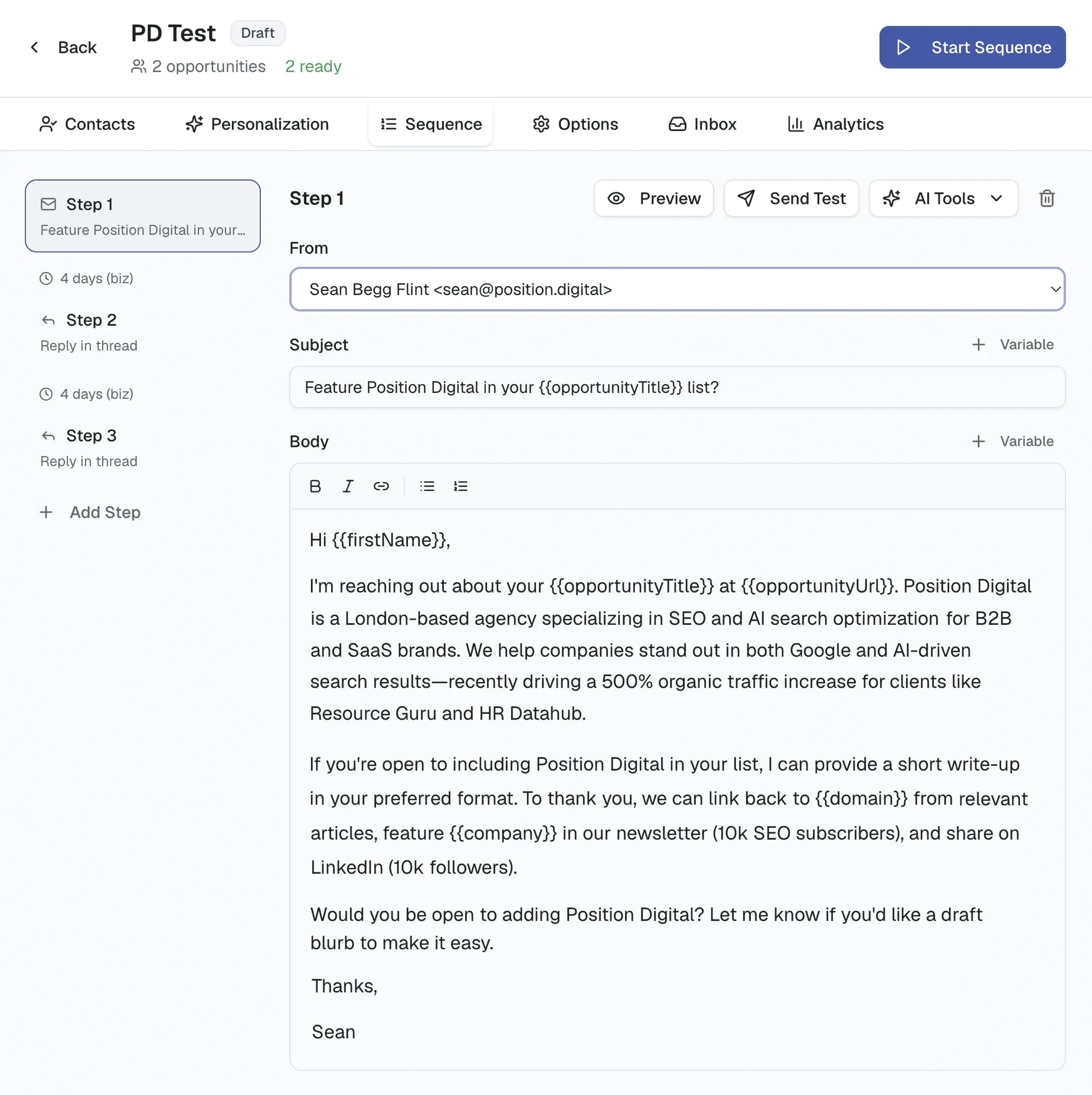
This proactive outreach involves securing placements in the specific listicles, comparison pages, and industry reviews that AI models already frequent. For instance, if an AI model consistently cites a specific "Best of" list for SEO tools, a brand’s primary goal should be to earn a spot on that specific list. This "secondary citation" strategy ensures that when the AI pulls from its trusted source, it inadvertently recommends the brand as well.
Strategy III: Reactive PR and the Information Cutoff Window
One of the inherent limitations of LLMs is their training data cutoff. While many models now have web-browsing capabilities, there is often a lag between a news event occurring and the AI forming a stable "opinion" on it. This creates a strategic window for Reactive PR.
When a major industry shift occurs—such as a new government regulation or a significant technological breakthrough—there is an initial vacuum of information. Brands that move quickly to provide analysis, commentary, or reporting can occupy this vacuum. If a brand’s commentary is picked up by major news outlets during the first 48 hours of a story breaking, it is highly likely to be indexed as a core source for that topic by AI models for months or even years to come.
Strategy IV: Ego Bait and the Expert Credibility Multiplier
AI models are programmed to favor content that includes human expertise. An analysis of AI SEO statistics found that pages containing expert quotes receive an average of 4.1 citations in ChatGPT, compared to just 2.4 for pages without them.
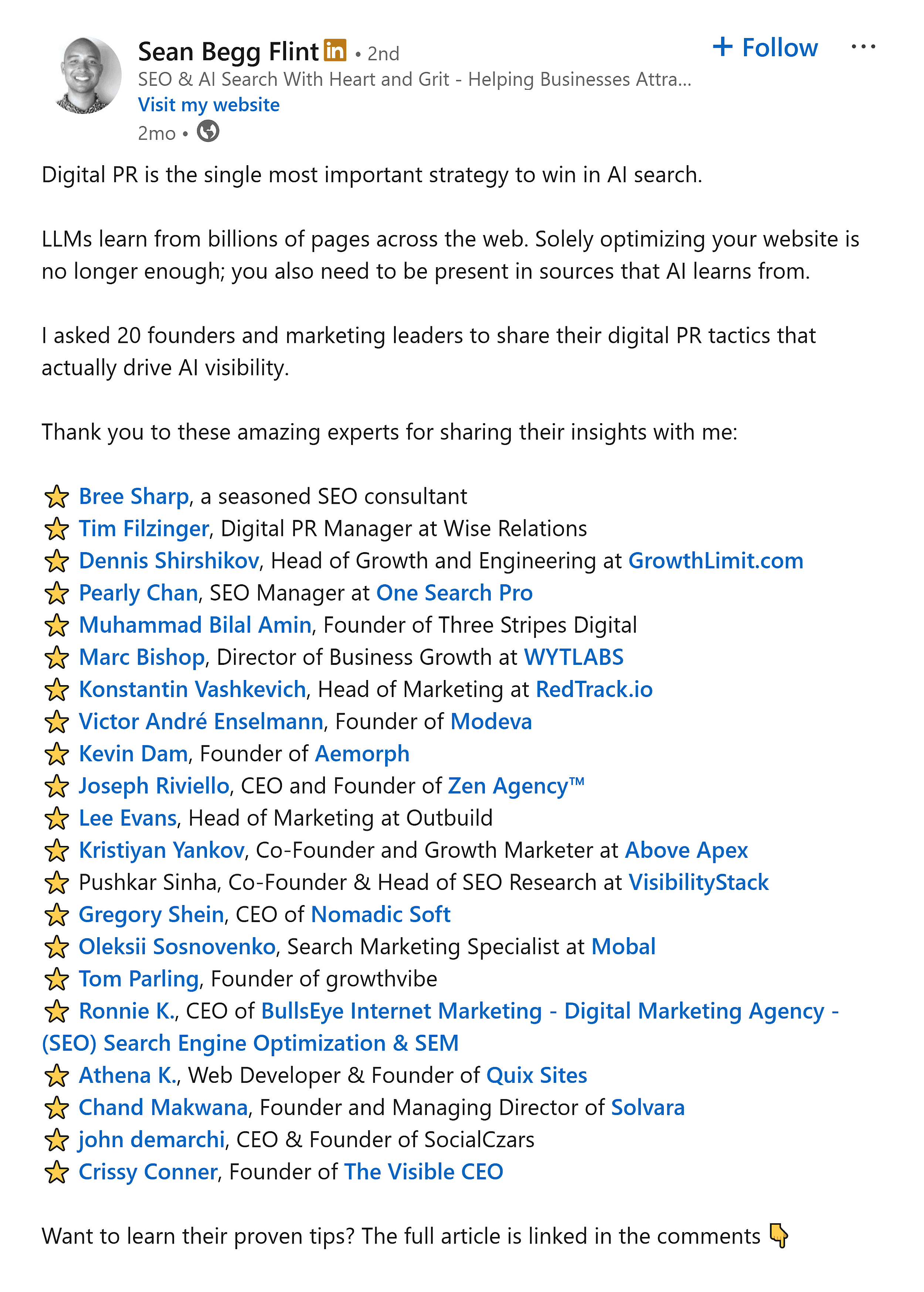
"Ego bait"—content that features insights from industry influencers and recognized experts—serves a dual purpose. First, it provides the AI with the "expert signals" it craves. Second, it creates a built-in distribution network. When an expert is featured in a piece of content, they are likely to share it with their own followers, creating a "ripple effect" of brand mentions across social media and blogs, all of which are tracked by LLMs.
Strategy V: Thought Leadership and the "Consensus" Framework
Thought leadership is no longer just about personal branding; it is about "seeding" the web with a specific perspective. By contributing guest posts to major publications, appearing on industry podcasts, and maintaining an active presence on platforms like LinkedIn, brand leaders can create a digital consensus.
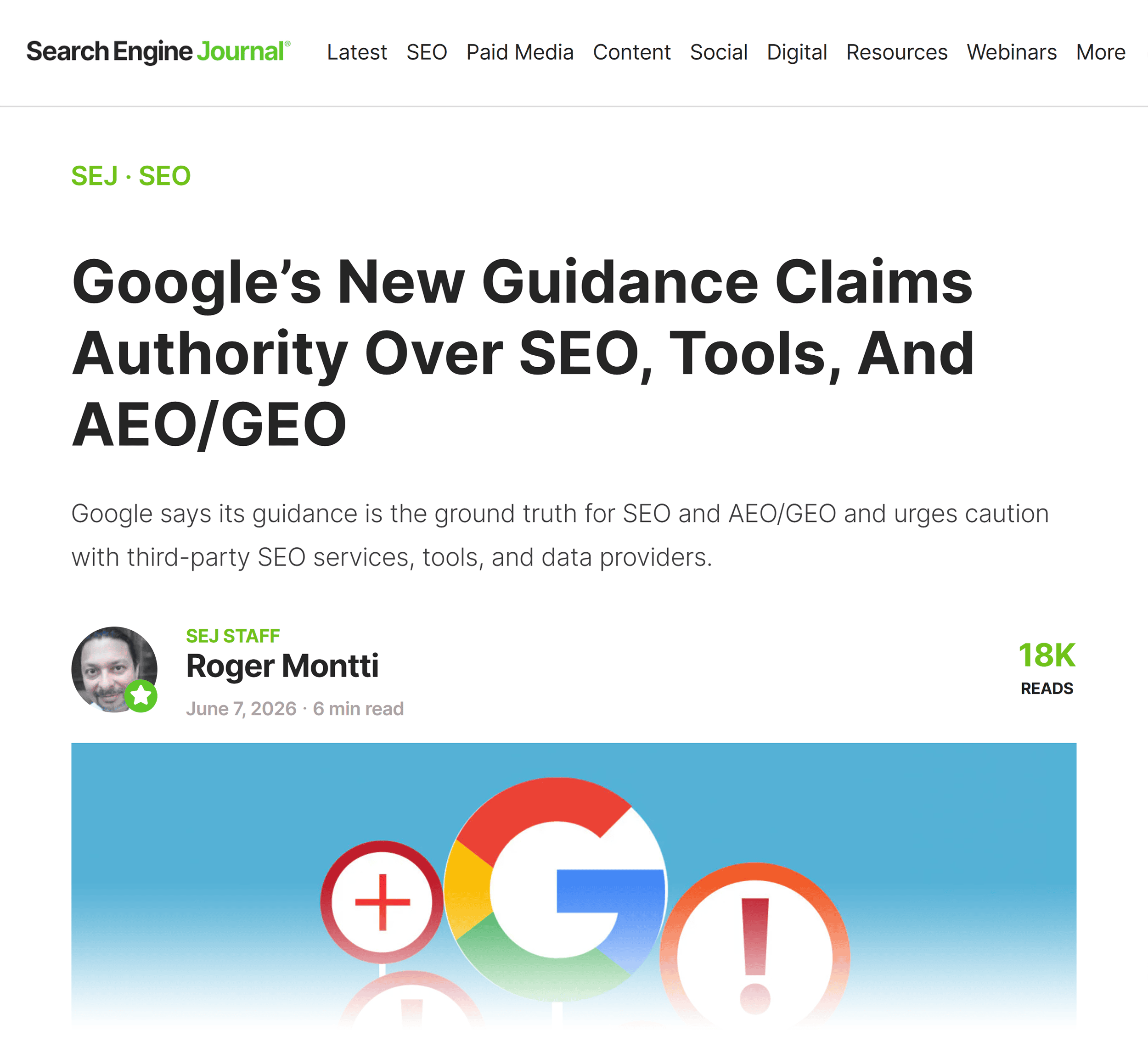
LinkedIn, in particular, has emerged as a high-authority source for AI. Recent studies indicate it is among the most-cited domains for professional and B2B queries. When multiple authoritative voices across different platforms point back to a single originating idea or brand, the AI model views that idea as an established truth rather than an isolated opinion.
Strategy VI: Community Validation and the "Reddit Effect"
Perhaps the most significant shift in AI search is the weight given to community-driven platforms like Reddit and Quora. In an effort to provide "authentic" and "human" answers, AI models frequently prioritize forum discussions over brand-owned blogs.
Data from Seer Interactive indicates that brands with a verified presence on review platforms like Trustpilot or G2 see a massive jump in AI citation rates. For example, brands with even a minimal review profile (1 to 13 reviews) had a citation rate of 53.5%, while those with no profile lingered at 1%. This suggests that AI models view community feedback as a more reliable indicator of brand quality than marketing copy.

Implications for the Future of Digital Marketing
The transition toward a PR-led search strategy represents a fundamental shift in how marketing budgets are allocated. The traditional silos between "SEO," "Content Marketing," and "Public Relations" are collapsing. To win in the age of AI, a brand must be mentioned by others more often than it mentions itself.
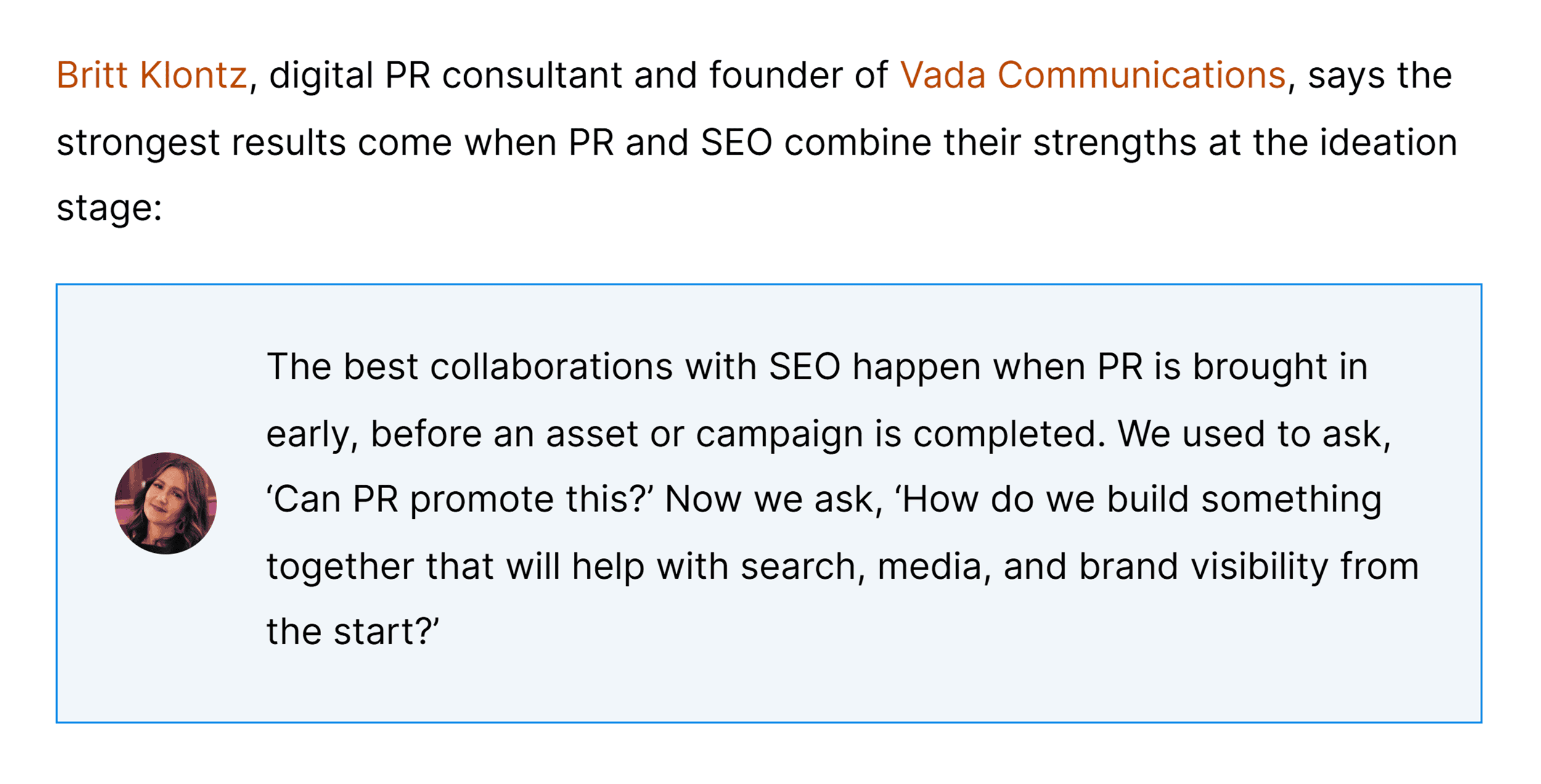
Industry analysts suggest that we are entering an era of "Consensus Marketing." In this environment, the goal is not to rank #1 on a search results page, but to be the brand that the AI "thinks of" first when a problem is presented. This requires a relentless focus on earned media, a commitment to original data, and a deep integration with the communities where the target audience resides.
Conclusion: Building a Brand That AI Can Trust
The move toward Digital PR as a primary search strategy is not a temporary trend but a structural response to the evolution of information retrieval. As AI systems become the primary gatekeepers of knowledge, they will continue to prioritize sources that demonstrate independence, authority, and human validation.
For brands, the path forward is clear: to be visible in the future of search, they must be relevant in the present of media. By focusing on high-impact digital PR strategies—from data-led research to community engagement—businesses can build a robust offsite presence that AI models will find impossible to ignore. The battle for search visibility is no longer fought on a brand’s own website; it is fought, and won, in the wider world of earned media.