Digital PR Emerges as the Vital Strategy for Brand Dominance in Artificial Intelligence Search Ecosystems

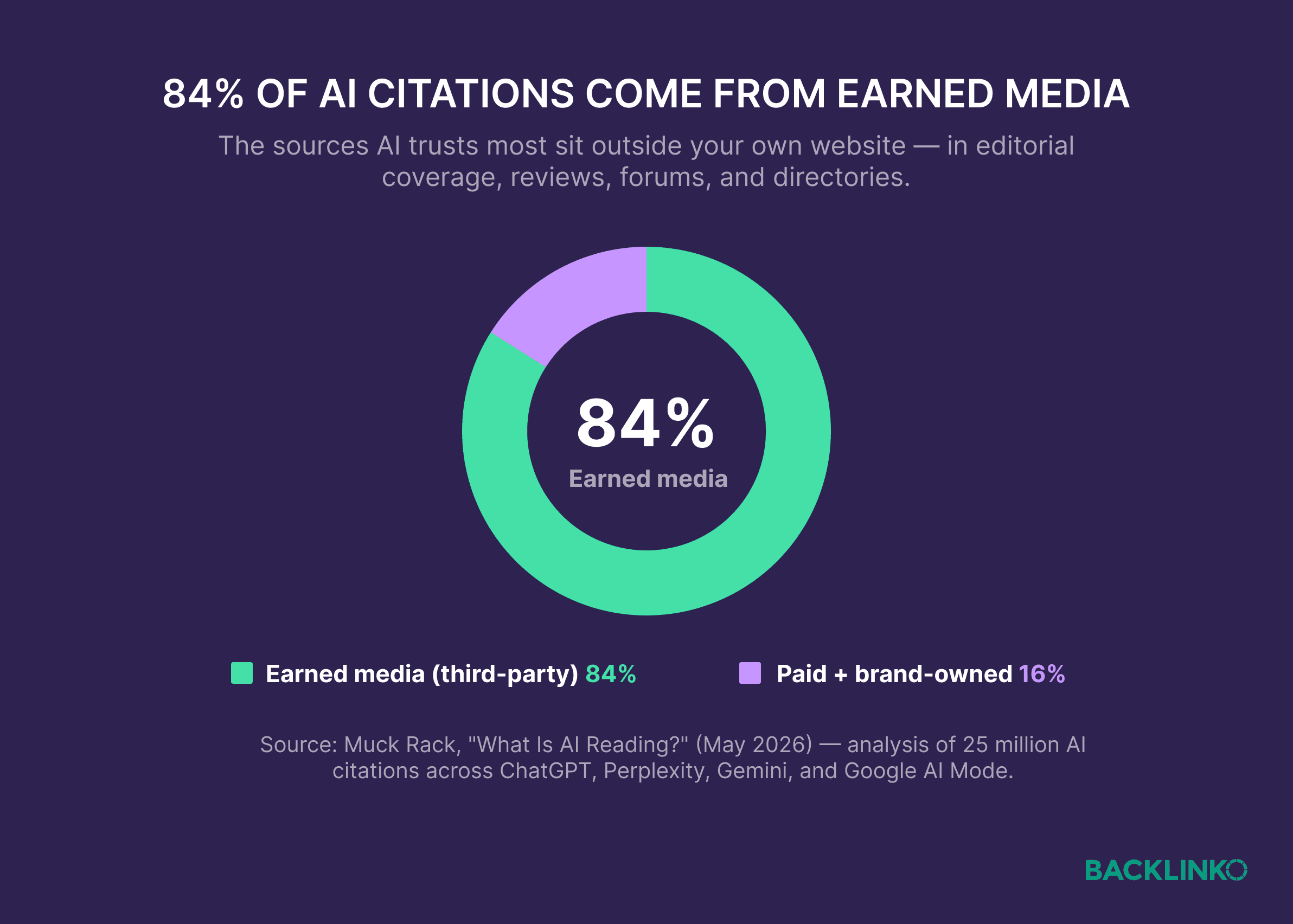
The traditional landscape of search engine optimization is undergoing a fundamental transformation as large language models and generative AI systems redefine how information is retrieved and presented to users. According to a comprehensive study by Muck Rack, approximately 84% of all citations generated by artificial intelligence tools originate from earned media—third-party sources including editorial coverage, independent reviews, and community forums. This shift indicates that in the burgeoning era of AI search, third-party validation has effectively superseded self-promotional onsite content as the primary driver of brand visibility. While maintaining a robust onsite content strategy remains necessary, a brand’s presence in AI-generated answers is now predominantly shaped by its footprint across the broader digital ecosystem.
The Mechanism of AI Information Retrieval
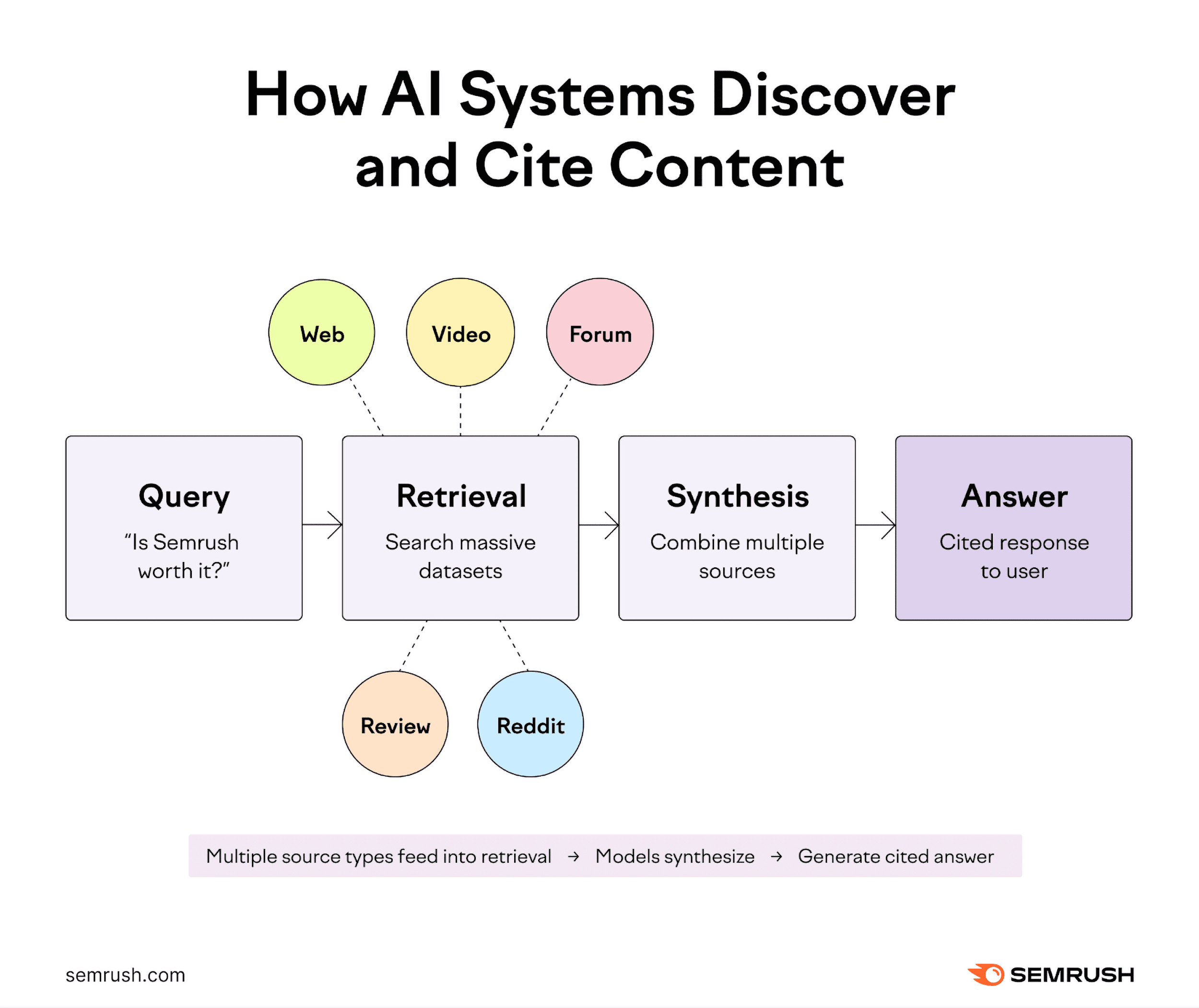
Artificial intelligence systems, such as ChatGPT, Perplexity, and Google’s AI Overviews, do not merely index web pages; they synthesize information from a vast array of high-authority sources to provide a singular, cohesive answer. This process, often referred to as Generative Engine Optimization (GEO) or AI Search Optimization, prioritizes "trust signals" from independent publishers. When a brand name appears consistently across diverse, reputable publications, large language models (LLMs) are more likely to recognize that brand as an authority, thereby increasing the probability of a recommendation or citation.
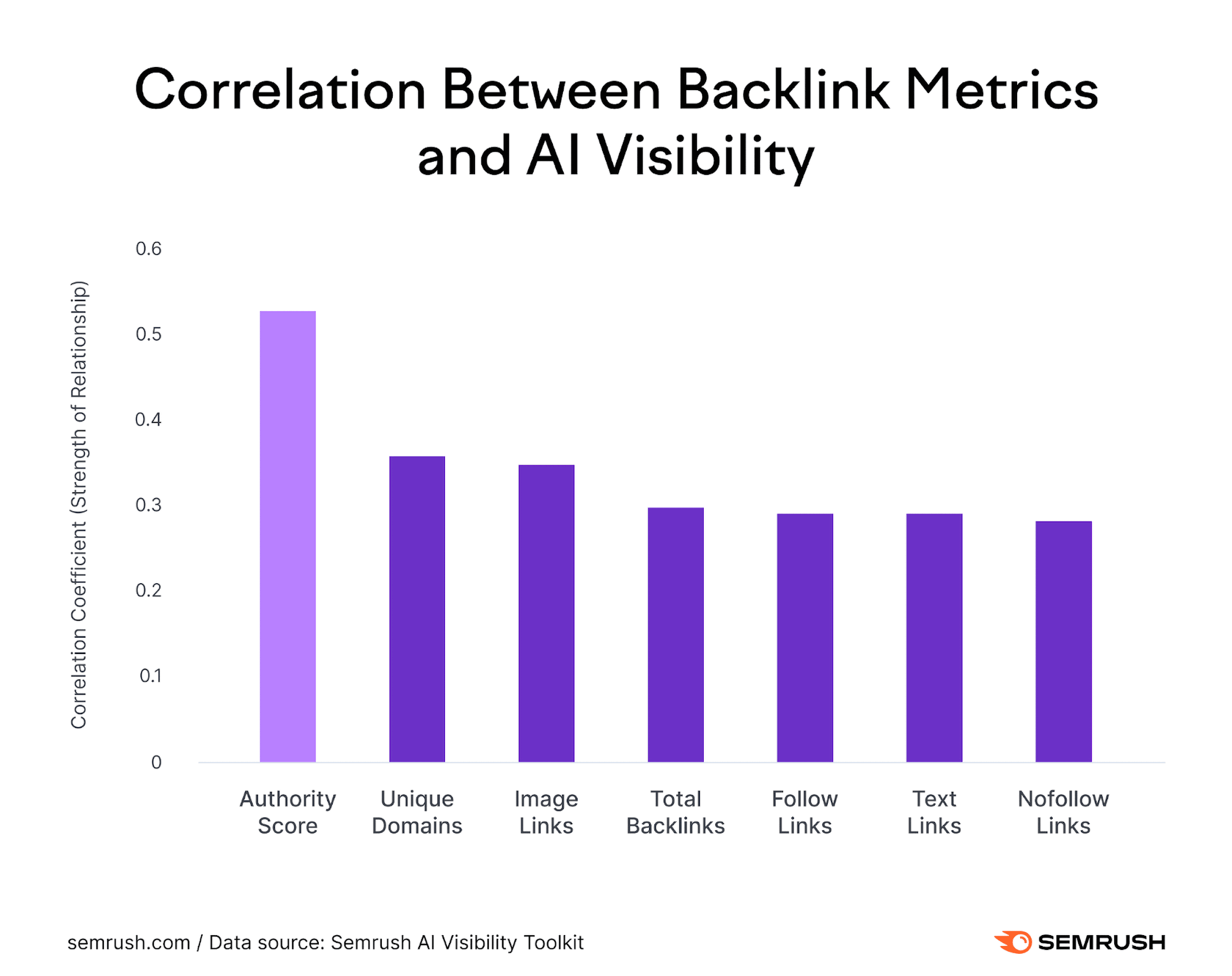
The shift toward Digital PR as a core SEO function is backed by significant industry data. A Semrush analysis of 1,000 domains revealed a direct correlation between backlink authority and AI search visibility. Furthermore, research from Seer Interactive identified that the two most influential metrics for appearing in AI responses are domain authority and the acquisition of high-quality backlinks from websites with a Domain Authority (DA) score of 60 or higher.
Chronology of the Shift: From Keywords to Authority
The evolution of search has moved through several distinct phases over the last decade, culminating in the current AI-centric model:
- The Keyword Era (Pre-2015): Focus was primarily on keyword density and technical onsite optimization.
- The Content Quality Era (2015–2022): Google’s E-A-T (Expertise, Authoritativeness, Trustworthiness) guidelines emphasized high-quality, long-form content.
- The AI Integration Era (2023–Present): The launch of ChatGPT and subsequent AI search tools shifted the focus to "offsite authority." AI models now act as researchers, looking for a consensus among multiple independent sources before citing a brand.
Strategy 1: The Role of Data-Led PR in AI Training
One of the most potent methods for securing offsite authority is data-led PR, which involves the publication of original research, statistical reports, and industry roundups. Journalists and digital publishers are in constant need of fresh, credible data to support their reporting. When a brand provides this data, it often earns high-authority backlinks that are difficult to acquire through traditional guest posting.
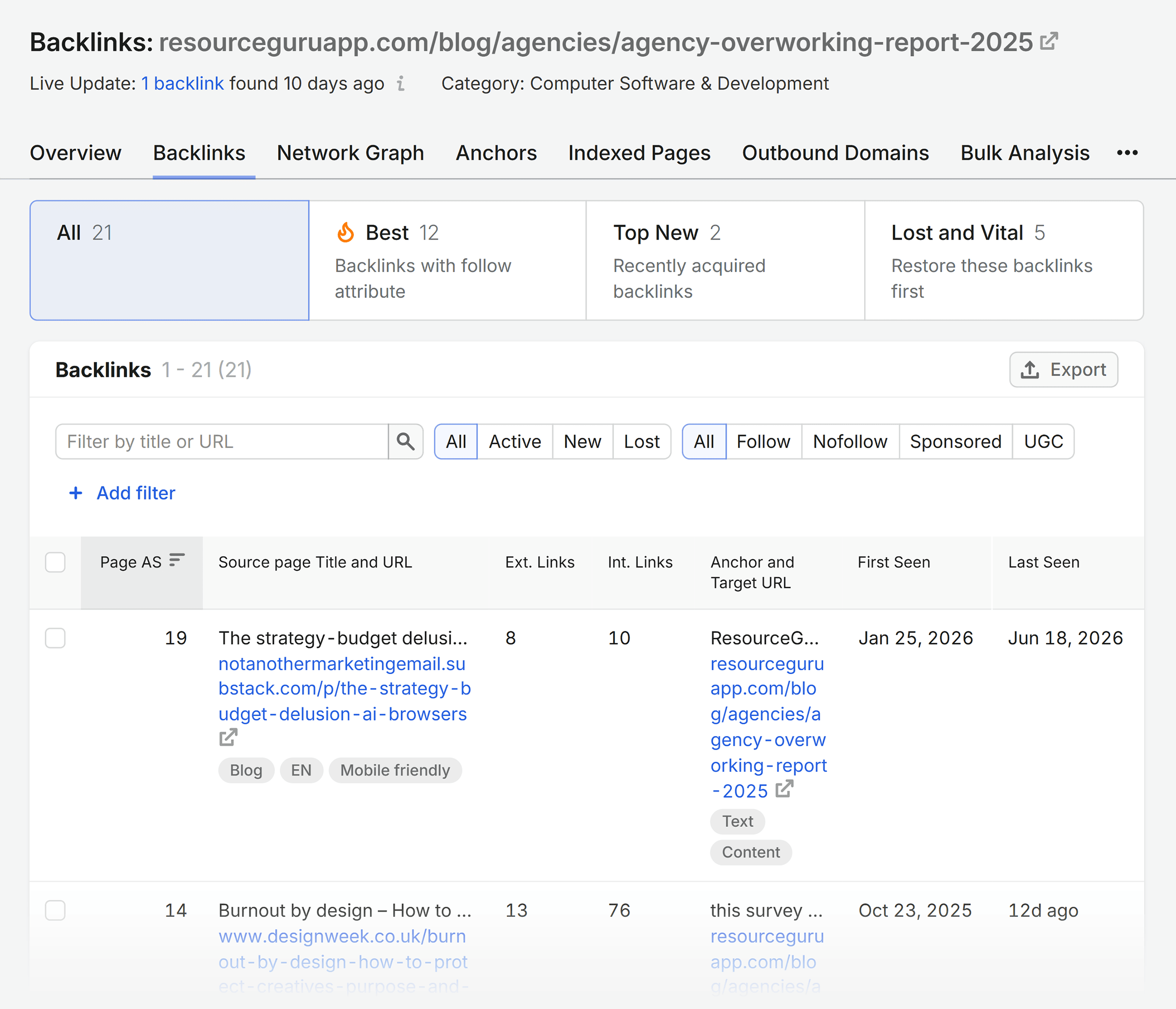
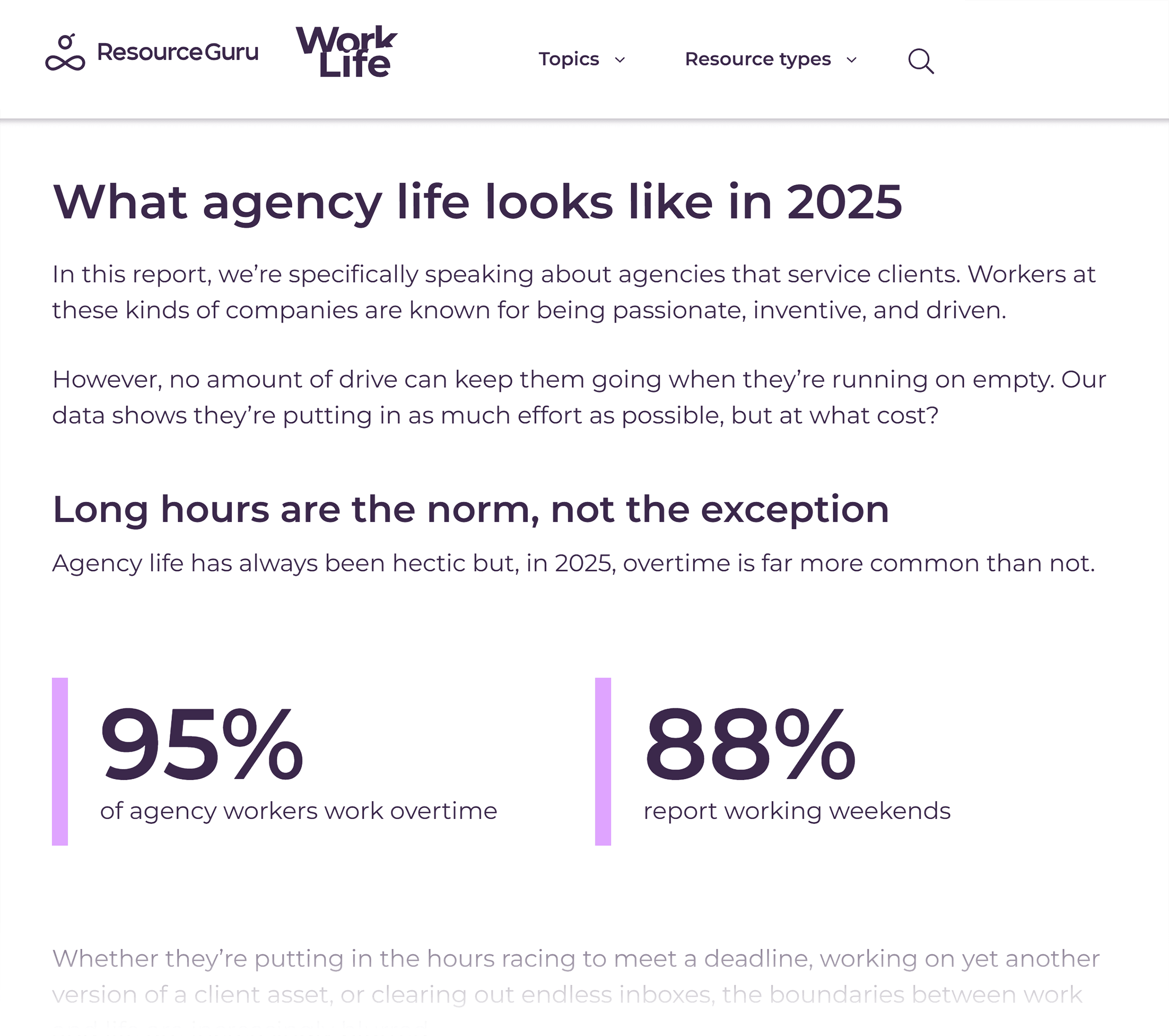
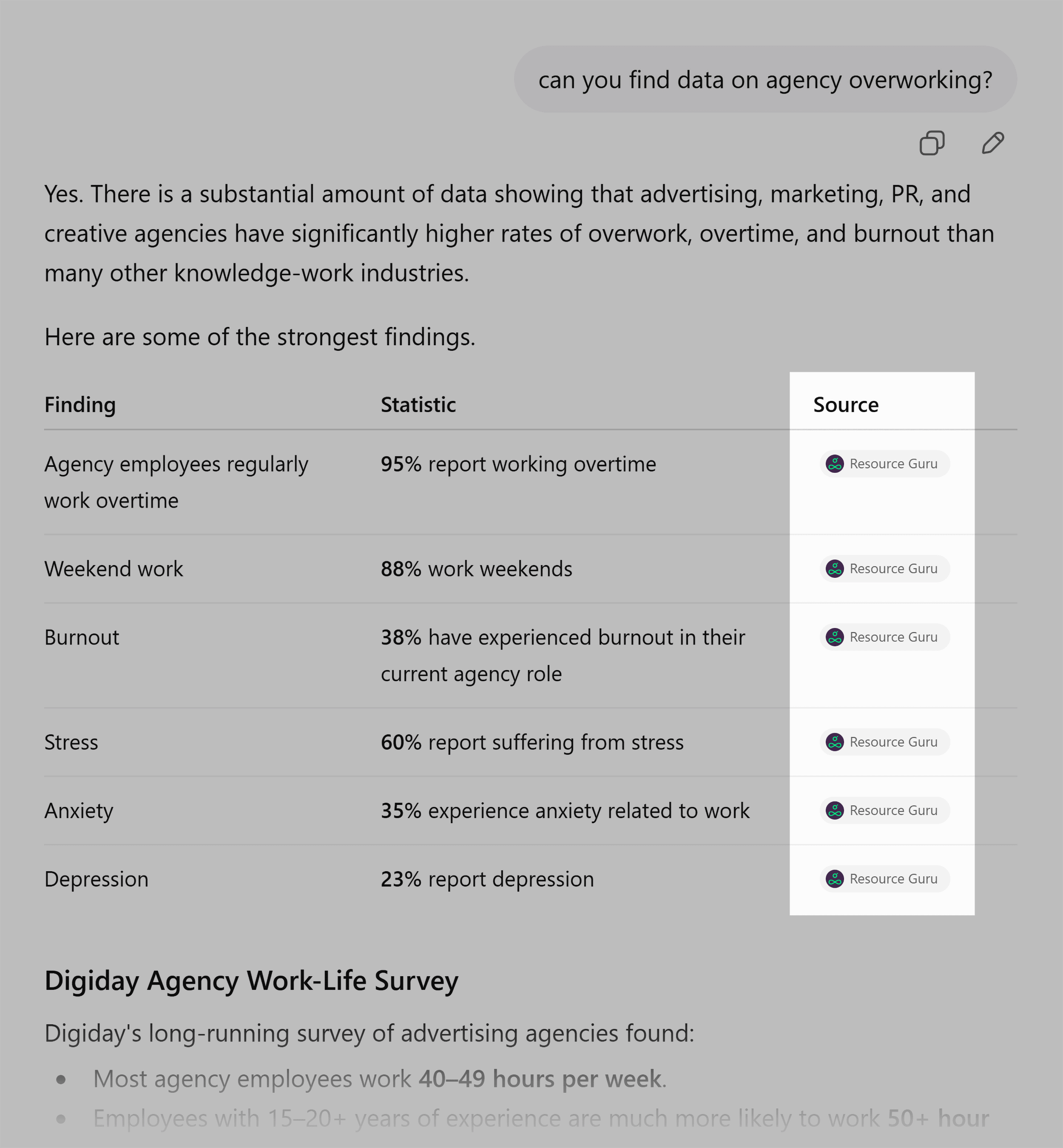
For instance, the "Agency Overworking Report 2025," published by Resource Guru, serves as a prime example of this strategy. Since its release, the report has naturally generated over 20 high-quality backlinks, including coverage in Forbes. More importantly, because the report provides unique statistical insights, it is frequently cited by ChatGPT when users query topics related to workplace stress and agency management. To execute this, companies must identify data gaps in their niche, conduct surveys or analyze proprietary data, and proactively pitch these findings to news outlets and statistical aggregators.
Strategy 2: AI Citation Outreach and Prompt Mapping
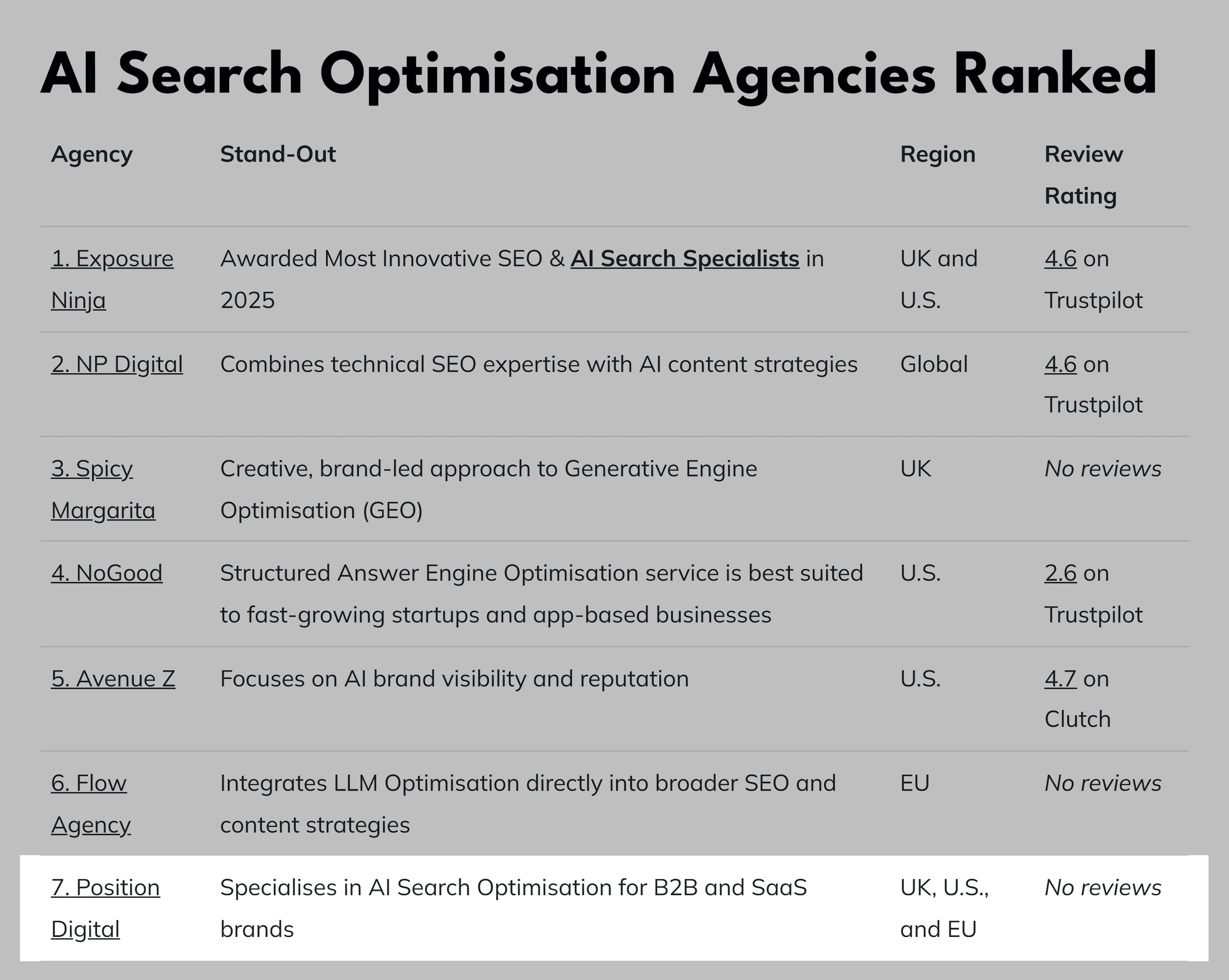
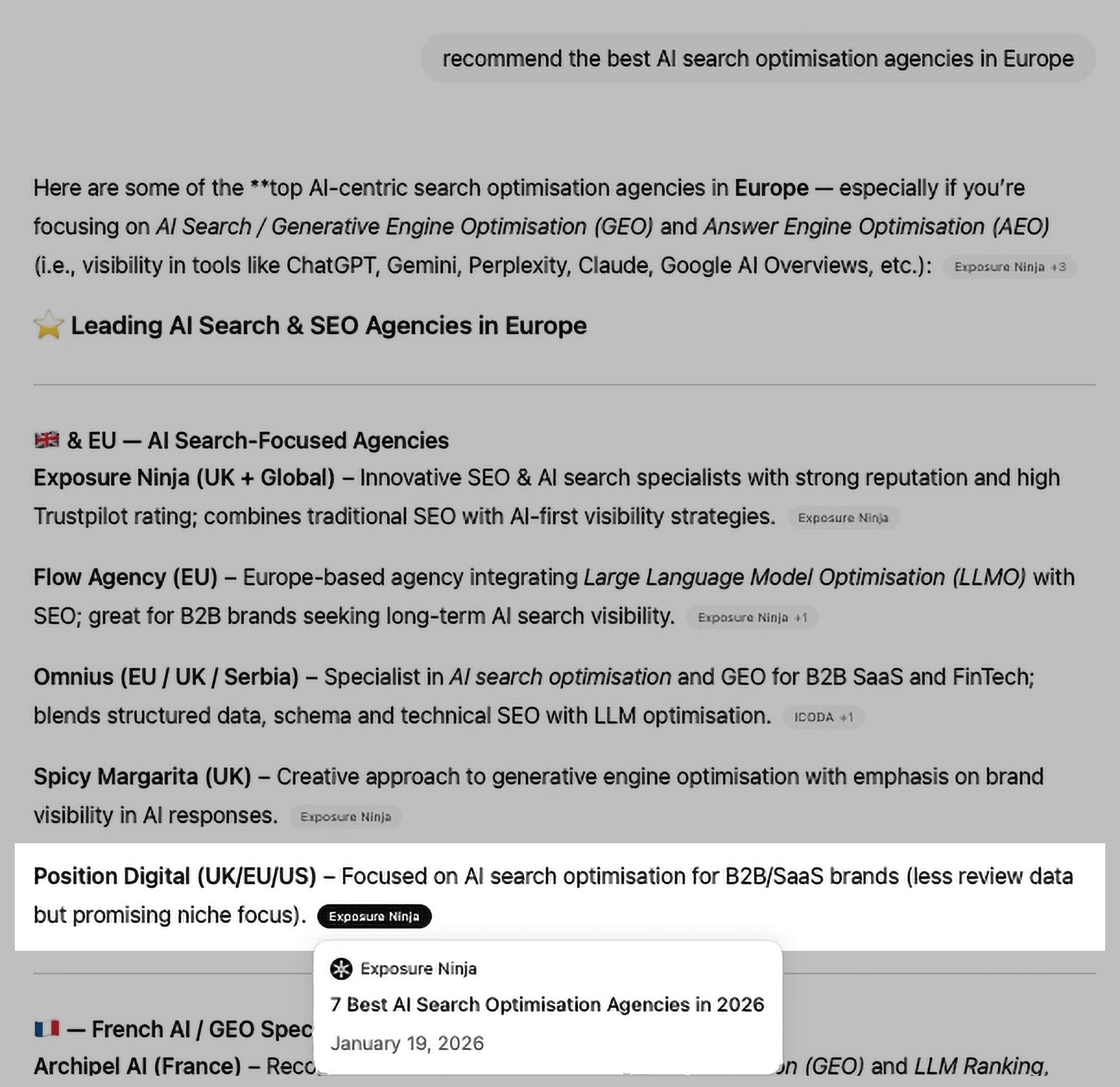
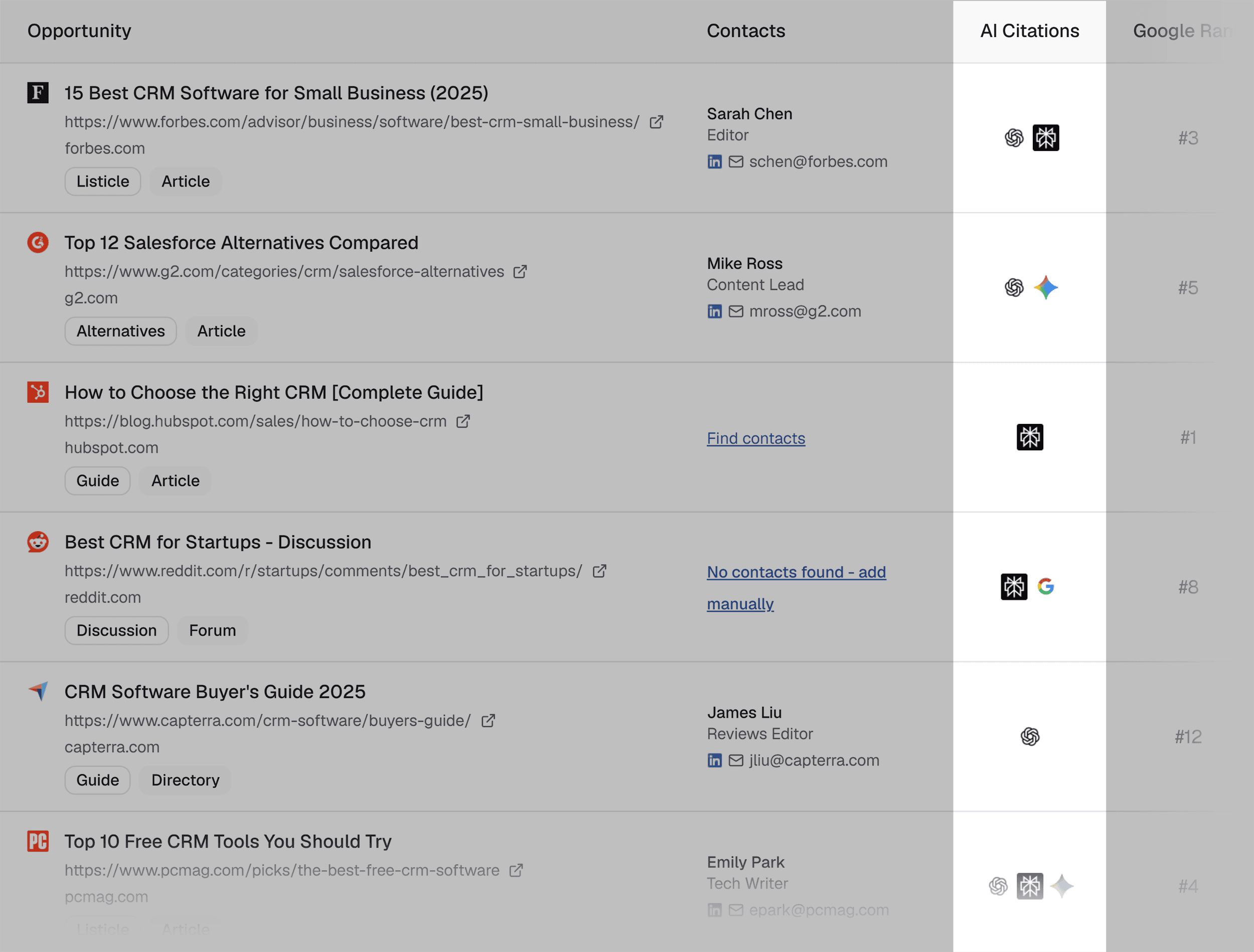
AI citation outreach is a targeted practice focused on securing placements in the specific sources that AI models already utilize. Because different LLMs have varying preferences—some favoring academic papers while others prioritize tech blogs or news sites—brands must tailor their outreach to the specific model they wish to influence.
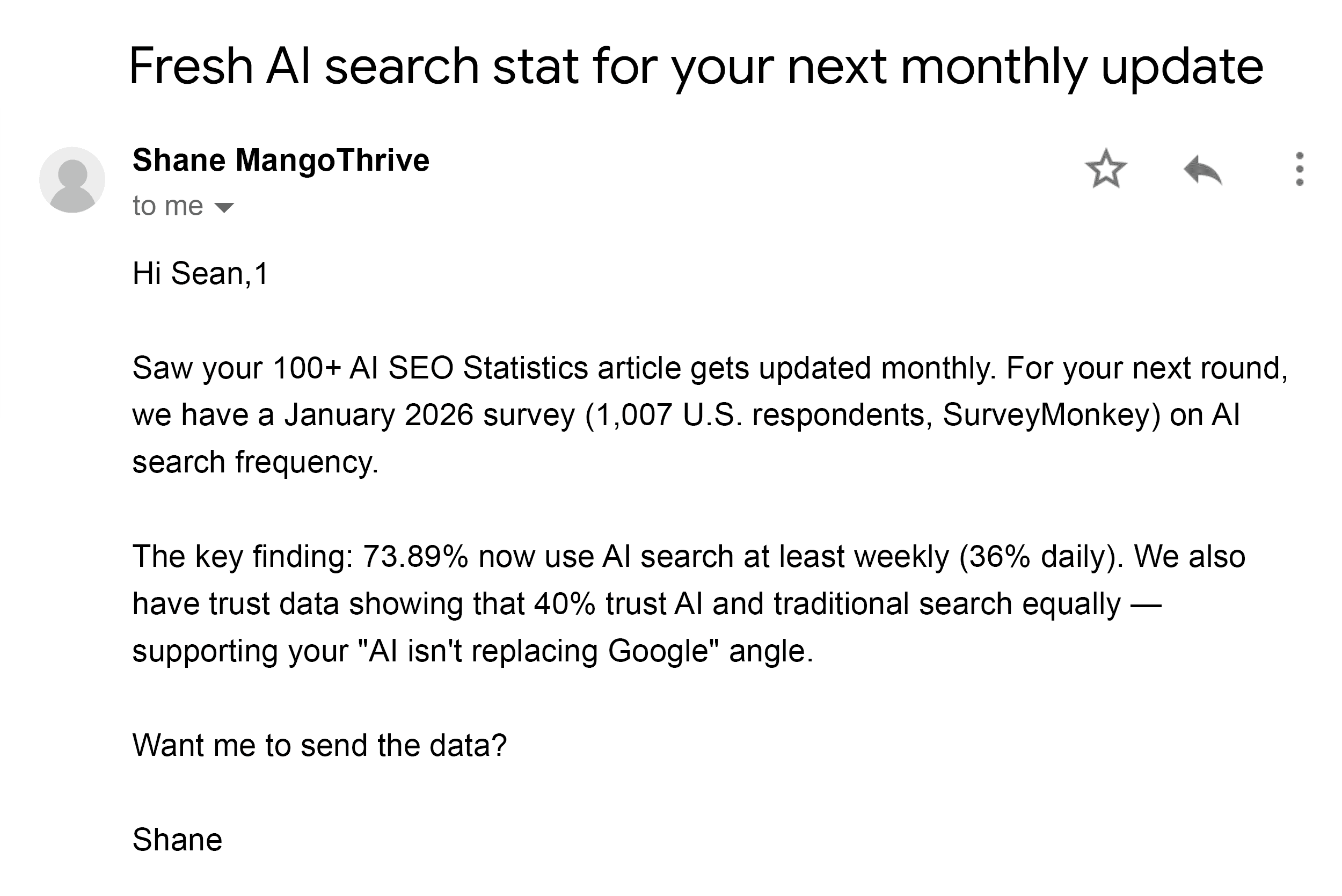
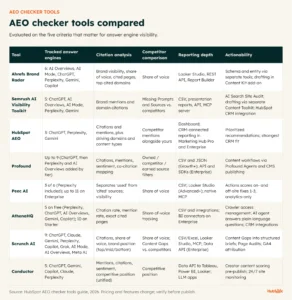
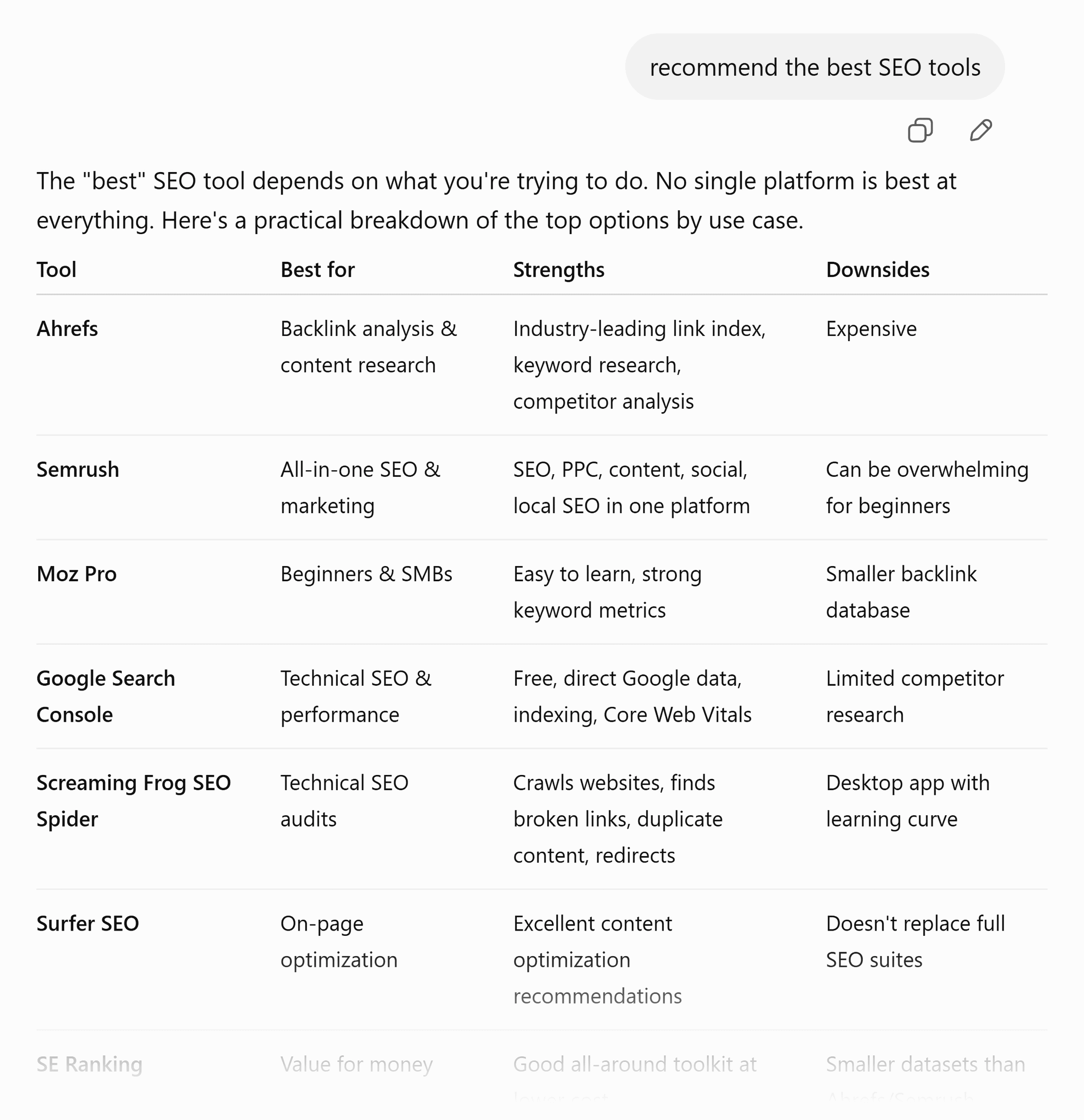
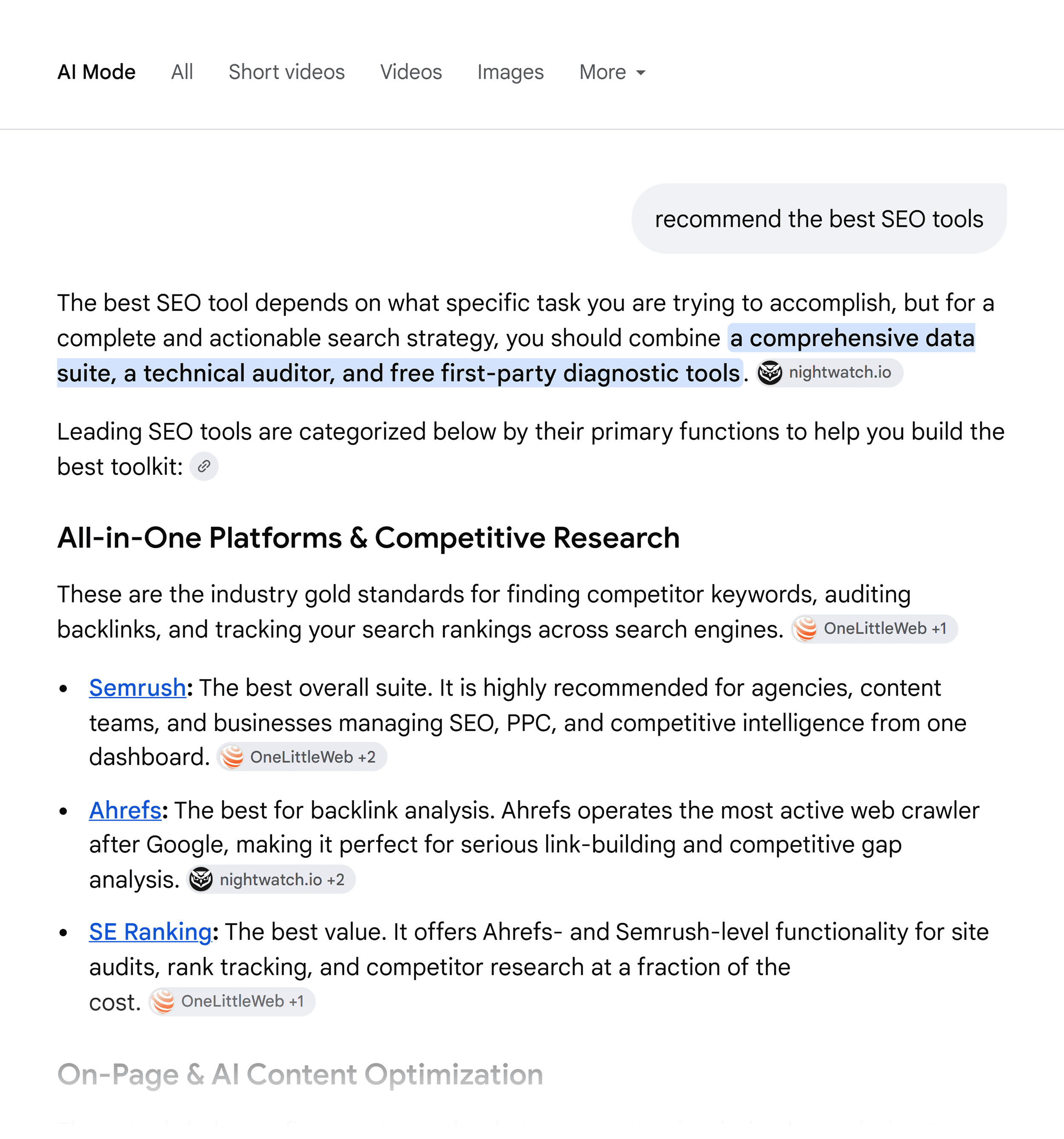
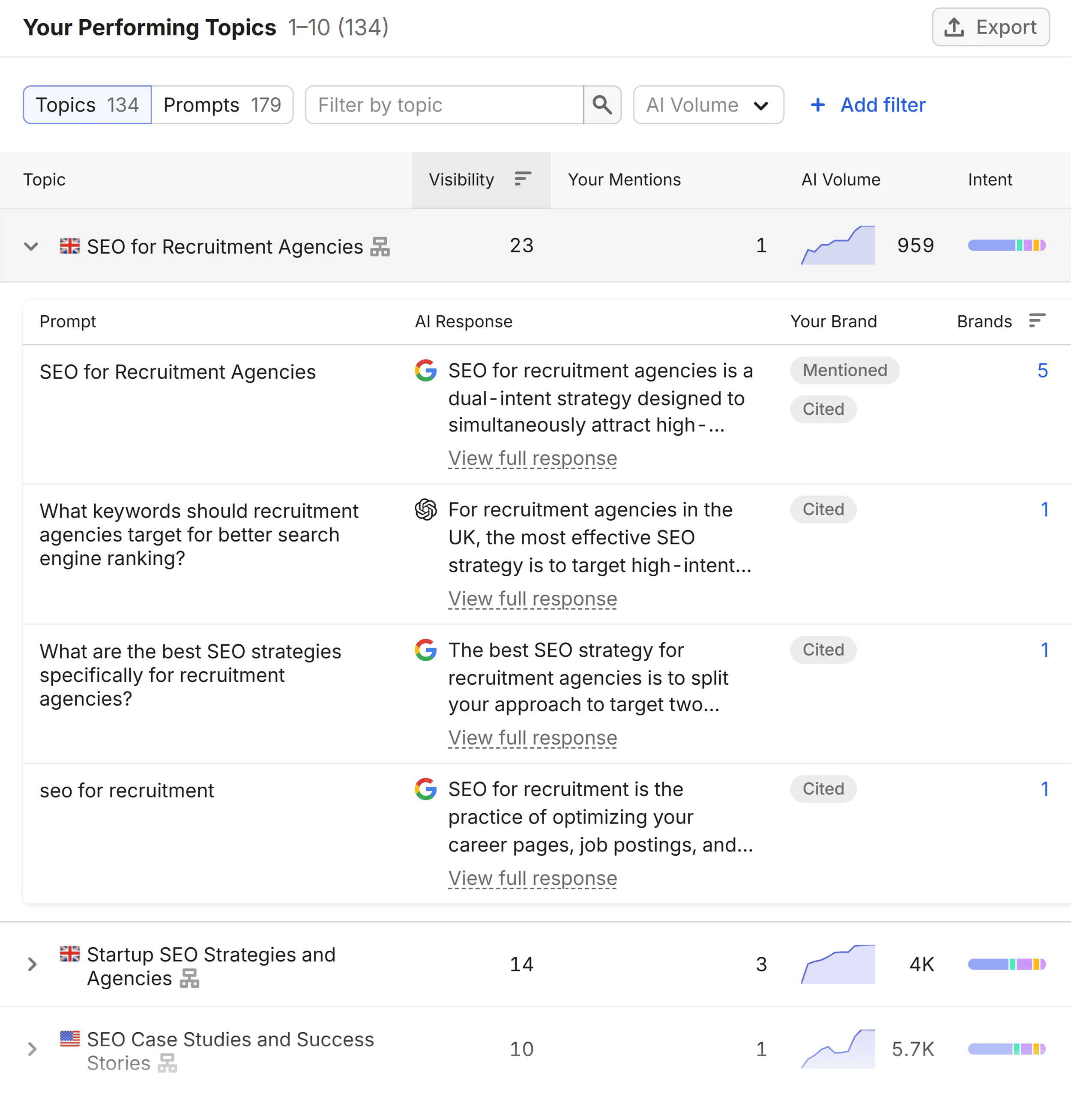
The process begins with "prompt mapping," where marketers identify the specific questions their target audience is likely to ask an AI. By running these prompts through various AI tools, brands can identify the "seed" sources being cited. If a competitor is mentioned in a listicle that ChatGPT frequently references, the brand’s objective is to reach out to that publisher to secure a spot in the same content. Tools such as Semrush’s AI Visibility Toolkit and ListBrew have emerged to help marketers automate this identification process, allowing them to see which pages are the "gatekeepers" for specific AI-generated answers.
Strategy 3: Reactive PR and the News Cycle Window
Reactive PR, or "newsjacking," relies on the speed of response to breaking news and emerging trends. This strategy is particularly effective for AI visibility because LLMs often have "cutoff dates" for their training data. When a current event occurs, the AI cannot rely on its internal knowledge base and must perform a real-time web search to provide an accurate answer.
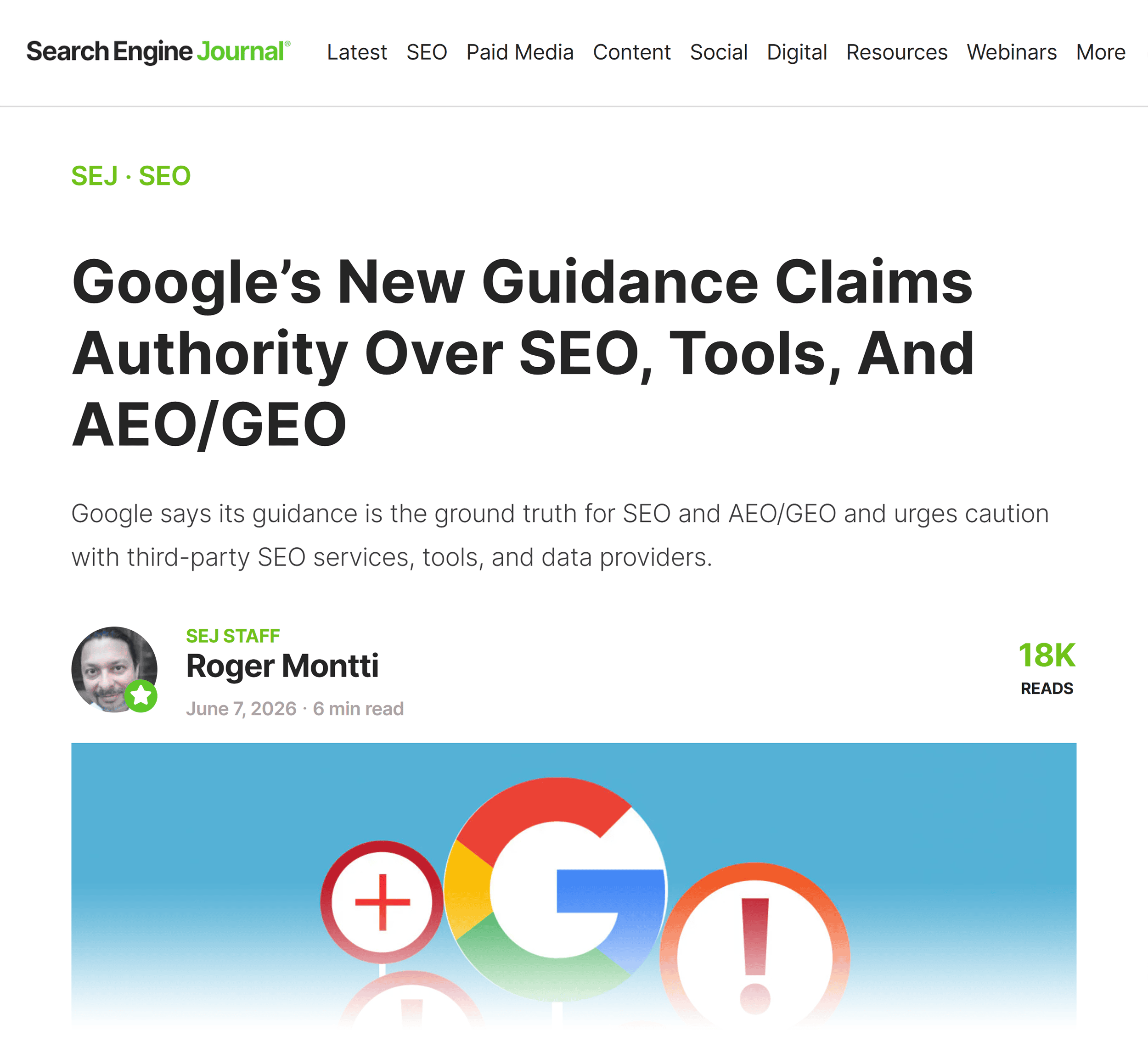
During this window, there are typically only a few credible sources covering the story. If a brand can provide immediate commentary, analysis, or original reporting, it has a disproportionately high chance of being cited by an AI system. Industry observers note that media outlets like Search Engine Journal often gain hundreds of backlinks and AI citations within hours by being the first to report on technical updates or policy changes from major tech companies. Success in reactive PR requires constant monitoring of social media trends, Google Trends, and niche-specific newsletters to identify narratives while they are still gaining traction.
Strategy 4: Expert Validation and "Ego Bait"
The inclusion of recognized industry experts in digital content serves as a significant trust signal for AI models. Research into AI SEO statistics suggests that pages containing expert quotes receive nearly double the citations in ChatGPT compared to pages without such validation.
This strategy, colloquially known as "ego bait," involves featuring influencers and thought leaders in roundups, case studies, or "top expert" lists. When these experts are featured, they are likely to share the content with their own audiences and link to it from their own professional websites. This creates a distribution network that amplifies the brand’s visibility across multiple domains. AI systems interpret this cross-linking and social sharing as a sign of high authority, leading to more frequent citations in search results.
Strategy 5: Multi-Channel Thought Leadership
To be recognized by an AI as a "voice of authority," a brand or its leadership must have a presence that extends beyond its own website. Semrush data indicates that LinkedIn is currently the second-most-cited domain across ChatGPT, Google’s AI Mode, and Perplexity. This suggests that a consistent professional presence on social platforms is no longer just for networking; it is a critical component of search visibility.
Furthermore, appearing as a guest on industry podcasts and writing guest posts for major publications creates a "web of authority." When multiple high-DA sites point back to a single individual or brand as the source of a specific idea or framework, AI models begin to treat that brand as the definitive source for the topic. For example, a framework published on a niche blog and then discussed across three different podcasts provides the structural evidence AI needs to verify the information’s credibility.
Strategy 6: Community Building and Neutral Platforms
Perhaps the most significant revelation in recent AI search studies is the weight given to community-driven, neutral platforms. AI models often trust Reddit, Quora, and independent review sites more than a company’s own marketing materials. A study by Seer Interactive involving 800,000 AI responses found that brands with a Trustpilot profile—even one with a small number of reviews—saw their AI citation rate jump from 1% to over 53%.
This data underscores the importance of "community seeding." Brands must participate in forums like Reddit and Quora not as advertisers, but as helpful contributors. AI systems scrape these platforms to gauge public sentiment and common consensus. If a brand is frequently recommended by real users in a subreddit, that sentiment is reflected in the AI’s summary of the "best" products or services in that category.
Broader Impact and Industry Implications
The rise of Digital PR as a dominant force in AI search has profound implications for marketing departments and agencies. The traditional siloed approach, where PR handled "brand awareness" and SEO handled "traffic," is becoming obsolete. Modern search visibility requires a unified strategy where PR provides the authority that the AI requires to trust the SEO-optimized content.
Industry analysts predict that as AI search becomes the primary method of information discovery for consumers, the value of a single mention in a high-authority publication will far outweigh the value of hundreds of low-quality, keyword-stuffed blog posts. The focus of the industry is shifting toward "brand mentions" and "sentiment analysis" rather than just "backlinks."
In conclusion, winning in the age of AI search is a matter of digital ubiquity and third-party verification. By leveraging data-led research, engaging in strategic citation outreach, and building a presence in trusted communities, brands can ensure they are not just indexed by AI, but recommended by it. The future of search belongs to those who are talked about by others, not just those who talk about themselves.