The Evolution of Search: How Query Fan-Out is Redefining Digital Visibility in the AI Era

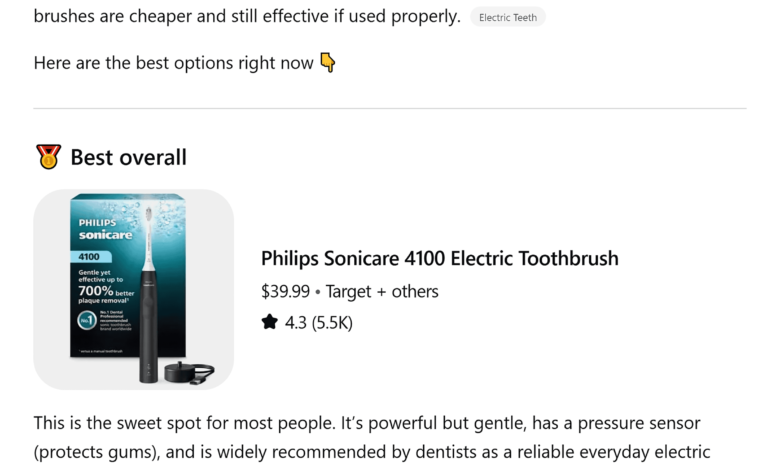
The digital marketing landscape is currently undergoing its most significant transformation since the advent of the commercial search engine in the late 1990s. For decades, the primary objective of search engine optimization (SEO) was clear: achieve a top-three ranking on Google’s first page to capture the lion’s share of organic traffic. However, the rise of Large Language Models (LLMs) and generative AI search engines—such as ChatGPT, Perplexity, and Google’s own AI Overviews—has introduced a new, complex variable known as "query fan-out." This background process is fundamentally decoupling traditional search rankings from AI visibility, creating a scenario where a website can rank first on Google yet remain entirely absent from the synthesized answers provided by AI systems.
The Mechanism of Query Fan-Out: The Silent Engine of AI Search
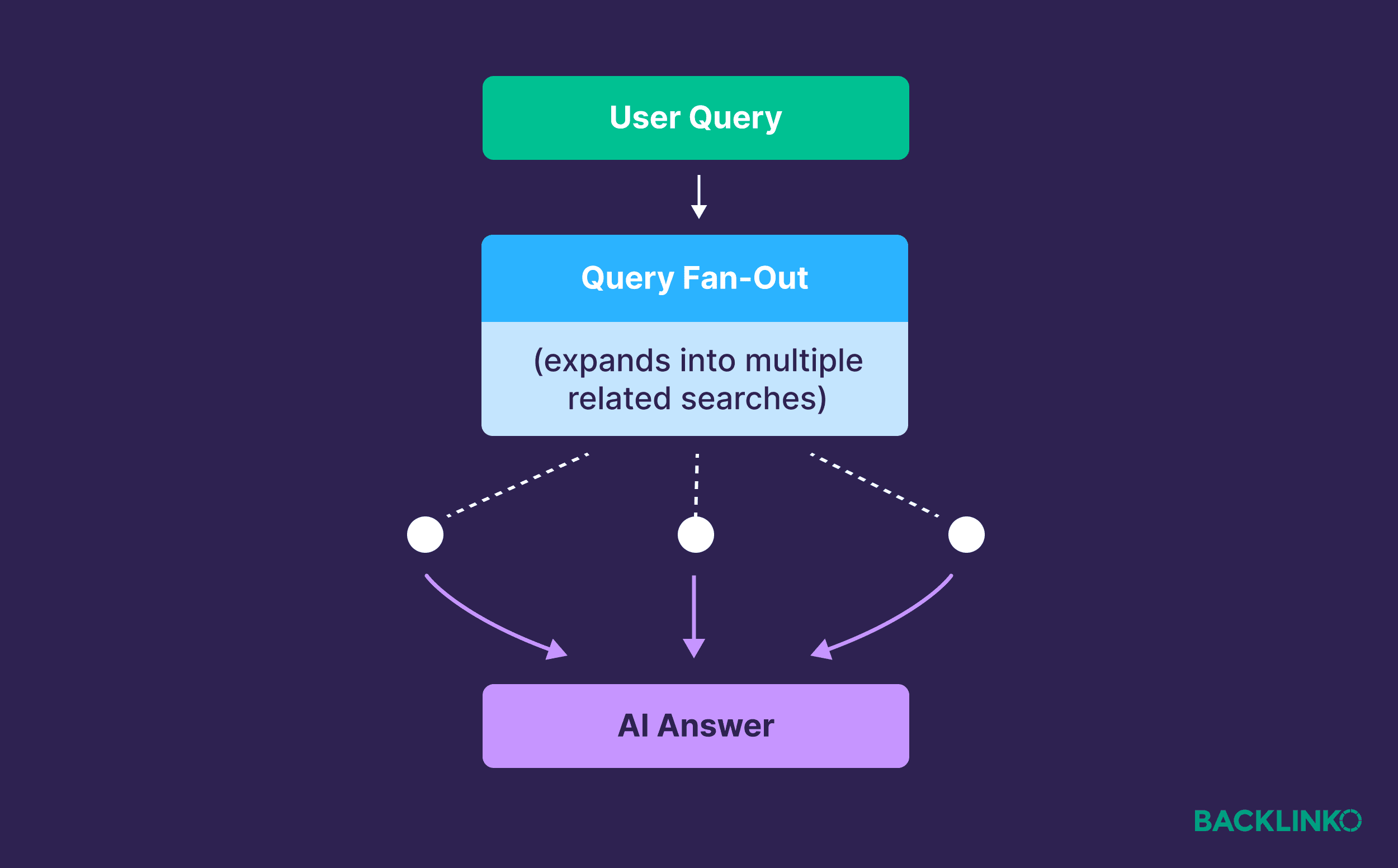
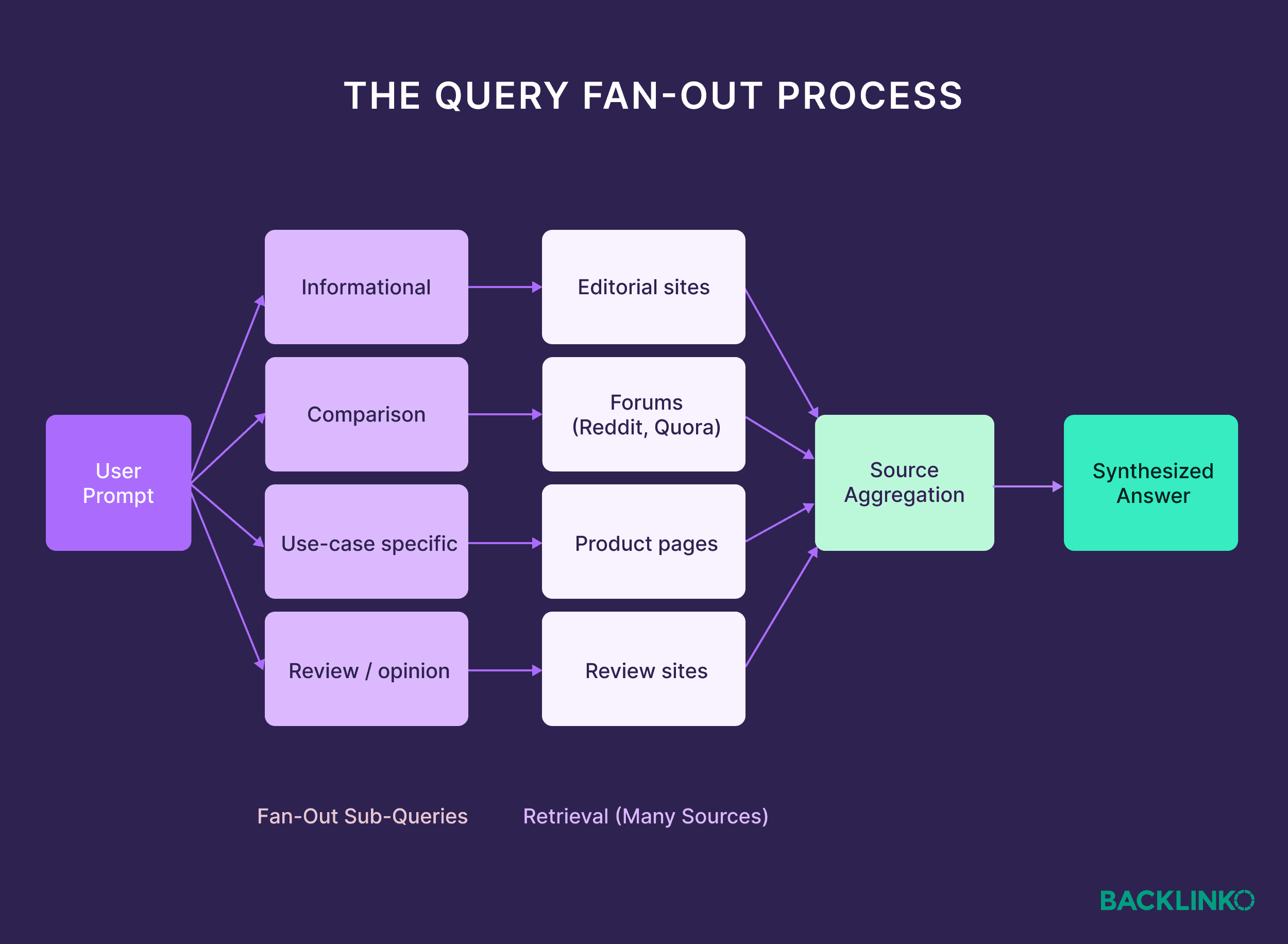
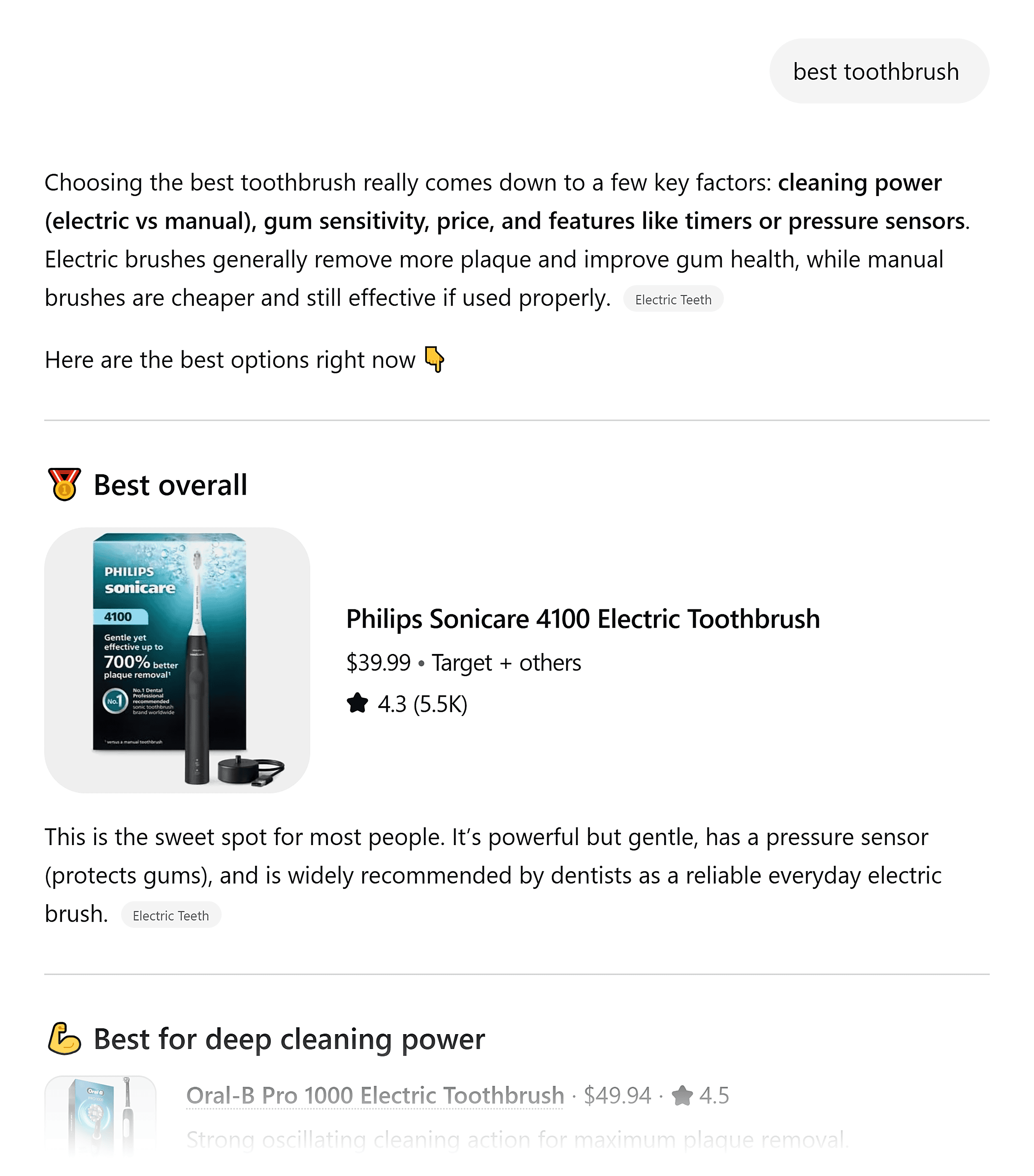
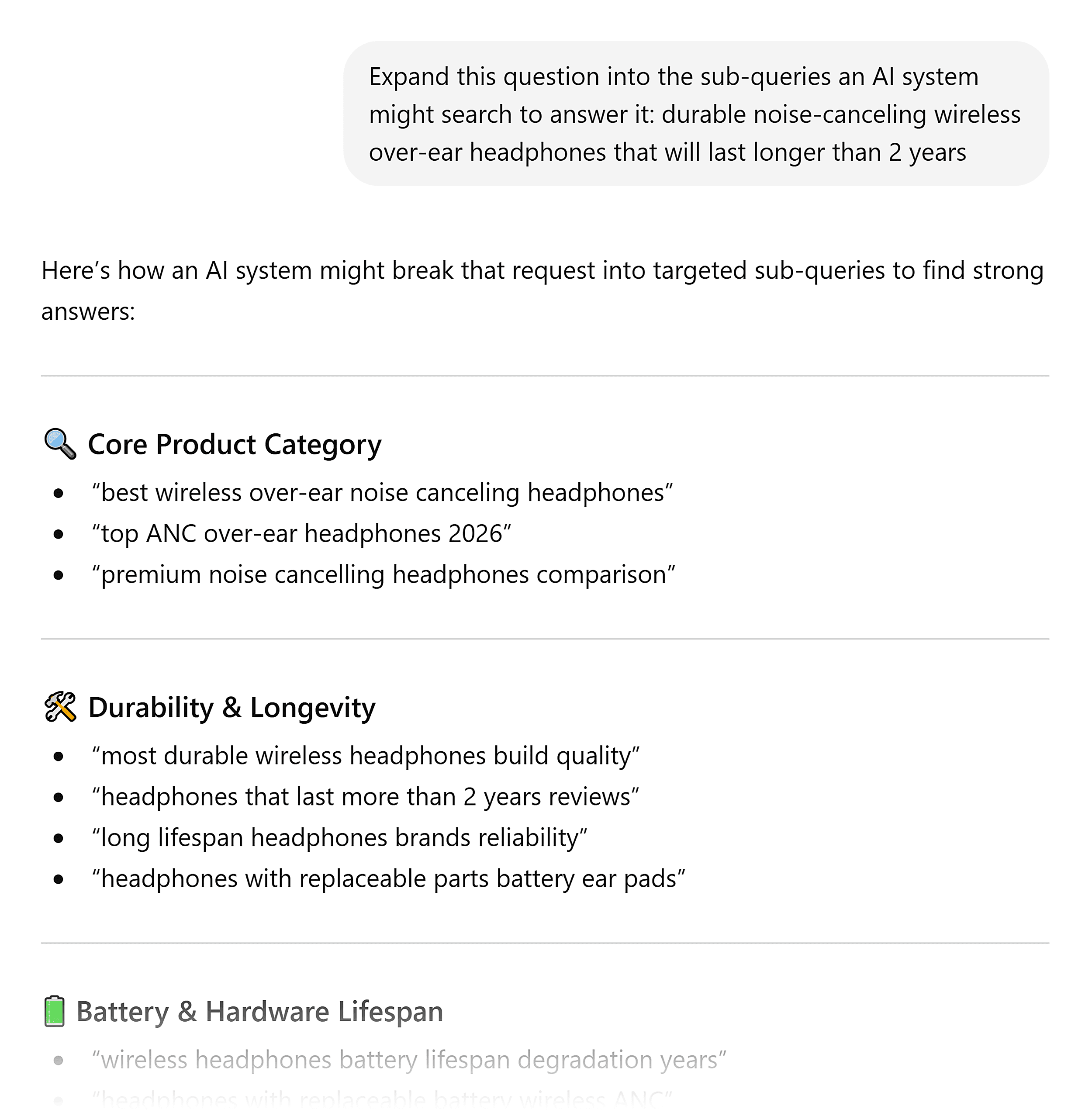
To understand the shift in digital visibility, one must first grasp the technical execution of query fan-out. When a user submits a prompt to an AI-driven search tool, the system does not simply retrieve the highest-ranking page for that specific string of words. Instead, the AI "fans out" the original query into a series of related sub-queries. This process is designed to build a multi-dimensional understanding of the topic, allowing the AI to synthesize a comprehensive answer from a variety of reliable sources.
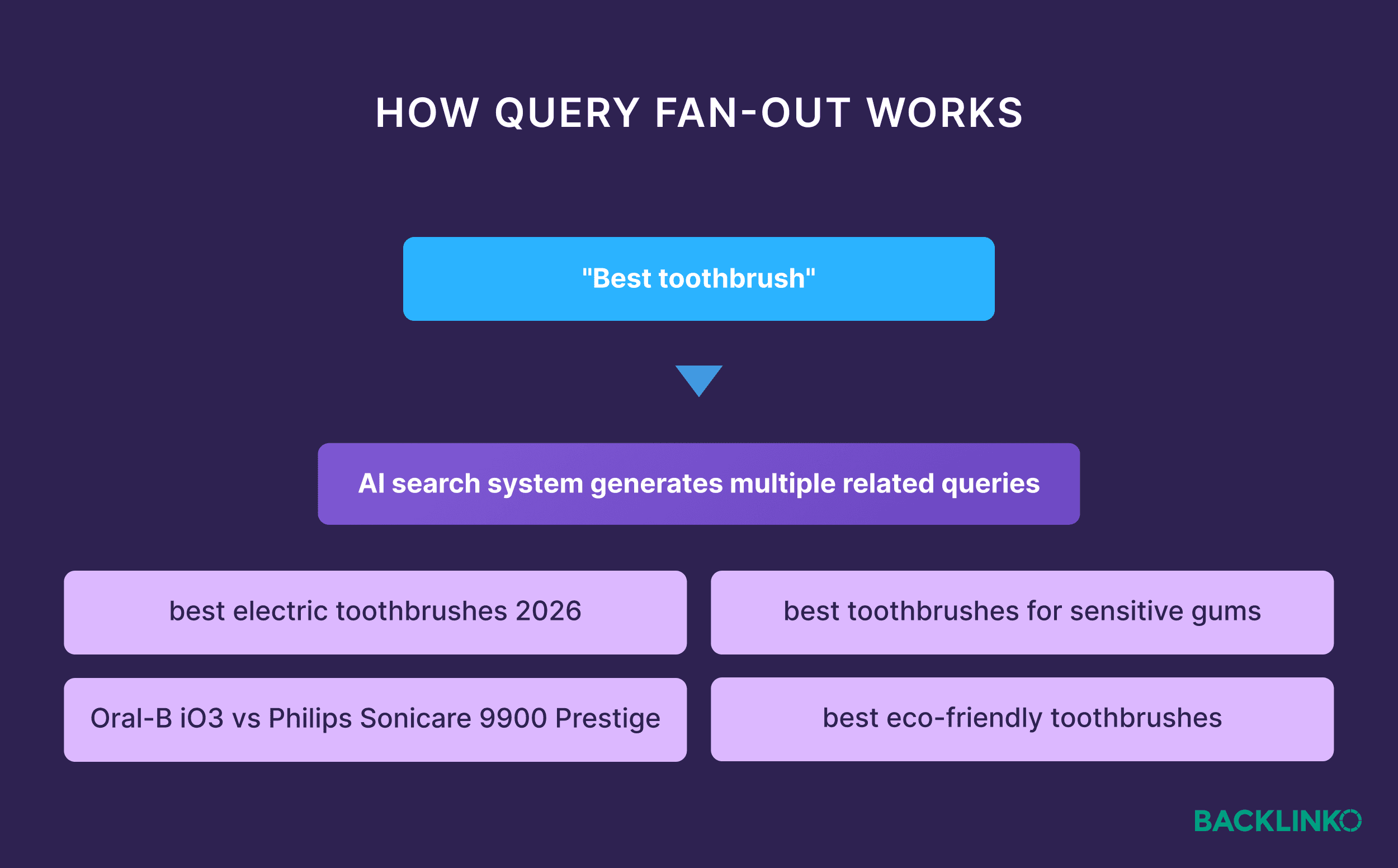
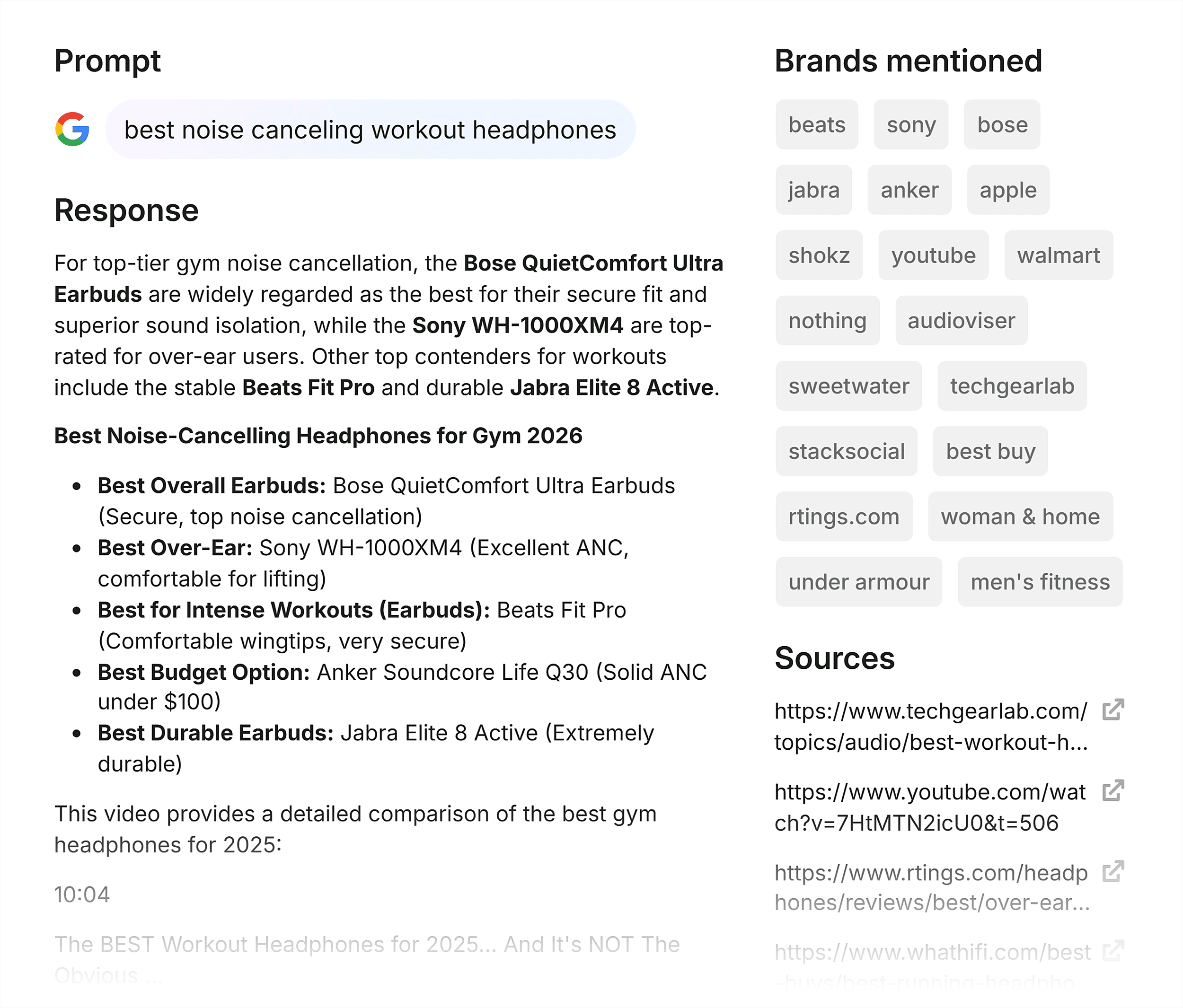
For instance, a user asking for the "best noise-canceling headphones" triggers the AI to run multiple background searches simultaneously. These might include "top-rated electric headphones for travel," "head-to-head comparisons of Bose and Sony," "best headphones for sensitive ears," and "durable headphones with long battery life." By pulling information from editorial reviews, technical spec sheets, and community discussions on platforms like Reddit, the AI constructs a response that anticipates the user’s next several questions. In this ecosystem, coverage and retrievability are the primary currencies, often outweighing the traditional authority metrics that govern standard search engine results pages (SERPs).
The Disconnect Between Google Rankings and AI Citations
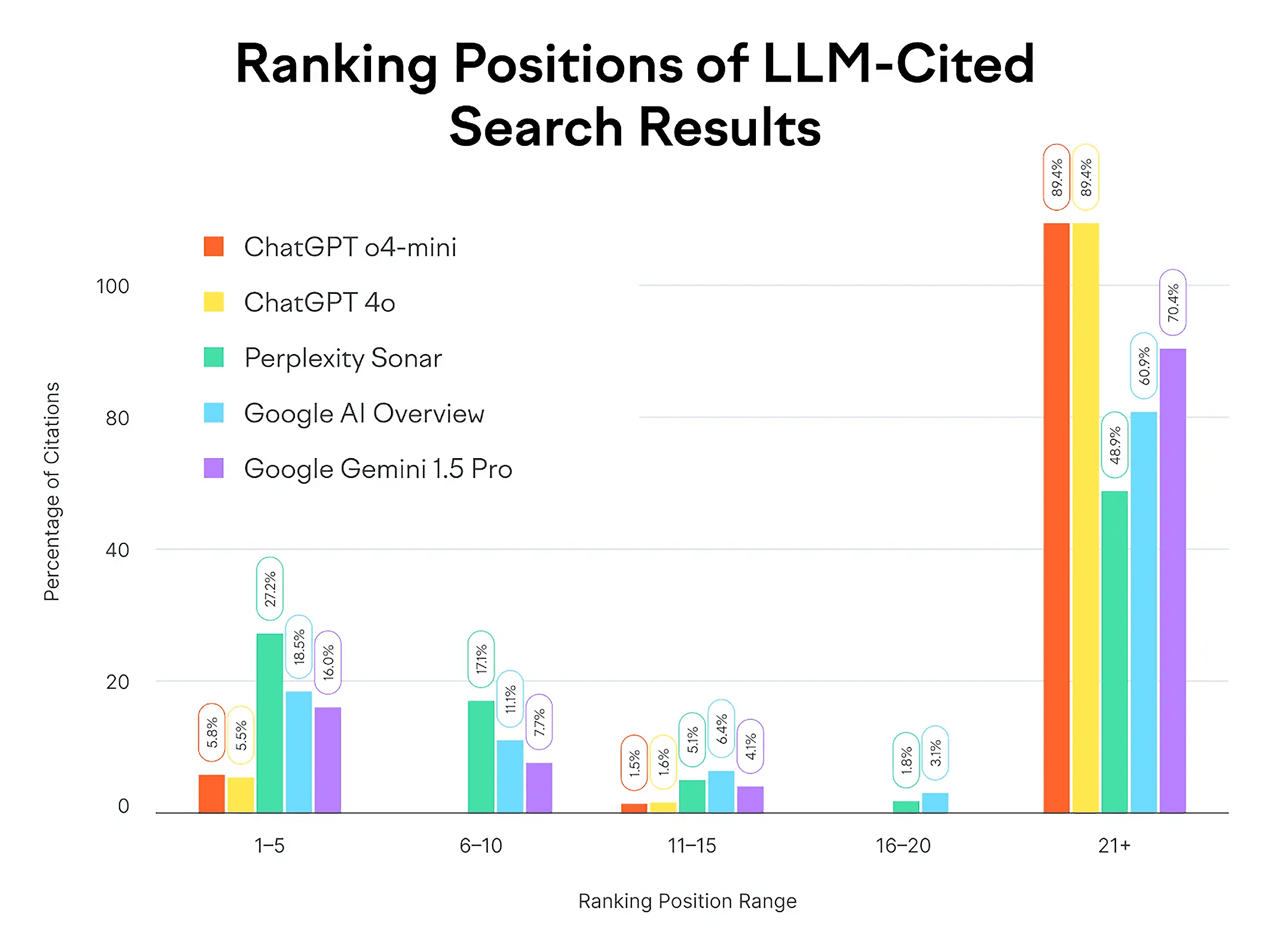
New data from industry studies highlights a startling trend for digital strategists. According to a comprehensive study by Semrush, ChatGPT cites pages that rank in position 21 or lower on Google nearly 90% of the time. This indicates that AI systems prioritize the relevance and "extractability" of specific passages over the overall domain authority or historical ranking of a page.
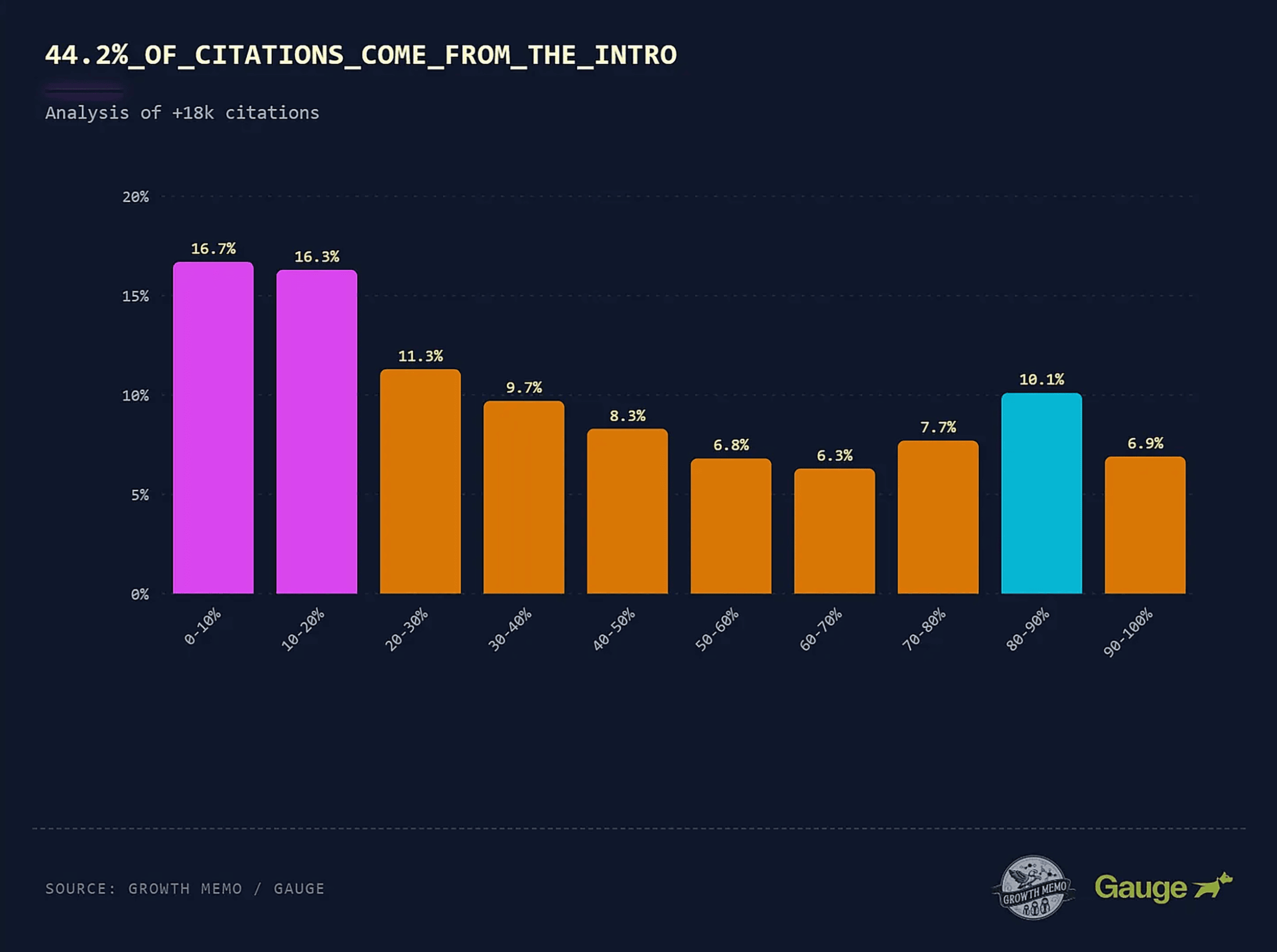
Furthermore, research by growth advisor Kevin Indig, which analyzed 1.2 million ChatGPT responses, revealed that the AI’s "attention" is highly localized within a webpage. Approximately 44.2% of citations are pulled from the first 30% of a page’s content. This suggests that LLMs are not reading pages in their entirety to form an opinion but are instead scanning for immediate, high-density information that can be easily synthesized into a conversational response. For brands, this means that long-form content with buried conclusions is increasingly becoming invisible to the AI crawlers that populate answer engines.
A Chronology of Search Evolution
To appreciate the gravity of the query fan-out era, it is helpful to view it within the timeline of search technology development:
- The Lexical Era (1990s–2010): Search was based on keyword matching. Visibility was a matter of keyword density and backlink quantity.
- The Semantic Era (2013–2021): With Google’s Hummingbird and BERT updates, search engines began to understand intent and context. The "Knowledge Graph" started providing direct answers.
- The Generative Era (2022–Present): The launch of ChatGPT-3.5 and subsequent models introduced "Retrieval-Augmented Generation" (RAG). Search engines no longer just find links; they synthesize information through query fan-out to create unique, real-time responses.
This progression marks a shift from "discovery" (finding a website) to "resolution" (getting the answer without leaving the search interface).
The Strategic Pivot: From Keywords to Money Prompts
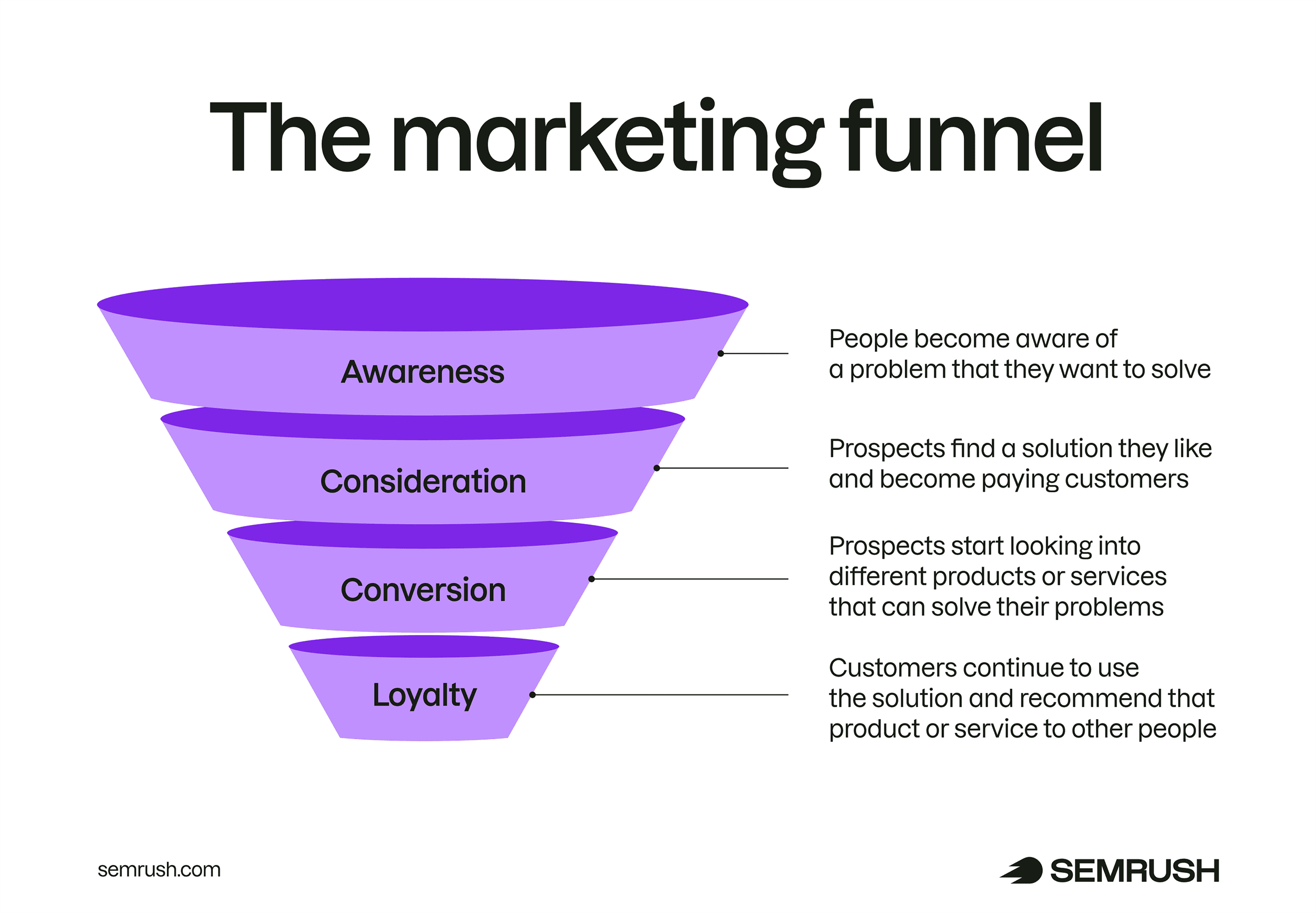
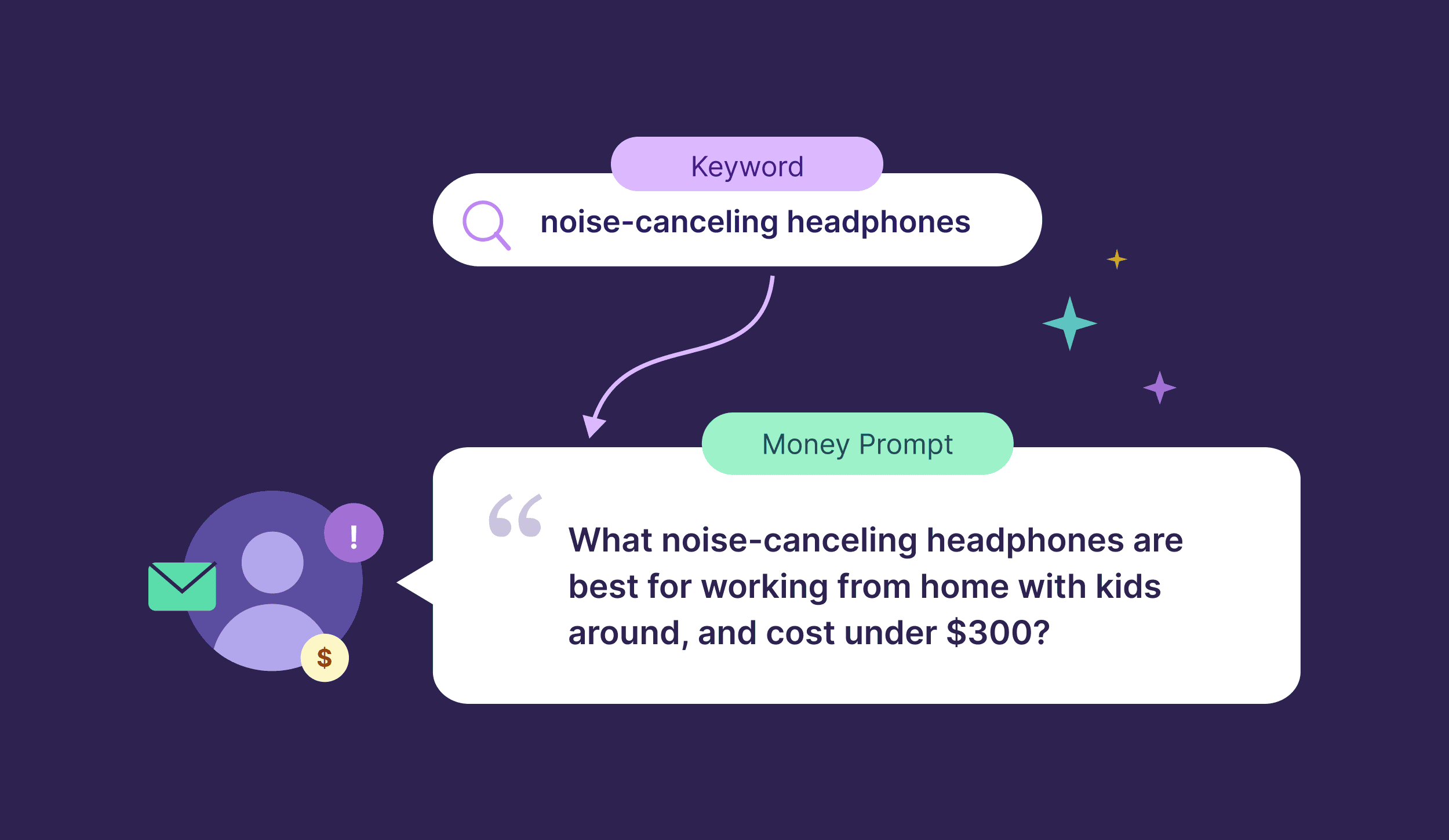
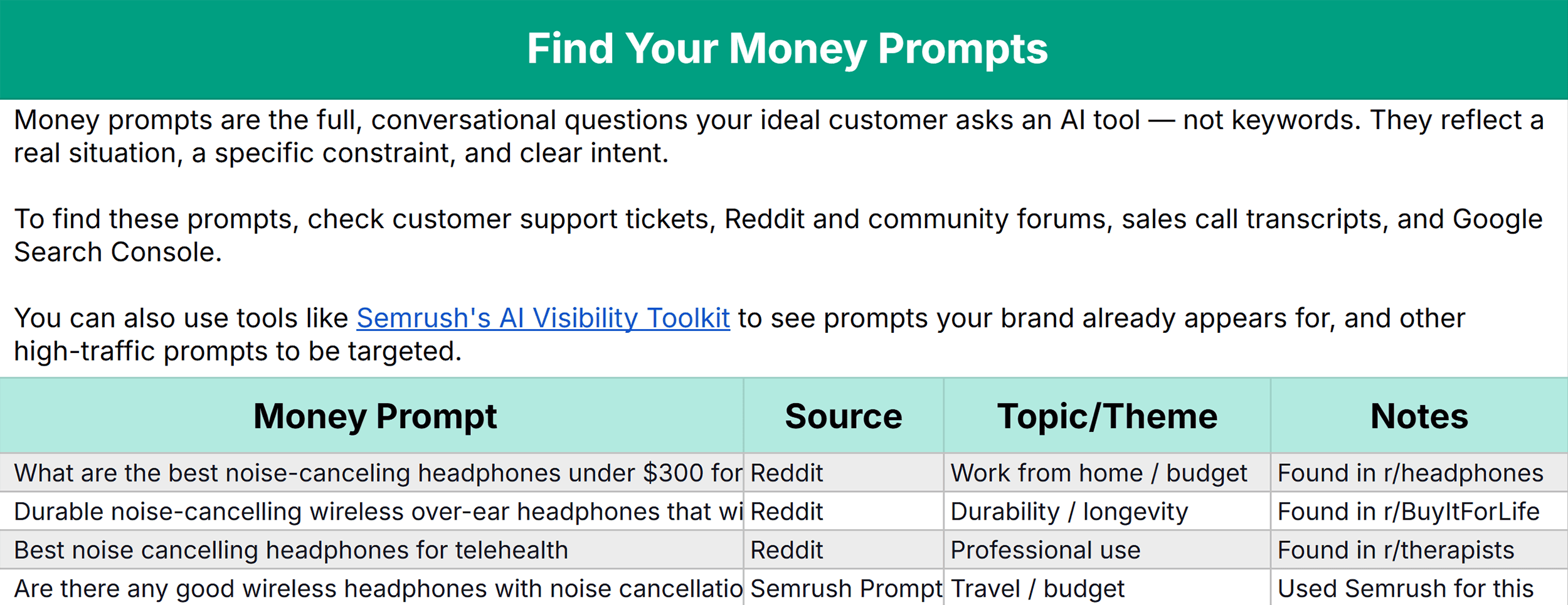
As the linear marketing funnel—Awareness, Consideration, Decision—collapses into a single AI interaction, brands are being forced to rethink their content architecture. The traditional focus on "money keywords" (short-tail terms with high commercial intent) is being replaced by a focus on "money prompts." These are the specific, conversational questions that high-intent users ask an AI when they are on the verge of a purchase.
An example of this transition can be seen in the consumer electronics sector. While "noise-canceling headphones" is a traditional keyword, a money prompt would be: "What are the best noise-canceling headphones for a frequent traveler who needs to attend telehealth calls in noisy airports?" To appear in the answer for this prompt, a brand must have content that specifically addresses the intersection of noise cancellation, microphone quality for professional calls, and portability.
The Six-Step Workflow for AI Visibility Optimization
To navigate this new reality, technical SEO experts and content strategists are adopting a specialized workflow designed to exploit the query fan-out process:

1. Identification of Money Prompts
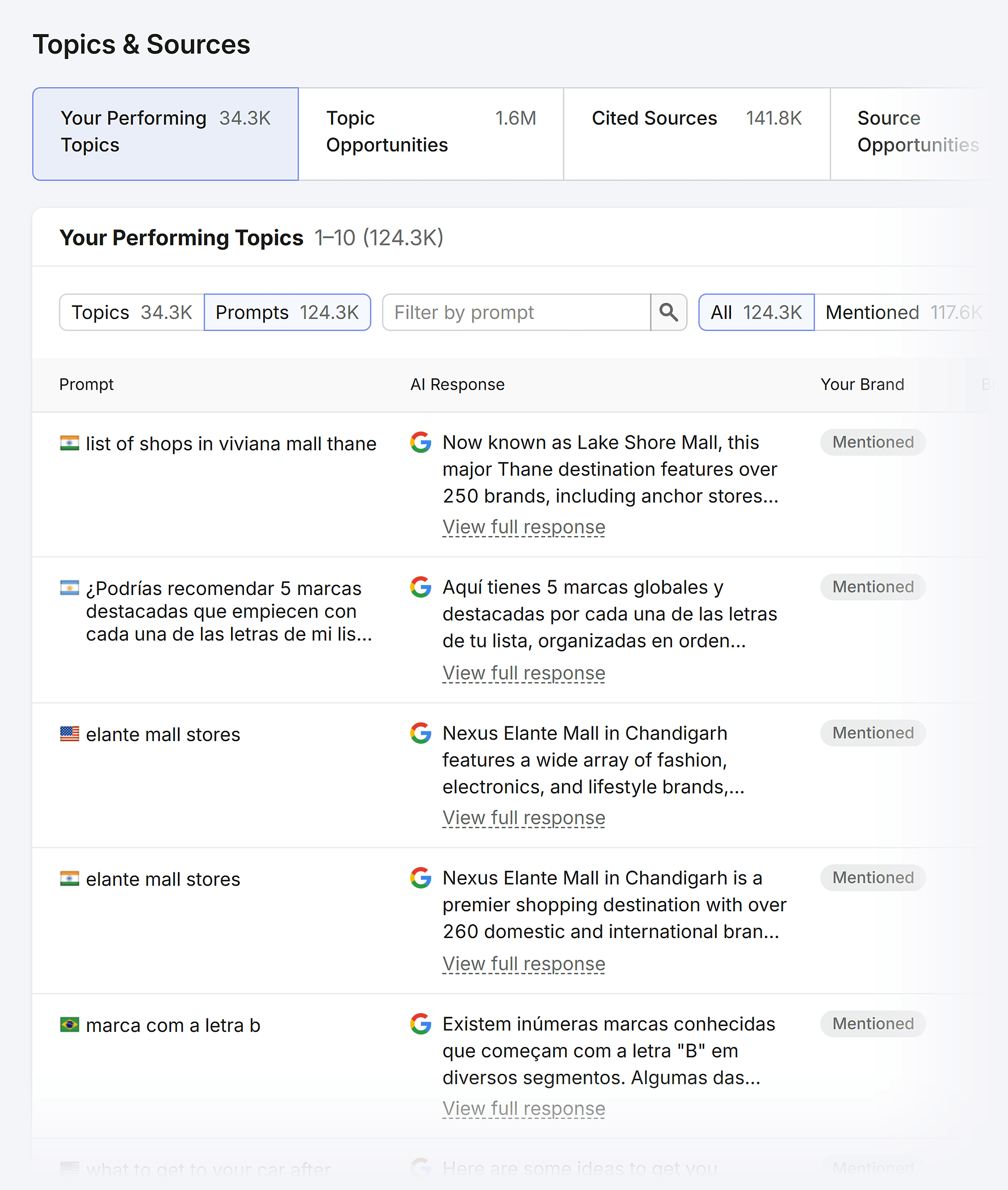
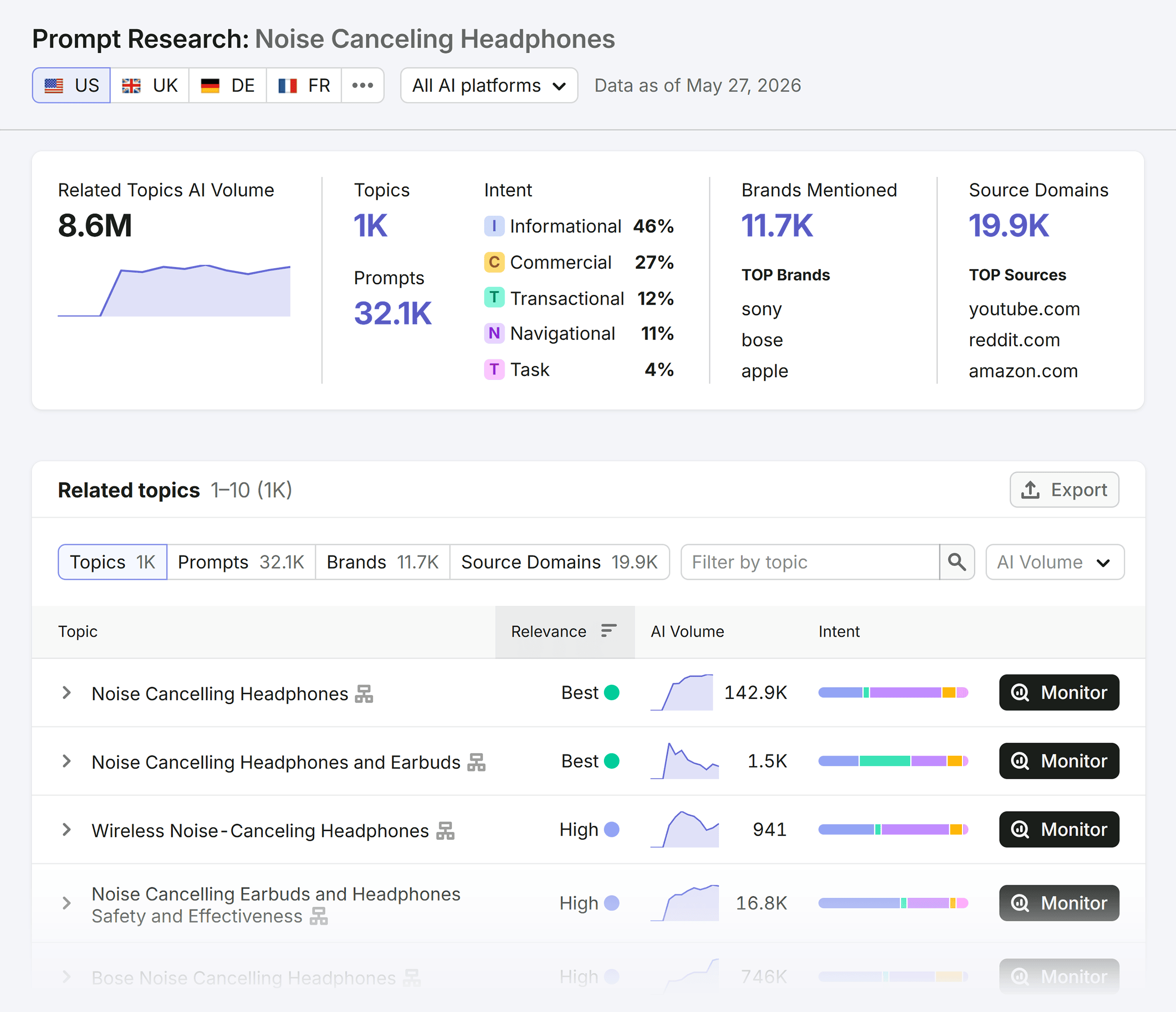
Brands must identify the specific questions their customers are asking LLMs. This involves mining community forums like Reddit and Quora, as well as utilizing new AI visibility toolkits that track real-time prompt data.

2. Generation of Fan-Out Sets
Using AI platforms to reverse-engineer their own prompts, marketers can see which sub-queries are generated. By understanding how an AI breaks down a broad topic, a brand can identify the specific "information nodes" it needs to occupy.
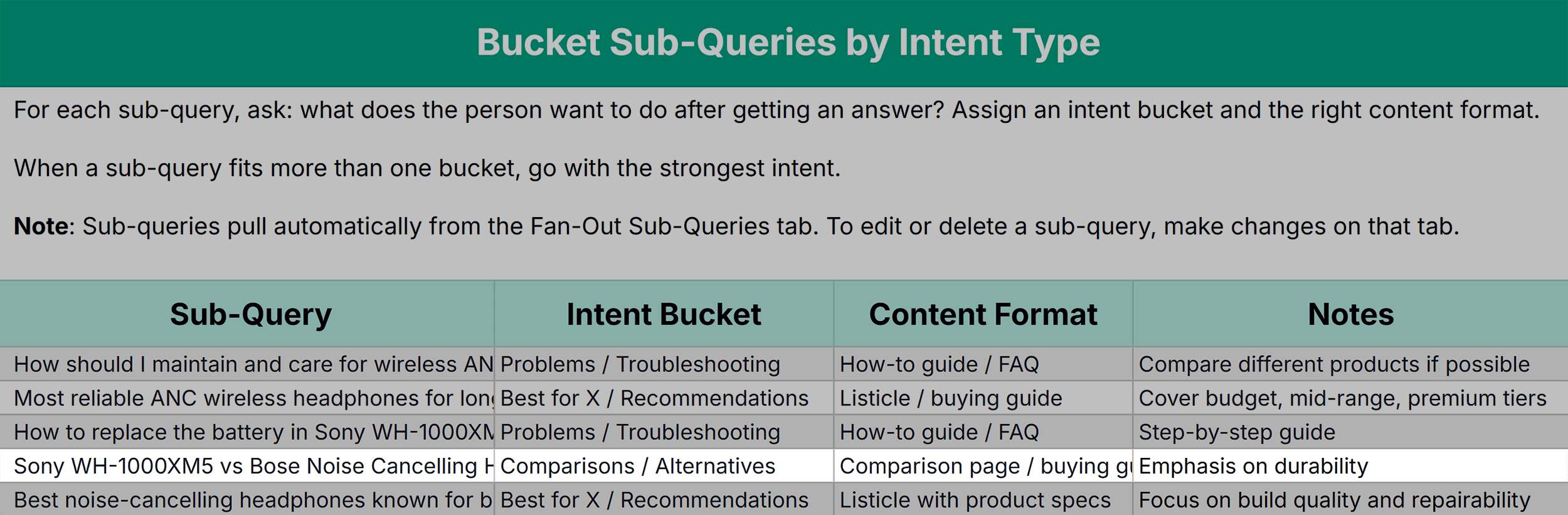
3. Intent Bucketing
Sub-queries are categorized by intent types: Definitions, Comparisons, Recommendations, Troubleshooting, Pricing, and Social Proof. Each bucket requires a different content format, from structured tables for comparisons to direct, scannable "how-to" sections for troubleshooting.
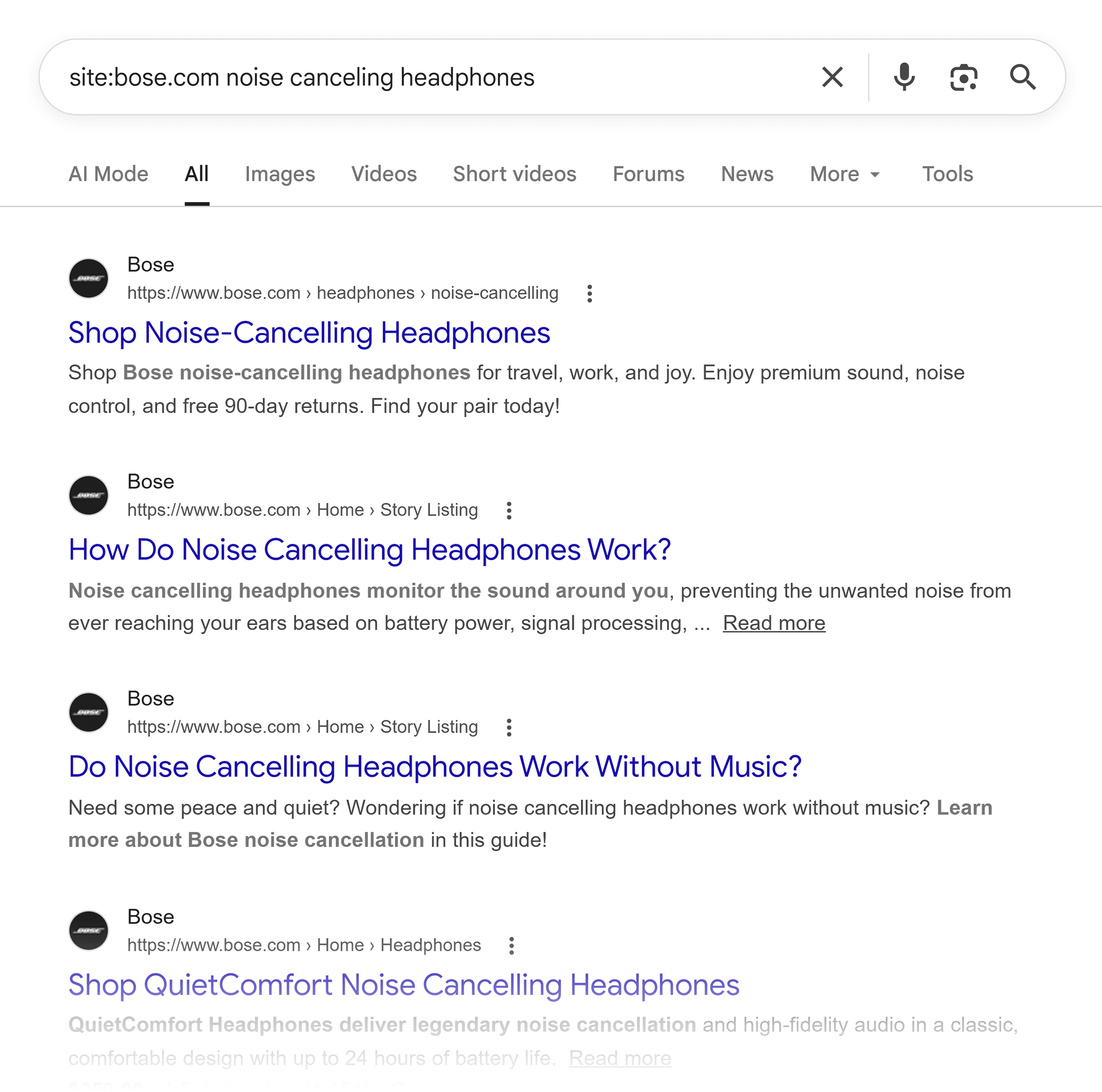
4. Content Gap Auditing
A "site:" search on Google combined with AI analysis allows brands to see where their existing content fails to resolve specific sub-queries. If an AI is looking for "Bose vs. Sony battery life" and a brand only has a general product description, that represents a critical gap in the fan-out chain.
5. Structural Optimization for Extraction
Content must be written for "machine readability." This includes front-loading claims, using descriptive subheadings that match common sub-queries, and implementing structured data (Schema markup). The goal is to ensure that a 200-word passage can be extracted and still make sense to the AI without the surrounding context of the full page.
6. Performance Measurement in LLMs
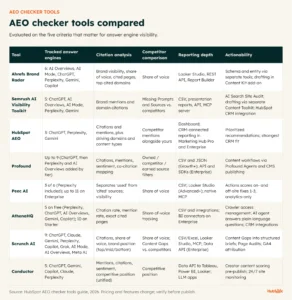
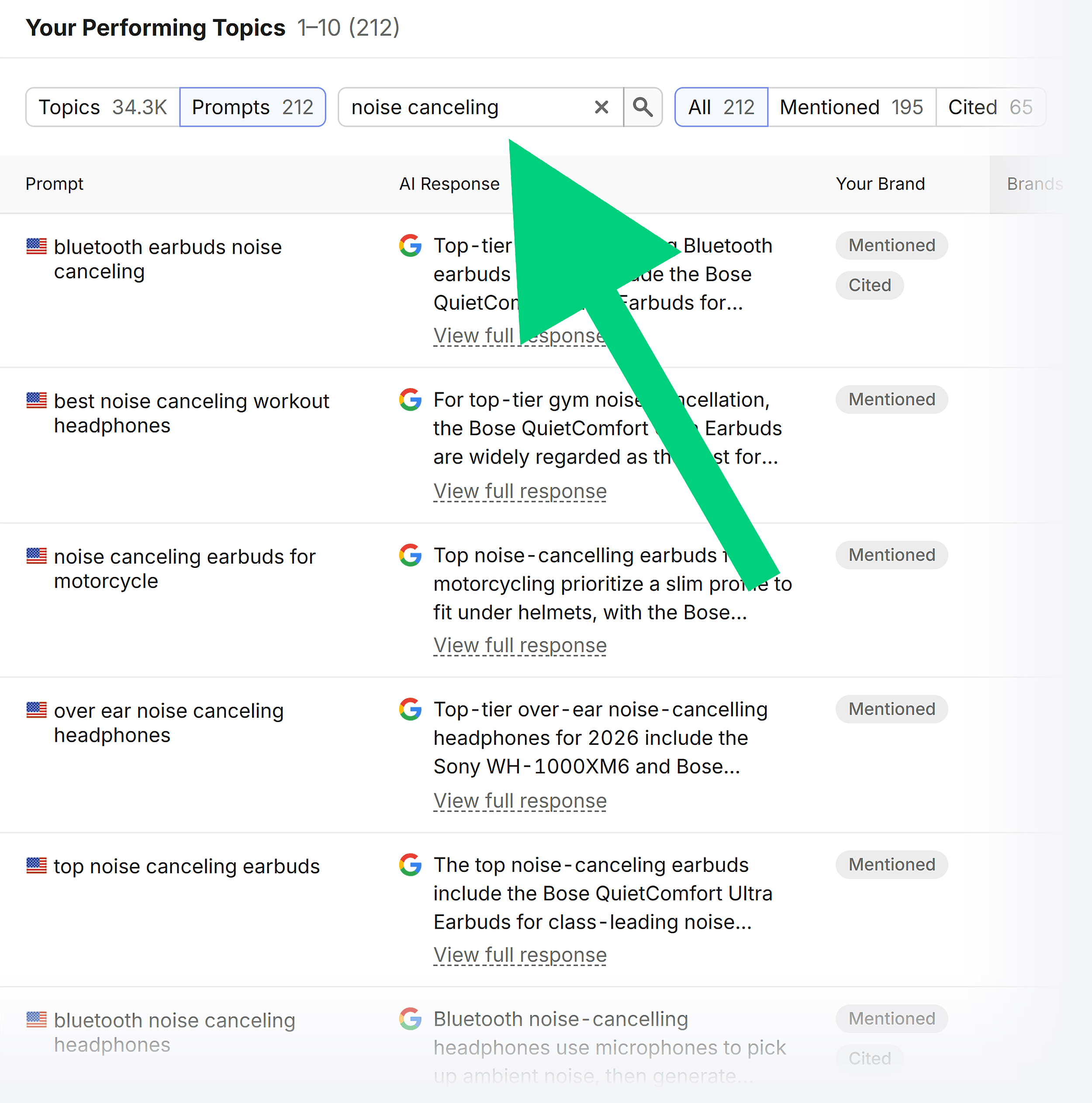
Traditional rank tracking is being supplemented by AI visibility scores. These metrics track brand mentions across ChatGPT, Claude, and Perplexity, while also monitoring "sentiment drivers"—the specific attributes (e.g., "industry-leading noise cancellation") that the AI associates with the brand.
Platform-Specific Nuances in Fan-Out Execution
Not all AI platforms handle query fan-out identically, and a one-size-fits-all strategy is increasingly ineffective.
- ChatGPT: Focuses on internal reasoning and runs live web searches primarily for fresh data. It relies heavily on third-party authority sites and Reddit threads.
- Perplexity: Operates as a "hybrid" engine, combining conversational context with real-time web indexing. It often checks a user’s past interaction history to refine its fan-out queries.
- Claude: Prioritizes clarifying the user’s intent before launching sub-queries, resulting in fewer but more highly targeted searches.
- Google AI Overviews: Synthesizes Google’s existing massive web index into condensed summaries. It remains the most closely tied to traditional SEO, but still prioritizes scannable, factual density.
Broader Implications for the Digital Economy
The rise of query fan-out has profound implications for the future of the open web. As AI systems become more adept at synthesizing answers, the "click-through rate" to publishers is expected to decline. This creates a "zero-click" environment where the value of content is no longer measured by the traffic it generates, but by the influence it exerts on the AI’s final answer.
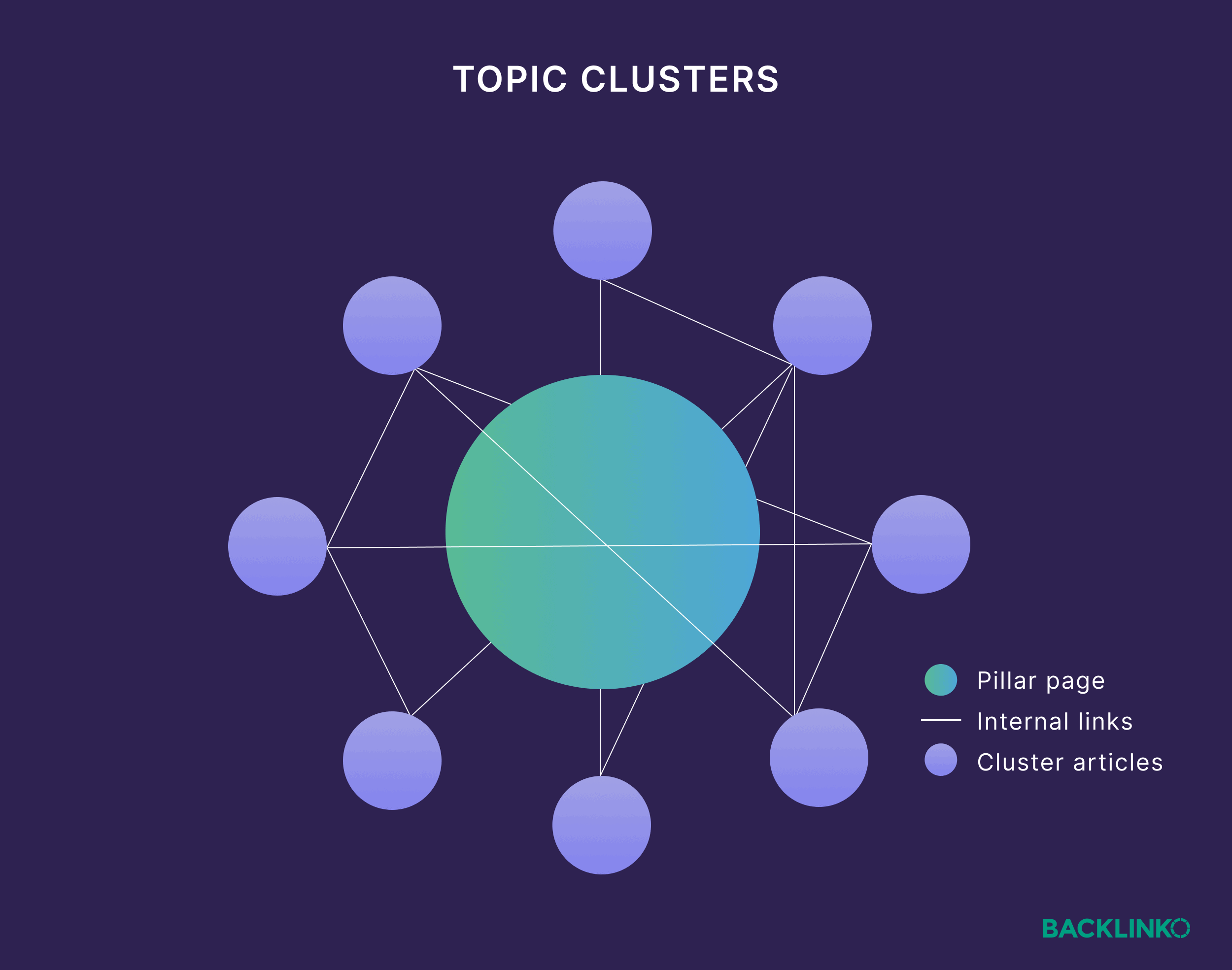
For brands, this necessitates a shift toward "Topical Authority." It is no longer enough to have a well-optimized website; a brand must be mentioned and trusted across the entire digital ecosystem—on review sites, in community discussions, and in editorial features. If a brand is not present in the sources that the AI retrieves during its fan-out process, it effectively ceases to exist for the millions of users now using AI as their primary gateway to information.
In conclusion, query fan-out represents a move away from the "popularity contest" of traditional search and toward a "relevance and precision" model. While high rankings on Google remain beneficial for direct traffic, they are no longer a guarantee of brand presence in the age of generative AI. Success in this new era requires a granular understanding of how machines deconstruct human curiosity and a commitment to providing the most extractable, factual, and comprehensive answers to the world’s most complex prompts.