Digital PR Emerges as the Essential Strategy for Dominating AI Search Visibility in the Era of Generative Engines

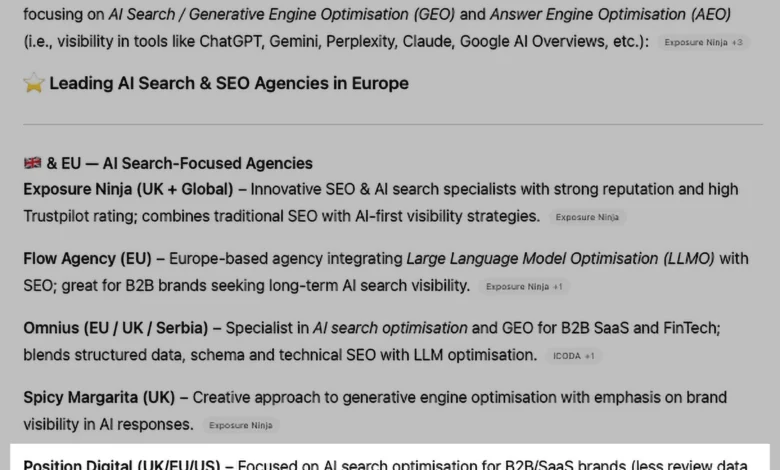
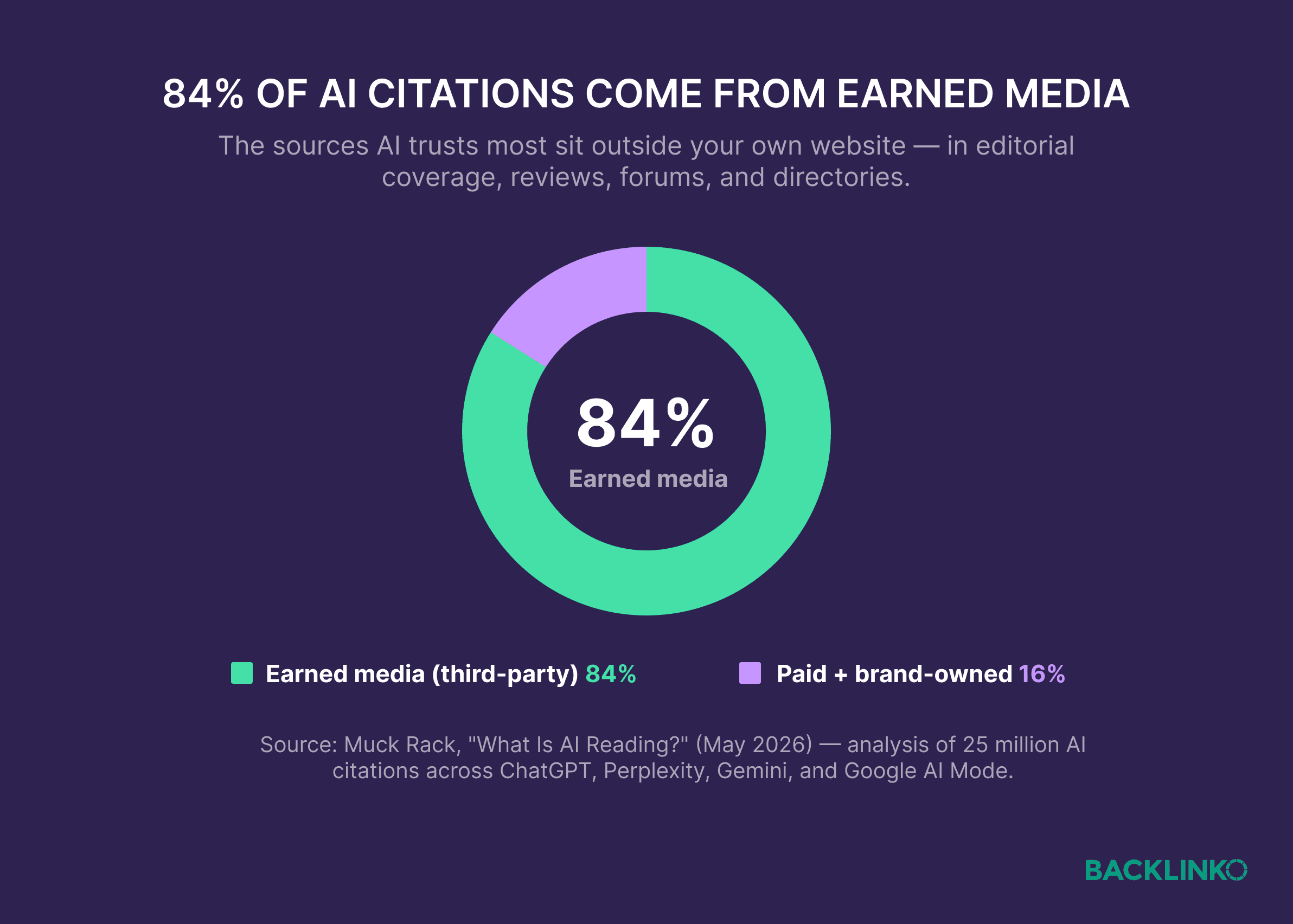
The landscape of search engine optimization is undergoing its most significant transformation since the inception of the commercial internet. As Google, OpenAI, and Perplexity transition from traditional "blue link" indices to generative AI-driven answer engines, the mechanics of brand visibility have shifted from technical onsite optimization to a broader reliance on external validation. Recent industry data confirms that digital public relations (PR) has become the primary vehicle for securing visibility in AI-generated answers, with a study from Muck Rack revealing that 84% of AI citations originate from earned media, including editorial coverage, third-party reviews, and community forums.
This shift marks the end of the era where brands could control their narrative solely through their own digital properties. In the current environment, Large Language Models (LLMs) prioritize "mentions in the wild" over self-published content. For enterprises and digital marketers, this necessitates a move toward "Generative Engine Optimization" (GEO), where the frequency and quality of brand appearances across the broader web determine whether an AI model recognizes, trusts, and ultimately recommends a company to a user.
The Mechanism of AI Citations and Earned Media
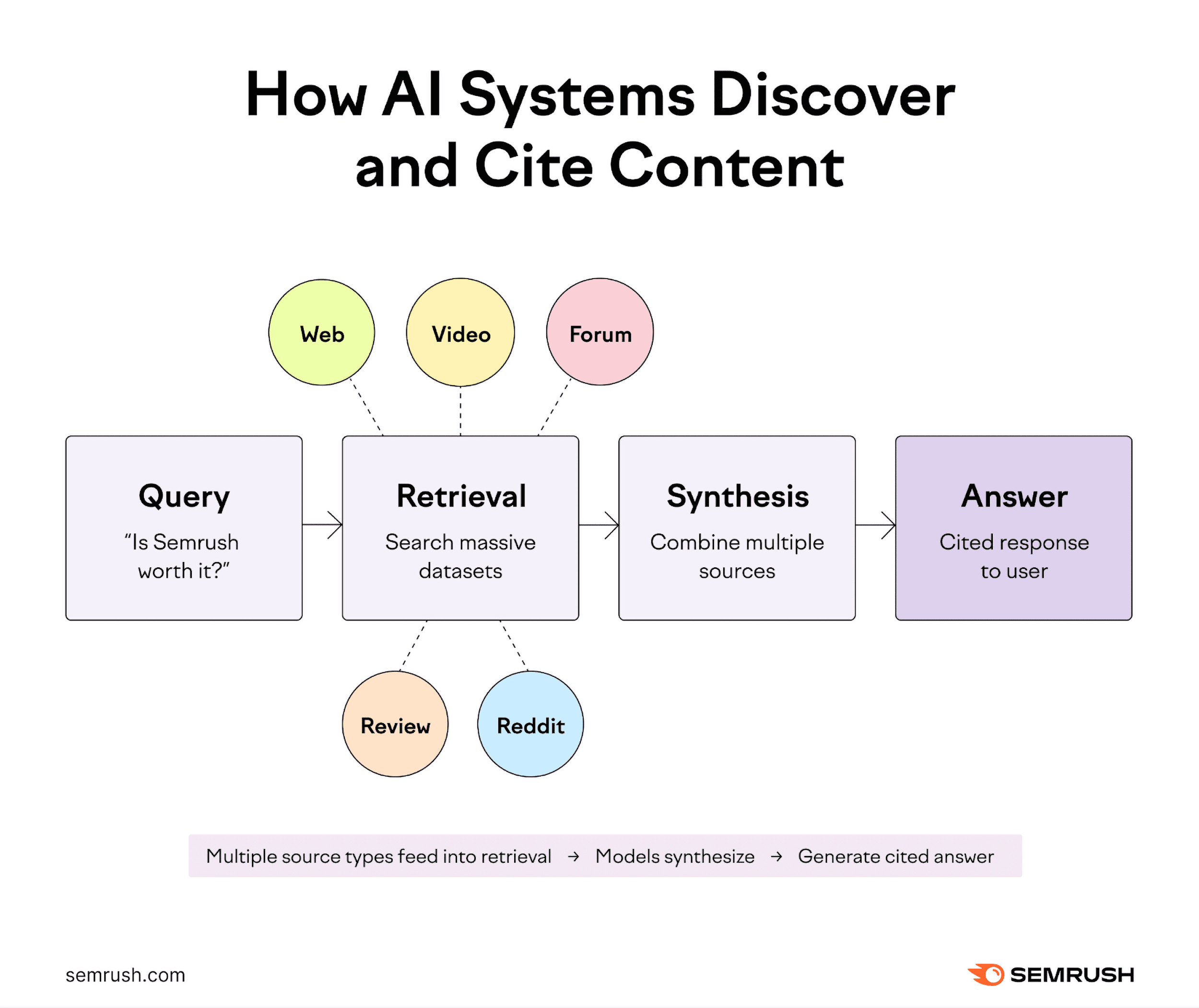
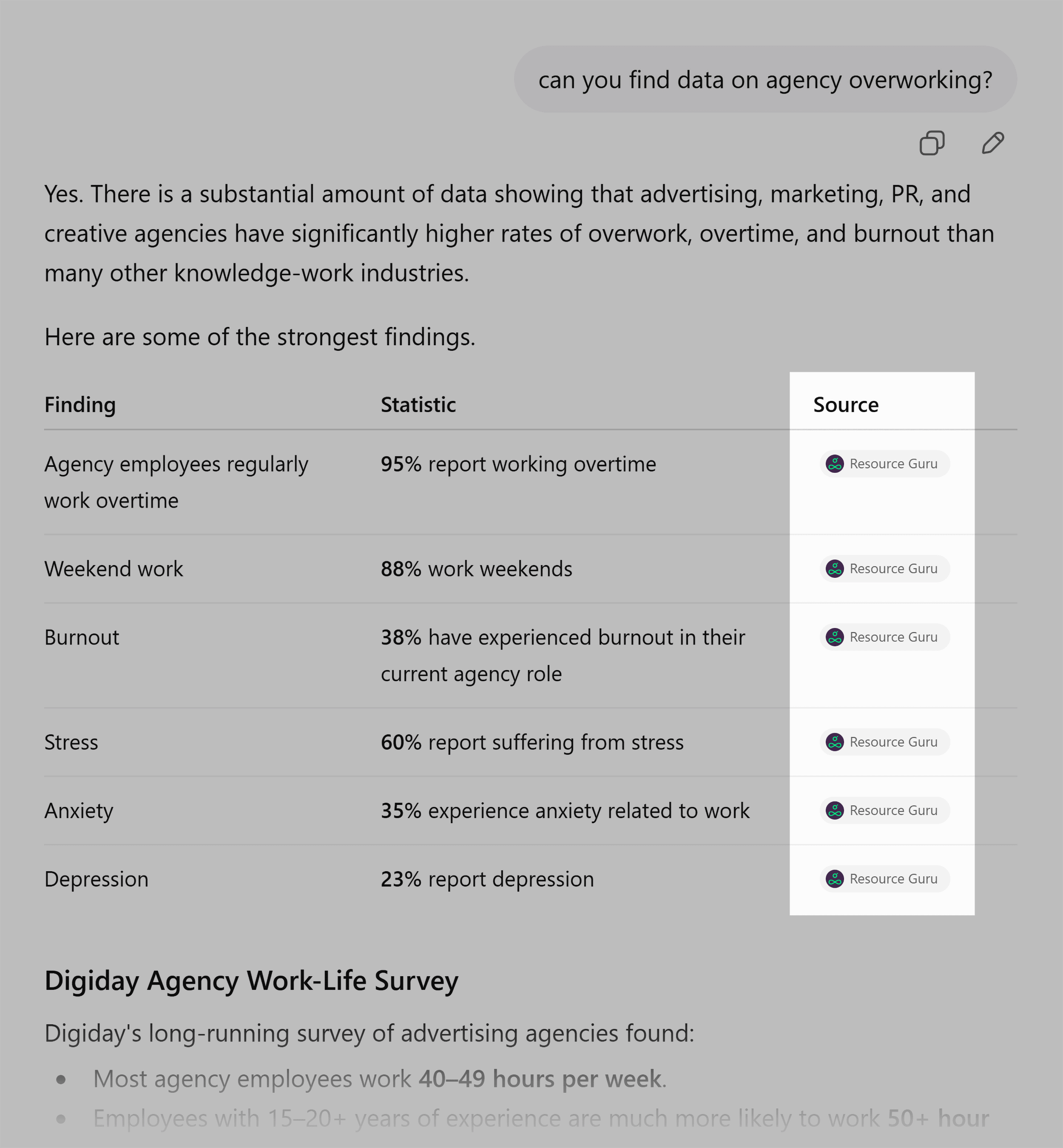
To understand why digital PR has superseded traditional SEO in importance, one must examine the architecture of Retrieval-Augmented Generation (RAG). When a user inputs a prompt into an AI search tool, the system does not simply pull from its pre-trained memory. Instead, it performs a real-time search across the internet to find the most relevant and authoritative sources to synthesize an answer.
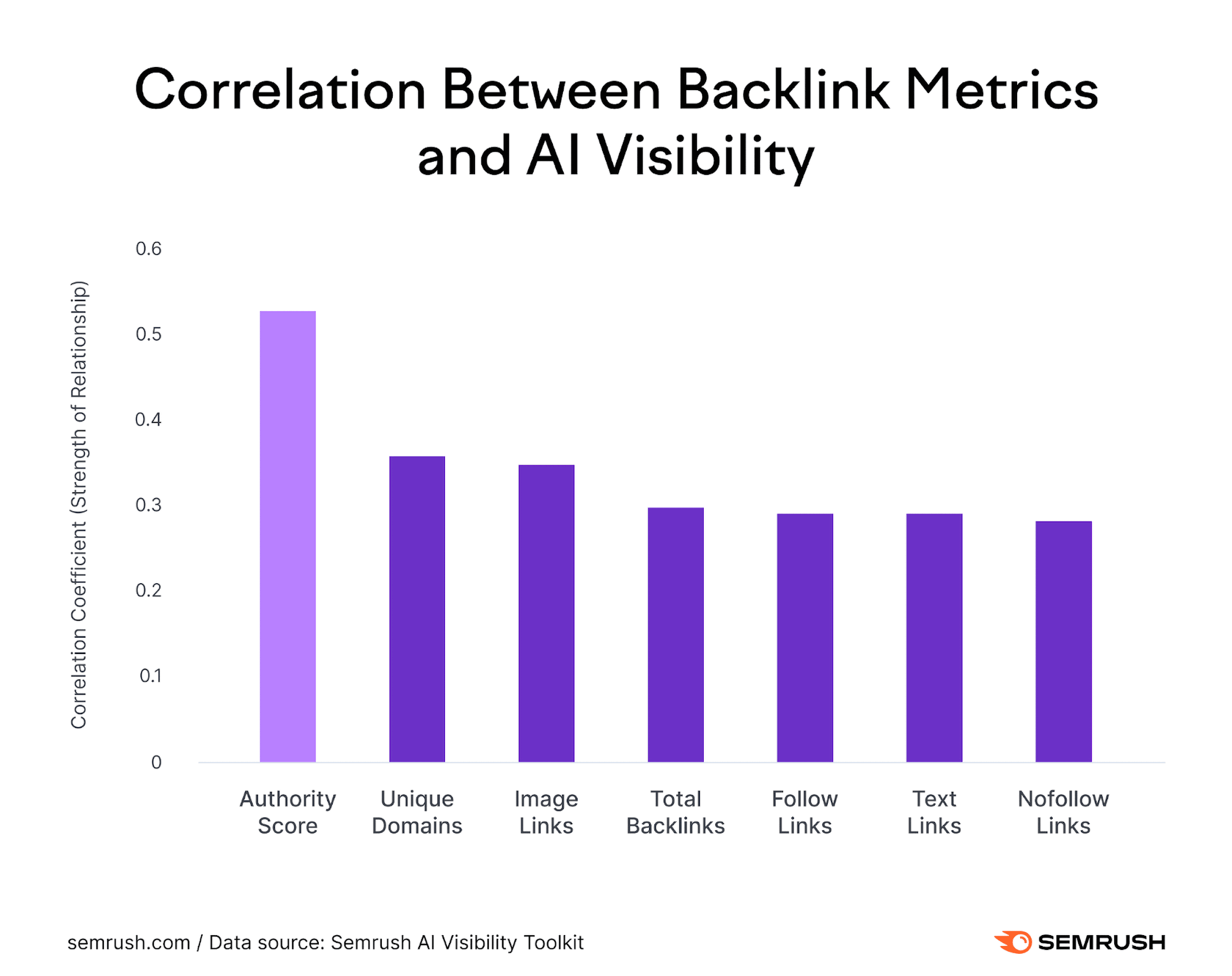
Data from Semrush and Seer Interactive indicates that AI models are programmed to favor neutral, third-party sources to avoid the inherent bias of brand-owned websites. This is why a recommendation on a platform like Reddit or a feature in a high-authority publication like Forbes carries more weight than a product page on a company’s own site. The "authority" of a domain is no longer just a metric for ranking in Google; it is now a filter for AI models to determine which information is credible enough to be included in a summarized response.
Chronology of the Search Evolution: From Keywords to Synthesis
The journey to this current state of "synthesis-based search" has moved through several distinct phases:
- The Keyword Era (1990s–2010): Search was primarily about matching exact strings of text. On-page keyword density was the primary driver of visibility.
- The Authority Era (2010–2022): Google’s E-E-A-T (Experience, Expertise, Authoritativeness, and Trustworthiness) guidelines moved the needle toward quality backlinks and domain reputation.
- The Generative Era (2022–Present): Following the launch of ChatGPT in late 2022, search engines began prioritizing "answers" over "links." In this phase, the AI acts as a researcher, aggregating data from multiple points across the web to create a cohesive narrative for the user.
As of 2024, the integration of AI Overviews into Google Search and the rise of Perplexity as a "discovery engine" have solidified the need for brands to exist as "entities" within the AI’s knowledge graph. This presence is built almost exclusively through digital PR and offsite authority building.
Strategic Pillars of Digital PR for AI Visibility
To maintain visibility in this new ecosystem, industry experts have identified six core strategies that leverage the way LLMs consume and cite information.
1. Data-Led Research and Statistical Authority
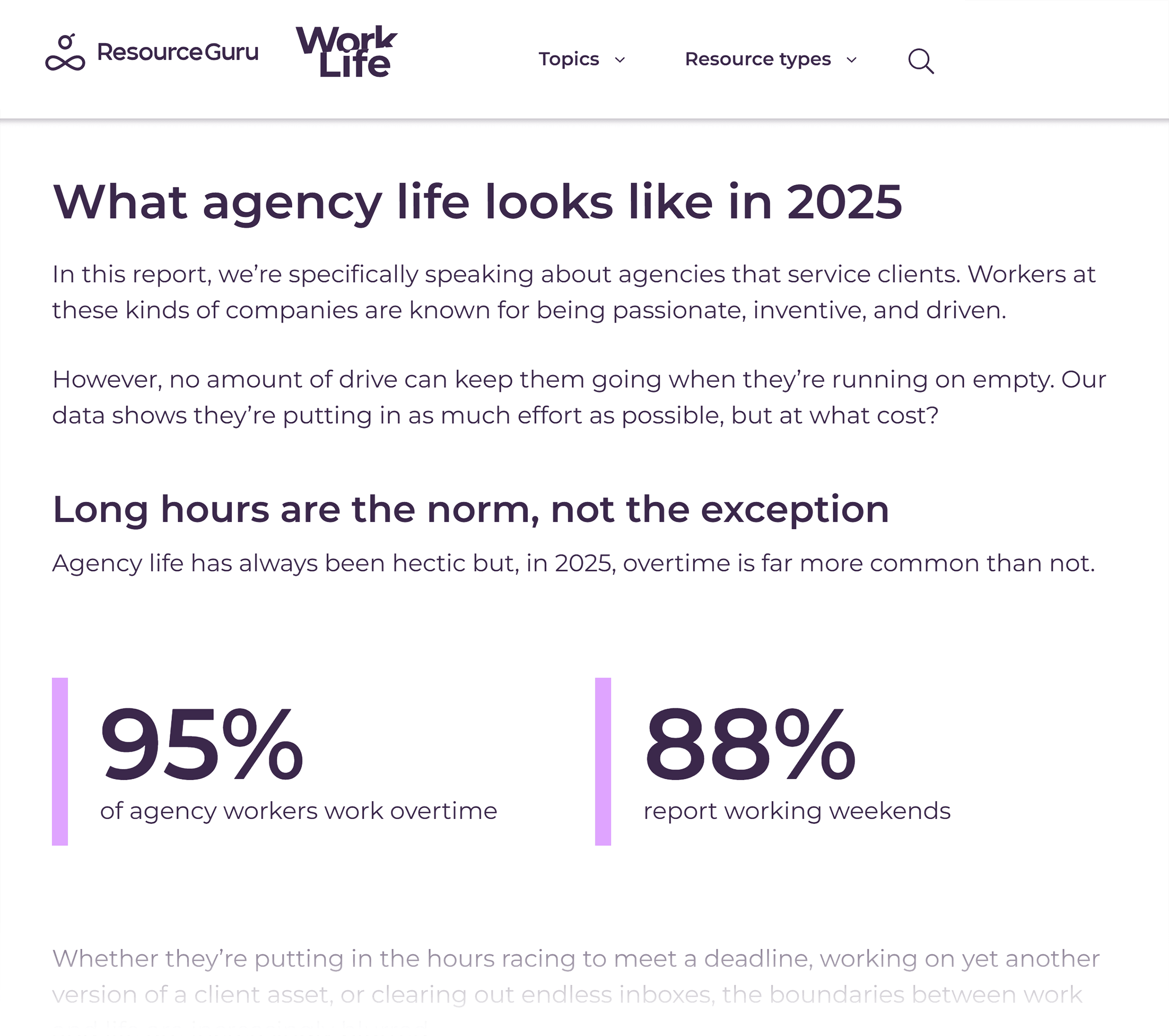
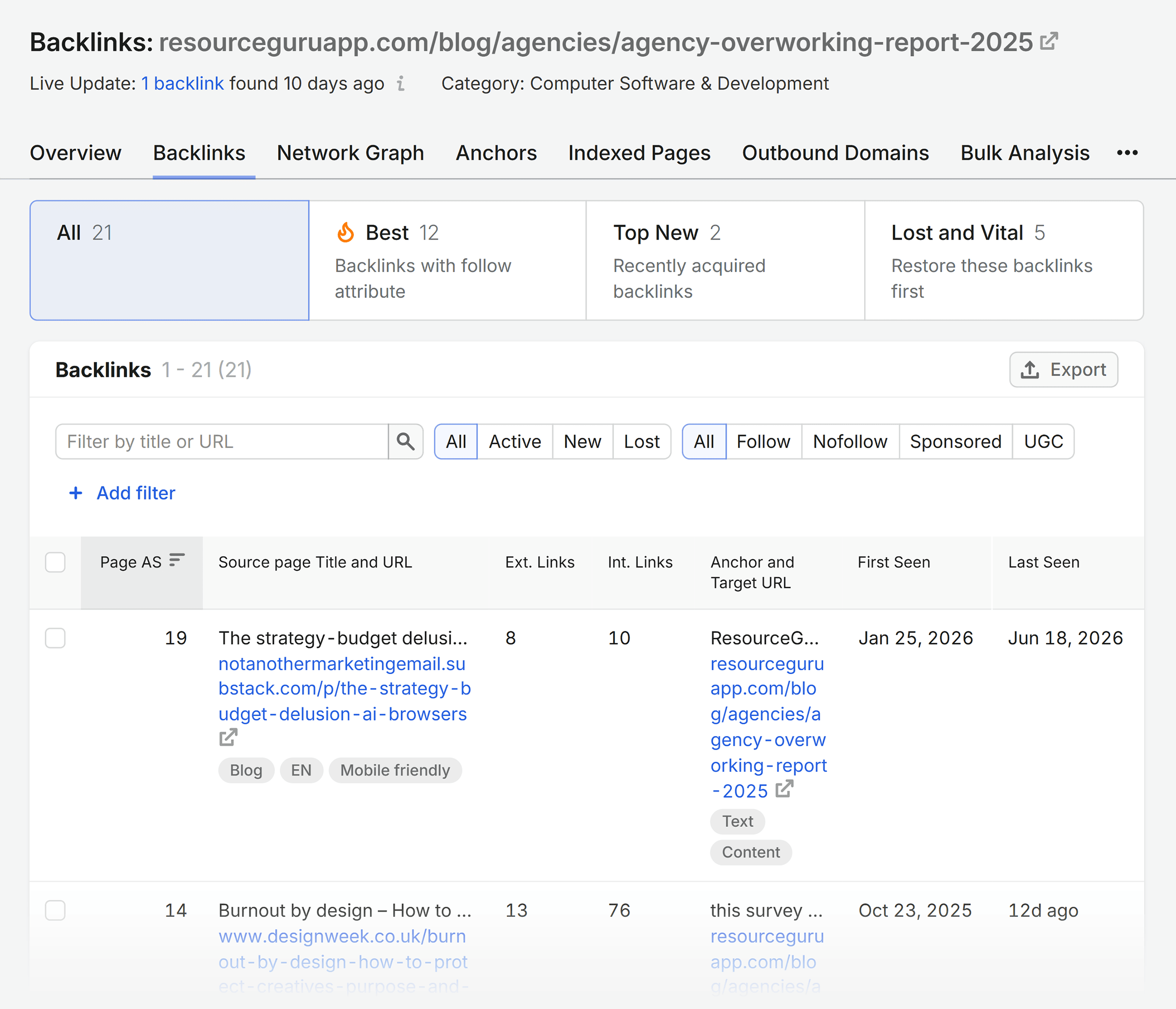
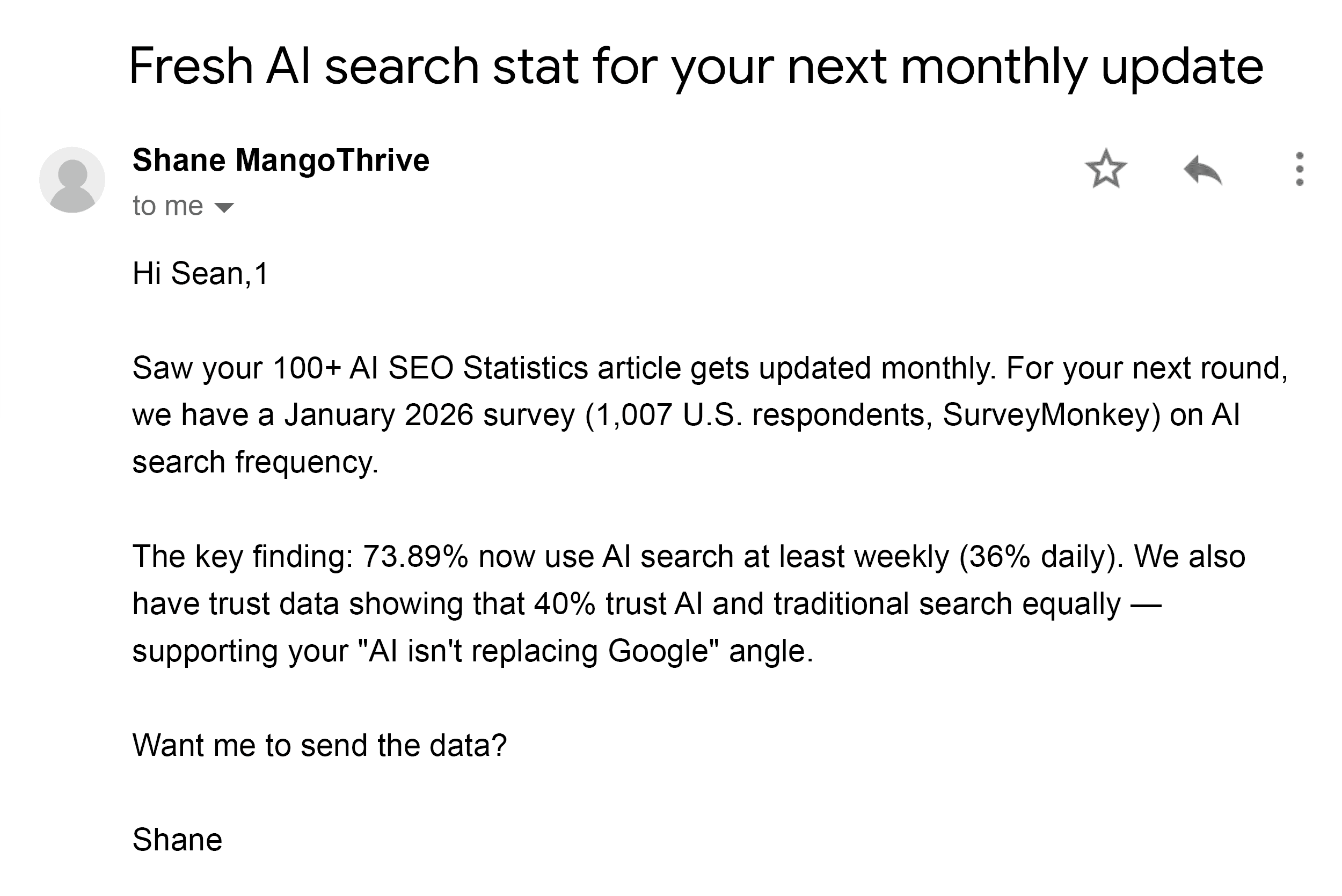
AI models have a high affinity for "hard facts" and original data. By publishing original research, such as industry reports or statistical roundups, brands create "citable units" of information. Journalists and bloggers frequently cite these statistics, creating a trail of high-authority backlinks.
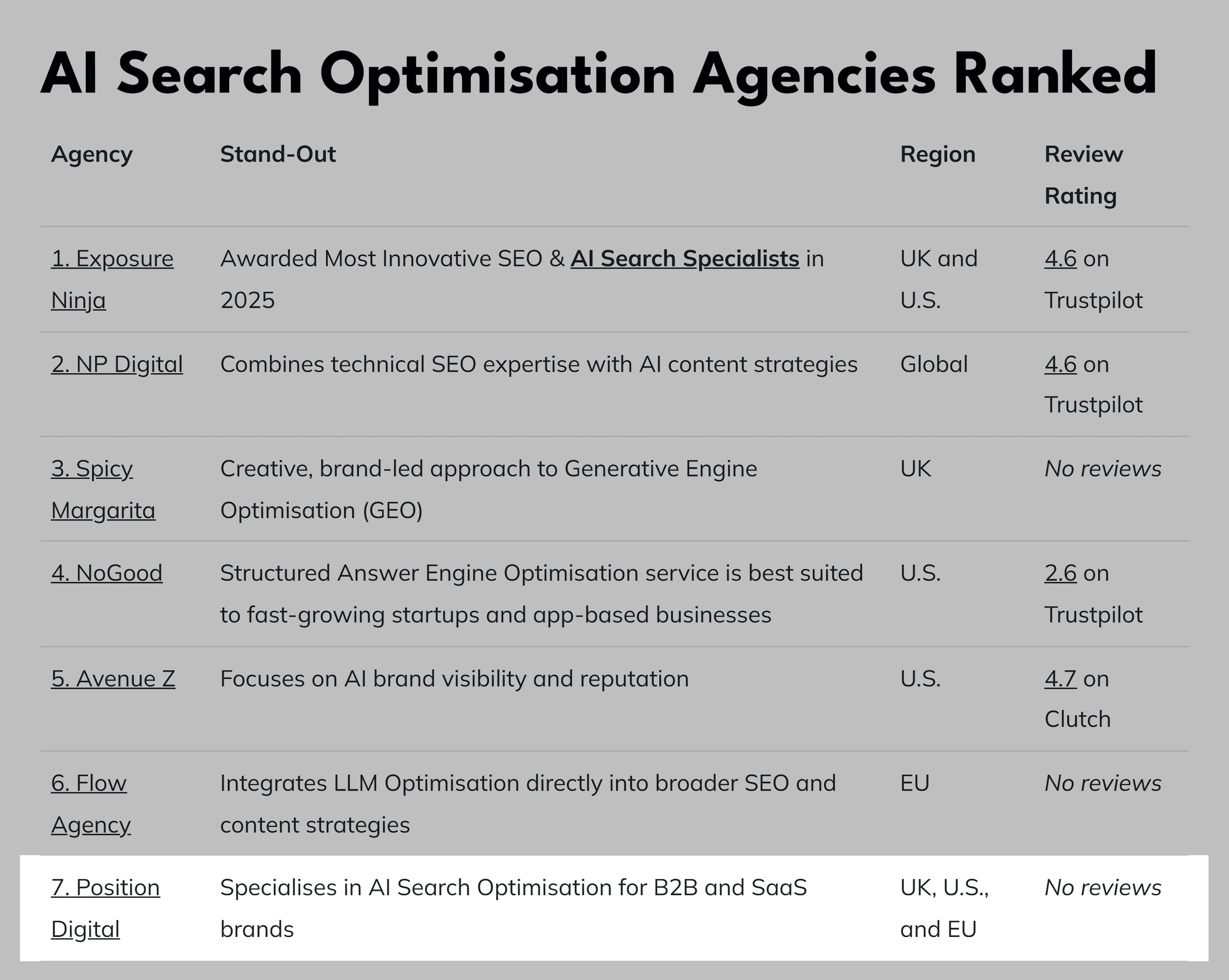
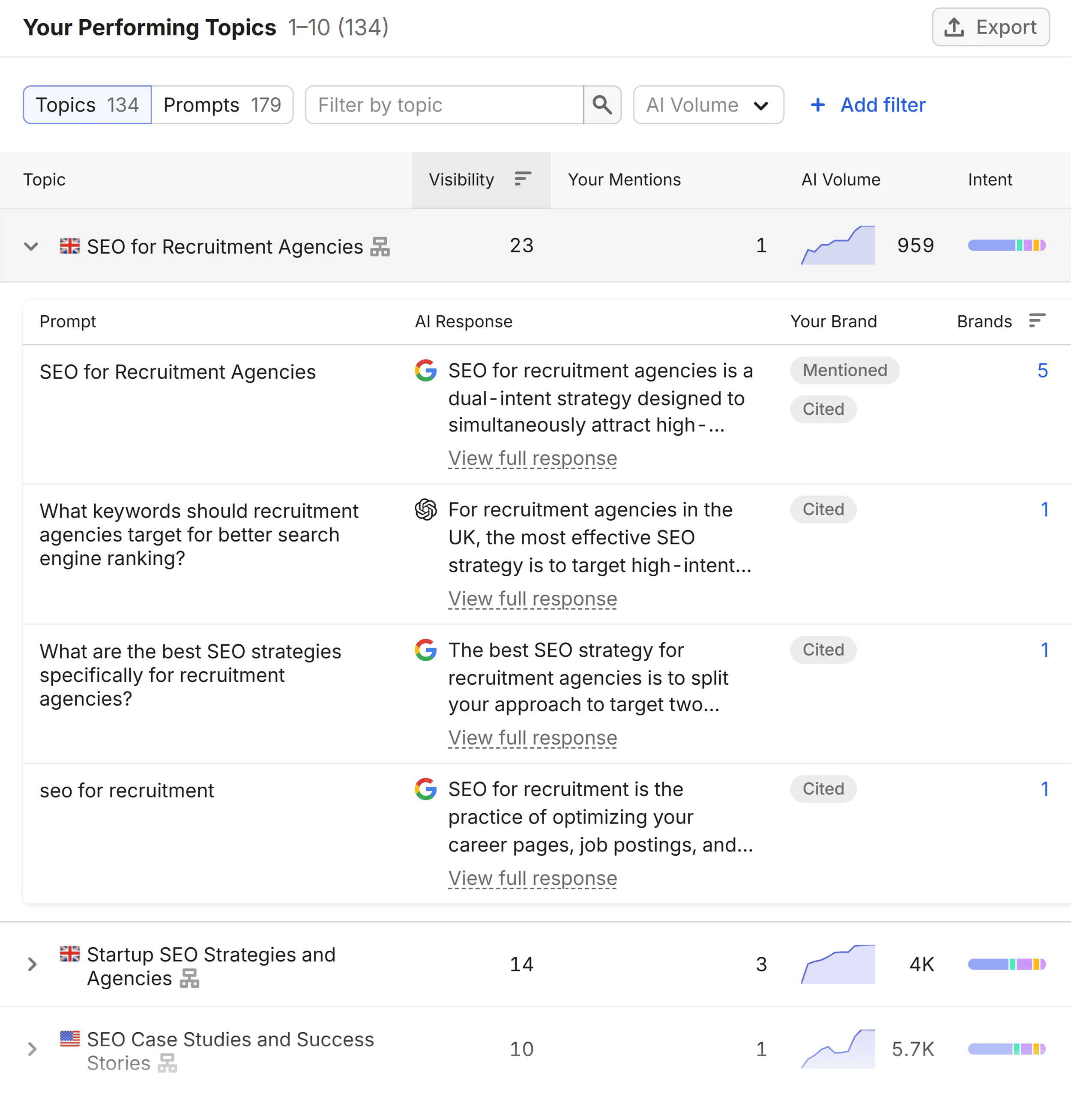
For instance, when a brand publishes a report on industry trends that is subsequently picked up by major news outlets, the LLM identifies that brand as the primary source of truth for that specific topic. A study of 1,000 domains conducted by Semrush found that brands with high backlink authority—specifically from sites with a Domain Authority (DA) of 60 or higher—are significantly more likely to appear in AI-generated answers.
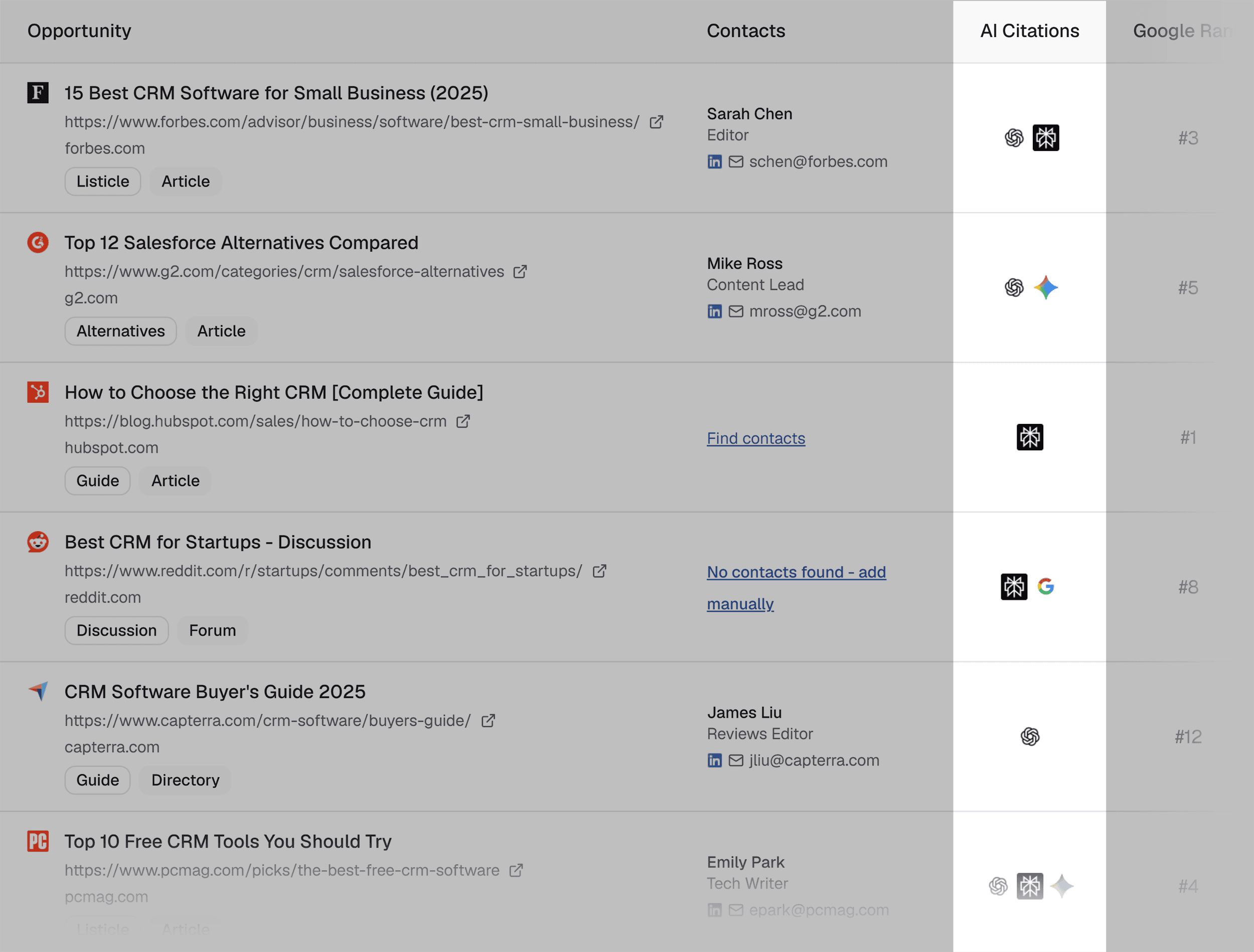
2. AI Citation Outreach and Digital Real Estate
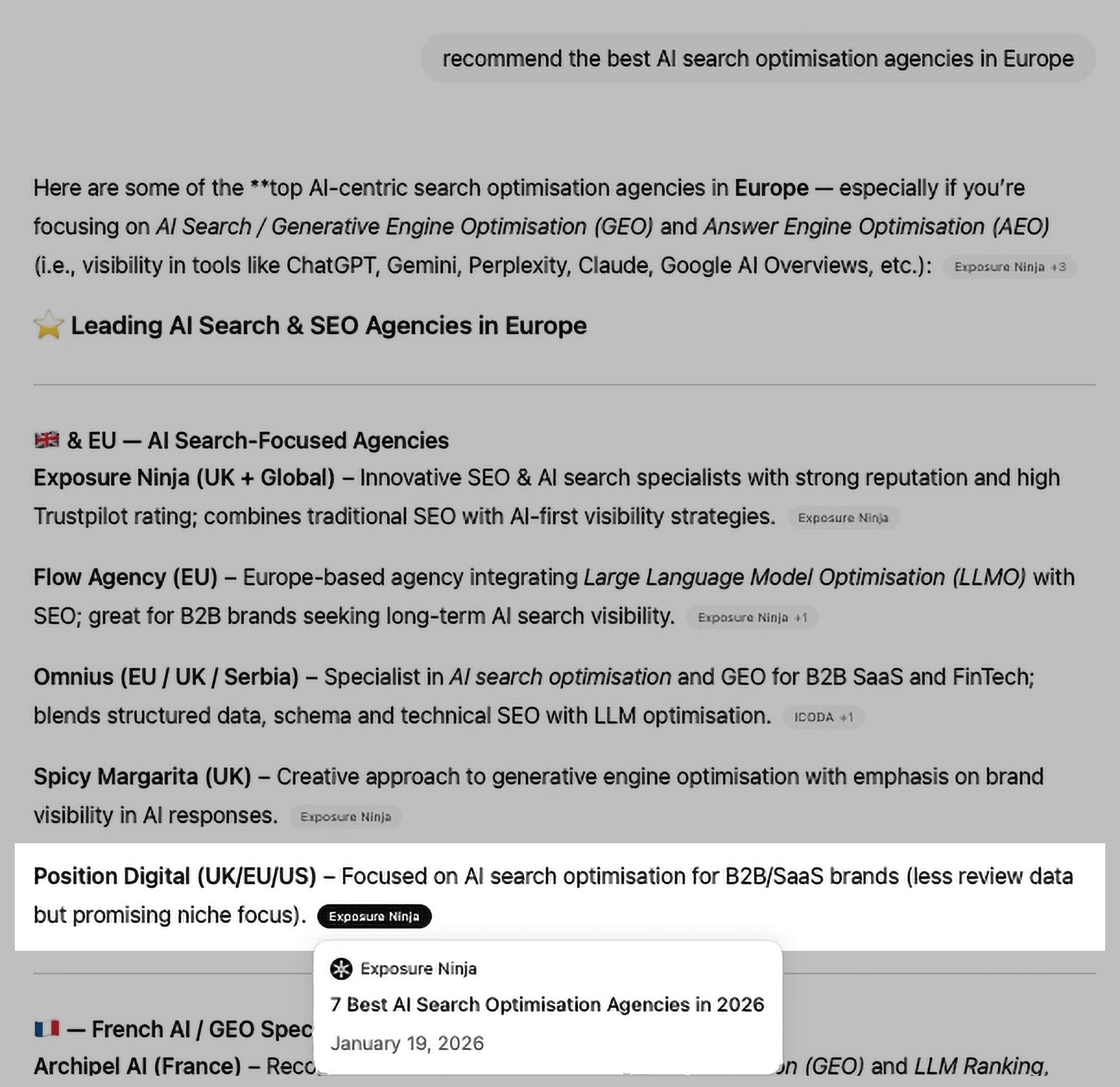
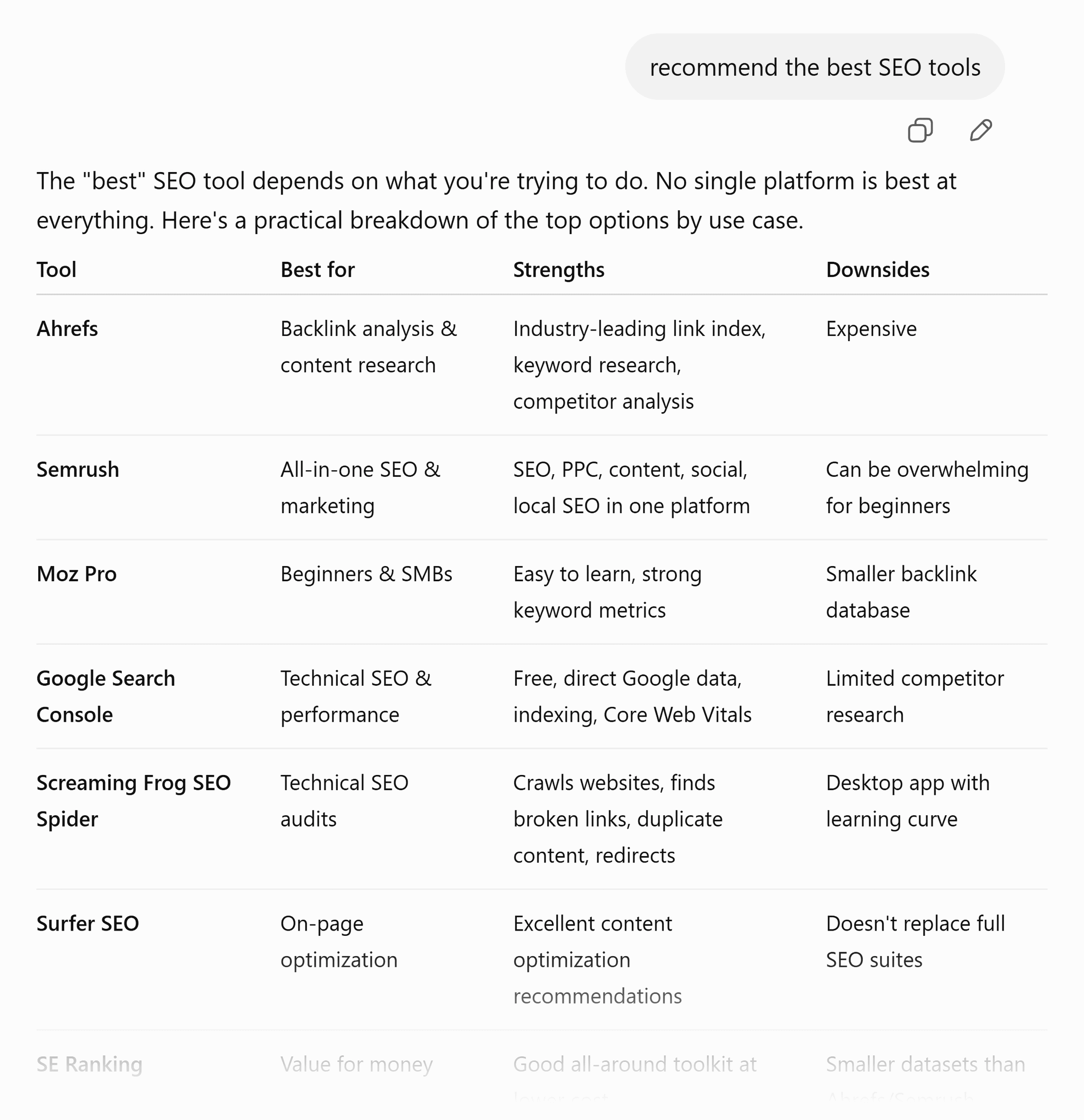
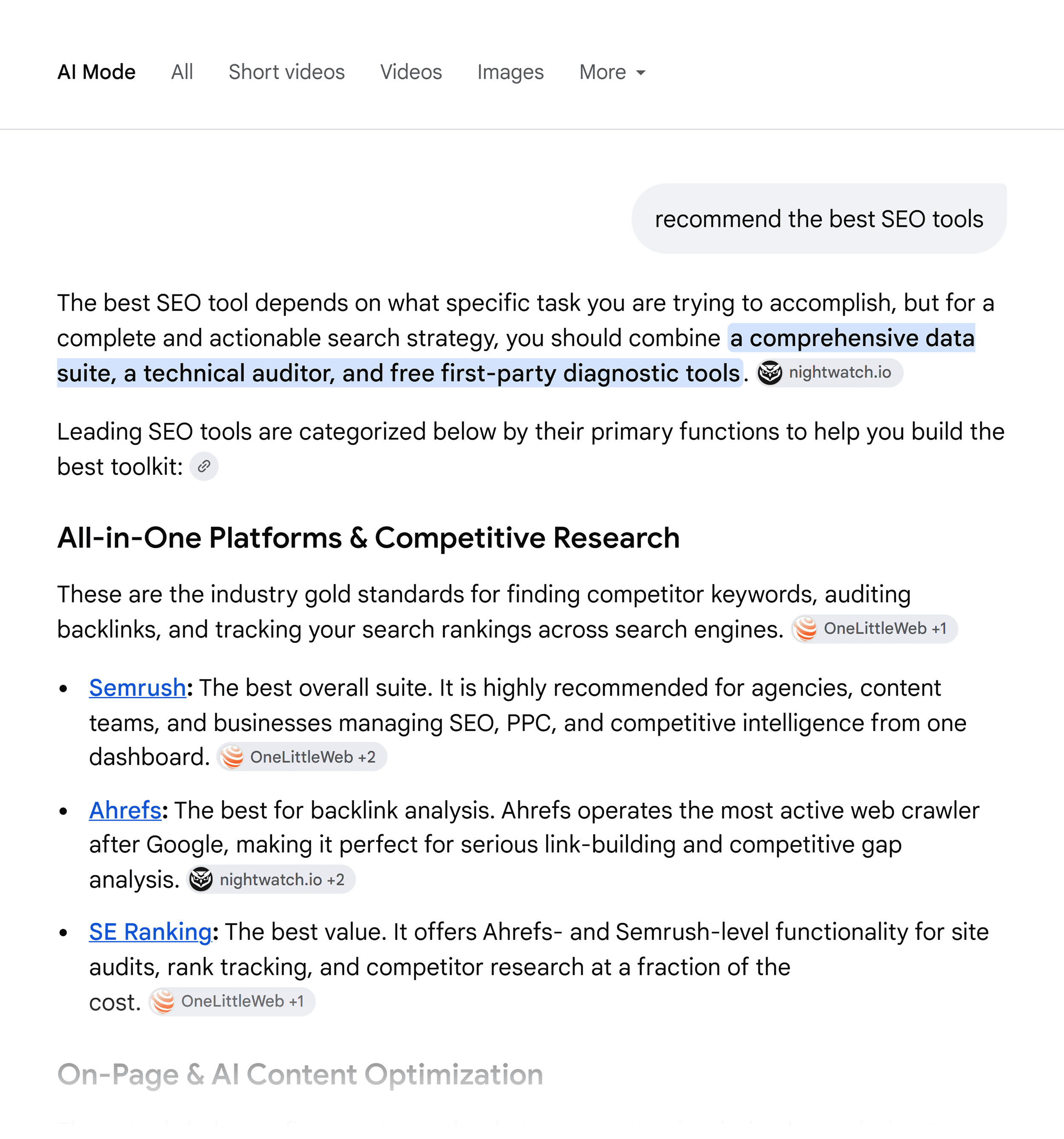
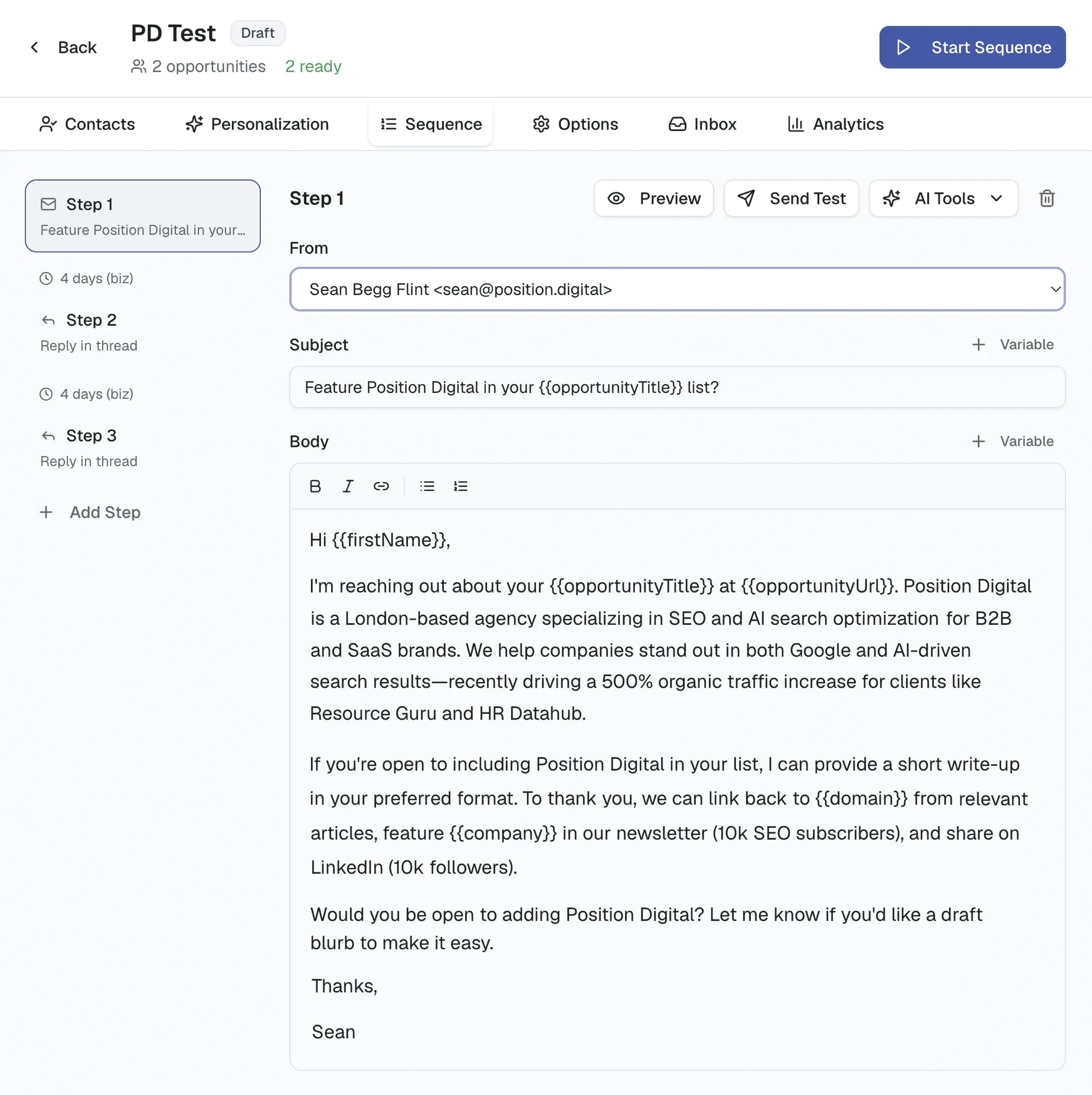
Mapping the "prompts" that users are likely to use is the first step in a modern PR campaign. Once these prompts are identified, marketers must monitor which pages the AI is currently citing. AI citation outreach involves securing placements on those specific pages. If a "Best SEO Tools" listicle is consistently cited by ChatGPT, being included in that listicle becomes more valuable than ranking for the keyword "SEO tools" on a brand’s own blog.
3. Reactive PR and the News Cycle
LLMs are frequently updated, but they often have "knowledge cutoffs" or rely on real-time search for breaking events. Reactive PR involves providing expert commentary or analysis on trending news topics. Because fewer sources exist when a story first breaks, brands that provide immediate, high-quality analysis have a disproportionately high chance of being indexed and cited as a primary source by AI models looking for fresh information.
4. The "Ego Bait" and Influencer Distribution
Involving industry experts in content creation serves two purposes. First, it adds a layer of "Expertise" that AI models are programmed to detect. Statistics show that pages containing expert quotes receive nearly double the citations in ChatGPT compared to pages without them. Second, these experts often share the content within their own networks, creating a ripple effect of mentions and links that signal to the AI that the content is a "node" of high importance in the industry.
5. Thought Leadership and Entity Seeding
SEO content is traditionally built to answer specific queries, but thought leadership is built to establish a brand as a recognizable voice. By contributing guest posts to major publications and appearing on reputable podcasts, brand representatives can "seed" the AI’s training data. When an AI model sees the same name or brand associated with a specific topic across multiple authoritative domains (e.g., Medium, LinkedIn, and industry-specific journals), it begins to treat that brand as an authoritative entity.
6. Community Integration and Neutral Validation
Perhaps the most striking finding in recent AI search studies is the weight given to community-driven platforms. AI models frequently cite Reddit and Quora threads over official brand blogs because they perceive community discussion as more authentic. A Seer Interactive study of 800,000 AI responses found that brands with even a minimal presence on review sites like Trustpilot or G2 saw their AI citation rate jump from 1% to over 50%. This suggests that AI models use customer reviews as a primary trust signal.
Analysis of Implications for the Marketing Industry
The shift toward digital PR as the cornerstone of AI visibility has profound implications for marketing budgets and organizational structures. Traditional SEO departments, which previously focused on technical site audits and keyword placement, must now integrate closely with PR and communications teams.
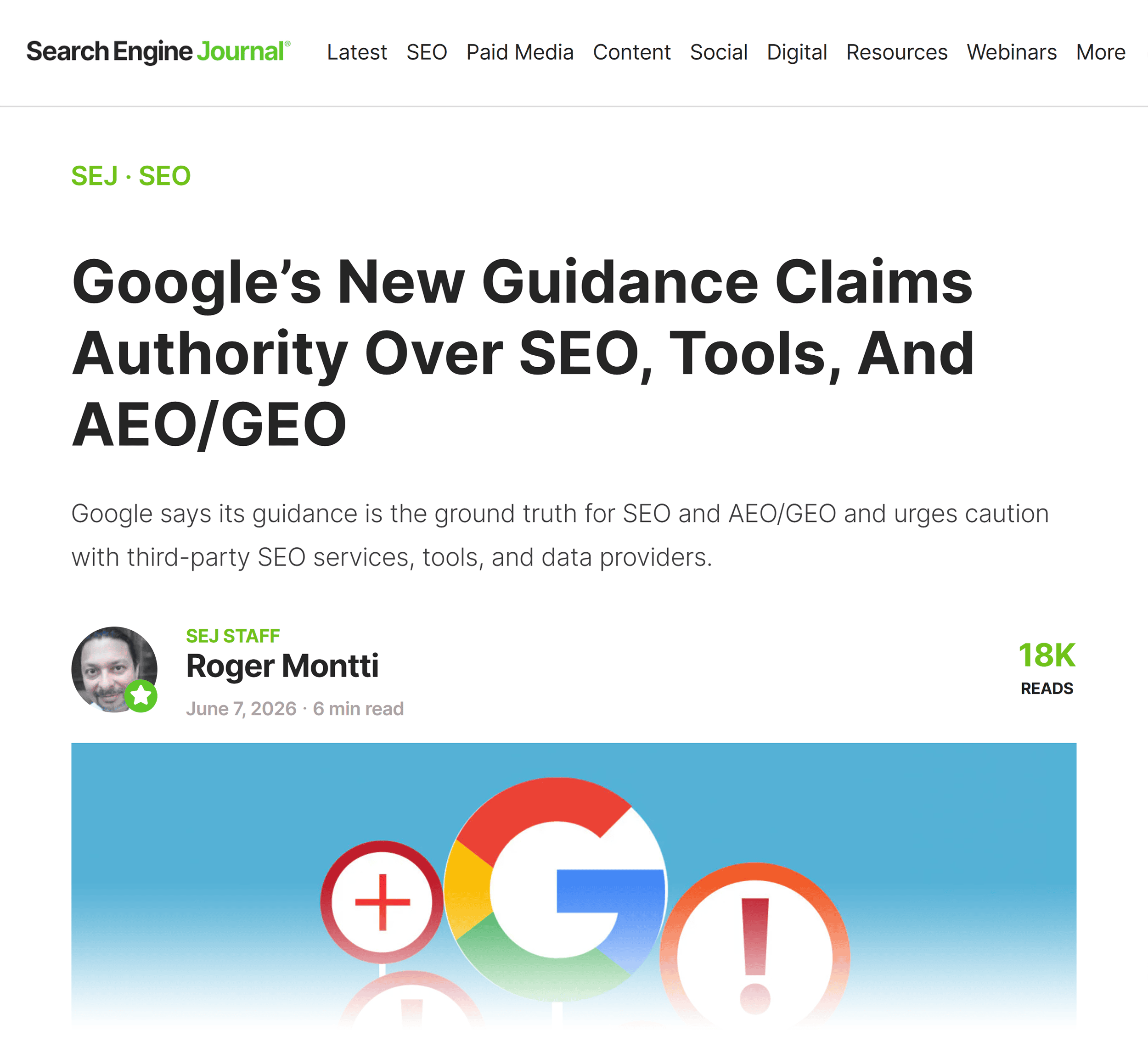
Furthermore, this evolution addresses the growing problem of "content decay" and "AI-generated sludge." As the web becomes flooded with low-quality, AI-generated articles, the search engines of the future are using third-party validation as a "humanity filter." Earned media is much harder to fake than onsite content, making it a more reliable metric for LLMs to use when deciding which information to present to users.
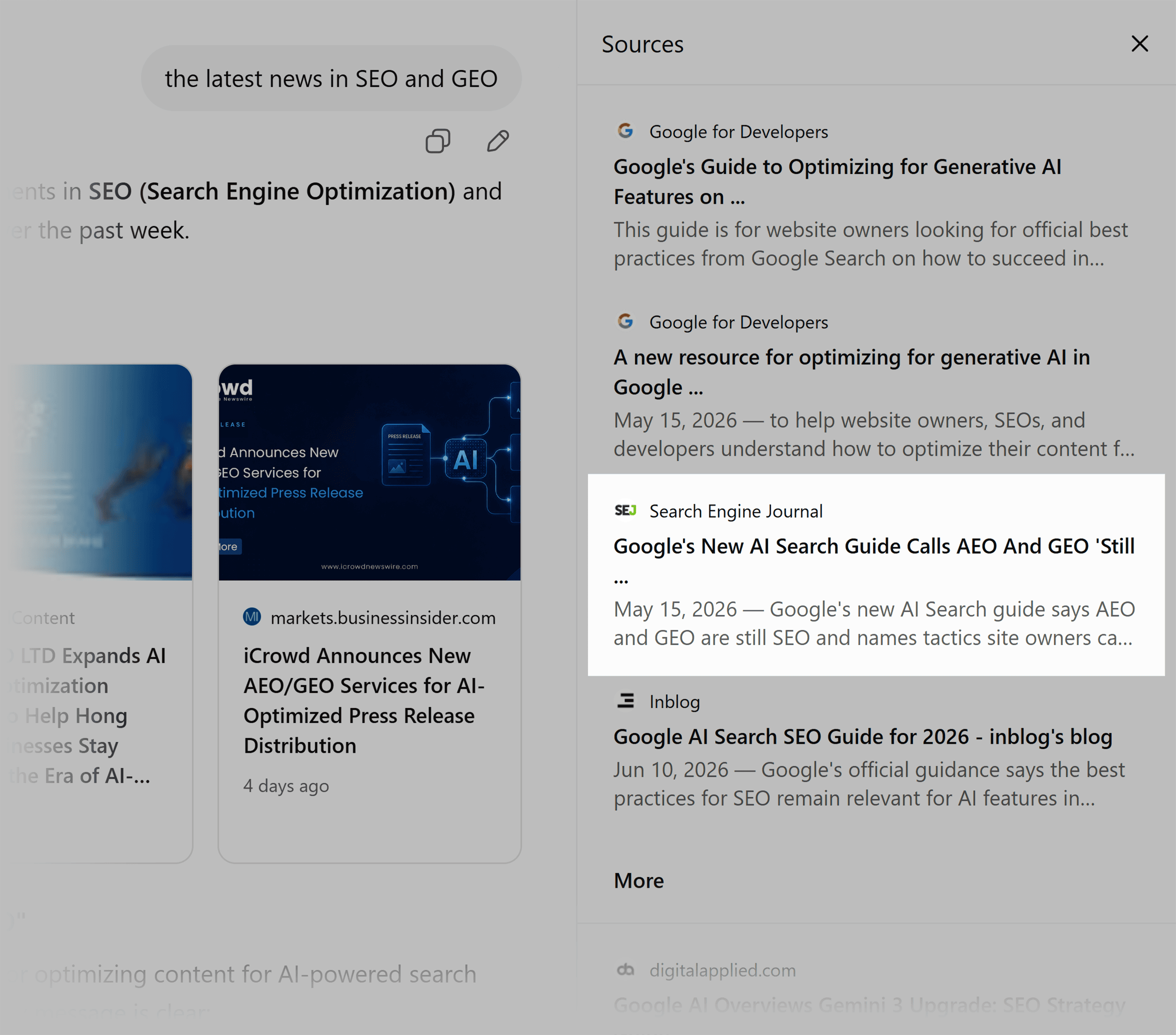
Broader Impact on Digital Ecosystems
The rise of AI search also threatens the traditional "click-through" model of the internet. If an AI provides a complete answer based on a digital PR mention, the user may never actually visit the brand’s website. This creates a "zero-click" environment where the value of a brand mention is found in the impression and the recommendation itself, rather than the resulting traffic.
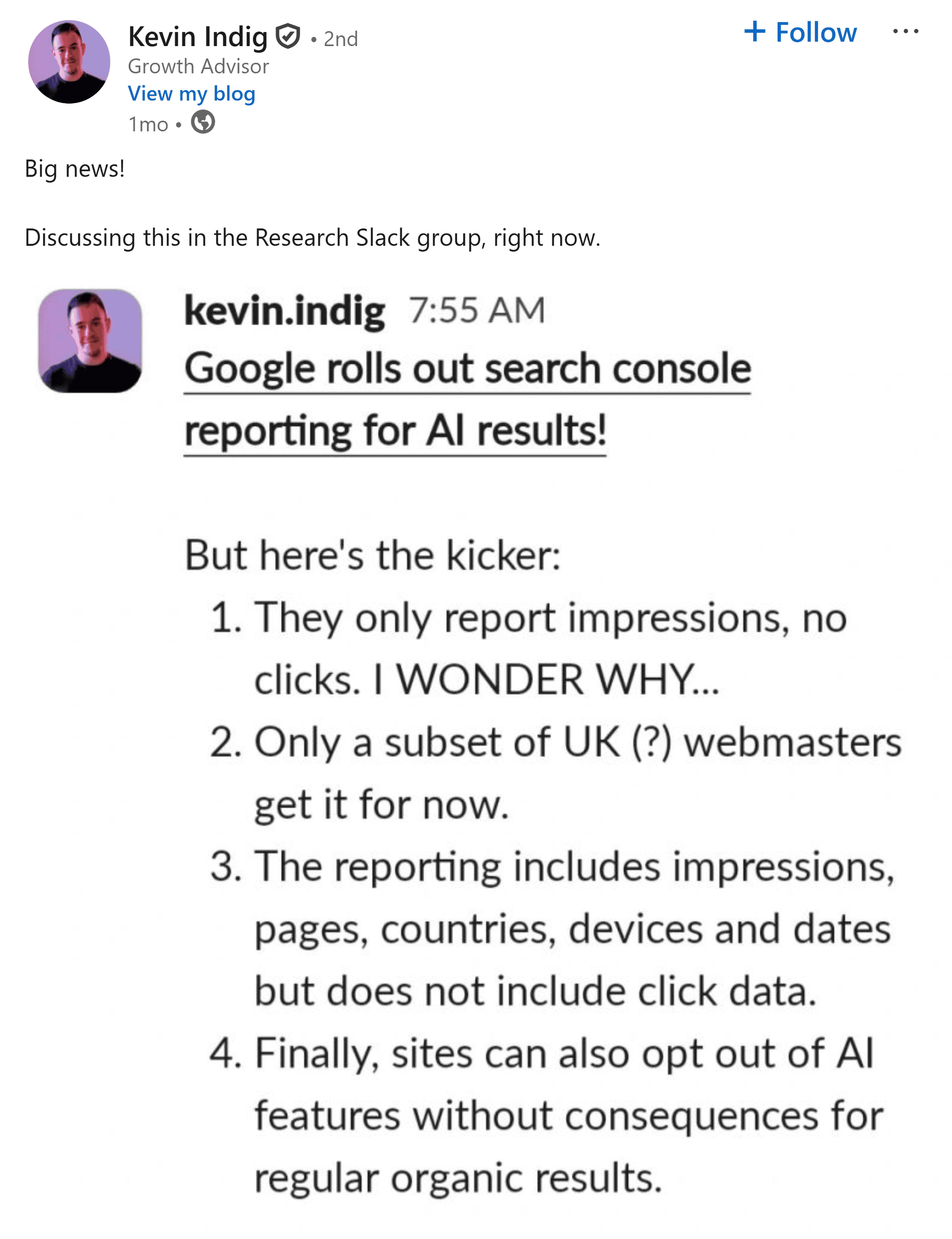
For brands, this means the metric of success is shifting from "sessions" and "rankings" to "share of model" or "LLM visibility." Being the brand that the AI recommends is the new goal, regardless of whether that recommendation leads to a direct click or simply builds the brand’s reputation in the mind of the consumer.
As AI models continue to evolve, the brands that win will be those that prioritize a holistic digital presence. The data is clear: onsite content is the foundation, but digital PR is the skyscraper. To be seen by the AI, a brand must be talked about by the world.