At the conclusion of 2023, a significant shift in residential real estate trends saw many homeowners opting for "lifestyle upgrades"—moving into larger, more expensive properties that exceeded their baseline functional requirements. Three years removed from such a transition, the debate remains polarized between those who view real estate as a primary vehicle for lifestyle utility and those who prioritize liquidity and market-based returns. Evaluating the success of these upgrades requires an analysis that balances the qualitative benefits of homeownership against the stark reality of opportunity costs in an era of high-performing equity markets.
The decision to purchase a home that exceeds one’s immediate space needs is often framed as a "lifestyle hedge." Unlike luxury goods, apparel, or high-end watches, which depreciate or remain static in utility, real estate offers a dual-purpose proposition: it provides shelter for the roughly 14 hours per day the average individual spends at home, while historically acting as a long-term store of value. However, the transition from a standard residence to a premium property involves complex variables including capital allocation, maintenance cycles, and long-term psychological impact.
Chronology of the Residential Shift
The trend toward larger, "unnecessary" home upgrades gained momentum as the COVID-19 pandemic reshaped work-life balance. For many, the move represented a shift from urban, high-density living toward suburban or larger-lot properties. In the case of families, this transition was frequently motivated by the need for secure outdoor space—a commodity that became increasingly scarce in metropolitan centers.
The logistical timeline for such a move typically involves a rigorous three-month escrow period. Experts argue that this period is the most critical juncture for financial protection. By leveraging professional inspections and negotiating repairs prior to closing, buyers can effectively reset the maintenance cycle of a property. Data suggests that properties purchased immediately following a "gut renovation" or professional landscaping project carry significantly lower overhead in the first 36 to 48 months of ownership.
Quantitative Analysis: Opportunity Cost vs. Utility
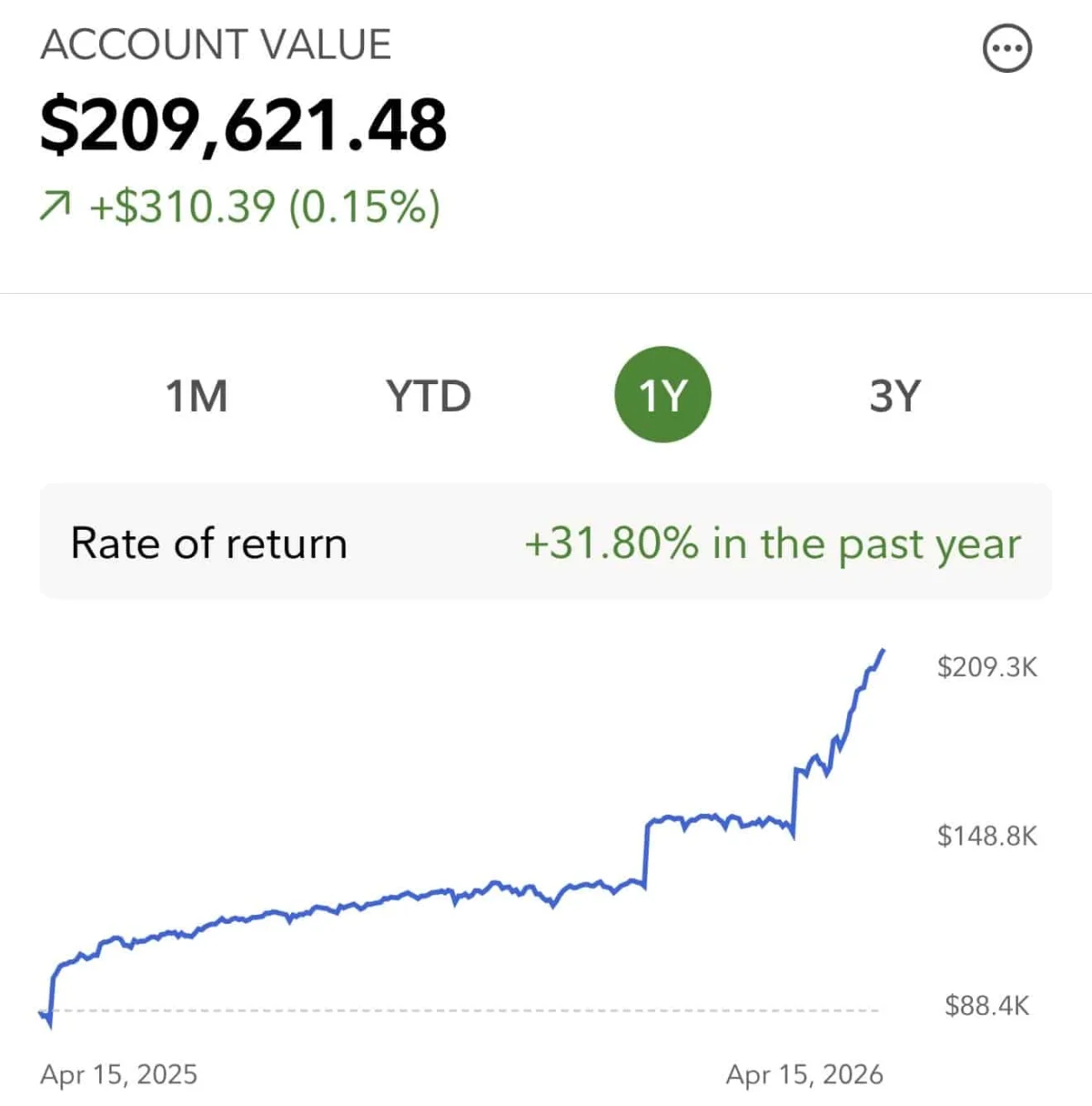
The primary criticism of upgrading to a luxury home is the displacement of capital. In the last three years, the S&P 500 has seen an appreciation exceeding 80%. When a homeowner liquidates stock positions to fund a real estate down payment, they forfeit the compounding returns of those equities.
For instance, investors who divested from high-growth tech sectors, such as Salesforce or Tesla, in the early 2010s to fund real estate purchases saw their properties appreciate at a steady rate, while their former equity holdings climbed by factors of 10x or 20x. When calculating the "cost" of a larger home, one must factor in this lost potential. For many homeowners, the realized opportunity cost can exceed $1 million when accounting for the delta between property appreciation and stock market performance.
However, the "boom loop" phenomenon in specific markets, such as the West Side of San Francisco, complicates this math. In areas where AI-driven economic growth and technological innovation are concentrated, real estate demand remains inelastic. In these zones, the scarcity of large, usable lots acts as a hedge against market volatility, often justifying the premium paid for the property.
Maintenance and Operational Realities
The "1% rule"—a long-standing industry standard suggesting homeowners set aside 1% of the property’s value annually for maintenance—often fails to account for the actual condition of high-end homes. Real-world data from recent years indicates that for well-maintained or recently remodeled homes, annual maintenance costs can be as low as 0.1% to 0.2% of the home’s value.
For those who prioritize due diligence during the purchasing phase, the financial burden of home upkeep can be significantly mitigated. By forcing sellers to address latent defects—such as roof integrity, HVAC efficiency, and structural landscaping—before the transfer of title, owners can effectively avoid the "hidden costs" that typically erode the financial gains of real estate investment.
Strategic Framework for Home Upgrades
Financial analysts often recommend the "30/30/3-5 rule" to mitigate the risks associated with over-leveraging in a property upgrade:
- Capital Reserves: Maintain at least 30% of the purchase price in total assets (20% for the down payment and a 10% liquidity buffer).
- Income Ratio: Ensure monthly mortgage payments do not exceed 30% of gross household income.
- Price-to-Income Multiple: Limit the total purchase price to between 3 and 5 times the annual gross income.
Adhering to these parameters is intended to prevent the "house-poor" syndrome, where a homeowner is cash-strapped despite owning a valuable asset. Furthermore, buyers are encouraged to look just outside the "frenzy zone"—the price bracket where competition is most intense and bidding wars are common. By targeting properties slightly above this threshold, buyers often find better negotiation leverage and a more favorable price-to-value ratio.
The Impact of Lifestyle and Family Development
Beyond the balance sheet, the "utility of space" is a significant factor in child development and long-term family stability. Research into environmental psychology suggests that access to enclosed, private outdoor spaces provides measurable benefits for children, particularly those with high energy levels. The reduction in parental anxiety—knowing that children have safe environments to play in—is an intangible asset that often outweighs the pure financial metrics of the investment.
Furthermore, for long-term homeowners, the transition to a final, "forever home" can terminate the "property ladder" cycle. The constant pursuit of the next, better house is a source of significant psychological fatigue. Reaching the final, comfortable rung of that ladder provides a sense of settlement and financial finality that can lead to increased focus on other life goals, including career development and retirement planning.
Broader Market Implications
The current landscape of real estate investment is increasingly bifurcated between direct ownership and passive investment vehicles. While physical real estate offers tangible benefits, it also concentrates risk in a single, illiquid asset. For investors seeking exposure to the real estate market without the burden of property taxes, maintenance, or geographic constraints, institutional platforms like Fundrise offer a modernized approach. As sectors like data centers and hyperscale infrastructure drive the next wave of real estate demand, passive, institutional-grade investments are becoming a popular alternative to traditional home upgrading.
Ultimately, the decision to purchase a home that exceeds current functional needs is a personal calculation of value. If the property provides daily utility, facilitates family development, and is acquired within the bounds of a conservative financial model, it can be a highly successful life investment. However, as the gap between equity market returns and property appreciation continues to widen, the decision must be made with a clear understanding of the opportunity costs involved. The evidence suggests that while the financial "cost" of such an upgrade is high, the subjective value of stability and daily quality of life remains a compelling, if non-quantifiable, dividend for the homeowner.