Website marketing has undergone a fundamental transformation, driven by shifts in consumer behavior, the rapid adoption of artificial intelligence, and the decentralization of the customer journey. Traditionally, digital marketing strategies relied heavily on driving direct traffic to a central landing page or corporate website, where prospective buyers would navigate a linear funnel from awareness to conversion. However, contemporary consumer habits indicate that a vast majority of the decision-making process now occurs well before a user ever lands on a brand’s primary web domain.
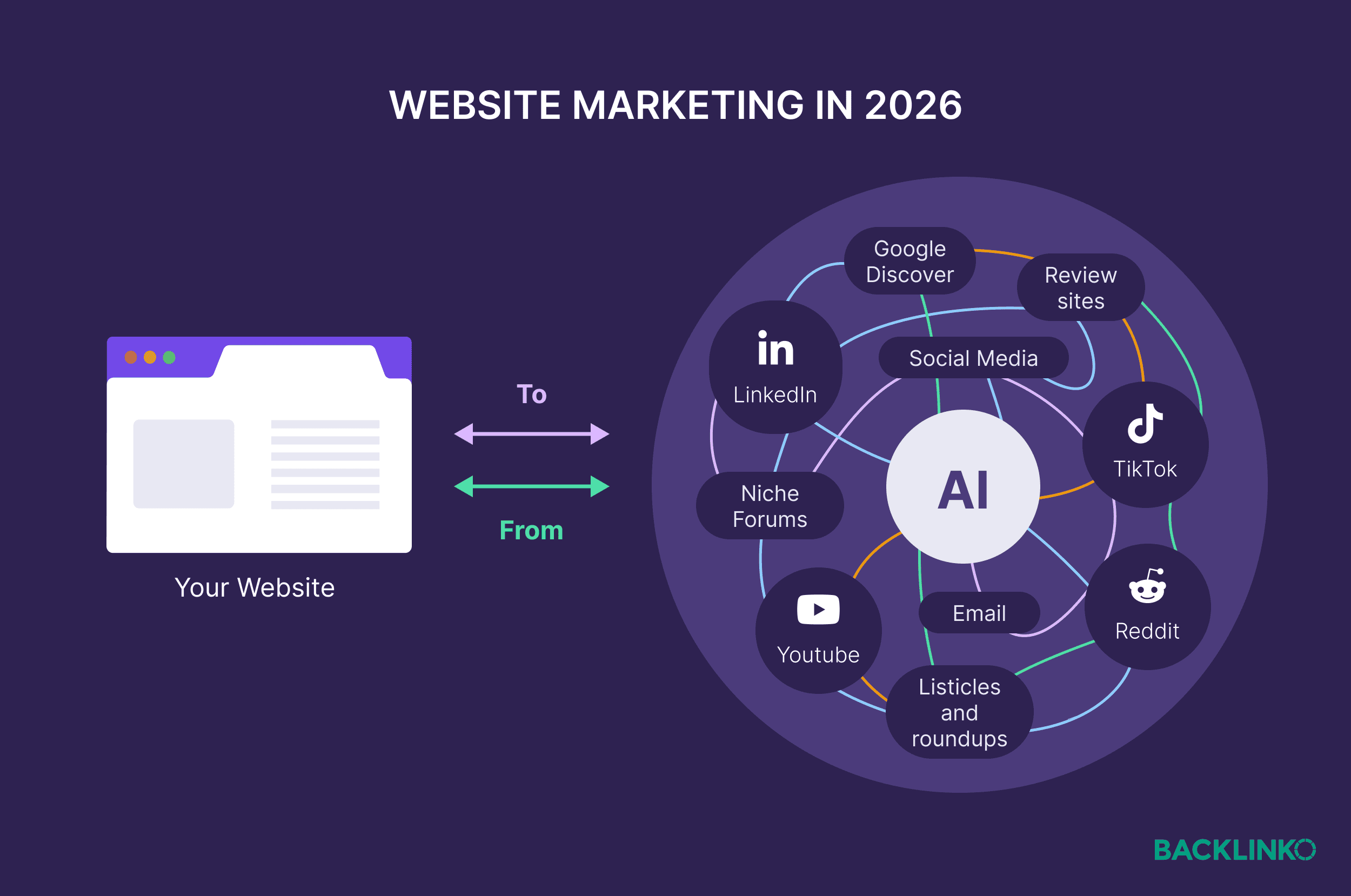
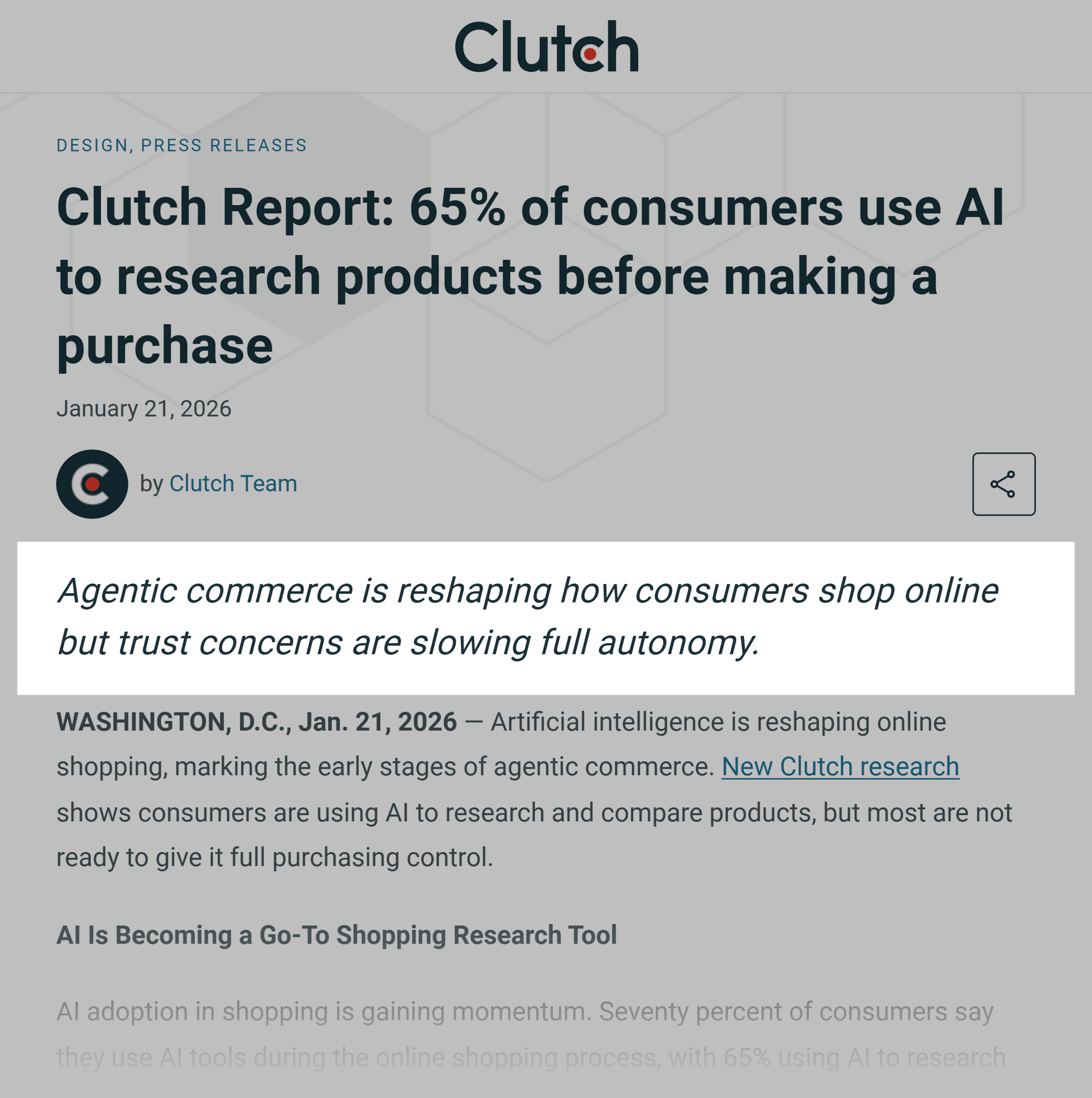
Modern buyers routinely consult third-party ecosystems—including AI-powered search tools, peer-to-peer recommendation forums, and specialized social media networks—long before initiating a direct visit to a corporate website. Market research from industry analytics firms highlights that over 65% of consumers utilize artificial intelligence platforms to research products, services, and corporate options prior to making a purchase decision. Consequently, a brand’s digital footprint outside its own domain significantly dictates its online reputation, forcing marketers to rethink how visibility, credibility, and conversion optimization are engineered across the entire web.
The evolution of search engines into generative AI interfaces has further complicated traditional discovery channels. When users query large language models for product recommendations, travel planning, or business solutions, the underlying algorithms synthesize opinions, reviews, and mentions aggregated from across the entire internet. If a business lacks a strong, consistent digital narrative across external platforms, or fails to structure its own website for machine readability, it risks disappearing entirely from the modern consideration set.

Engineering Brand Perception Across Decentralized Channels
To succeed in this multi-touchpoint environment, organizations must actively influence how their brand is described across the wider internet. This requires a formalized brand messaging strategy that ensures consistency across every public touchpoint, from official marketing copy and executive thought leadership to partner publications and community forums. When a brand clearly defines its core value propositions, target audience, and primary differentiators in a centralized brand guideline document, it creates a unified vocabulary that is naturally adopted by employees, media outlets, and ultimately, large language models.
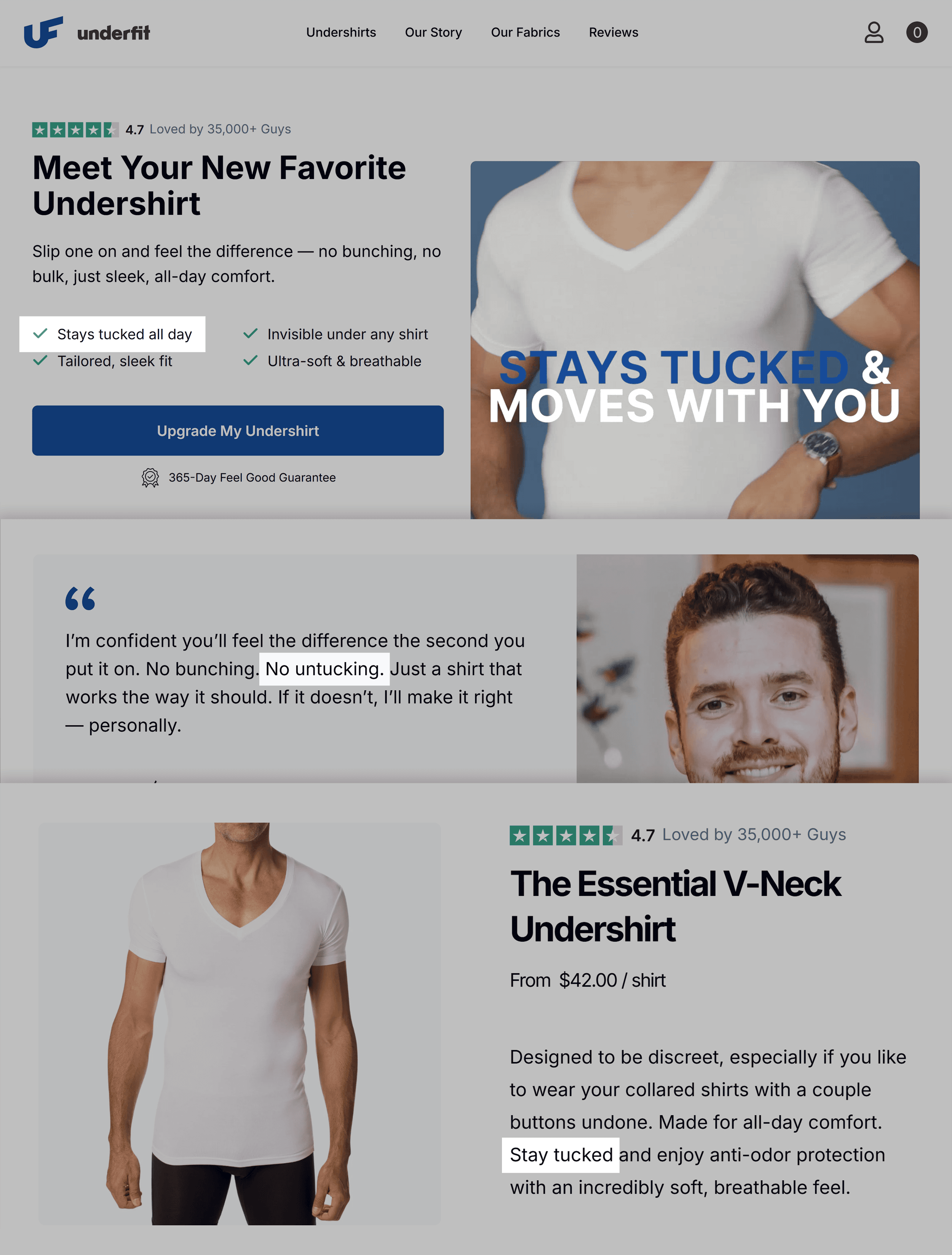
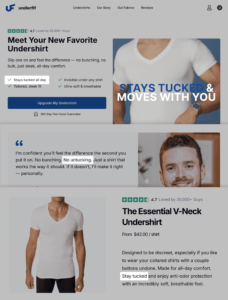
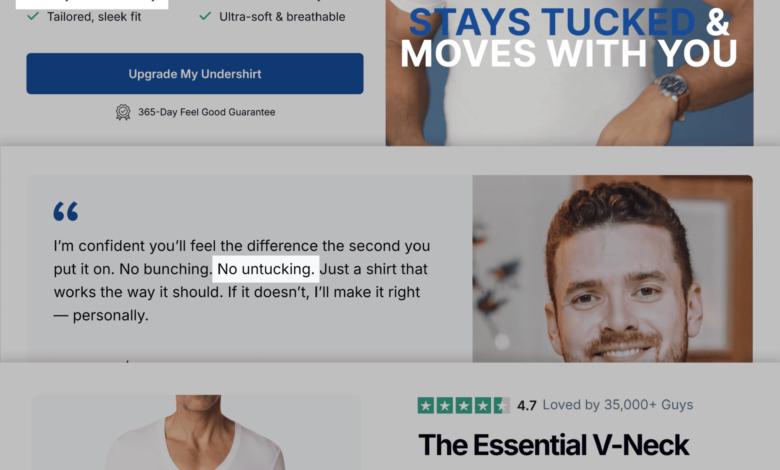
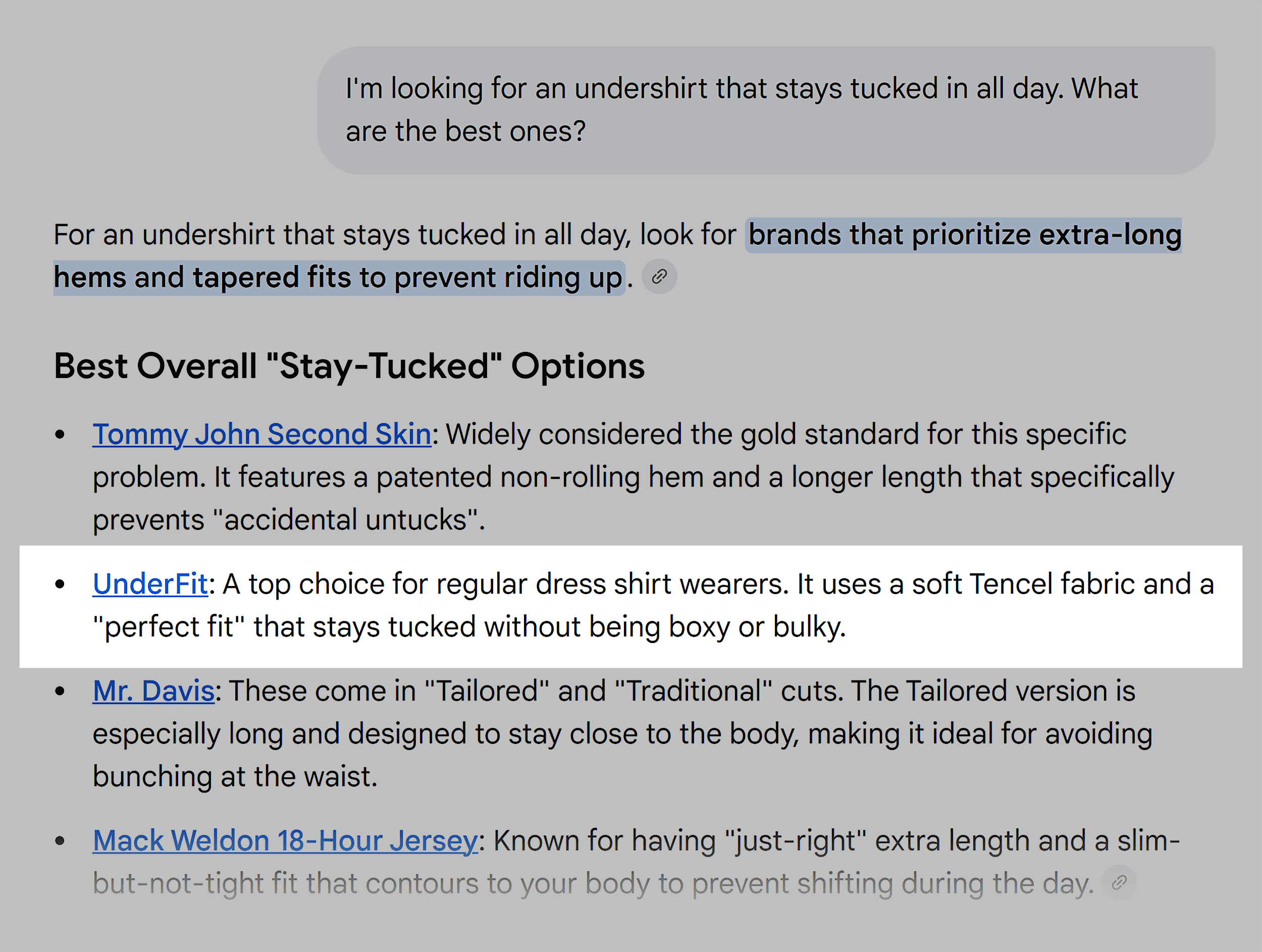
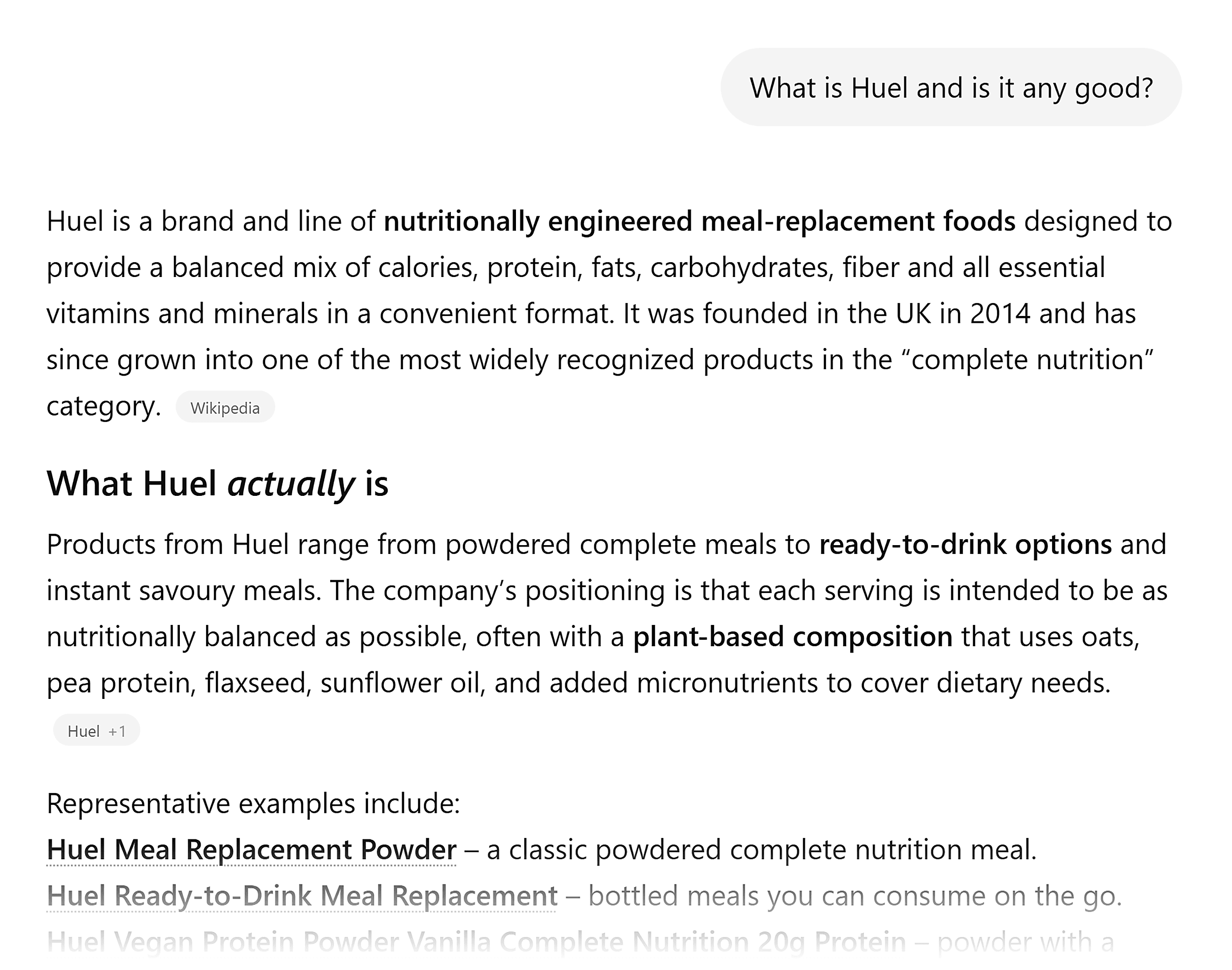
Consistency in messaging reinforces brand categorization within both human memory and algorithmic training data. For example, direct-to-consumer enterprises that successfully emphasize a specific product benefit—such as wrinkle-resistant fabrics or reliable delivery timelines—across multiple independent review sites and social platforms frequently appear as top recommendations in AI-driven search results. Brand custodians must audit their digital presence by querying popular AI tools directly to evaluate their current algorithmic narrative. Identifying gaps or inaccuracies in how artificial intelligence perceives a company allows marketing teams to proactively address weaknesses through targeted content creation and public relations initiatives.
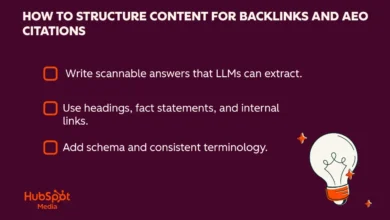
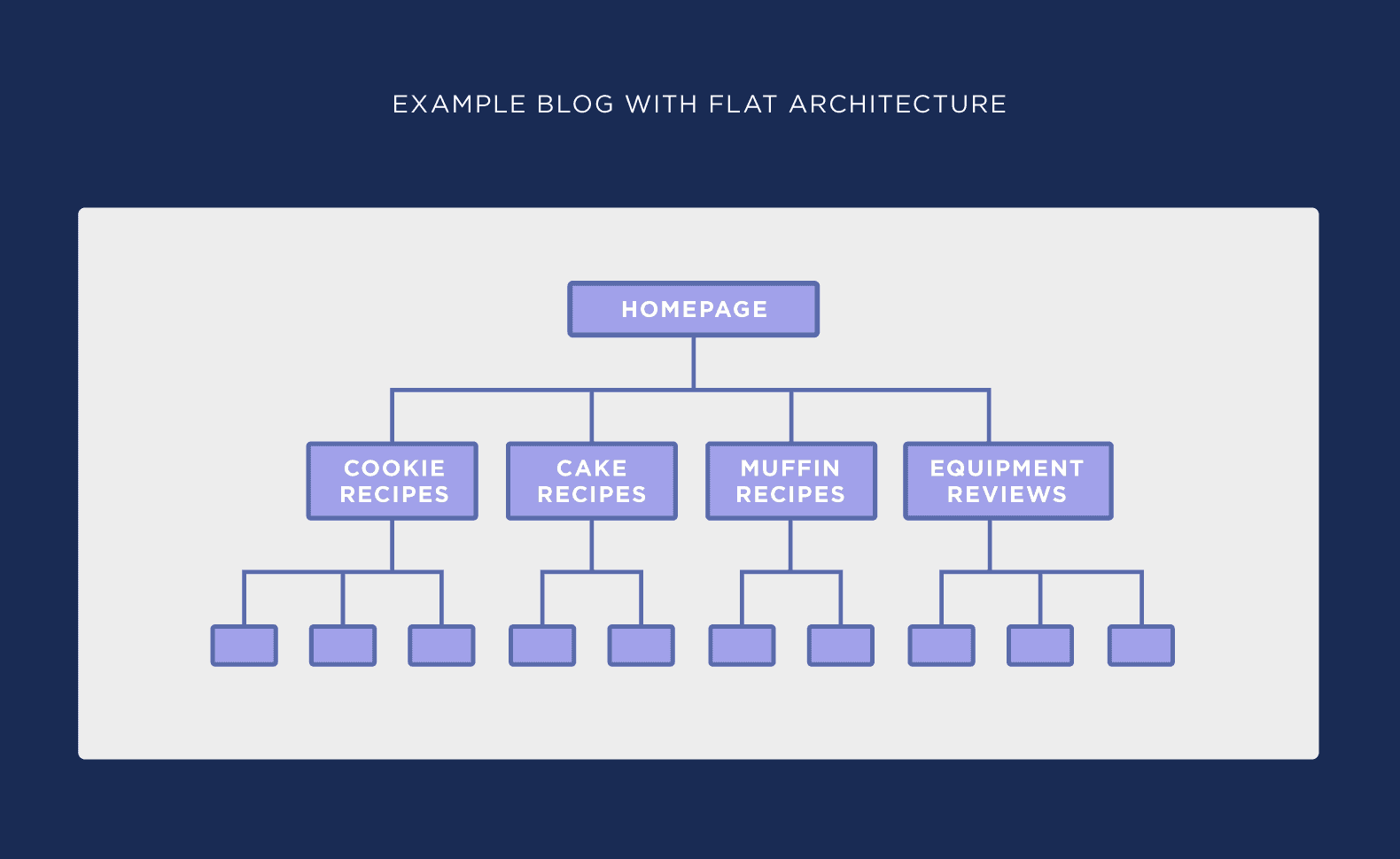
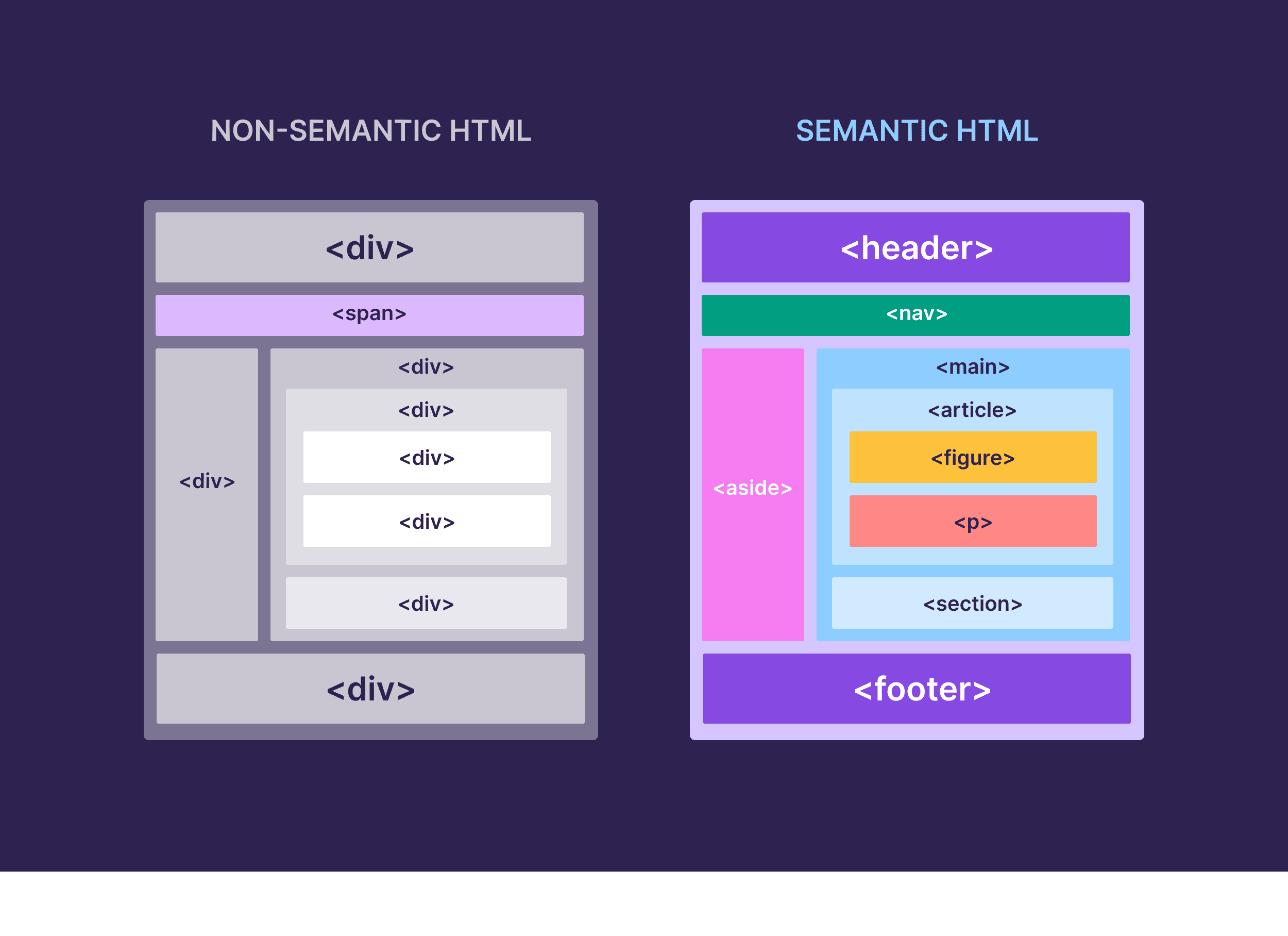
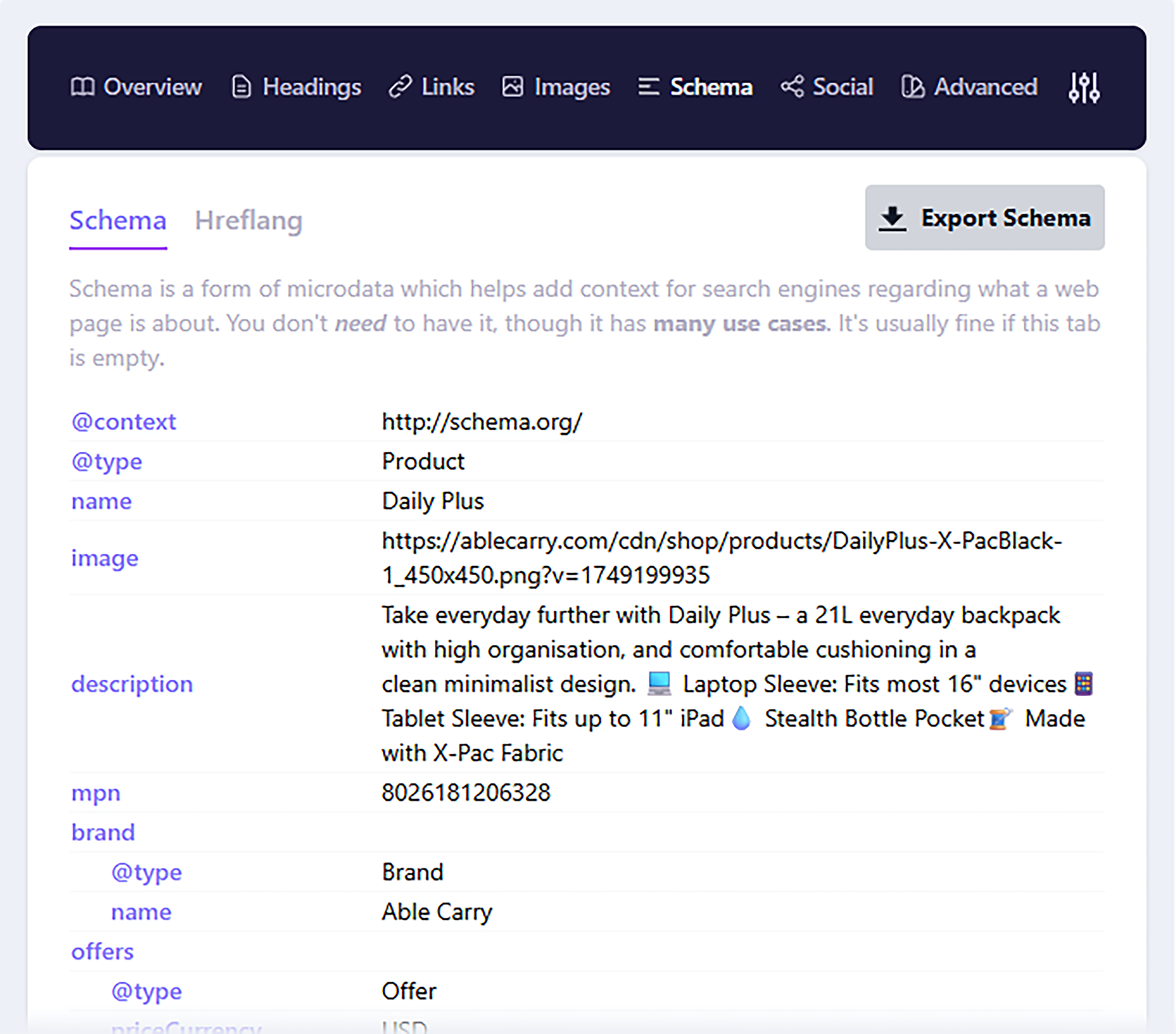
In parallel with external reputation management, website architecture must be optimized to accommodate both human readers and machine parsers. Modern technical SEO standards mandate clean, semantic HTML structures, logical heading hierarchies, and robust structured data markup. These elements enable search engines and AI web crawlers to accurately interpret the core subject matter of each page, facilitating better indexing and higher visibility in zero-click search environments and personalized content feeds.
Leveraging Visual Media and Trust Signals
As text-based content is increasingly commoditized by generative technologies, visual and human-centric media have emerged as critical drivers of consumer trust. Video marketing, in particular, bridges the gap between anonymity and familiarity. Long-form video content—such as detailed product evaluations, educational webinars, and tutorial series hosted on platforms like YouTube—allows prospective buyers to thoroughly evaluate a brand’s expertise before engaging with sales representatives.
Furthermore, short-form video formats across platforms like TikTok, Instagram Reels, and YouTube Shorts provide continuous touchpoints that reinforce brand familiarity through repetition. By addressing genuine customer questions, resolving common operational objections, and showcasing the human faces behind corporate leadership, brands can significantly reduce perceived risk for prospective buyers. Industry analyses indicate that traffic originating from video platforms often converts at a higher rate because visitors arrive at the target website with an established baseline of trust and contextual understanding.

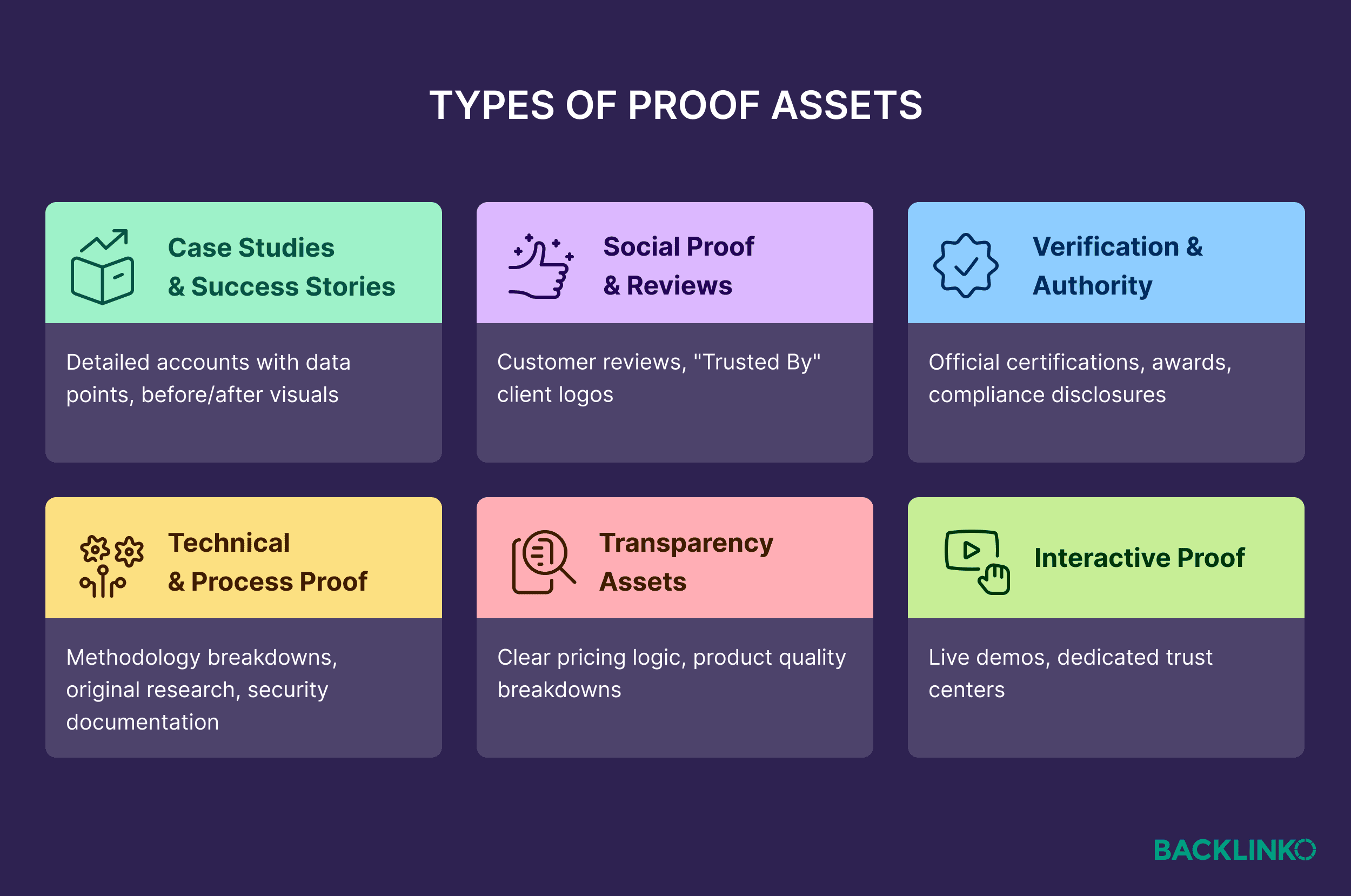
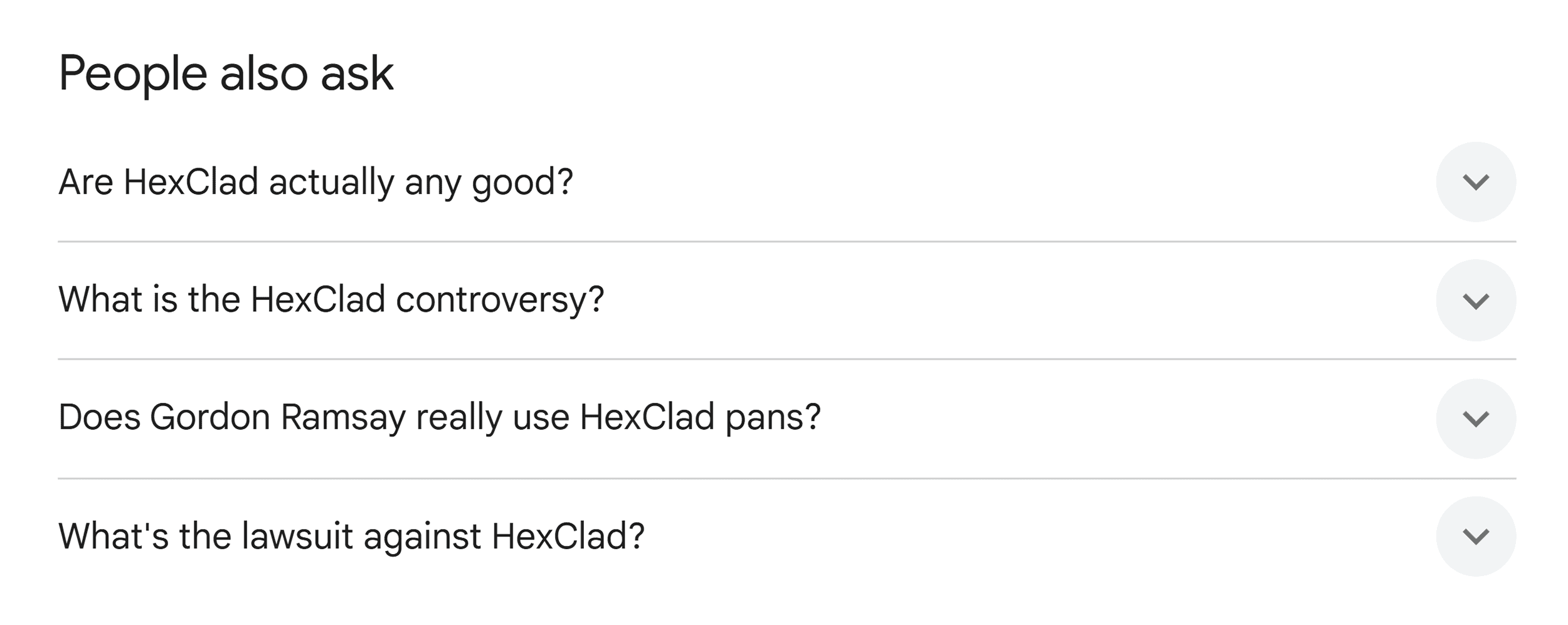
Credibility is further reinforced through the strategic publishing of verifiable proof assets. Depending on the industry, these assets may include empirical case studies, security compliance documentation, third-party audit reports, or transparent return policies. Aligning these proof assets with the recurring questions found in search engine "People Also Asked" queries and keyword research tools ensures that the most critical hesitations of skeptical buyers are addressed proactively.
Navigating Zero-Click Discovery and Algorithmic Feeds
The proliferation of zero-click searches—where users obtain direct answers via search engine result pages or AI summaries without visiting a source website—places unprecedented pressure on conversion rate optimization (CRO). Because the traffic that does reach a corporate website is typically pre-educated and further along the buyer’s journey, landing pages must be rigorously audited to eliminate friction and anxiety. Slow page load speeds, confusing navigation, and obscured pricing structures create unnecessary friction, while a lack of prominent security badges or clear customer testimonials introduces conversion-killing anxiety.
Simultaneously, capturing traffic from algorithmic discovery channels like Google Discover requires a distinct editorial approach. Unlike traditional intent-driven search queries, recommendation feeds curate content based on user browsing histories and emerging trends. To capture visibility in these feeds, organizations must develop timely, angle-driven content backed by compelling headlines that convey clear stakes or industry developments. High-resolution featured images and optimized mobile layouts are essential prerequisites for holding user attention in fast-moving, mobile-first feed environments.
To maximize the return on content investments, high-performing ideas should be systematically repurposed across multiple channels. Rather than generating high volumes of disconnected material, successful marketing strategies begin with a proven concept—validated through social engagement or search analytics—and expand it across long-form articles, newsletters, video scripts, and social carousels. Leveraging advanced AI assistants can accelerate this workflow, enabling teams to reformat core insights for diverse platforms while maintaining a consistent brand voice.
Ultimately, modern website marketing requires a holistic strategy that extends far beyond the boundaries of a single domain. By integrating AI-friendly technical structures, human-led thought leadership, active community engagement, and rigorous conversion rate optimization, organizations can establish a resilient digital presence capable of navigating the complexities of contemporary online discovery.