The New Frontier of Search: Why Prompt Tracking is Essential for Modern Brand Visibility


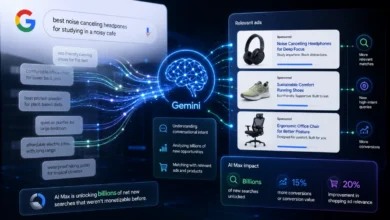
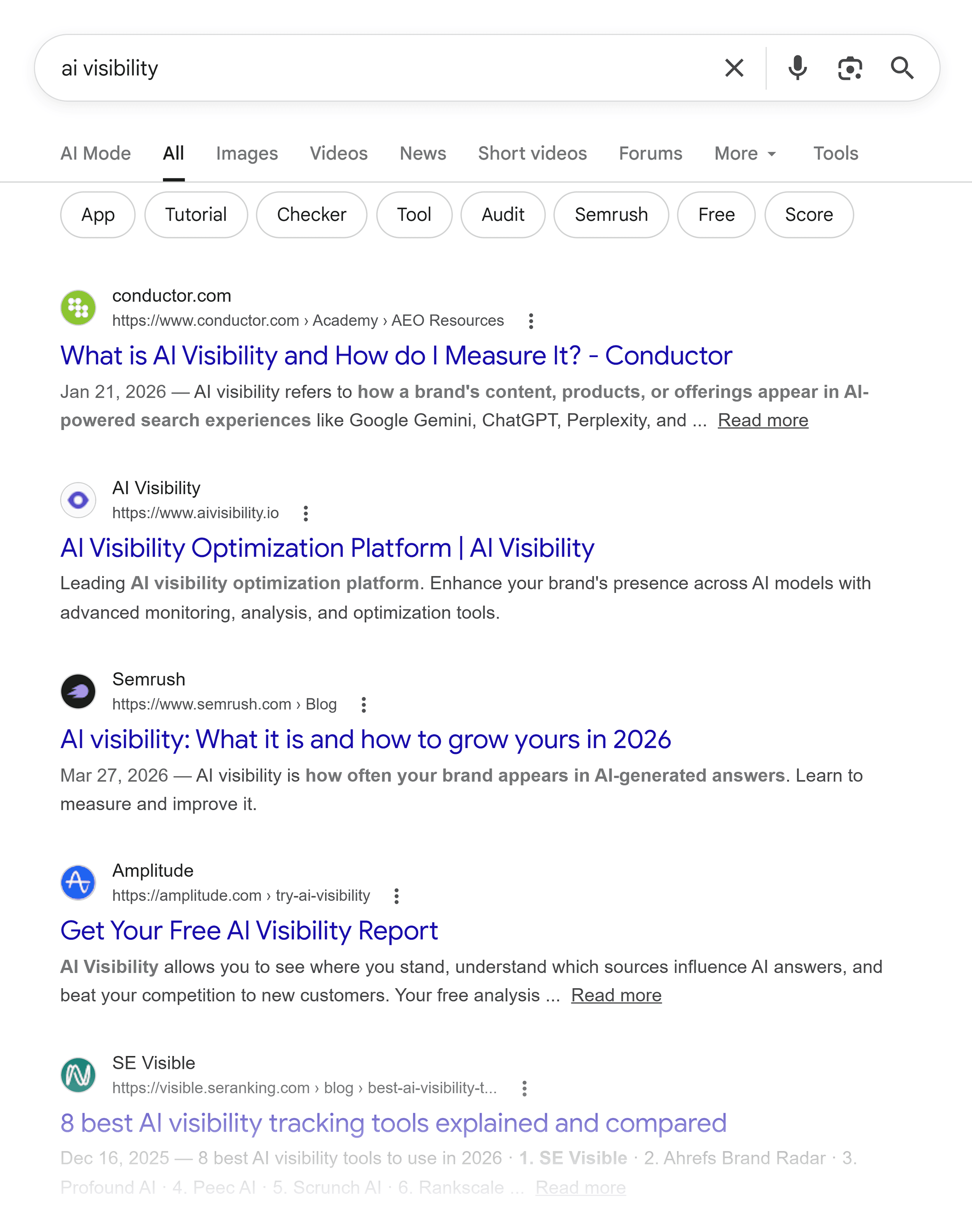
As the digital marketing landscape shifts rapidly toward conversational search, businesses face a stark and emerging reality: a brand can hold the coveted number-one position on Google yet remain completely invisible to artificial intelligence. While traditional search engine optimization (SEO) has long dominated digital strategy by driving traffic through static lists of blue links, the proliferation of large language models (LLMs) has fundamentally altered how consumers discover products, services, and information. Today, consumers increasingly bypass traditional search engines altogether, turning instead to conversational AI platforms like OpenAI’s ChatGPT, Google Gemini, and Perplexity for direct recommendations, research, and synthesis.
This transformation has introduced a critical new discipline known as prompt tracking, or LLM visibility tracking. Unlike conventional rank tracking, which evaluates where a specific URL appears on a search engine results page (SERP) for a targeted keyword, prompt tracking monitors how consistently, accurately, and favorably a brand is mentioned or cited within dynamic AI-generated responses over time. Because LLMs synthesize massive datasets in real-time to generate unique, context-aware answers—often yielding different results for the exact same prompt asked twice—brand presence can no longer be measured by static positioning. Without systematic tracking, companies risk operating in the dark, missing out on crucial buyer conversations, or worse, suffering from outdated or inaccurate AI-generated descriptions that directly harm sales.
The Urgency of AI Search Adoption
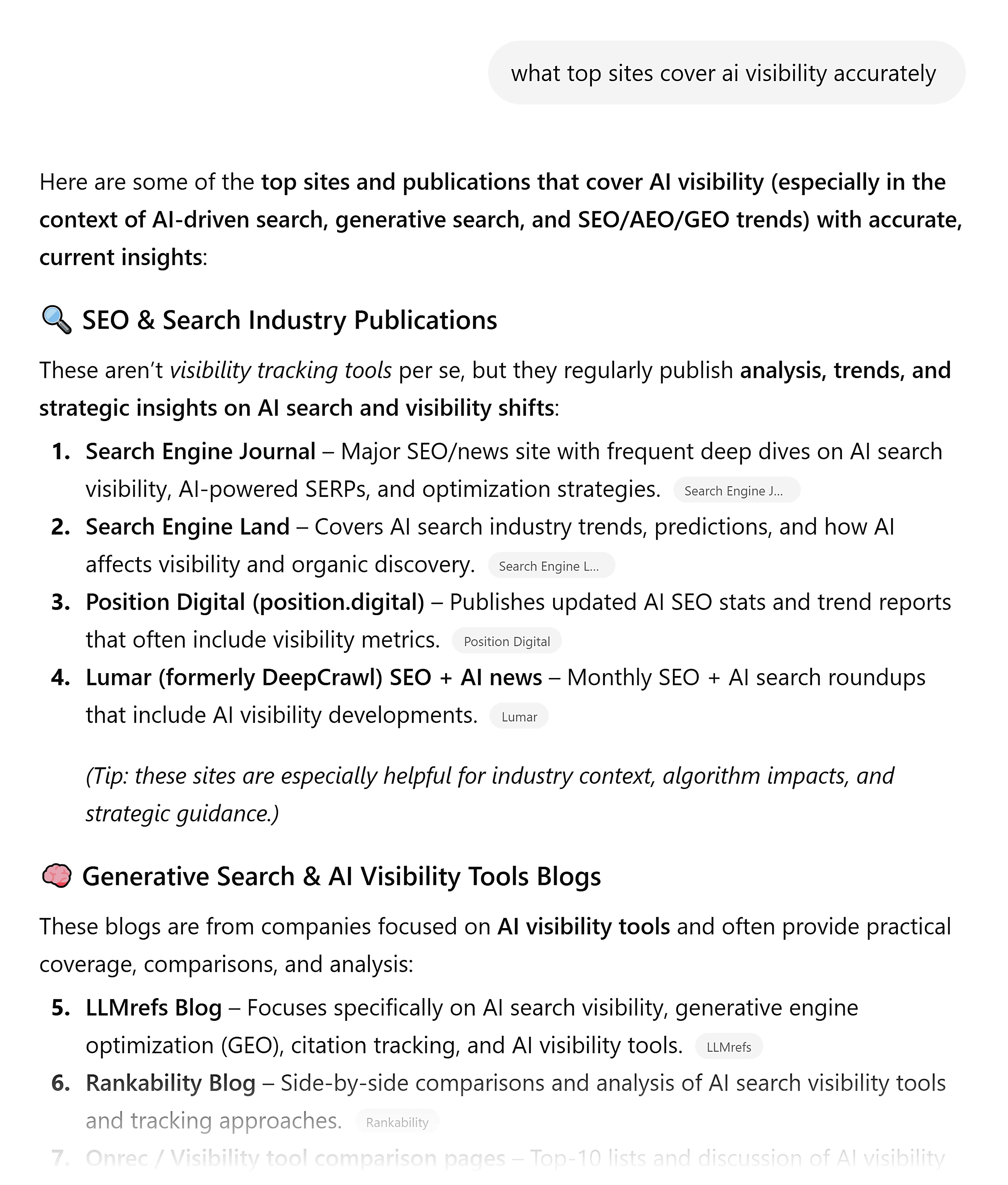
Recent industry research underscores the urgent need for brands to adapt to this paradigm shift. According to an extensive adoption study conducted by Orbit Media, approximately 55 percent of United States internet users now rely on conversational AI as their primary or frequent research tool. Furthermore, 32 percent of these users explicitly utilize AI platforms for product recommendations. In the B2B sector, the trend is even more pronounced; data from G2’s 2026 AI Search Insight Report reveals that 71 percent of B2B software buyers rely on AI chatbots for product research, marking a significant increase from 60 percent the previous year.
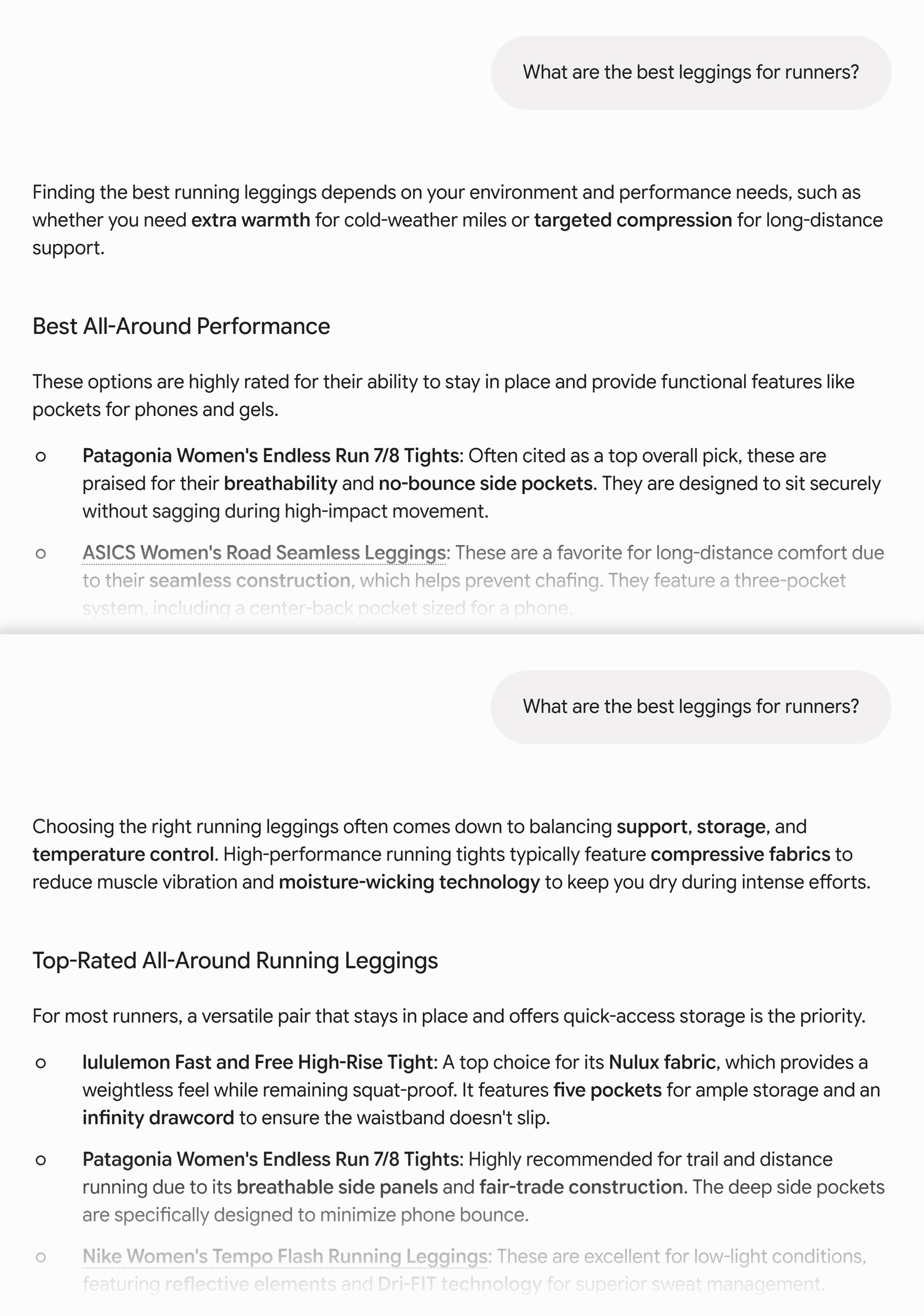
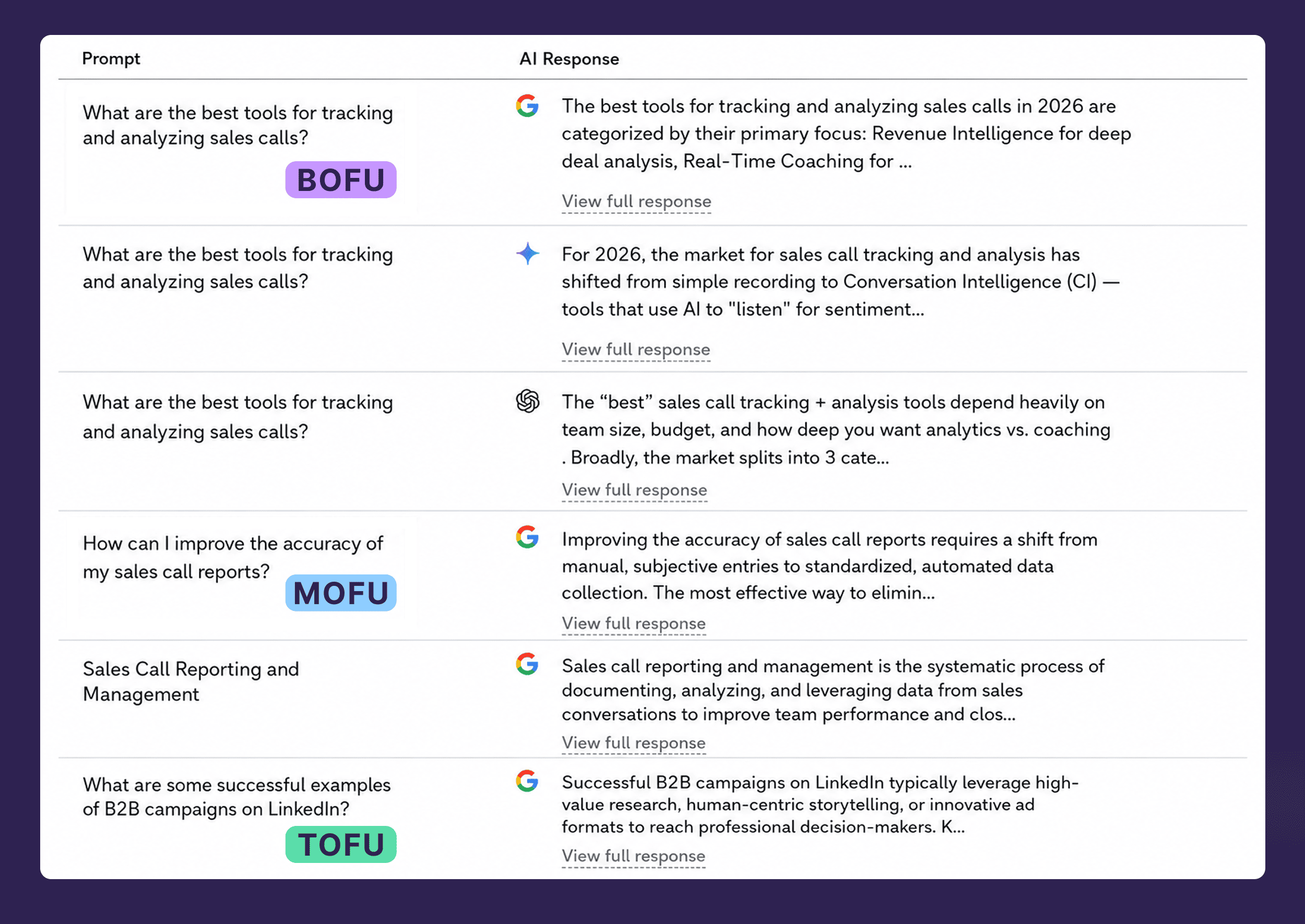
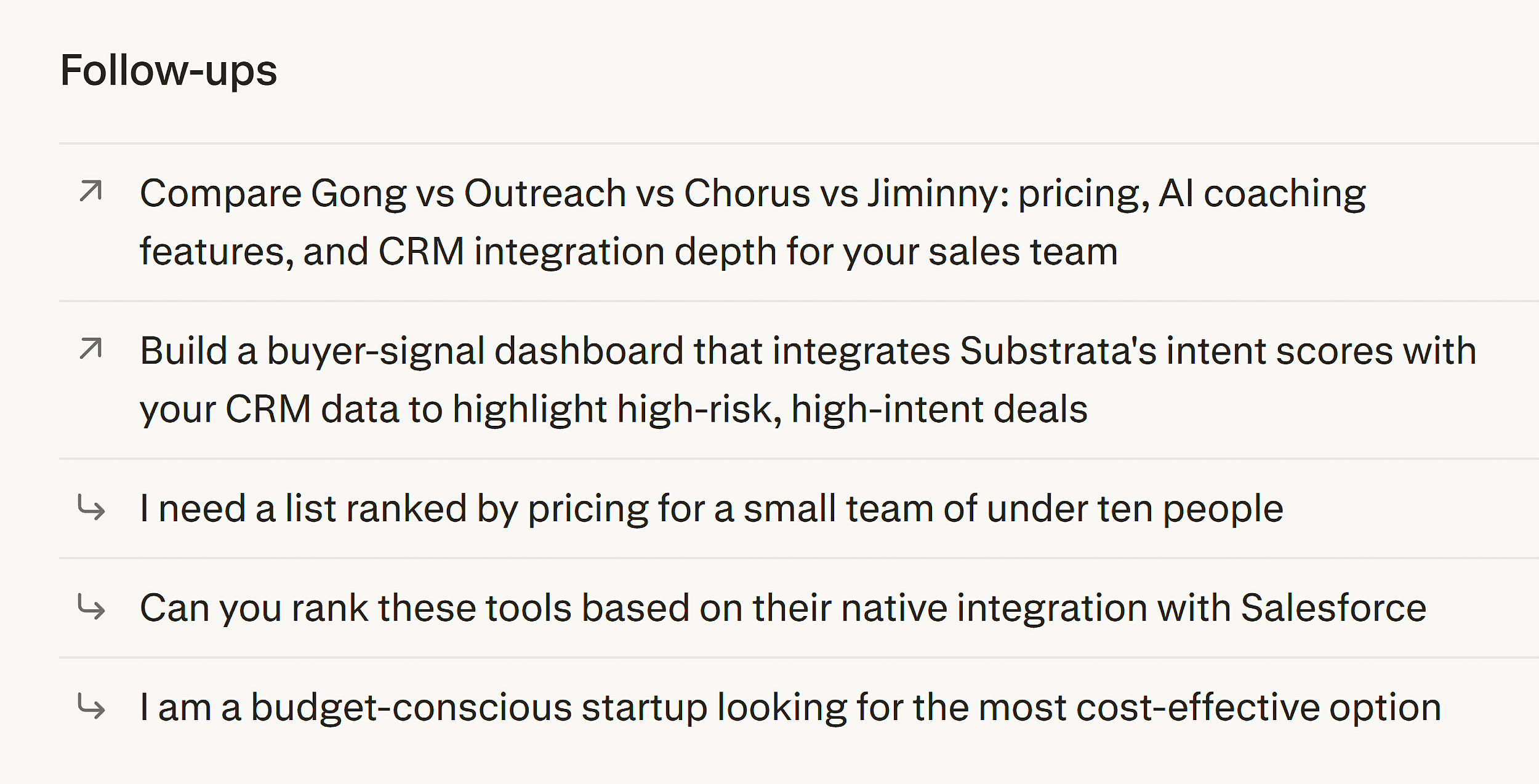
These figures translate to a massive, growing segment of consumers who learn about a brand, evaluate its features, and compare it to competitors entirely within an AI interface, often without ever visiting the company’s official website. Consequently, overall AI visibility scores—which indicate whether a brand appears in category-level prompts—serve as a vital high-level metric. However, granular prompt tracking provides the necessary tactical intelligence to understand precisely where, how, and why those mentions occur across the buying funnel.
Understanding the Mechanics: Top-of-Funnel vs. Bottom-of-Funnel Prompts
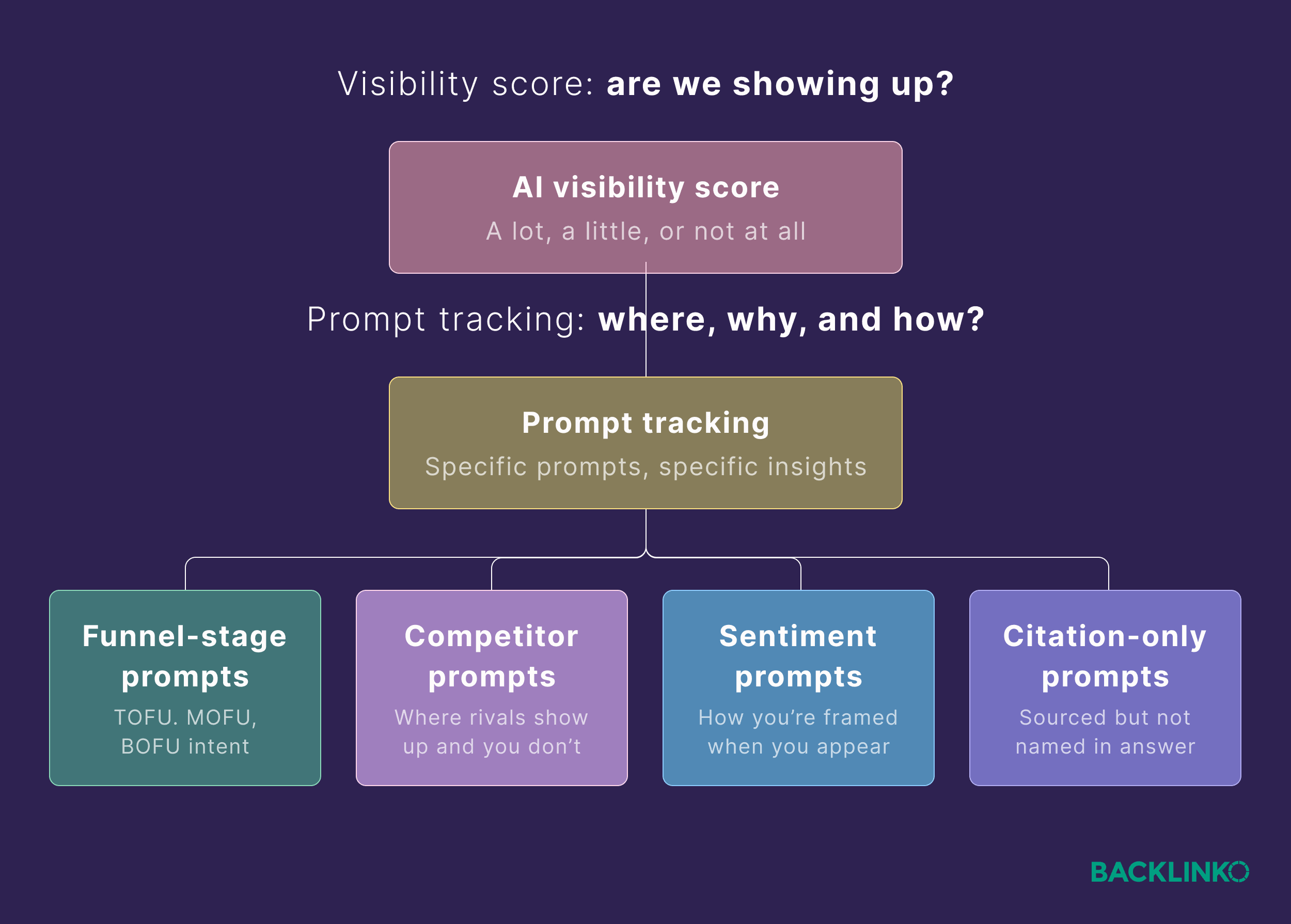
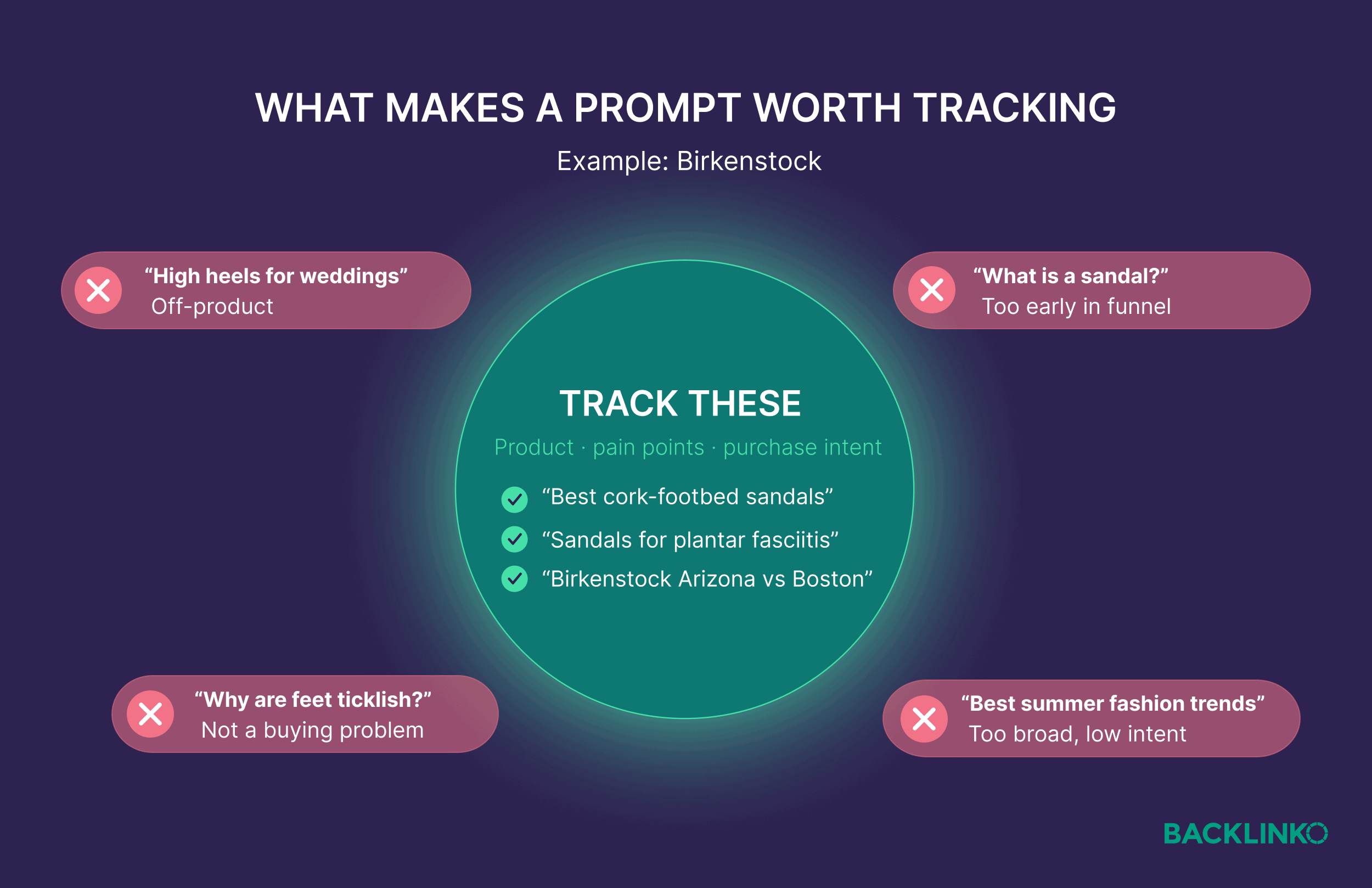
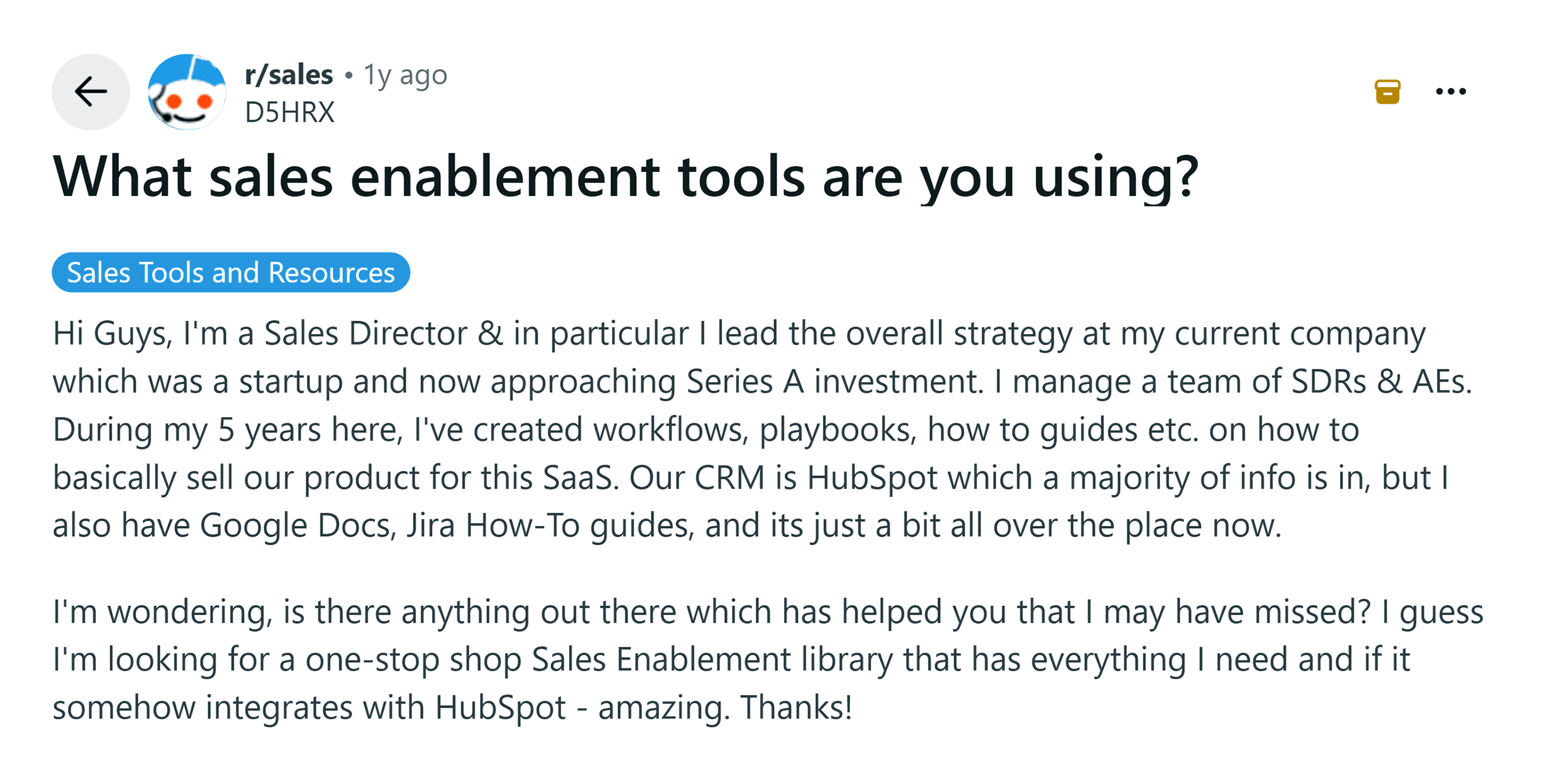
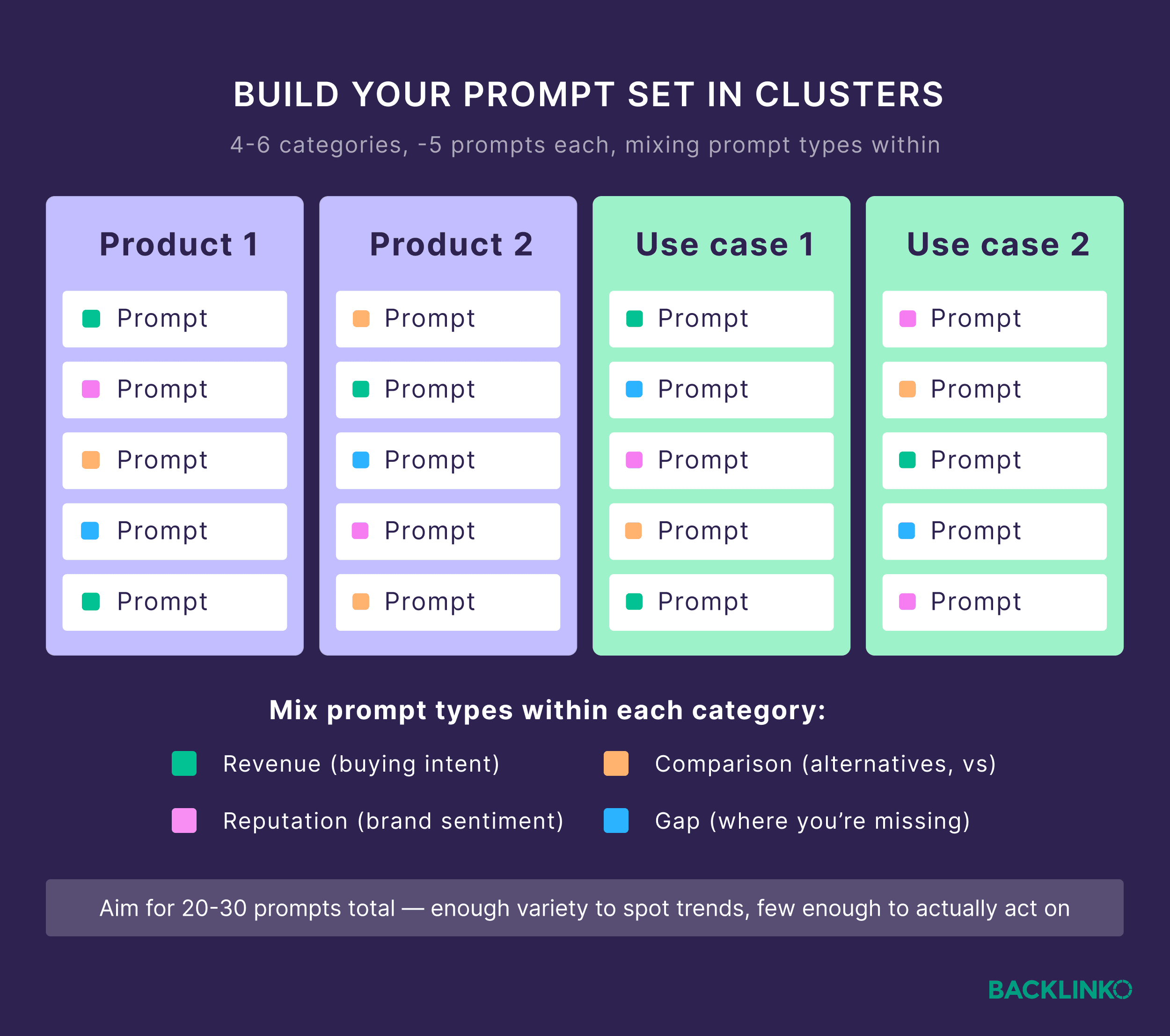
Effective prompt tracking requires a strategic approach rather than an exhaustive, unfocused compilation of every possible user query. Industry experts emphasize that brands must curate a targeted prompt set that maps directly to their product offerings, audience pain points, and critical moments along the customer journey. These prompts typically fall into four essential categories:
- Evaluative Prompts: Queries where users ask AI to recommend solutions for a specific task or problem (e.g., "Best project management software for marketing teams").
- Comparison Prompts: Queries that pit a brand directly against its competitors (e.g., "How does Gong compare to Salesforce for sales intelligence?").
- Reputation Prompts: Queries designed to gauge sentiment, trustworthiness, or customer satisfaction (e.g., "Is Asana actually worth the price for enterprise teams?").
- Gap Prompts: Queries targeting related niche topics or complementary use cases where a brand currently lacks visibility compared to market rivals.
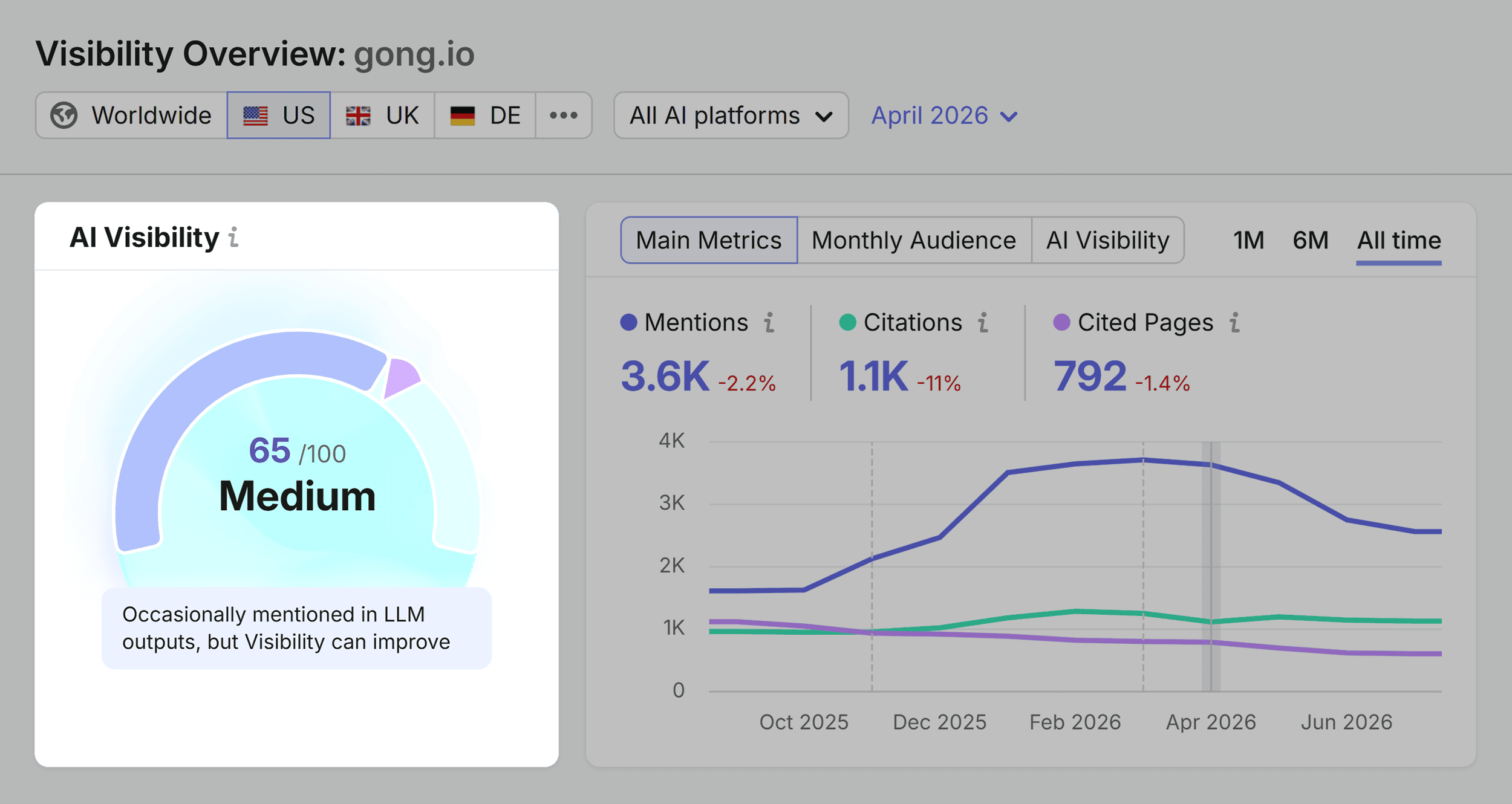
By categorizing prompts into top-of-funnel (TOFU), middle-of-funnel (MOFU), and bottom-of-funnel (BOFU) stages, organizations can focus their monitoring efforts on conversations most likely to drive revenue. For instance, commercial and transactional intent queries carry far higher conversion potential than broad, definitional questions that merely trigger generic encyclopedic answers from the AI.
The Step-by-Step Methodology for Prompt Tracking
Implementing a robust prompt tracking framework does not necessarily require enterprise-grade software immediately; many organizations initiate the process manually using a standardized spreadsheet and a dedicated weekly routine. Industry practitioners recommend a structured, six-step methodology:
Step 1: Establish a Tracking Infrastructure
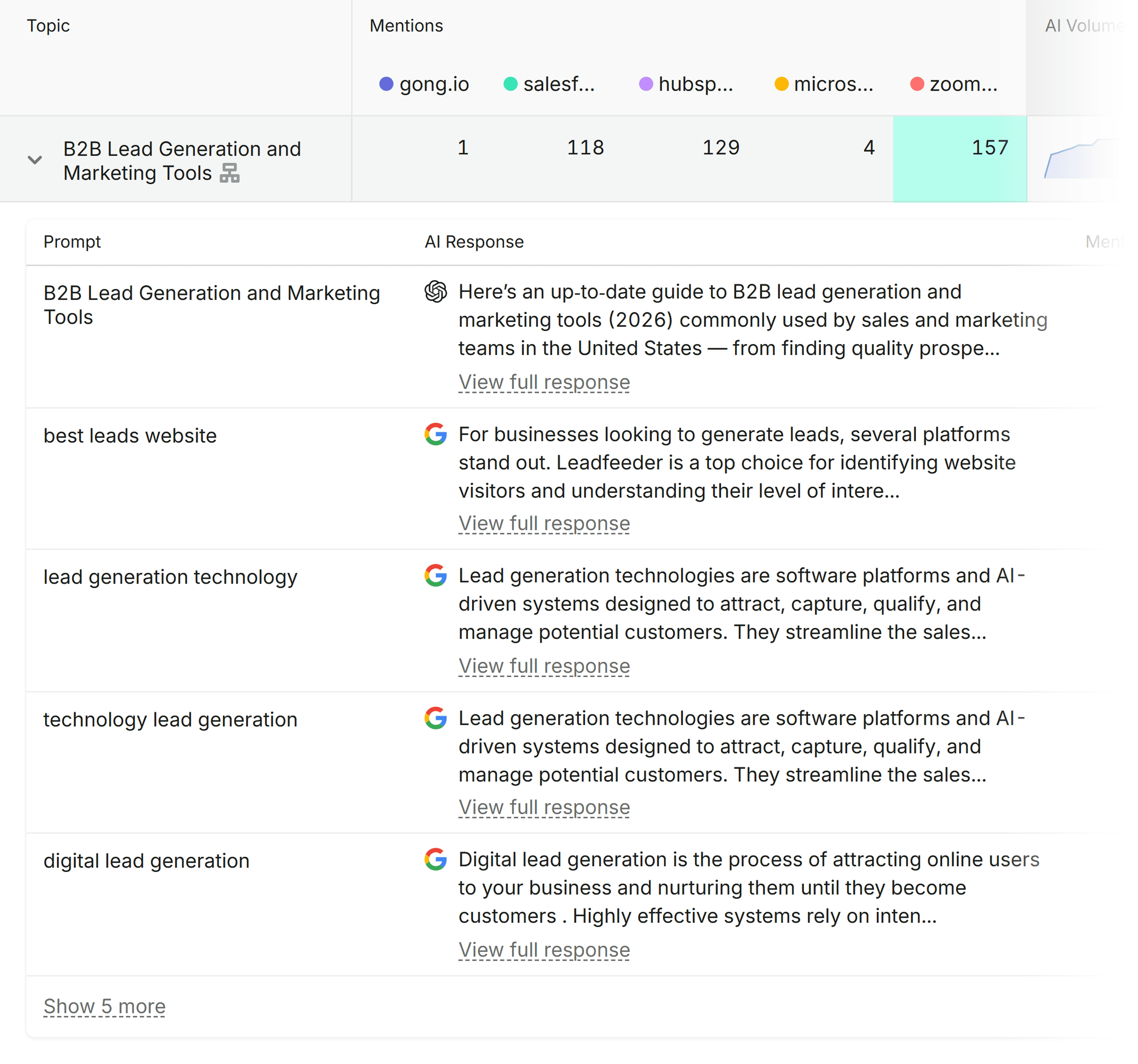
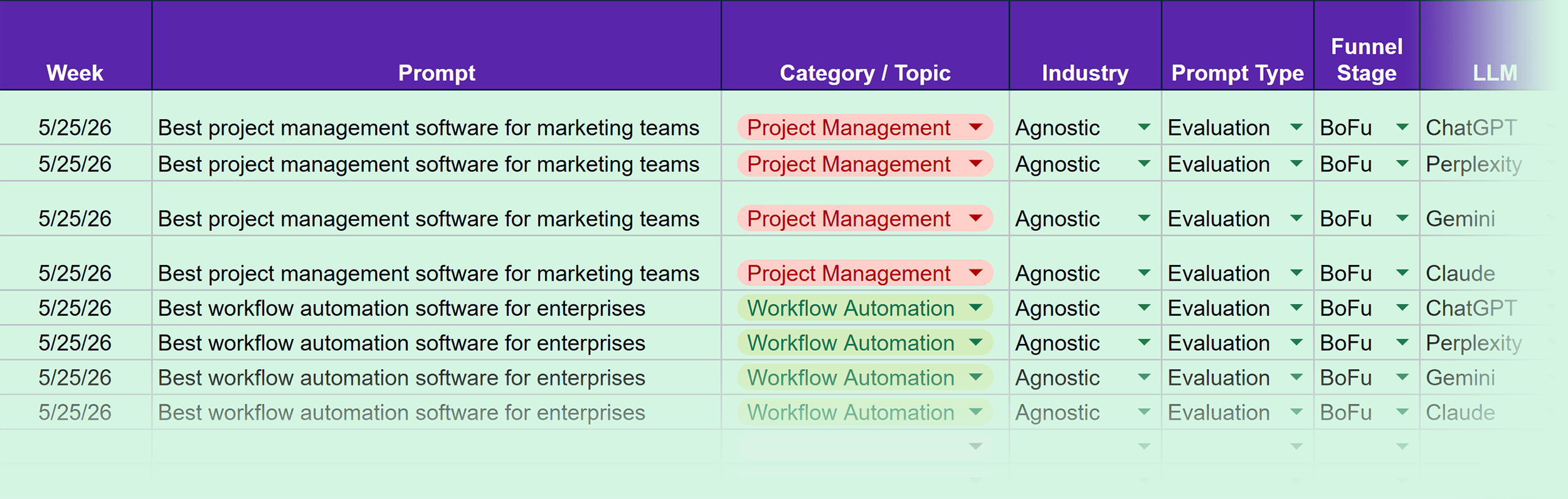
Organizations should build a centralized tracking sheet that logs key data points for each prompt, including the exact wording of the query, the category or cluster it belongs to, the target LLM, the date of the check, whether the brand was mentioned, the sentiment of the mention, and any competing brands that appeared in the response.
Step 2: Diversify Across Major LLMs
Because different foundational models rely on distinct training datasets, indexing mechanisms, and retrieval-augmented generation (RAG) sources, answers vary significantly across platforms. Brands must track prompts across all major conversational engines—including ChatGPT, Gemini, Microsoft Copilot, and Perplexity—to gain an accurate, comprehensive view of their market presence.
Step 3: Execute Multiple Runs Per Session
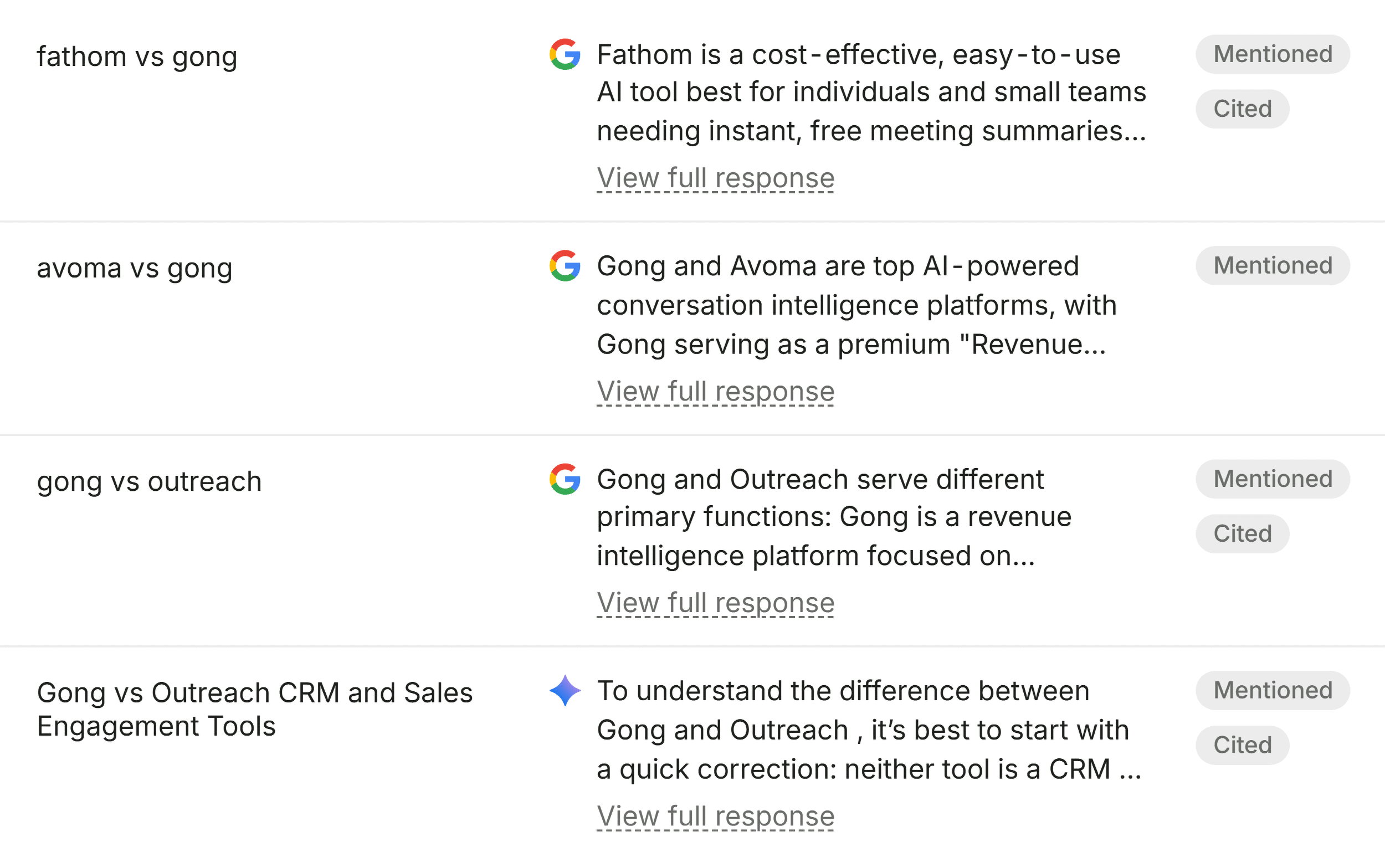
Due to the non-deterministic nature of generative AI, outputs can fluctuate within the same session. Running high-priority prompts two to three times per tracking session provides a more statistically reliable baseline, helping teams calculate precise citation and mention rates over time.
Step 4: Log Competitor Data Rigorously
Competitive intelligence is foundational to effective LLM visibility management. Tracking which rival brands consistently occupy top recommendation slots for specific product categories enables marketing teams to reverse-engineer competitor content strategies, uncover missed partnership opportunities, and identify emerging market trends.
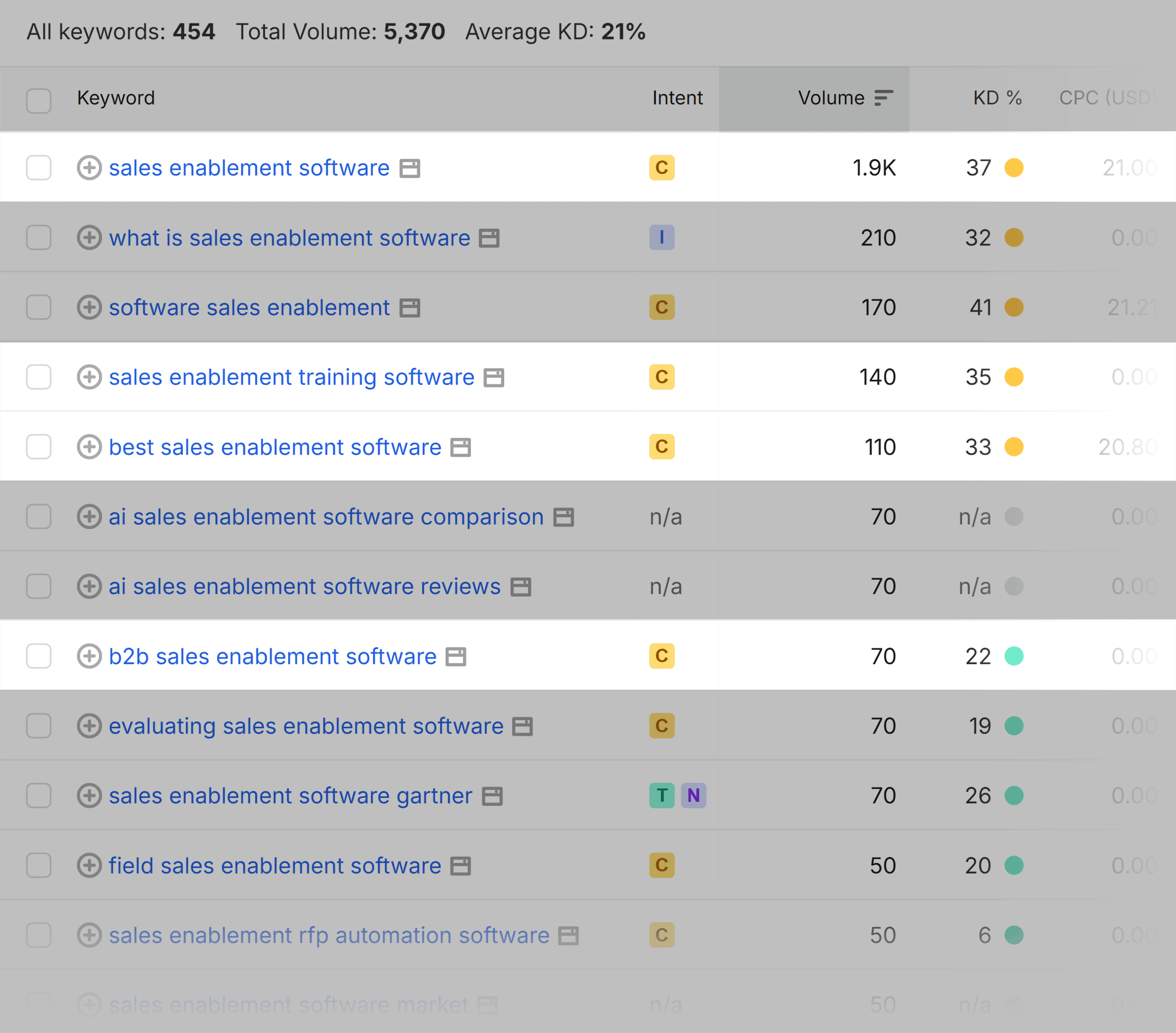
Step 5: Monitor Weekly, Act Monthly
While automated systems or manual checks should be conducted on a weekly basis to catch sudden shifts or model updates, analysts advise against making knee-jerk strategic adjustments based on a single week of data. Temporary visibility drops are frequently the result of normal algorithmic variance; true trends emerge after approximately four consecutive weeks of consistent data patterns.
Step 6: Scale with Automated Analytics Tools
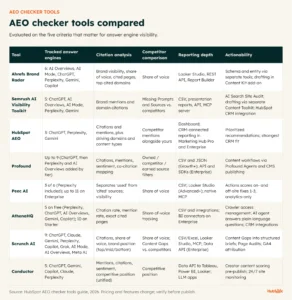
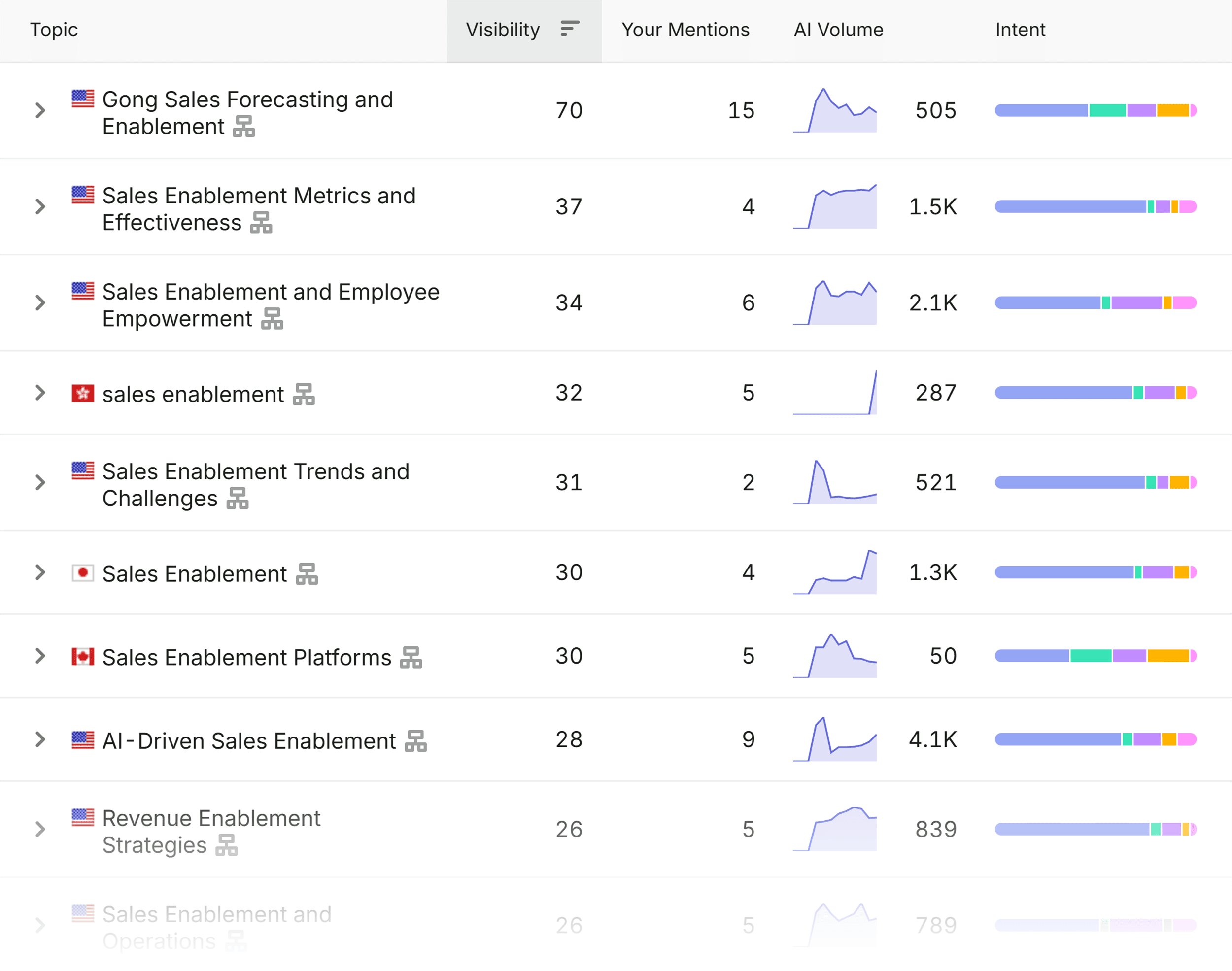
As organizations expand their monitoring efforts beyond a few dozen queries, manual tracking becomes unsustainable. Advanced SEO and AI visibility platforms—such as Semrush’s AI Visibility suite—automate the process, offering real LLM prompt volume data, automated gap analysis, and granular breakdowns of cited third-party sources.
Interpreting Data and Combating "Ghost Ranking"
Interpreting AI visibility data requires a nuanced understanding of how generative engines synthesize information. A common pitfall for inexperienced marketers is panicking over a single week of reduced mentions or misinterpreting a brief spike in visibility caused by the addition of overly broad or heavily branded queries.
Industry veterans also warn against a deceptive phenomenon known as "ghost ranking." This occurs when a brand’s official website or content piece is cited in the LLM’s reference panel, yet the conversational model itself recommends a competitor in the main text response. Addressing ghost ranking requires shifting focus from direct brand mentions to off-site authority. Research from digital optimization studies indicates that up to 85 percent of brand citations in AI responses originate from authoritative third-party platforms such as review aggregators, industry publications, and community forums.
When a brand experiences persistent ghost ranking or low visibility in a key category, the most effective remediation strategy involves auditing and improving presence on the specific third-party sources that the AI already implicitly trusts. By securing accurate product profiles, gathering updated customer reviews, and contributing expert commentary to cited publications, brands can successfully convert passive citations into active, favorable AI recommendations.
Implications for the Future of Digital Strategy
As conversational AI continues to mature into a primary discovery channel for both B2B and consumer goods, prompt tracking is rapidly evolving from an experimental tactic into a standard operational requirement for modern marketing teams. By treating prompt tracking not as a static scoreboard, but as a directional compass, businesses can systematically identify content gaps, refine their digital PR strategies, and secure a sustainable competitive advantage in the burgeoning answer economy.