In the contemporary digital ecosystem, having a technically optimized website, pristine user experience, and exceptional content is no longer sufficient to guarantee visibility. Modern search engines like Google and conversational artificial intelligence platforms such as ChatGPT do not evaluate a domain in isolation. Instead, these algorithms perform expansive cross-referencing across the open web to understand a brand’s actual footprint, assessing what third-party authorities, industry experts, and peer communities say about a company before deciding whether to rank or recommend it.
Every instance in which a credible publication, specialized podcast, or vibrant online community references a business builds critical digital equity. This paradigm shift has fundamentally altered how digital marketers, public relations professionals, and enterprise leaders approach visibility. The modern visibility framework requires a deliberate strategy focused on earning organic and high-value brand mentions that satisfy both traditional crawler-based search engines and advanced large language models (LLMs).

Defining Brand Mentions in the Digital Age
A brand mention encompasses any third-party reference to a company, product, executive, or service across the digital landscape. These references can manifest across diverse mediums, including editorial journalism, community discussion threads, video descriptions, podcast transcripts, and social media platforms. Fundamentally, brand mentions are categorized into two primary classifications: linked mentions and unlinked mentions.
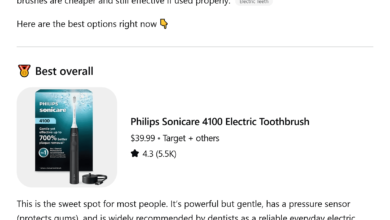
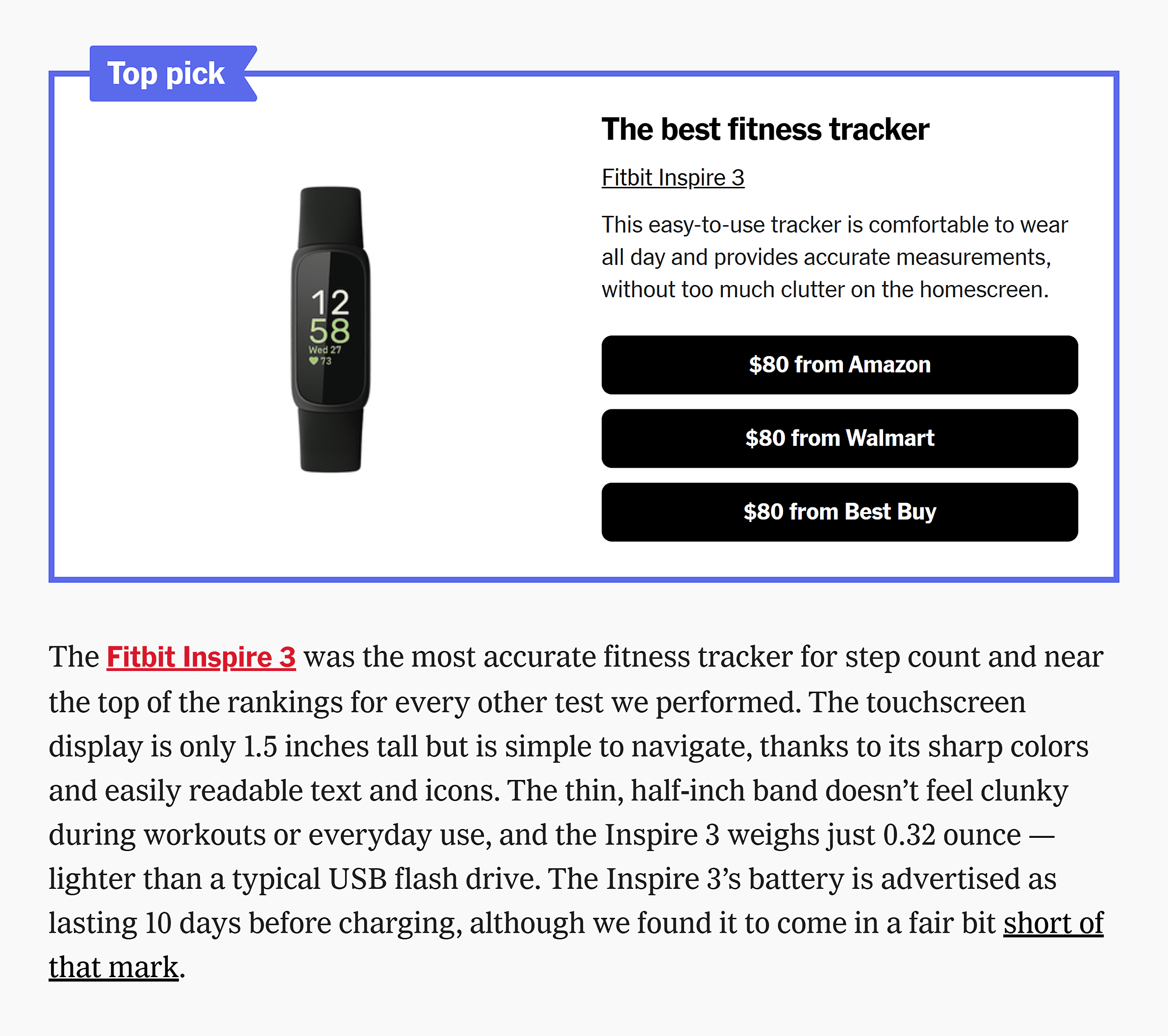
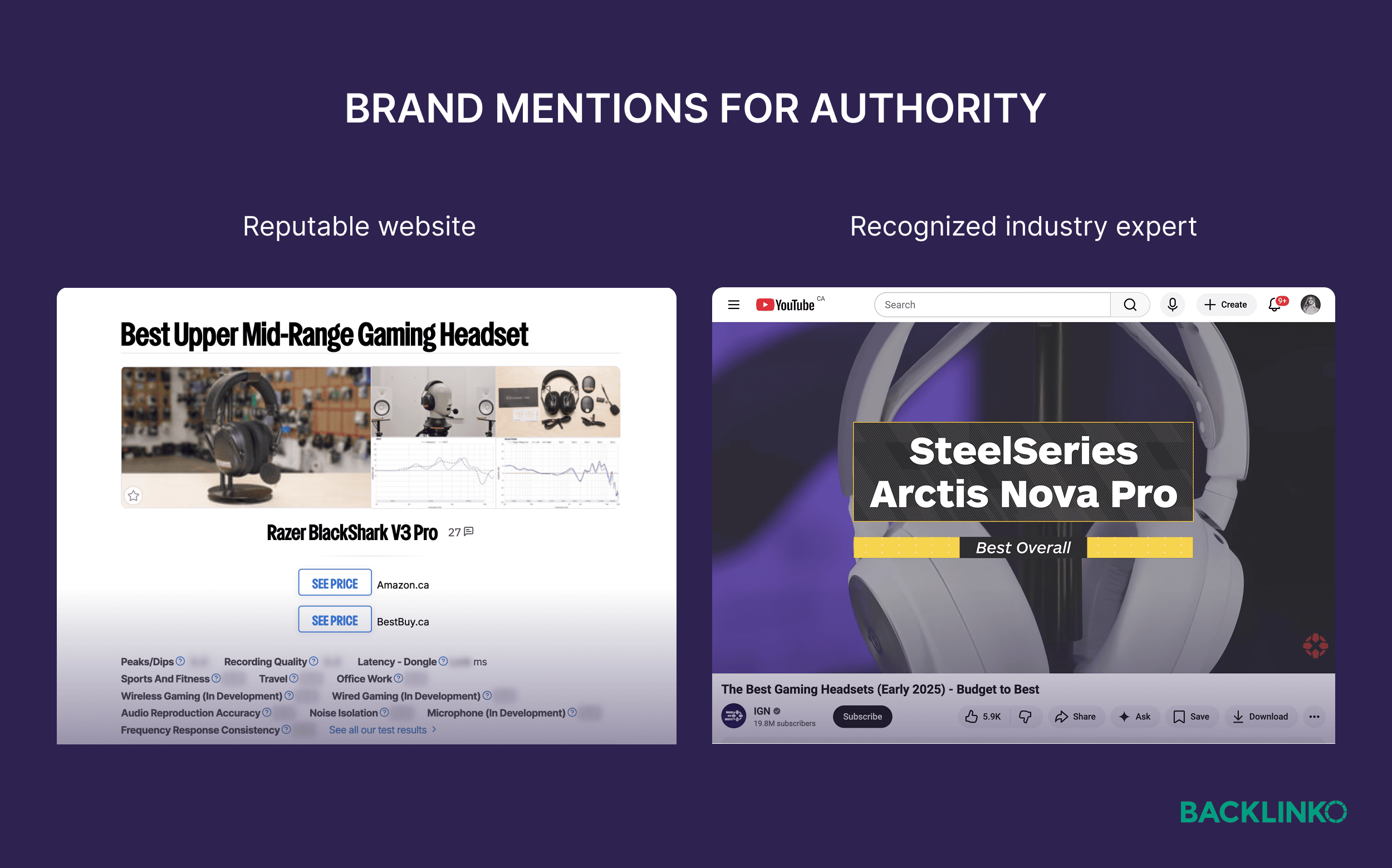
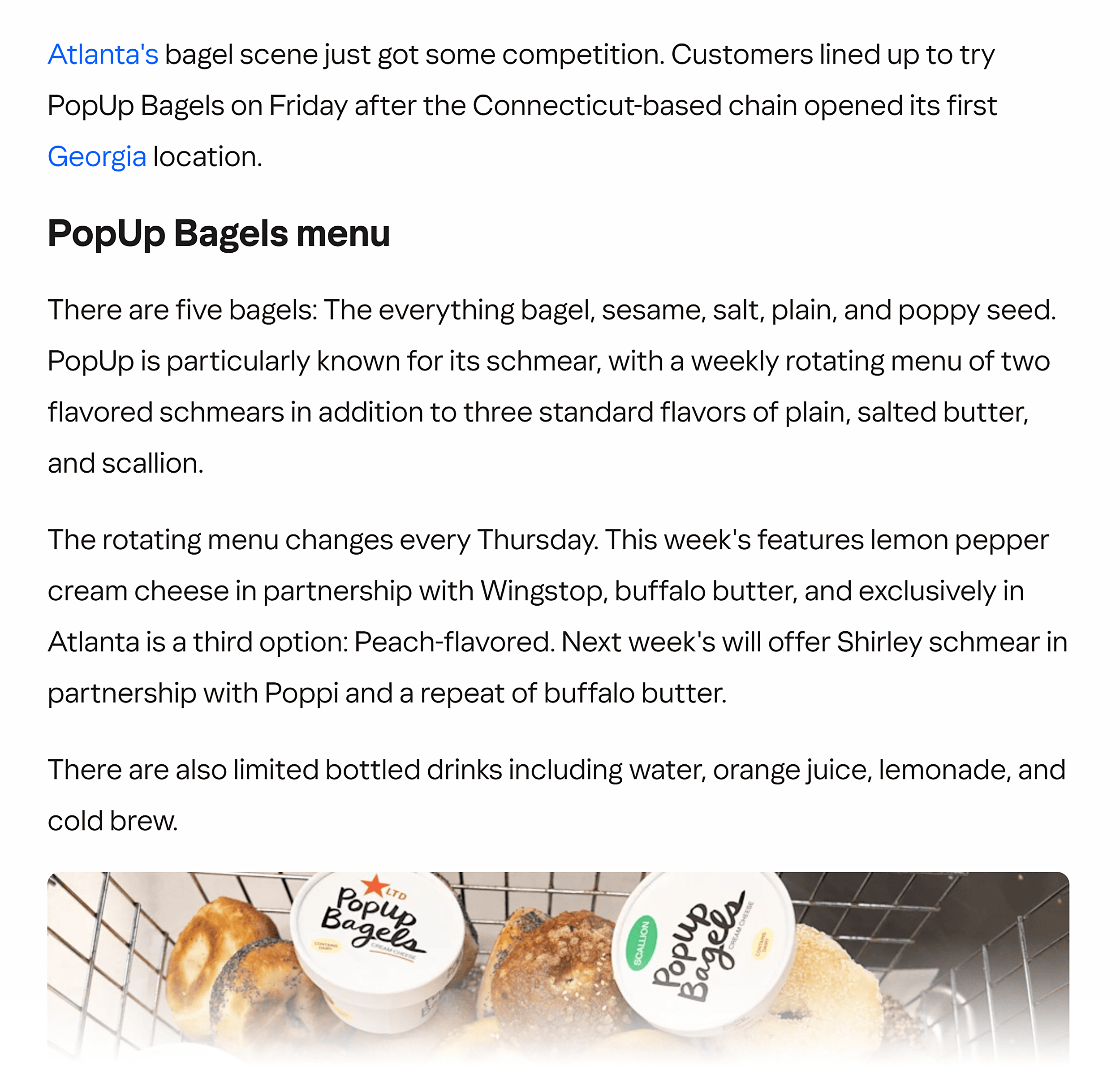
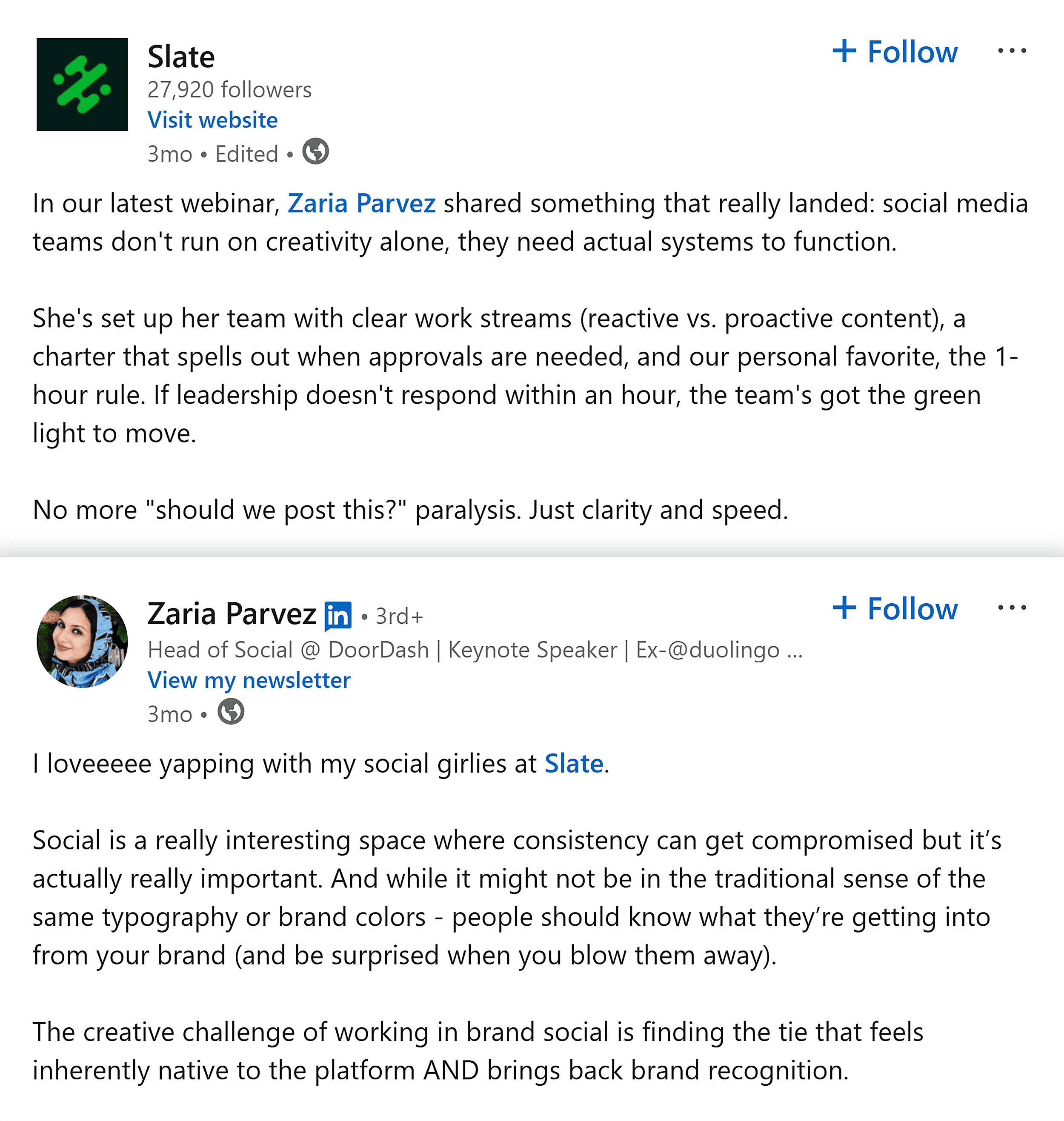
Linked mentions incorporate a direct, clickable hyperlink routing users to the brand’s designated web property alongside the brand nomenclature. For instance, major consumer reports and product review roundups frequently mention hardware manufacturers while hyperlinking directly to specific product checkout pages. Conversely, unlinked mentions reference the brand identity explicitly without providing a direct HTML hyperlink—a common occurrence within organic community discussions on platforms like Reddit or specialized forums.
While linked mentions provide the dual benefit of passing algorithmic authority and driving direct referral traffic, unlinked mentions are increasingly vital. For advanced search engine crawlers and LLM training architectures, unlinked mentions establish essential contextual framework regarding consumer sentiment, brand association, and industry positioning without requiring direct navigational traffic. Both formats serve indispensable roles in a comprehensive digital strategy.

The Divergence Between Web Mentions and LLM References
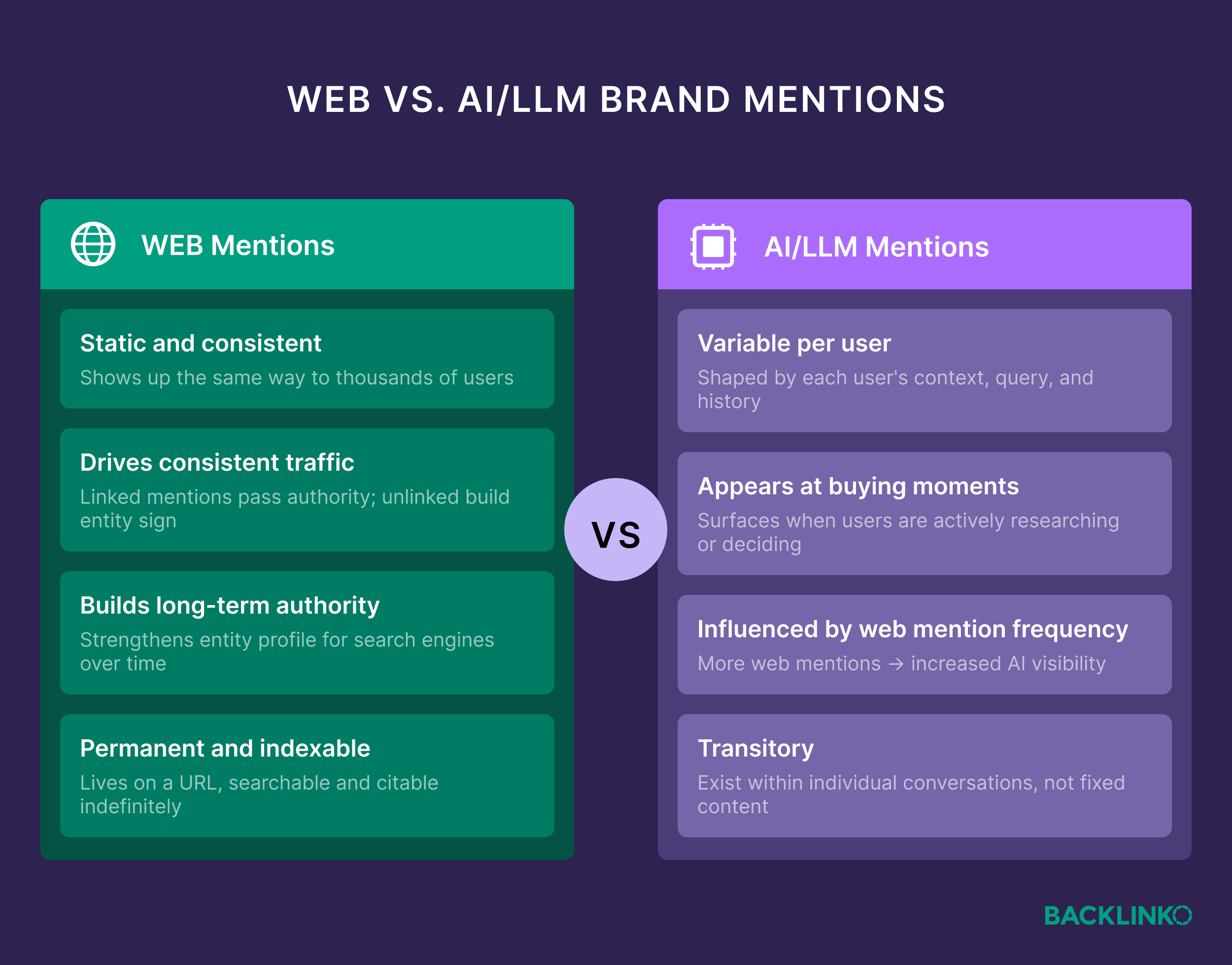
A critical distinction exists between traditional web-based brand mentions and the dynamic generation of brand references within artificial intelligence search systems. When a user queries a conversational AI tool like ChatGPT or Claude, the generated response is uniquely tailored based on the user’s explicit prompt context, conversational history, and underlying preference parameters. Furthermore, these specific AI-generated citations are transient, existing solely within the confines of that specific user interaction.
In contrast, a traditional web mention is static and publicly indexed, appearing identically to thousands of potential users over extended periods. Achieving visibility within AI search responses is effectively the ultimate objective, while systematically cultivating brand mentions across the broader web serves as the primary mechanism to reach that goal. As a brand’s footprint consistently expands across trusted, topically relevant external sources, the underlying probability of being cited within AI-generated search summaries increases exponentially.
Why Brand Mentions Command Center Stage in Modern SEO
Although brand references have historically contributed to organic visibility, several converging technological developments have elevated their importance to unprecedented levels.
Signaling Authority and Entity Recognition to Search Engines
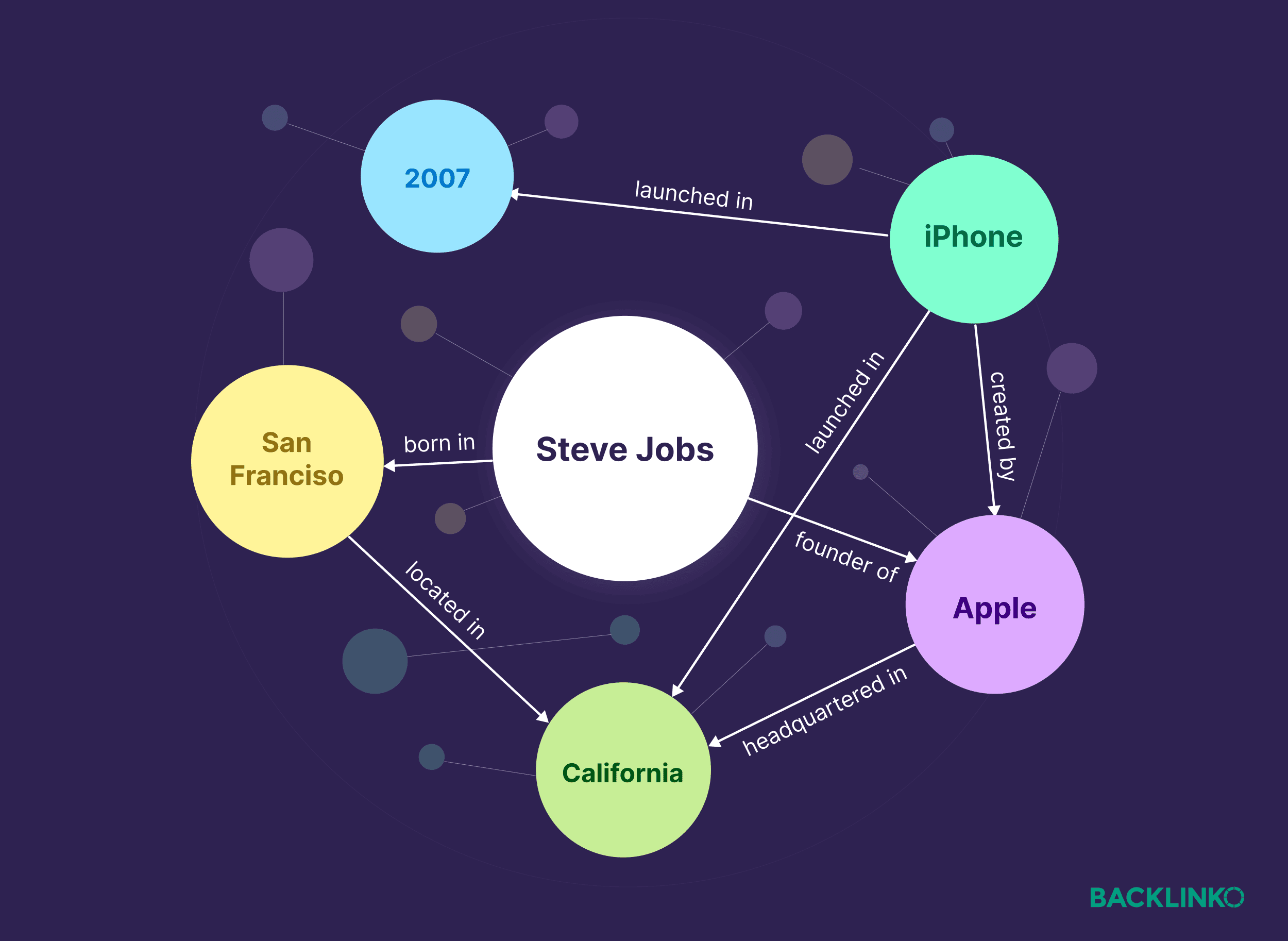
Search algorithms evaluate enterprise credibility in large part by analyzing external consensus. Entities are assessed based on who is discussing them, the thematic context of those discussions, and the consistency of the references over time. Modern search engines recognize commercial entities through sophisticated knowledge graphs—vast structured databases mapping relational networks between people, corporate bodies, products, and theoretical concepts. Brand mentions serve as primary ingestion data points through which search engines refine their entity-level comprehension of a business.
Expanding Reach to Passive Audiences
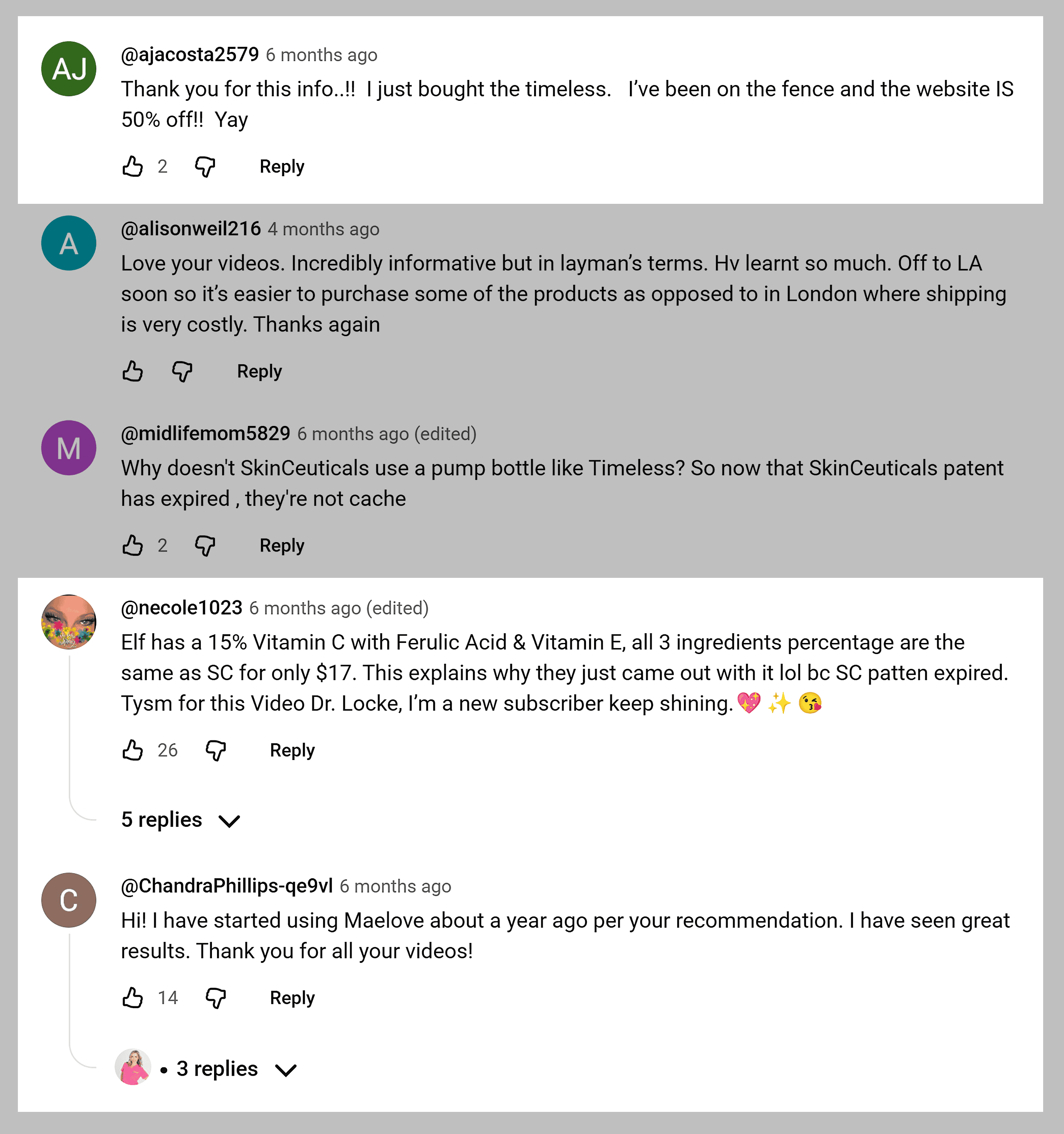
When an authoritative media outlet, industry podcast, or prominent video creator references a brand, the business gains immediate exposure to entirely new demographic segments. This dynamic allows companies to engage prospective buyers who are not actively executing transactional search queries. For example, consumer advocacy video channels frequently evaluate cost-effective alternatives to established market leaders, introducing challenger brands to massive, highly targeted audiences who subsequently convert into paying customers.
Training Large Language Models for Accurate Representation
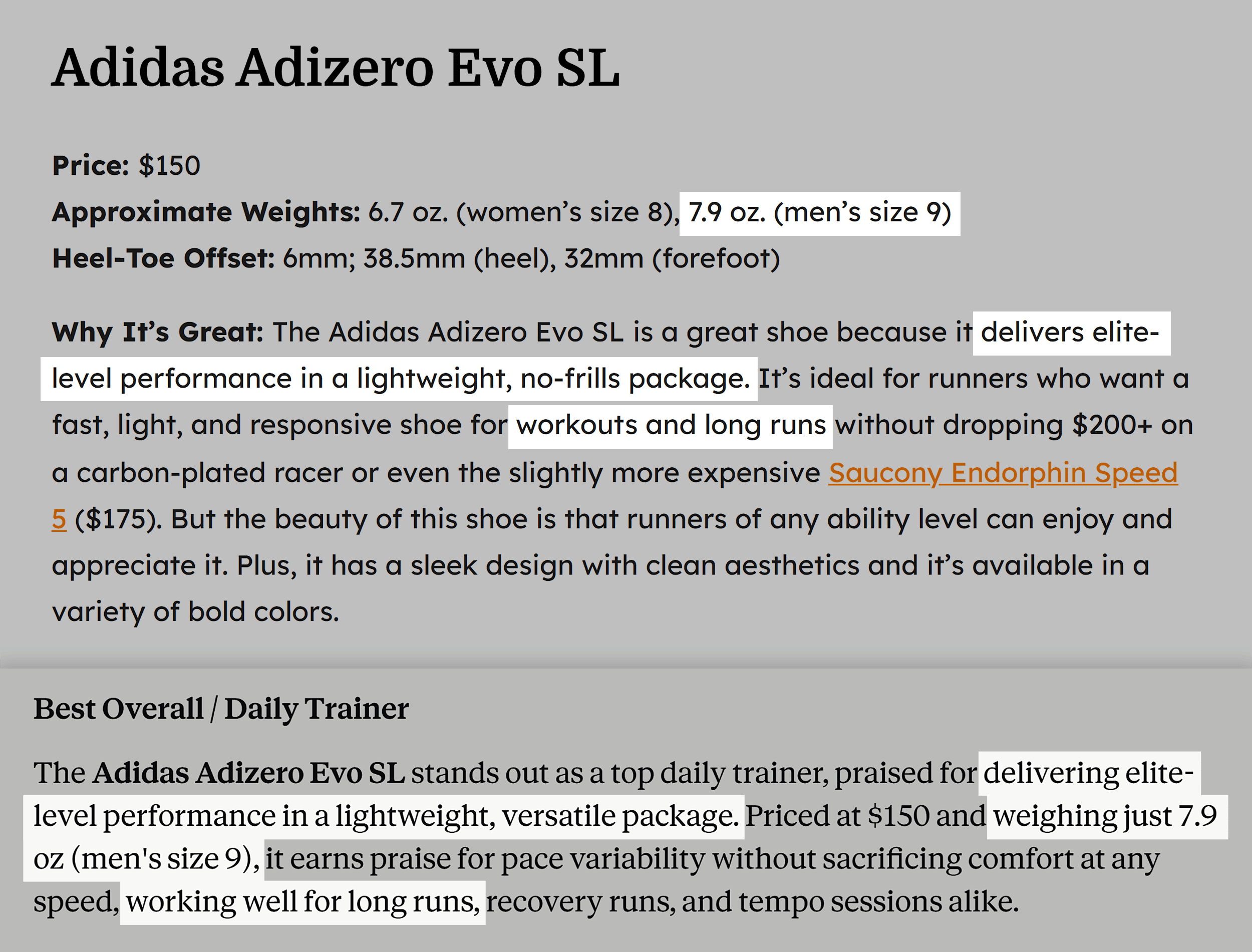
When conversational AI assistants recommend specific products or services, they synthesize semantic patterns derived from trusted digital archives where those brands are frequently discussed. Empirical analysis reveals striking linguistic similarities between professional editorial reviews and subsequent AI-generated summaries. When a trusted publication describes a product using specific performance metrics and use cases, LLMs frequently adopt identical terminology when answering user queries, making external web mentions a direct blueprint for AI positioning.
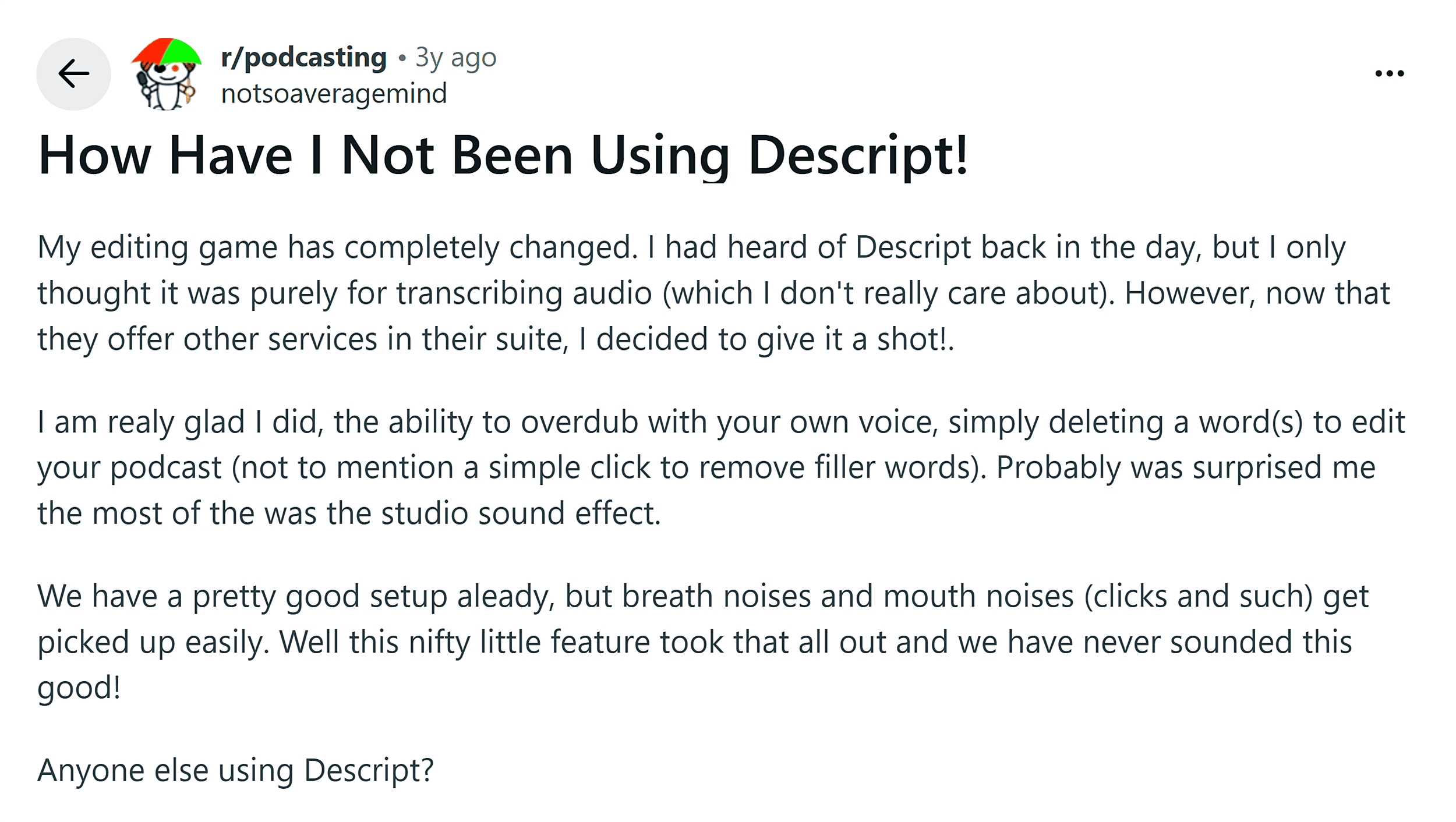
Dissecting High-Value Brand Mentions: Authority, Relevance, and Specificity
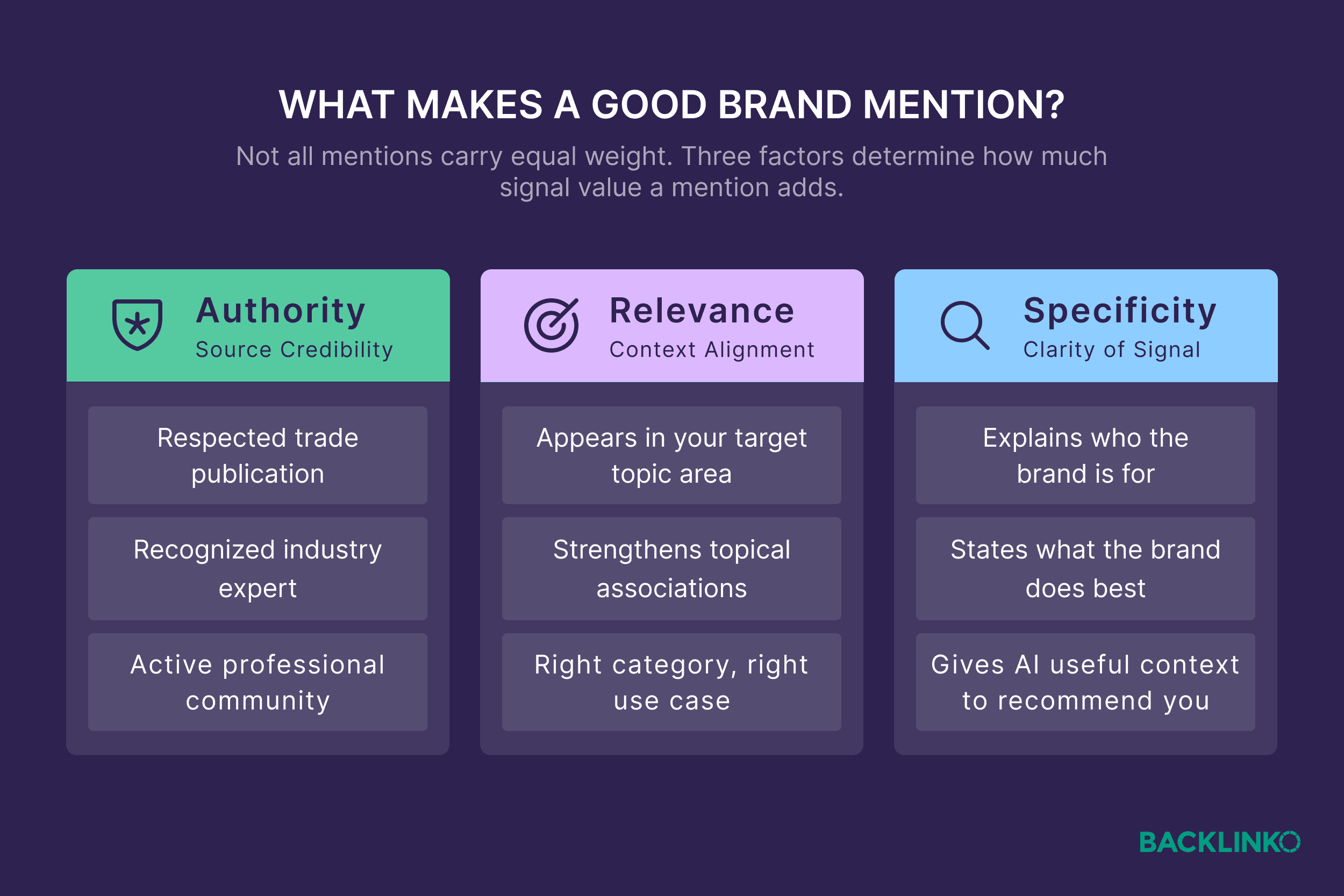
Not all brand mentions carry equal weight in the eyes of algorithms. Three core pillars determine the intrinsic value of any third-party reference:
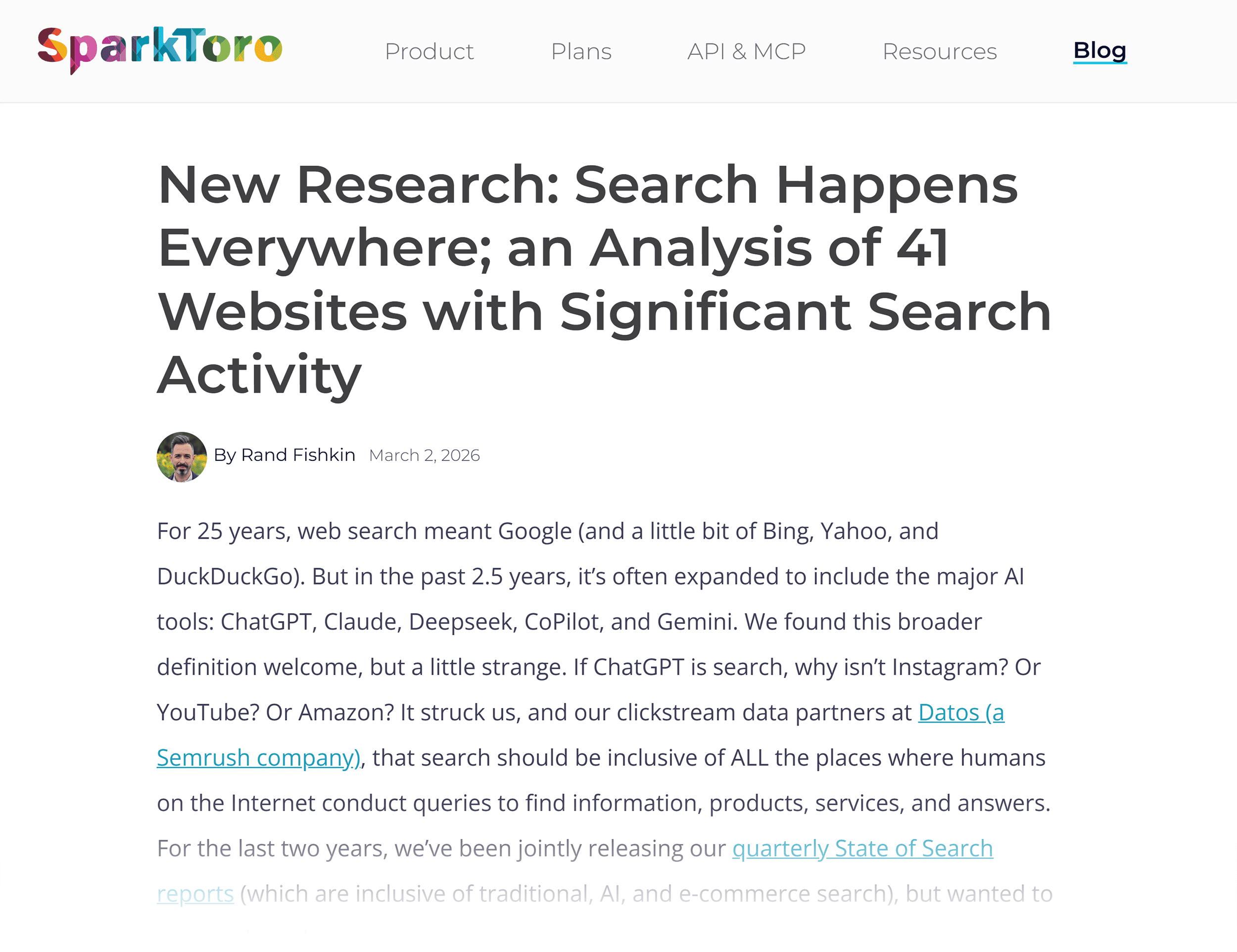
- Authority: The credibility and domain strength of the publishing source. A feature within a premier industry publication delivers significantly stronger algorithmic signals than a passing reference on an unverified, low-traffic blog.
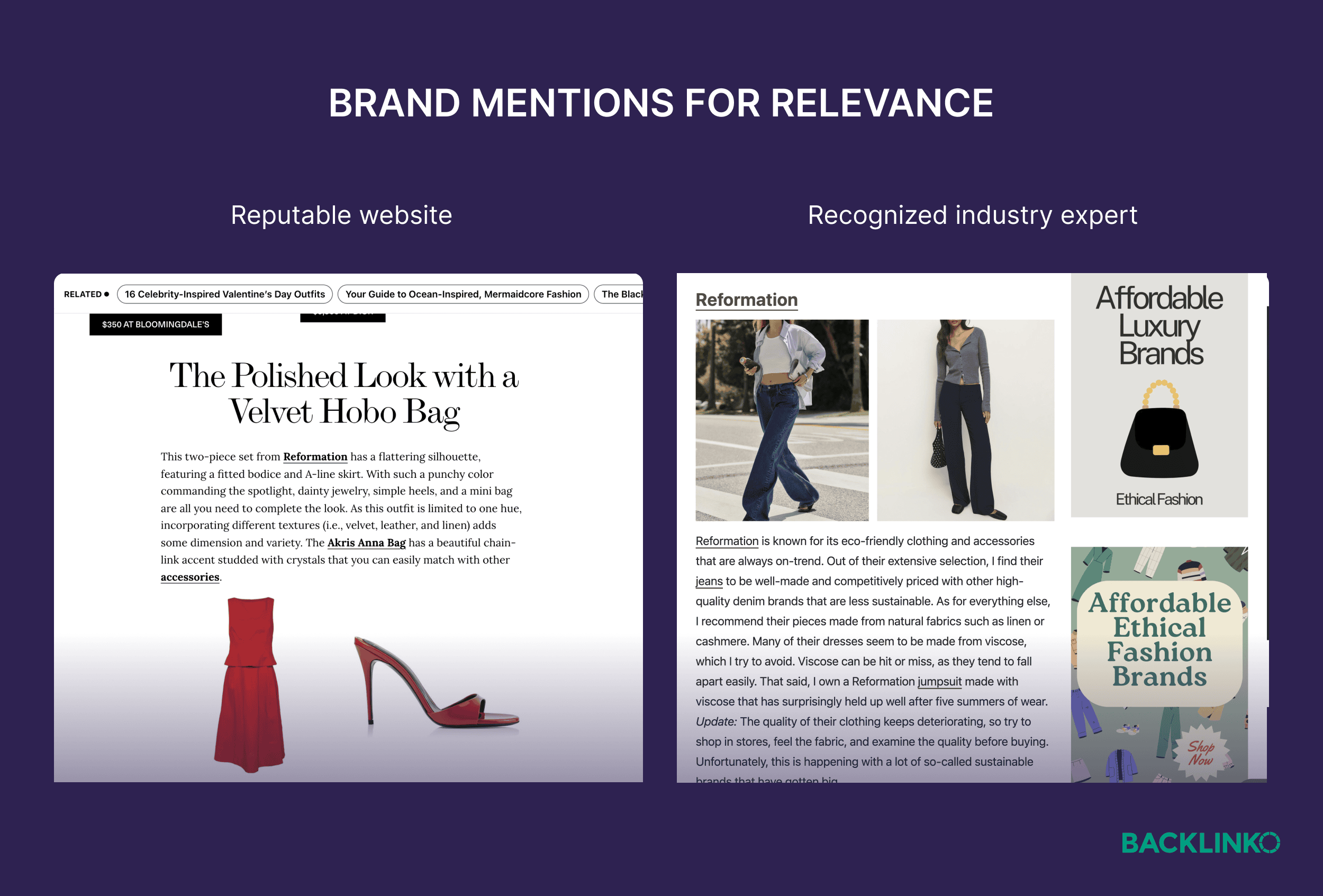
- Relevance: The degree to which the mentioning source aligns with the brand’s core industry and topical focus. Securing references within niche-specific publications discussing relevant thematic clusters reinforces topical authority far more effectively than generic mentions.
- Specificity: The inclusion of granular details, precise use cases, and concrete performance metrics within the mention. Vague acknowledgments provide minimal algorithmic value, whereas detailed reviews outlining specific operational advantages give search engines and AI systems actionable data to map brand utility.
Four Strategic Tactics to Earn Valuable Brand Mentions
Organizations seeking to systematically increase their digital footprint must move beyond passive hope and execute proactive, value-driven acquisition frameworks.
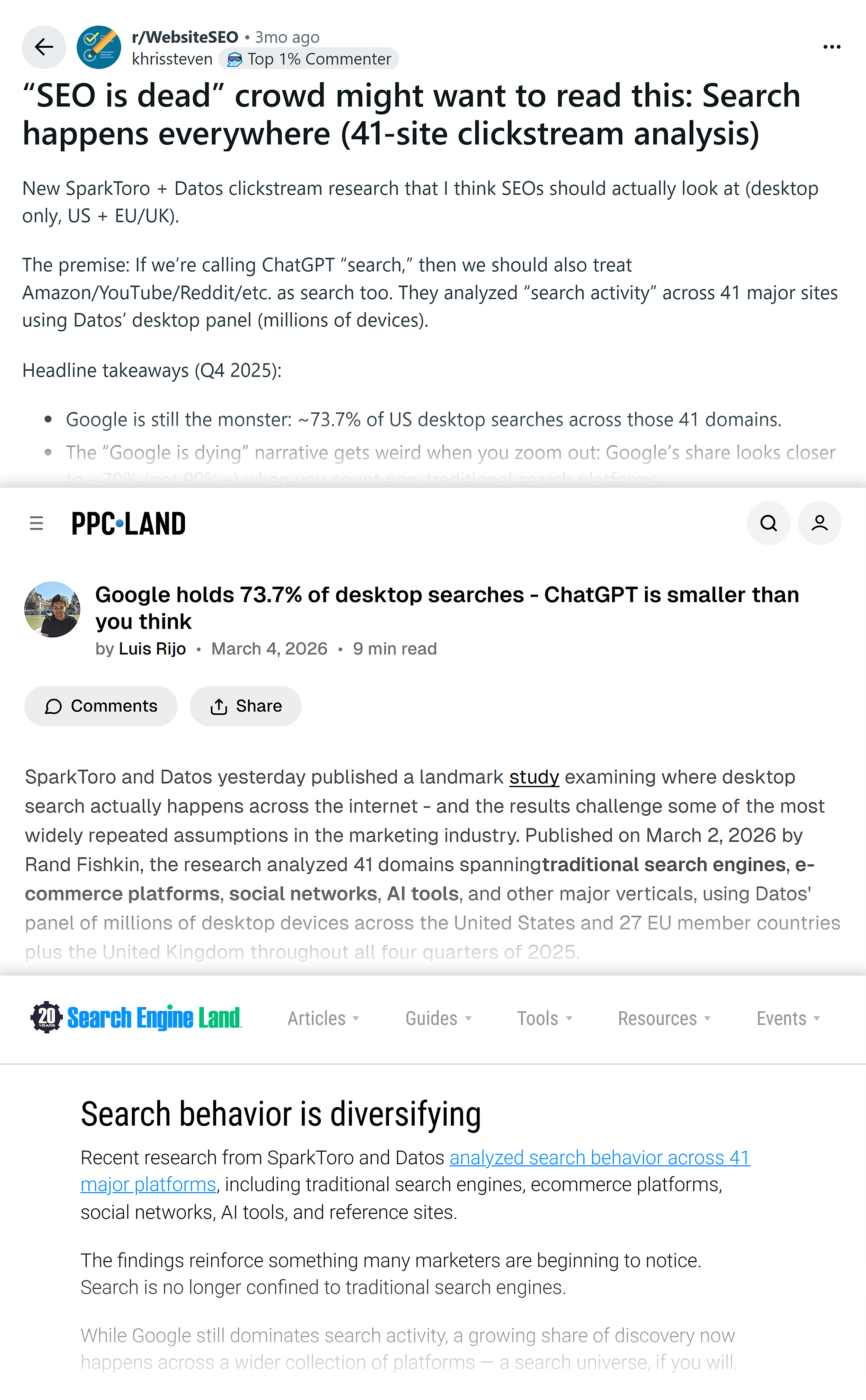
1. Developing Data-Driven, Citable Assets
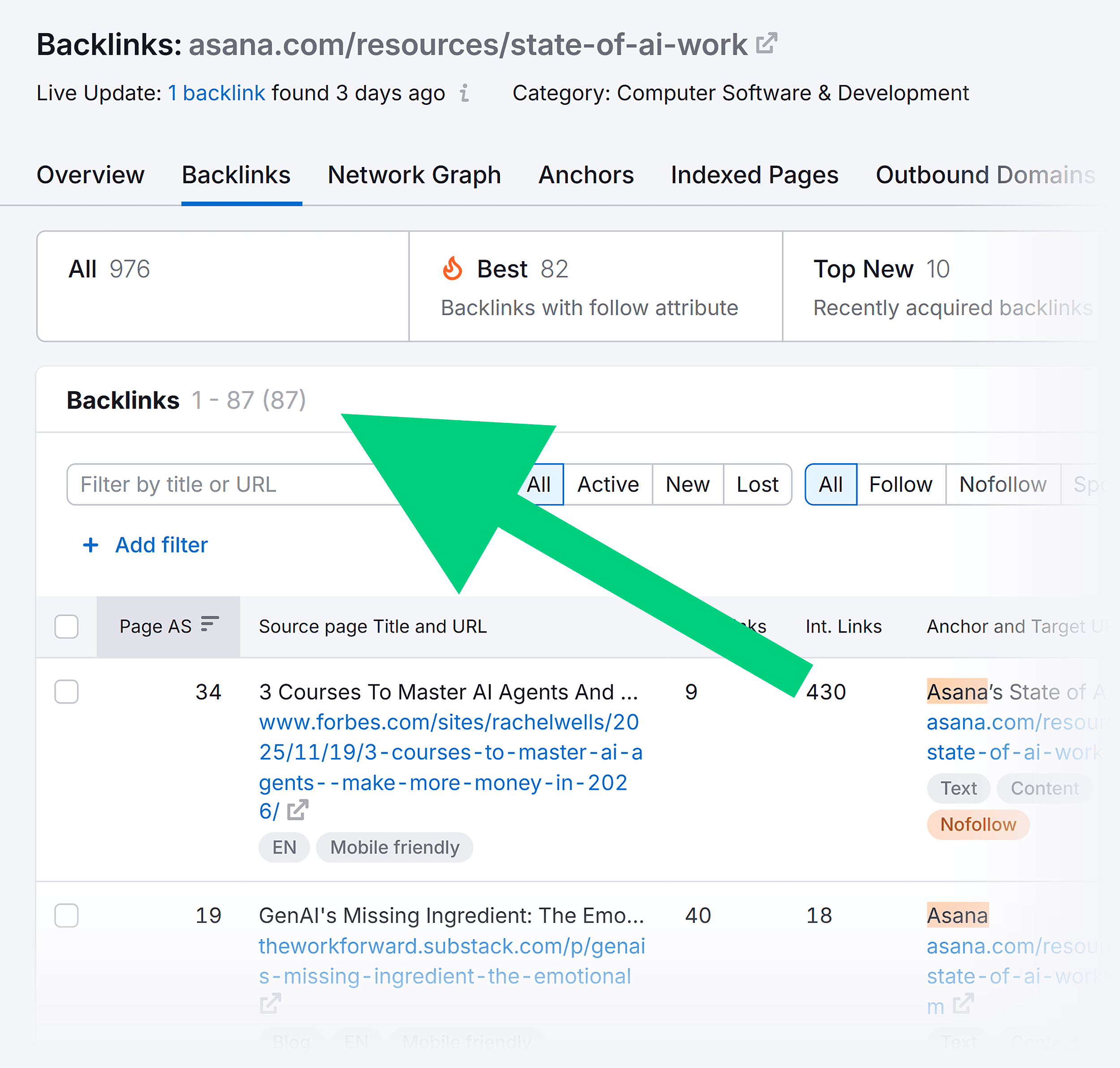
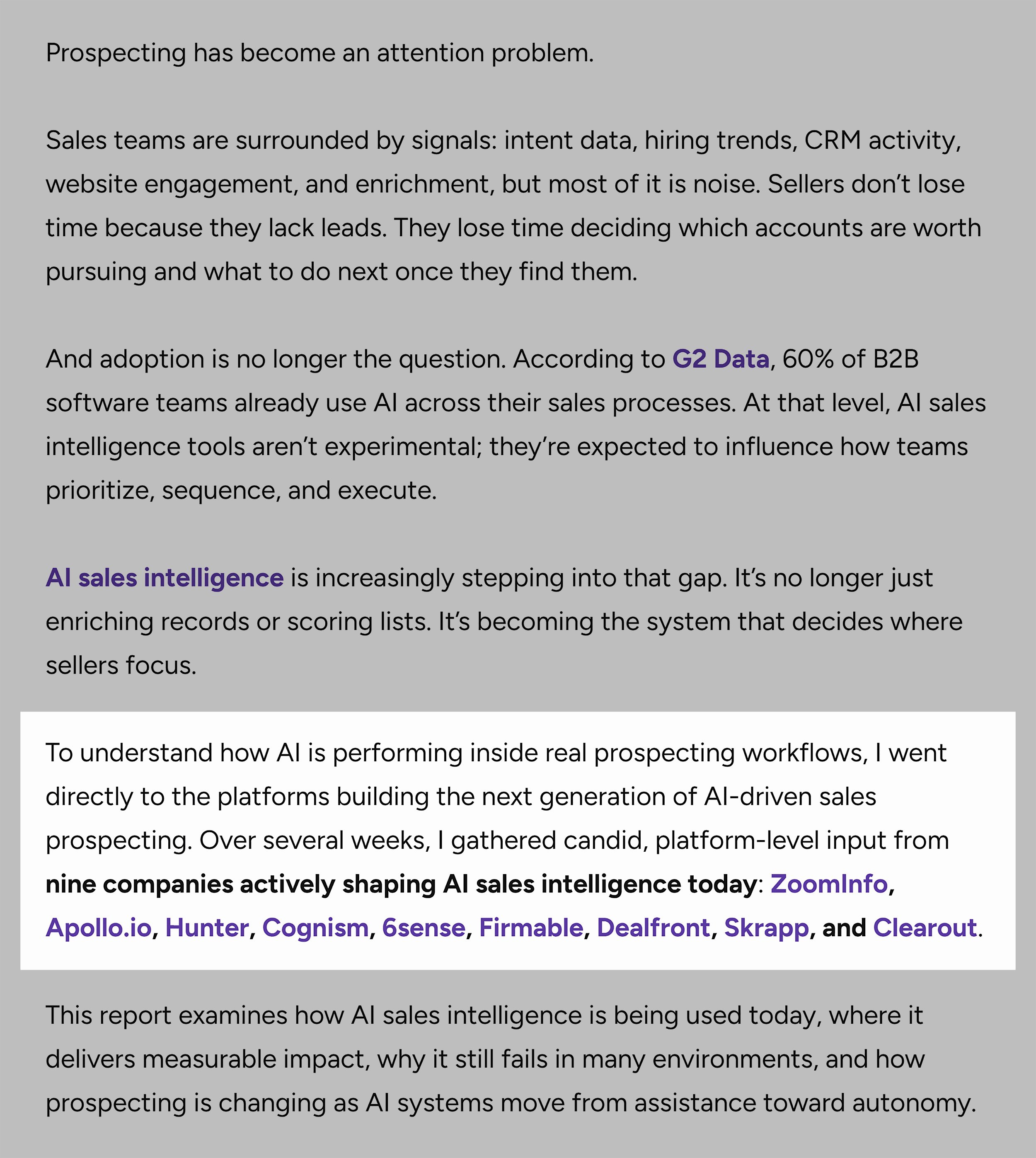
Original industry research represents one of the most reliable, long-lasting mechanisms for securing organic brand mentions. By conducting rigorous studies that address unresolved industry debates, businesses create indispensable resources that researchers, journalists, and bloggers must cite.
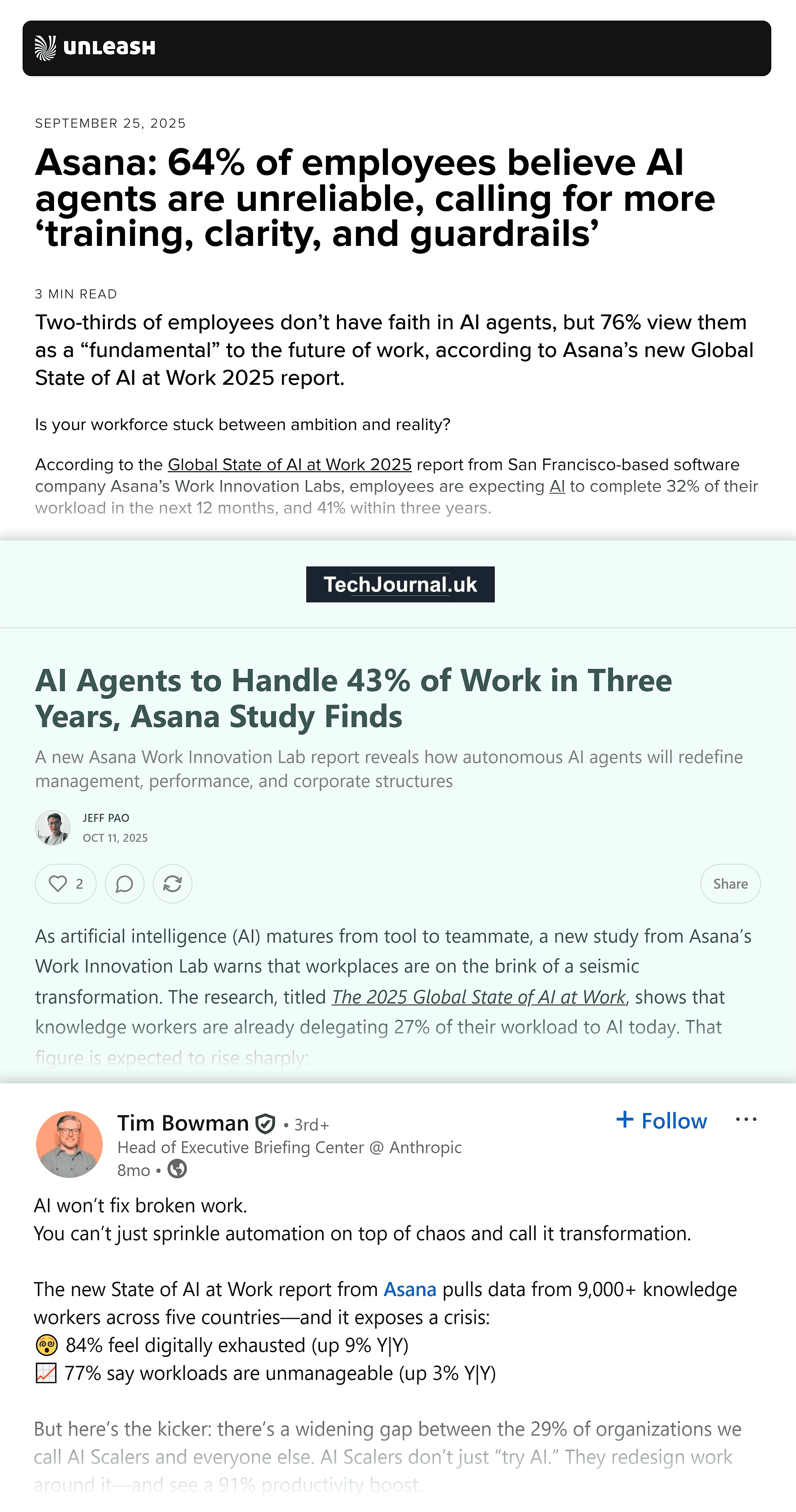
To execute this effectively, brands should analyze active community discussions, sales call transcripts, and forum debates to identify persistent, unanswered questions. Research can take the form of proprietary data aggregation, comprehensive surveys, or behavioral analyses. Packaging these insights with executive summaries, clear data visualizations, and easily digestible key performance indicators ensures that external publishers can reference the findings seamlessly.
2. Executing Co-Created Campaigns with Complementary Brands
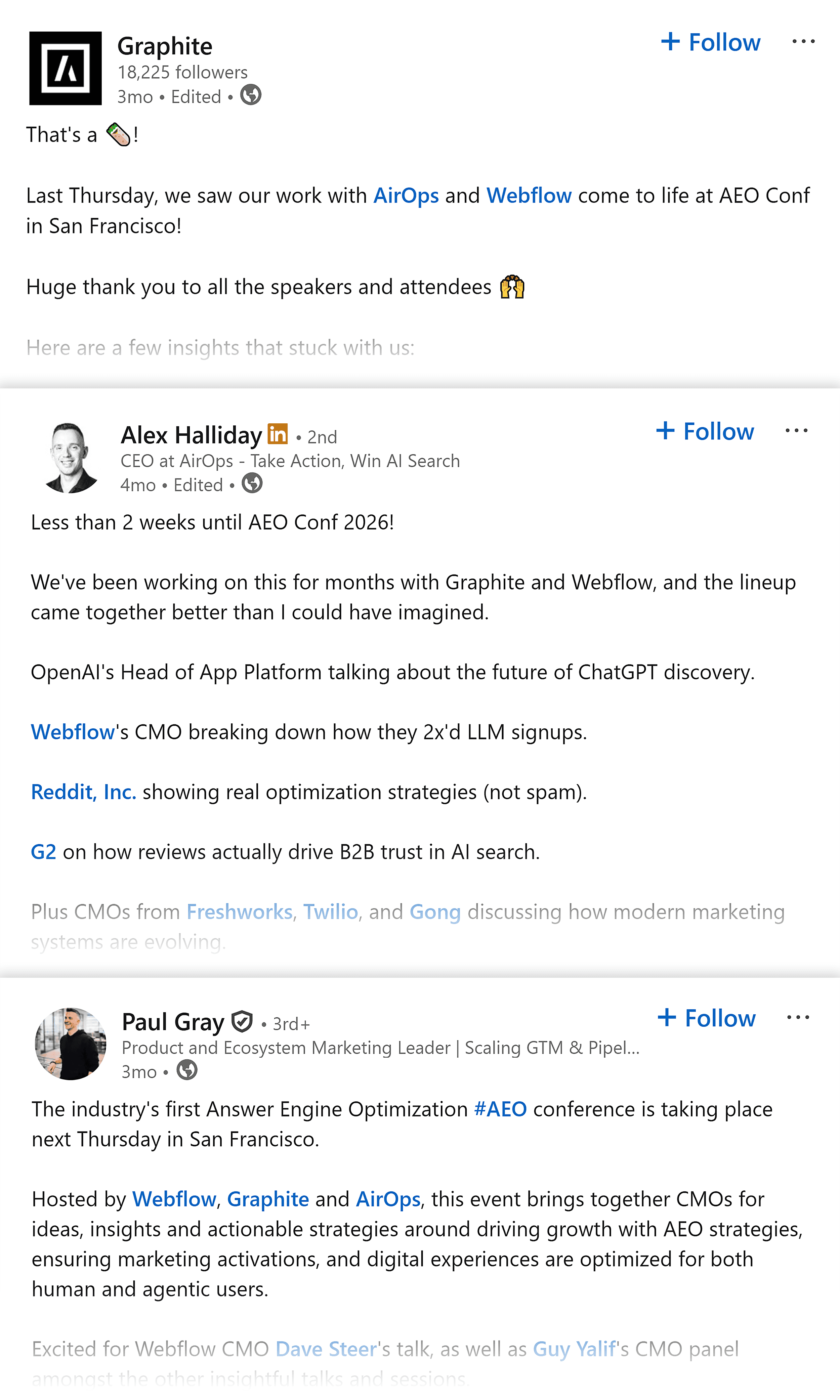
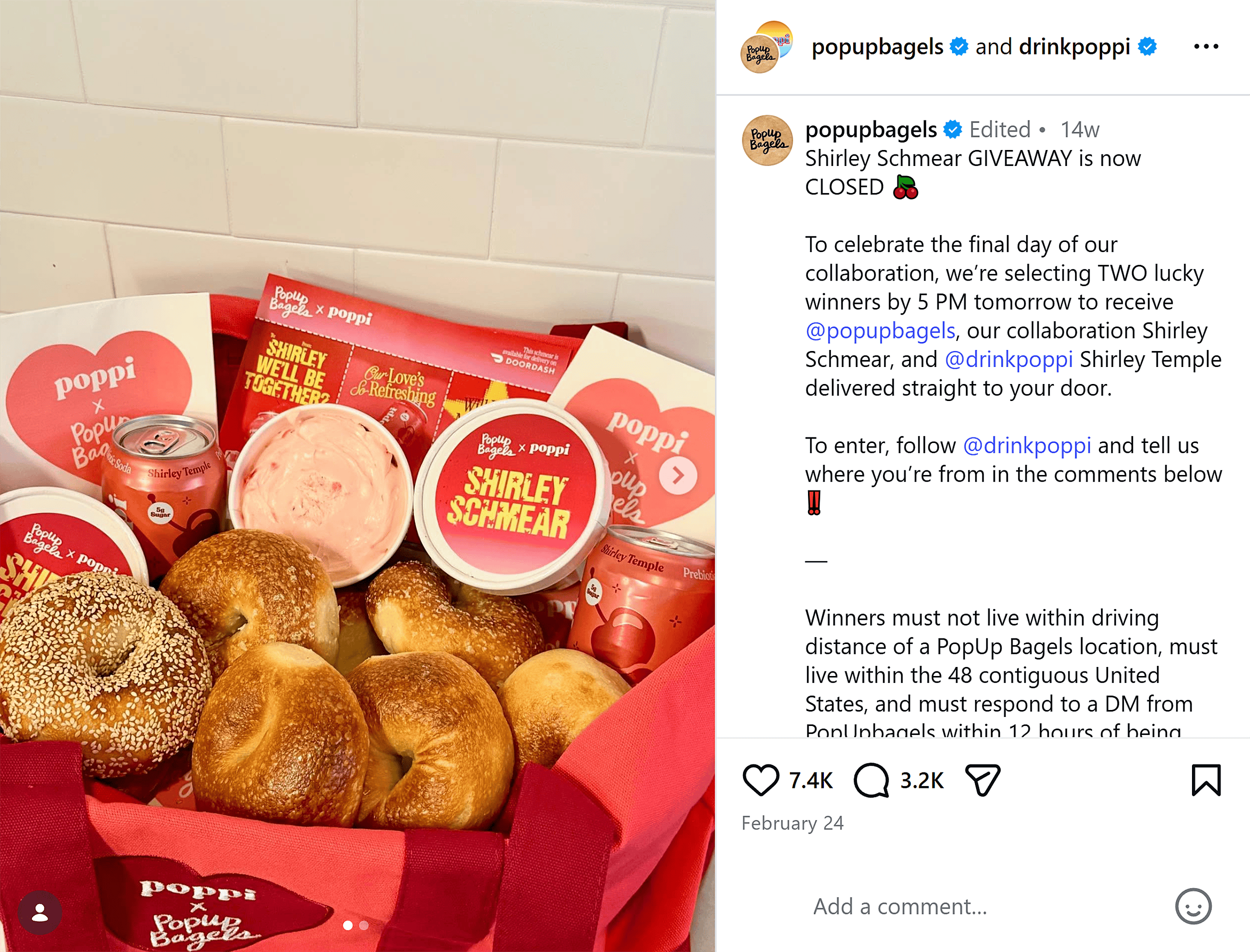
Collaborative marketing initiatives unite non-competing brands that share overlapping target audiences. When multiple organizations co-host industry events, publish joint benchmark reports, or launch co-branded product lines, every promotional asset, media report, and attendee recap mentions the participating entities within a unified contextual framework.
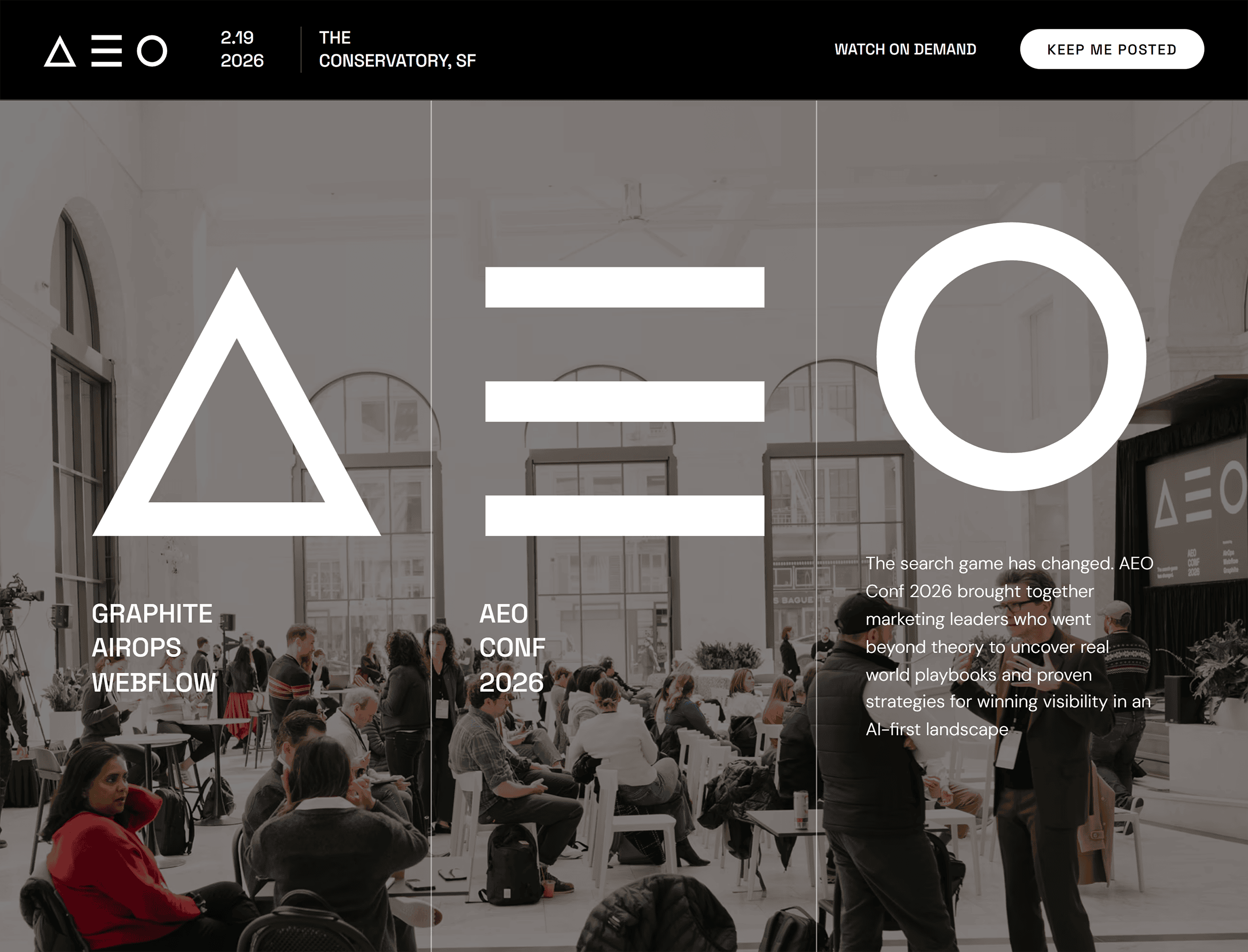
This strategy leverages the concept of co-occurrence. When independent digital sources consistently mention specific brands in tandem, AI systems and search algorithms form strong semantic associations between those companies and specific industry topics, directly boosting collective visibility.
3. Amplifying Industry Experts and Peer Brands
Creating content that prominently features external thought leaders, practitioners, and partner brands incentivizes those individuals to share the material with their respective audiences. Expert roundups, collaborative benchmark reports featuring contributor commentary, and in-depth interview series transform passive content consumption into an active distribution network. By placing the contributor’s authentic expertise at the core of the publication rather than burying a generic quote, organizations naturally motivate contributors to advocate for the content across their personal and professional networks.
4. Contributing Subject Matter Expertise via Digital PR
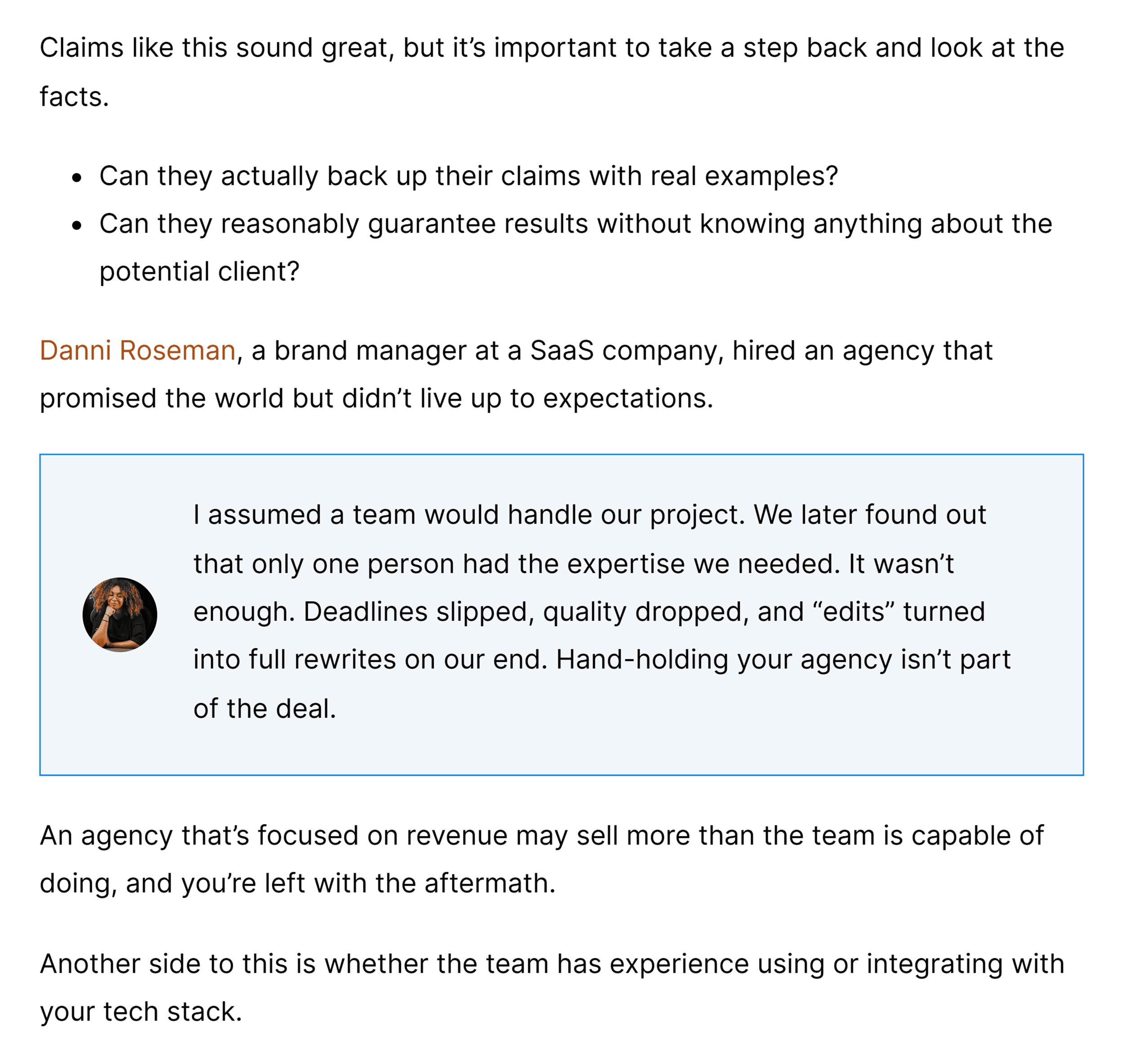
Proactively pitching executive expertise to established media outlets, prominent podcasts, and specialized trade publications secures authoritative brand mentions rooted in journalistic credibility. When pitching external editors, executives must prioritize delivering genuine educational value to the host’s audience rather than pushing commercial product features. Providing actionable practitioner playbooks, unique market forecasts, or transparent operational case studies ensures a high acceptance rate among top-tier media properties.

Comprehensive Tracking and Executive Reporting Frameworks
To measure the efficacy of a brand mention strategy and demonstrate tangible return on investment to corporate leadership, organizations must implement a multi-layered monitoring infrastructure.
Google Alerts and Manual Audits
Deploying Google Alerts for brand nomenclature, common misspellings, executive names, and primary competitors provides a baseline real-time monitoring mechanism. Because automated alert tools frequently miss niche forums and community platforms, digital marketing teams must supplement automated feeds with weekly manual audits across specialized news aggregators and video platforms.
Social Listening Platforms
Enterprise-grade social listening and brand monitoring software tracks public conversations across social media networks, review sites, and discussion forums. These platforms provide vital qualitative data regarding mention volume, net sentiment, and channel distribution, allowing teams to evaluate how public perception evolves over time.
Backlink Analytics and Anchor Text Filtering
Utilizing advanced SEO analytics platforms allows organizations to monitor newly acquired web links. By filtering backlink profiles specifically for anchor text containing the brand name, marketing teams can isolate authoritative editorial mentions that include navigational pathways, compiling comprehensive quarterly summaries that illustrate expanding domain authority and multi-channel reach.
Conclusion
In the modern digital landscape, brand mentions transcend traditional public relations metrics, serving as the foundational currency of search engine optimization and artificial intelligence visibility. By systematically earning high-authority, topically relevant, and data-rich references across the open web, organizations can build enduring digital trust that ensures both human consumers and intelligent machines recognize, recommend, and prioritize their brand.