Query Fan-Out and the Evolution of AI Search Visibility: A Comprehensive Guide for Modern Content Strategy

The traditional digital marketing landscape is currently undergoing a fundamental transformation as search engines transition from simple link-indexers to sophisticated generative answer engines. For over two decades, the primary objective of Search Engine Optimization (SEO) was to secure a position on the first page of Google’s search results. However, recent developments in Large Language Models (LLMs) and AI-integrated search platforms have introduced a phenomenon known as the "First Page Paradox." This paradox dictates that a brand’s content can rank within the top three positions on Google and still fail to be cited or mentioned by AI systems like ChatGPT, Claude, or Perplexity.
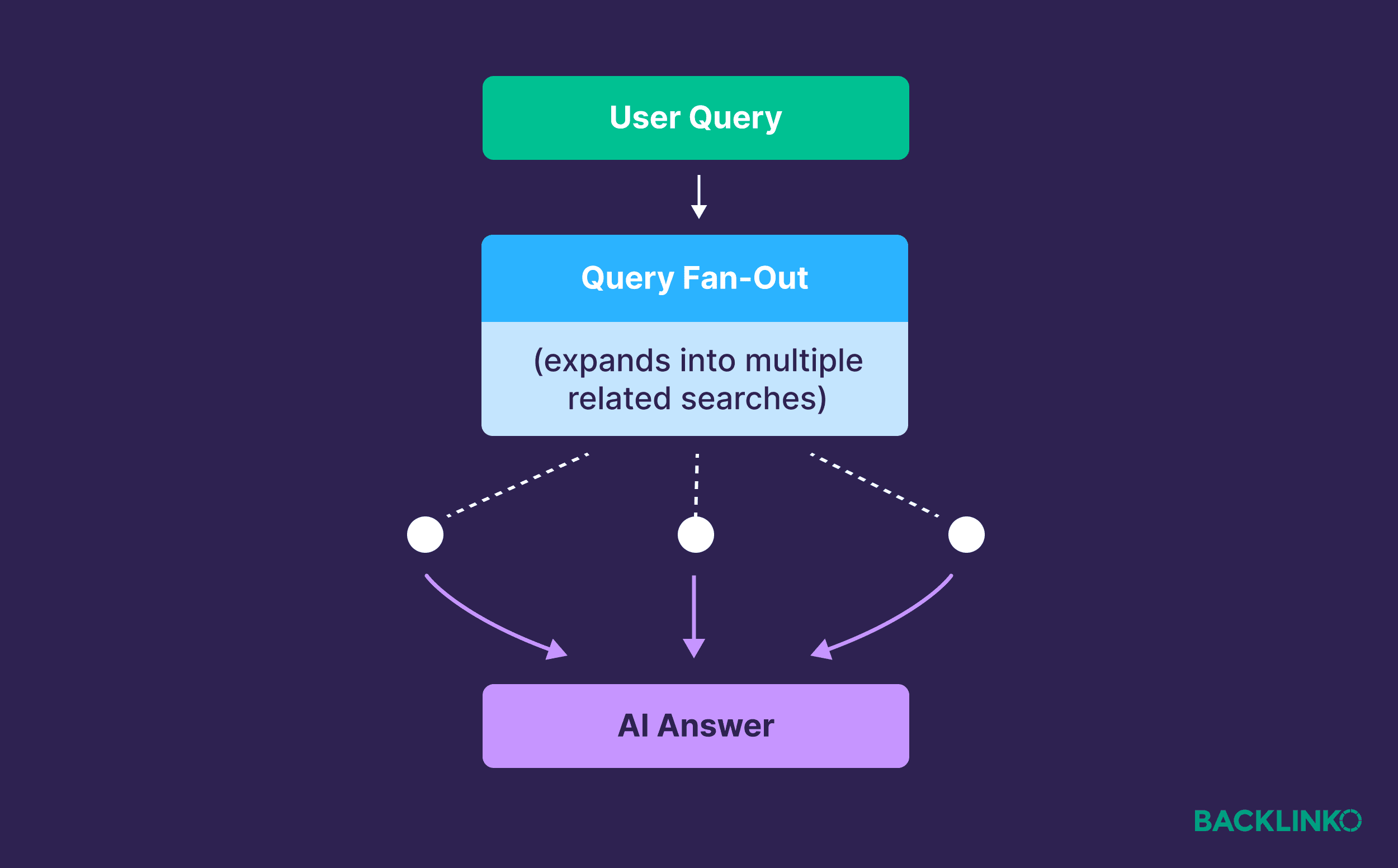
To navigate this new era of digital discovery, marketers must understand a critical background process known as query fan-out. This mechanism is the engine behind how modern AI systems build comprehensive answers, and it operates on principles that differ significantly from traditional search algorithms. While traditional SEO prioritizes authority and backlink profiles, AI search prioritizes coverage, retrievability, and specific relevance to sub-queries.
The Mechanics of Query Fan-Out
Query fan-out is a multi-step background process utilized by AI search systems to decompose a single user prompt into a series of related sub-queries. Rather than relying on a single search result to answer a question, the AI "fans out" the original intent to build a multi-dimensional understanding of the topic.
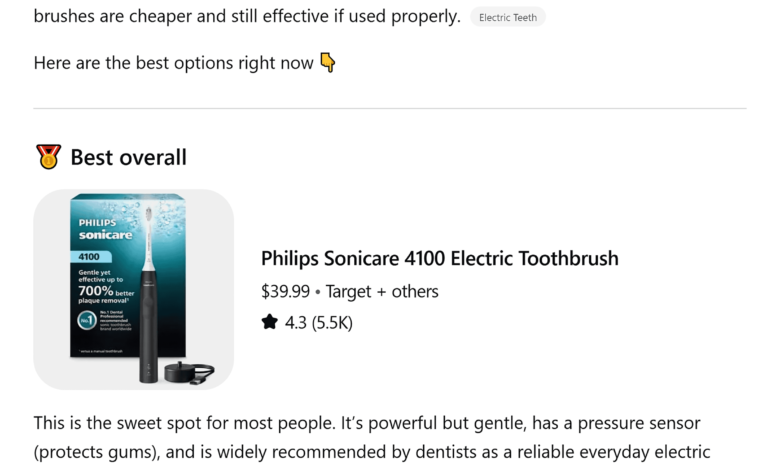
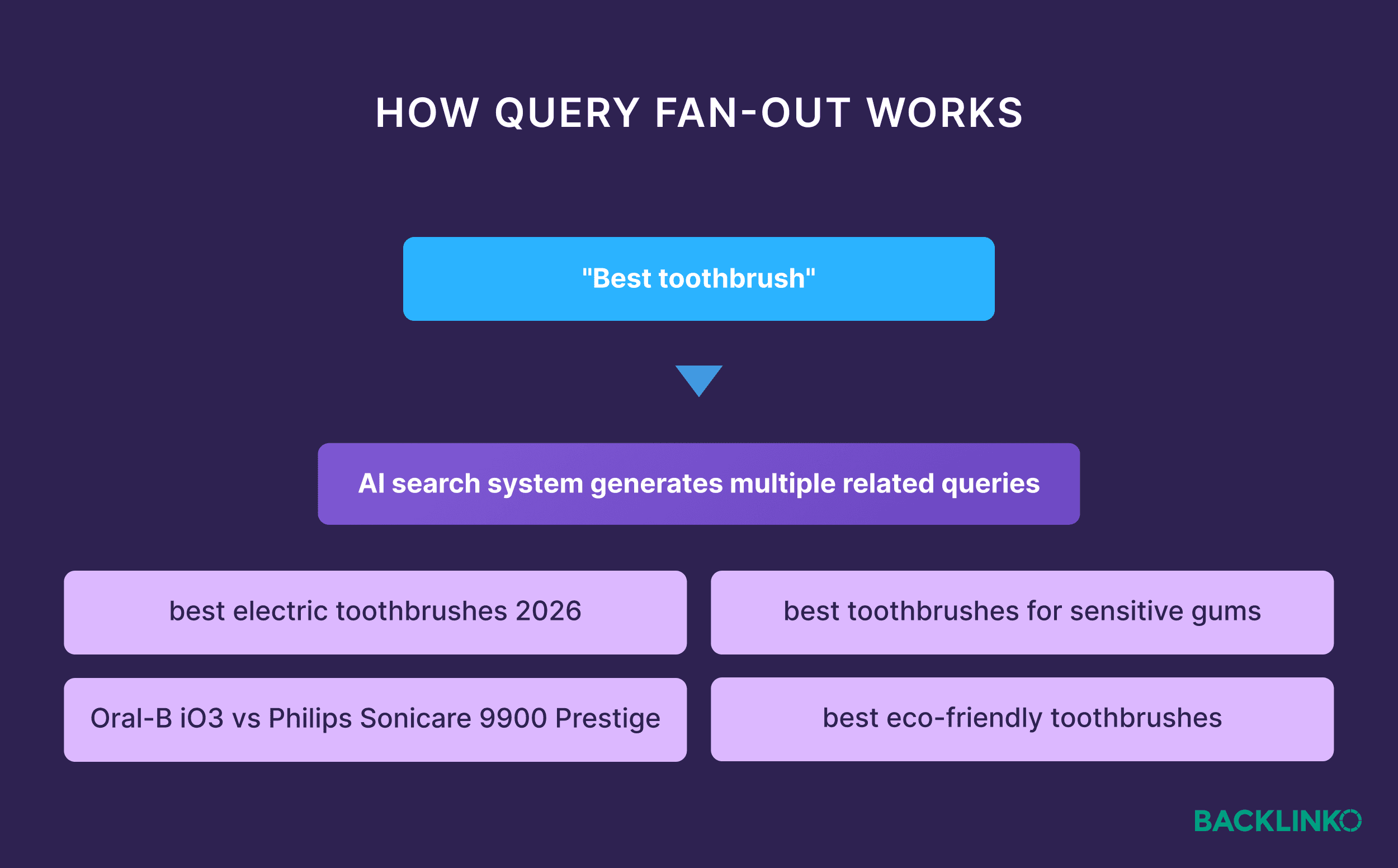
For instance, when a user submits a broad query such as "best toothbrush," the AI does not simply look for the page ranking highest for that specific keyword. Instead, it generates several internal sub-queries behind the scenes, such as:
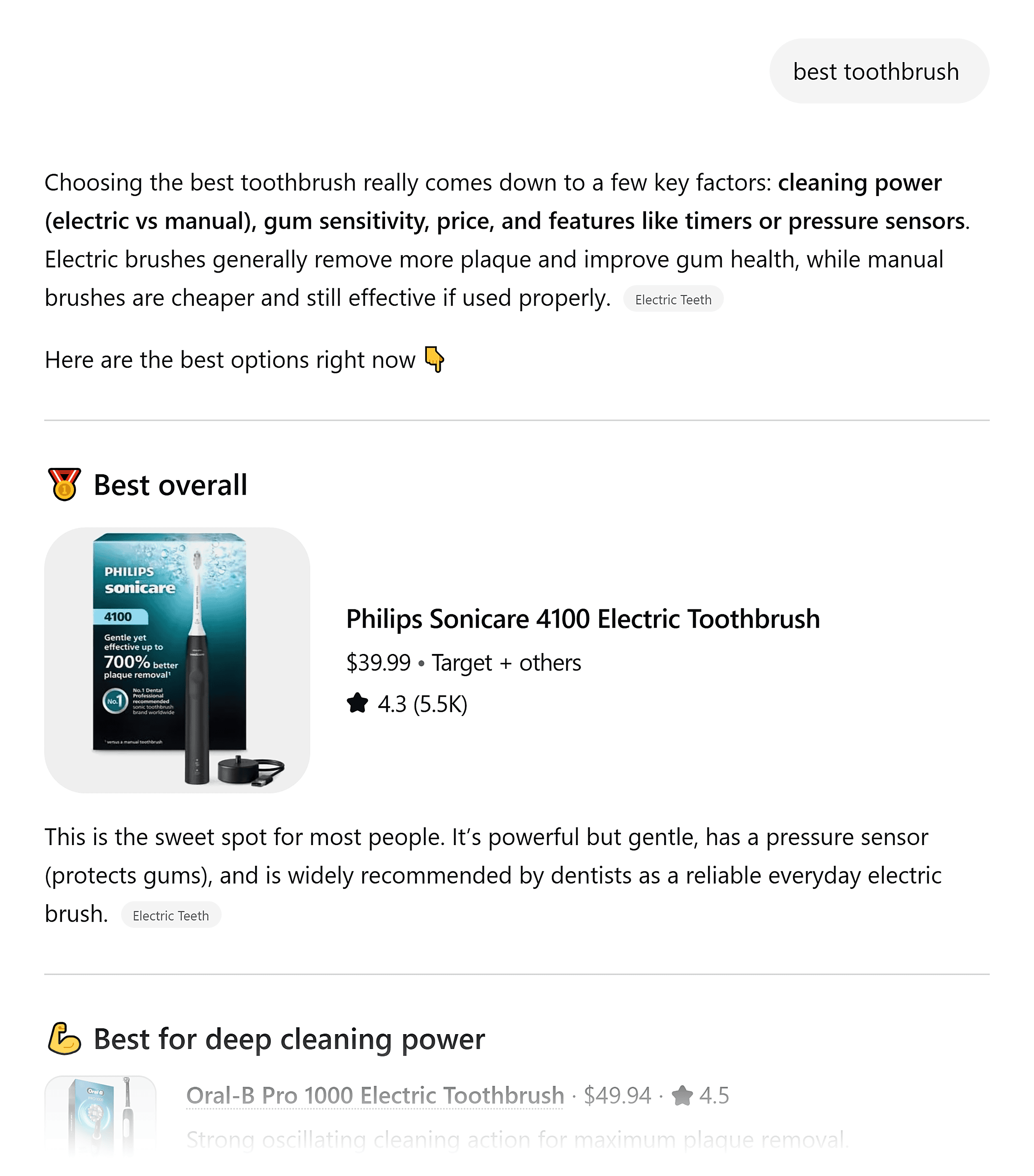
- "Top-rated electric toothbrushes [Current Year]"
- "Best toothbrushes for sensitive gums"
- "Oral-B vs. Philips Sonicare head-to-head comparison"
- "Eco-friendly and sustainable toothbrush options"
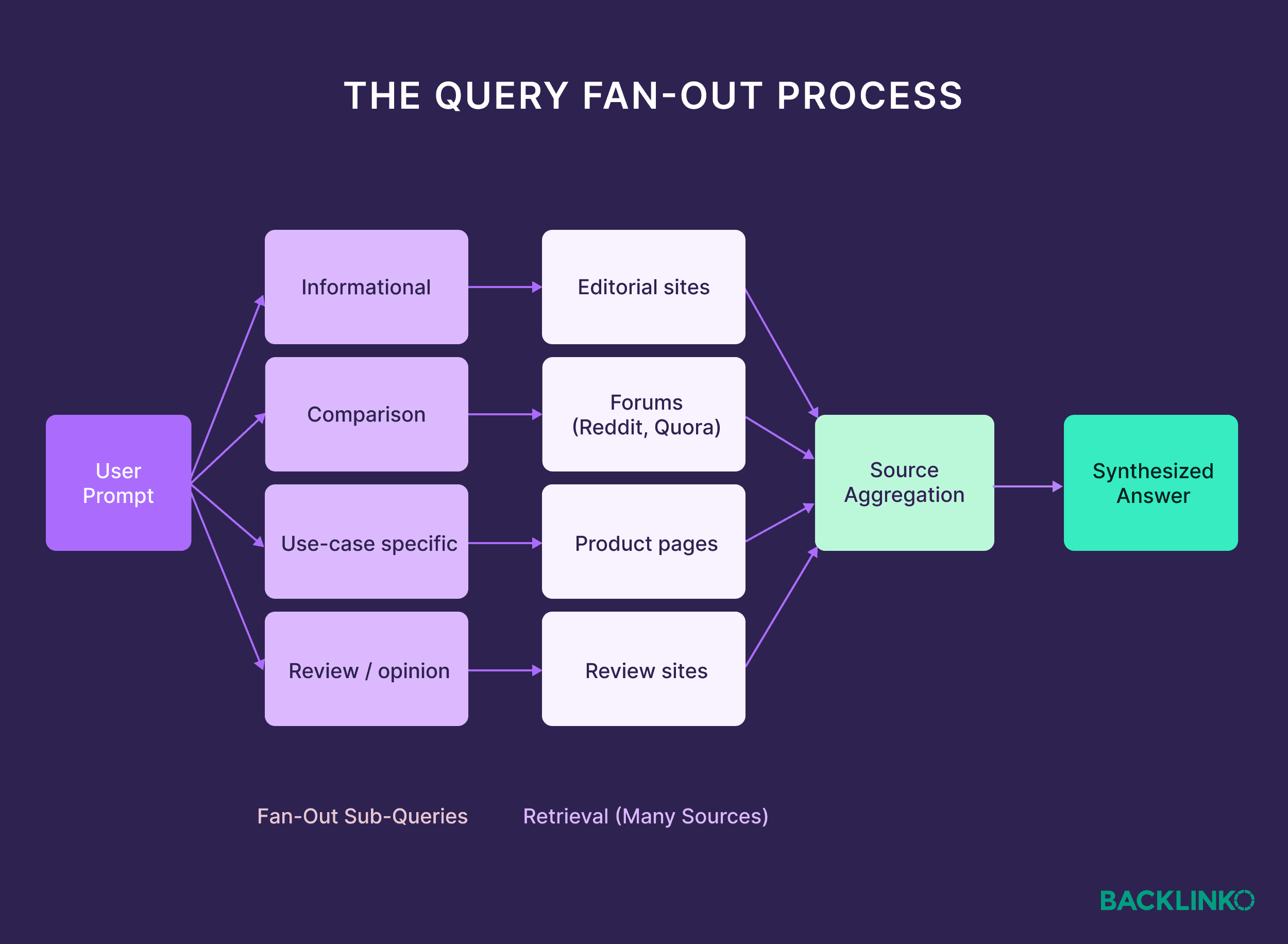
By running these related searches simultaneously, the AI pulls information from a diverse array of sources—including editorial reviews, Reddit discussions, and technical product pages—to synthesize a single, comprehensive response. This process allows the AI to anticipate the user’s next questions, effectively providing an answer that covers the entire topic rather than just the initial prompt.
The Data-Driven Shift in Search Behavior
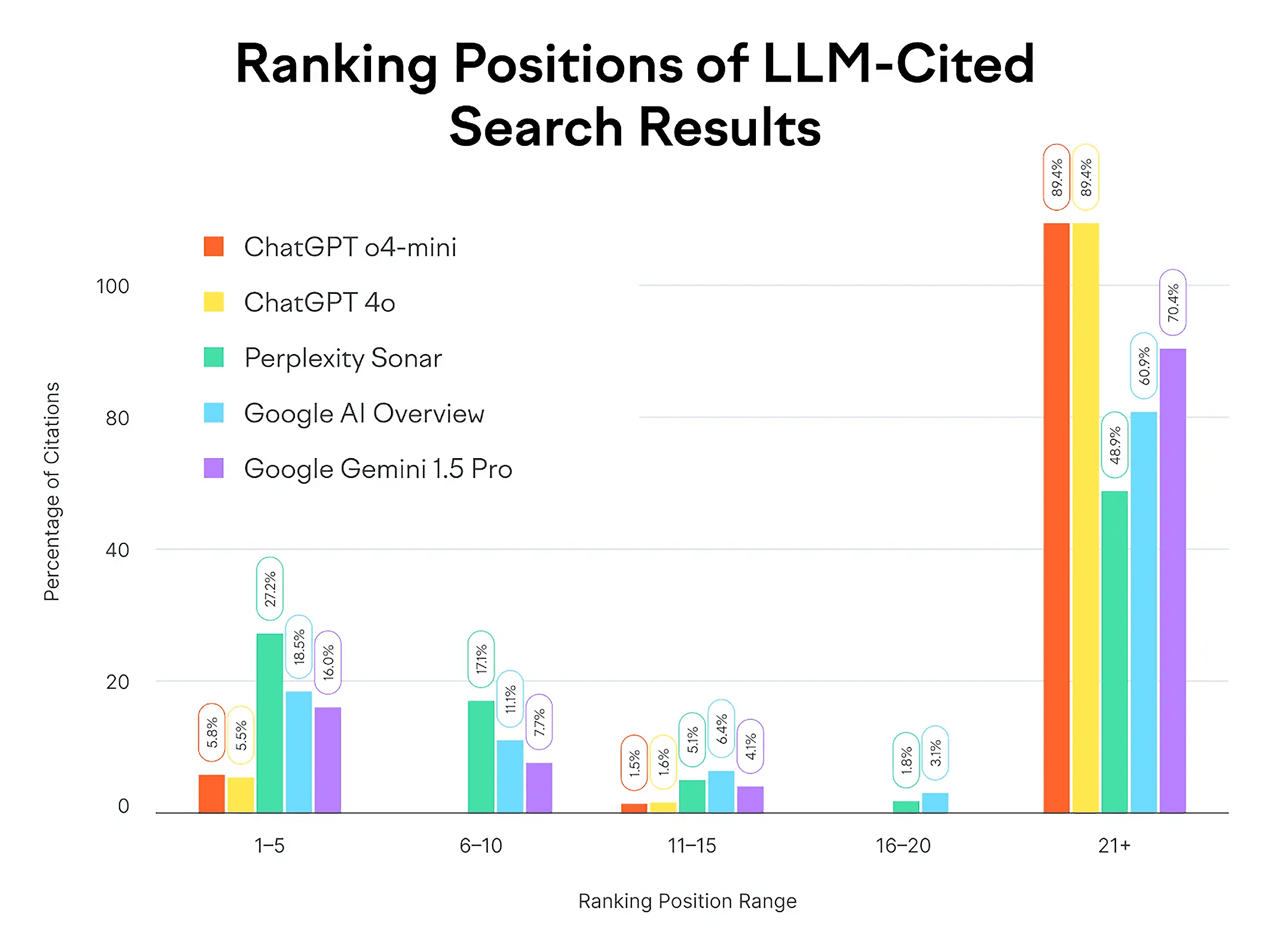
The emergence of query fan-out has shifted the value of search engine rankings. Empirical data suggests that the correlation between traditional high rankings and AI citations is weaker than many industry professionals initially assumed. According to a comprehensive study by Semrush on the impact of AI search, ChatGPT cites pages that rank in position 21 or lower nearly 90% of the time. This indicates that AI systems are bypassing the "gatekeepers" of the first page to find the most specific and relevant information buried deeper in the web’s index.
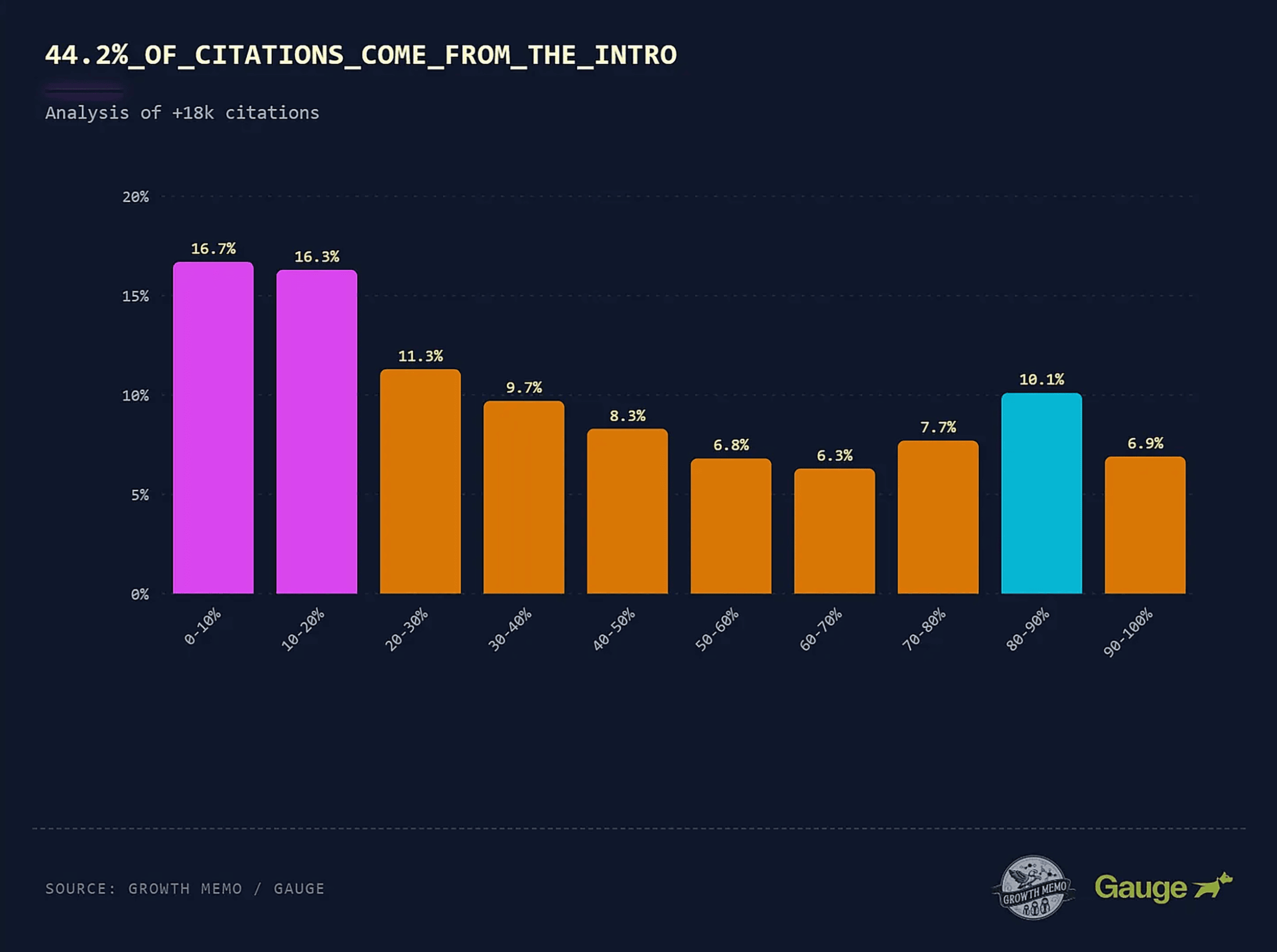
Further analysis by growth advisor Kevin Indig, who examined over 1.2 million ChatGPT responses, revealed that the structure of content is just as important as its presence. His data showed that 44.2% of citations in ChatGPT responses are extracted from the first 30% of a webpage. This "attention bias" suggests that AI systems favor content that front-loads information and provides immediate value, rather than pages that require extensive scrolling to reach the core answer.
The Chronology of Search Evolution
To understand the significance of query fan-out, one must view it within the broader timeline of search technology:
- The Keyword Era (1990s – 2010): Search was primarily about exact keyword matching and backlink volume.
- The Semantic Era (2013 – 2022): With Google’s Hummingbird and BERT updates, engines began to understand intent and the relationship between words.
- The Generative Era (2023 – Present): The introduction of LLMs changed search from a "retrieval" model (showing links) to a "synthesis" model (providing answers).
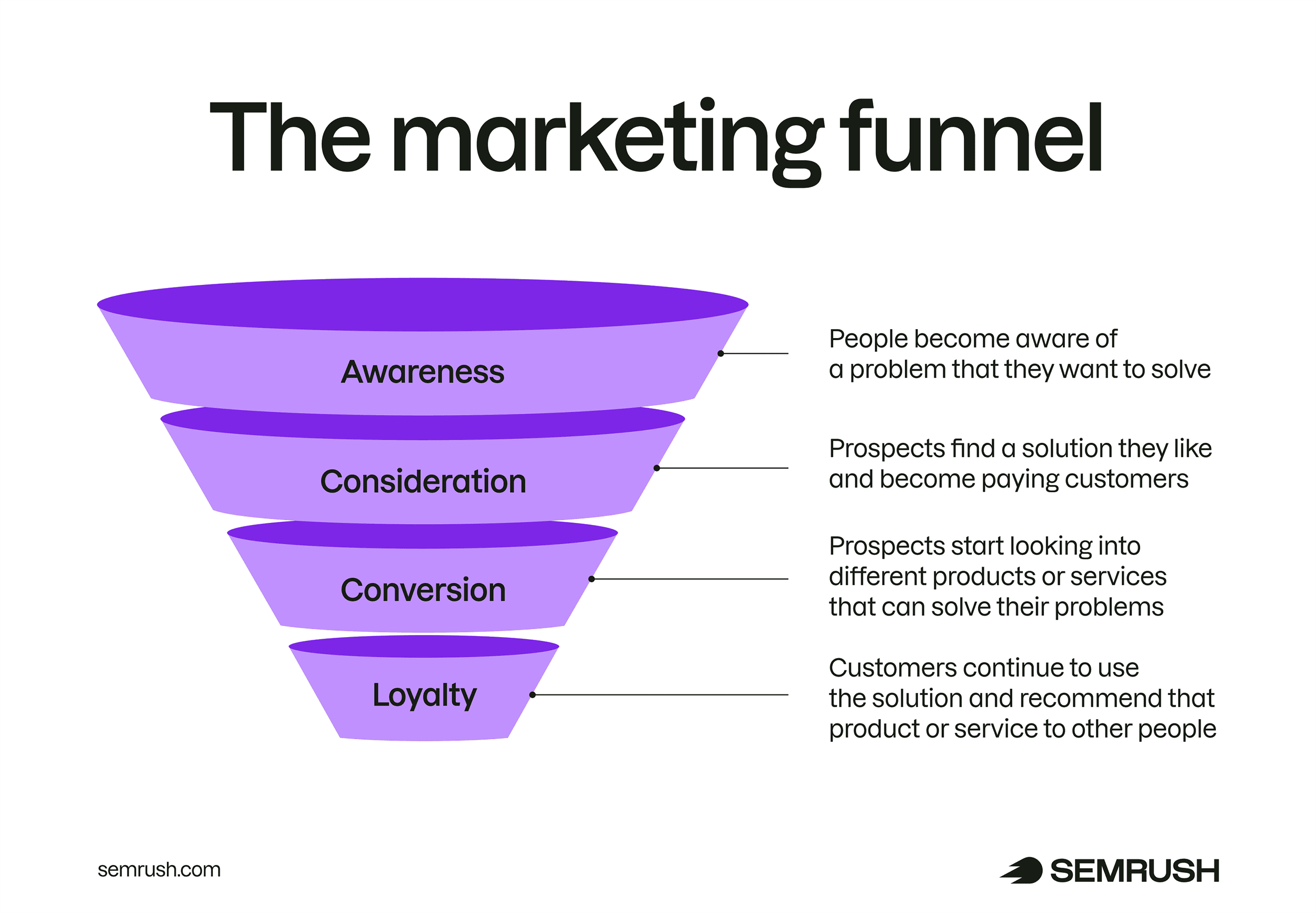
In this current stage, the buying journey has collapsed. Traditionally, a consumer moved linearly through awareness, consideration, and decision stages, often interacting with different pieces of content for each. Query fan-out allows an AI to pull awareness-level context and decision-level data into a single interaction, forcing content creators to develop "full-funnel" assets that can serve multiple stages of the journey simultaneously.
Strategic Workflow for AI Visibility
In light of these shifts, a new methodological approach is required to ensure brand visibility within AI-generated answers. Industry experts have identified a six-step workflow designed to optimize for query fan-out.

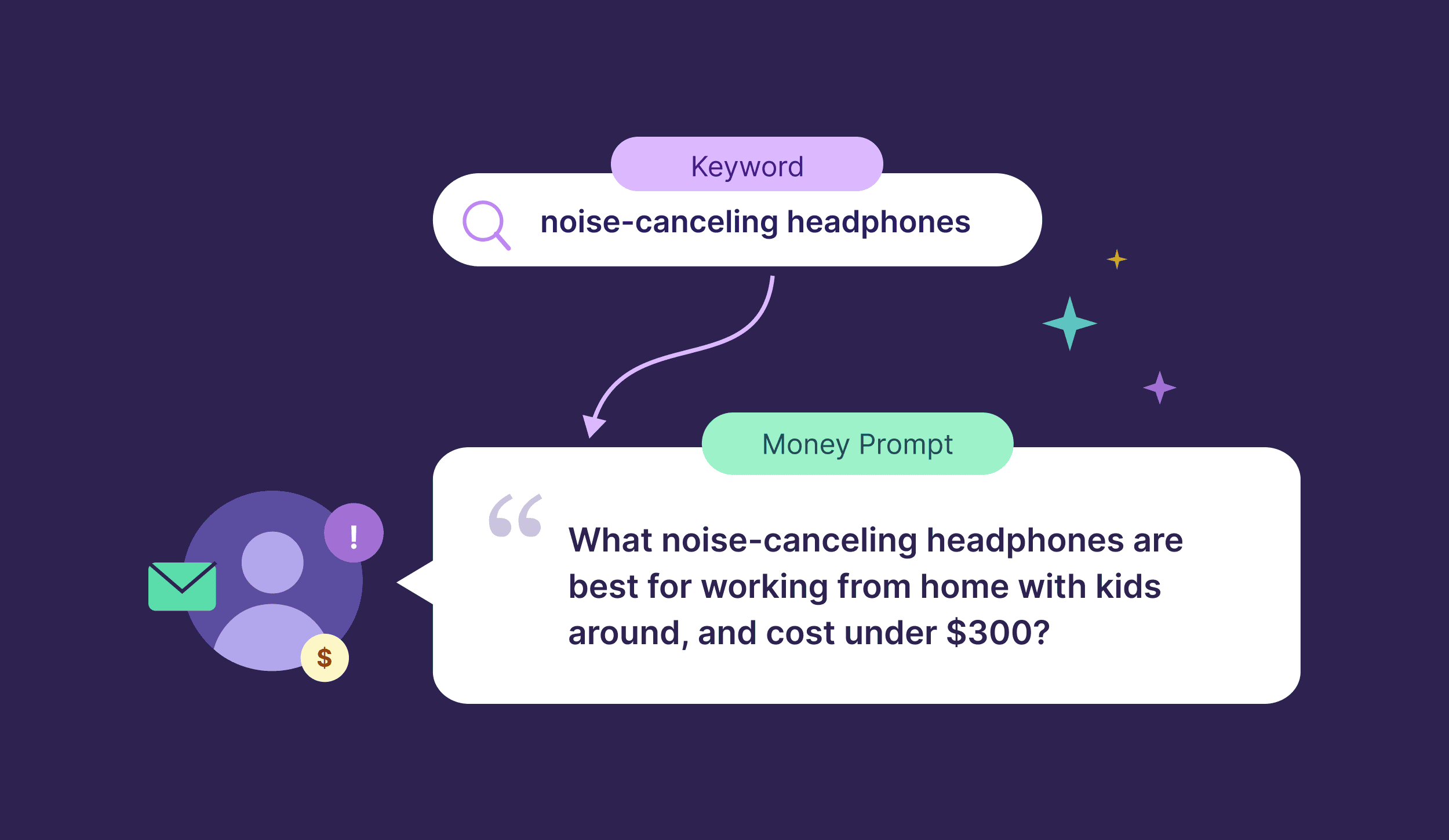
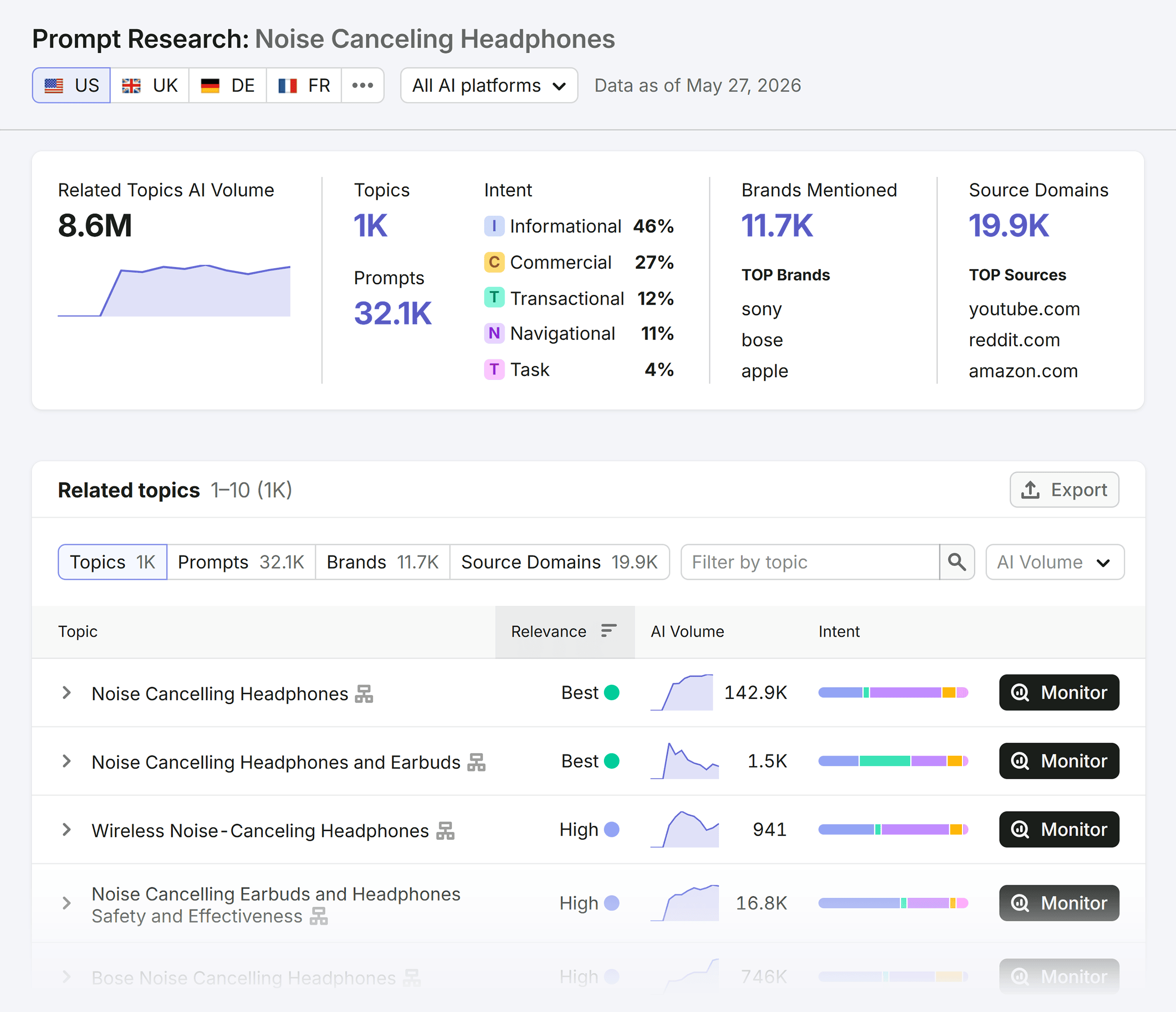
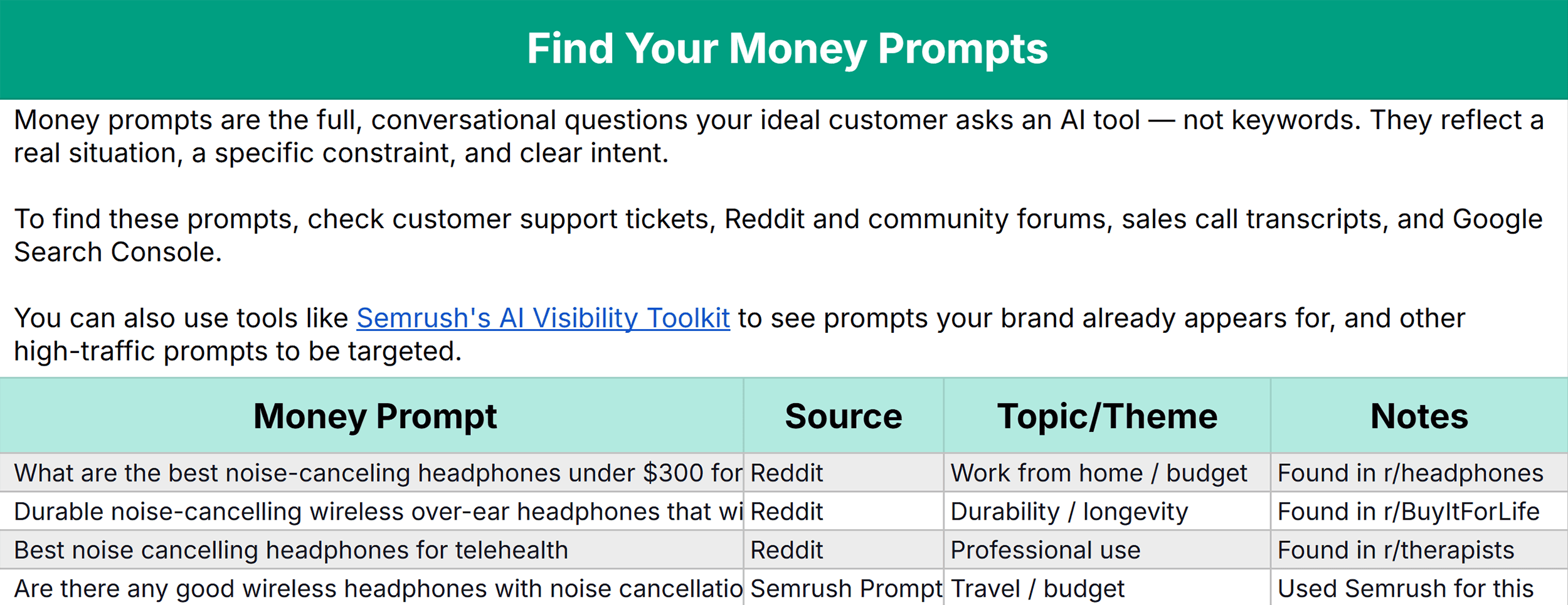
Step 1: Identifying "Money Prompts"
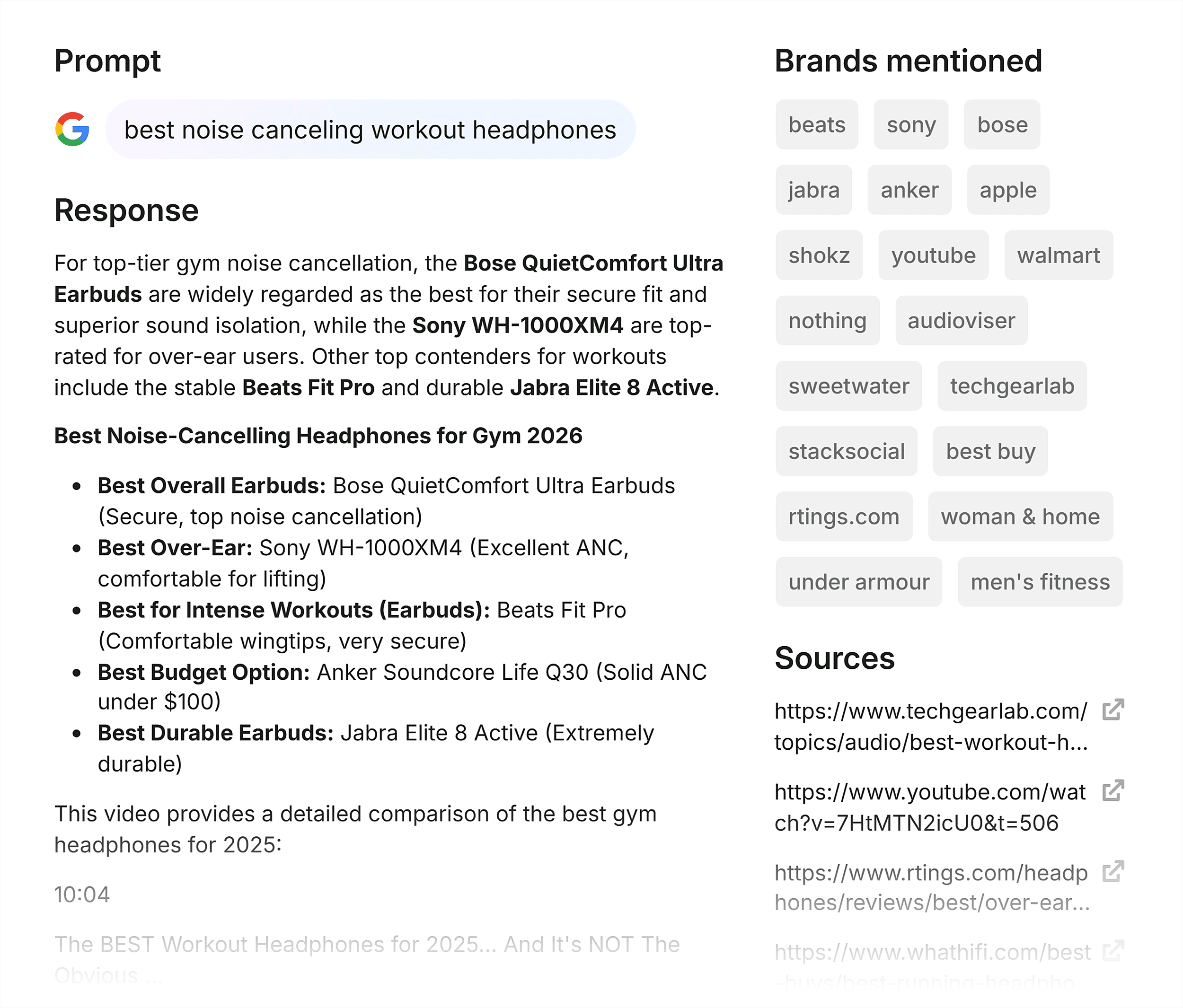
Traditional SEO focuses on "money keywords"—terms with high commercial intent. In the AI era, these have evolved into "money prompts." These are the long-form, conversational questions that high-value customers ask AI tools. For example, instead of targeting "noise-canceling headphones," a brand should target the prompt: "What are the most durable noise-canceling headphones for a frequent traveler on a $300 budget?"

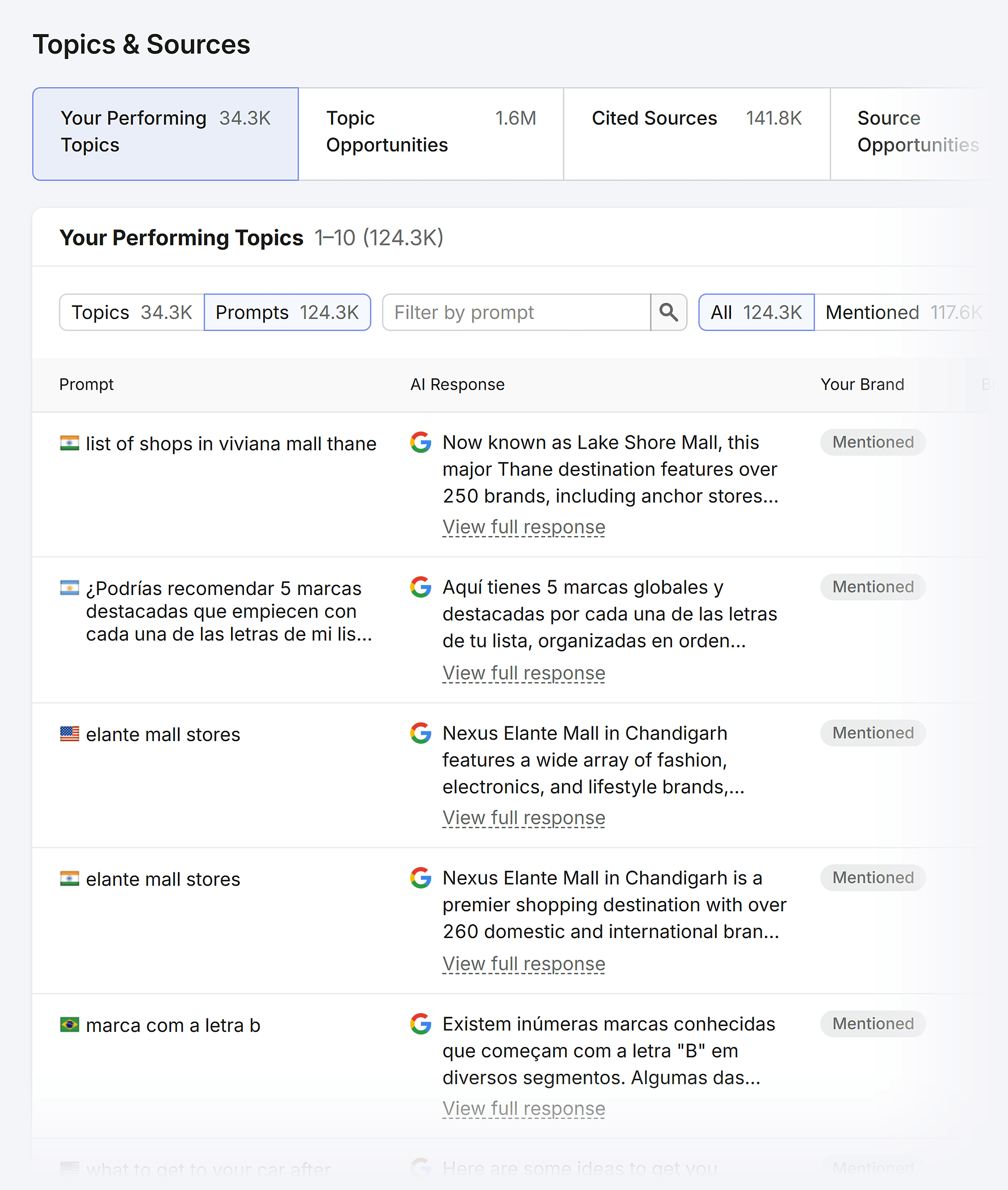
Step 2: Generating Fan-Out Sets
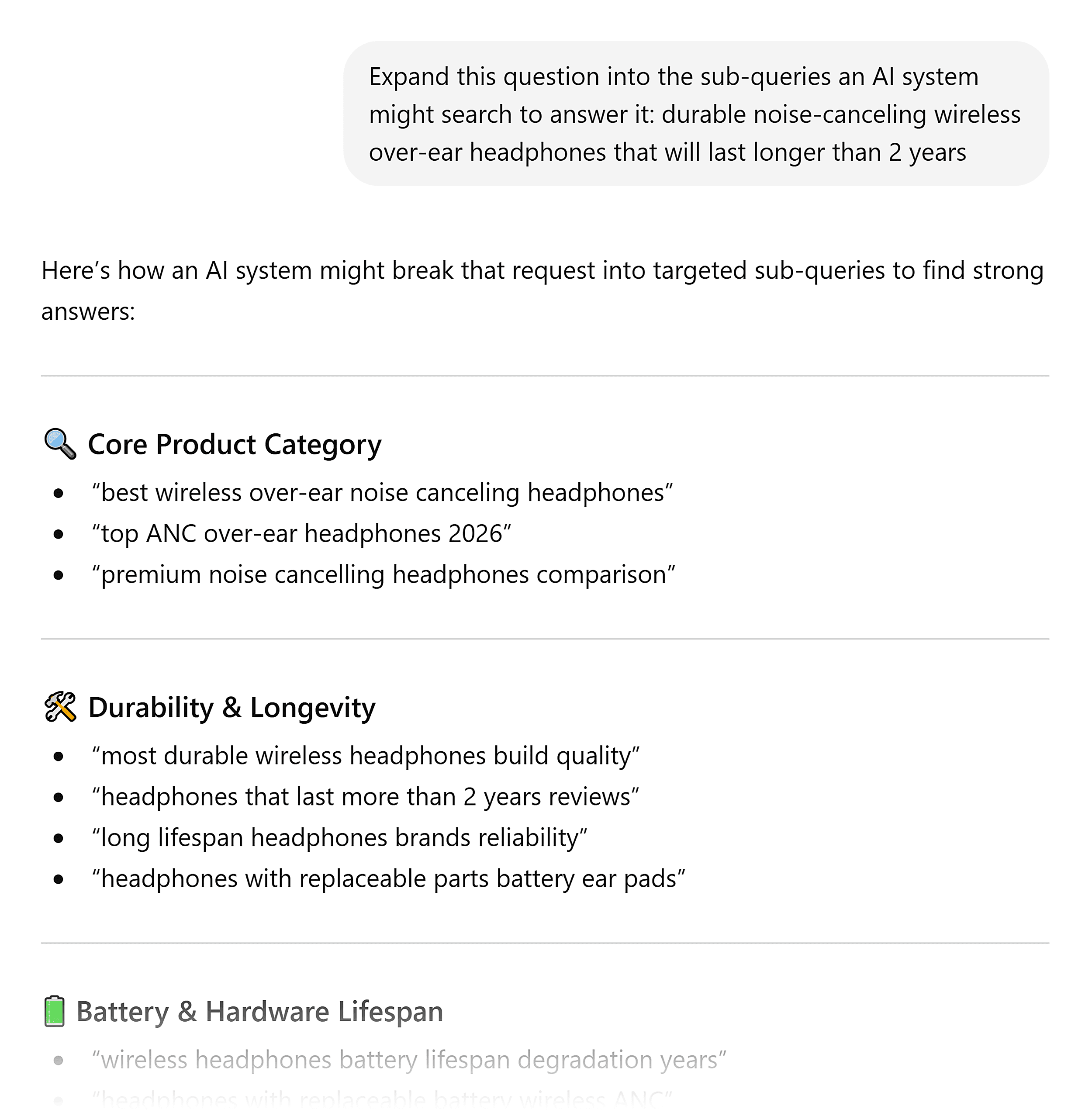
Once a money prompt is identified, marketers must determine how AI systems will deconstruct it. This can be done manually by asking an LLM to "list the sub-queries required to answer this prompt" or by using specialized developer tools that monitor the network calls of AI platforms.
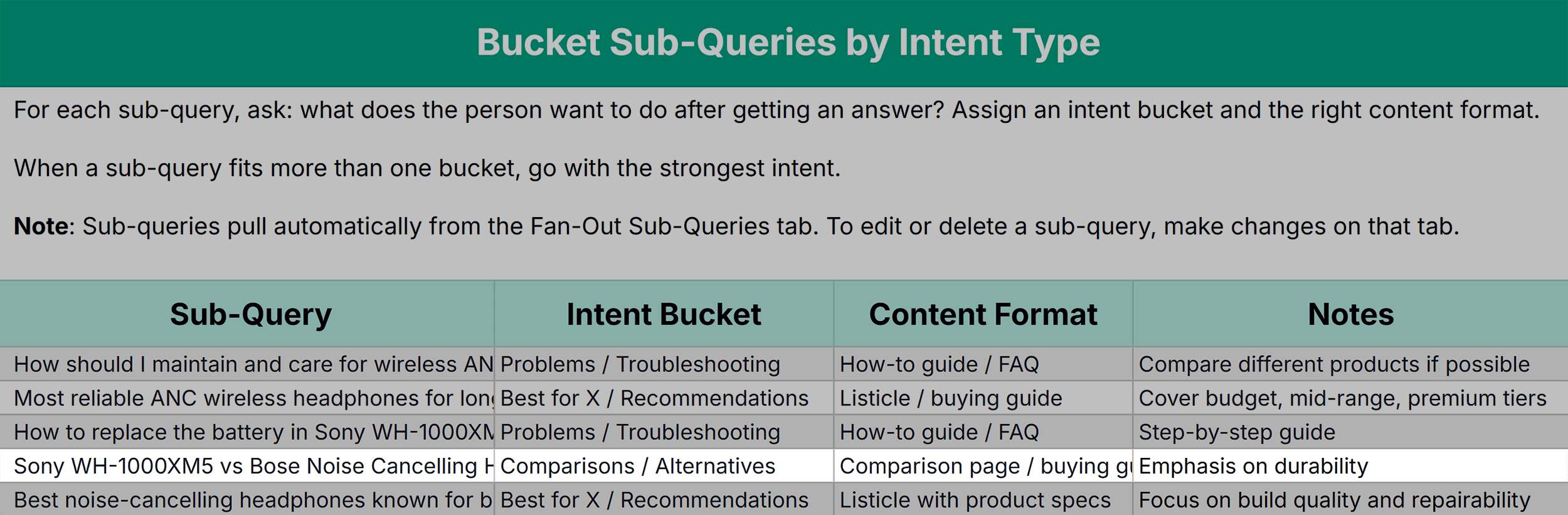
Step 3: Intent Bucketing
Sub-queries generally fall into several categories, including definitions, comparisons, use-case recommendations, and troubleshooting. By bucketing these sub-queries, a content team can identify exactly what type of information the AI is looking for—be it a head-to-head table or a technical "how-to" guide.
Step 4: Content Gap Audit
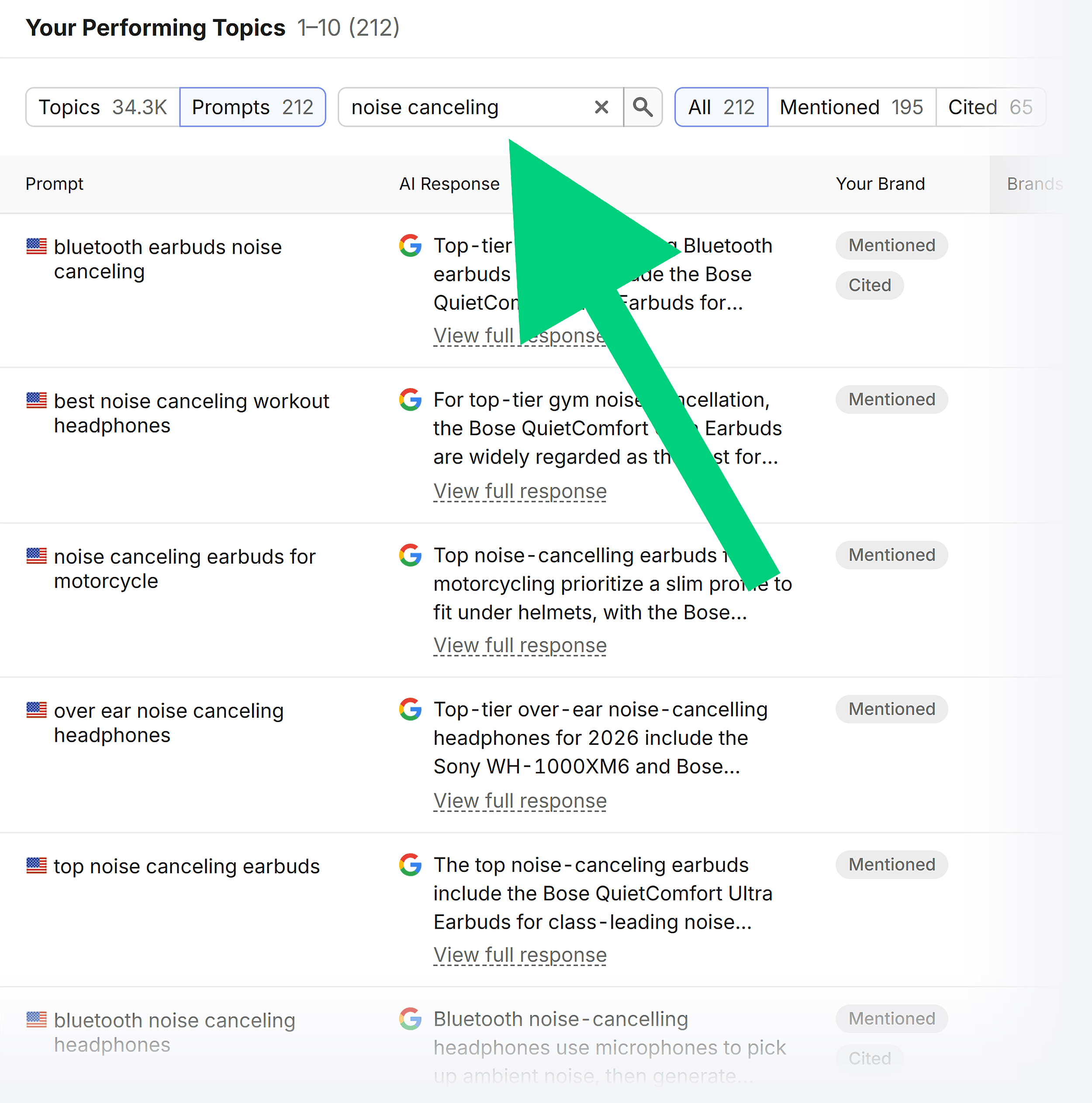
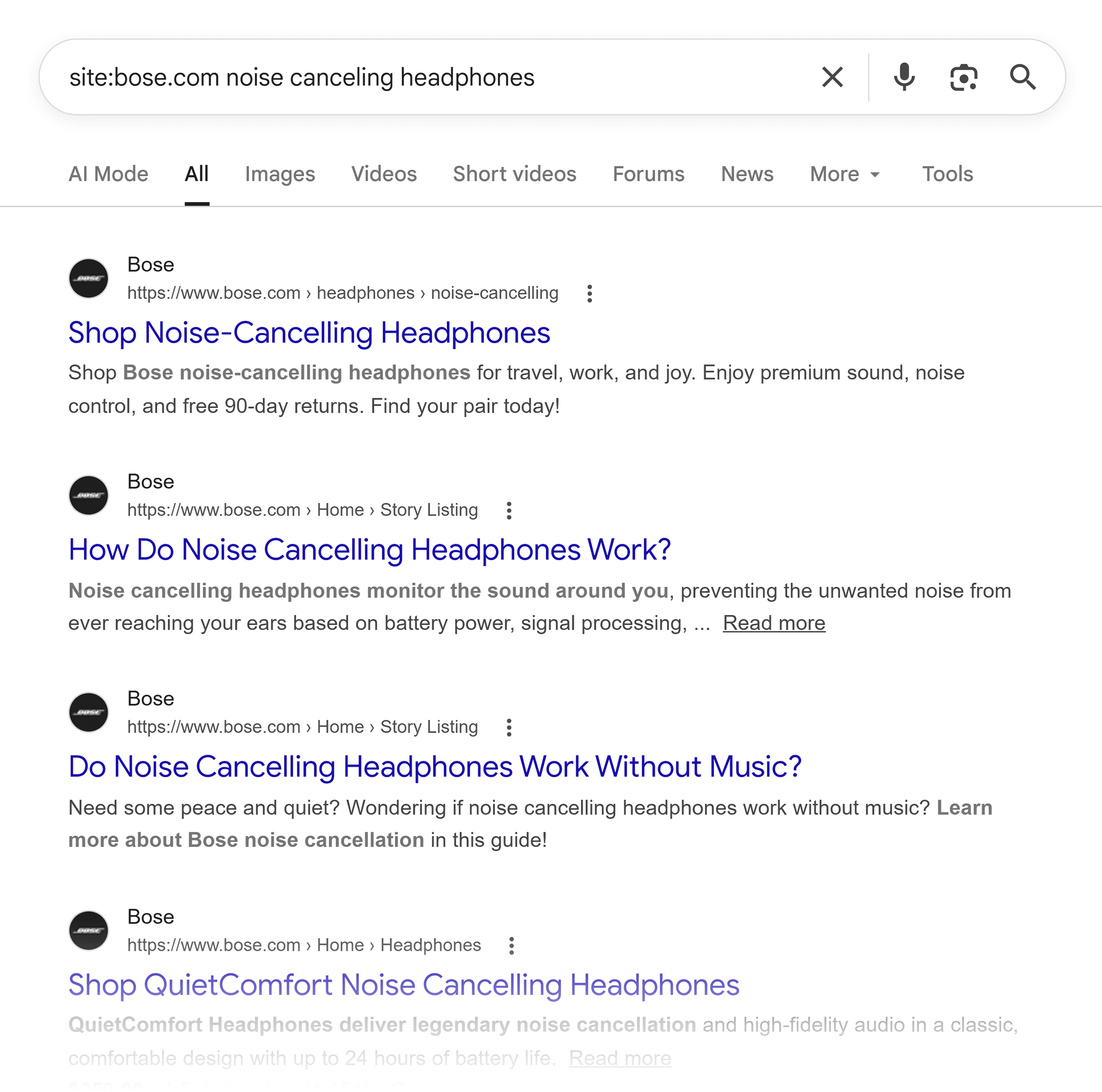
Using a "site:" search on Google, brands can evaluate whether their existing library actually answers the sub-queries identified in the fan-out set. Often, a brand may have a high-level page about a product but lack the specific, granular sections that an AI needs to cite to answer a sub-query about pricing or specific use cases.
Step 5: Structural Optimization for Extraction
AI systems do not "read" pages like humans; they parse them for extractable data. To increase the likelihood of being cited, content should be structured with:
- Clear, descriptive H2 and H3 subheadings.
- "Claim-first" writing that puts the answer in the first sentence of a section.
- Structured data (Schema markup) and HTML tables for comparisons.
- Bullet points for technical specifications.
Step 6: Performance Measurement
Unlike traditional SEO, where success is measured by "Blue Link" position, AI visibility is measured by "Share of Model." This involves tracking how often a brand is mentioned in AI responses for its primary money prompts and analyzing the "sentiment drivers" that the AI associates with the brand.
Platform-Specific Variations
While the general principle of query fan-out applies across the industry, different platforms execute the process with varying degrees of complexity:
- ChatGPT: Utilizes a "reasoning" phase where it determines if it needs fresh web data. If so, it runs multiple searches and synthesizes dozens of sources.
- Perplexity: Combines real-time web search with the user’s previous conversation history, meaning it may fan out based on personal constraints the user mentioned earlier in the session.
- Claude: Takes a more conservative approach, often asking the user clarifying questions before fanning out, which results in more targeted but fewer sub-queries.
- Google AI Overviews: Synthesizes Google’s existing massive web index into condensed summaries. It relies heavily on "featured snippet" style content and clear, authoritative headers.
Broader Implications and Analysis
The shift toward query fan-out represents a move away from the "winner-take-all" dynamics of the first page of Google. In a world where AI cites sources from page three or four of the search results, the barrier to entry for smaller, highly specialized websites may actually lower—provided their content is technically optimized for AI retrieval.
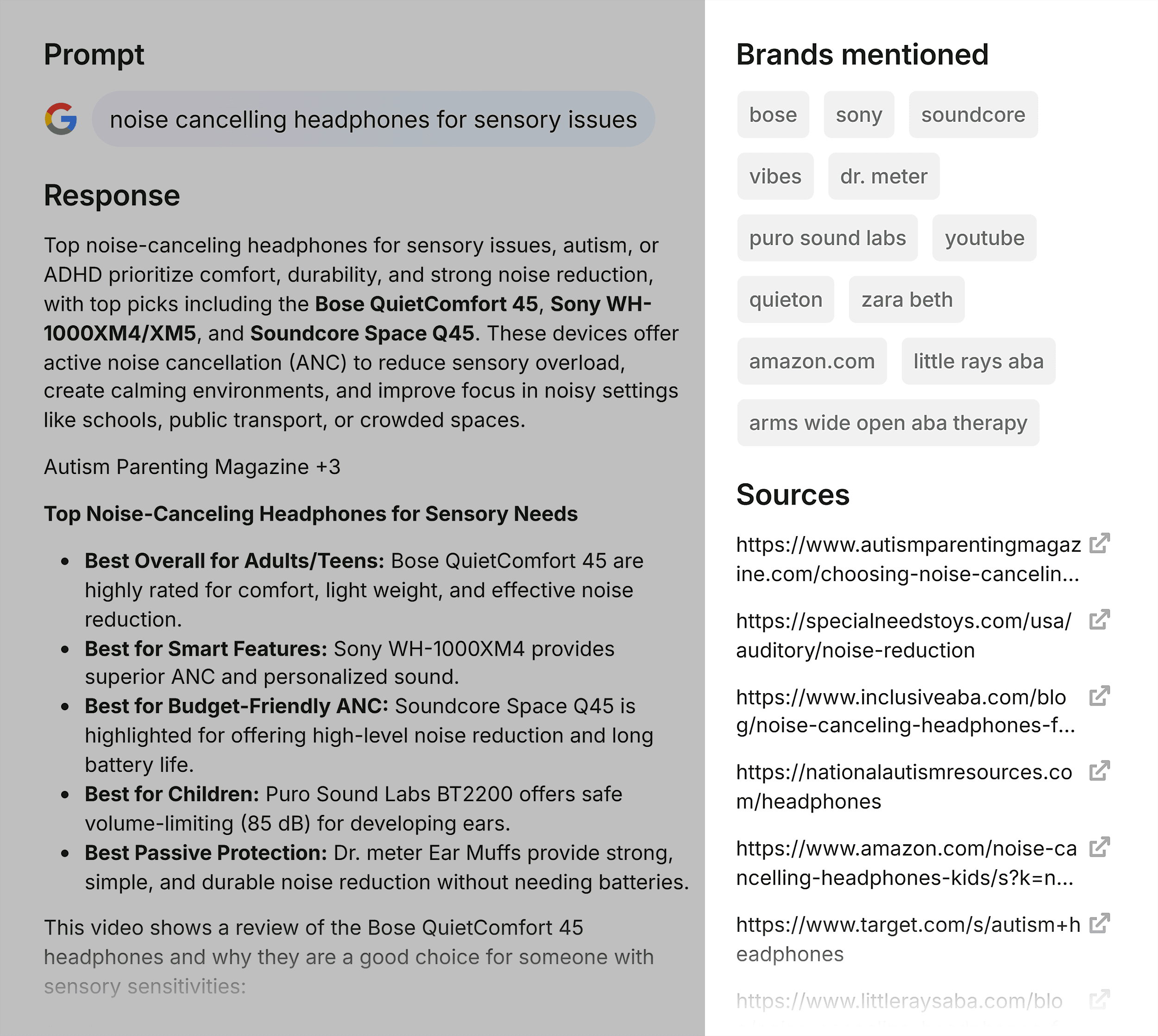
However, this also presents a significant challenge for brand control. Because AI synthesizes information from third-party sources like Reddit and independent review sites, a brand’s "AI reputation" is no longer determined solely by its own website. If sub-queries for a brand consistently pull from negative forum threads, the AI’s synthesized answer will reflect that sentiment.
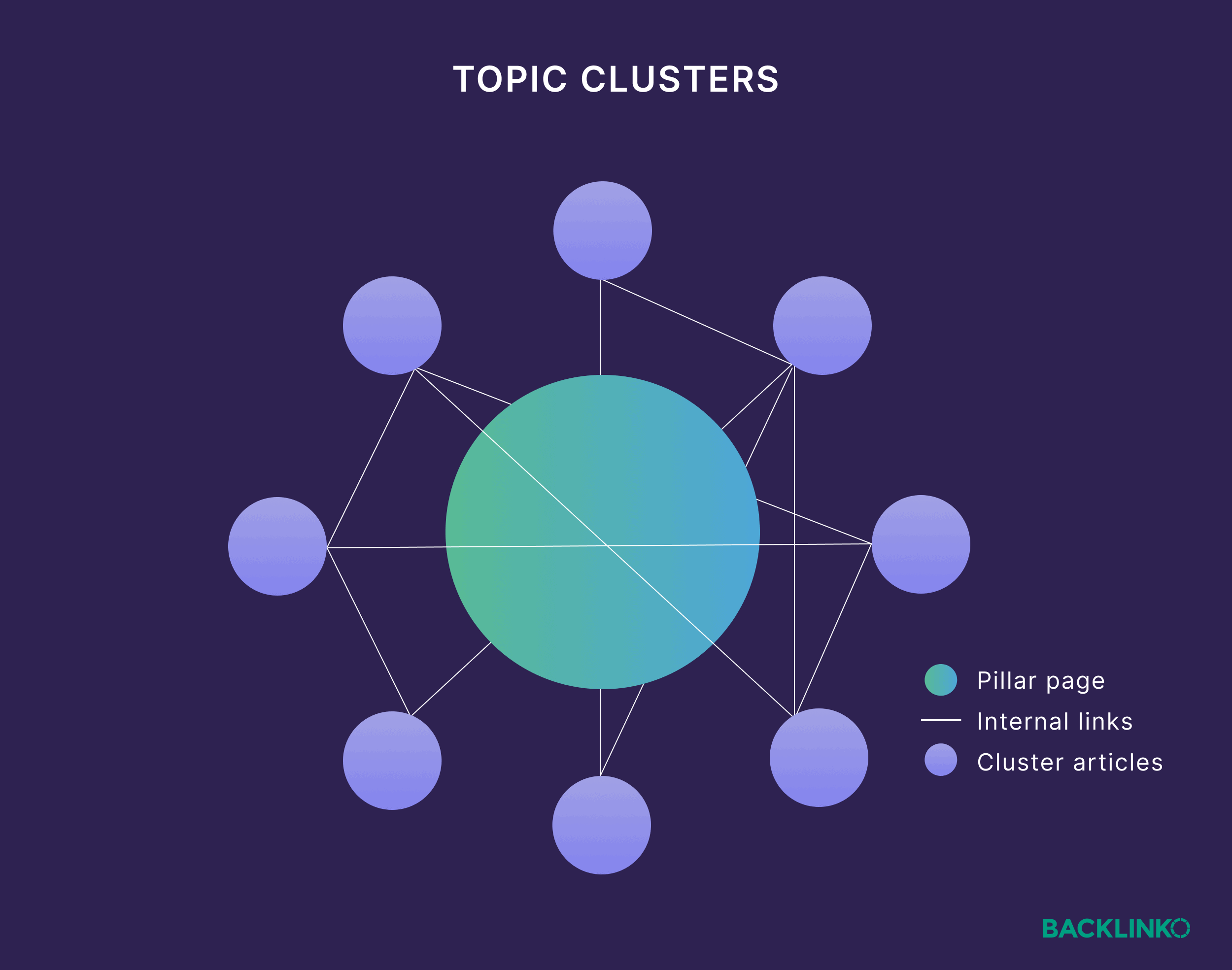
Consequently, the future of digital marketing lies in "Topical Authority." Brands must ensure they are mentioned favorably across the entire ecosystem of sources that AI systems frequent. This includes PR, community engagement on platforms like Reddit, and maintaining a presence on high-authority comparison sites.
In conclusion, query fan-out is the mechanism that has effectively decoupled search visibility from search rankings. To remain relevant, organizations must transition from a keyword-centric strategy to a prompt-centric strategy, focusing on the granular sub-questions that define their niche. The brands that will thrive in the age of AI search are those that prioritize clear, structured, and comprehensive coverage over the simple pursuit of a number-one ranking.