Mastering the Architecture of AI Discovery: How Query Fan-Out is Reshaping Modern Digital Marketing and Search Engine Visibility

The digital landscape is currently undergoing its most significant transformation since the inception of the search engine, as a background process known as query fan-out redefines how information is retrieved and presented to users. While traditional search engine optimization (SEO) has long focused on securing the coveted first-page ranking on Google, the emergence of Large Language Models (LLMs) such as ChatGPT, Claude, and Perplexity has introduced a new reality: content can dominate traditional search results yet remain entirely invisible to the artificial intelligence systems that now mediate user discovery. This shift is driven by the sophisticated mechanism of query fan-out, which prioritizes the most relevant and reliable data points over a website’s general search position.
The Technical Mechanics of Query Fan-Out
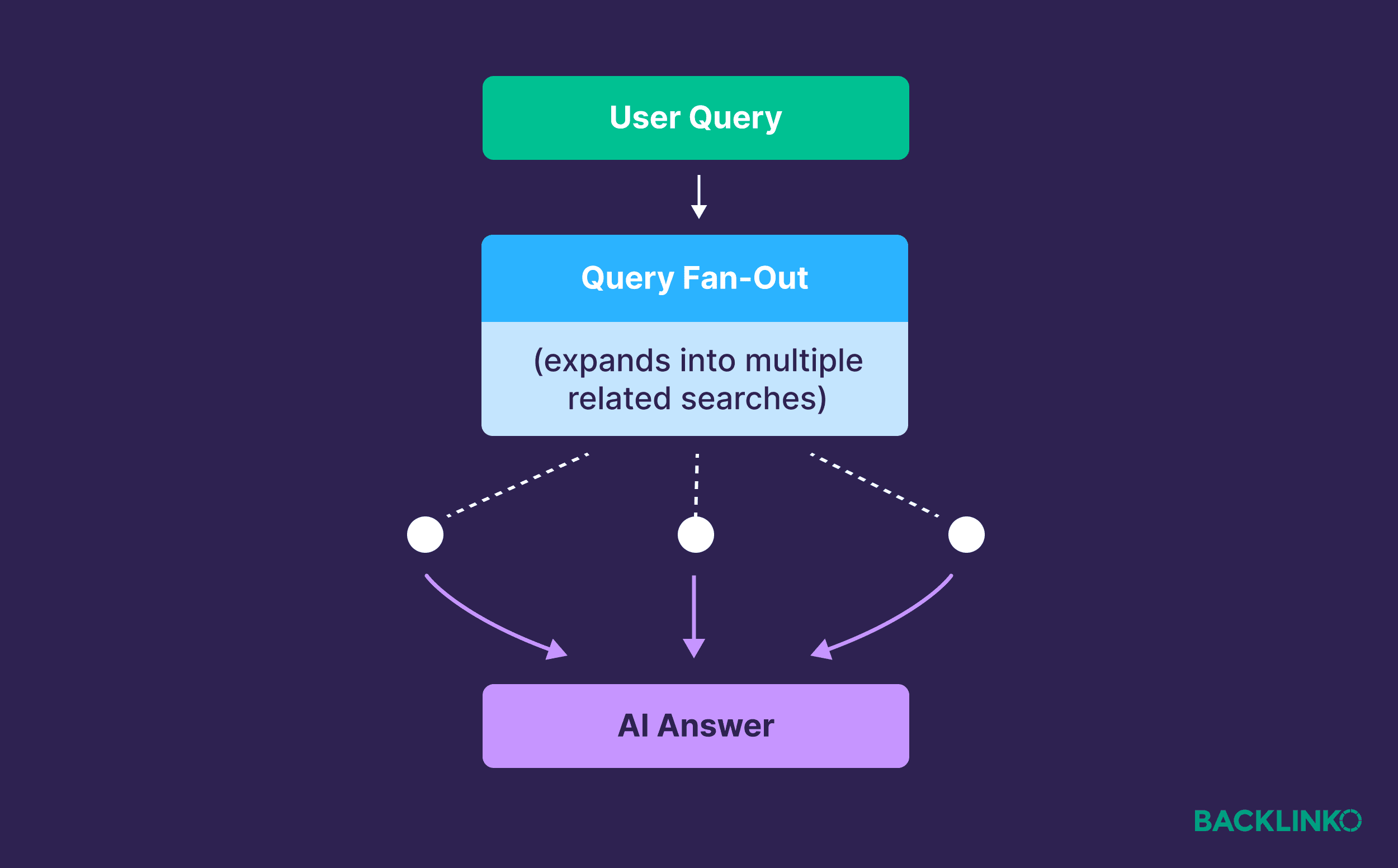
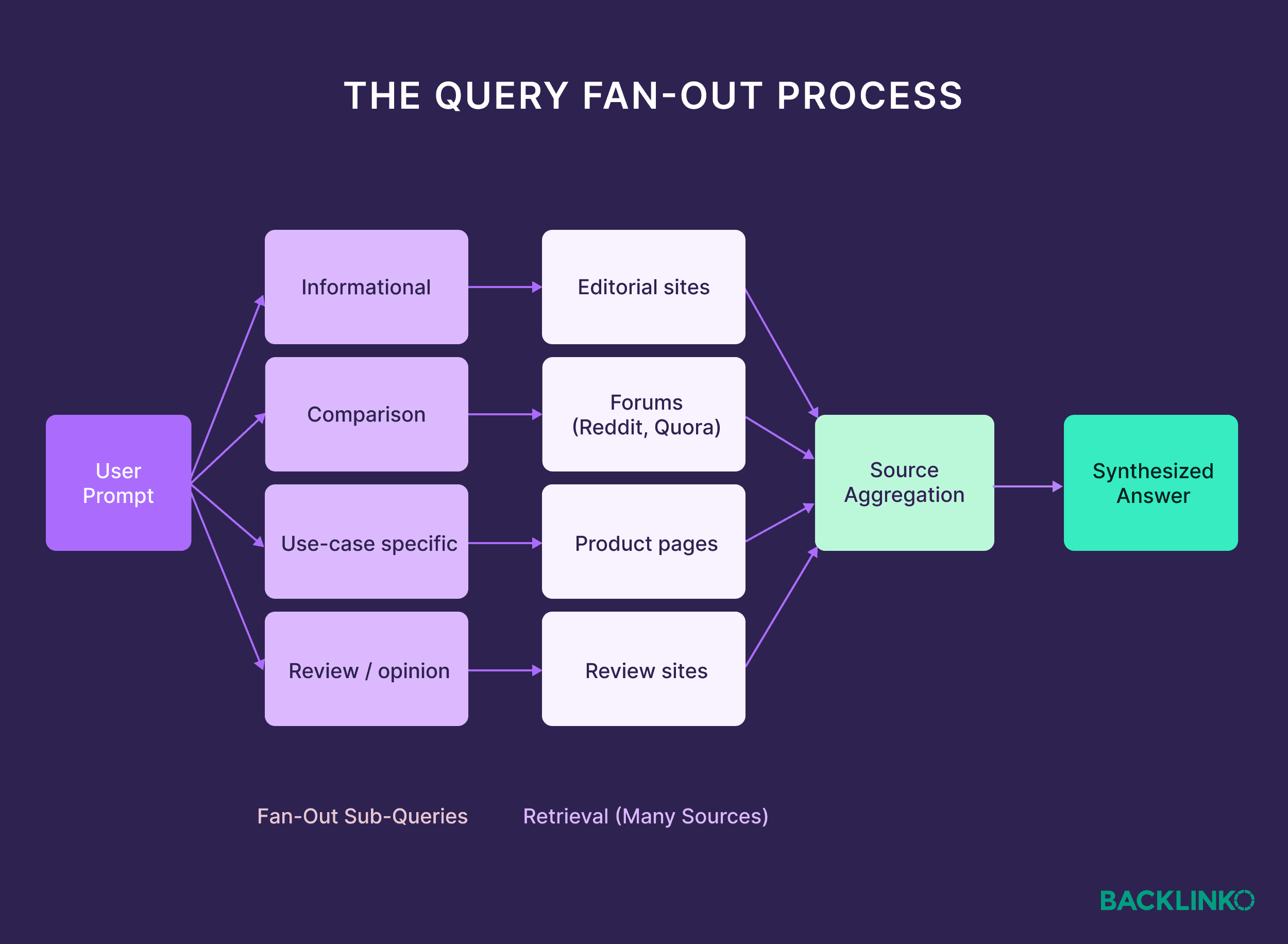
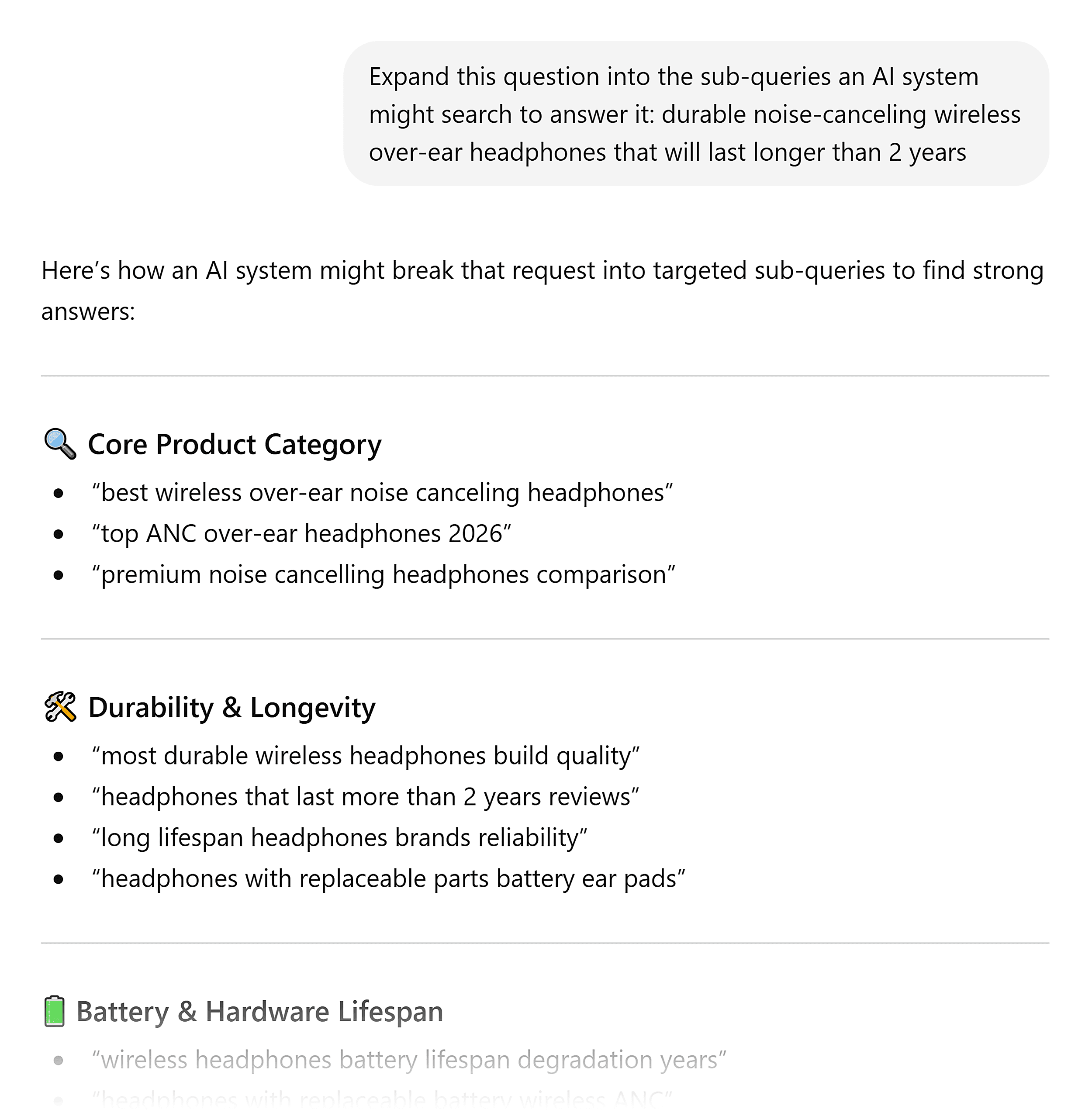
Query fan-out is a multifaceted background process utilized by AI search systems to decompose a single user prompt into a series of interconnected sub-queries. When a user asks a question, the AI does not simply look for the "best-ranking" page associated with those keywords. Instead, it "fans out" the original prompt into related sub-questions to construct a comprehensive and multi-dimensional response. This allows the system to bridge contextual gaps, cross-reference data for accuracy, and provide the nuance that a single search result might lack.
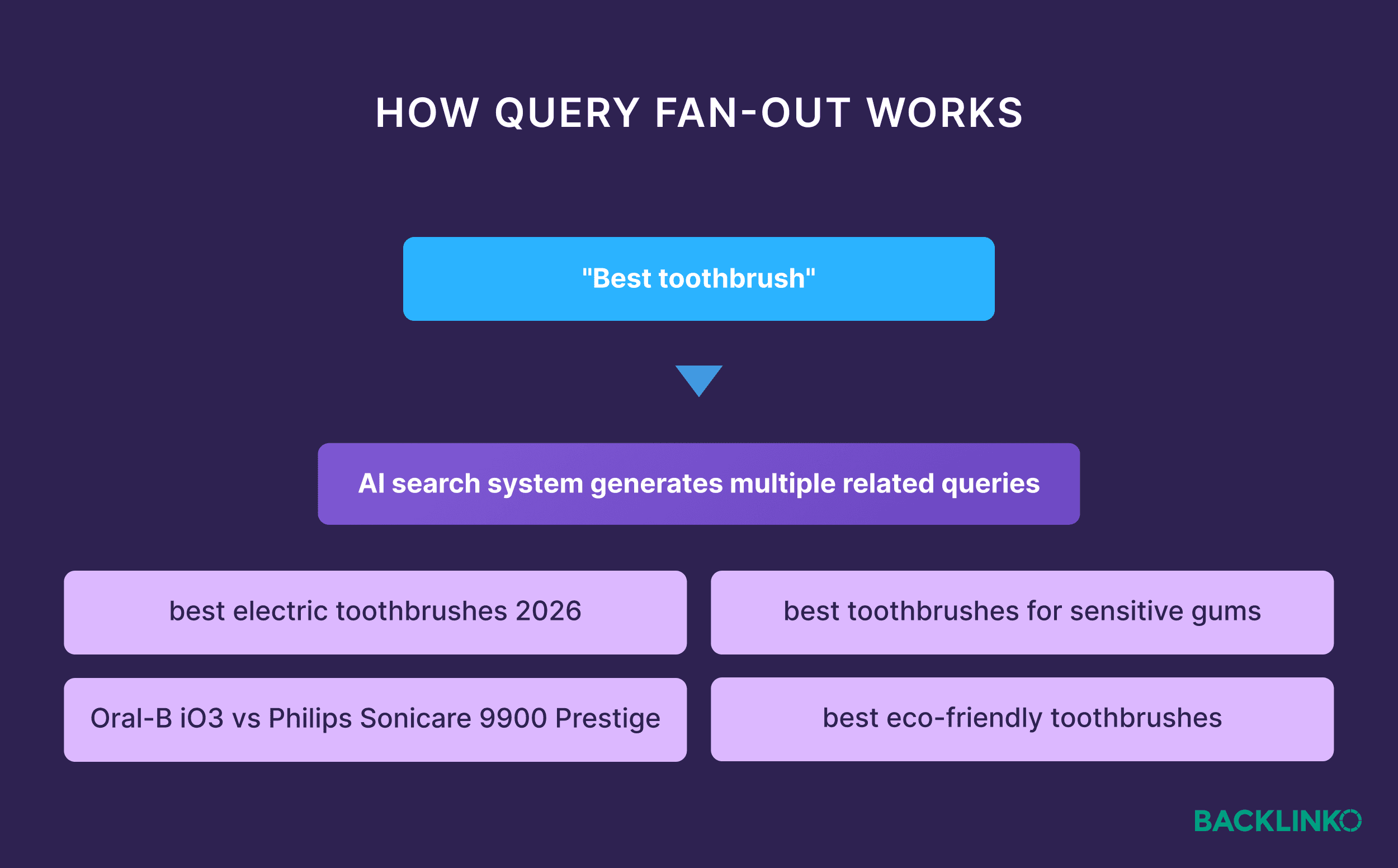
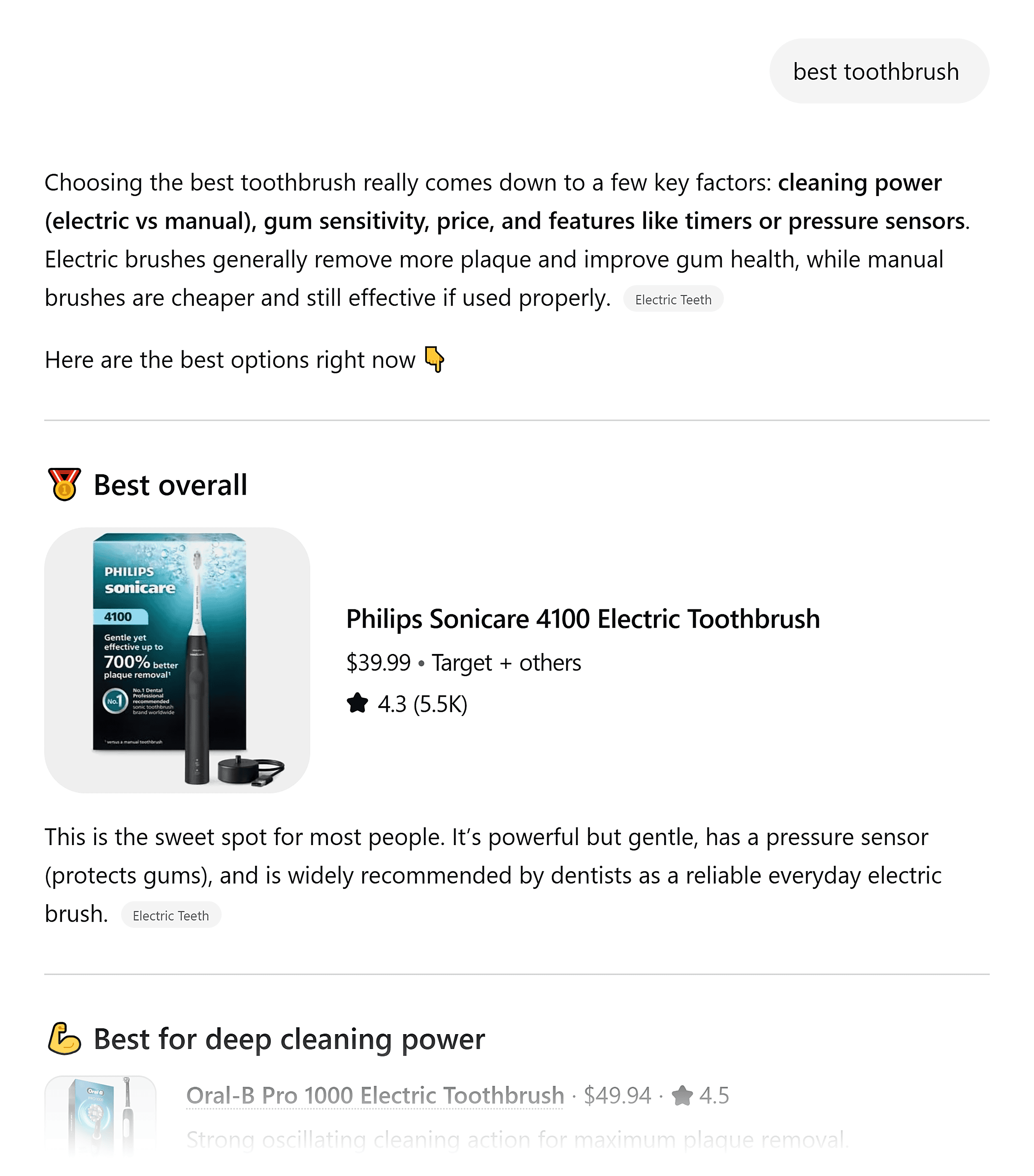
For instance, a simple query such as "best professional cameras for beginners" may trigger a series of hidden sub-queries including "entry-level mirrorless vs DSLR," "best camera brands for video under $1,000," and "user reviews for Sony Alpha series on Reddit." The AI then synthesizes findings from diverse sources—ranging from editorial reviews and technical specification sheets to community discussions and product pages—into a singular, cohesive answer. In this new ecosystem, the AI functions more as an information broker than a directory, making "retrievability" and "coverage" the new metrics of success.
The Evolution of Search: A Chronological Perspective
The transition to query fan-out represents the fourth major era in the history of information retrieval. In the early 2000s, search was defined by keyword density and backlink volume, popularized by Google’s original PageRank algorithm. By 2012, the introduction of the Knowledge Graph moved the needle toward "entities," allowing search engines to understand the relationships between people, places, and things.
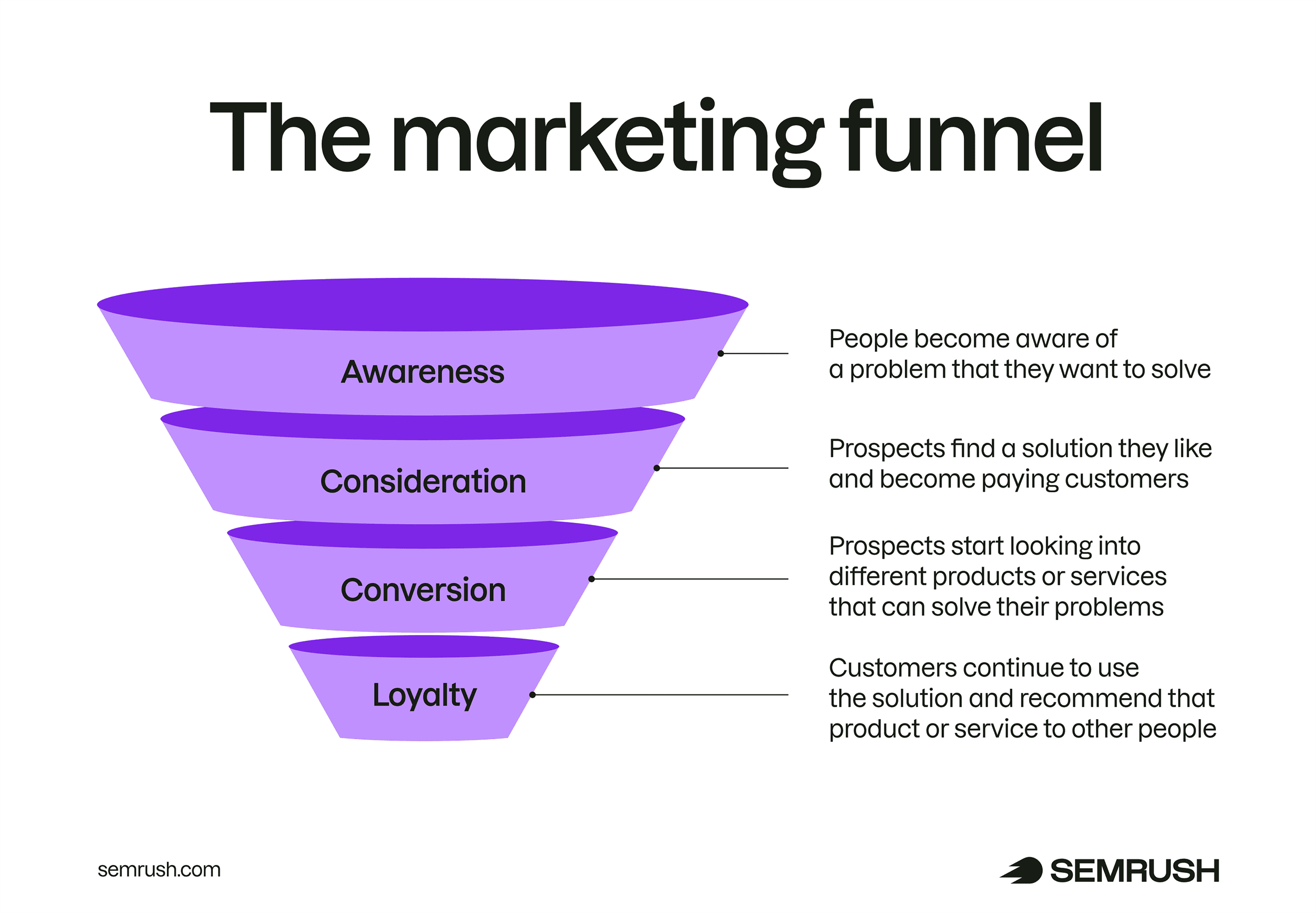
The third era began around 2019 with the deployment of BERT and later MUM (Multitask Unified Model), which utilized natural language processing to better understand user intent. However, the current era—the era of Generative Engine Optimization (GEO)—is fundamentally different. Unlike traditional search, which directs a user to a destination, AI search brings the destination to the user. This "zero-click" environment relies on query fan-out to ensure that the AI’s synthesized response is authoritative. Consequently, the traditional linear marketing funnel—awareness, consideration, and decision—is collapsing into a single, instantaneous interaction.
Data-Driven Insights: Why Traditional Rankings No Longer Suffice
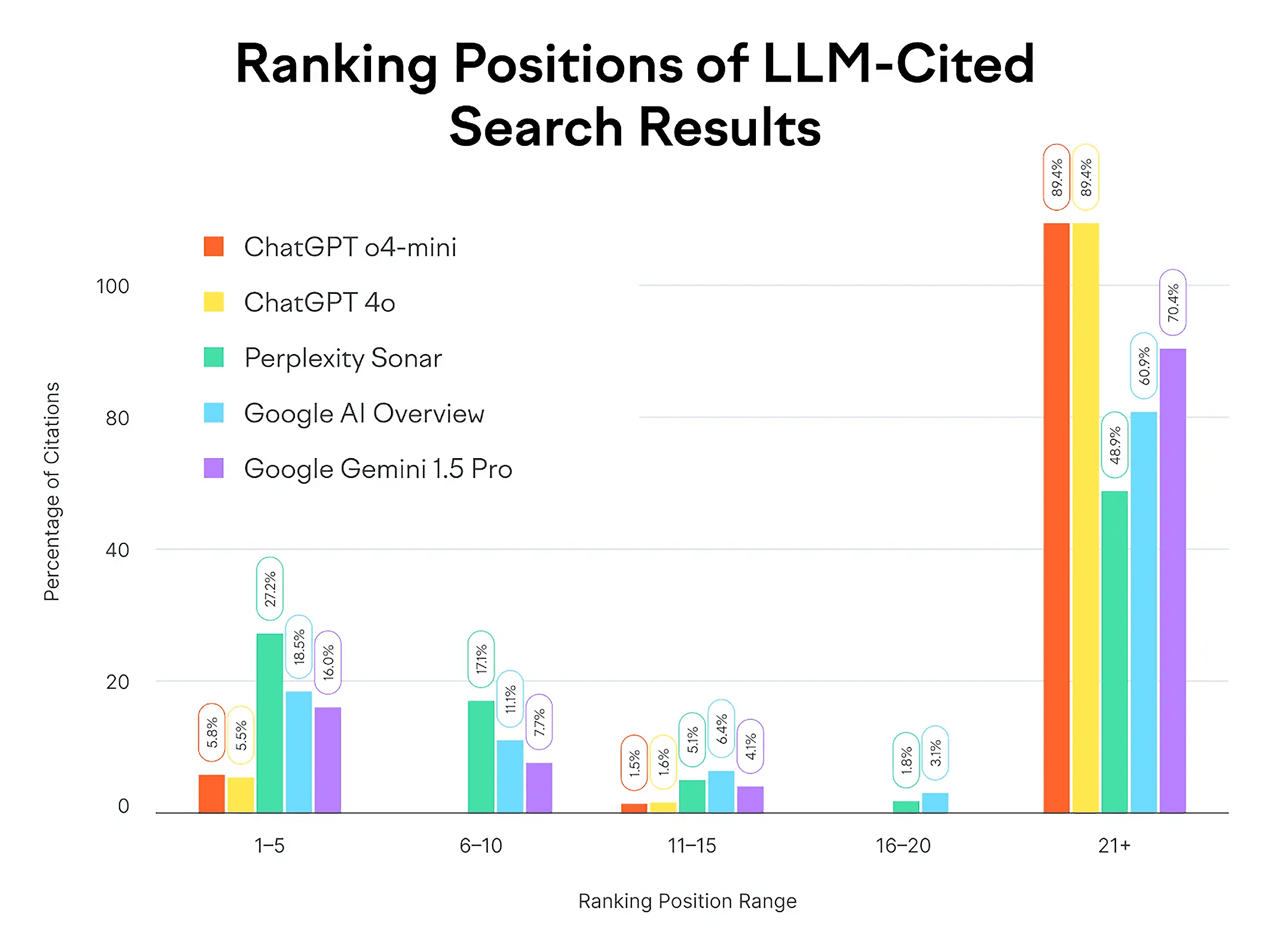
Recent empirical studies highlight the disconnect between traditional search rankings and AI citations. According to research conducted by Semrush, ChatGPT cites pages that rank in position 21 or lower on Google search results nearly 90% of the time. This suggests that LLMs are not beholden to the same algorithmic biases as traditional search engines; they are looking for the specific passage that best resolves a sub-query, regardless of the host domain’s overall authority or traffic.
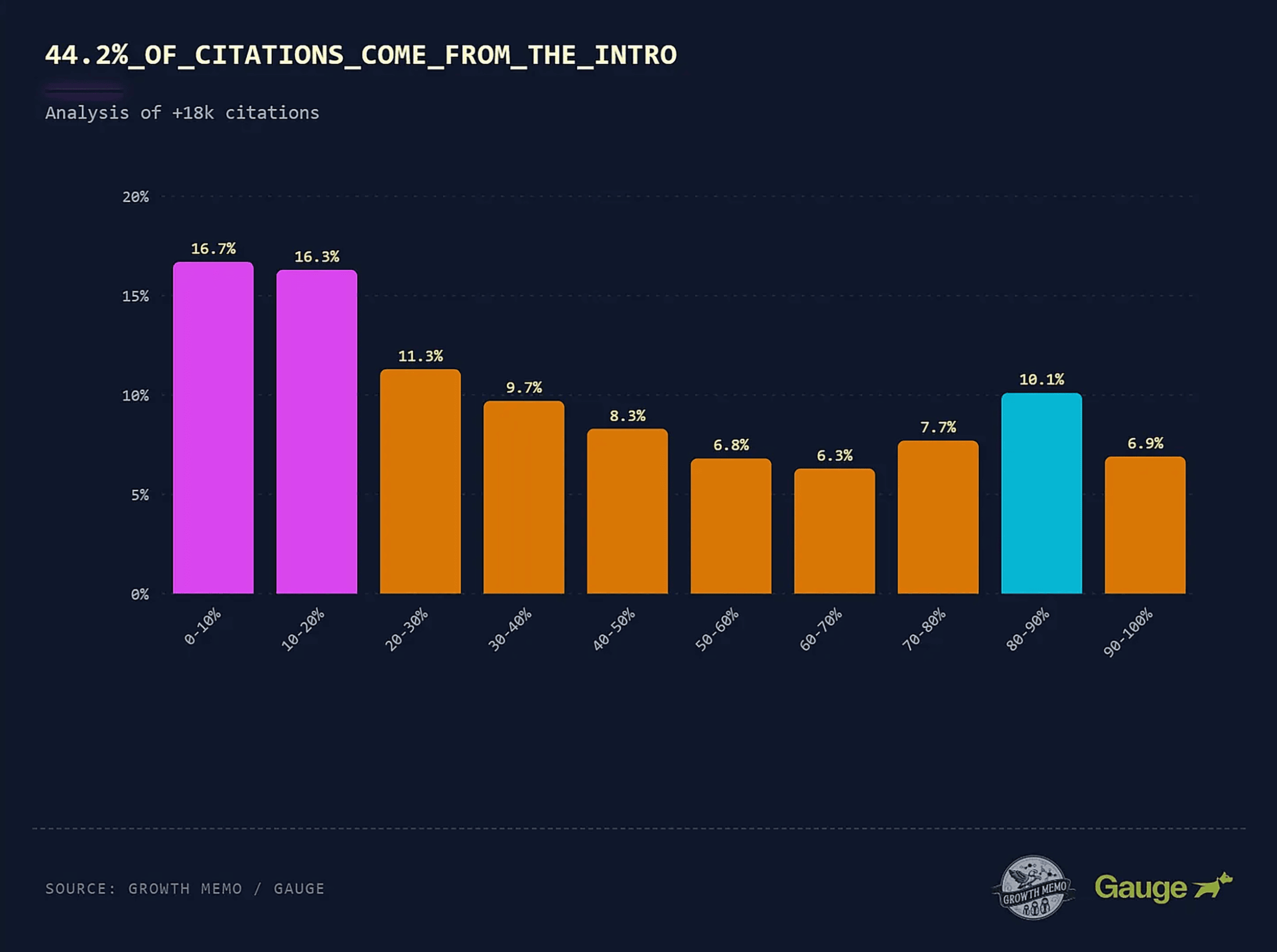
Furthermore, the placement of information within a document has become a critical factor for AI visibility. An analysis of 1.2 million ChatGPT responses by growth advisor Kevin Indig revealed that 44.2% of citations are extracted from the first 30% of a page. This "front-loading" of data is essential for AI systems that prioritize efficiency and speed when scanning content. As AI systems retrieve passages rather than entire pages, content that buries its primary value deep within the text is significantly less likely to be cited.
A Strategic Framework for AI Visibility
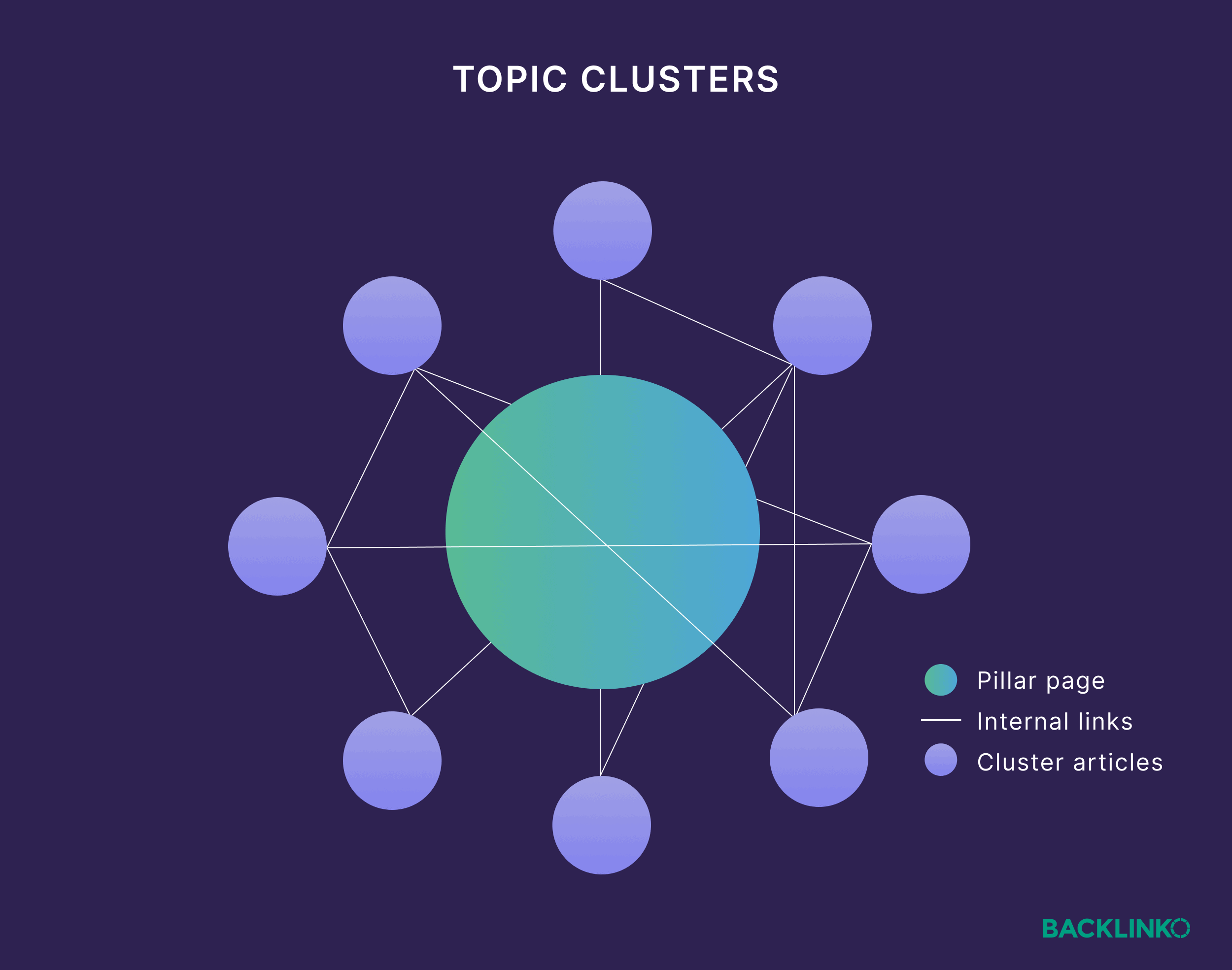
To adapt to the query fan-out environment, organizations are moving away from individual keyword targeting and toward comprehensive topic coverage. This involves a six-step workflow designed to align content with how AI "thinks" and searches.
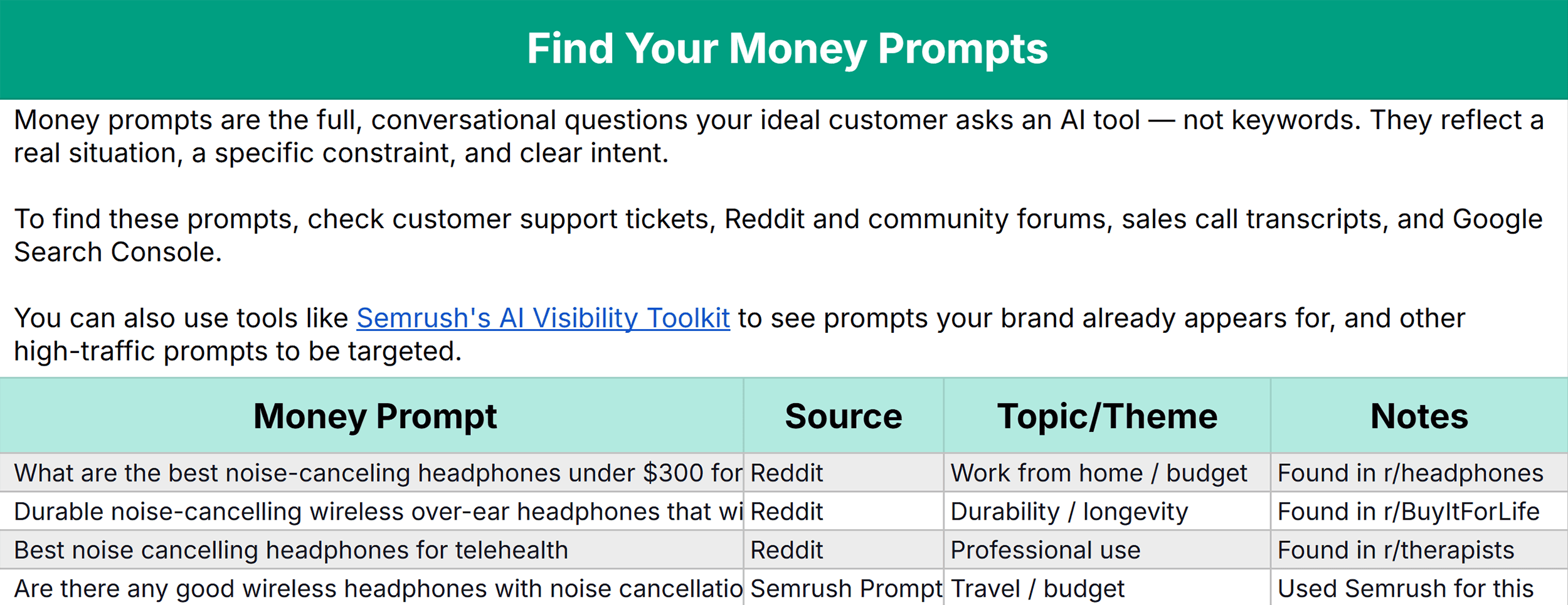
Step 1: Identification of Money Prompts
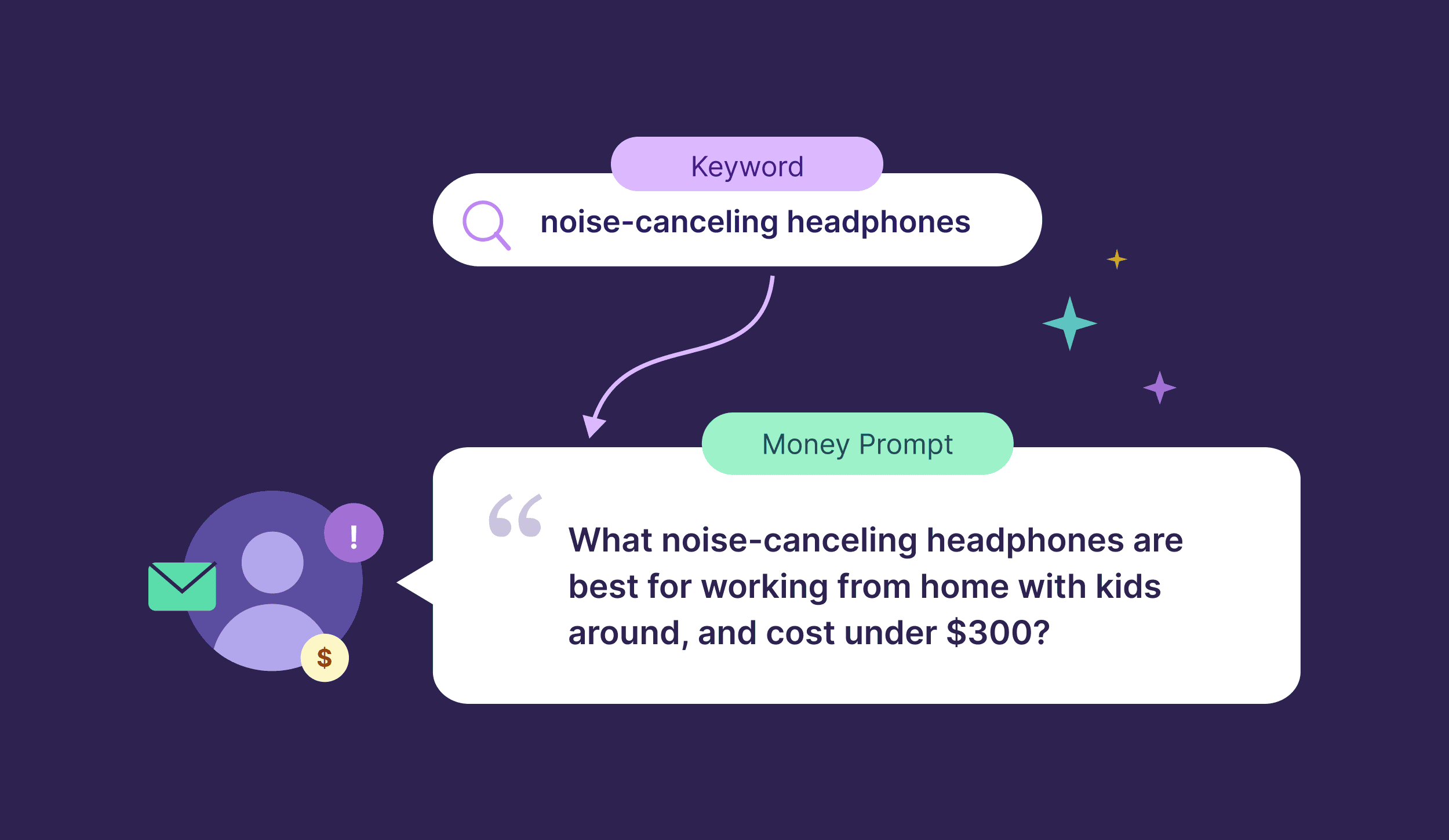
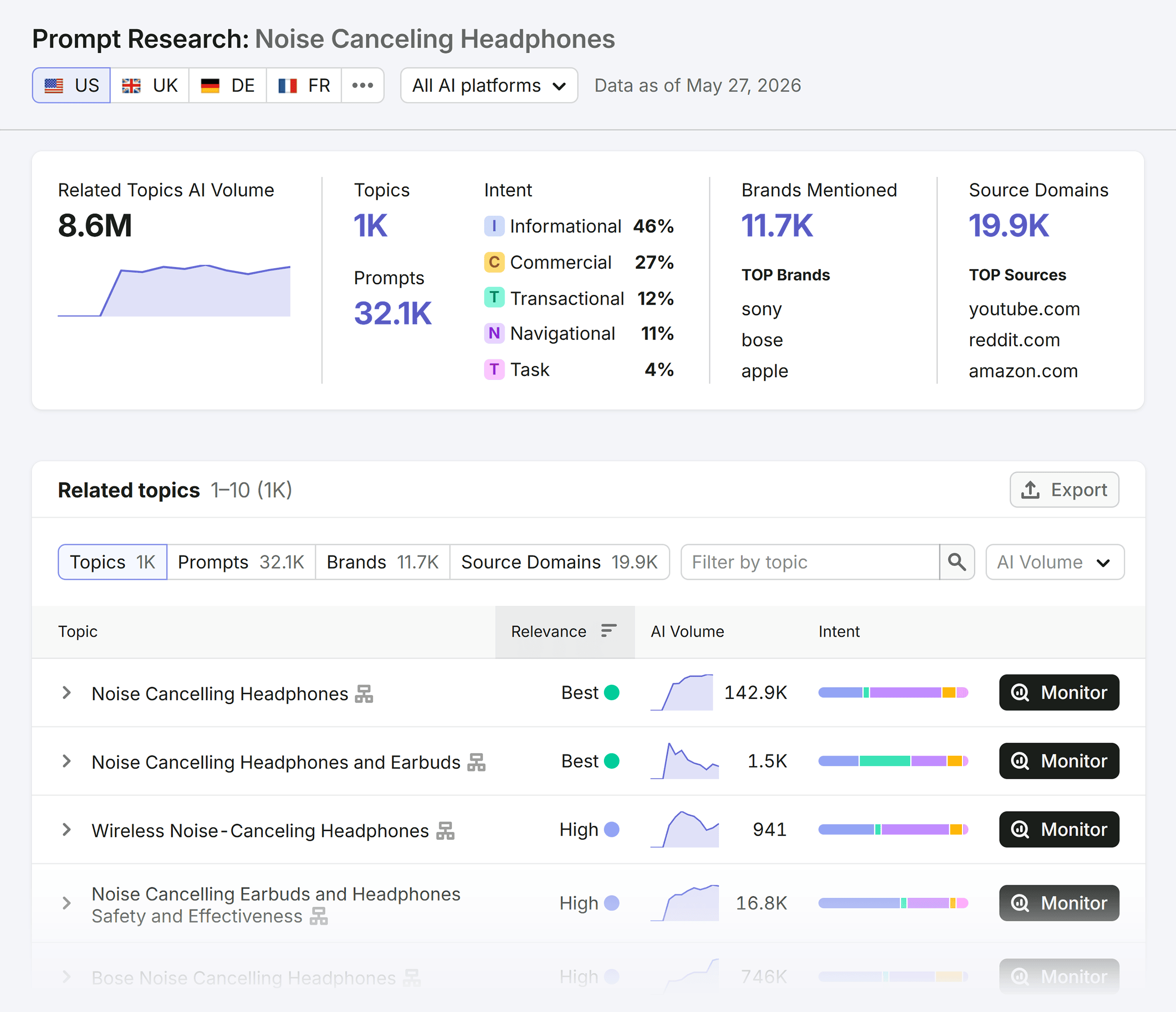
Digital strategists are now identifying "money prompts"—the conversational phrases and high-intent questions that ideal customers ask AI tools. Unlike traditional keywords, these prompts are often long-tail and scenario-specific, such as "What are the most durable noise-canceling headphones for frequent flyers under $300?"
Step 2: Generating Fan-Out Sets
Once a money prompt is identified, marketers use AI tools to predict the sub-queries the system will likely run. By understanding these branches—whether they are comparative, personalized, or entity-expanding—content creators can ensure their material addresses every facet of the topic.

Step 3: Intent Bucketing
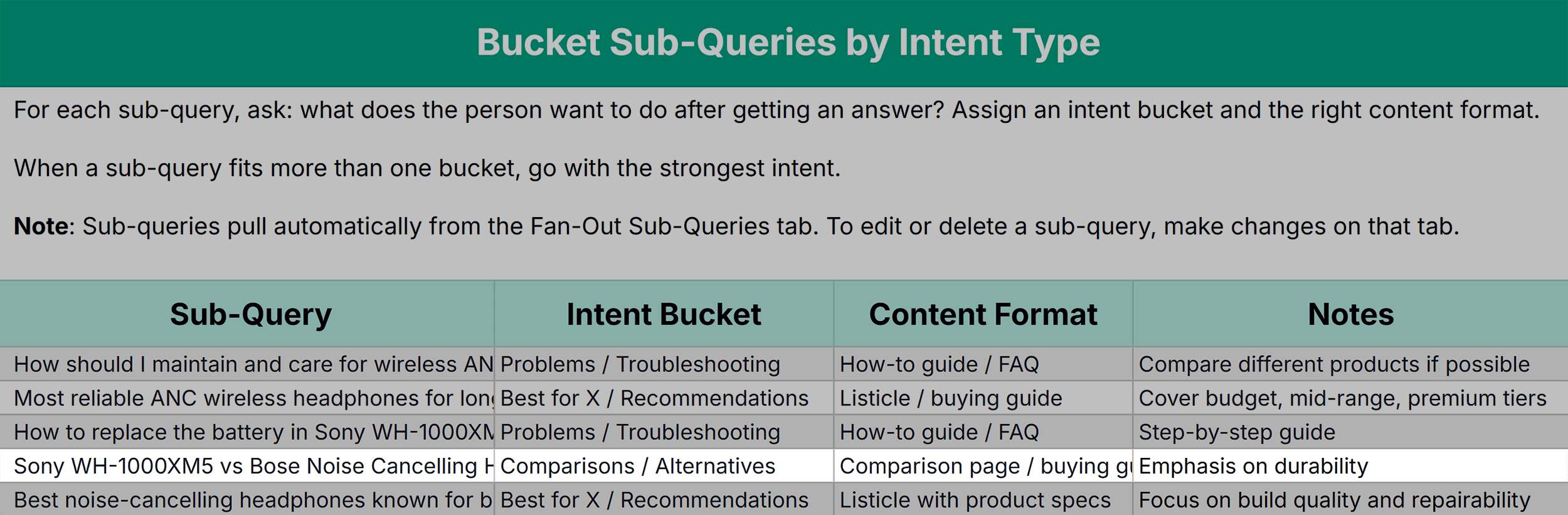
Sub-queries are then categorized by intent: definitions, comparisons, recommendations, troubleshooting, or social proof. Each bucket requires a specific content format, such as head-to-head tables for comparisons or FAQ sections for troubleshooting.

Step 4: Gap Analysis and Competitive Auditing
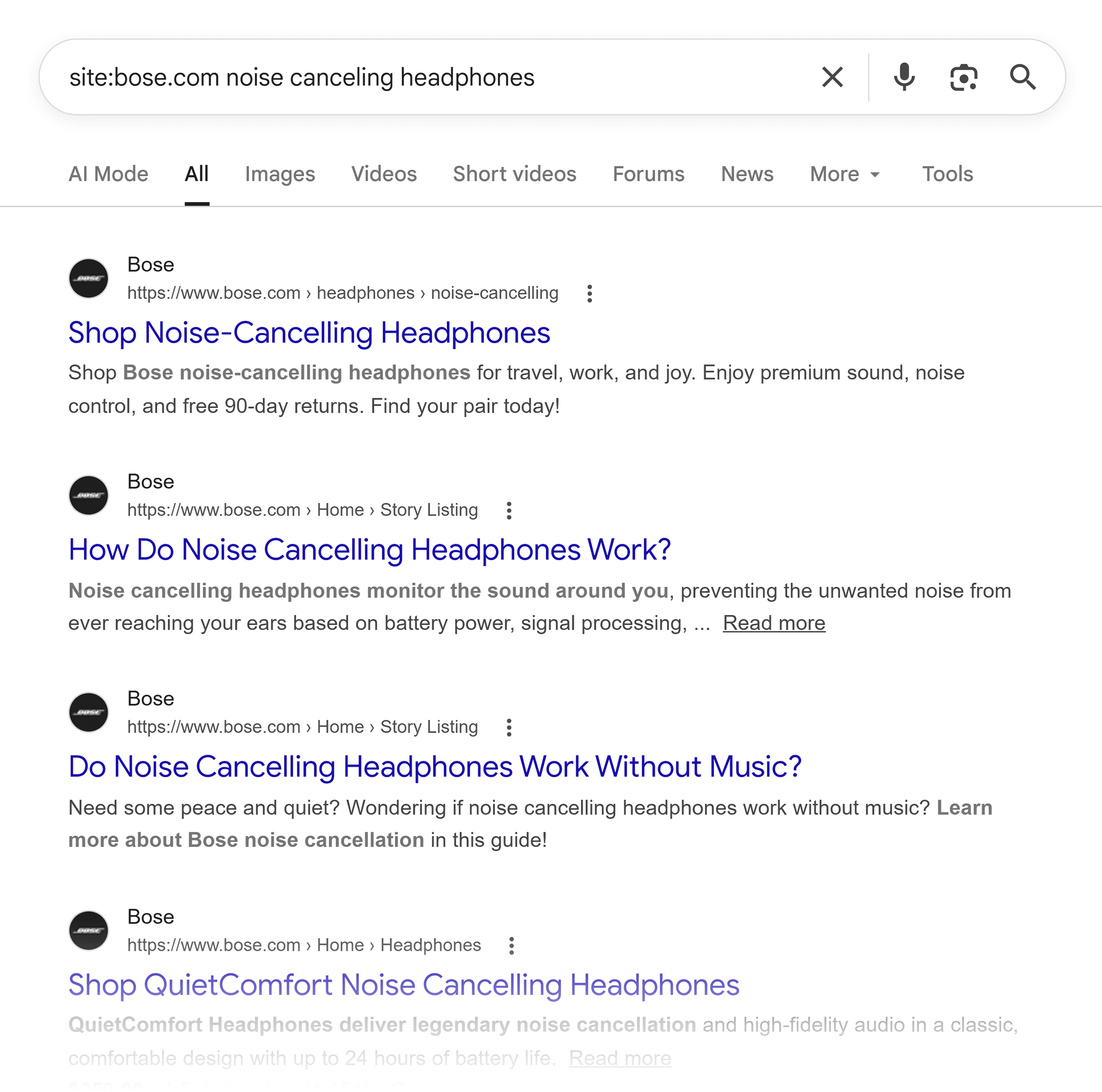
Brands are auditing their existing digital assets to identify "content gaps" where sub-queries are not currently addressed. This also involves monitoring which competitors are surfacing in AI responses for high-priority prompts. If a competitor is mentioned alongside a brand, that prompt becomes a priority for "defense" and content strengthening.
Step 5: Structuring for Extraction
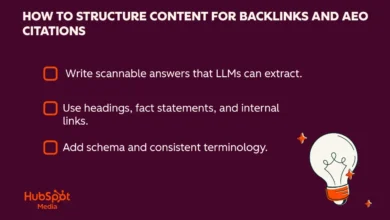
To ensure AI can parse and use content, brands are adopting highly structured formatting. This includes the use of descriptive H2 and H3 subheadings, front-loading answers in the first paragraph, and utilizing scannable elements like bullet points and structured data (Schema markup).
Step 6: Performance Measurement
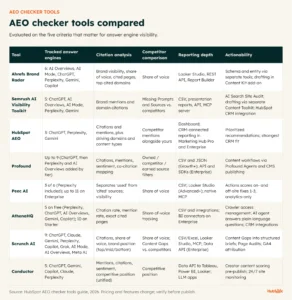
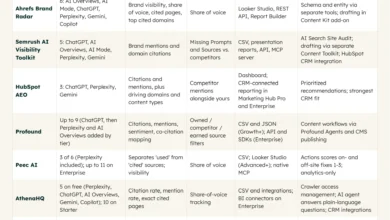
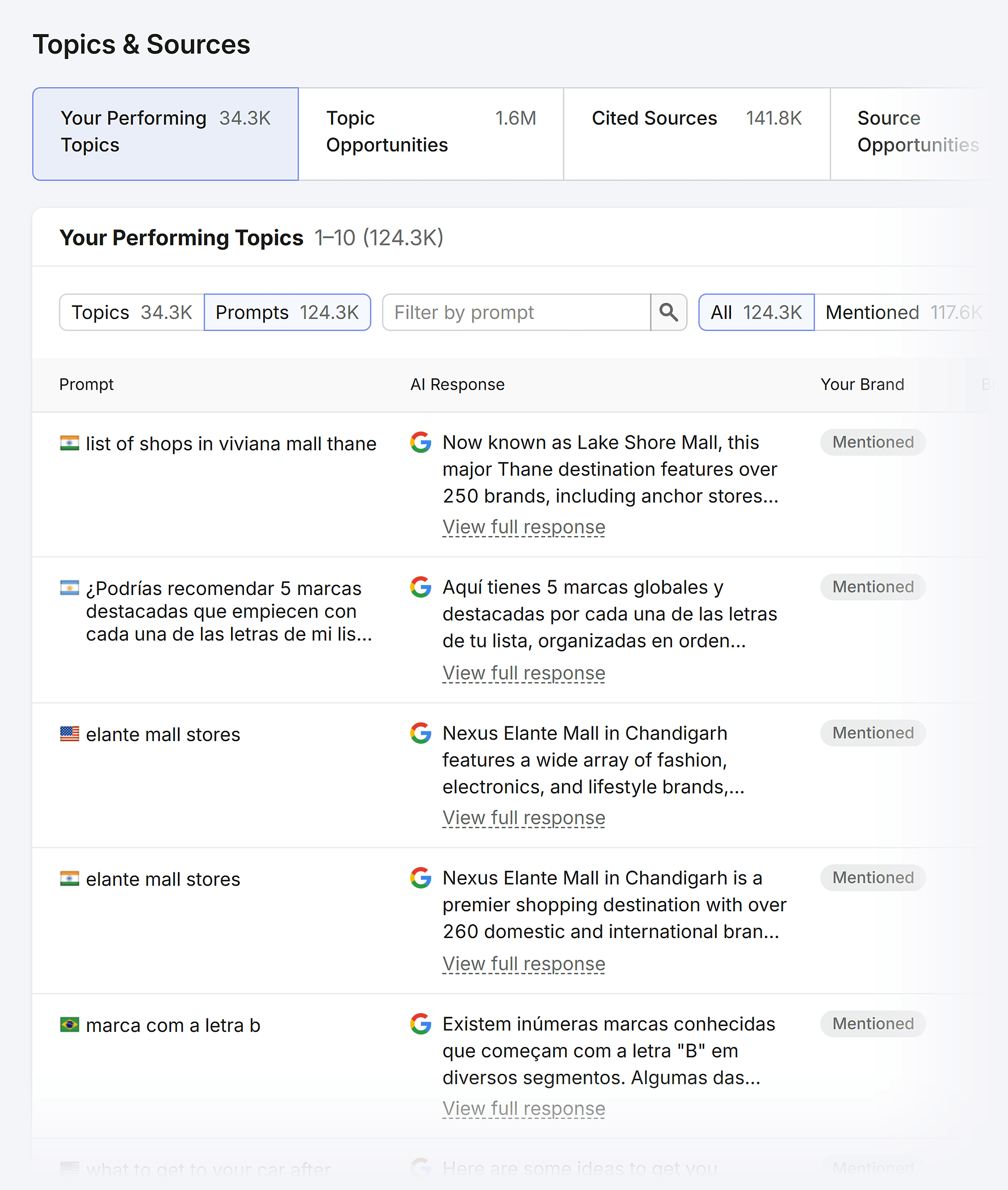
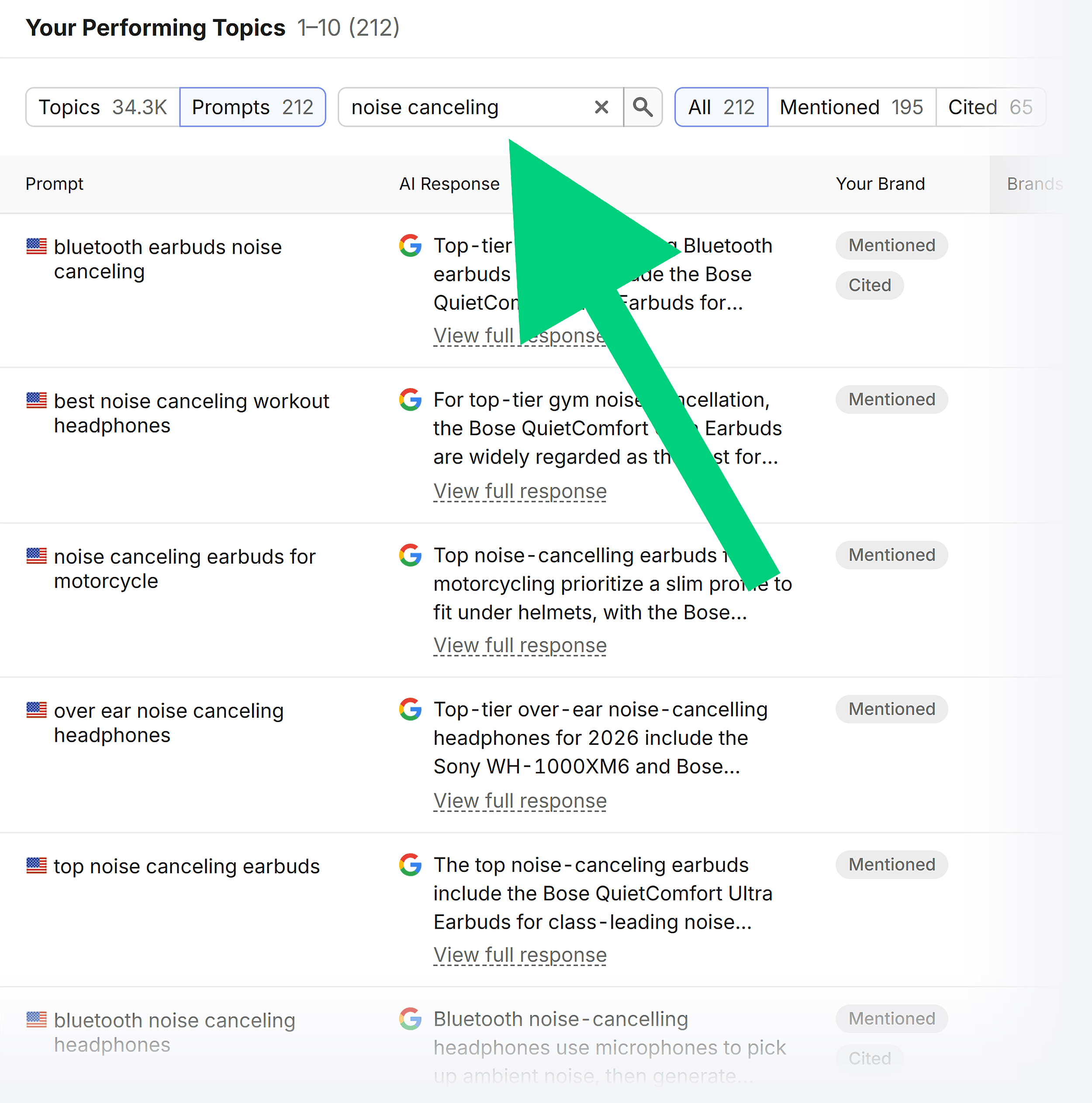
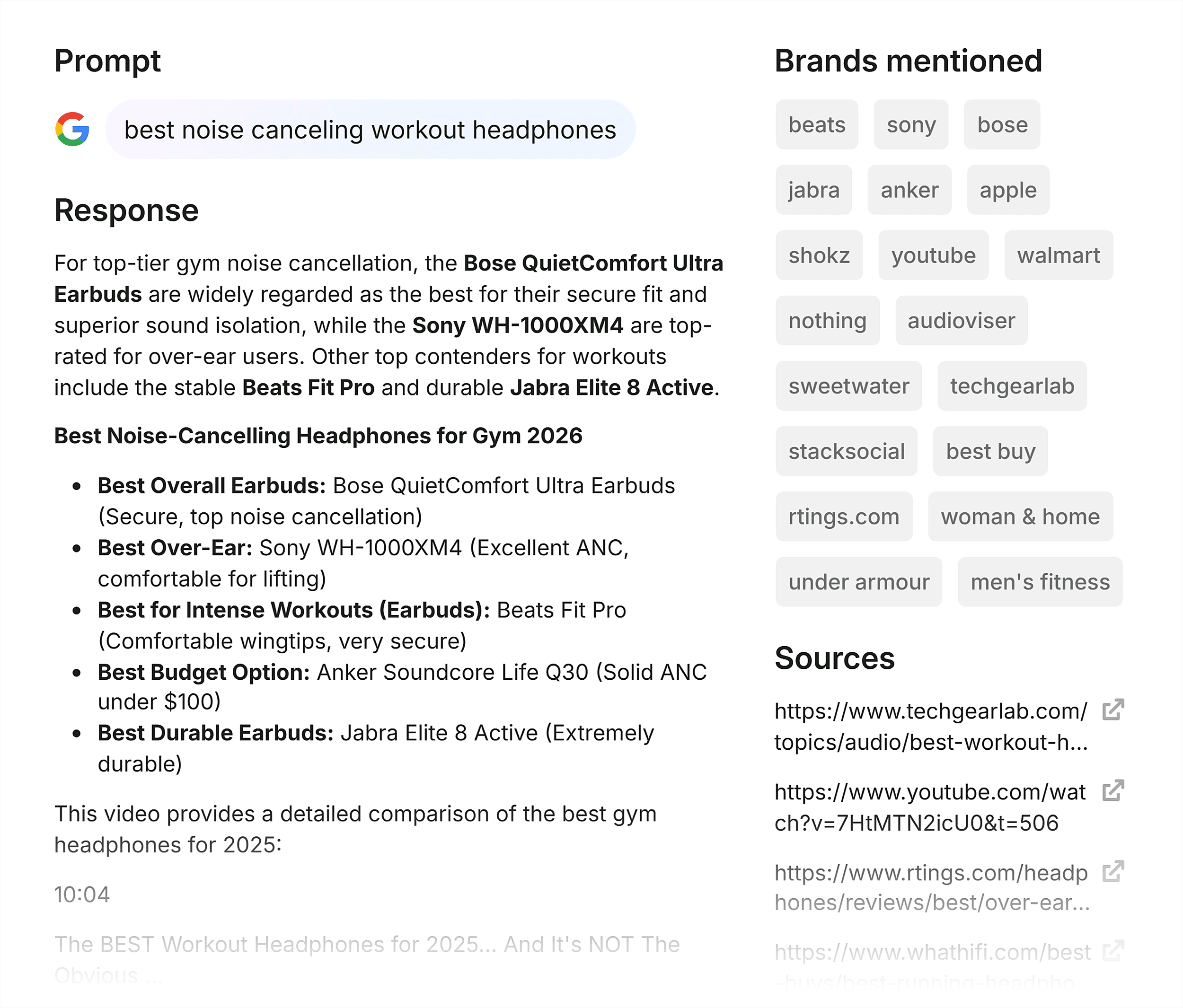
Finally, the industry is seeing the rise of "AI visibility scores." Tools like Semrush’s AI Visibility Toolkit and various prompt trackers allow brands to monitor their "share of voice" in LLM responses, tracking sentiment and the frequency of mentions compared to industry rivals.
Platform-Specific Variations in Information Retrieval
While query fan-out is a universal concept in generative search, different platforms execute it with varying degrees of complexity.
- ChatGPT: Uses internal reasoning and live web searches when fresh data is required. It often pulls heavily from third-party review sites and community forums like Reddit to provide "social proof."
- Perplexity: Operates as a "proactive" search engine, running conversation-layer searches and web-layer searches simultaneously. It often incorporates a user’s past search history into its fan-out process.
- Claude: Known for a more cautious approach, Claude frequently asks clarifying questions to narrow down the user’s intent before executing its internal search, leading to highly targeted but fewer sub-queries.
- Google AI Overviews (SGE): Synthesizes Google’s massive web index into condensed, featured-snippet-style summaries. It prioritizes content that is already well-indexed and follows traditional E-E-A-T (Experience, Expertise, Authoritativeness, and Trustworthiness) guidelines.
Industry Reactions and the Future of the Web
The shift toward query fan-out has sparked a debate among publishers and technologists regarding the future of web traffic. Some industry experts argue that as AI becomes the primary interface for search, "referral traffic" to websites will continue to decline, forcing brands to focus on "brand mentions" as the primary goal of their digital strategy.
"We are moving from an era of clicks to an era of impressions within the AI interface," noted one senior analyst at a leading digital marketing firm. "If your brand isn’t part of the AI’s synthesized answer, it doesn’t matter if you’re number one on Google. You effectively don’t exist for that user."
However, others see this as an opportunity for high-quality, niche publishers. Because AI search values specific, passage-level relevance over broad domain authority, smaller sites with expert knowledge now have a better chance of being cited by LLMs than they did of outranking giant media conglomerates on traditional SERPs.
Broader Implications for Digital Governance
As query fan-out becomes the standard for information discovery, it also raises significant questions regarding copyright and data provenance. AI companies are increasingly under pressure to provide transparent citations and ensure that the sources they retrieve via fan-out are fairly compensated or at least attributed.
In conclusion, the rise of query fan-out signals the end of the keyword-centric era of the internet. Success in this new landscape requires a deep understanding of the conversational architecture of AI and a commitment to creating content that is not just "rankable," but "retrievable." As the buying journey continues to collapse into single, AI-mediated interactions, the brands that dominate will be those that provide the most comprehensive, structured, and accessible answers to the questions the world is asking.