TikTok Rejects Meta Advertising Campaign Urging Competitors to Join Multibillion-Dollar Child Safety Settlement

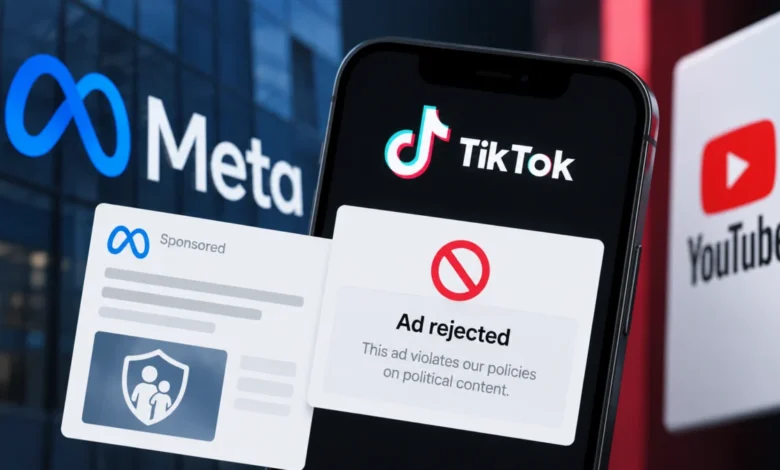
The landscape of digital advertising and social media governance experienced a sharp escalation as TikTok formally rejected a high-profile advertising campaign from Meta Platforms. The rejected ads were designed to publicly pressure both TikTok and YouTube into joining Meta’s massive, multibillion-dollar child safety settlement with U.S. state attorneys general. This high-stakes clash highlights the intense friction between the world’s dominant social media conglomerates, shedding light on how platform policies can restrict even the largest brands from using paid media to influence public policy and corporate rivals. At the core of the dispute is a high-stakes financial and structural contingency: billions of dollars in settlement funds and the future regulatory framework for teen internet usage hang in the balance, depending heavily on whether competitor platforms choose to adopt parallel restrictions.
Background and Context of the Meta Settlement
The ongoing public relations and legal standoff originated from a landmark legal development earlier in the year, when Meta agreed to a staggering $16.7 billion settlement with U.S. states. The lawsuits, brought forward by a coalition of state attorneys general, alleged that Meta deliberately designed its flagship platforms, Facebook and Instagram, with features that harmed children, exacerbated mental health struggles, and fostered addictive consumption habits among underage users.
To resolve these widespread legal challenges, Meta’s agreement established a strict new paradigm for minor users. The settlement mandates comprehensive operational changes, including daily usage limits, overnight access restrictions, and the silencing of notifications during standard school hours. Furthermore, the settlement requires Meta to offer young users chronological feed options while actively suppressing the display of likes and other high-engagement emotional reactions that critics argue fuel validation loops among adolescents.
However, a pivotal condition was built into the settlement architecture: roughly $5 billion of Meta’s total financial commitment is strictly contingent upon major competitors—specifically TikTok and YouTube—reaching similar agreements. These anticipated parallel settlements would require rival platforms to implement comparable restrictions and contribute approximately $5 billion each to parallel safety initiatives. Meta has argued persistently that bearing these regulatory burdens alone creates an uneven playing field. Without industry-wide enforcement, the company contends that teenagers restricted from scrolling on Facebook or Instagram can simply migrate to competing applications, leaving Meta at a steep competitive disadvantage while its rivals operate unhindered by equivalent limitations.
Chronology of the Escalation
The friction transformed into an active public relations campaign in August, when Meta initiated a flurry of public statements, press releases, and digital advertisements calling on TikTok and YouTube to follow its regulatory lead. Recognizing that voluntary participation was unlikely, Meta attempted to take its campaign directly to the digital doorsteps of its rivals by purchasing ad space on competing platforms.
Earlier this month, Meta submitted video advertisements to TikTok. The promotional material featured direct text, carefully crafted imagery, and a voiceover explicitly urging TikTok and YouTube to accept settlement terms mirroring those agreed upon by Meta.
The campaign hit a brick wall on Wednesday when TikTok officially rejected the submitted ads. According to industry insiders familiar with the transaction, TikTok blocked the campaign on the grounds that the creative assets contained restricted "political content." Under TikTok’s corporate advertising guidelines, political advertising is strictly prohibited across the platform, a policy designed to prevent external political actors and organizations from using paid media to sway public opinion or election cycles. By categorizing Meta’s corporate accountability campaign as political in nature, TikTok invoked its content guidelines to halt the advertisements before they ever reached user feeds.

Official Responses and Strategic Silence
Despite Meta’s aggressive public push and the subsequent ad rejection, leadership teams at TikTok and YouTube have largely maintained a strategic silence. Neither company has issued formal public statements committing to Meta’s settlement push, nor have they directly addressed the multi-billion-dollar conditional framework tied to their participation.
This calculated disengagement appears to extend beyond advertising channels. Industry observers note that both TikTok and YouTube abruptly withdrew from a scheduled Health and Human Services panel concerning children’s screen time after their names appeared on initial draft agendas. Additionally, separate reports indicate that TikTok withdrew from a planned congressional meeting with the House China Select Committee shortly after the announcement of Meta’s settlement, signaling a broader institutional retreat from high-profile public debates surrounding minor safety regulation at this juncture.
Meanwhile, Meta has expressed open frustration regarding the lack of direct engagement from its primary competitors while maintaining a posture of cautious optimism. In public statements addressing the stalled negotiations, Meta emphasized the necessity of a unified front, stating that true parental empowerment and teen safety require collective industry action across all dominant applications. "To truly empower parents and keep teens safe across the apps they use the most, TikTok and YouTube need to step up and meet the standard we’ve set with state attorneys general," a company spokesperson reiterated. Meta added that while it remains disappointed by the initial resistance, it remains hopeful that competitors will ultimately recognize the necessity of aligning with the new safety standards.
Economic and Competitive Implications
The broader implications of this corporate standoff extend far beyond a simple disagreement over advertising policy. The dispute illustrates the ironies of modern digital governance, demonstrating how rigid platform policies—initially built to protect user bases from political polarization and external interference—can successfully bar even multi-trillion-dollar corporations from leveraging paid media to influence public policy debates and corporate behavior.
More importantly, the outcome of this standoff threatens to reshape the fundamental user experience for teenagers across the entire social media ecosystem. Meta’s settlement has already established a rigorous compliance blueprint for young users on Facebook and Instagram. If competitors are successfully pressured or legally compelled to adopt similar measures, the operational dynamics of social media marketing will shift dramatically. Advertisers could face reduced engagement metrics, altered audience reach capabilities, and entirely new constraints on how data and reactions are gathered from minor demographics. Conversely, if TikTok and YouTube successfully resist these calls, Meta faces the grim prospect of operating under severe structural handicaps while retaining liability and restricted monetization avenues for its younger user base.
What Lies Ahead for Teen Digital Safety
As the public relations battle between Meta, TikTok, and YouTube continues to simmer, the trajectory of youth internet regulation remains uncertain. Meta is banking on public pressure and regulatory momentum to transform its legal settlement into a de facto industry standard, effectively forcing the hands of its competitors through sheer weight of public opinion.
However, TikTok’s swift rejection of Meta’s advertising capital underscores the immense difficulty of achieving voluntary, industry-wide consensus in an intensely competitive market. As state attorneys general monitor the compliance of social platforms and federal lawmakers eye stricter legislative oversight, the standoff serves as a bellwether for the future of digital safety. Whether through coordinated legal settlements or independent platform policies, the digital environment for teenage users is undergoing a profound structural transition, and the decisions made by these corporate giants in the coming months will dictate the rules of engagement for the next generation of internet users.
Related posts: