The State of the SEO Services Industry in 2025 A Comprehensive Analysis of Market Spending Client Satisfaction and the Evolution of Search Strategy

The digital marketing landscape has reached a pivotal juncture in 2025, characterized by a staggering $119.4 billion annual expenditure on Search Engine Optimization (SEO) and digital marketing consulting within the United States alone. Despite this massive capital infusion, a comprehensive study involving 1,200 business owners reveals a paradoxical reality: while investment is at an all-time high, client satisfaction remains historically low. This report examines the intricate dynamics of the SEO services industry, exploring the correlation between spending and results, the emergence of artificial intelligence as a performance multiplier, and the persistent educational gap that contributes to high provider turnover.
The Economic Scale of the SEO Marketplace
The current valuation of the US SEO and digital marketing consulting sector at nearly $120 billion reflects the essential nature of organic search in a modern business strategy. As search algorithms become increasingly sophisticated, the "do-it-yourself" era for small to mid-sized enterprises (SMEs) appears to be waning. Data indicates that the average monthly spend for small businesses has transitioned significantly over the last several years. While 2019 benchmarks placed average monthly SEO spending at approximately $497, the 2025 landscape shows a much broader distribution of investment.
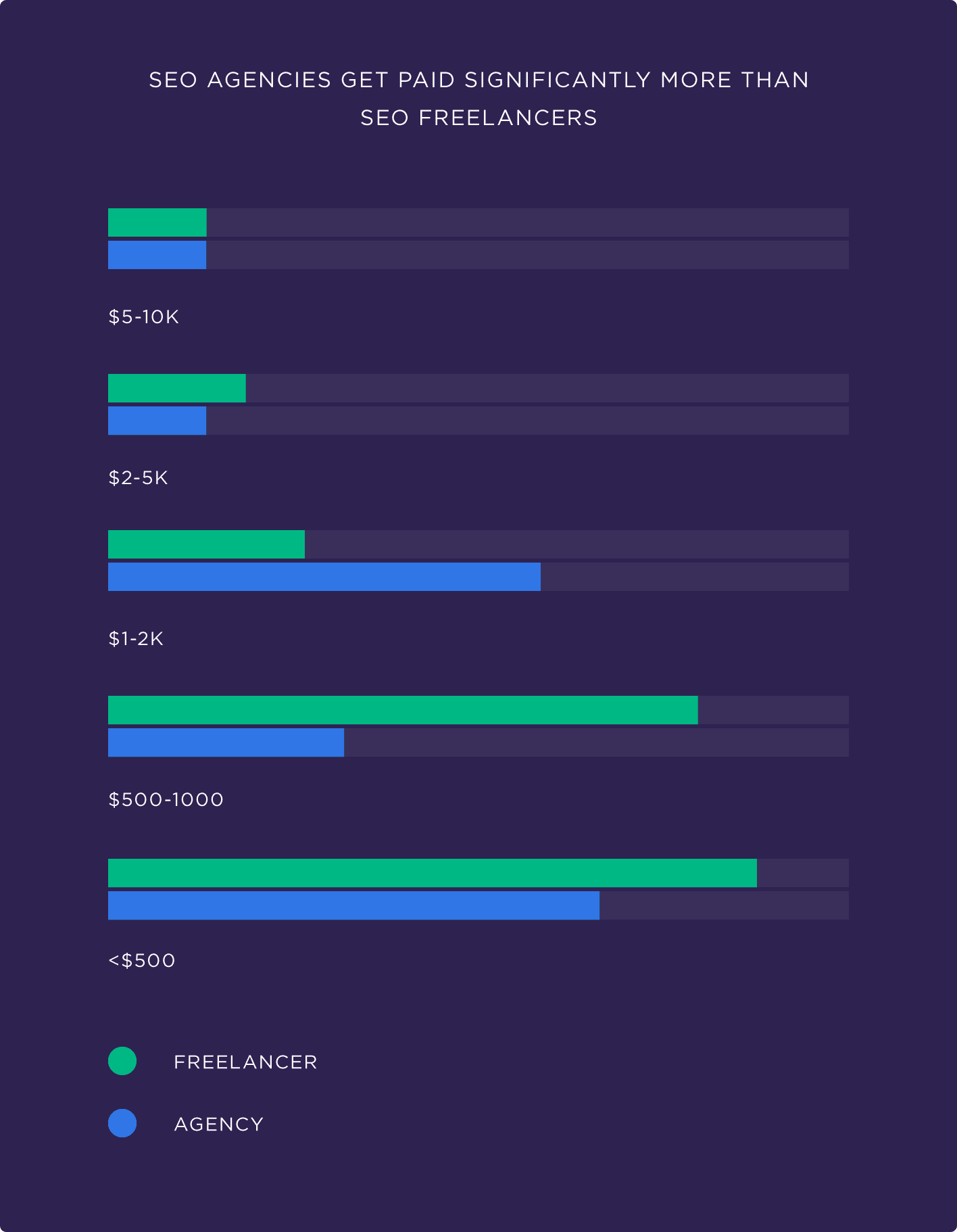
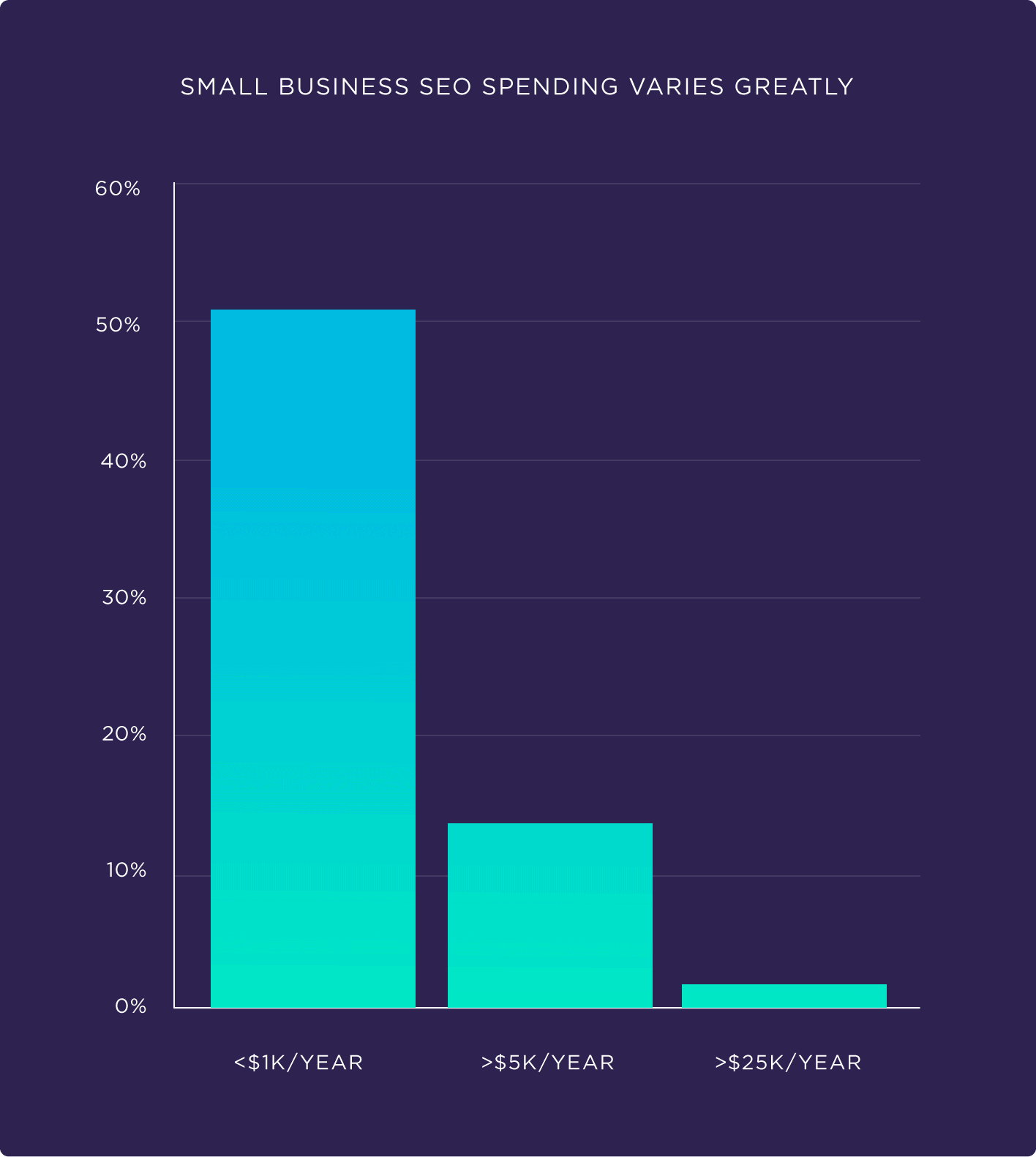
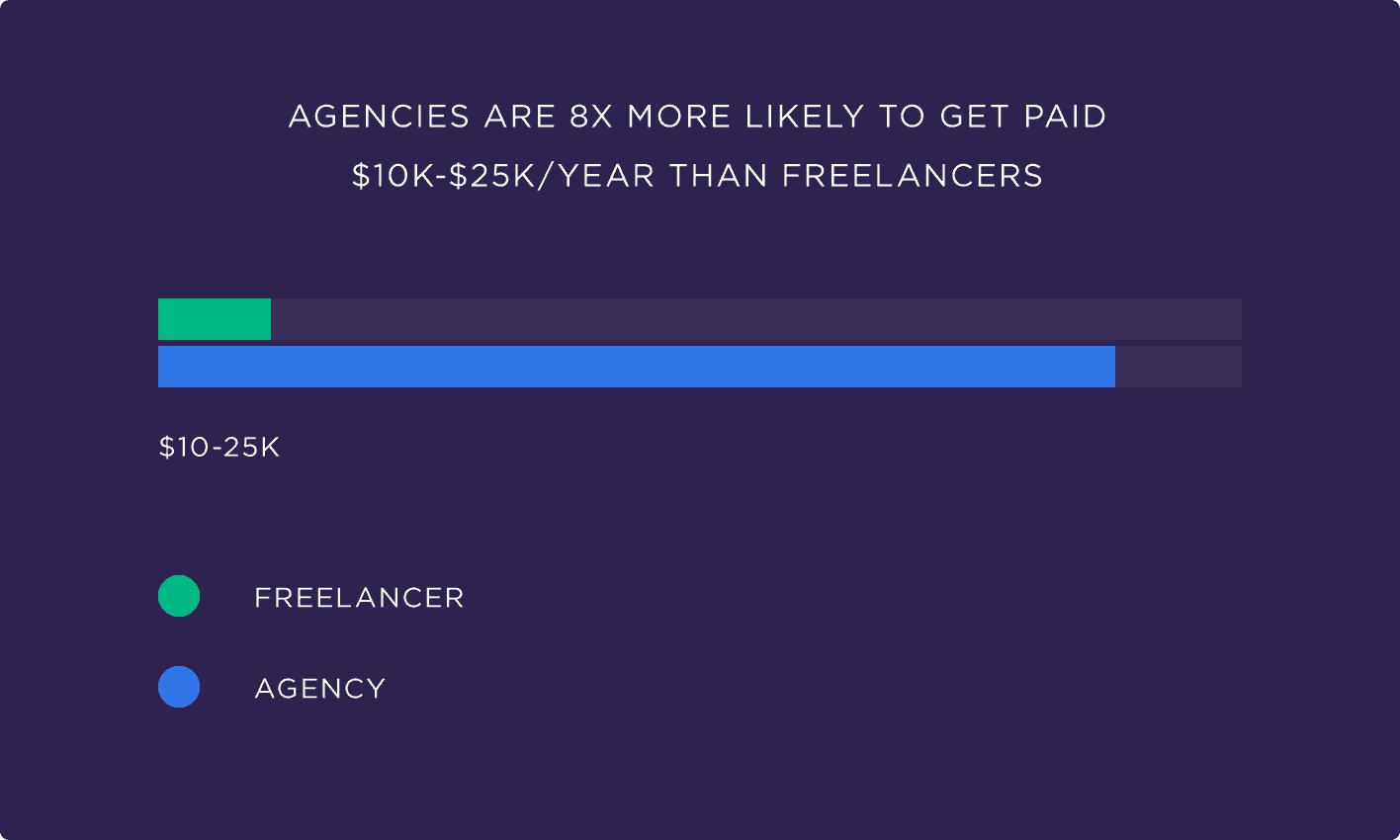
The market is currently bifurcated between low-cost providers and high-end strategic agencies. Approximately 50% of respondents still report spending less than $1,000 annually on SEO, a figure that analysts suggest may be insufficient to compete in high-difficulty niches. Conversely, 14% of organizations now invest upwards of $5,000 per year, with an elite 2% of the market spending more than $25,000 annually. This spending gap is also reflected in the provider types; marketing agencies are twice as likely to secure monthly retainers in the $1,000 to $2,000 range compared to freelancers, who typically operate within the $500 to $1,000 bracket. Furthermore, agencies dominate the high-end market, being eight times more likely than freelancers to manage accounts exceeding $10,000 in annual value.
The Satisfaction Paradox and the Price of Quality
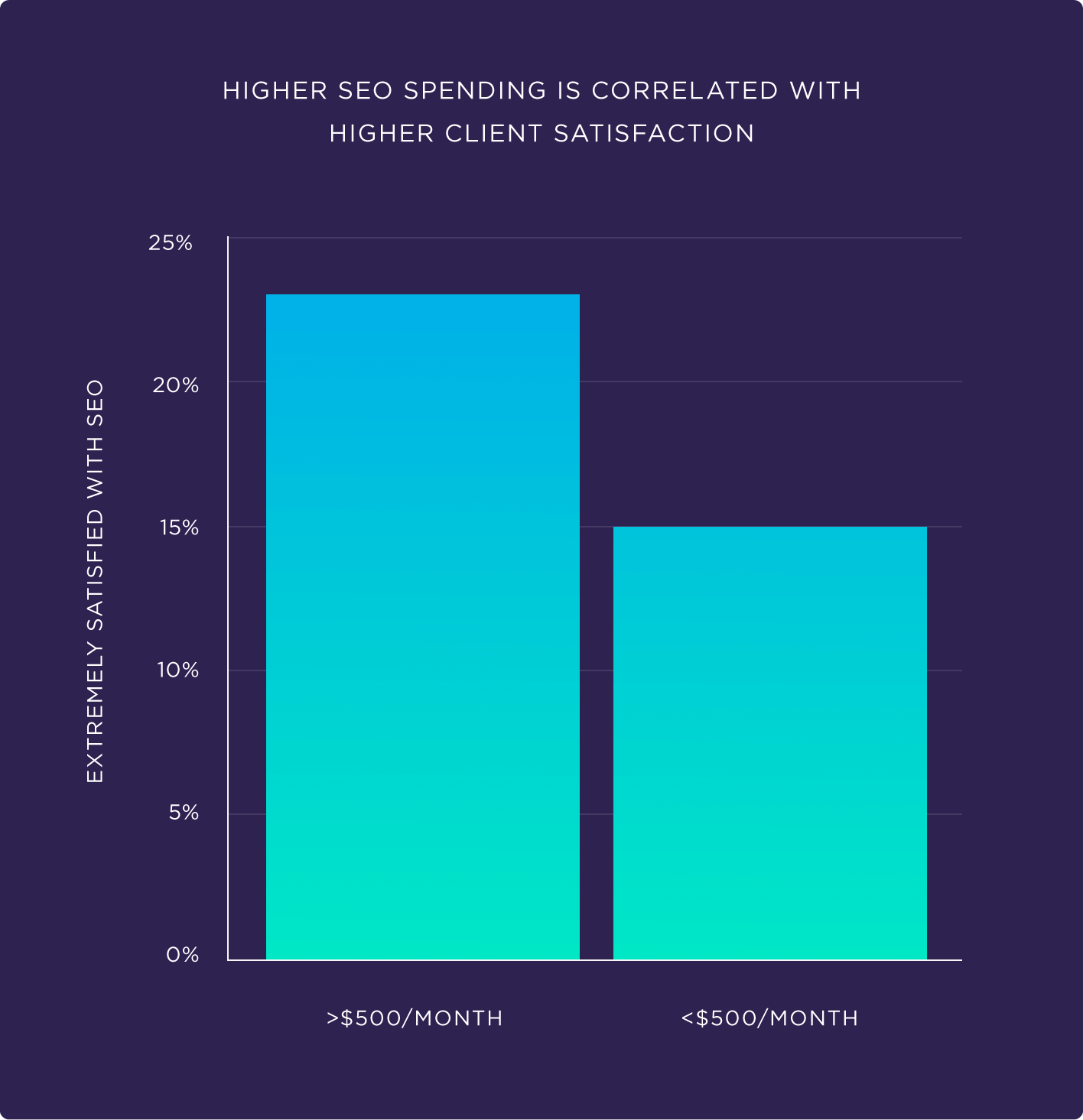
One of the most striking findings in recent industry research is the direct correlation between the level of financial investment and the reported satisfaction of the client. The data suggests that in the world of organic search, businesses largely "get what they pay for." Clients who invest more than $500 per month are 53.3% more likely to report being "extremely satisfied" with their results compared to those spending below that threshold.
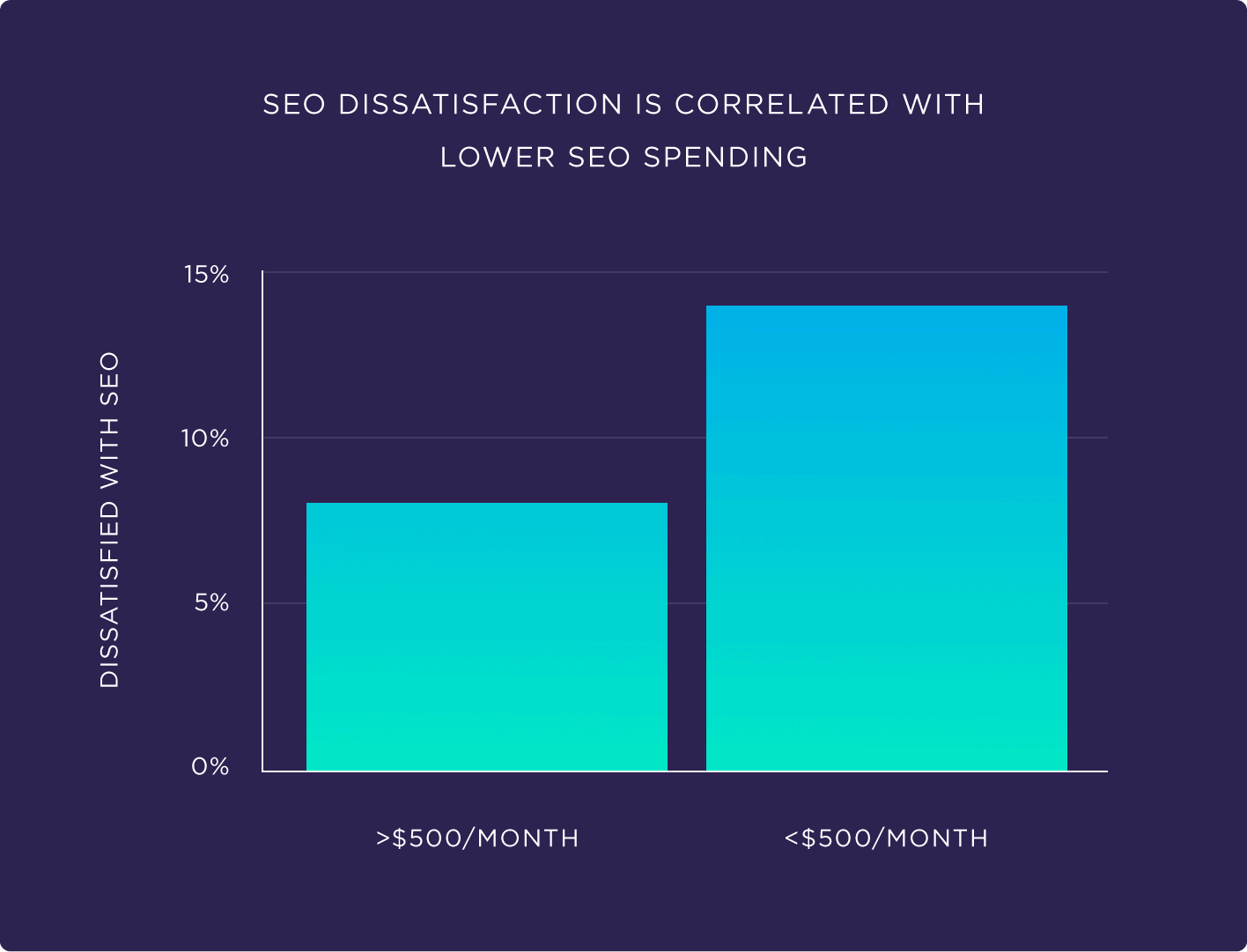
The inverse is equally true: business owners spending less than $500 per month are 75% more likely to express dissatisfaction. Industry experts attribute this to the resource-intensive nature of modern SEO. Effective campaigns in 2025 require a combination of high-level technical expertise, authoritative content creation, and sophisticated data analysis—elements that are rarely sustainable at lower price points.
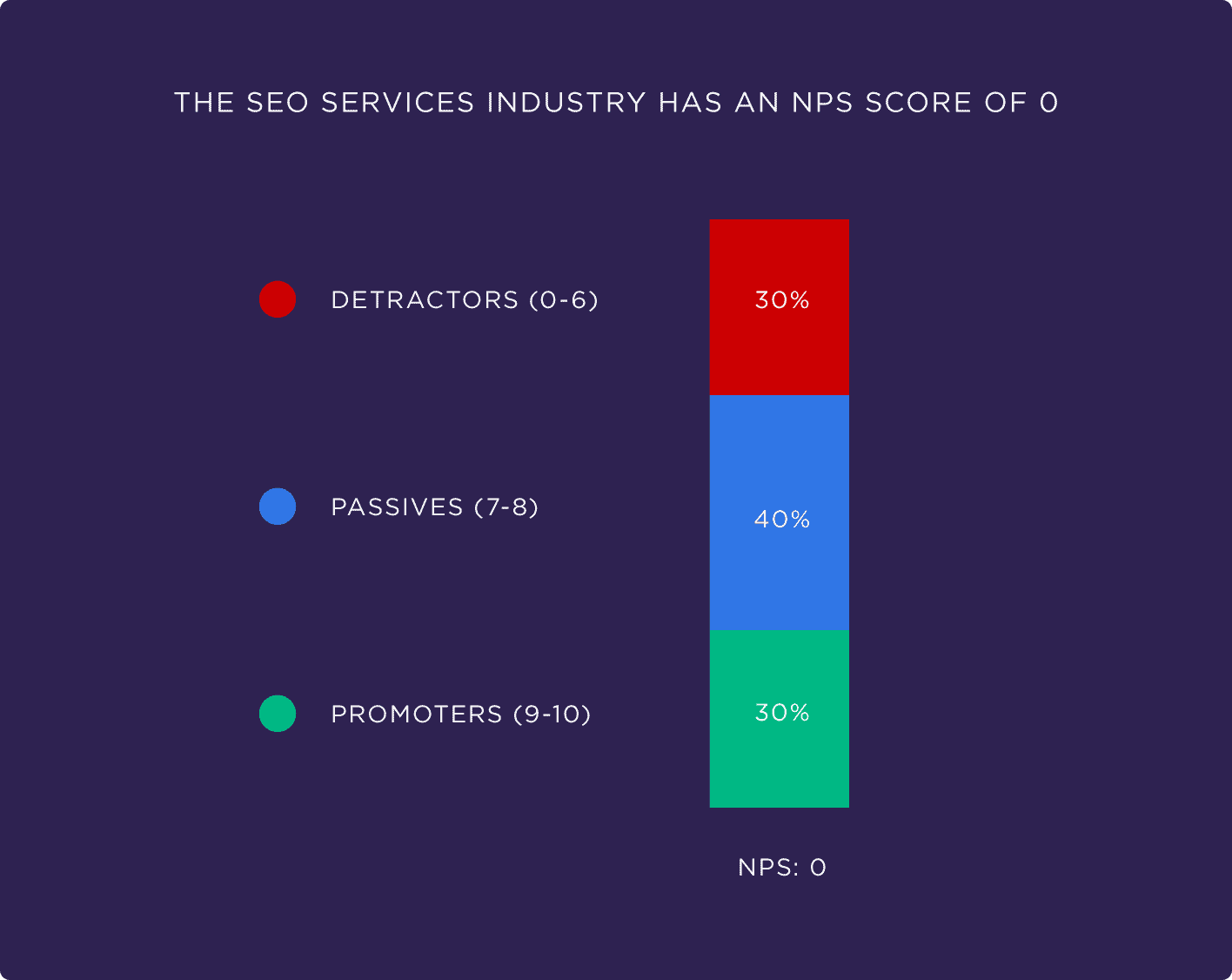
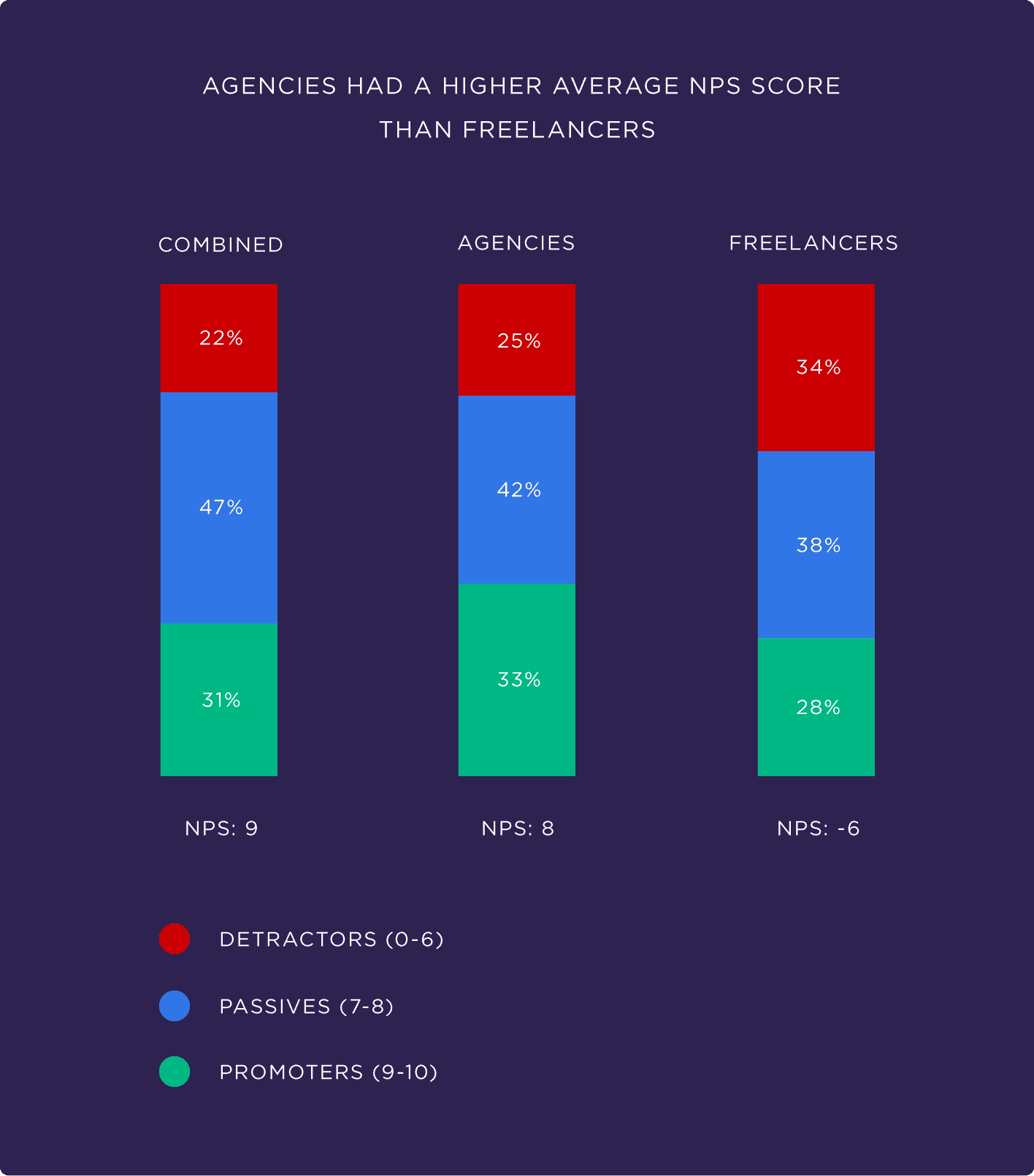
Despite the successes of high-spend tiers, the industry’s overall reputation remains under pressure. The Net Promoter Score (NPS) for the SEO services industry currently sits at zero. Only 30% of small business owners stated they would recommend their current provider to a colleague. While agencies tend to hold slightly higher NPS ratings than freelancers, the general sentiment indicates a widespread failure to meet client expectations across the board.
Discovery and Decision-Making: How Businesses Hire
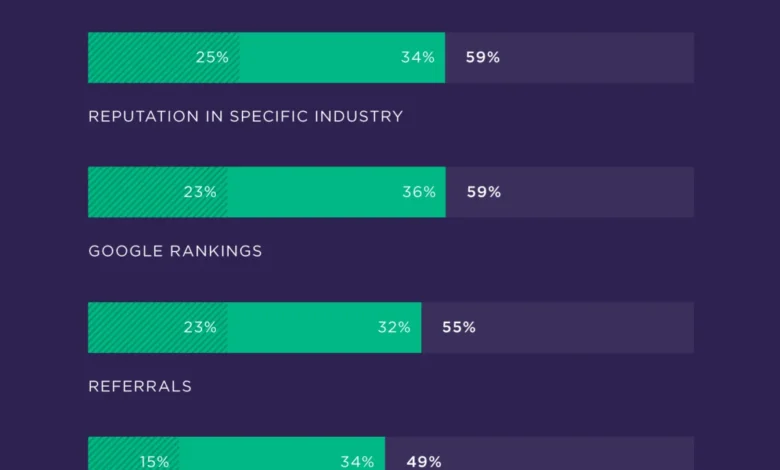
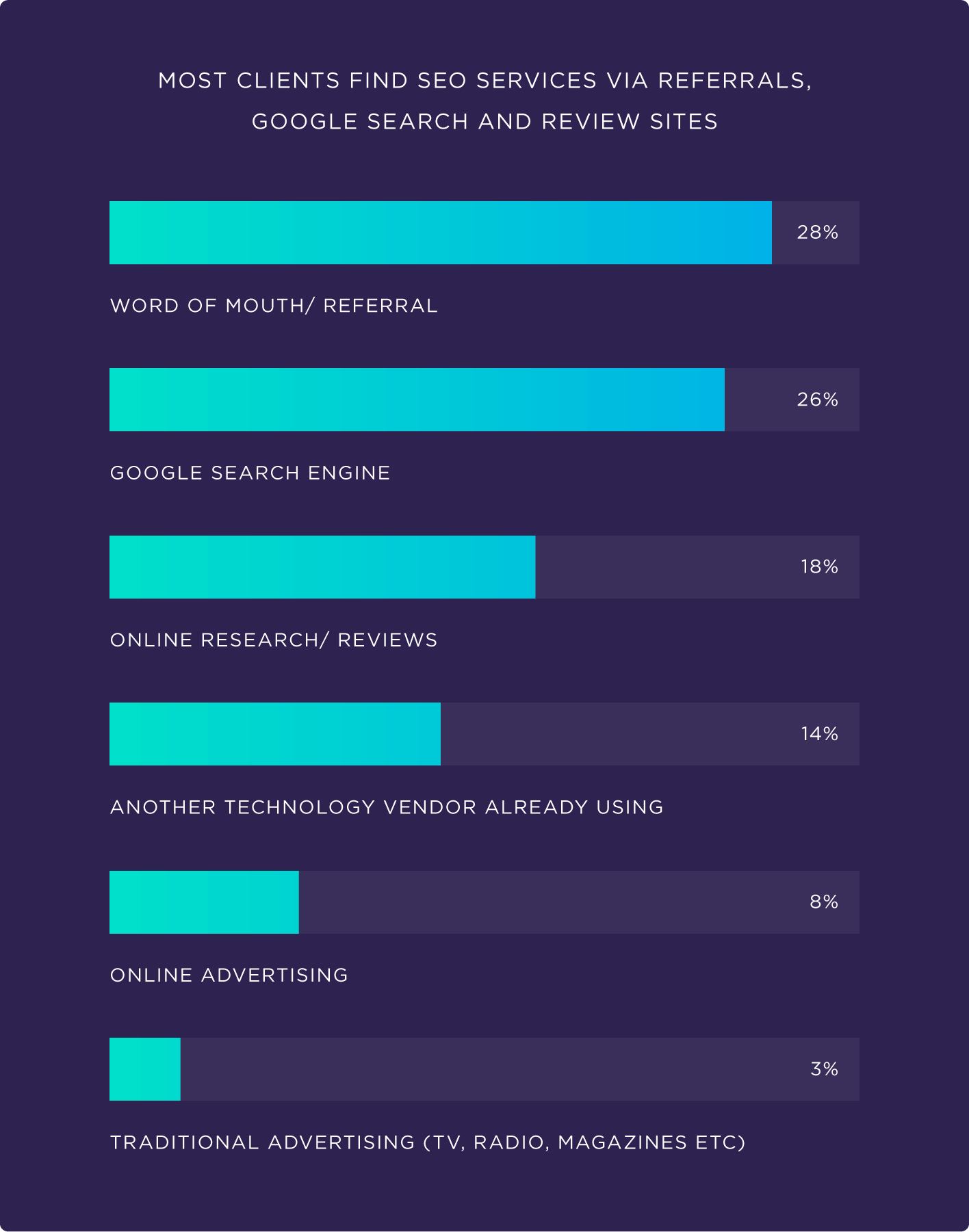
In an era of ubiquitous digital advertising, the methods by which businesses find SEO providers remain rooted in traditional trust-based systems. Referrals, direct Google searches, and online review platforms like Yelp or G2 continue to be the primary drivers of new business. Interestingly, only 8% of SEO clients reported finding their current provider through online advertising, suggesting that for SEO providers, practicing what they preach—ranking organically—is far more effective than paid acquisition.
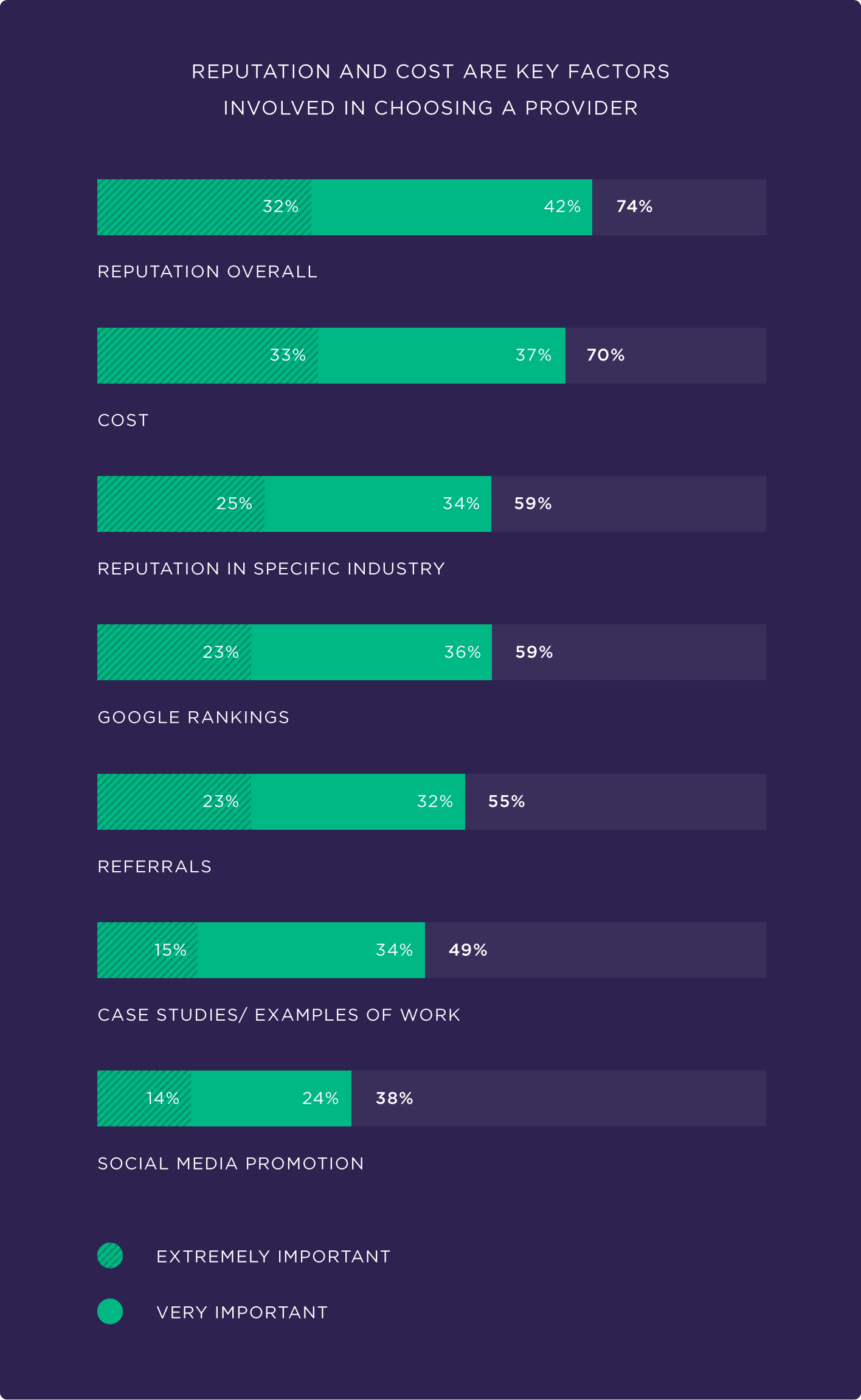
When evaluating a potential partner, reputation is the paramount factor, with 74% of business owners ranking it as "very" or "extremely" important. Other critical factors include:
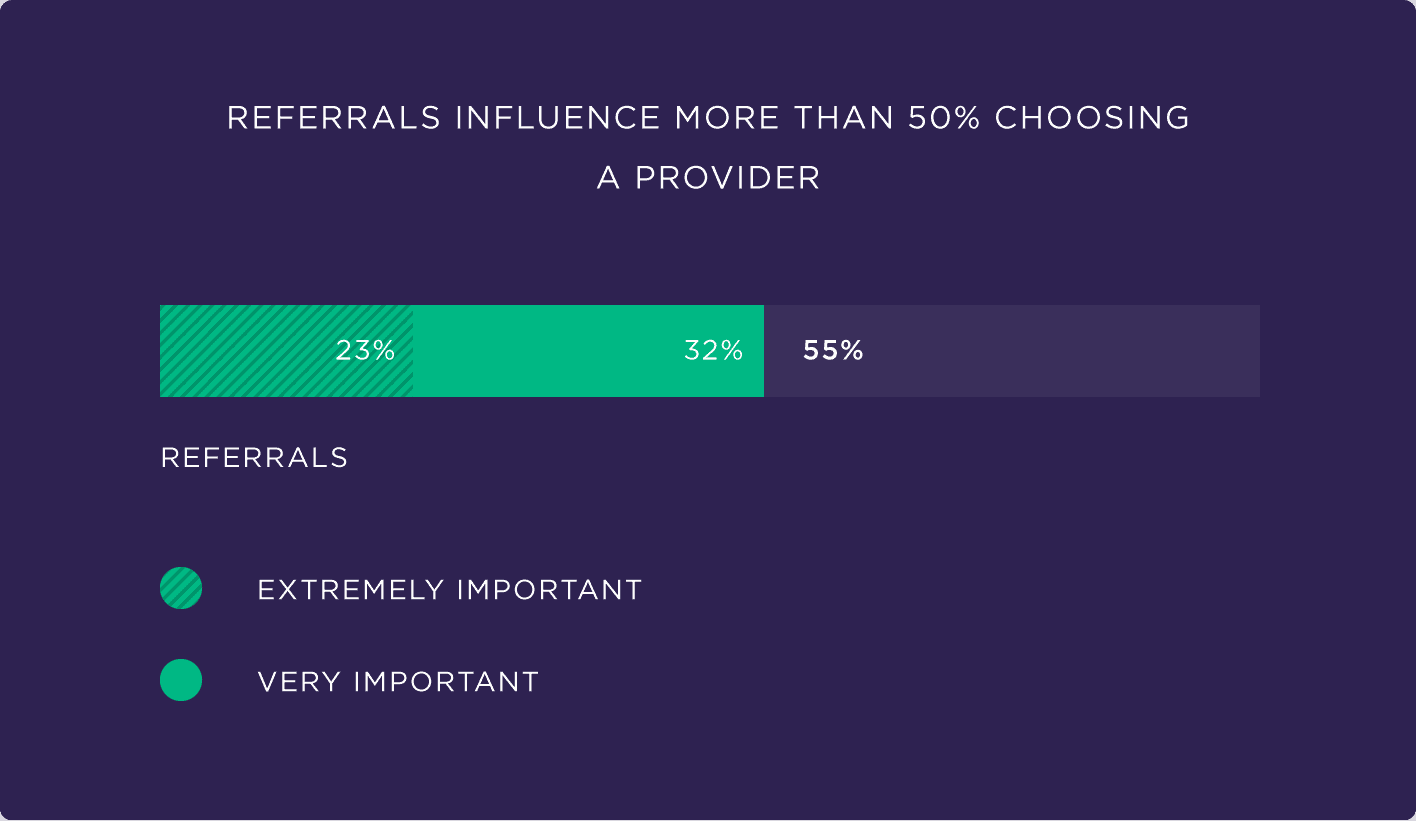
- Monthly Cost: The financial feasibility of the retainer.
- The Provider’s Own Rankings: A "proof of concept" metric where clients check if the agency can rank for its own target keywords.
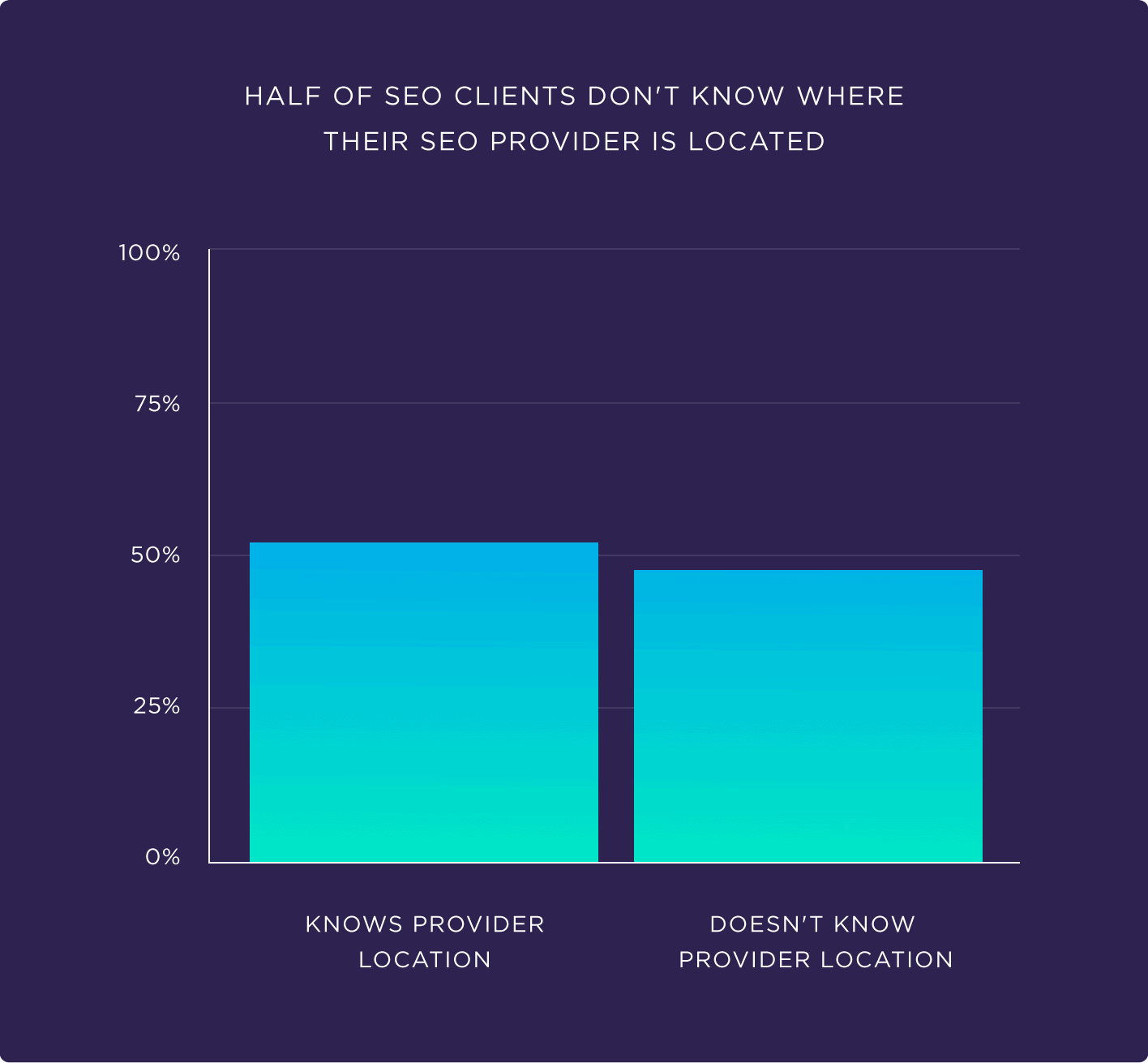
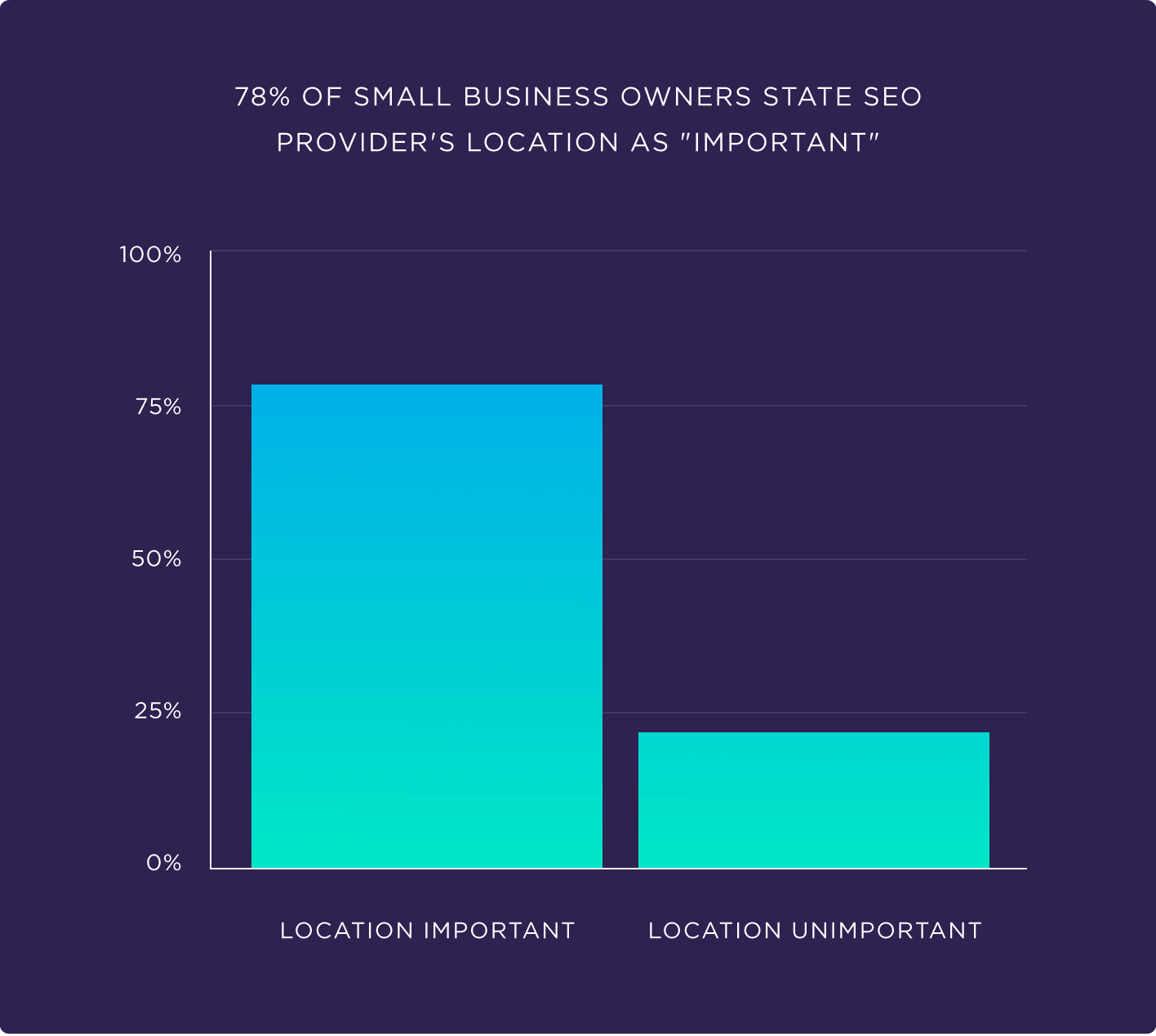
- Location: Despite the global nature of digital work, 78% of US-based small businesses consider the provider’s physical location to be a significant factor, with 46% labeling it as "extremely important."
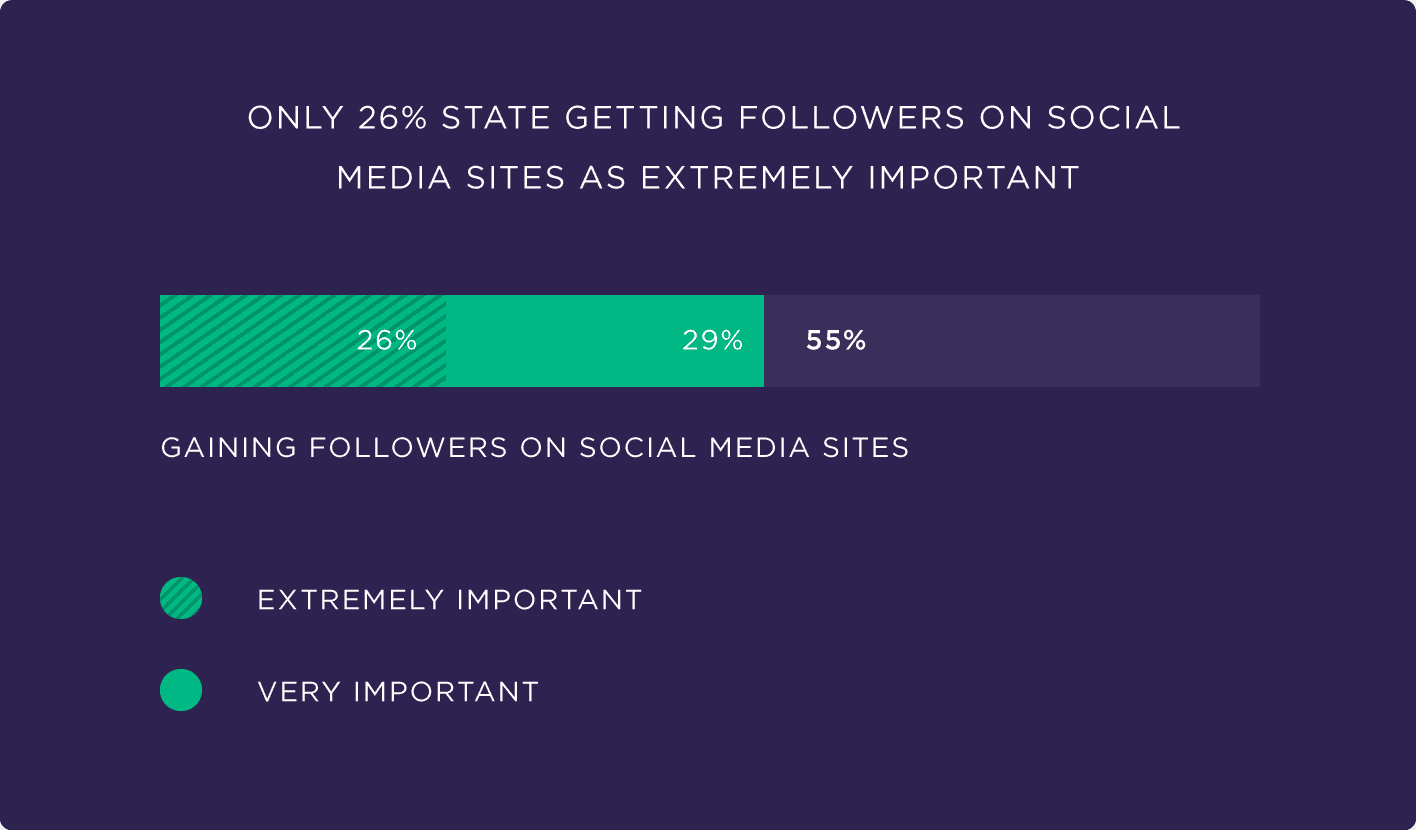
Conversely, factors such as social media presence and even specific client case studies were cited as having less influence on the final hiring decision than general reputation and transparency regarding location.
The ROI Landscape: Industry-Specific Performance
SEO continues to be lauded as one of the highest-return marketing channels, with an average estimated ROI of 22:1. This means that for every dollar invested, businesses are seeing roughly $22 in return. Furthermore, approximately 34% of all qualified leads are now generated through organic search efforts. However, this return is not distributed evenly across the economy.
The 2025 data highlights significant variances in ROI and breakeven timelines across different sectors:

- Medical Devices: 1,183% ROI (13-month breakeven)
- Higher Education: 994% ROI (13-month breakeven)
- Oil & Gas: 906% ROI (10-month breakeven)
- B2B SaaS: 702% ROI (7-month breakeven)
- Construction: 681% ROI (5-month breakeven)
- E-commerce: 317% ROI (9-month breakeven)
The emergence of AI has further bolstered these figures. Roughly 68% of businesses reported that AI integration into SEO workflows has led to either a moderate or significant increase in ROI. Only 1% of the market believes AI has negatively impacted their organic search returns.
Understanding the Roots of Provider Turnover
High turnover rates continue to plague the industry, with 65% of small business owners having worked with multiple SEO providers. A quarter of all businesses have cycled through three or more providers. On average, a client will stay with a provider for about three years if satisfied, but "lapsed" clients—those who have already decided to leave—typically wait only two years before making a switch. A volatile 10% of the market, labeled "rapid switchers," have worked with three or more providers in a single year.
The reasons for this churn are multifaceted:

- Lack of Results: 82% of lapsed clients cited dissatisfaction with business outcomes.
- Cost and ROI: 81% pointed to the expense relative to the return.
- Better Options: 80% left because they believed they found a superior alternative.
- Customer Service: 34% cited poor communication or responsiveness.
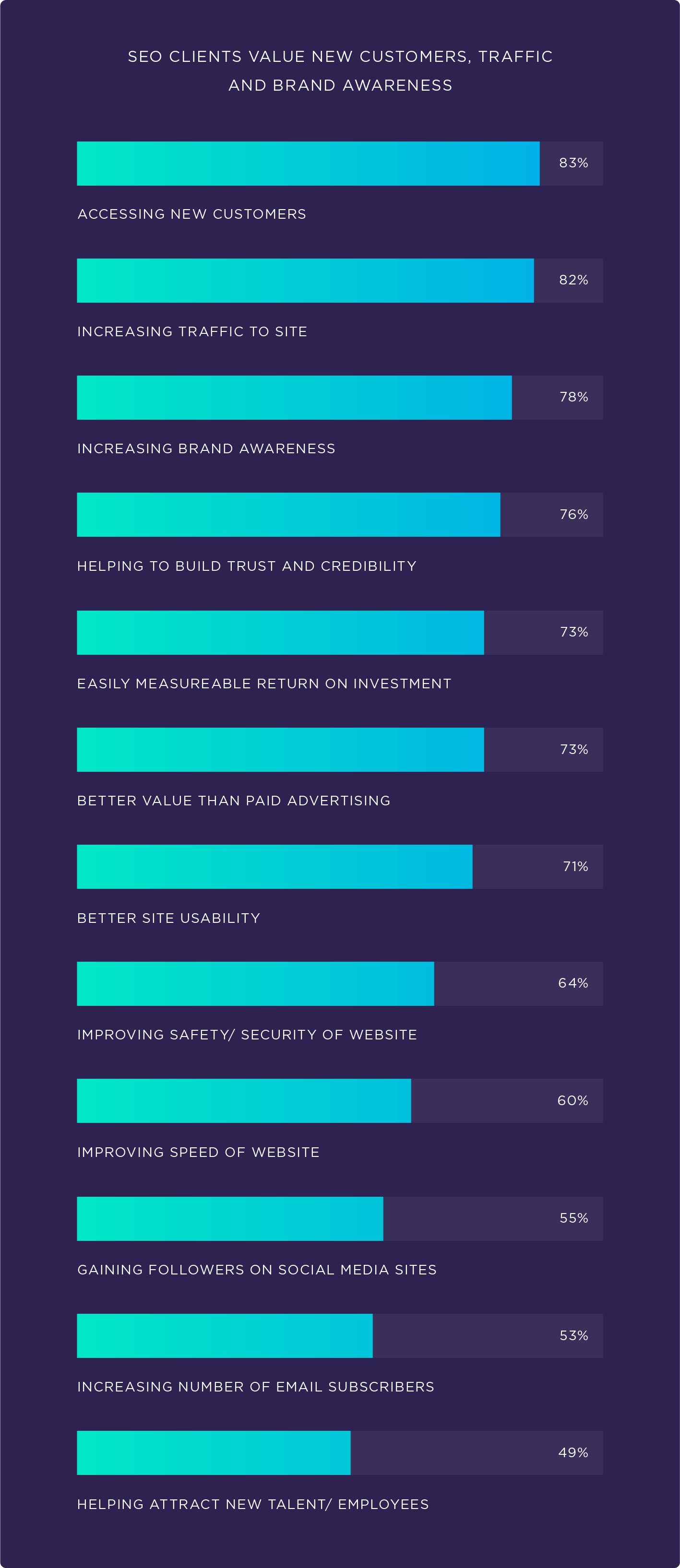
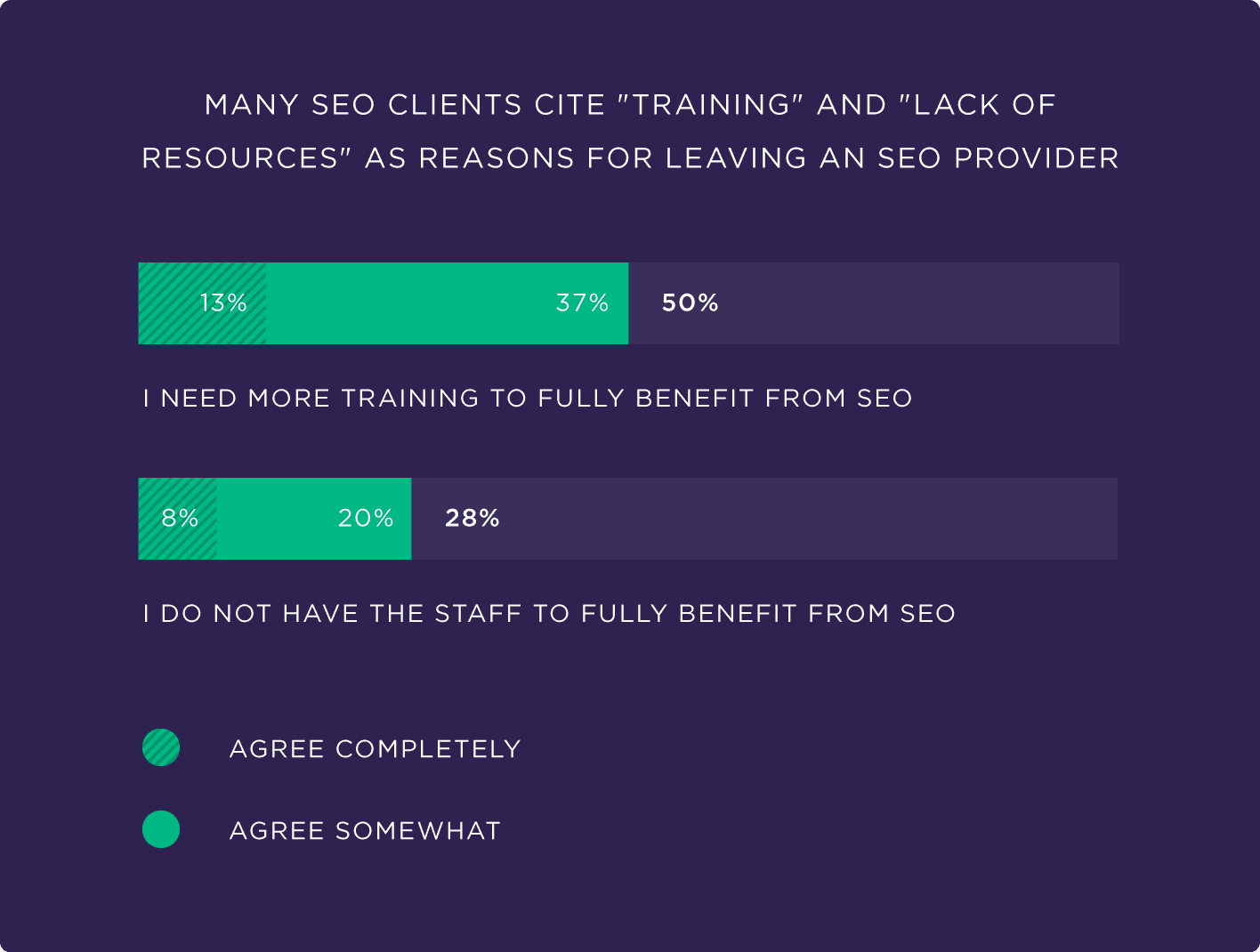
However, the data also reveals a deeper, more systemic issue: the educational gap. 50% of unhappy clients admitted they felt they needed more training to fully benefit from SEO, and 28% noted they lacked the internal staff resources to implement the provider’s recommendations.
The Influence of Web Savviness on Client Retention
A significant finding in the 2025 report is the role of the client’s own technical literacy in the success of the agency-client relationship. "Existing" (satisfied) clients are twice as likely to describe themselves as "extremely web savvy" compared to "lapsed" (dissatisfied) clients.
This suggests a critical communication breakdown. Clients who do not understand technical terms like "backlinks," "CSS," or "title tags" are less likely to appreciate the incremental progress of an SEO campaign. When these clients do not see immediate "first page" results, they often perceive a lack of value, even if the underlying technical health of their site is improving. Consequently, successful agencies are increasingly pivoting away from technical jargon in their reporting, focusing instead on "leads," "sales," and "revenue growth" to align with the client’s primary objectives.
Broader Impact and Industry Implications
The 2025 SEO services report underscores a maturing market that is struggling with its own complexity. As search engines integrate more AI-driven results and generative experiences, the technical barrier to entry for effective SEO is rising. This shift is forcing a consolidation of the market, where low-cost, low-value providers are being replaced by strategic partners who can demonstrate clear ROI.

For businesses, the implications are clear: successful SEO requires a long-term commitment (often 6 to 12 months to break even) and a baseline level of internal resource allocation. For providers, the path to higher satisfaction and lower turnover lies in transparency, better client education, and a shift in reporting from technical metrics to business outcomes.
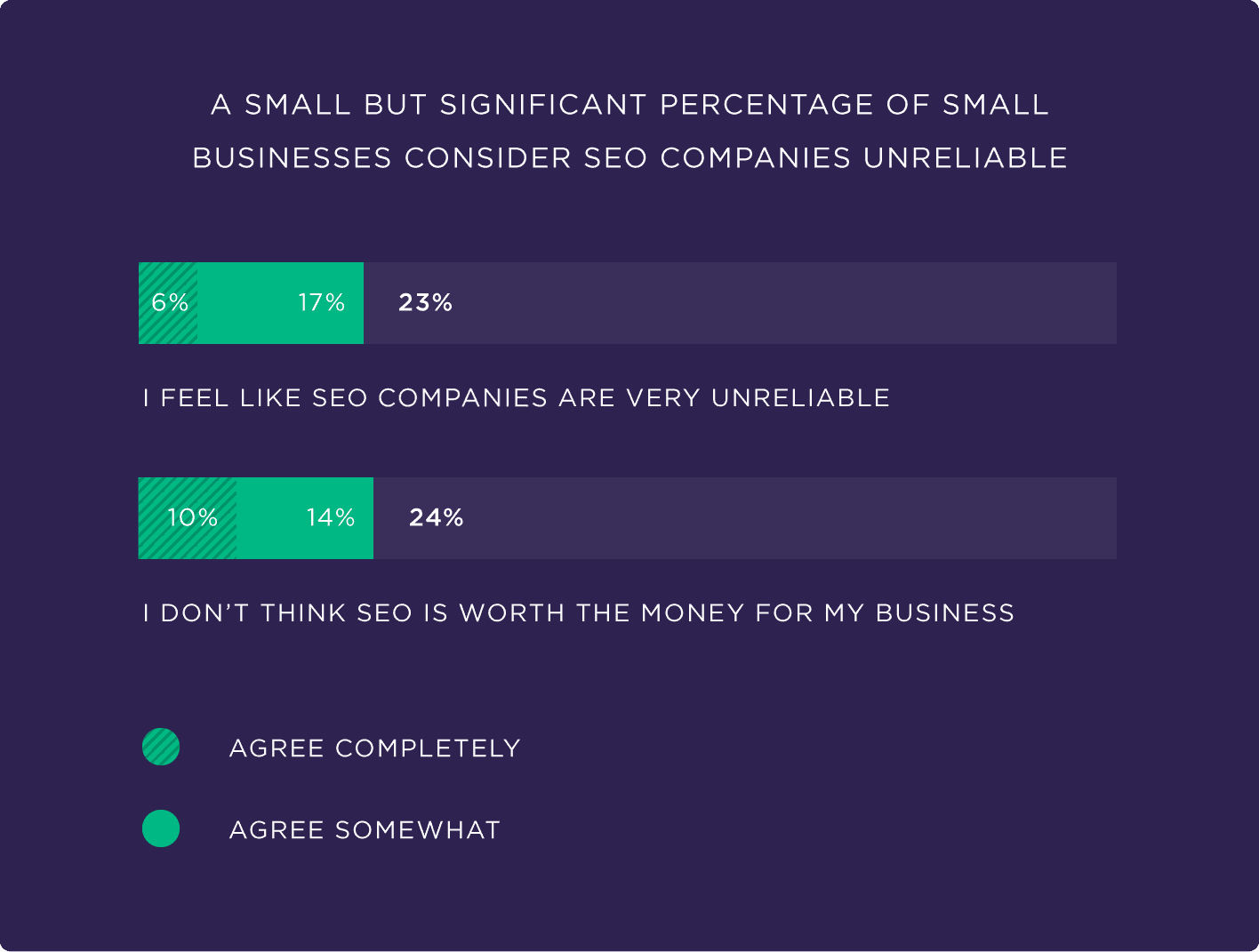
As the industry moves toward a $150 billion valuation by the end of the decade, the winners will be those who can bridge the gap between complex algorithmic requirements and the fundamental business need for new customers and brand trust. The high turnover and low NPS scores serve as a wake-up call for the industry to evolve its service model from a "black box" technical service to a transparent, ROI-focused consultancy.