The Evolution of SaaS SEO Strategy: Integrating AI Search Visibility and CRM Attribution for High-Growth Software Businesses

The landscape of search engine optimization for Software-as-a-Service (SaaS) companies has undergone a radical transformation, shifting from a focus on traditional "blue link" rankings to a complex ecosystem dominated by AI-generated answers and multi-touch attribution. While industry data indicates that B2B SaaS businesses achieve an average return on investment (ROI) of 702% from SEO, many organizations continue to operate with a technology stack designed for a previous era of search. As organic search remains one of the few channels that offer compounding value over time, the imperative for SaaS marketing teams to modernize their workflows has become a central theme in digital growth strategies for 2025.

The Changing Paradigm of SaaS Search and Discovery
For years, the primary metric of success for a SaaS company was its ability to occupy the first page of Google for high-intent keywords. However, the rise of Answer Engine Optimization (AEO) and AI-led search tools such as ChatGPT, Perplexity, and Google’s AI Overviews has introduced a new layer of complexity. In this current environment, visibility in an AI-generated summary is often as critical as a traditional organic ranking.
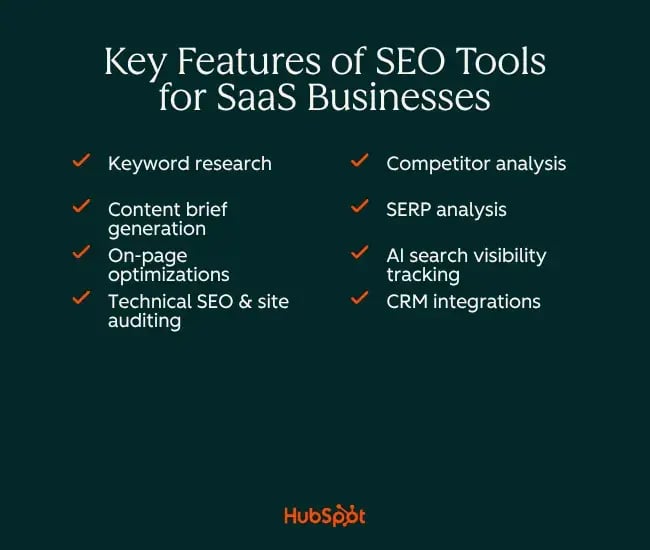
The traditional search engine results page (SERP) is no longer a simple list of links. Data from FirstPageSage highlights a brutal reality for SaaS marketers: after the top three organic positions, click-through rates (CTR) drop into the single digits. For many competitive SaaS categories, ranking outside the top three is functionally equivalent to not ranking at all. This "winner-take-most" dynamic is further complicated by the presence of authoritative review aggregators like G2 and Capterra, which often dominate high-intent keywords. To compete, SaaS teams are increasingly relying on specialized tool stacks that address technical hygiene, content relevance, and AI citation potential simultaneously.
The Core Pillars of a Modern SaaS SEO Workflow
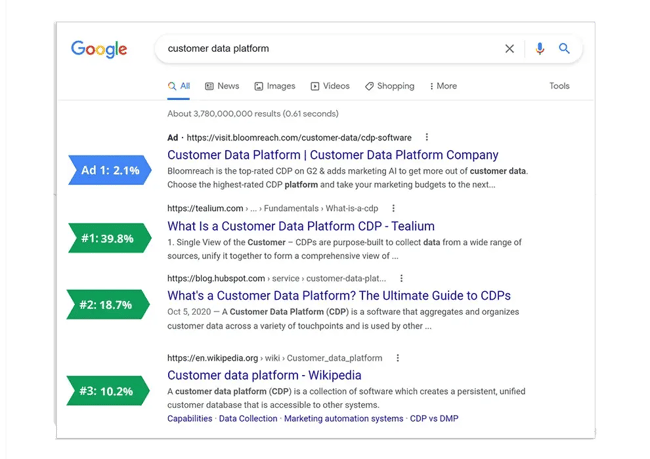
A strategic SEO framework for a software company must serve multiple buyer journeys. Unlike e-commerce or local business SEO, SaaS SEO must educate prospects at the top of the funnel (awareness), compare solutions in the middle of the funnel (consideration), and provide technical validation at the bottom of the funnel (decision). Industry analysts identify five critical features that define a high-performing SEO stack:
- Intent-Based Keyword Research: Moving beyond raw search volume to identify "jobs-to-be-done" and specific pain points.
- Technical SEO Auditing: Managing the complexities of large-scale sites, subdomains, and frequent product updates that can lead to crawl errors and indexation issues.
- On-Page Content Optimization: Using semantic analysis to ensure content covers a topic with the depth required to satisfy both human readers and search algorithms.
- AEO and AI Visibility: Structuring data and content to ensure AI models can accurately parse and cite the brand as a definitive source.
- CRM Integration and Attribution: Connecting organic traffic to actual business outcomes, such as trial sign-ups, pipeline generation, and closed-won revenue.
Analysis of Essential Industry Tools for 2025
The current market offers a diverse array of tools tailored to these specific workflows. For SaaS organizations, the selection of a tool often depends on its ability to integrate with existing customer relationship management (CRM) systems and its capacity to handle AI-driven search trends.
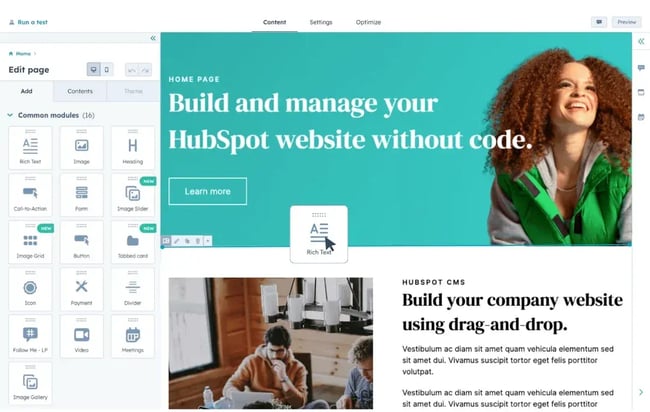
Foundational Research and Competitive Intelligence
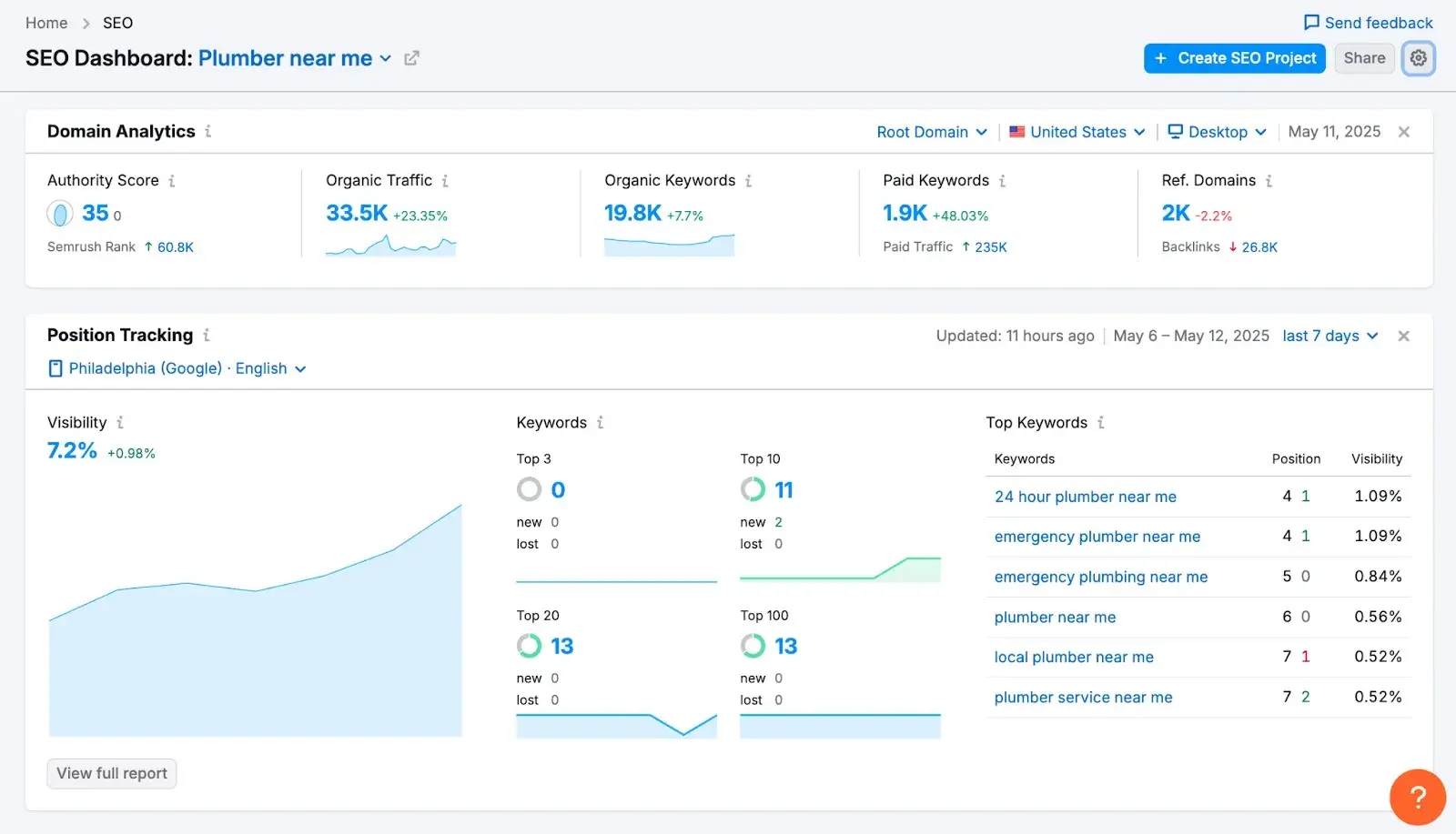
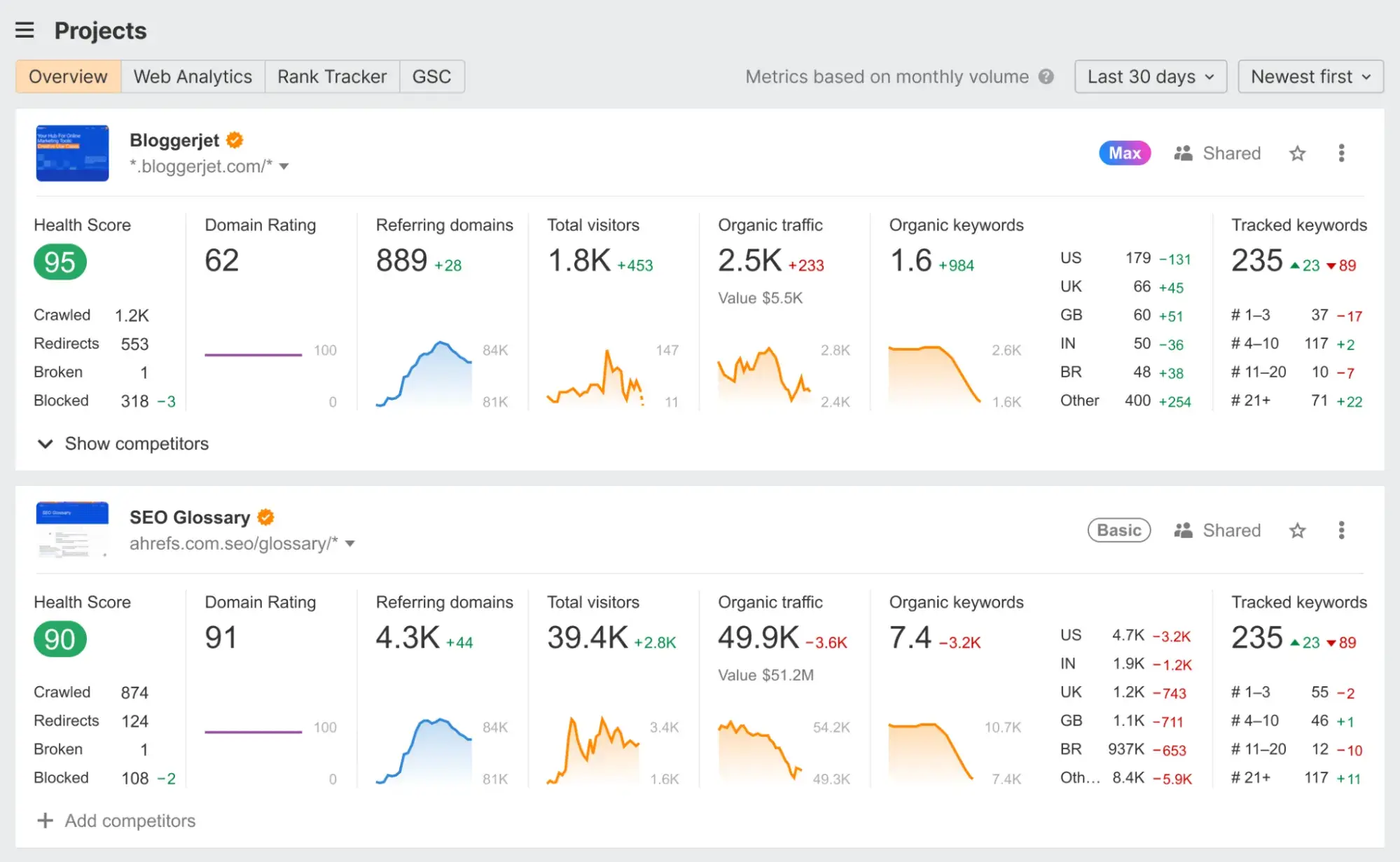
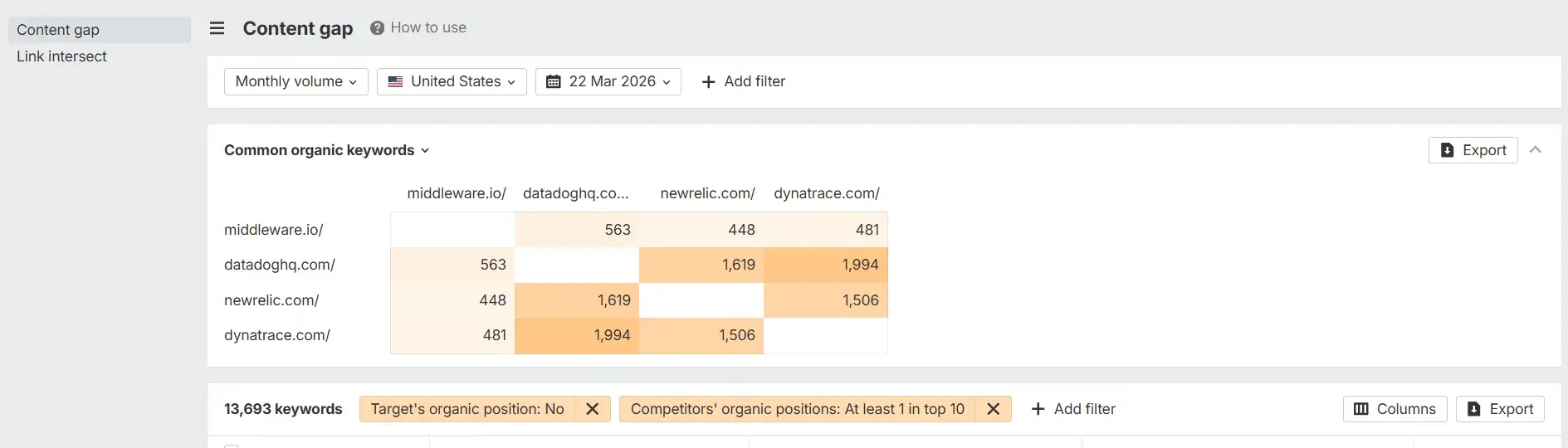
Platforms like Semrush and Ahrefs remain the benchmarks for keyword and competitor research. Semrush is frequently cited for its comprehensive "all-in-one" capabilities, spanning keyword strategy to technical site health. Conversely, Ahrefs is widely regarded for its superior backlink intelligence and organic traffic estimation, which are vital for understanding the authority of competing SaaS domains.
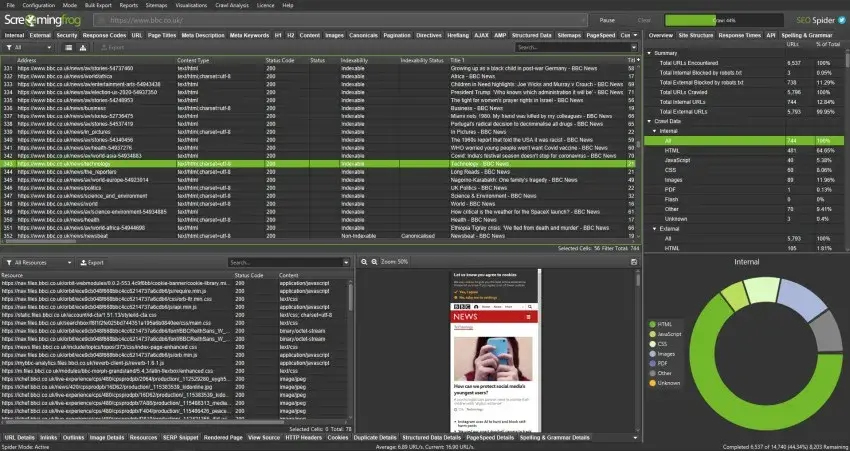
For technical deep dives, Screaming Frog continues to be the industry standard for granular crawling. Technical SEO specialists utilize this tool to diagnose 3XX and 4XX status codes, redirect chains, and broken links that often plague large SaaS sites during rapid development cycles.
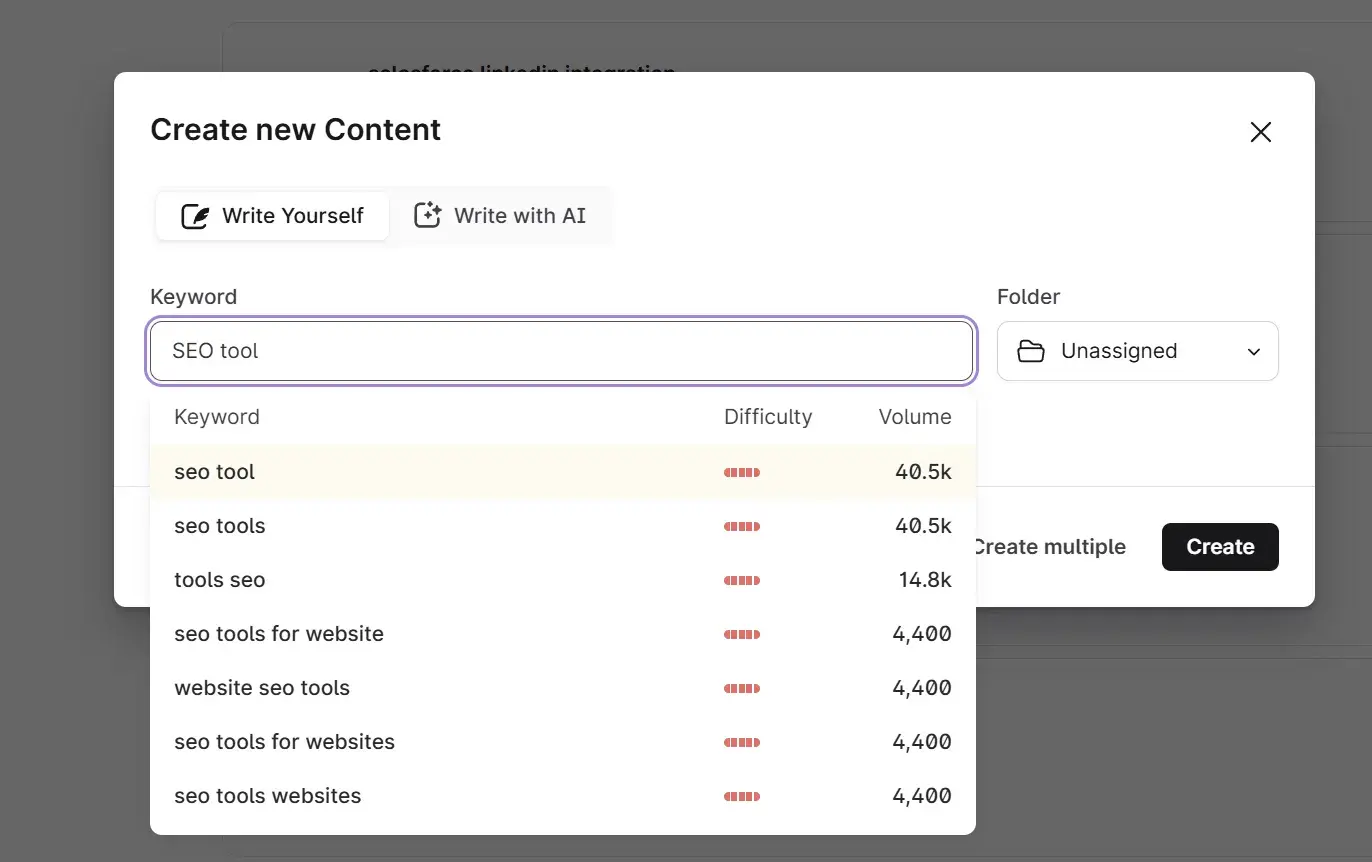
Content Optimization and AI Integration
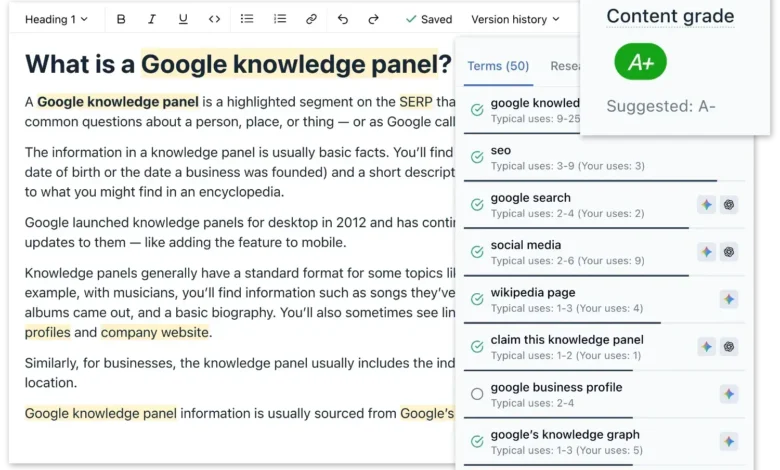
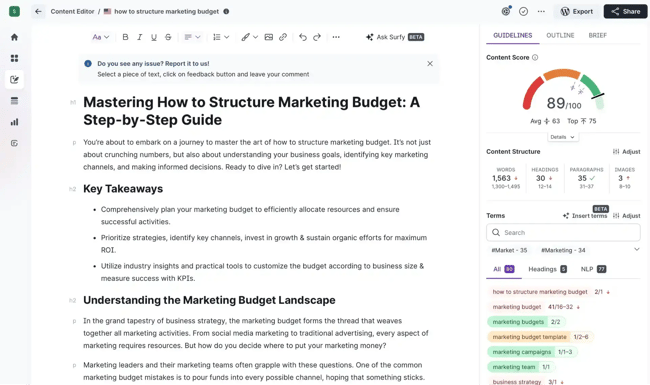
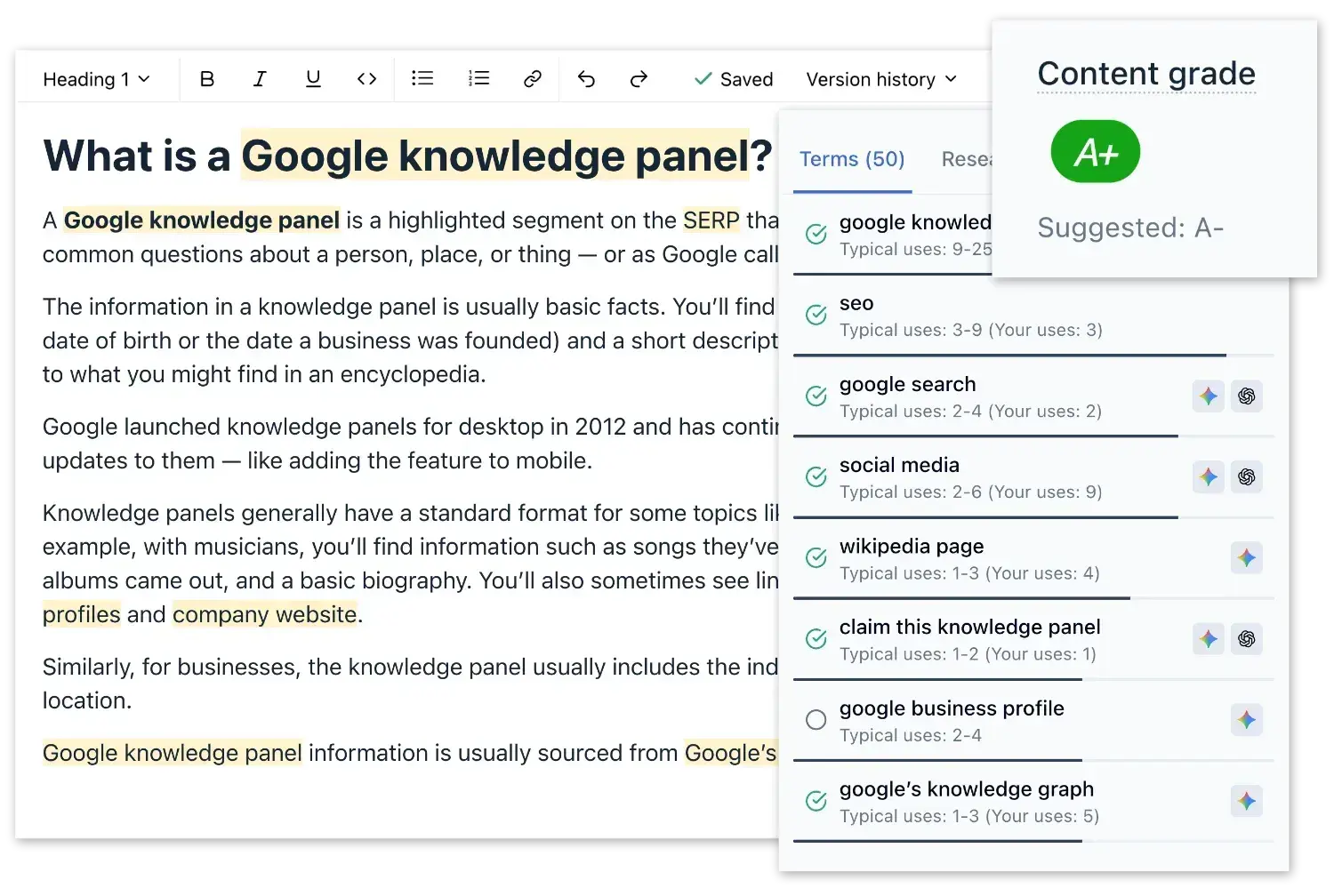
As the volume of content production increases, tools that provide data-backed briefs have become indispensable. Surfer SEO and Clearscope are leading the transition toward semantic optimization. By analyzing top-ranking competitors in real-time, these tools provide writers with specific term-coverage suggestions and readability scores.
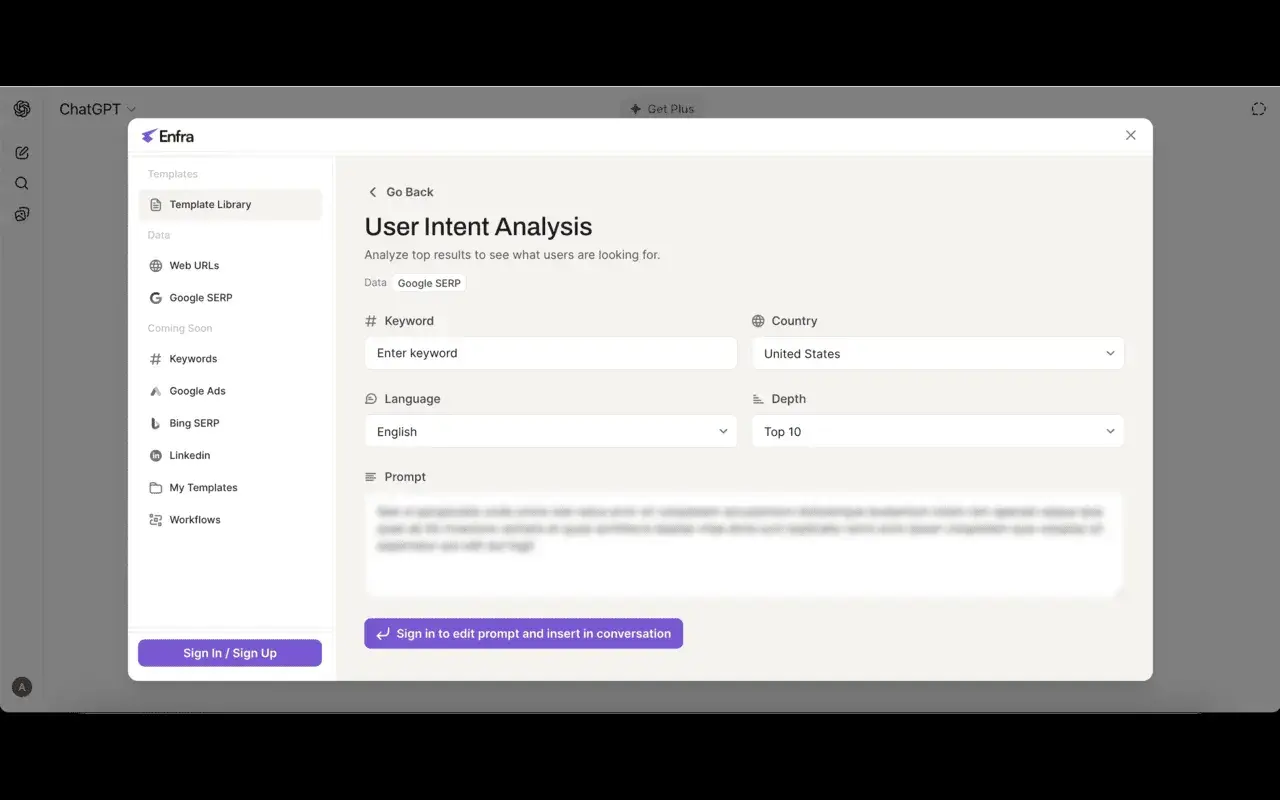
The emergence of Enfra as a Chrome extension highlights a new trend: grounding AI writing workflows in live SERP data. Rather than relying on the static training data of models like GPT-4, Enfra injects current search metrics and Google Search Console (GSC) data directly into the AI interface. This allows SaaS teams to identify "information gaps" where competitors are outperforming them on specific subtopics.
The Rise of AEO and First-Party Data
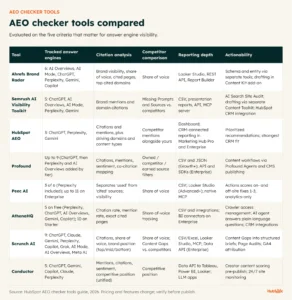
With the shift toward AI search, tools like the HubSpot AEO Grader have become essential for benchmarking brand visibility across ChatGPT, Perplexity, and Gemini. This diagnostic tool allows marketers to see how AI engines characterize their brand relative to the competition, surfacing the third-party publications that influence AI models.
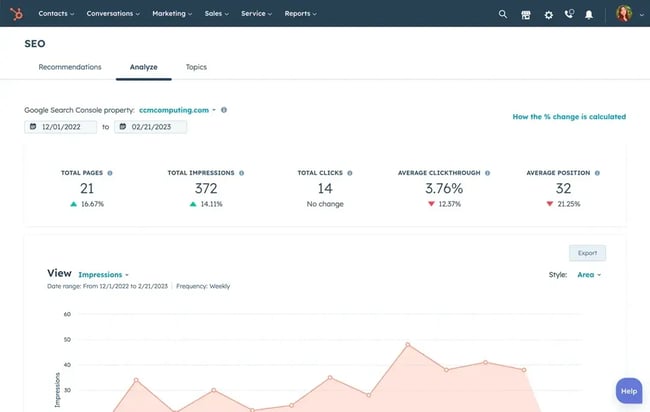
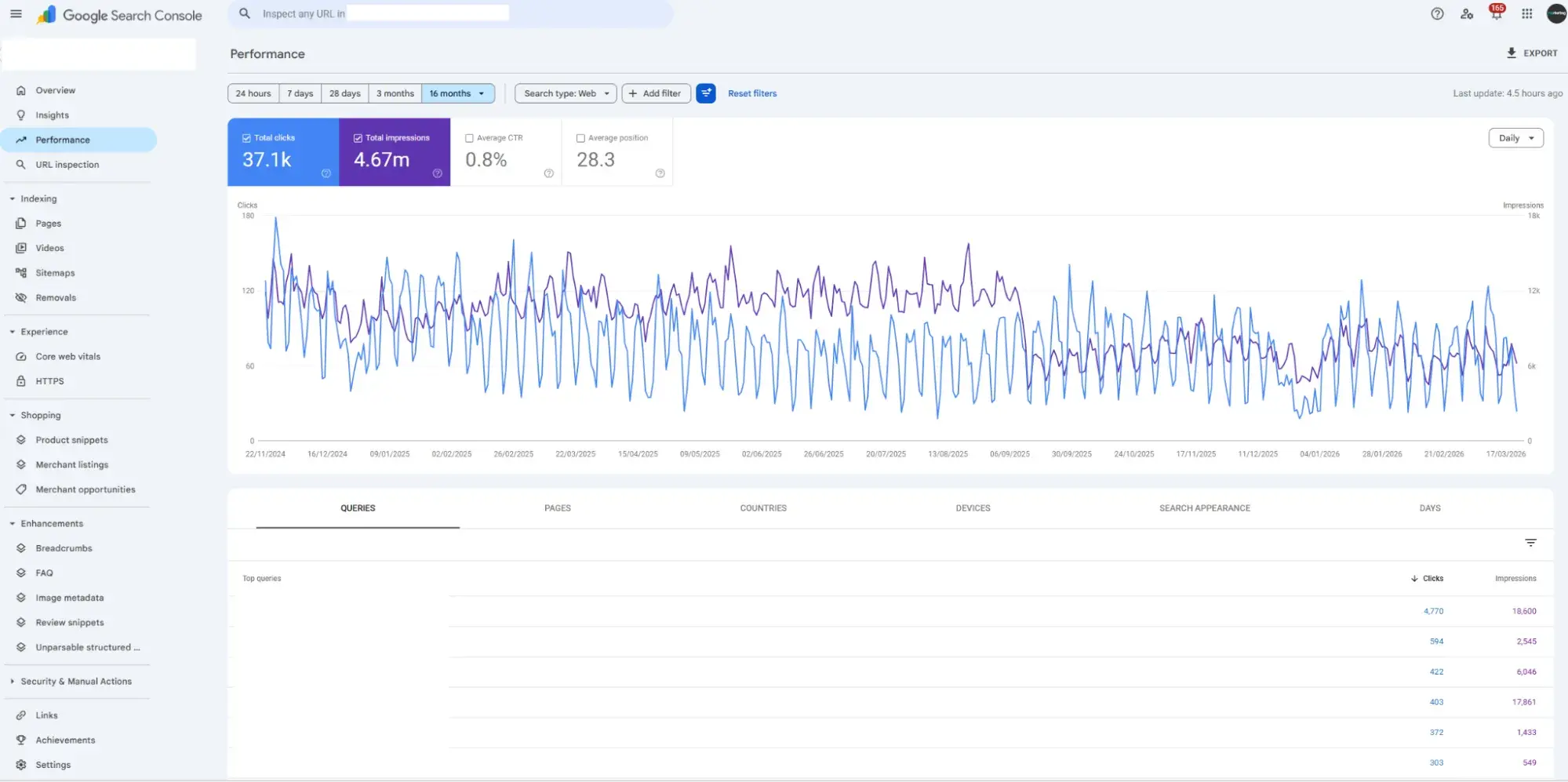
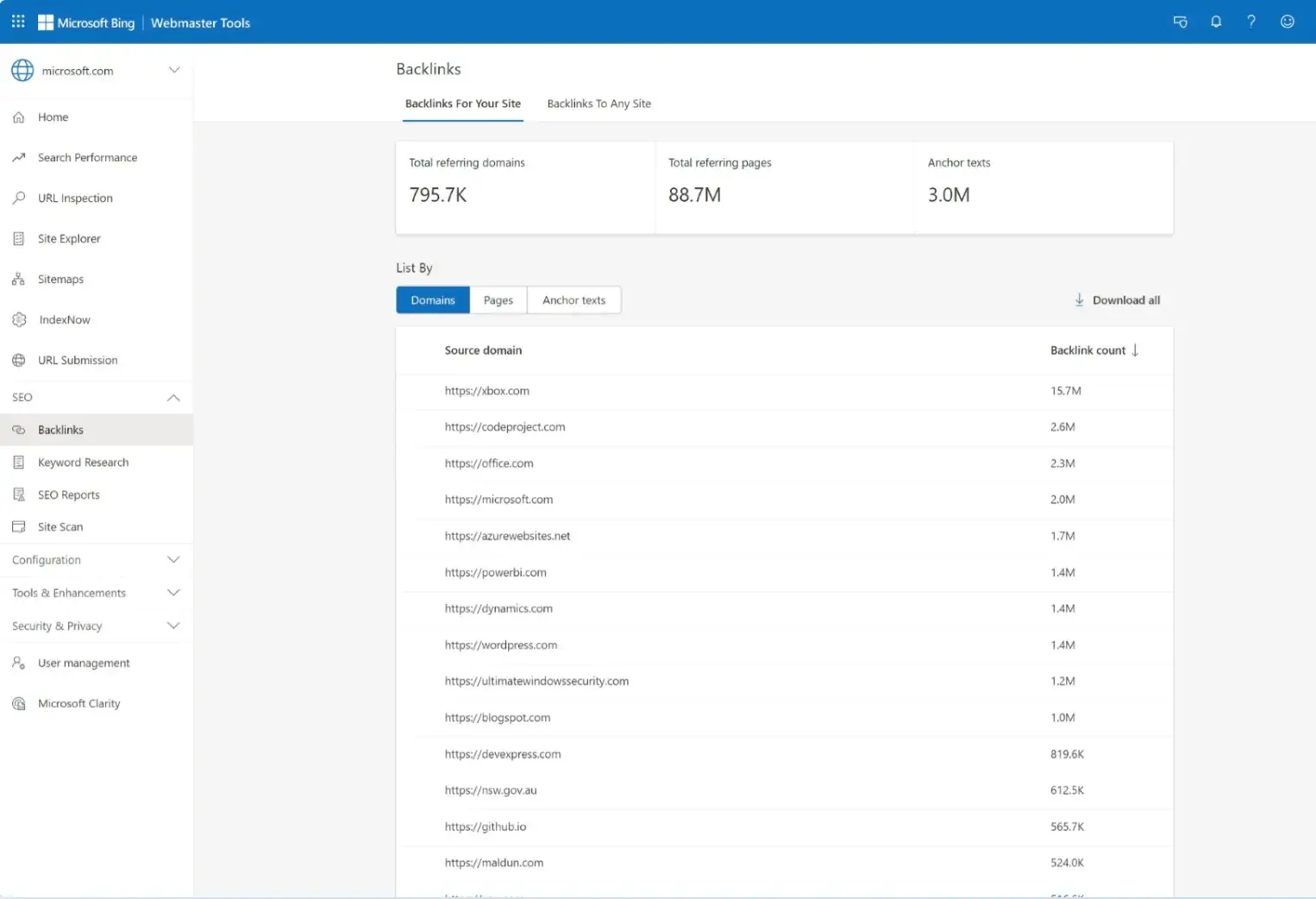
Furthermore, the importance of first-party data has seen a resurgence. Google Search Console and Bing Webmaster Tools remain the most accurate sources of truth for indexation and performance. Experts suggest that GSC is often the best source for "zero search volume" keywords—highly specific, long-tail queries that third-party tools might miss but which often yield the highest conversion rates for niche SaaS products.
Strategic Tool Stacks by Organization Scale
The requirements for an SEO tech stack evolve as a SaaS company scales. Industry best practices suggest the following configurations based on team size:
- Solo Marketers and Early-Stage Startups: Focus on high-leverage, low-cost tools. A combination of HubSpot Marketing Hub for CRM-linked reporting, Google Search Console for data, and Surfer SEO for content optimization provides a lean but effective foundation.
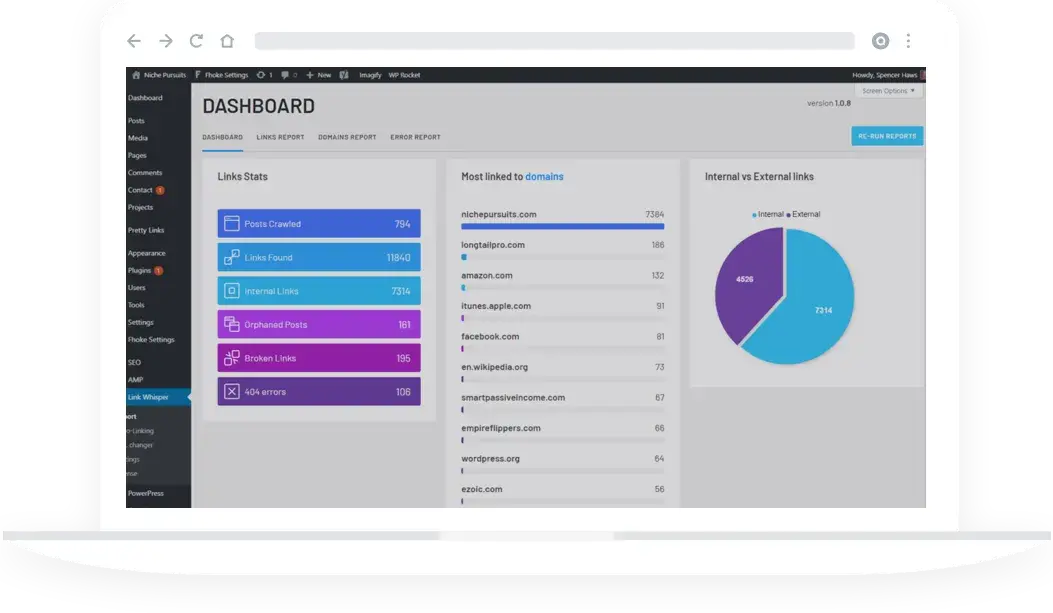
- Mid-Market Teams (3–5 Marketers): These teams require more robust auditing and internal linking structures. The addition of Semrush for competitive intelligence and Link Whisper (for WordPress users) to manage site architecture is common at this stage.
- Enterprise Teams (10+ Marketers): Large organizations prioritize governance and deep intelligence. An enterprise stack often includes Ahrefs for advanced backlink analysis, Clearscope for large-scale content grading, and Screaming Frog for continuous technical monitoring across multiple subdomains and international versions of the site.
Expert Perspectives and Market Implications
Market experts emphasize that the value of SEO is increasingly tied to its ability to prove revenue impact. "The ability to present SEO performance in business terms, not just rankings and impressions, is what separates a strategic SEO program from a cost center," notes one industry analyst. This has led to a significant push for CRM-connected SEO reporting.
Marketing leaders suggest that the integration of SEO data within a CRM like HubSpot allows for "closed-loop attribution." This means a marketing team can track a user from their first organic search query through to a demo request and, eventually, a closed deal. In an era where SaaS teams are under intense pressure to reduce Customer Acquisition Costs (CAC), this level of visibility is no longer a luxury but a requirement for budget approval.
Moreover, the role of internal linking is being reconsidered as a high-leverage "quick win." Industry veterans observe that many high-quality SaaS pages fail to rank simply because they are "orphaned" or lack sufficient internal link equity. Tools like Yoast SEO and Link Whisper are being used to automate the detection of these pages, allowing teams to improve their site architecture without the need for extensive new content production.
Chronology of SEO Evolution: A Look Ahead
The trajectory of SaaS SEO suggests a move toward "brand-as-source" optimization. As AI models become the primary interface for early-stage discovery, SaaS companies must ensure their documentation, blog content, and product pages are structured with JSON-LD schema to facilitate easy parsing by AI agents.
The timeline for this evolution has accelerated. In 2023, the focus was on generative AI for content creation. In 2024, the focus shifted to AI search visibility. By 2025 and 2026, the industry expects a "post-click" search environment where the goal is not just to drive traffic to a website, but to ensure the brand is the definitive answer across all digital touchpoints.
In conclusion, the 702% ROI associated with SaaS SEO is achievable only for those who adapt to this new reality. By moving away from disconnected "point tools" and toward integrated platforms that connect search data with CRM intelligence, SaaS companies can replace guesswork with a systematic, data-driven engine for growth. The right SEO stack is no longer just about ranking; it is about building a defensible brand presence in an increasingly AI-driven marketplace.