Automating Enterprise Request for Information Workflows with Amazon Quick Automate

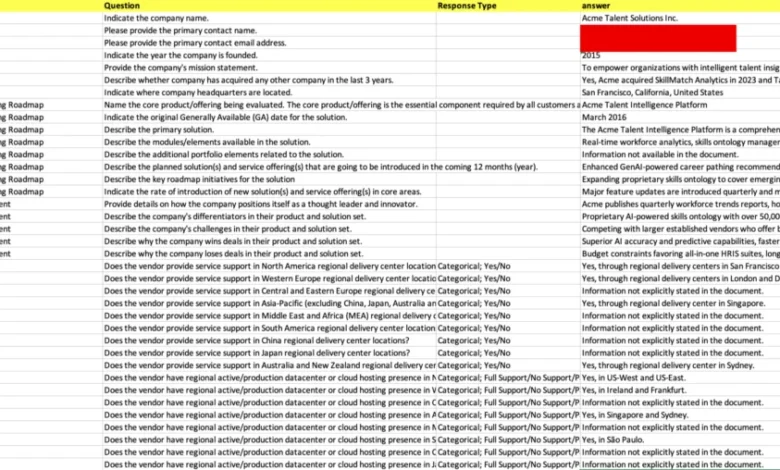
Organizations across the global enterprise landscape are increasingly burdened by the operational friction associated with manual document processing, particularly concerning Request for Information (RFI) questionnaires. These documents, which serve as the foundation for procurement, vendor onboarding, and compliance auditing, frequently arrive as sprawling, multi-tab workbooks. Each workbook is typically characterized by complex hierarchical question sets, intricate category metadata, and highly variable response formats. For a large enterprise, managing hundreds of these submissions annually consumes significant human capital, often leading to bottlenecks, data entry inaccuracies, and delayed response times. The emergence of Amazon Quick Automate offers a transformative approach to this persistent administrative challenge by utilizing multi-agent automation to bridge the gap between static documents and structured, actionable data.
The Operational Challenge of RFI Processing
The traditional lifecycle of an RFI is fraught with inefficiencies. Procurement teams are often tasked with extracting specific data points from legacy Excel spreadsheets, a process that is not only time-consuming but also prone to human error. As organizations expand, the lack of standardization in vendor-provided formats forces teams to manually normalize data before it can be ingested into internal systems. Research suggests that administrative overhead in procurement workflows can account for up to 30% of a department’s total operational cost. When the document format changes—which occurs frequently as vendors update their internal templates—the entire manual extraction process must be recalibrated, leading to further delays and increased risk of compliance failures.
By transitioning to an automated, AI-driven workflow, enterprises can shift from manual data manipulation to a model of exception-based management. This allows procurement specialists to focus on high-value strategic decision-making rather than the mechanical extraction of rows and columns.
Leveraging Amazon Quick Automate for Structural Efficiency
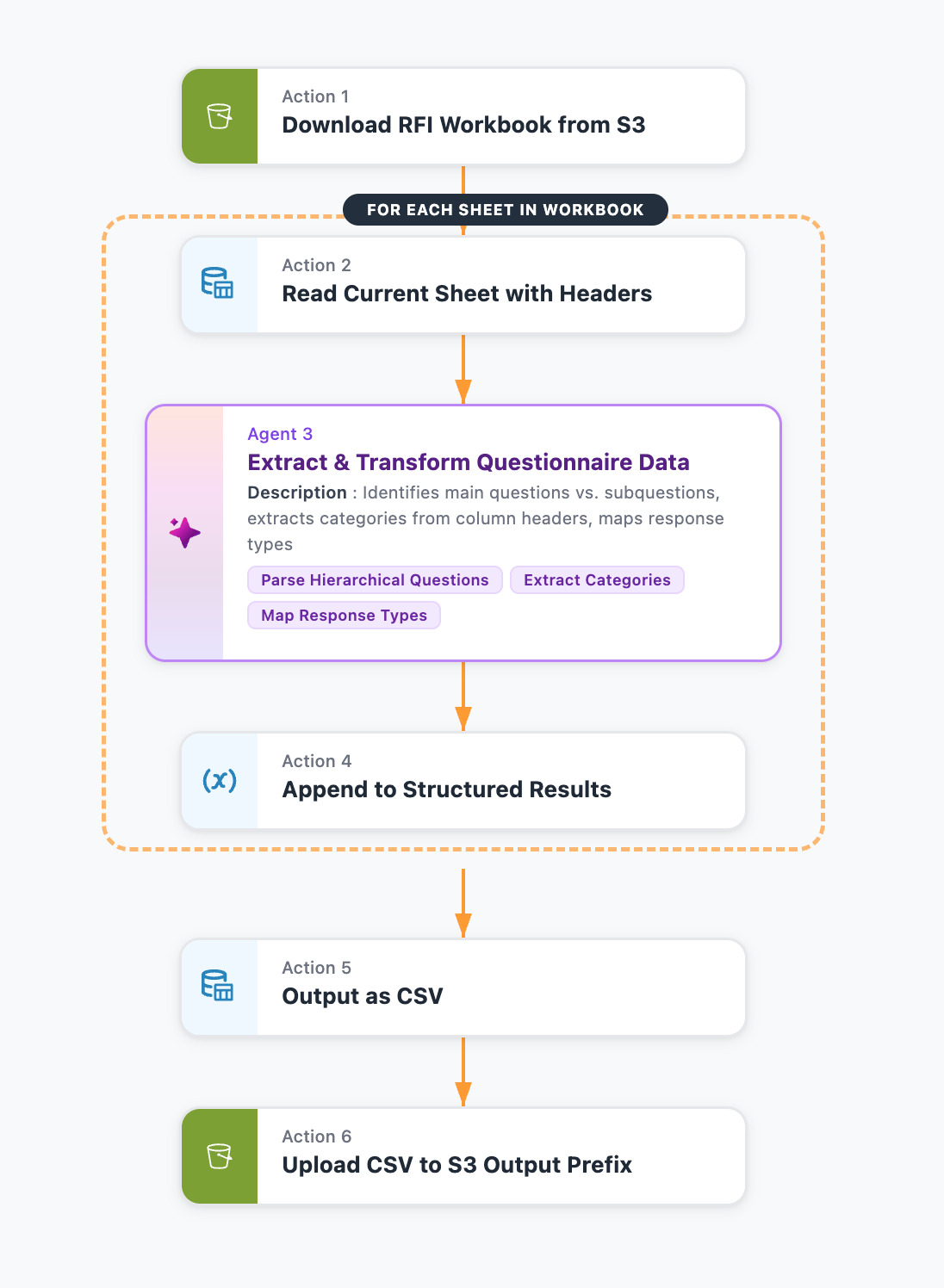
Amazon Quick Automate is designed to handle enterprise-grade business processes that span disparate systems, including UI-based applications, API integrations, and third-party software environments. The platform employs a team of agents that function as an abstraction layer over complex workflows, allowing users to define their requirements in natural language. Instead of writing custom code or building fragile scripts that break upon every update, users provide intent-based instructions. The system then generates, executes, and validates the workflow, covering the full spectrum of ingestion, transformation, and output.
The technical architecture of this solution centers on Amazon Simple Storage Service (S3), which acts as the centralized repository for RFI workbooks. By connecting Amazon Quick Automate to an S3 bucket, organizations create a seamless pipeline where incoming files are automatically parsed. The system’s ability to interpret hierarchical structures—such as nested questions or conditional logic based on indentation—is a significant improvement over traditional optical character recognition (OCR) or basic spreadsheet parsers.
Chronology and Implementation Framework
The deployment of an automated RFI solution follows a structured progression designed to ensure security, auditability, and scalability.
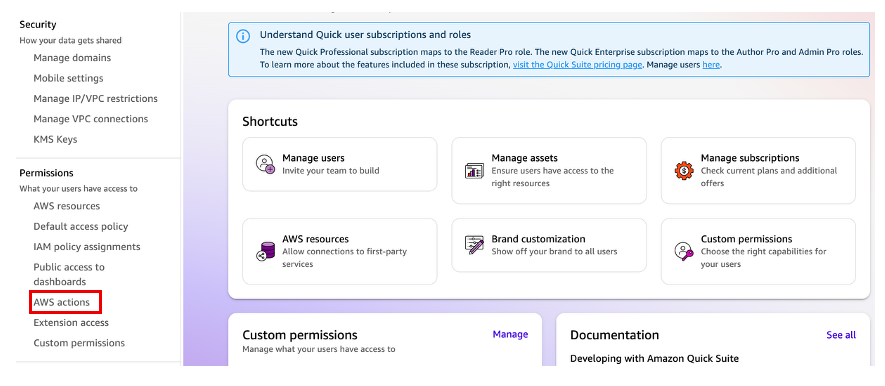
- Preparation and IAM Configuration: The first phase involves establishing a robust Identity and Access Management (IAM) baseline. This ensures that the Amazon Quick Automate service has the principle of least privilege, with specific permissions to access only the necessary S3 buckets. This security-first approach is critical for enterprises dealing with sensitive procurement data.
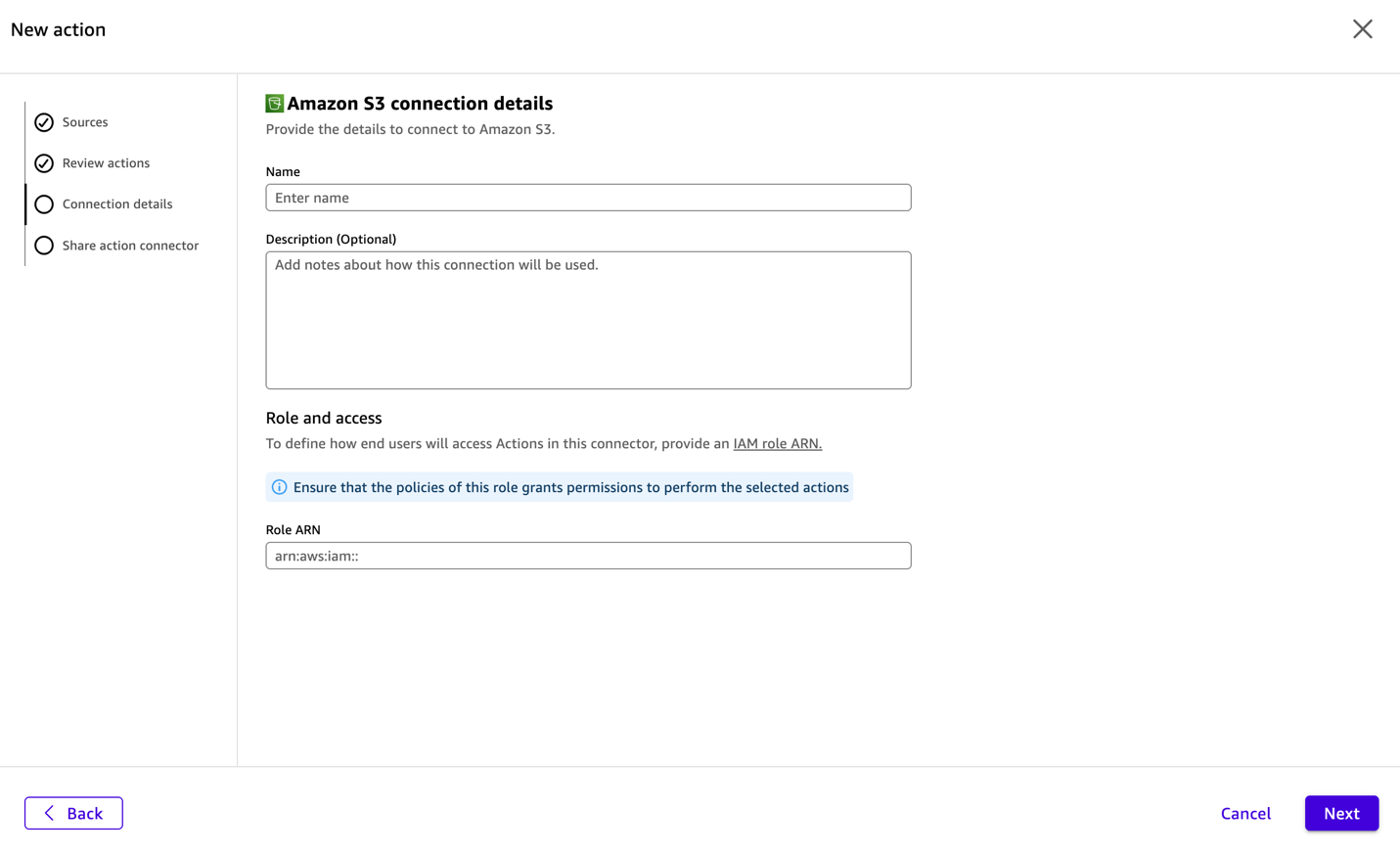
- Connector Initialization: Following identity verification, administrators configure the S3 connector within the Amazon Quick console. This step links the automation environment to the specific data source, creating a persistent bridge between the storage layer and the processing engine.
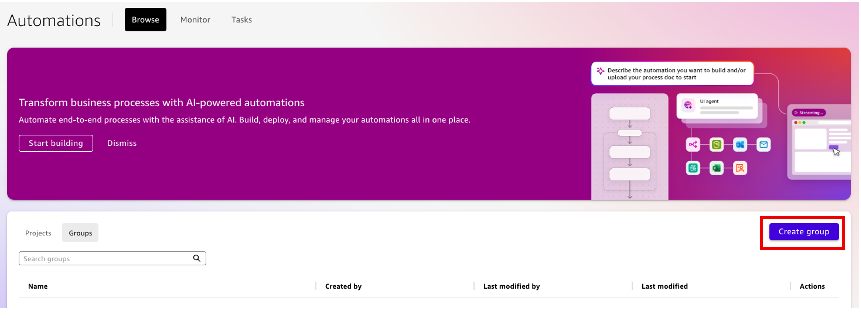
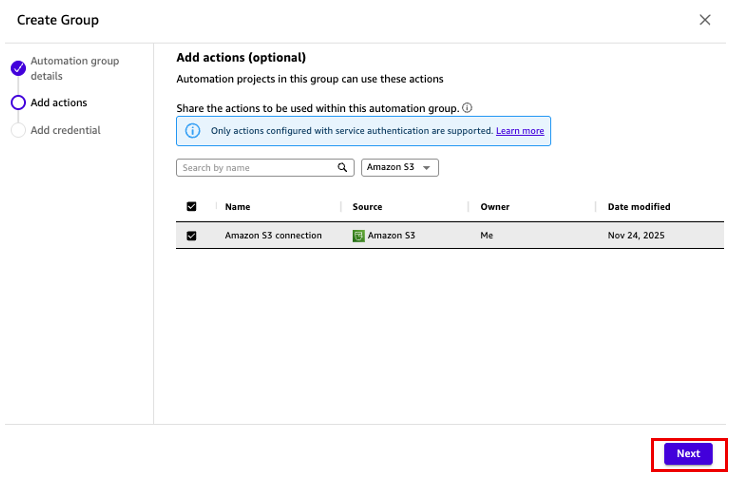
- Project Structuring: The creation of an automation project acts as the "container" for the workflow. Within this project, users define the logic for data extraction.
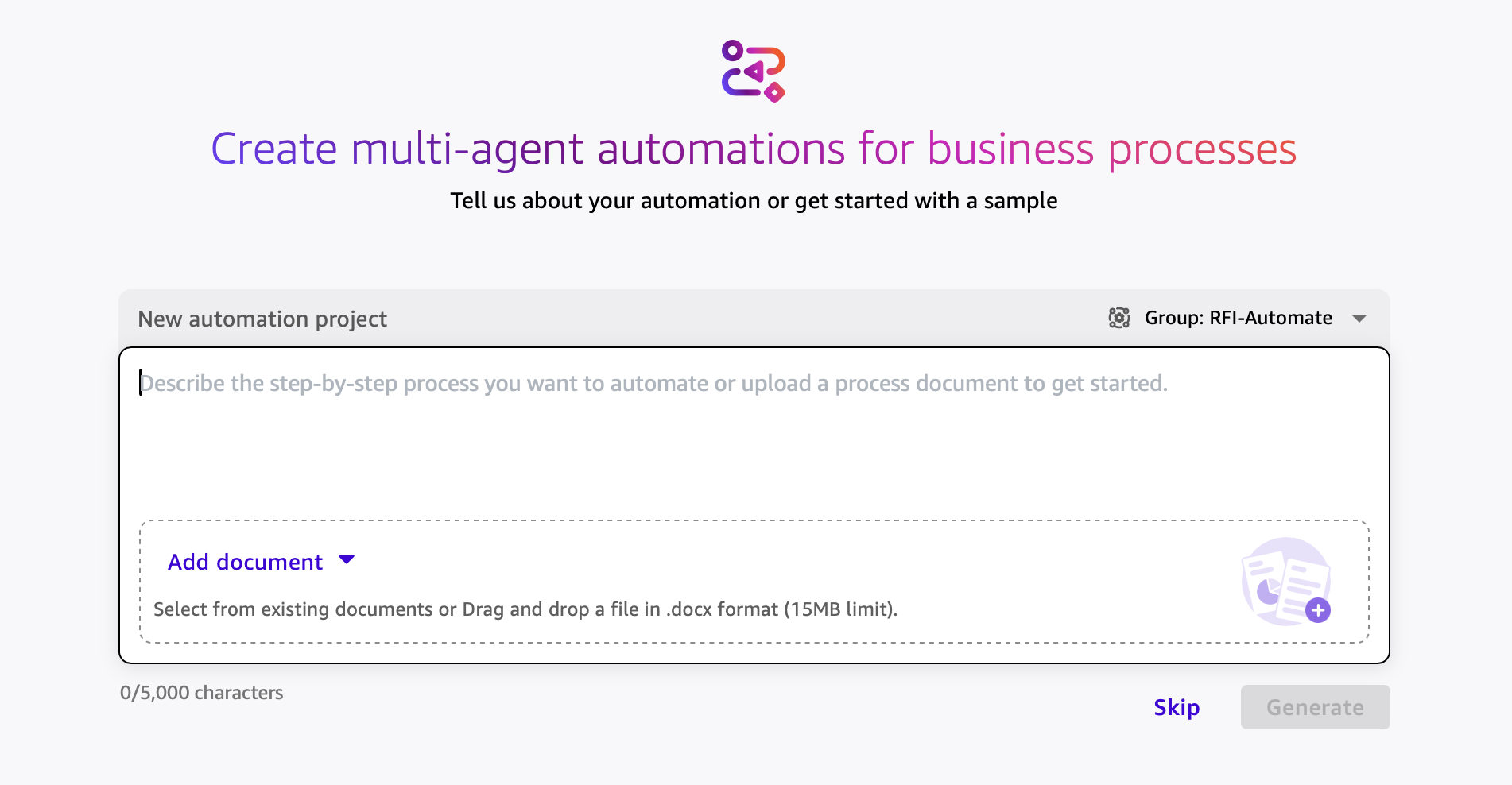
- Natural Language Definition: The core of the workflow is the natural language instruction. Users specify, for example, the need to extract questions from a specific tab, identify sub-questions based on formatting, and output the result into a clean, normalized CSV format.
- Refinement and Validation: The system produces a multi-step workflow that the user can iterate upon. If the initial output requires adjustments—such as filtering out metadata headers or reformatting specific date fields—the user can request changes via conversational feedback, which the AI agent then applies to the workflow logic.
Data Integrity and Scaling Production
One of the primary advantages of this automation suite is the ability to maintain consistency across global operations. Organizations with multiple AWS Regions can leverage the platform’s Import/Export capabilities to promote validated, stable automation versions from a development environment to a production environment. This ensures that the logic used to process an RFI in one region is identical to the logic used in another, preventing the "drift" that often occurs with decentralized, manual processes.
Furthermore, the scalability of this solution is inherent. Because the system relies on natural language instructions, adapting to a new, unexpected RFI document format does not require a developer to rewrite a codebase. Instead, the user updates the prompt, the agent refines the extraction logic, and the workflow is updated within minutes. This agility is vital in modern, fast-moving markets where vendor requirements can evolve quarterly.
Economic and Strategic Implications
The shift toward intelligent automation in RFI management has profound implications for corporate governance. First, it standardizes the data collection process, which facilitates better downstream analytics. When all RFI responses are normalized into a consistent CSV or database format, organizations can perform cross-vendor comparisons with unprecedented ease. This leads to more informed procurement decisions and better negotiation leverage.
Second, the reduction in manual effort allows organizations to increase the volume of RFIs they can handle without a corresponding increase in headcount. In a period of economic tightening, the ability to do more with existing resources is a significant competitive advantage. Third, the reduction of human error—inherent in any manual data entry process—mitigates the risk of missing critical compliance clauses or financial constraints hidden within the fine print of a 50-page questionnaire.
Best Practices and Future Outlook
Industry experts suggest that while automation provides the engine for efficiency, governance remains the steering wheel. Organizations implementing this solution are encouraged to adhere to several best practices:
- Version Control: Always maintain a clear history of workflow versions. Before deploying to production, run the automation against a historical set of RFI documents to ensure the output remains consistent with past manual efforts.
- Audit Logging: Utilize the logging features within the AWS ecosystem to maintain a trail of who initiated the automation and when, ensuring that every data transformation is accounted for during internal or external audits.
- Iterative Refinement: Treat the automation as a "living" process. As the volume of RFIs increases, use the insights gained from the initial outputs to further refine the natural language instructions, making the process progressively more precise.
The potential for this technology extends far beyond simple RFI processing. By mastering the integration of natural language processing with document management, enterprises are effectively creating a blueprint for automating other complex, semi-structured business tasks. Future applications could include the automation of legal contract reviews, the ingestion of unstructured financial reports, or the programmatic generation of compliance documentation.
Conclusion
The transition from manual document handling to automated, AI-driven workflows represents a fundamental shift in how large-scale organizations manage their administrative operations. Amazon Quick Automate, by abstracting the complexity of data extraction and providing a user-friendly conversational interface, offers a sustainable path forward for teams overwhelmed by the variety and volume of modern enterprise data.
By implementing the steps outlined—connecting secure data storage, defining clear processing logic through natural language, and establishing a rigorous promotion pipeline—organizations can effectively eliminate the traditional pain points of RFI management. As the technology matures and becomes more deeply embedded in enterprise infrastructure, the reliance on manual, error-prone data processing will likely become a relic of the past, replaced by agile, scalable, and highly accurate automated systems that empower organizations to make better, faster, and more data-driven decisions. The adoption of these tools is not merely an operational upgrade; it is a strategic imperative in an era where data velocity is a key determinant of success.