Tech Pioneer Jeff Atwood Pledges Half His Wealth to Safeguard the American Dream Amid Growing Economic Inequality


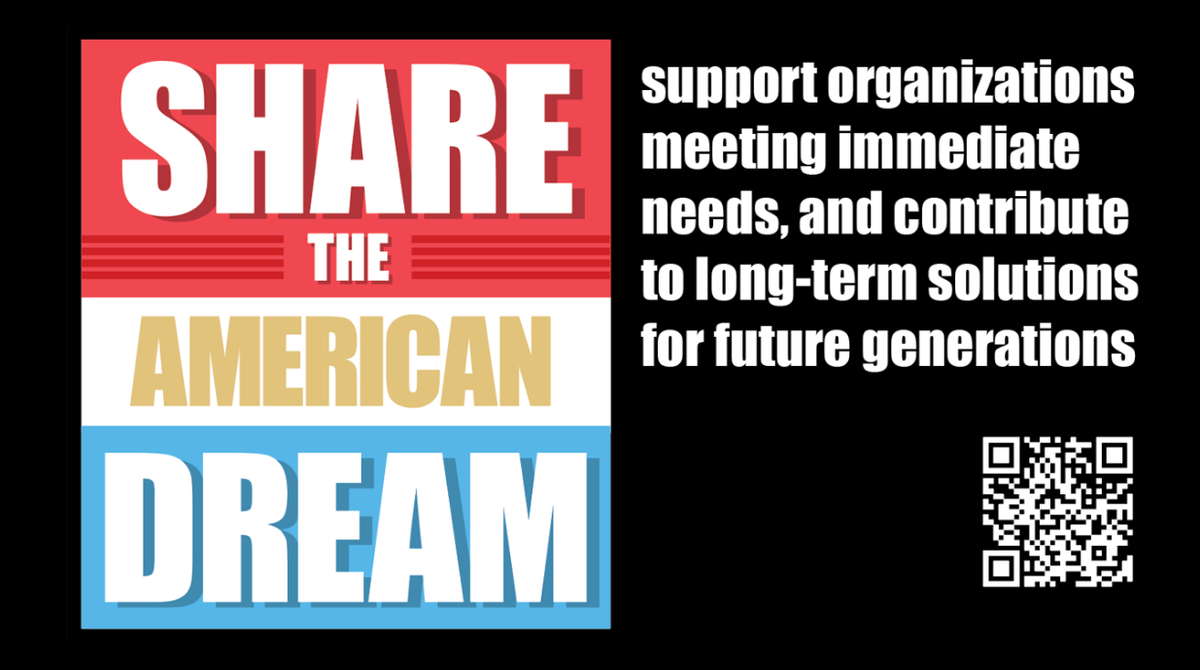
Stack Overflow co-founder and software developer Jeff Atwood has announced a landmark philanthropic commitment, pledging to allocate half of his remaining family wealth over the next five years toward preserving and restoring access to the American Dream. The announcement comes alongside an immediate distribution of eight $1 million donations to nonprofit organizations addressing urgent domestic needs. This major capital reallocation highlights a growing debate among technology leaders regarding wealth concentration, institutional polarization, and the structural barriers limiting upward mobility in the United States.
Background and Economic Context
Atwood’s path to philanthropy is rooted in his upbringing. Raised in rural West Virginia and North Carolina before settling in Virginia, Atwood experienced firsthand the financial precarity of the lower-middle class. His early life was marked by familial struggles with alcoholism, which ultimately led to his parents’ divorce when he was sixteen. Despite these hardships, Atwood navigated public education and attended the University of Virginia, funding his tuition through federal Pell grants, scholarships, and part-time employment as a cashier at Safeway, earning the federal minimum wage.
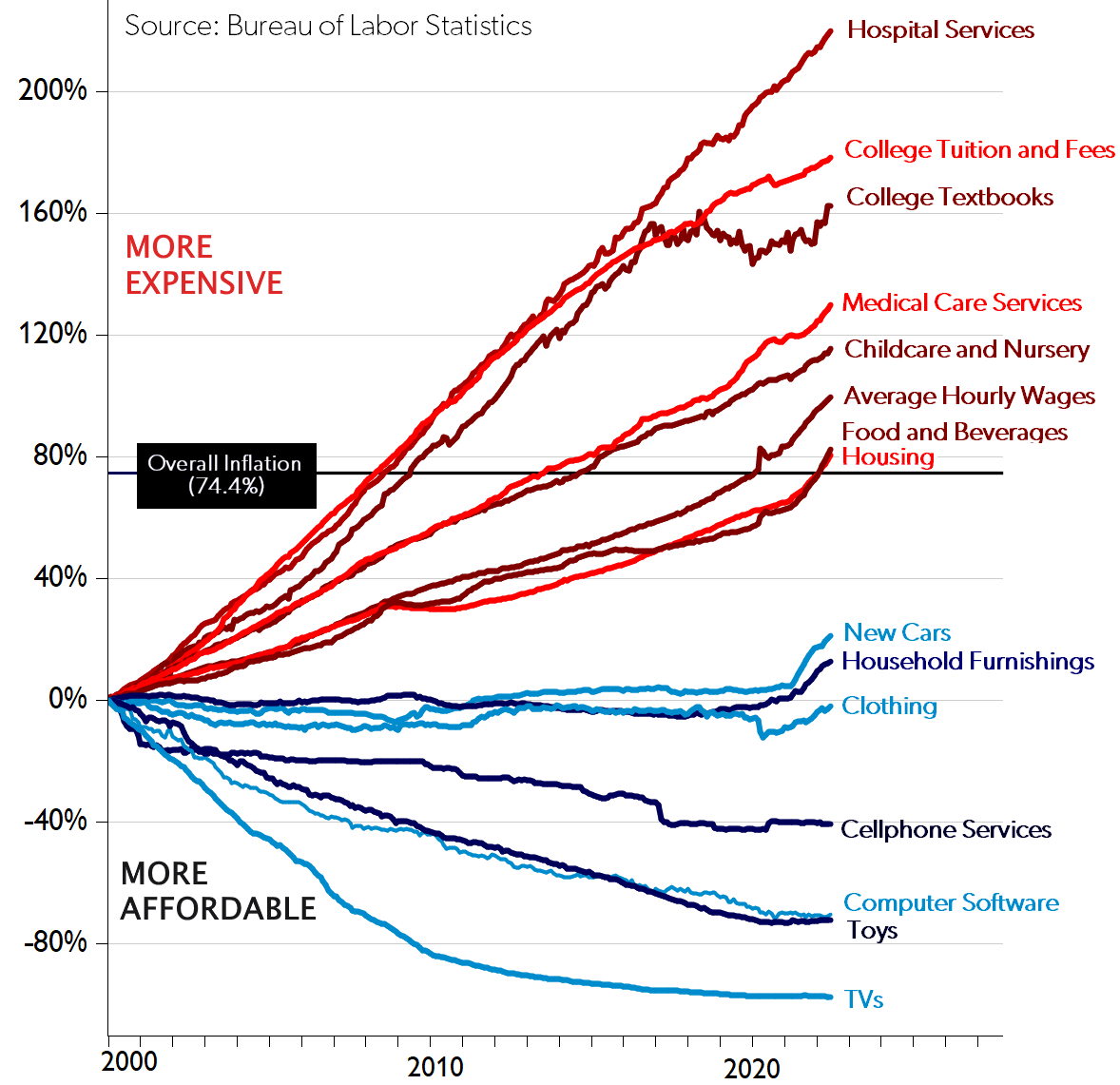
In his public statement, Atwood contrasted the economic realities of his college years in 1992 with contemporary conditions. He noted that annual in-state tuition at public universities has surged drastically over the last three decades, rising from approximately $3,000 to over $23,000. This stark increase in the cost of higher education, paired with escalating expenses in housing and healthcare, forms the bedrock of Atwood’s critique: the foundational pillars of the American Dream are becoming increasingly out of reach for ordinary citizens.
Chronology of Entrepreneurial Success and Digital Democracy

Atwood’s financial trajectory shifted significantly with his contributions to the software development community. In 2008, alongside co-founder Joel Spolsky, Atwood launched Stack Overflow, a crowdsourced Q&A platform designed to build a shared, Creative Commons knowledge base for programmers globally. The platform operated on principles of digital democracy, utilizing ranked-choice voting for community moderation and content curation.
Following the success of Stack Overflow, Atwood co-founded Discourse in 2013, an open-source platform aimed at fostering empathetic, structured community discussions with democratic moderation tools. These entrepreneurial ventures generated substantial financial returns, placing Atwood among the beneficiaries of modern American capitalism. However, Atwood has publicly reflected that accumulating personal wealth created an unintended psychological distance from the financial struggles faced by everyday Americans, prompting his decision to redistribute a significant portion of his assets.
Wealth Inequality and Philanthropic Philosophy

The tech entrepreneur’s pledge arrives amid a broader national discussion concerning wealth disparity. According to data from Federal Reserve and sociological studies cited in economic analyses, the top 1% of American households controlled approximately 24% of the nation’s wealth in 2012, a figure that climbed to 30% by 2021. Globally, wealth concentration has reached historic highs, with the top 1% holding nearly twice as much wealth as the rest of the world combined.
Atwood explicitly categorized extreme billionaire wealth as incompatible with a healthy, equitable democracy, aligning his perspective with historic labor and civil rights frameworks. Citing historical philosophies, including W.E.B. Du Bois’s assertion that national prosperity should be measured by the absence of poverty and the efficiency of public institutions rather than the accumulation of private fortunes, Atwood chose to diverge from traditional philanthropic models popularized by figures like Warren Buffett. Rather than deferring the bulk of his charitable giving until after death or establishing dynastic charitable trusts managed by heirs, Atwood is accelerating his timeline to fund systemic interventions immediately.
Implications for Democratic Institutions and Civic Engagement
Beyond economic redistribution, Atwood’s initiative addresses systemic vulnerabilities within American democratic institutions. Pointing to low voter turnout statistics—such as the 34% of eligible adults who did not participate in the 2024 presidential election—the initiative highlights systemic issues including voter suppression, gerrymandering, and pervasive political polarization.
To counteract democratic erosion, Atwood advocates for structural reforms, including establishing Election Day as a national holiday, expanding universal mail-in voting, and implementing ranked-choice voting nationwide to enhance the efficacy of individual votes. These policy proposals reflect a comprehensive approach to civic revitalization, connecting economic mobility directly to political enfranchisement.
Broader Impact and Future Outlook

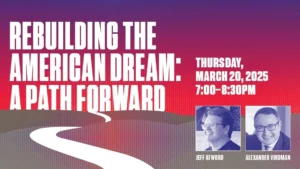
The five-year philanthropic rollout will target long-term systemic reforms designed to ensure equitable access to education, housing, and civic participation. Atwood has outlined that subsequent announcements will detail specific partnerships and recipient organizations, including a scheduled collaborative discussion at Cooper Union alongside security expert Alexander Vindman.
By combining immediate financial relief with long-term structural advocacy, Atwood’s pledge serves as a notable case study in contemporary tech philanthropy. It underscores an evolving sentiment among certain industry leaders who argue that the preservation of the American Dream requires active intervention against wealth consolidation and a renewed commitment to institutional equity.