Matrix Growth Academy Unveils the Zero to 100 Playbook: A Masterclass in Scaling B2B Startups to $100 Million in Revenue

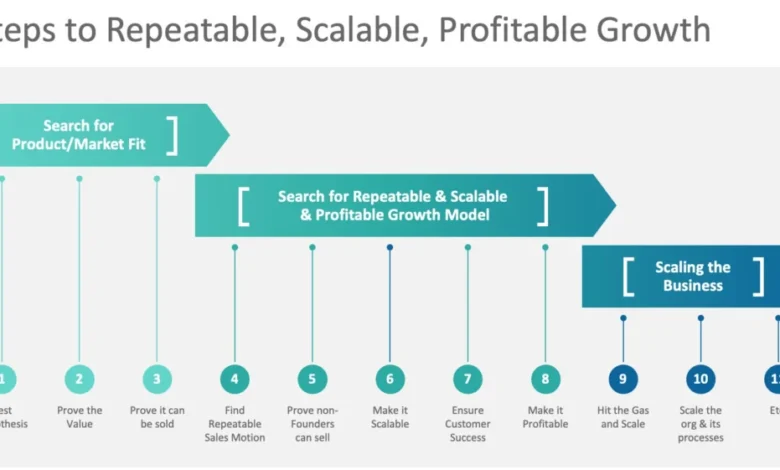
While the popular "Lean Startup" methodology has long provided entrepreneurs with a reliable compass for discovering product-market fit, venture capitalists and veteran founders agree that the journey is far from over—particularly within the complex business-to-business (B2B) ecosystem. For B2B companies, achieving initial market validation is merely the starting line. The true crucible lies in the subsequent phase: engineering a repeatable, scalable, and fundamentally profitable growth engine capable of propelling a startup toward a $100 million valuation and beyond.
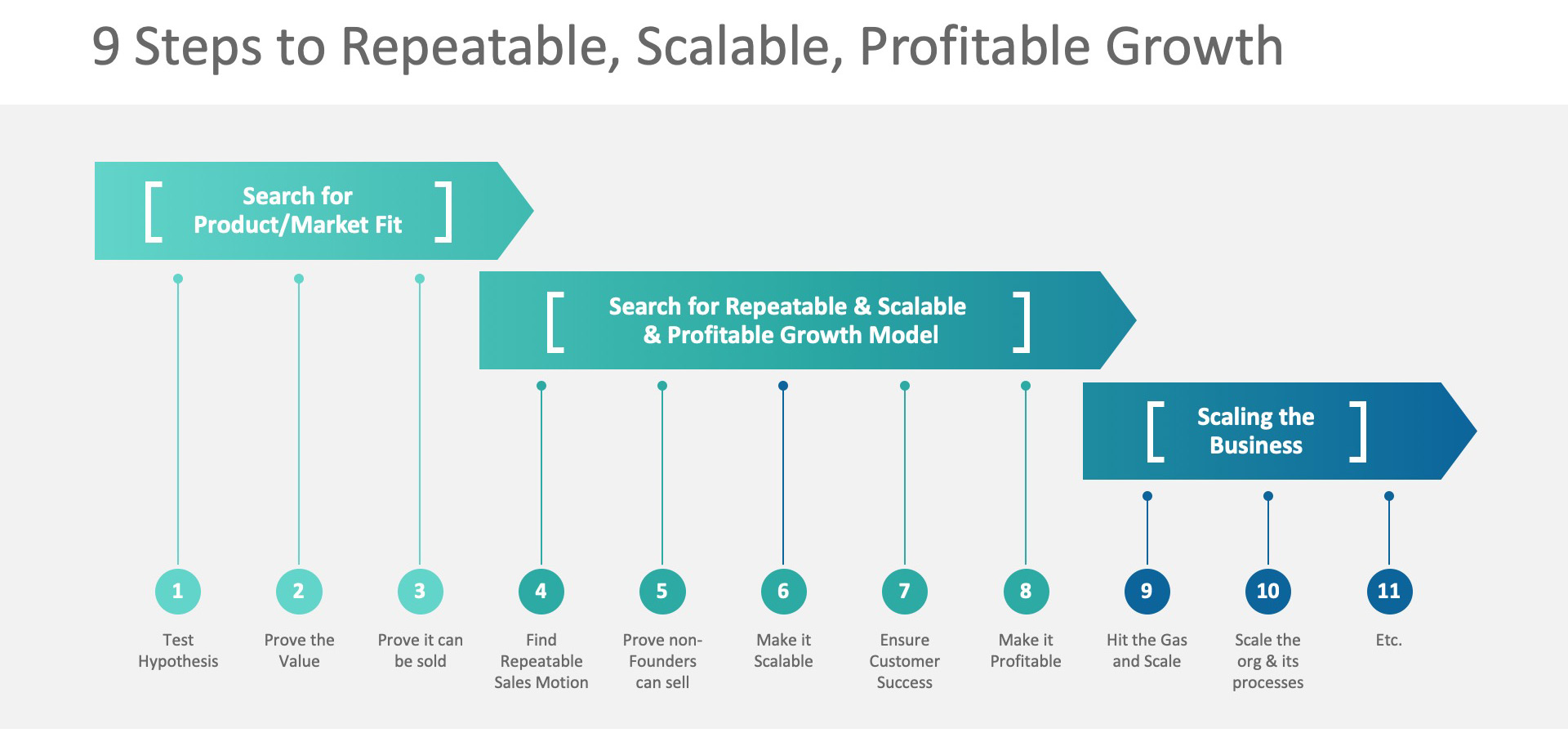
To bridge this critical knowledge gap, the Matrix Growth Academy hosted a landmark educational event in San Francisco known as "Zero to 100." Spearheaded by veteran venture capitalist and entrepreneur David Skok, alongside a curated roster of industry experts, the event systematically dissected the complex transition from early-stage traction to high-speed corporate acceleration. The comprehensive playbook introduced at the event maps out this arduous journey across nine distinct, sequential phases, offering startup founders a definitive blueprint designed to circumvent costly operational missteps.
The High Cost of Premature Acceleration
Industry data consistently shows that premature scaling is the leading cause of startup mortality, accounting for a staggering percentage of early business failures. When founders attempt to force hyper-growth—injecting heavy capital into sales and marketing before nailing down their foundational unit economics or perfecting their sales funnels—the financial hemorrhage is often fatal.
David Skok, drawing directly from his own extensive entrepreneurial scar tissue and his current vantage point as a board member and investor, emphasized the immense psychological and financial toll of skipping steps in the growth hierarchy. "I can’t tell you how much pain and expense those mistakes cost me personally," Skok noted during the event’s opening sessions. By synthesizing decades of collective observations from Silicon Valley boardroom battles, the Matrix Growth Academy aimed to spare the next generation of founders from repeating these preventable errors.
Deconstructing the Nine-Stage Growth Framework
The core curriculum of the Zero to 100 event was partitioned into thematic modules, each led by prominent industry leaders who specialized in specific cogs of the enterprise growth machine.

Phase One: Founder-Led Selling and Early Product-Market Fit
Before a startup can even dream of hiring a massive enterprise sales team, the founders must step into the trenches themselves. Pete Kazanjy, a noted expert in early-stage sales execution, led comprehensive sessions detailing the art and necessity of founder-led selling. Kazanjy addressed the psychological hurdles technical founders often face when confronting the sales process, framing customer acquisition not as an administrative chore, but as an essential mechanism for deep product discovery.
According to Kazanjy and Skok, finding true product-market fit requires founders to deeply understand customer pain points through direct, unyielding engagement. Only after a founder has successfully sold the product repeatedly on their own, learning the linguistic nuances and objections of the target market, should the organization consider building a repeatable sales model.
Phase Two: Designing a Repeatable and Profitable Growth Engine
Taking center stage for a significant portion of the curriculum, David Skok delivered a masterclass on transitioning from a chaotic early-stage startup to a streamlined, predictable revenue machine. Skok’s sessions broke down the mechanics of choosing the appropriate go-to-market model—whether that be self-serve, transactional, or enterprise field sales—and aligning it precisely with the company’s Average Selling Price (ASP) and customer acquisition cost (CAC).
A major focal point of Skok’s presentation was the concept of fixing broken funnels and minimizing the "Time to Wow." Skok argued that modern B2B software must be engineered so that the product itself acts as a primary salesperson. By drastically shortening the duration it takes for a user to realize core value, startups can naturally lower churn rates and naturally enhance organic adoption.
Furthermore, Skok meticulously unpacked the vital SaaS business metrics that govern modern enterprise valuation. Founders were taken through deep-dive analyses of unit economics, lifetime value to customer acquisition cost (LTV/CAC) ratios, and the magic number of sales efficiency, providing a quantitative framework to evaluate whether their growth processes were truly scalable and profitable.
Phase Three: Scaling the Sales Organization with Stephanie Schatz
Once a repeatable sales process is established, the organizational bottleneck shifts from product validation to team building. Stephanie Schatz, former Chief Revenue Officer at Xamarin, brought operational rigor to the event by outlining how to systematically build and scale a high-performing sales organization.
Schatz’s sessions provided actionable strategies for recruiting top-tier enterprise account executives, structuring compensation plans that align sales behaviors with company profitability, and instituting repeatable onboarding and training programs. Scaling a sales team prematurely—before the playbook is thoroughly documented and validated—frequently results in high turnover and missed revenue quotas, a pitfall Schatz explicitly warned attendees to avoid.
Phase Four: Strategic Execution and the Evolving Role of the CEO
Translating high-level theory into day-to-day operational reality requires exceptional leadership alignment. Mark Gally joined the faculty to bridge this gap, offering tactical insights on executing the playbook within active organizations. Gally’s sessions focused on cross-functional alignment, ensuring that product, marketing, and sales teams operate with unified metrics and shared strategic objectives.
As companies evolve through the nine stages, the role of the Chief Executive Officer undergoes a profound transformation. In the concluding modules of the event, David Skok explored the shifting responsibilities of the CEO—moving from an operational operator and primary salesperson in the early days to a strategic architect, cultural custodian, and capital allocator as the enterprise scales toward the $100 million revenue milestone.
Broader Industry Implications and Legacy
The release of the Zero to 100 educational modules—subsequently made available in modular video formats for global consumption—arrives at a time when macroeconomic pressures place an unprecedented premium on capital efficiency. In previous economic cycles, venture capital abundance often allowed B2B startups to mask fundamental leaks in their sales funnels with aggressive cash burn.
Today, institutional investors demand a clear path to sustainable, profitable growth. The frameworks popularized by Skok, Kazanjy, Schatz, and Gally provide a rigorous, data-driven counter-narrative to the "grow at all costs" mentality of the past decade. By institutionalizing the step-by-step methodology of moving from zero to a repeatable revenue engine, the Matrix Growth Academy has established a vital intellectual resource for the next generation of enterprise technology leaders, fundamentally altering how modern B2B companies scale toward market leadership.