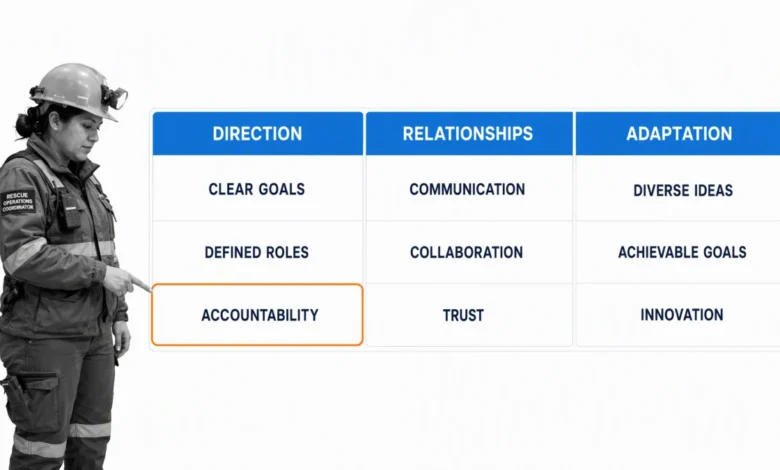
In the modern knowledge economy, the traditional concept of a static, long-term team is increasingly being superseded by a more fluid approach known as "teaming." Coined by Harvard Business School professor Amy Edmondson, teaming is the practice of rapidly assembling individuals from diverse roles, disciplines, or organizations to address complex, shifting challenges. Unlike conventional team-building, which relies on years of shared history and established routines, teaming is a specialized skill set defined by fast-paced knowledge exchange, clear role definition, and, most importantly, psychological safety. It is "teamwork on the fly," a methodology designed to function when the luxury of a stable, long-term group structure is unavailable.
The necessity for this model has grown as global industries face increasingly volatile, uncertain, complex, and ambiguous (VUCA) environments. Whether in emergency response, cross-functional corporate projects, or technical crisis management, the ability to coordinate across shifting memberships and unfamiliar expertise has become a critical organizational competency.
The Anatomy of High-Stakes Coordination
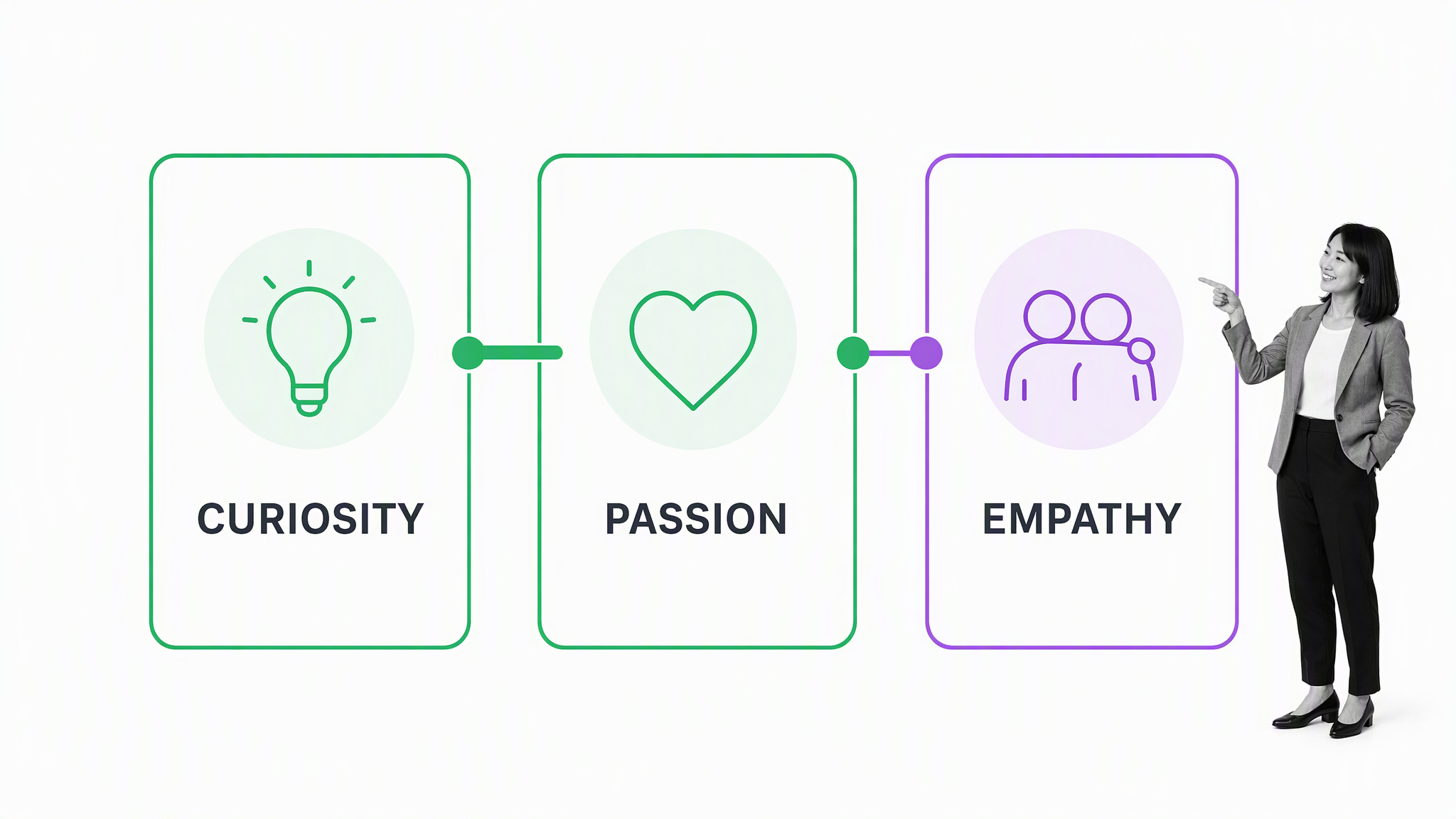
At its core, effective teaming requires a departure from rigid hierarchies. According to Edmondson’s research, the culture of a teaming environment must be anchored in three pillars: curiosity, passion, and empathy. Curiosity drives participants to bridge the gaps in their collective knowledge, passion provides the sustained energy required for intensive problem-solving, and empathy allows diverse stakeholders to understand the perspectives of others under high-pressure conditions.
These attributes are essential for creating psychological safety—an environment where team members feel comfortable voicing concerns, asking questions, or admitting to errors without fear of reprisal. Without this safety, the "knowledge sharing" vital to teaming breaks down. When information is siloed or suppressed, the risk of systemic failure increases, as incomplete data leads to flawed decision-making.
Chronology of a Crisis: The Chilean Mine Rescue
The most prominent case study for the efficacy of teaming occurred in 2010 during the San Jose copper mine collapse in Chile. On August 5, a massive rockfall trapped 33 miners approximately 700 meters underground. The initial search-and-rescue mission faced near-impossible odds, with external experts estimating the survival probability at less than 10 percent.
The subsequent rescue operation, which lasted 69 days, serves as a masterclass in extreme teaming. The response required the integration of hundreds of experts—government officials, drilling engineers, medical professionals, military personnel, and psychologists—who had never worked together before.
The coordination was managed through three primary, simultaneous workstreams:
- The Rescue Stream: Focused on the logistics of drilling and the physical extraction of the miners.
- The Medical/Support Stream: Tasked with maintaining the physical and mental health of the miners via a narrow borehole.
- The Communication/External Stream: Managed the intense media scrutiny and the families’ expectations, while coordinating international technical assistance.
This was not a monolithic operation. It was a series of sub-teams that formed, tested hypotheses, failed, adjusted, and disbanded as new information emerged. The success of the mission, which resulted in the safe extraction of all 33 men, was directly attributed to the organizers’ ability to facilitate rapid communication across professional, cultural, and geographic boundaries. It validated the hypothesis that in a crisis, no single organization or hierarchy possesses the total knowledge required to solve the problem; success depends on the collective intelligence of a rapidly assembled, cross-disciplinary network.
Supporting Data and Organizational Dynamics
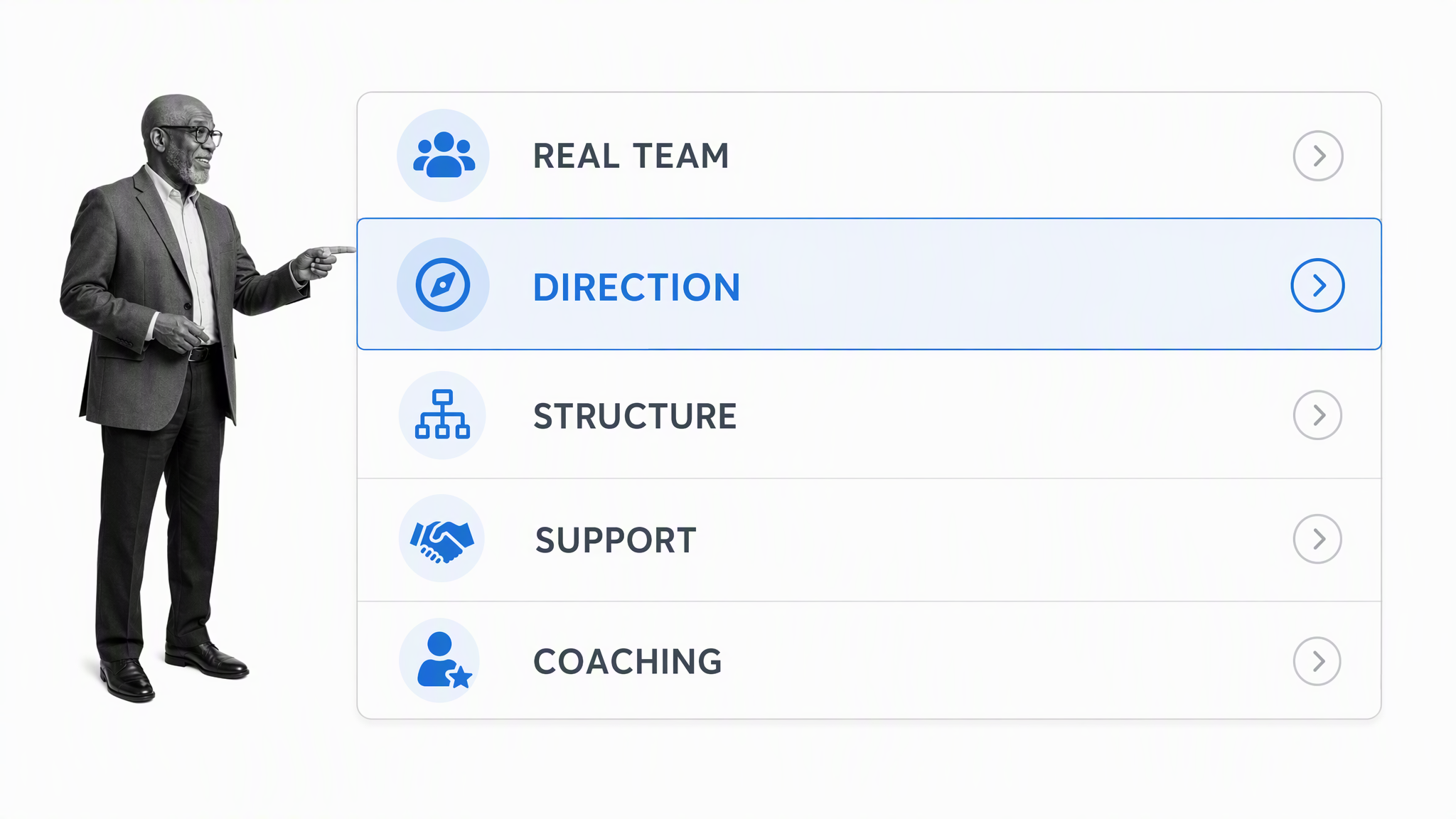
The theoretical framework for this success is supported by the work of psychologist Richard Hackman, who identified five conditions that improve a team’s probability of success: a real team, a compelling direction, an enabling structure, a supportive context, and expert coaching. While Hackman’s model is standard for stable groups, teaming adapts these conditions for temporary clusters.
Data from the Harvard Business School’s analysis of the San Jose rescue highlights that the primary friction point in large-scale operations is the "knowledge gap"—the delta between what is known by one specialist and what is needed by another. In the case of the Chilean mine, the introduction of automated reporting systems and daily briefing cycles reduced this gap, allowing for real-time adjustments in drilling techniques based on the shifting stability of the rock.
The Role of Process in Knowledge Retention
A significant challenge in teaming is the loss of institutional memory. When members of a group cycle out, the "tacit knowledge"—the informal wisdom gained through experience—often leaves with them. To mitigate this, organizations are increasingly turning to digital transformation platforms.
Modern operational platforms allow teams to transition from relying on individual memory to utilizing documented, living workflows. By integrating AI-driven documentation, teams can ensure that critical context is attached to the work itself. This includes:
- Explicit Knowledge Capture: Documenting decision-making criteria and standardized steps.
- Audit Trails: Recording who made specific decisions and why, ensuring accountability even in high-turnover scenarios.
- Asynchronous Integration: Utilizing platforms to bridge the gap between team members in different time zones, ensuring that a specialist joining a project on day 20 has access to the decisions made on day one.
This approach transforms knowledge from a static document into an active participant in the team’s success. It allows for "ramping up" new contributors in hours rather than weeks, a critical requirement for companies operating in fast-moving sectors like software development or emergency logistics.
Broader Implications and Institutional Impact
The shift toward teaming has profound implications for corporate governance and workforce management. If organizations accept that their workforce will be fluid and project-based, the emphasis must shift from "hiring for fit" to "hiring for adaptability."
Furthermore, the integration of technology into the teaming process has redefined the role of leadership. The leader is no longer the "commander" who oversees a static unit, but rather a "facilitator" who manages the flow of information and ensures that the infrastructure for collaboration is robust. As evidenced by the San Jose rescue, leaders who prioritize transparency and cross-disciplinary communication create a multiplier effect, where the collective output of the team significantly exceeds the sum of its individual parts.
Critical Analysis: The Risks of Poor Teaming
Despite its advantages, teaming is not a panacea. If implemented without a clear mandate or if leadership fails to foster psychological safety, it can lead to "coordination fatigue." When team members are constantly shifted between groups, they may suffer from a lack of ownership, leading to a decline in quality control.
Analysis suggests that for teaming to be sustainable, it must be balanced with stable "home bases"—permanent departments or units that provide continuity, mentorship, and long-term career development. Teaming is the engine of innovation and crisis response, but it requires the chassis of a stable organization to support it.
Future Outlook
As global challenges—from climate change to supply chain disruptions—become more complex, the ability to "team on the fly" will likely become a baseline requirement for professional success. Organizations that invest in the digital infrastructure to support knowledge transfer and the cultural training to foster psychological safety will be the ones that survive the next decade of disruption.
The lesson from the 33 miners is clear: when the stakes are at their highest, the ability to cross boundaries and integrate diverse expertise is the difference between catastrophe and survival. By treating teaming as a repeatable, measurable process rather than a spontaneous occurrence, leaders can ensure their organizations are prepared for whatever crisis arrives next. The future of work is not found in the stability of the department, but in the agility of the team.
Related posts: