Unlocking Small Business Potential: A Comprehensive Guide to AI Tools for Enhanced Efficiency and Growth

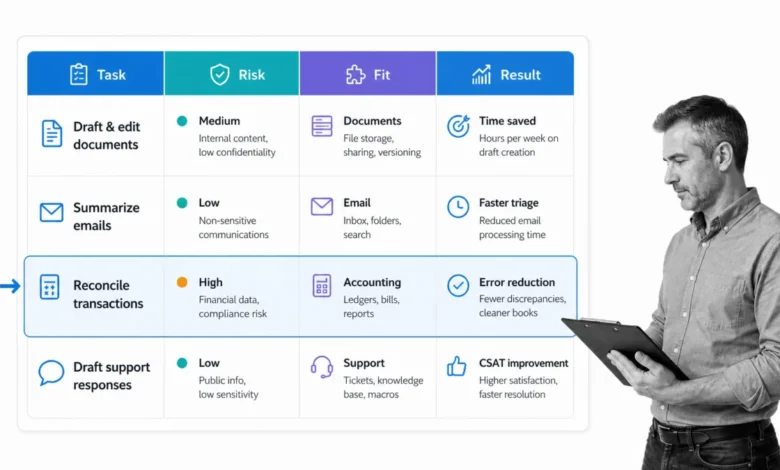
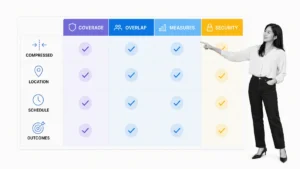
The integration of Artificial Intelligence (AI) into the operational fabric of small businesses is no longer a futuristic concept but a present-day reality, offering a powerful suite of tools to streamline repetitive tasks, boost productivity, and drive strategic decision-making. From the intricate domains of marketing and finance to the critical areas of hiring, customer support, operations, and compliance, AI is emerging as an indispensable ally for businesses seeking to optimize their workflows and achieve measurable results. The key to successful AI adoption lies not in selecting the tool with the most extensive feature list, but in identifying solutions that precisely address a frequent business need, seamlessly integrate with existing systems, prioritize data security, and deliver quantifiable outcomes.
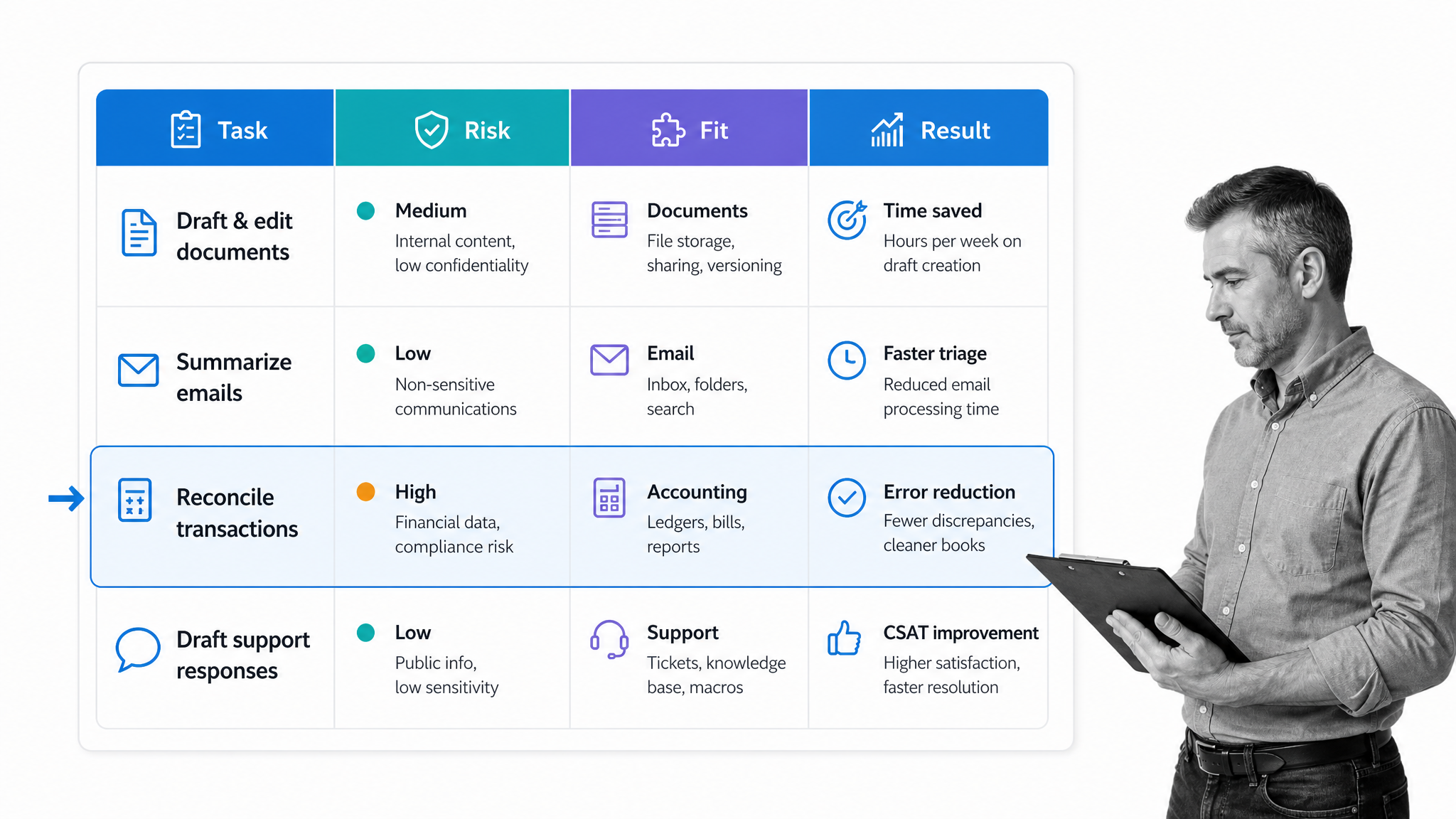
A pragmatic approach to integrating AI into a small business involves a phased strategy. It is recommended to begin by identifying a single recurring task that consumes significant team resources. Subsequently, one or two AI tools designed to address this specific task can be piloted. Crucially, human oversight must be maintained for consequential decisions, and key performance indicators such as time saved, cost reduction, error rates, or conversion improvements should be meticulously tracked before considering broader implementation. The extensive array of over 50 AI tools detailed herein is categorized by business function, facilitating a comparison between comprehensive platforms and specialized solutions. By leveraging these category links, businesses can efficiently navigate to areas where they seek improvement.
The Landscape of AI Tools for Small Businesses
The modern business environment demands agility and efficiency, and AI tools are at the forefront of enabling these qualities. The selection of AI solutions spans across cross-functional assistants and specialized tools tailored for finance, people operations, marketing, customer service, technology, and compliance. The strategic selection process should commence by pinpointing the core business problem, identifying the system that currently manages the related workflow, and then evaluating factors such as security protocols, integration complexity, total cost of ownership, and the efficacy of human review processes.
It is imperative to acknowledge that no AI tool is universally infallible. Therefore, the use of approved source materials for AI inputs is paramount. Outputs should be rigorously tested against real-world examples, and ultimate accountability for customer commitments, employment decisions, financial transactions, legal matters, and other high-impact outcomes must always reside with human personnel.
Cross-Functional AI Tools: The Foundation of Modern Workflows
This category encompasses AI-powered tools that transcend specific departmental functions, offering broad applicability across various business processes. These tools are designed to enhance day-to-day operations and significantly amplify team productivity.
Process Street
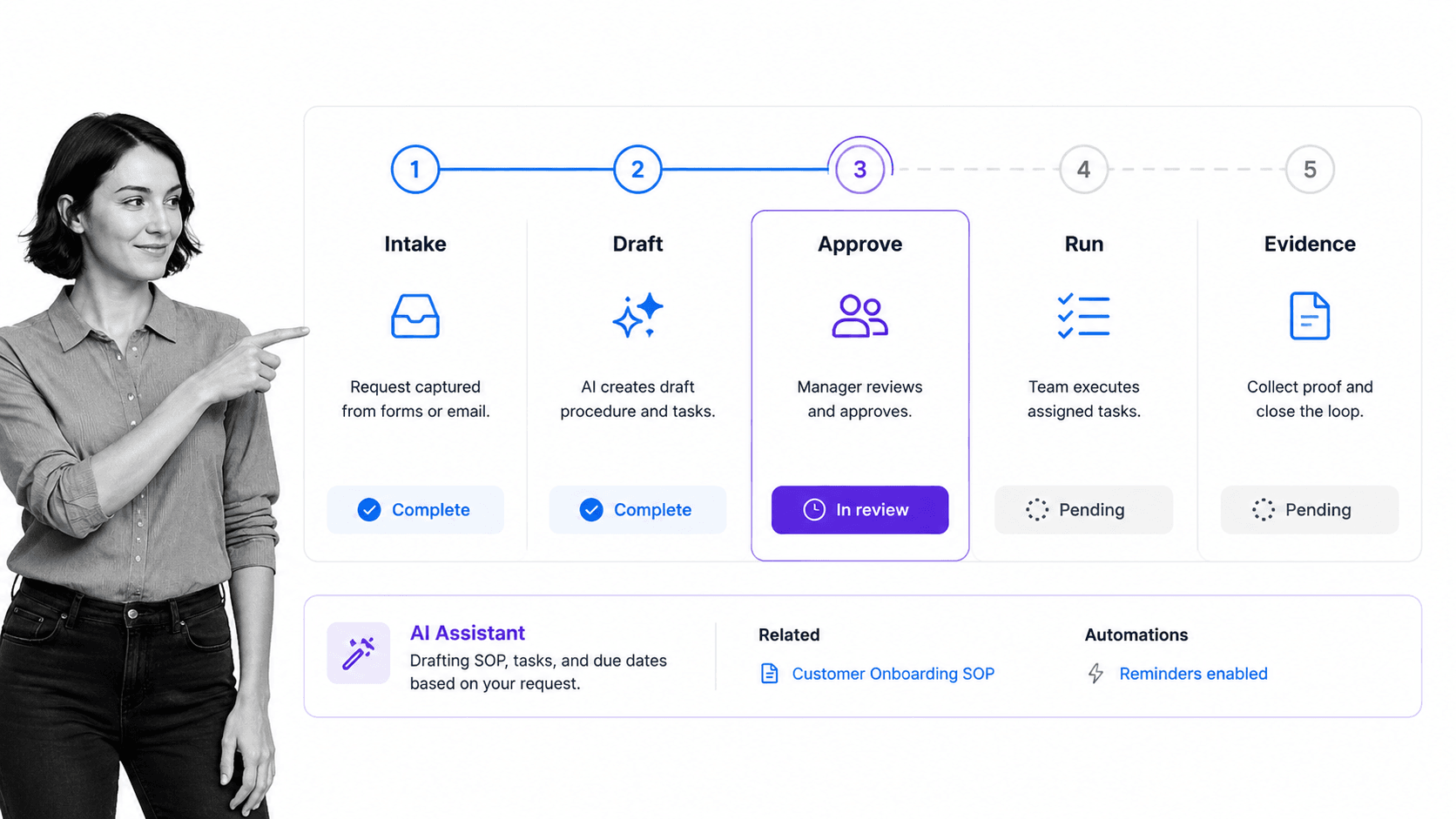
Process Street operates as a Compliance Operations Platform, designed for teams that require documented, consistent, and evidence-backed execution of critical tasks. Its integrated AI capabilities allow small businesses to transform policies and procedures into structured workflows, manage approvals, collect data, and maintain comprehensive audit trails without the need for multiple disparate software solutions. It serves as an excellent starting point for evaluating AI workflow tools for repeatable operations.
- Features: Workflow automation, AI-powered task management, document generation, approval routing, data collection, audit trails.
- Pros: Simplifies complex processes, ensures consistency, provides auditable records, reduces manual errors.
- Cons: May require initial setup time to digitize existing processes.
ChatGPT Business
ChatGPT Business offers small teams a collaborative workspace for drafting content, conducting research, performing analysis, and receiving coding support, with the added benefit of creating custom assistants. Its greatest value is realized when teams clearly define approved use cases, provide reliable source material, and meticulously review outputs before dissemination or before they influence critical decisions.

- Features: Natural language generation, content drafting, research assistance, coding support, custom chatbot creation.
- Pros: Versatile for various communication and information tasks, enhances creativity, speeds up content creation.
- Cons: Outputs require human verification for accuracy and brand voice; potential for generating inaccurate information if not guided properly.
Gemini
Google’s Gemini serves as an AI assistant for research, drafting, analysis, and multimodal tasks. For businesses already invested in the Google Workspace ecosystem, Gemini’s primary advantage lies in its ability to assist users within familiar document, email, spreadsheet, and meeting interfaces, while ensuring that final decision-making authority remains with the user.
- Features: Advanced research capabilities, document analysis, email drafting, spreadsheet assistance, multimodal understanding.
- Pros: Seamless integration with Google Workspace, powerful analytical capabilities, user-friendly interface.
- Cons: Effectiveness can be tied to the user’s proficiency with Google Workspace; potential privacy concerns for sensitive data depending on enterprise settings.
Claude (Anthropic’s LLM)
Claude distinguishes itself from other AI chatbots by its capacity to process extensive text volumes within a single prompt, accommodating up to 75,000 words. This makes it exceptionally well-suited for tasks such as generating lengthy text, performing language translations, and assisting in content design.
- Pros: Superior capacity for processing large documents, strong performance in creative writing and summarization.
- Cons: May be less adept at highly specialized technical tasks compared to some other models.
Zoho Zia
Integrated within Zoho’s comprehensive software suite, Zia acts as an AI assistant that empowers businesses with advanced data analysis and decision-making capabilities. From intuitive workflow automation to predictive analytics, Zia is designed to optimize operations and enhance business outcomes.
- Features: Predictive analytics, workflow automation, data analysis, anomaly detection, conversational AI.
- Pros: Deep integration with Zoho products, provides actionable insights, automates routine tasks.
- Cons: Primarily beneficial for existing Zoho users; functionality may be limited outside the Zoho ecosystem.
Regie.ai
Regie.ai is a specialized AI sales engagement platform focused on prospecting and outbound communication. It assists small sales teams by facilitating account research, the preparation of personalized messaging, and the management of outreach sequences. However, the ultimate effectiveness of deliverability and brand quality remains contingent upon meticulous targeting and human review.
- Features: AI-powered prospecting, personalized messaging, outreach sequence management, sales intelligence.
- Pros: Enhances sales team efficiency, improves personalization in outreach, streamlines prospecting efforts.
- Cons: Relies on accurate prospect data; human oversight is crucial for tone and relevance.
UiPath
As a leading Robotic Process Automation (RPA) software, UiPath leverages AI to automate repetitive tasks and streamline business processes. It enables the creation of software robots that mimic human actions, thereby increasing efficiency, reducing errors, and freeing up human capital for more strategic initiatives.
- Features: RPA capabilities, AI-powered automation, process mining, intelligent document processing.
- Pros: Automates high-volume, rule-based tasks, improves accuracy, reduces operational costs.
- Cons: Requires technical expertise for implementation and maintenance; can be costly for very small businesses.
AppZen
AppZen is an AI-based tool dedicated to automating expense report auditing. By employing AI and machine learning, AppZen meticulously analyzes expense data to identify policy violations, detect potential fraud, and flag errors, thereby saving considerable time and ensuring robust compliance.
- Features: AI-driven expense auditing, policy compliance checks, fraud detection, automated data extraction.
- Pros: Significantly reduces manual auditing time, improves accuracy in expense reviews, enhances compliance.
- Cons: Primarily focused on expense management; may require integration with existing accounting systems.
ThoughtSpot Spotter
ThoughtSpot Spotter offers an AI-driven analytics experience, allowing users to pose business questions in natural language and explore governed data. Its strength lies in shortening the path from inquiry to actionable insights, provided that reliable data models and access controls are already in place.
- Features: Natural language querying, AI-powered data analysis, interactive dashboards, search-driven analytics.
- Pros: Democratizes data access, enables non-technical users to derive insights, accelerates data-driven decision-making.
- Cons: Requires well-structured and accessible data sources; initial setup can be complex.
HubSpot Breeze Copilot
Breeze Copilot serves as HubSpot’s AI assistant, integrated across its customer platform. Small businesses can utilize it to summarize records, draft content, prepare for customer interactions, and reduce repetitive CRM tasks, all while maintaining contacts, context, and outcomes within a unified system.
- Features: CRM data summarization, content drafting, sales conversation preparation, AI-powered task automation within CRM.
- Pros: Enhances CRM efficiency, streamlines customer management, provides context-aware assistance.
- Cons: Primarily effective within the HubSpot ecosystem; capabilities are tied to CRM data quality.
Intercom Fin
Intercom Fin is an AI customer service agent designed to resolve support queries by leveraging a company’s approved knowledge sources. It seamlessly escalates complex issues to human agents when necessary. Small teams can deploy Fin to manage routine inquiries efficiently while maintaining a clear escalation pathway.
- Features: AI-powered customer support, knowledge base integration, automated query resolution, human agent handover.
- Pros: Improves customer support response times, reduces support agent workload, enhances customer satisfaction.
- Cons: Effectiveness depends on the quality and comprehensiveness of the knowledge base; requires careful configuration for escalation.
Email Content Generator from Mailchimp
Mailchimp, a widely recognized email marketing platform, has introduced an AI feature designed to optimize email campaigns and enhance customer targeting. The Email Content Generator assists in delivering personalized, targeted messages, thereby driving improved email marketing results.
- Features: AI-powered email content creation, personalization, subject line optimization, campaign performance analysis.
- Pros: Simplifies email marketing content creation, enhances personalization, potentially improves engagement rates.
- Cons: AI-generated content may still require human refinement for brand consistency and nuance.
Grammarly AI
Grammarly AI assists teams in drafting, revising, and improving written communication across various work platforms. It is most effective when used as an editing layer to enhance clarity, tone, and consistency, rather than as a complete substitute for subject matter expertise or factual verification.
- Features: AI-powered grammar and style checking, tone detection, clarity suggestions, plagiarism detection.
- Pros: Improves the quality of written communication, enhances professionalism, saves editing time.
- Cons: Primarily an editing tool; does not replace the need for factual accuracy and subject knowledge.
Starmind
Starmind is an AI platform that maps skills and expertise within an organization, enabling businesses to effectively leverage their employees’ collective knowledge. Through AI-driven algorithms, Starmind facilitates collaboration and efficient problem-solving.
- Features: Expertise mapping, knowledge sharing, AI-powered search for internal experts, collaboration facilitation.
- Pros: Unlocks internal knowledge, improves problem-solving speed, fosters collaboration.
- Cons: Requires active employee participation to build and maintain the knowledge base.
Persado
Persado excels at generating the most impactful language for communications. By analyzing data and employing AI algorithms, Persado assists in crafting compelling and persuasive content designed to resonate with target audiences.
- Features: AI-driven marketing language generation, sentiment analysis, performance optimization of messaging.
- Pros: Creates highly effective marketing copy, improves engagement rates, data-driven approach to language.
- Cons: Focuses specifically on language generation; may require integration with broader marketing platforms.
Gong.io
Gong.io analyzes sales calls and meetings to provide actionable insights and coaching for sales teams. Leveraging AI algorithms, Gong.io helps in understanding customer interactions, identifying sales patterns, and optimizing sales strategies.
- Features: Sales call analysis, conversation intelligence, AI-driven coaching, deal intelligence.
- Pros: Provides deep insights into sales conversations, identifies best practices, improves sales team performance.
- Cons: Primarily for sales teams; requires integration with communication tools.
HubSpot Breeze Intelligence
Breeze Intelligence assists HubSpot customers in enriching company and contact records, understanding buyer intent, and reducing data entry efforts. It is most valuable for small businesses that have clearly defined their ideal customer profile and have established rules for verifying and utilizing third-party data.
- Features: AI-powered data enrichment, buyer intent analysis, CRM data enhancement.
- Pros: Improves CRM data quality, provides deeper customer insights, streamlines data management.
- Cons: Effectiveness is tied to the quality of existing CRM data and defined data usage policies.
Microsoft 365 Copilot
Microsoft 365 Copilot integrates AI assistance directly into familiar Microsoft applications. It can help small teams summarize meetings, draft documents, analyze spreadsheets, and prepare presentations, provided that permissions and source files are managed effectively.
- Features: AI assistance within Word, Excel, PowerPoint, Outlook, Teams; summarization, drafting, analysis, and generation capabilities.
- Pros: Seamless integration into a widely used productivity suite, boosts productivity across daily tasks.
- Cons: Requires Microsoft 365 subscription; data security and privacy considerations are paramount.
Invoca
Invoca is a call tracking and analytics platform that enables businesses to gain valuable insights from customer phone calls. It offers data-driven analytics, call attribution, and conversation analytics to optimize marketing campaigns and enhance customer experiences.
- Features: AI-powered call tracking, conversation analytics, marketing attribution, call routing.
- Pros: Provides visibility into phone-based customer interactions, optimizes marketing spend, improves customer service.
- Cons: Primarily focused on inbound calls; requires integration with marketing and sales systems.
Financial Management AI Tools: Driving Fiscal Clarity
AI is revolutionizing financial operations, offering small businesses tools to manage accounts payable, accounts receivable, spending, and cash flow with greater accuracy and efficiency.
BILL
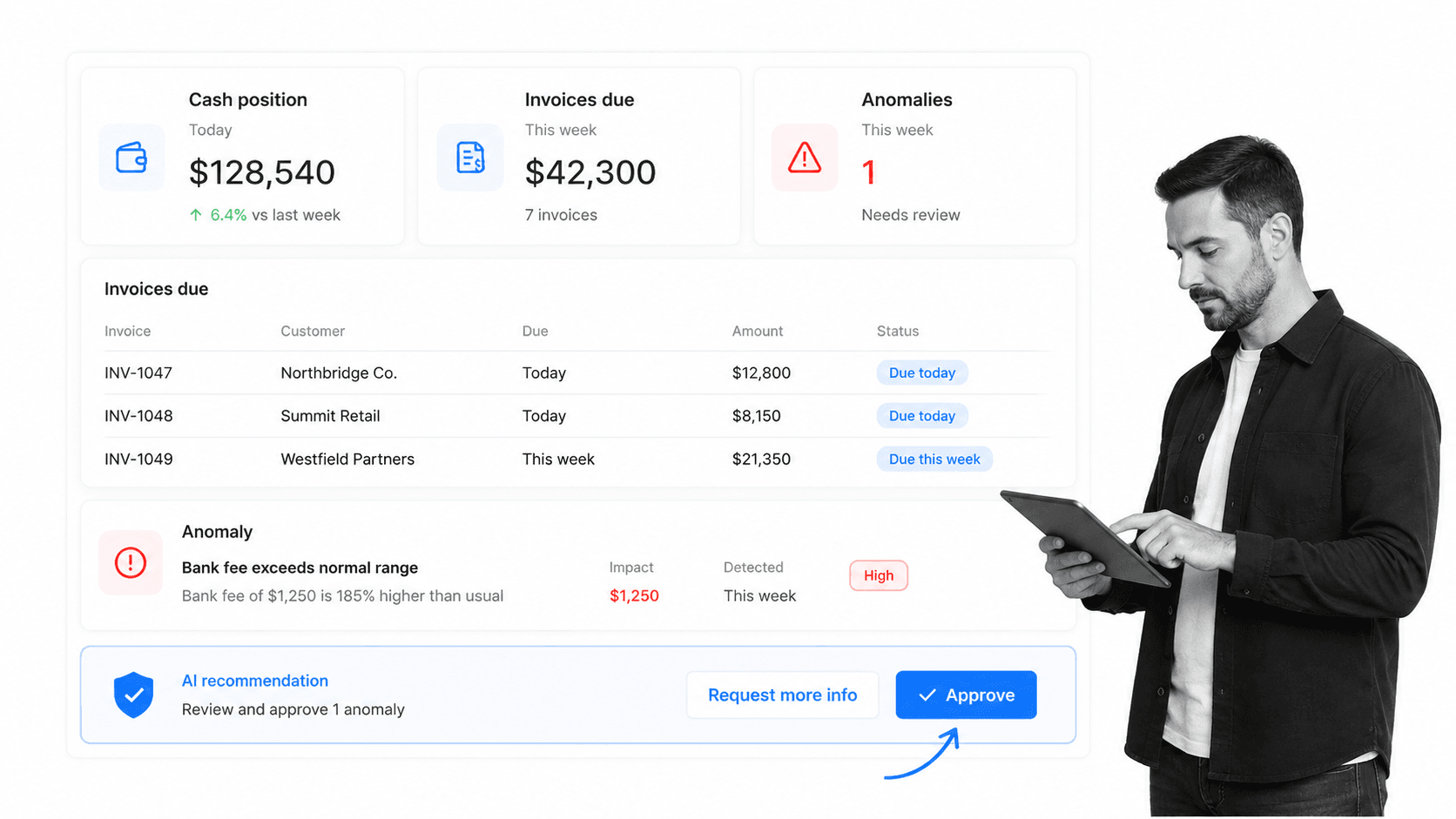
BILL is a financial operations platform that streamlines accounts payable, accounts receivable, spend management, and cash-flow processes. Its automation capabilities assist small finance teams in capturing invoices, routing approvals, scheduling payments, and reducing repetitive data entry, while ensuring human accountability for critical financial transactions.
- Features: AP/AR automation, invoice processing, payment scheduling, expense management, cash flow forecasting.
- Pros: Automates tedious financial tasks, improves payment accuracy, enhances cash flow visibility.
- Cons: Primarily focused on AP/AR; may require integration with broader accounting software.
Zeni
Zeni is an AI-powered finance manager that handles a variety of financial tasks, including bookkeeping, tax filing, and financial reporting. It automates manual processes, thereby saving time and reducing errors in financial management.
- Features: AI-driven bookkeeping, tax preparation assistance, financial reporting, automated data reconciliation.
- Pros: Streamlines financial back-office functions, reduces the risk of manual errors, provides real-time financial insights.
- Cons: Relies on accurate data input; human oversight is still necessary for strategic financial planning.
Chata.ai
Chata.ai brings data analytics directly to small business owners through an intuitive AI assistant. It understands natural language queries and delivers instant insights into cash flow, forecasting, and revenue predictions.
- Features: Natural language financial queries, cash flow analysis, revenue forecasting, AI-powered financial insights.
- Pros: Democratizes financial data analysis, provides quick and actionable insights, easy for non-financial experts to use.
- Cons: Effectiveness depends on the quality and completeness of connected financial data.
American Express Business Blueprint
American Express Business Blueprint offers eligible small businesses a consolidated view of their cash flow and financing products. This service, which integrates previous Kabbage branding, should be evaluated as a financial platform rather than a generic AI assistant, providing a comprehensive financial overview.
- Features: Consolidated cash flow view, financing product integration, business spending insights.
- Pros: Provides a holistic view of business finances, simplifies access to financing options.
- Cons: Primarily tied to American Express services; may not offer the breadth of independent AI analysis.
Human Resource Management (HRM) AI Tools: Optimizing People Operations
AI is transforming HR by assisting with recruitment, performance management, and employee engagement, leading to more efficient and data-driven people operations.
hireEZ
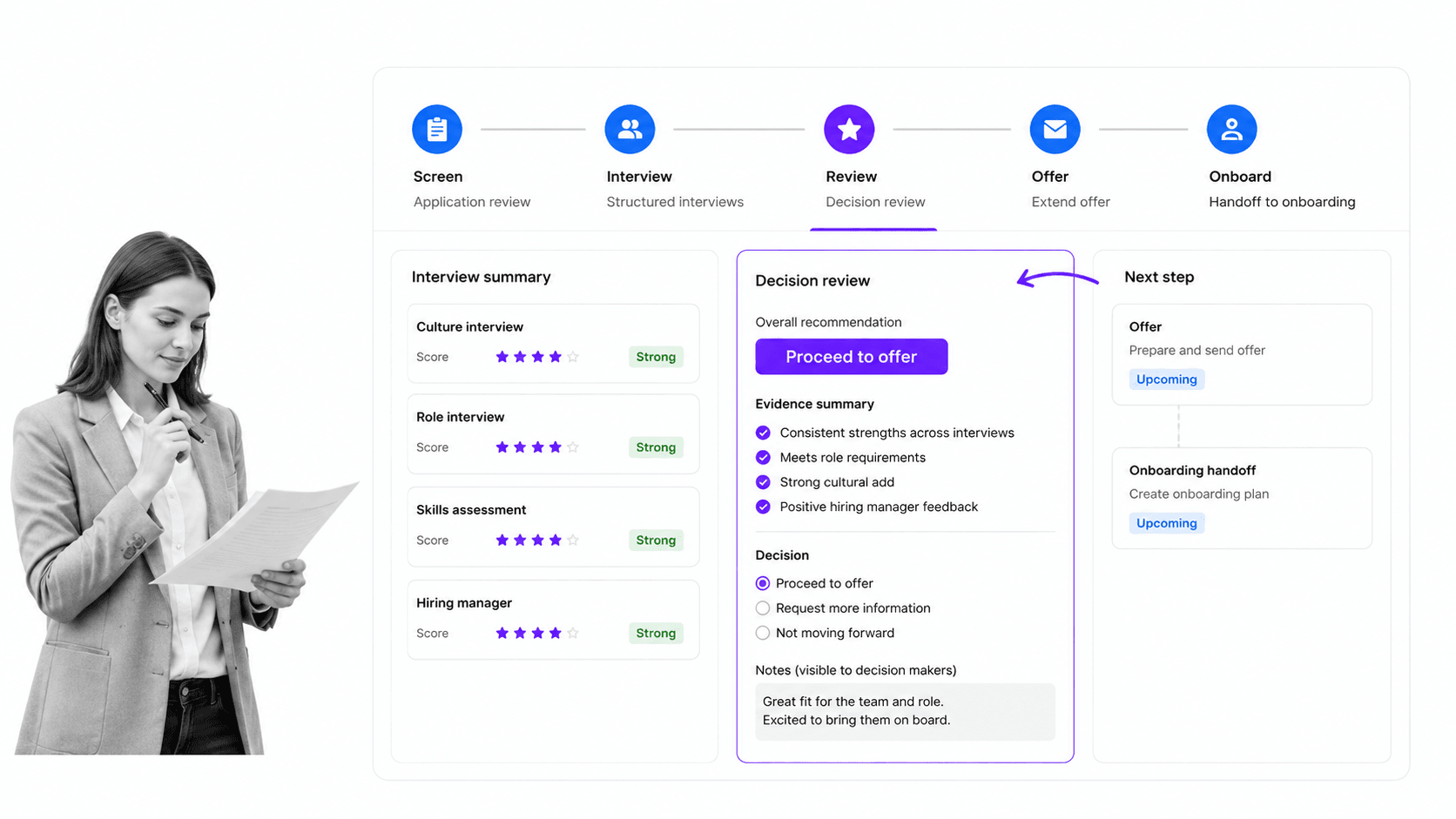
hireEZ is an AI-assisted recruiting platform focused on candidate sourcing, engagement, and talent data management. It helps small hiring teams organize outreach and research efforts, but it is crucial to maintain human accountability for candidate evaluation and to avoid treating automated recommendations as definitive employment decisions.
- Features: AI-powered candidate sourcing, talent data analytics, automated outreach, recruitment analytics.
- Pros: Speeds up candidate sourcing, improves outreach personalization, provides data-driven recruitment insights.
- Cons: Requires careful human oversight in candidate evaluation to avoid bias; not a replacement for human judgment.
Lattice
Lattice is an AI-powered performance management platform designed to help SMBs manage employee performance more effectively. It utilizes AI to collect feedback, set goals, and track progress, fostering a culture of continuous improvement.
- Features: AI-driven performance reviews, goal setting and tracking, employee feedback collection, talent development.
- Pros: Enhances performance management processes, provides data-driven insights into employee development, improves employee engagement.
- Cons: Requires clear goal alignment and regular feedback loops for optimal results.
X0PA AI
X0PA AI supports structured recruiting through candidate screening, shortlisting, and matching tools. It can reduce repetitive review work, but humans must remain accountable for evaluation criteria, accommodations, and final employment decisions to ensure fairness and compliance.
- Features: AI-powered candidate screening, automated shortlisting, skills-based matching, recruitment process automation.
- Pros: Streamlines candidate review, reduces time-to-hire, identifies qualified candidates more efficiently.
- Cons: Potential for algorithmic bias; human oversight is essential for equitable hiring.
Harver
Harver is an AI-powered pre-employment assessment software that streamlines the candidate screening process. It employs AI algorithms to evaluate applicants based on skills, personality traits, and cultural fit, aiming to improve the quality of hiring decisions.
- Features: AI-driven pre-employment assessments, skills testing, personality profiling, candidate matching.
- Pros: Provides objective candidate evaluations, reduces bias in initial screening, identifies candidates with high potential.
- Cons: Assessments must be validated for fairness and relevance to job requirements.
Engagedly
Engagedly is a comprehensive talent management platform that incorporates engagement, performance, learning, and AI-assisted people workflows. It aims to foster a more engaged and productive workforce through integrated HR solutions.
- Features: Employee engagement tools, performance management, learning and development, AI-powered HR analytics.
- Pros: Holistic approach to talent management, improves employee engagement and development, data-driven HR insights.
- Cons: Requires active adoption by employees and management for maximum benefit.
Linear AI
Linear AI is designed to assist software product teams by enhancing the creation, updating, searching, and summarizing of work within the Linear issue-tracking platform. It offers an integrated AI solution for teams prioritizing AI within their existing development workflows.
- Features: AI assistance for task management, code generation support, documentation summarization, search enhancement.
- Pros: Integrates AI into development workflows, speeds up coding and documentation tasks, improves team collaboration.
- Cons: Primarily focused on software development teams using Linear.
Radancy AI Interview
Radancy’s AI-powered hiring capabilities, which include technology previously associated with myInterview, support structured screening and interview workflows. However, a human must always remain responsible for evaluation, accommodations, and final employment decisions to ensure ethical and legally compliant hiring practices.
- Features: AI-assisted interview scheduling, candidate screening, automated interview analysis, candidate assessment.
- Pros: Streamlines the initial stages of the interview process, provides objective candidate data.
- Cons: AI-generated interview feedback requires careful human interpretation; potential for bias in analysis.
Marketing and CRM AI Tools: Enhancing Customer Engagement
AI is revolutionizing marketing and customer relationship management by enabling hyper-personalization, optimizing campaigns, and improving customer interactions.
beehiiv
beehiiv is an email newsletter platform, not a general-purpose CRM. It provides publishers and businesses with tools for writing, sending, growing, and monetizing newsletters, incorporating AI features to support content creation and production.
- Features: Newsletter creation and management, AI-assisted content generation, audience growth tools, monetization options.
- Pros: Simplifies newsletter publishing, enhances content quality, supports audience building.
- Cons: Specific to newsletter marketing; not a full CRM solution.
Wordtune
Wordtune is an AI-powered writing assistant that helps users refine their writing style. It suggests improved word choices, corrects grammatical errors, and makes writing more concise and engaging, thereby elevating the quality of all written communications.
- Features: AI-powered rewriting, style suggestions, grammar correction, tone adjustment.
- Pros: Improves clarity and impact of written content, enhances professional communication, saves editing time.
- Cons: Primarily an editing and refinement tool; does not replace original thought or factual accuracy.
Canva Magic Studio
Canva Magic Studio integrates AI-assisted tools for image, video, presentation, and copy creation within the Canva platform. It enables small teams to quickly move from a brief to usable campaign assets, while maintaining templates, brand controls, and human approval within a single workspace.
- Features: AI-powered image and video generation, text-to-image capabilities, presentation design assistance, content summarization.
- Pros: Accelerates creative asset production, makes design more accessible, enhances marketing campaign creation.
- Cons: AI-generated content may require further refinement to meet specific brand guidelines.
Adobe Firefly
Adobe Firefly offers generative image, video, and design capabilities integrated across Adobe products. Small creative teams can utilize Firefly for concept development and production variations, benefiting from its seamless integration into established editing workflows.
- Features: Generative AI for images and video, text-to-image and text-to-video creation, design asset generation.
- Pros: Enhances creative workflows, enables rapid prototyping of visual content, integrates with Adobe’s creative suite.
- Cons: Advanced features may require a learning curve; ethical considerations around AI-generated art are ongoing.
Synthesia
Synthesia is a tool that empowers users to create animated videos with text-to-speech functionality. It allows for the generation of professional-looking videos without the need for extensive filming or complex editing software.
- Features: AI-powered video generation, text-to-speech, customizable avatars, multilingual support.
- Pros: Simplifies video creation, reduces production costs, enables personalized video messaging at scale.
- Cons: AI-generated avatars may lack the natural nuance of human presenters; customization options can be limited.
Writesonic
Writesonic is an AI-powered text generation tool capable of producing blog posts, articles, social media content, product descriptions, and more. It assists in overcoming writer’s block and accelerating content creation.
- Features: AI content generation for various formats, SEO optimization, product description writing, blog post creation.
- Pros: Speeds up content creation, generates diverse content formats, can improve SEO performance.
- Cons: AI-generated content often requires editing for originality and specific brand voice.
Kapiche
Kapiche is a powerful text analytics software that utilizes AI to understand and analyze customer feedback. It provides valuable insights into customer sentiments, opinions, and reviews, helping businesses to better understand their audience.
- Features: AI-driven text analytics, customer feedback analysis, sentiment analysis, topic modeling.
- Pros: Uncovers deep insights from unstructured text data, identifies customer pain points and preferences, informs product development and marketing strategies.
- Cons: Requires a significant volume of text data for accurate analysis.
Optimizely
Optimizely is an AI-driven platform that facilitates website experimentation and personalization. It helps businesses optimize website performance, increase conversions, and deliver tailored experiences to enhance customer satisfaction and engagement.
- Features: A/B testing, multivariate testing, AI-powered personalization, conversion rate optimization, feature flagging.
- Pros: Data-driven approach to website improvement, increases conversion rates, enhances user experience.
- Cons: Requires a well-defined testing strategy and sufficient website traffic for meaningful results.
Crisp
Crisp is an AI-powered customer service platform designed to manage and enhance customer support experiences. It offers features such as live chat, chatbots, and automation to streamline customer interactions, resolve queries efficiently, and provide a seamless customer experience.
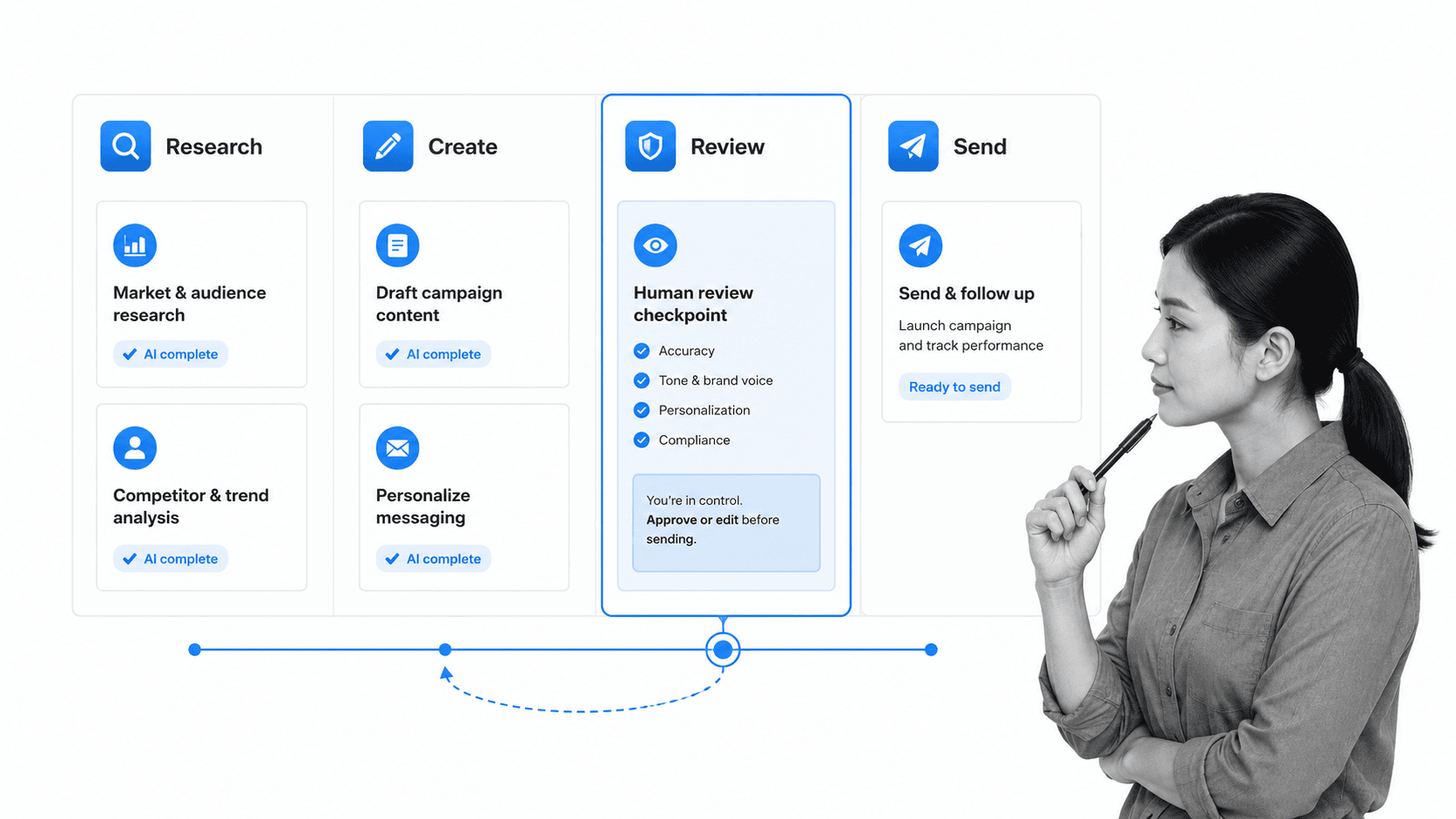
- Features: AI chatbots, live chat, customer ticketing system, knowledge base integration, automated responses.
- Pros: Improves customer support efficiency, provides instant responses, enhances customer satisfaction.
- Cons: Chatbot effectiveness depends on its training and integration with company knowledge.
Birdeye
Birdeye focuses on driving business growth through improved customer experience. It collects and analyzes customer feedback, online reviews, and ratings, helping businesses enhance their reputation, attract more customers, and increase revenue.
- Features: Online review management, customer feedback collection, reputation management, AI-powered sentiment analysis.
- Pros: Enhances online reputation, drives customer loyalty, provides actionable insights from feedback.
- Cons: Primarily focused on reputation and feedback management; less on direct customer interaction automation.
Zendesk AI
Zendesk AI enhances customer service workflows with automated answers, agent assistance, intelligent routing, and quality support. It is a robust solution for small businesses seeking AI integration within a managed support queue and knowledge base.
- Features: AI-powered chatbots, agent assist tools, intelligent ticket routing, automated responses, sentiment analysis.
- Pros: Improves support efficiency, enhances agent productivity, provides faster customer resolutions.
- Cons: Requires proper configuration and ongoing training to maximize its effectiveness.
Operational Efficiency AI Tools: Streamlining Workflows
AI tools are proving invaluable in optimizing day-to-day operations, reducing bottlenecks, and improving overall business agility.
Taskade
Taskade is a cloud-based project management tool that facilitates team collaboration on tasks, projects, and documents. Its user-friendly interface and comprehensive features are designed to boost team productivity and efficiency.
- Features: Project management, task management, team collaboration, document creation, AI-powered project summaries.
- Pros: Centralizes project information, enhances team collaboration, simplifies task management.
- Cons: May lack advanced features for highly complex project management needs.
Replit Agent
Replit Agent assists users in describing, building, testing, and deploying software within a browser-based development environment. For small businesses, it can accelerate the development of prototypes and internal tools, though production applications still necessitate rigorous security, reliability, ownership, and maintenance reviews.
- Features: AI-assisted code generation, debugging, testing, deployment within a cloud IDE.
- Pros: Speeds up software development, lowers the barrier to entry for coding, facilitates rapid prototyping.
- Cons: Production-ready applications still require significant human expertise and oversight.
Notion AI
Notion AI comprises a suite of AI-powered features integrated into Notion, a collaborative workspace tool. These features enable more efficient and productive content creation, idea generation, and task automation.
- Features: AI-assisted writing, summarization, brainstorming, task automation within Notion pages.
- Pros: Enhances productivity within a collaborative workspace, simplifies content creation and organization.
- Cons: Effectiveness is tied to the user’s adoption and structure of their Notion workspace.
Flowpoint
Flowpoint is a customer journey and funnel analytics platform, rather than a general workflow automation tool. It aids businesses in understanding user navigation across digital touchpoints, identifying drop-off points, and prioritizing changes to improve conversion rates.
- Features: AI-powered funnel analysis, conversion rate optimization recommendations, user journey mapping, website analytics.
- Pros: Identifies friction points in customer journeys, provides actionable optimization strategies, data-driven insights for conversion improvement.
- Cons: Focuses on website and app user behavior; not for broader operational process automation.
Pando
Pando is an AI-powered transportation management platform for freight planning, procurement, execution, and payment workflows. It assists operations teams in consolidating shipment data, investigating exceptions, and coordinating logistics decisions across existing systems.
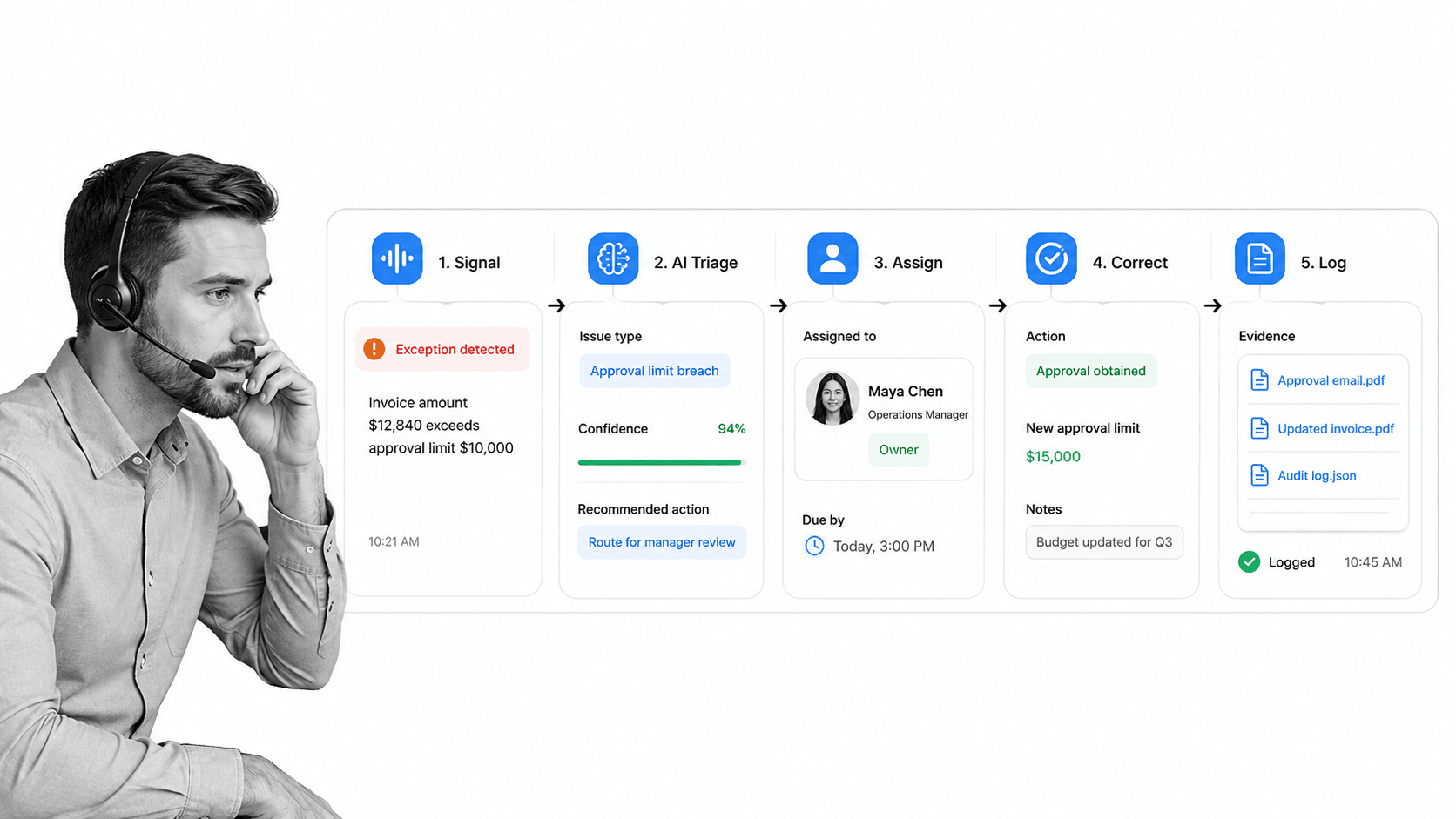
- Features: AI-driven freight management, logistics optimization, shipment tracking, exception management.
- Pros: Streamlines logistics operations, improves supply chain visibility, reduces transportation costs.
- Cons: Specific to transportation and logistics; requires integration with existing supply chain systems.
Greyparrot
Greyparrot is an AI-based tool focused on waste recognition and management to improve sustainability. It employs computer vision to analyze waste streams, classify waste types, and provide insights for effective waste management practices.
- Features: AI-powered waste sorting and classification, sustainability analytics, waste stream analysis.
- Pros: Enhances waste management efficiency, supports sustainability initiatives, provides data for resource optimization.
- Cons: Primarily applicable to industries dealing with physical waste streams.
Midjourney
Midjourney is a text-to-image AI tool that enables users to create images from textual descriptions. It leverages a large language model trained on a vast dataset of text and images to generate visual content.
- Features: Text-to-image generation, AI art creation, image customization.
- Pros: Facilitates rapid visual content creation, enables unique artistic expression, aids in concept visualization.
- Cons: Ethical considerations around AI art, potential for generating non-original or derivative content.
Technology and Data Management AI Tools: Ensuring System Integrity
AI is increasingly being employed to enhance data quality, optimize system performance, and manage technological infrastructure more effectively.
DataRobot
DataRobot is an automated machine learning platform that predicts and understands user data. It leverages AI algorithms to automate the building and deployment of machine learning models, empowering non-experts to extract valuable insights from their data.
- Features: Automated machine learning, predictive modeling, AI model deployment, data analysis.
- Pros: Accelerates the development and deployment of AI models, democratizes AI for business users, drives data-driven insights.
- Cons: Can be complex to implement and requires skilled personnel for advanced customization.
SAP WalkMe
SAP WalkMe is a digital adoption platform that guides users through software and helps teams identify areas where users struggle. It can support onboarding and process adoption across complex applications, though it typically represents a more significant implementation than a simple help widget.
- Features: In-app guidance, digital process automation, user onboarding support, performance analytics.
- Pros: Improves user adoption of software, reduces training time, enhances employee productivity.
- Cons: Often requires substantial integration and customization effort for enterprise-level deployment.
Logz.io
Logz.io is a log analysis platform that provides advanced insights into IT infrastructure monitoring. It centralizes log data from various sources, applies machine learning for analysis, and offers real-time alerts and visualizations for proactive troubleshooting and system optimization.
- Features: AI-powered log analysis, IT infrastructure monitoring, anomaly detection, real-time alerting, security analytics.
- Pros: Enhances system observability, enables proactive issue resolution, improves IT security posture.
- Cons: Requires robust data logging practices and integration with existing IT infrastructure.
Compliance and Legal AI Tools: Navigating Regulatory Landscapes
AI is emerging as a critical tool for businesses to manage compliance obligations, review legal documents, and stay abreast of evolving regulations.
Archer Evolv Compliance
Archer Evolv Compliance incorporates the regulatory change management capabilities previously associated with Compliance.ai. It assists compliance teams in monitoring regulatory changes, assessing their relevance, assigning actions, and retaining evidence within a broader risk and compliance program.
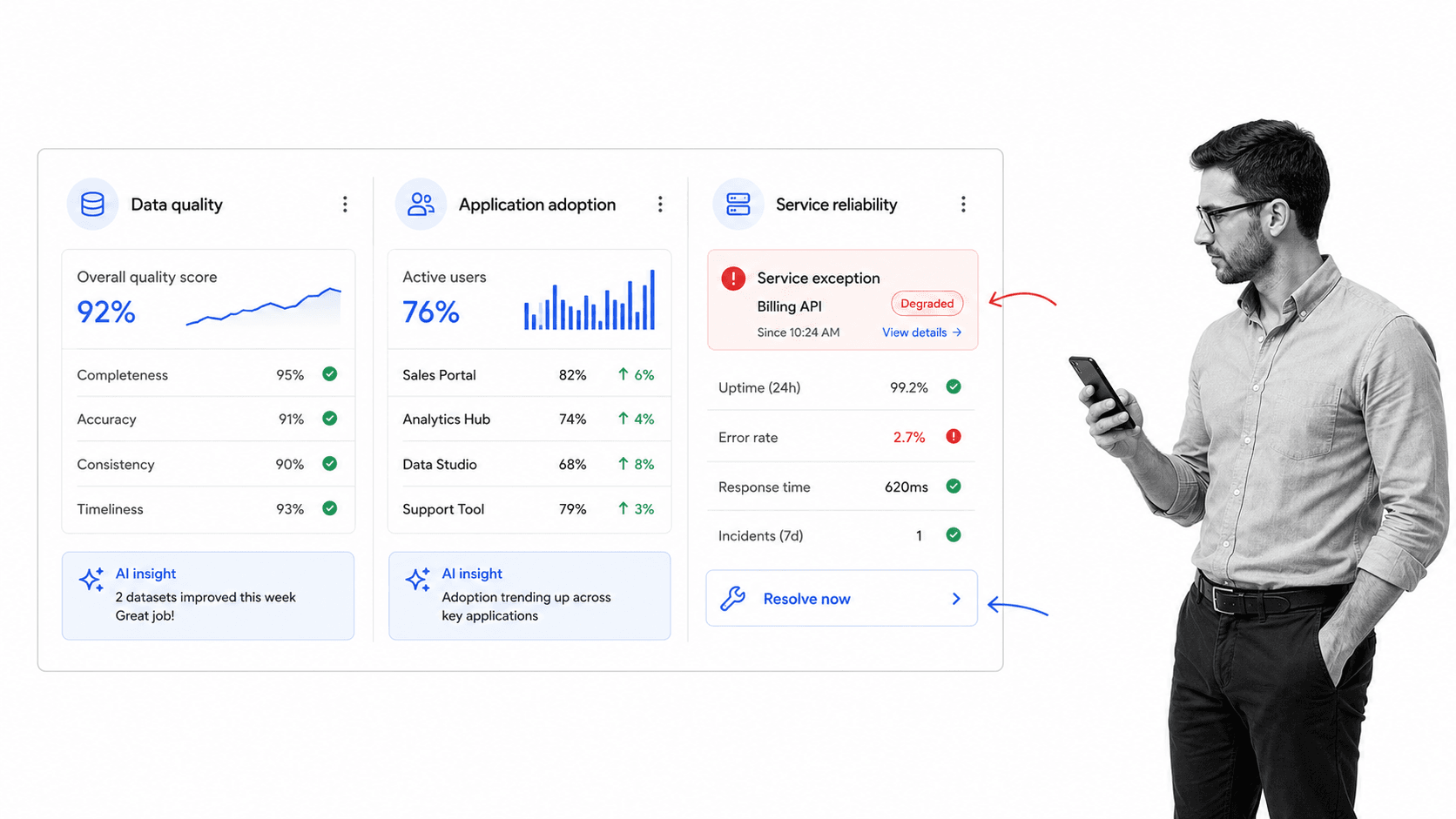
- Features: Regulatory change monitoring, compliance risk assessment, AI-driven compliance workflows, audit trail management.
- Pros: Helps organizations stay compliant with evolving regulations, streamlines compliance processes, reduces compliance risk.
- Cons: Typically part of a larger GRC (Governance, Risk, and Compliance) solution; may be complex for very small businesses.
Spellbook
Spellbook is an AI contract assistant that works with legal documents to aid in drafting, reviewing, and comparing language. It is a more suitable tool for legal professionals compared to generic company formation sites.
- Features: AI-powered contract drafting and review, clause analysis, legal document comparison, risk identification.
- Pros: Accelerates legal document review, improves contract accuracy, identifies potential legal risks.
- Cons: AI-generated legal advice requires review by qualified legal counsel; not a substitute for legal expertise.
Real-World Impact: AI in Action for Small Businesses
AI creates tangible value for small businesses by measurably improving specific aspects of their operations: reducing time spent on routine tasks, minimizing avoidable errors, accelerating customer response times, or enhancing the quality of information available for decision-making. The following use cases illustrate practical outcomes achieved with existing AI toolsets, demonstrating their impact on outreach efficiency, funnel decision-making, and customer support responsiveness. Each example should be treated as a use-case benchmark against which businesses can validate similar outcomes within their own operational context.
Boosted Efficiency and Productivity
Alister Wood, owner of VisitUs, highlights the significant reliance on email marketing for lead generation and sales conversions. His teams have found substantial benefits from using Regie AI, an AI tool that simplifies the generation of cold emails for prospects and the personalization of updates for existing customers. Prior to implementing Regie AI, crafting emails for hundreds of contacts was a labor-intensive process, placing considerable strain on sales and marketing teams to meet their quotas. With Regie AI, VisitUs now only needs to specify the target audience and customer type (new or returning) for the AI to generate personalized emails within minutes, thereby saving substantial time for both departments. This increased efficiency has allowed VisitUs to dedicate more time to customer engagement, and the platform’s automated email scheduling has also contributed to a slight increase in conversion rates.
Enhanced Decision-Making
Michaela Melo from Musician Authority’s marketing department describes Flowpoint as a "game-changer" for their business, enabling more informed decisions and greater success in online operations. Flowpoint addresses the challenge of optimizing website conversions and maximizing ROI through data-driven decisions. Its features include cross-domain funnel tracking, funnel analytics, AI-powered recommendations, conversion rate optimization, and event capturing. Melo reports gaining valuable insights into website performance, receiving actionable recommendations for improvement, and identifying technical errors that hindered conversions. The suggested actions implemented through Flowpoint have resulted in noticeable improvements in website conversion rates and overall performance.
Improved Customer Experience
Gene Caballero, co-founder of GreenPal, states that Intercom.io has been "instrumental in streamlining our customer communication processes, enhancing customer satisfaction, and driving business growth." Intercom’s AI-powered features provided GreenPal with the personalized support needed to engage with customers effectively. Caballero explains, "This (tool) not only improved our efficiency but also enabled us to deliver a superior customer experience that sets us apart from our competitors."
Choosing the Right AI Tools for Your Small Business
The selection of AI tools should be guided by a clear objective: target one repeated, expensive, or error-prone task before committing to a tool. It is essential to establish a baseline measurement for the current time, cost, quality, or conversion rate associated with that task. This baseline will serve as a benchmark for evaluating the pilot’s success.
The strategic expansion of AI tool adoption should only occur after a workflow has stabilized, team members understand the limitations of the AI, and the measured benefits demonstrably justify the operational costs. A curated selection of tools with clear ownership and robust review controls typically yields greater value than a disparate collection of disconnected AI subscriptions. This methodical approach ensures that AI integration is not just about adopting new technology, but about strategically enhancing business outcomes and fostering sustainable growth.