Navigating the Modern Workplace: A Comprehensive Guide to Implementing Flexible Work Models

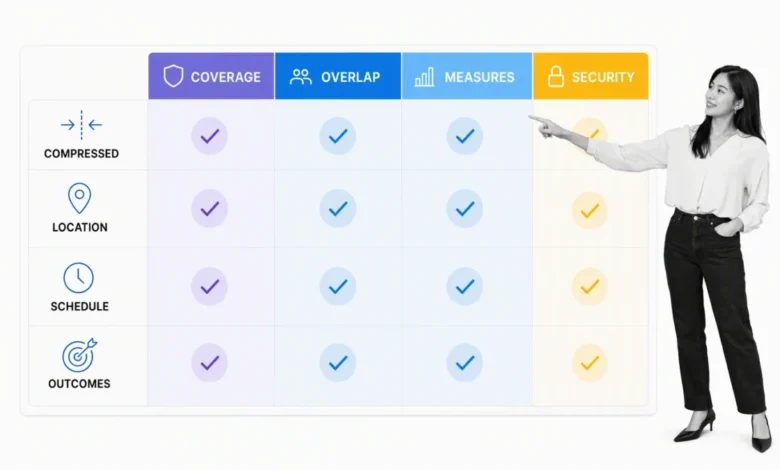
Flexible work models represent a fundamental shift in the global employment landscape, granting teams unprecedented autonomy over where, when, and how their professional obligations are fulfilled. As organizations move further away from the rigid, office-centric structures that defined the 20th century, leadership teams are increasingly recognizing that the "one-size-fits-all" approach to employment is no longer tenable. By decoupling labor from specific physical locations and traditional nine-to-five hours, businesses can tap into broader talent pools, improve employee retention rates, and foster a culture of trust. However, this transition is not without its operational risks. A successful flexible work policy requires meticulous design, focusing on team coverage, robust data security, clear communication channels, and, most importantly, a transition from tracking employee presence to measuring tangible outcomes.
The Evolution of the Flexible Workplace
The movement toward flexible work gained significant momentum during the global health crisis of 2020, which served as a massive, unintended experiment in remote operations. Before this period, remote work was often viewed as a niche benefit or an exception for specific roles. The 2024–2025 landscape, however, reflects a permanent integration of these practices. According to data from the U.S. Bureau of Labor Statistics, approximately 57% of wage and salary workers in the United States currently operate under schedules that allow for variance in start and end times.
This shift has been supported by academic research. A landmark randomized controlled trial published in the journal Nature in 2024 demonstrated that a two-day hybrid work schedule could reduce employee resignation rates by one-third without any statistically significant decline in performance. This finding challenged the conventional wisdom held by many corporate executives that physical presence is the sole engine of productivity. Instead, the evidence suggests that management quality, team coordination, and the availability of the right digital tools are the primary determinants of business output.
Categorizing Flexible Work Frameworks
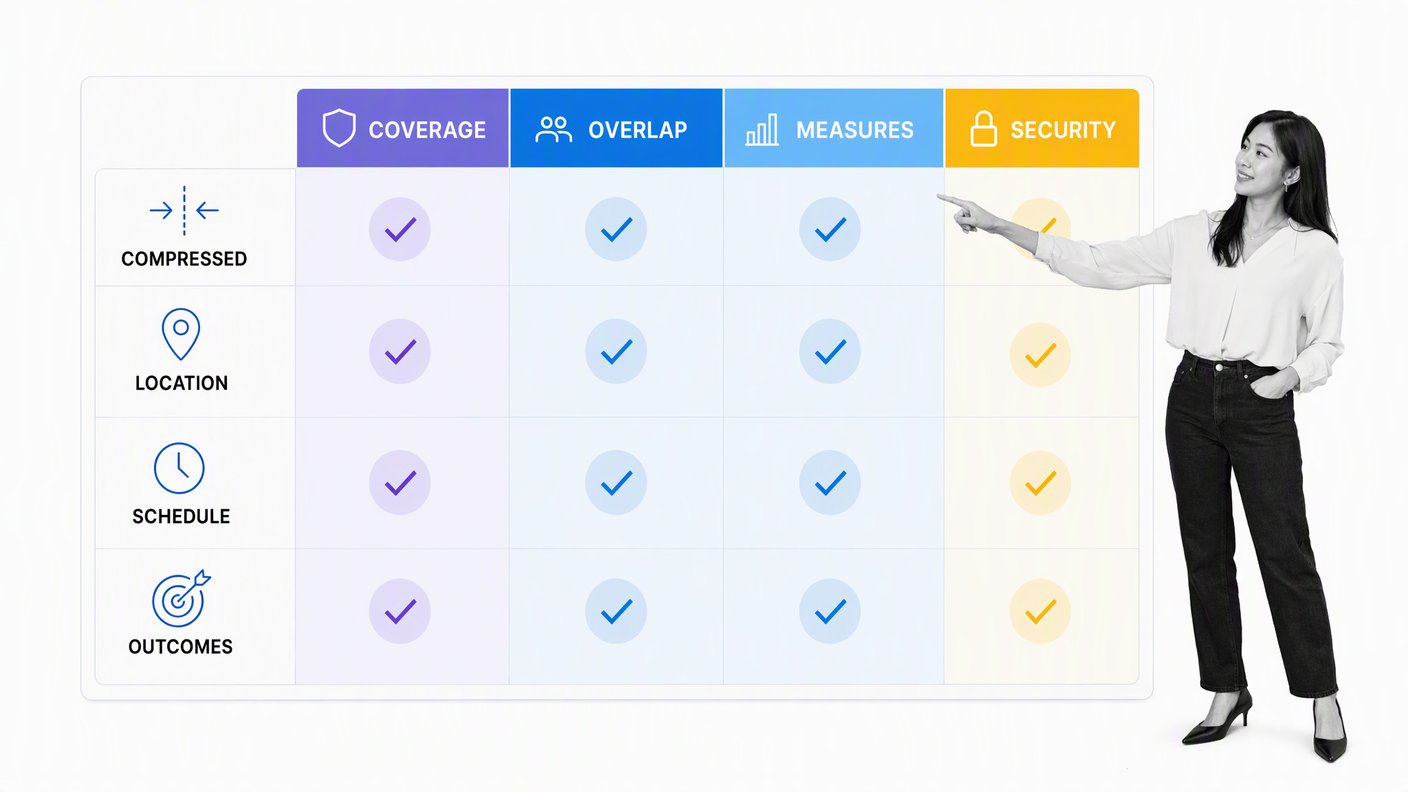
To effectively implement flexibility, organizations typically look toward four primary structural models. These are not mutually exclusive but serve as foundational templates that can be customized to meet the unique needs of a business and its customer base.
- The Compressed Workweek: This model involves condensing a standard 40-hour workweek into fewer than five days, commonly manifested as the "4×10" schedule—four 10-hour days. While proponents argue that this creates a better work-life balance and reduces commuting time, skeptics raise concerns regarding employee fatigue toward the end of long shifts and the difficulty of coordinating with partners working standard hours.
- Flexible Location (Remote Work): This model removes the requirement for employees to be physically present in a corporate office. While this offers immense freedom, it requires a significant investment in secure, cloud-based infrastructure and asynchronous communication protocols to ensure that geographical distance does not become a bottleneck for collaboration.
- Flextime: This model allows employees to adjust their start and end times to accommodate personal responsibilities, such as childcare or family health issues, provided they complete their core hours or total weekly quota. This is perhaps the most common form of flexibility and requires the least amount of structural overhaul.
- Results-Only Work Environment (ROWE): This is the most advanced model, focusing exclusively on performance outputs rather than time spent at a desk. In a ROWE, employees are judged solely on whether they meet their KPIs, quality standards, and project deadlines. This model requires a high degree of maturity in management, as it necessitates a shift from monitoring behavior to assessing objective data.
Addressing Emerging Trends: Job-Sharing and Phased Retirement
Beyond the standard models of remote and flexible work, organizations are increasingly exploring creative retention strategies to keep experienced talent within the fold. Job-sharing, where two employees divide the responsibilities of a single full-time role, is gaining traction. This arrangement allows companies to retain top performers who may require reduced hours for personal reasons while ensuring that the role’s duties are consistently managed.
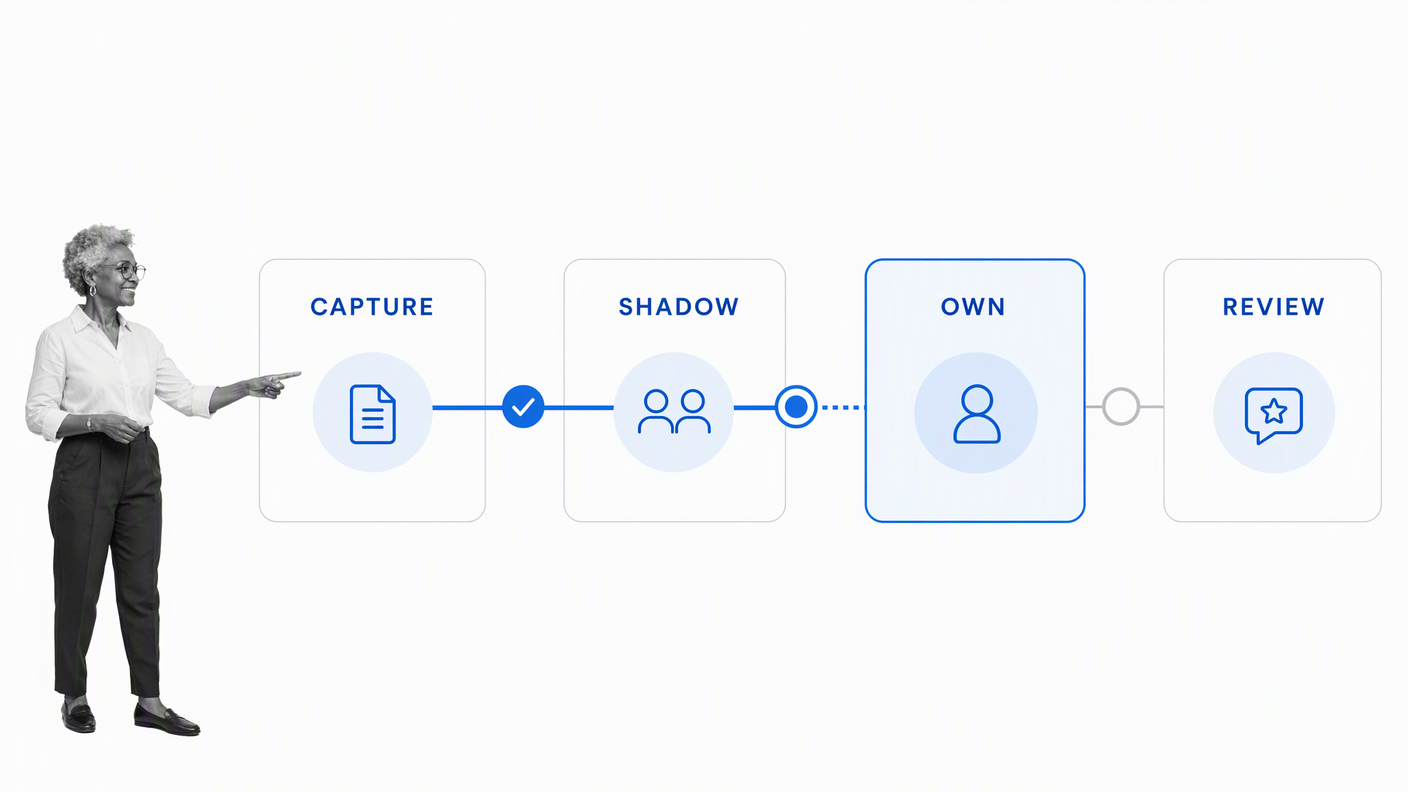
Furthermore, the concept of "phased retirement" is becoming a critical tool for knowledge management. By allowing older employees to gradually reduce their hours over several years, companies can facilitate a structured knowledge transfer process. This prevents the "brain drain" that occurs when senior staff retire abruptly, ensuring that their institutional knowledge is effectively passed on to successors. Sabbaticals, too, have transitioned from an academic privilege to a corporate retention strategy, allowing employees to take extended leave for professional development or personal rejuvenation, often resulting in higher long-term loyalty upon their return.
Strategic Implications and Risk Management
The decision to adopt a flexible work model should be treated as an operational change rather than a casual policy update. It requires a rigorous analysis of the business’s risk profile, particularly regarding data security. When employees access corporate systems from various locations—including public Wi-Fi networks or personal devices—the traditional "castle-and-moat" security approach is rendered obsolete. Organizations must implement modern identity and access management (IAM) protocols, data classification standards, and strict incident reporting procedures to mitigate the risk of data breaches.
Furthermore, the psychological impact of flexibility cannot be ignored. While remote work can reduce commuting stress, it can also lead to increased isolation and the "always-on" culture, where employees find it difficult to psychologically disconnect from their work. This is where deliberate team rhythms become vital. Managers must facilitate regular, intentional touchpoints that focus on both task completion and social connection, ensuring that employees do not feel disconnected from the broader corporate culture.
Implementing a Successful Pilot Program
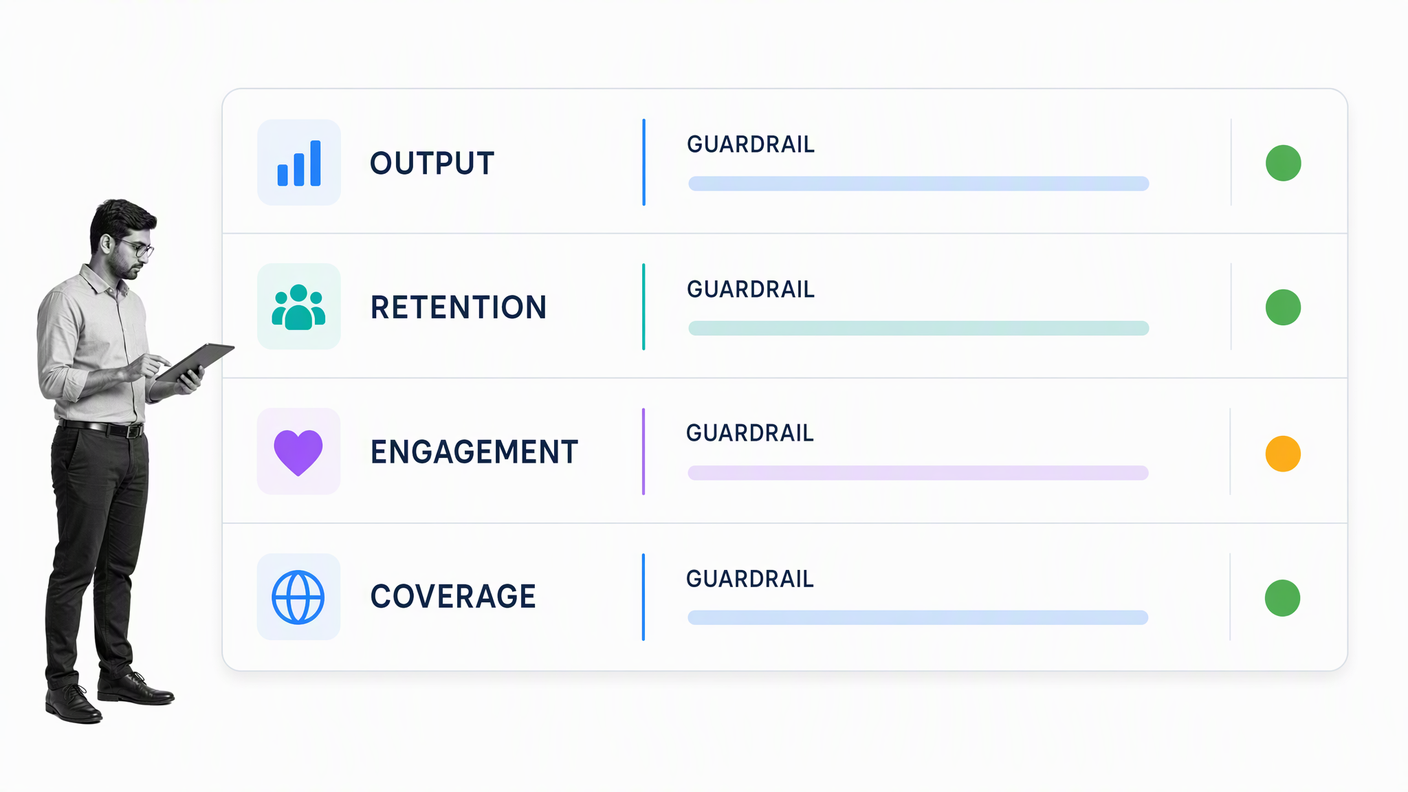
For organizations looking to transition, the most effective approach is to run a controlled pilot program. This involves defining a specific group, a clear set of success metrics, and a firm review date. Before the pilot begins, companies should record baseline data on productivity, customer response times, and employee engagement.
During the pilot, it is essential to utilize governance platforms—such as Process Street—to turn abstract policies into actionable, repeatable workflows. By digitizing the request, approval, and review processes, organizations can ensure that the flexible work policy remains consistent, transparent, and scalable. These platforms allow managers to track compliance with security protocols and ensure that team objectives are being met without resorting to intrusive surveillance.
The Future of the Operating Model
Ultimately, the most successful flexible work models are those that balance the needs of the individual with the requirements of the business. Flexibility is not merely a perk; it is a competitive advantage in a talent market that increasingly favors autonomy. However, the benefits of flexibility—increased productivity, higher retention, and greater engagement—are only realized when they are supported by clear communication and strong managerial oversight.
As the corporate world continues to evolve, the distinction between "remote" and "office" work will likely continue to blur. Companies that prioritize building a flexible, outcomes-based operating model today will be better positioned to navigate the uncertainties of the future. The challenge for modern leaders is to build a structure that is robust enough to maintain security and customer service standards, yet flexible enough to adapt to the changing needs of the workforce. By focusing on measurable outcomes and utilizing modern workflow technology, businesses can ensure that they remain both efficient and human-centric in a rapidly changing global economy.
Related posts: