The Matrix Growth Academy Zero to 100 Playbook Unveils a Nine-Step Blueprint for B2B Startup Scaling

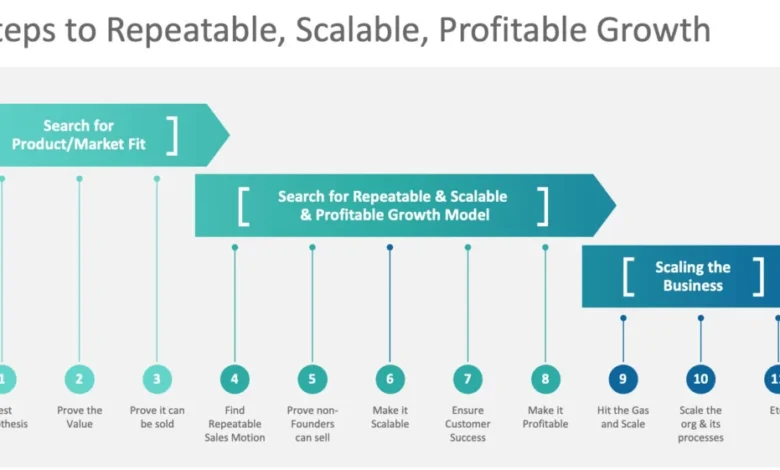
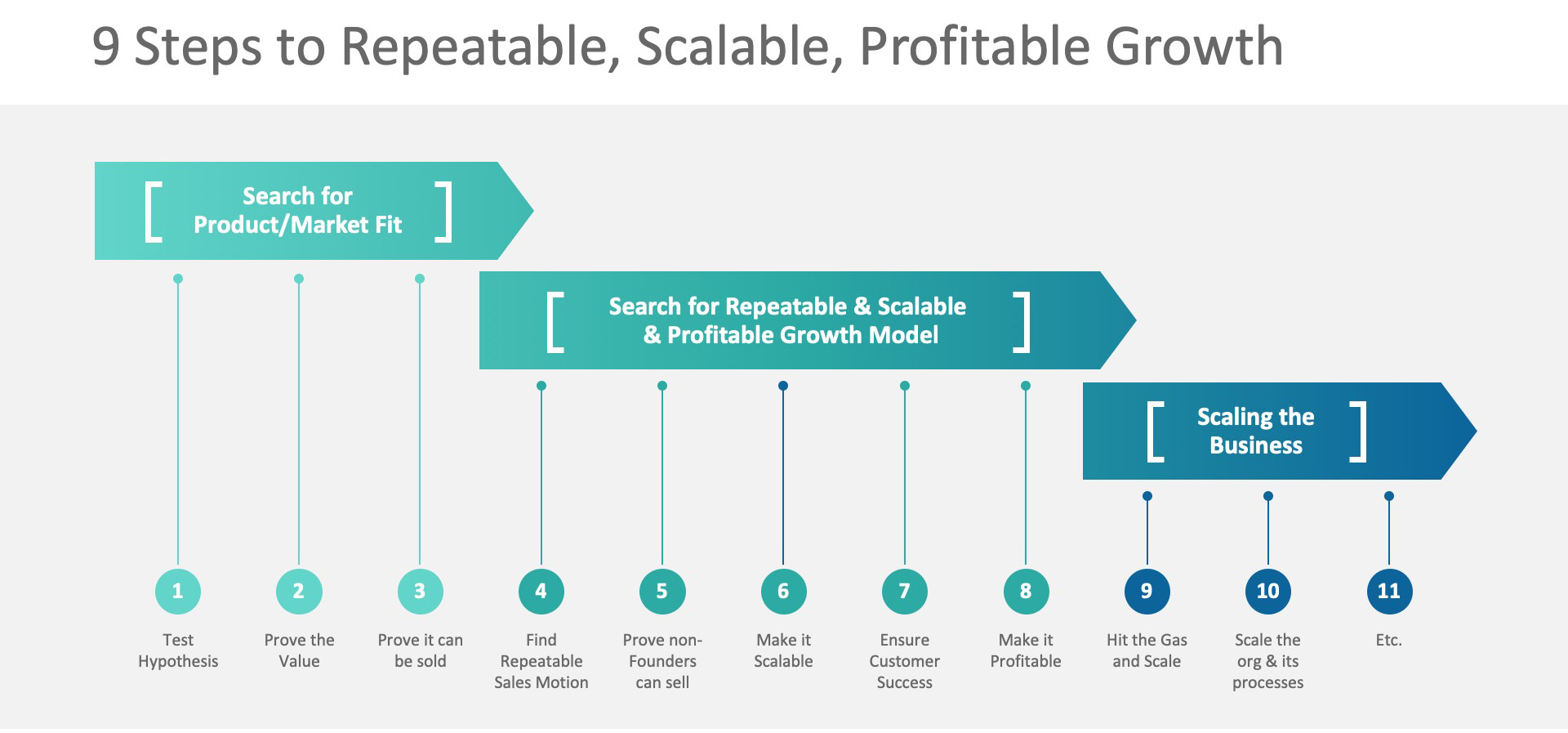
While the foundational principles of the Lean Startup movement successfully taught generations of entrepreneurs how to identify product-market fit, navigating the complex business-to-business (B2B) ecosystem requires an entirely different operational playbook. For B2B founders, securing initial market traction is merely the starting line. The critical challenge lies in transitioning from early-stage validation to building a repeatable, scalable, and profitable growth engine capable of propelling a company toward $100 million in annual recurring revenue. To address this persistent hurdle, venture capitalist and seasoned entrepreneur David Skok, alongside a cohort of industry experts, curated the Matrix Growth Academy Zero to 100 educational event in San Francisco. This comprehensive initiative breaks down the arduous journey of enterprise scaling into nine distinct, sequential stages, offering founders a tactical roadmap designed to mitigate risk and prevent catastrophic missteps.
The Genesis of the Zero to 100 Framework
The impetus behind the Matrix Growth Academy event stemmed from recurring patterns observed across early-stage technology investments and boardrooms. According to industry veterans, the single most common and often fatal mistake made by entrepreneurs is attempting to force hyper-growth by prematurely skipping foundational phases. Scaling a sales organization or accelerating marketing spend before establishing a tightly calibrated go-to-market model routinely burns through venture capital reserves, demoralizes teams, and damages brand equity.
David Skok, drawing from both his personal entrepreneurial missteps and his extensive tenure as a venture capital investor at Matrix Partners, structured the Zero to 100 curriculum to address these vulnerabilities head-on. In developing the nine-phase process, Skok sought to codify the hard-earned lessons that traditionally cost founders millions of dollars and years of operational friction. By providing a structured framework, the academy aimed to demystify the mechanics of enterprise revenue generation and establish a predictable methodology for scaling operations from inception to substantial market leadership.
Anatomy of the Nine-Stage Scaling Journey
The comprehensive curriculum presented during the San Francisco event is methodically divided into digestible video modules and detailed instructional sessions, each addressing a critical pillar of enterprise development. The journey begins well before recruitment or aggressive customer acquisition begin, focusing intently on founder-led selling and the nuances of validating product-market fit within enterprise environments.

Phase One: Founder-Led Selling and Early Validation
In the earliest stages of a B2B startup, founders cannot effectively delegate the sales function to hired executives. Experts such as Pete Kazanjy, founder of TalentBin and author of Founding Sales, emphasize that founders must personally lead the sales charge to deeply understand customer pain points, objection handling, and messaging resonance. This phase requires founders to confront their initial hesitations regarding sales, utilizing direct customer interactions to refine the product’s value proposition and confirm genuine product-market fit before expanding the organizational chart.
Phase Two: Establishing a Repeatable Growth Process
Once product-market fit is established, the focus shifts away from ad-hoc selling toward institutionalizing a repeatable sales motion. David Skok’s sessions dissect the mechanics of designing a predictable revenue engine. This involves identifying the specific repeatable triggers that convert a prospect into a loyal customer, determining optimal price points, and engineering a sales pipeline that yields consistent, reliable forecasting data. Skipping this rigorous process often results in erratic revenue quarters and an inability to forecast cash flow accurately.
Phase Three: Selecting the Optimal Go-to-Market Model
A critical juncture in the Zero to 100 playbook involves choosing the correct go-to-market (GTM) motion, whether it is self-service, transactional inside sales, or complex enterprise field sales. The chosen model dictates every subsequent operational decision, including customer acquisition costs (CAC), sales cycle length, and required team composition. Aligning the product’s average selling price (ASP) with the appropriate GTM model is vital for maintaining healthy unit economics.
Phase Four: Scaling Unit Economics and SaaS Metrics
As operations expand, founders must master the fundamental financial metrics governing Software-as-a-Service (SaaS) and B2B business models. Skok’s curriculum places heavy emphasis on unit economics, specifically evaluating Lifetime Value (LTV) relative to Customer Acquisition Cost (CAC), payback periods, and net revenue retention. Ensuring that these metrics demonstrate healthy fundamentals before stepping on the gas pedal prevents companies from scaling unprofitable unit models, a pitfall that has historically crippled high-profile startups.
Phase Five: Building and Structuring the Sales Organization
Transitioning from founder-led sales to a professionalized, scalable sales organization requires strategic organizational design. Stephanie Schatz, former Chief Revenue Officer at Xamarin, provided actionable frameworks during the event regarding sales team architecture. Founders learned how to systematically hire account executives, sales development representatives (SDRs), and sales managers, while establishing compensation structures, onboarding programs, and performance metrics that foster a high-accountability culture without sacrificing employee retention.
Phase Six: Optimizing Funnels and Shortening Time to Value
Operational efficiency hinges on identifying and repairing bottlenecks within the marketing and sales funnels. Skok highlights the concept of treating the product itself as a primary salesperson. By streamlining user onboarding and shortening the "Time to Wow"—the precise moment a user realizes the core value of the product—companies can dramatically improve trial conversion rates, reduce churn, and lower overall acquisition costs.
Phase Seven: Putting Theory into Practice through Case Studies
To bridge the gap between abstract strategic frameworks and daily execution, industry leader Mark Gally conducted extensive sessions detailing how mature organizations operationalize these concepts. By examining real-world enterprise transformations, attendees gained tactical insights into overcoming internal resistance, aligning product development with sales imperatives, and executing strategic pivots without losing organizational momentum.
Phase Eight: Defining the Evolving Role of the CEO
As B2B companies scale from early-stage ventures to mid-market organizations, the day-to-day responsibilities of the Chief Executive Officer undergo a profound shift. Skok dedicated a significant portion of the curriculum to exploring how founders must transition from being tactical executors and individual contributors to visionary leaders focused on culture, capital allocation, executive hiring, and long-term strategic alignment.
Phase Nine: Comprehensive Q&A and Synthesis
The event concluded with an interactive Q&A session, addressing nuanced operational challenges faced by the participating founders. This collaborative dialogue allowed entrepreneurs to apply the nine-step framework directly to their unique business models, addressing specific regulatory, geographical, and market-segment hurdles.
Broader Implications for the B2B Startup Ecosystem
The dissemination of structured playbooks like Matrix Growth Academy’s Zero to 100 reflects a broader maturation within the venture capital and startup communities. Historically, early-stage scaling was treated as an art form defined by intuition and trial-and-error. However, as macroeconomic pressures have tightened capital availability and placed a renewed emphasis on sustainable, profitable growth over "growth at all costs," the demand for empirical, repeatable operational frameworks has surged.
By codifying enterprise scaling into distinct, chronological milestones, industry leaders are providing founders with the analytical tools necessary to build resilient, enduring businesses. The emphasis on unit economics, disciplined sales hiring, and product-led growth underscores a permanent shift in how modern B2B enterprises are built. For the founders who attended the San Francisco sessions—and the broader audience accessing the digital archives—the nine-step playbook serves as an essential manual for navigating the perilous journey from an unproven concept to a market-leading enterprise generating tens of millions in predictable revenue.