The Future of Content Interoperability: Introducing the Block Protocol to Unify the Modern Web

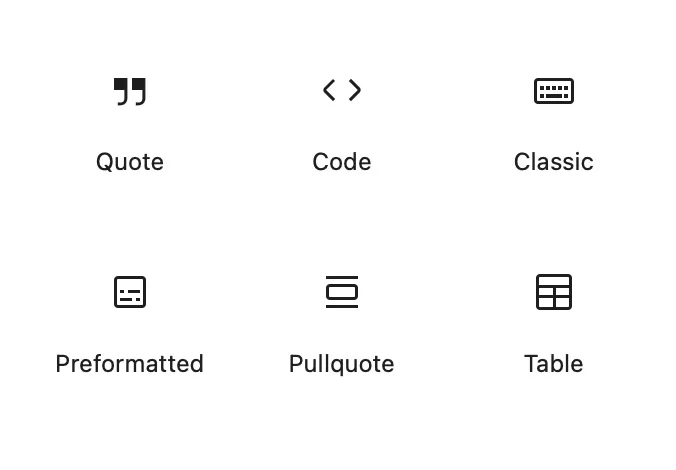
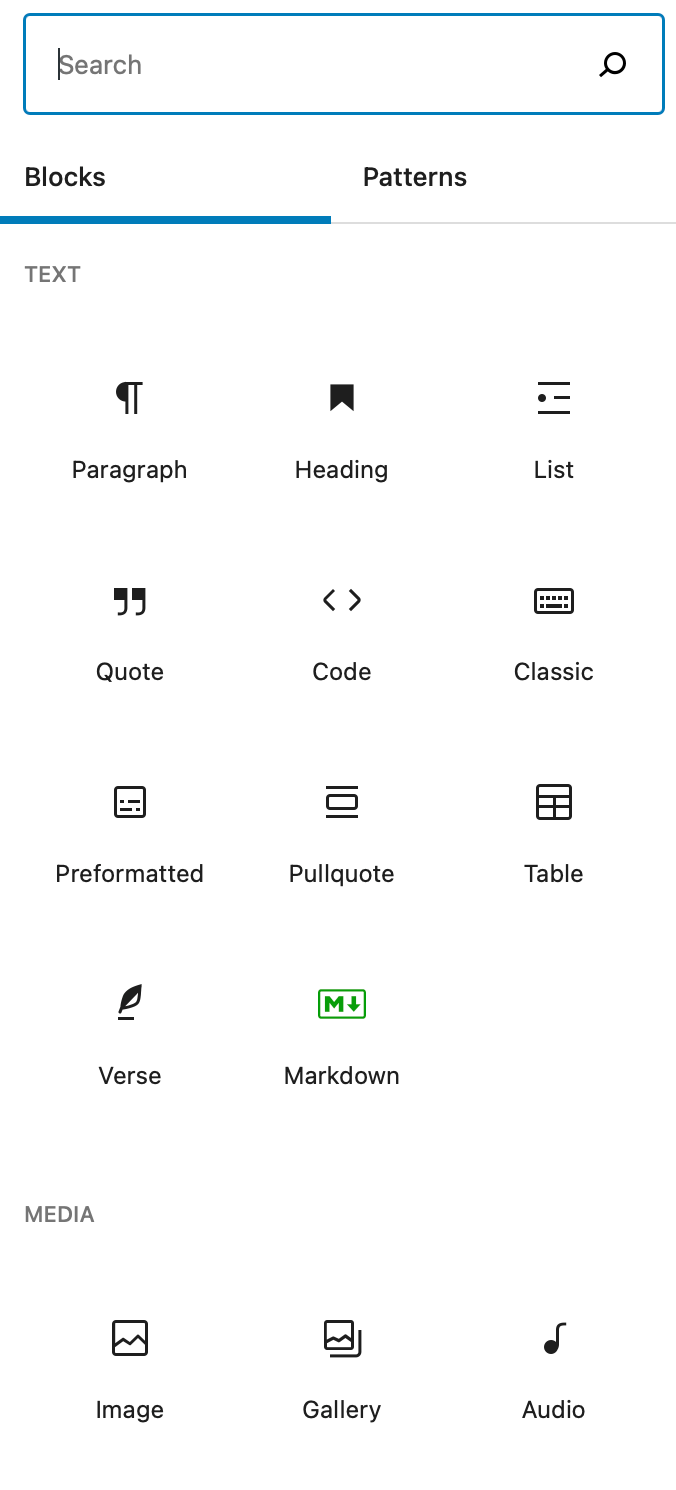
The contemporary digital landscape is defined by the “block” paradigm, a modular approach to content creation that has fundamentally altered how users interact with blogging platforms, note-taking applications, and content management systems (CMS). Whether it is the intuitive editor in WordPress, the flexible canvas of Notion, or the minimalist interface of Medium, the user experience has largely converged on a system where distinct pieces of content—text, images, embedded media, or data tables—are treated as discrete, movable units. Despite this superficial uniformity, the underlying architecture of these blocks remains highly fragmented. Each application utilizes proprietary, non-standardized implementations, forcing developers to reinvent the wheel for every new integration and leaving end-users tethered to the specific feature sets provided by their chosen platform.
To address this technical silo, a coalition of developers and industry contributors has launched the Block Protocol, an open, non-proprietary standard designed to foster true interoperability across the web. The initiative seeks to transition the web from a collection of isolated, platform-specific content editors to a unified ecosystem where a single, well-crafted block can be deployed seamlessly across any CMS, blog, or productivity application that supports the protocol.
The Genesis of the Block Protocol
The impetus for the Block Protocol arises from the inefficiency inherent in current web development practices. Since the rise of modular editors, individual developers have been tasked with coding custom implementations for even the most basic components—such as image galleries, Kanban boards, or calendar widgets. For a platform like WordPress, this means developers must dedicate significant time to re-implementing functionality that already exists elsewhere.
For the end-user, this creates a “locked-in” experience. If a user desires a specific, advanced block type seen in another application, they are often unable to migrate that functionality unless their current platform has specifically chosen to build it. This lack of portability limits creative potential and restricts the efficiency of content creators. The Block Protocol aims to eliminate this barrier by establishing a standardized communication layer between the “embedding application” (the editor) and the “block” (the component). By following this protocol, any block can function within any compliant host, theoretically turning every block into a “write once, run anywhere” asset.
Chronology and Development Status
The project is currently in its nascent stages, with the initial version 0.1 released to the public to solicit community feedback and technical contributions. The development timeline focuses on three core pillars:
- Protocol Specification: Defining the technical standards for how blocks communicate with their host applications, ensuring that data can be passed between the editor and the block consistently.
- Reference Implementation: Releasing open-source sample code and a lightweight editor capable of hosting compliant blocks to demonstrate the protocol’s utility.
- Community Ecosystem: Building a repository of reusable, open-source blocks that developers can pull from to enhance their own software, effectively bootstrapping the library of available tools.
The organizers have emphasized that the early release is a strategic move to ensure the protocol is shaped by a broad coalition of stakeholders rather than a single entity, which is critical for achieving the “open web” objective.
Technical Implications: Beyond Visual Blocks
While the primary goal of the Block Protocol is to solve the current UI/UX fragmentation, the initiative carries profound implications for the semantic web. One of the most significant features of the protocol is the support for typed, machine-readable data.
In the current web environment, extracting data from a page—such as event details, product pricing, or flight information—often requires cumbersome methods like screen scraping. The Block Protocol introduces a schema-based approach, allowing developers to define exactly what a block contains in a machine-understandable format. For example, an “Event” block would contain standardized fields for time, location, and date, which are explicitly identified by the protocol. Consequently, external applications, such as a user’s calendar or an aggregator service, could parse the web page and interact with the data directly, without the need for custom scraping scripts.
This transition from unstructured content to structured, block-based data could render obsolete many legacy methods of data export, such as downloading CSV or XLS files from websites. Instead, the web page itself becomes a living, readable data source.

Supporting Data and Industry Context
The necessity for such a protocol is supported by the rapid growth of the headless CMS market and the shift toward modular content. According to industry analysis, the global CMS market is expected to continue its upward trajectory, with modularity being a key driver of enterprise adoption. However, as the number of platforms increases, so does the cost of development. For small to medium-sized development teams, maintaining parity with the feature-rich editors of major players (like Notion or WordPress) is becoming increasingly difficult.
By standardizing blocks, the industry could potentially reduce development costs for new platforms by 20% to 30%, as teams could rely on an existing library of open-source blocks rather than building proprietary versions from scratch. This shift mirrors the historical transition toward standardized web components, such as HTML5 and CSS3, which allowed the web to evolve from static pages into the dynamic, cross-browser applications we use today.
Expert Responses and Industry Reactions
While the project is still in the early, experimental phase, initial reactions from the open-source community have been largely positive. Developers working on content-heavy platforms have long lamented the lack of a "universal" way to share components.
“The current situation is akin to having a thousand different types of Lego bricks that don’t snap together,” noted an early contributor to the protocol’s GitHub repository. “If we can achieve a baseline standard for how these bricks interact, we move from a proprietary model to a collaborative one.”
However, skeptics point to the challenges of adoption. Historically, getting competing technology platforms to agree on a single standard is a significant hurdle. For the Block Protocol to succeed, it must demonstrate not only technical superiority but also clear, tangible benefits for major platforms like WordPress, Ghost, or Drupal. If these platforms perceive the protocol as a threat to their proprietary ecosystems, adoption may be slow. Conversely, if the protocol is marketed as a way to offload the maintenance of non-core features, it could see rapid integration.

The Broader Impact on the Web
The vision for the Block Protocol is ultimately an altruistic one: a more efficient, interoperable, and machine-readable internet. If widely adopted, the implications are vast:
- For Content Creators: Creators will no longer be limited by the capabilities of a specific CMS. A sophisticated, interactive data visualization created for a blog could be exported and used in a corporate internal dashboard without modification.
- For Developers: It provides a clear roadmap for modular development. Instead of building a bespoke gallery for one client, a developer can build a protocol-compliant gallery that can be reused across all future projects.
- For Users: It provides a more consistent, high-quality experience. Users will have access to a broader, more sophisticated set of tools, regardless of which platform they use to host their content.
The organizers have issued a call to action, inviting developers, technical writers, and product managers to engage with the version 0.1 documentation. By moving early, the team hopes to ensure that the protocol is robust enough to handle the complexities of the modern web while remaining simple enough to encourage widespread adoption.
As the digital world continues to prioritize modularity, the Block Protocol stands as a potential solution to the growing fragmentation of content management. Whether it achieves the status of a universal web standard depends on the willingness of the developer community to prioritize shared infrastructure over proprietary advantage. For now, the project remains a significant attempt to redefine the building blocks of the digital age, promising a future where content is truly portable and infinitely reusable.
Related posts: