Rewriting Computing History: Jeff Atwood Leads Global Open-Source Initiative to Modernize 101 BASIC Computer Games for the 21st Century

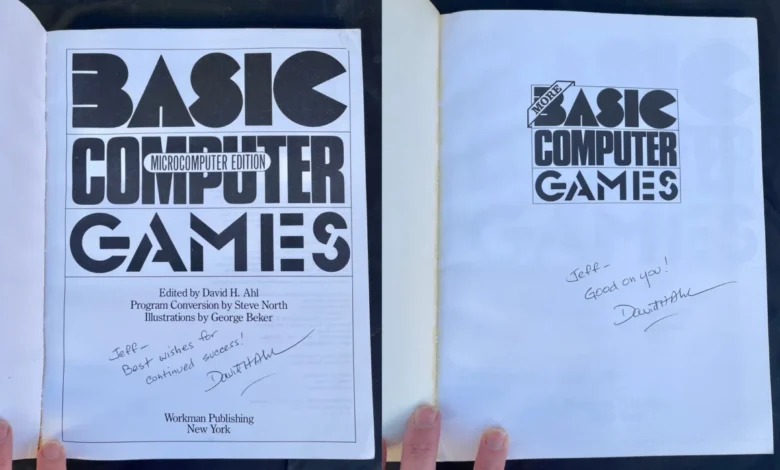
The digital landscape of the 1970s and 1980s was defined not by graphical user interfaces, touchscreen displays, or high-speed broadband connections, but by the blinking cursor of the command line. For an entire generation of software engineers and computer hobbyists, professional interest was sparked by simple text interfaces and printed code lines. Among the most influential texts of this formative era was 101 BASIC Computer Games, an anthology compiled by David H. Ahl that introduced millions to the fundamentals of programming. Today, veteran software developer and Stack Overflow co-founder Jeff Atwood has spearheaded a comprehensive open-source initiative hosted on GitHub to rewrite and preserve these foundational programs using modern, memory-safe programming languages and contemporary software design patterns.
The Origins of a Programming Milestone
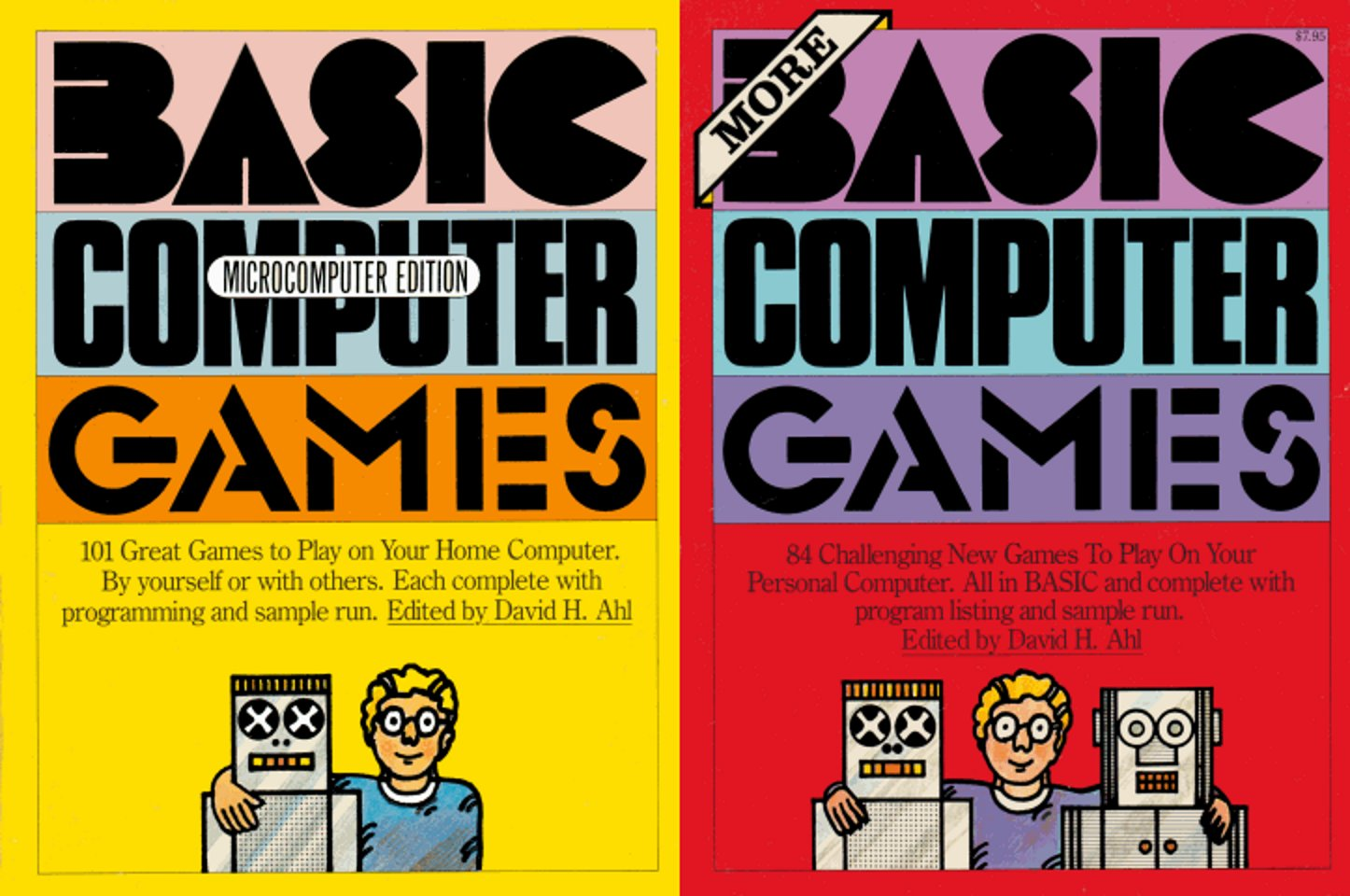
To understand the cultural and educational weight of 101 BASIC Computer Games, one must examine the state of personal computing in the early 1970s. Before the widespread commercial availability of microcomputers from Apple, Commodore, and Tandy, computing was largely the domain of universities and large corporations utilizing massive mainframe systems.
David H. Ahl, then an employee at Digital Equipment Corporation (DEC), recognized a growing appetite for accessible programming resources. In 1973, DEC published the first edition of 101 BASIC Computer Games. At a time when personal computers were virtually nonexistent in consumer households, the book achieved an extraordinary feat: its initial print run of 10,000 copies meant that there were significantly more books in circulation than there were computers capable of running the code. Enthusiasts and educational institutions routinely purchased multiple copies per machine.
In November 1974, Ahl left DEC to launch Creative Computing magazine, a publication that would serve as a vital clearinghouse for beginner-friendly code, articles, and reviews. Operating out of his garage with minimal capital, Ahl bootstrapped the publication through sheer sweat equity. What began as a modest endeavor with 600 initial subscribers eventually expanded into a massive cultural touchstone. By the end of the decade, 101 BASIC Computer Games became the first computer-related book to surpass one million copies sold, cementing its status as an educational cornerstone.

The Mechanics of Early Coding
For readers coming of age during the personal computer boom of the early 1980s, interacting with a computer required active participation. Early home systems frequently booted directly into a BASIC interpreter. Because peripheral storage options such as cassette tape drives were initially expensive add-ons, users often had to manually type in hundreds of lines of code printed in books and magazines just to execute a simple text-based game.
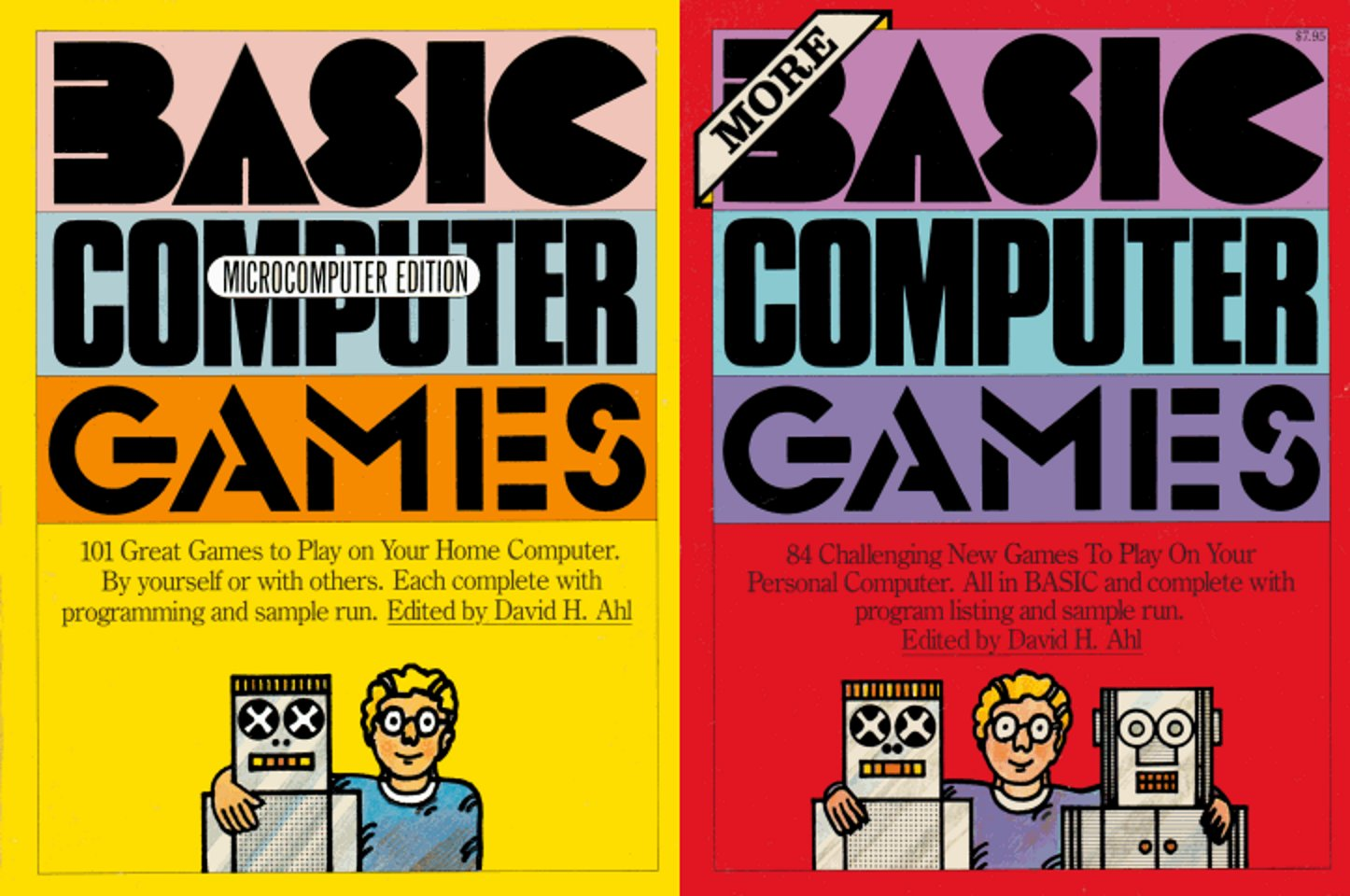
This manual transcription process was fraught with human error. A single misplaced semicolon, an incorrect line number, or a typographical error could halt program execution entirely, forcing the programmer to debug line-by-line. Despite the tedious nature of manual entry, these exercises instilled a fundamental understanding of control flow, loops, and conditional statements. Games like Civil War, Hurle, and Hamurabi were primitive by modern standards, relying entirely on text prompts and ASCII art, but they served as the undeniable gateway for thousands of future software architects, systems engineers, and technology entrepreneurs.
Previous Modernization Efforts and Their Shortfalls
As decades passed, the original BASIC code—characterized by rigid line numbering and an over-reliance on GOTO statements—became obsolete, clashing sharply with structured programming paradigms and object-oriented principles.
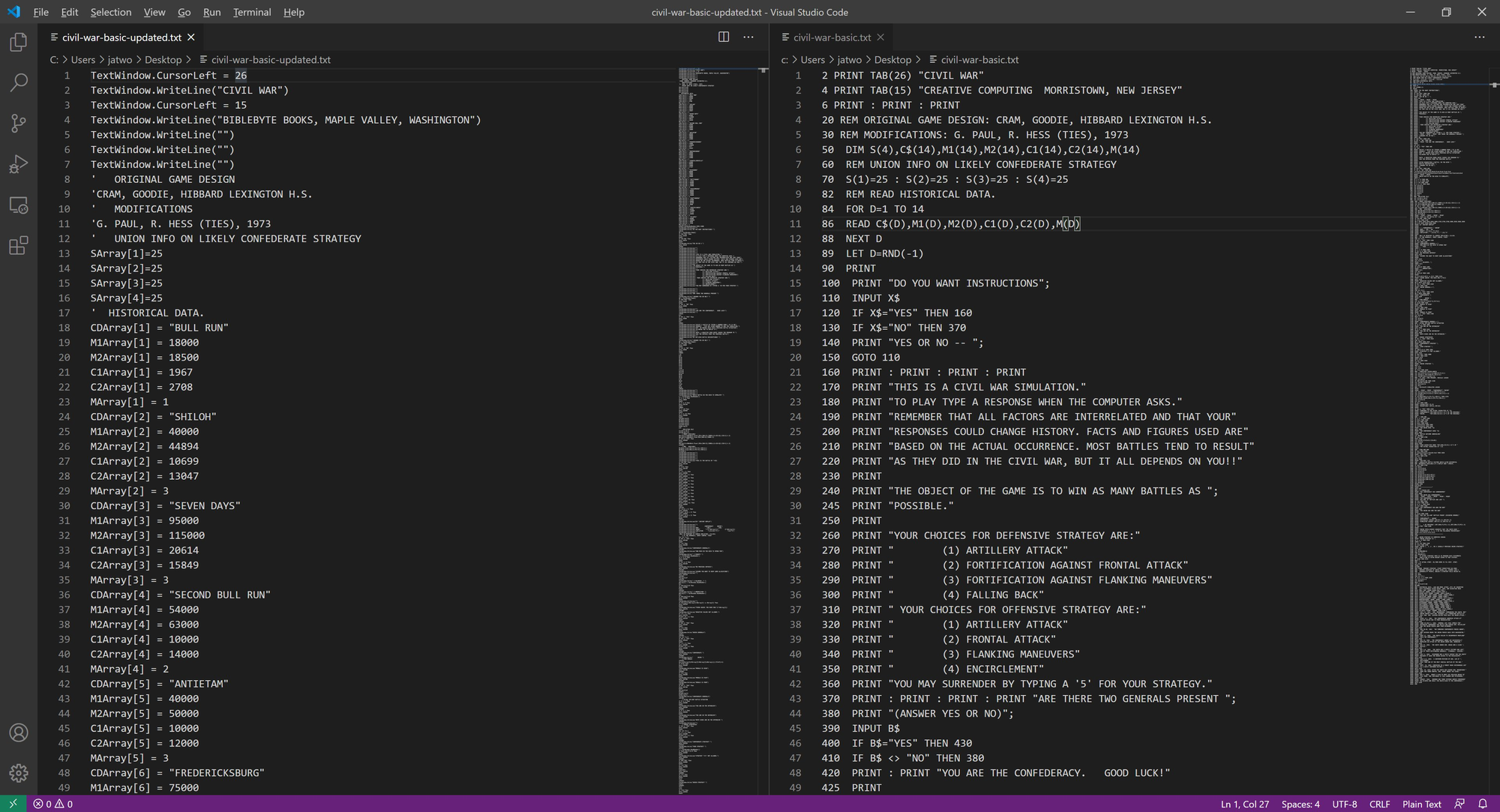
In 2010, an initial attempt was made to address this technological gap through the release of SmallBasic, which sought to translate the original 1973 BASIC programs into a slightly more contemporary syntax. However, software critics and preservationists noted that these ports largely missed the mark. While they removed traditional line numbers, they failed to incorporate foundational computer science concepts such as proper subroutines, modular architecture, and modern memory management. A side-by-side comparison of the 1973 BASIC implementation of Civil War against its 2010 SmallBasic counterpart demonstrated that the core structural flaws of spaghetti code remained largely intact, offering little pedagogical value to contemporary developers.

The Open-Source Revitalization Project
Recognizing that these early programs represent irreplaceable artifacts of computing history, Jeff Atwood formally reached out to David H. Ahl to secure permission for a definitive modernization project. With the author’s blessing, Atwood launched a collaborative GitHub repository designed to rewrite the complete collection of 101 BASIC games.
Rather than merely translating old code into a single modern syntax, the initiative establishes a rigorous multi-language framework. The project initially targeted ten general-purpose scripting and memory-safe languages. Following community feedback and technical evolution, the language roster was refined to include robust alternatives such as Kotlin, Rust, and Lua, while intentionally excluding languages that lacked guaranteed memory safety, such as Pascal.
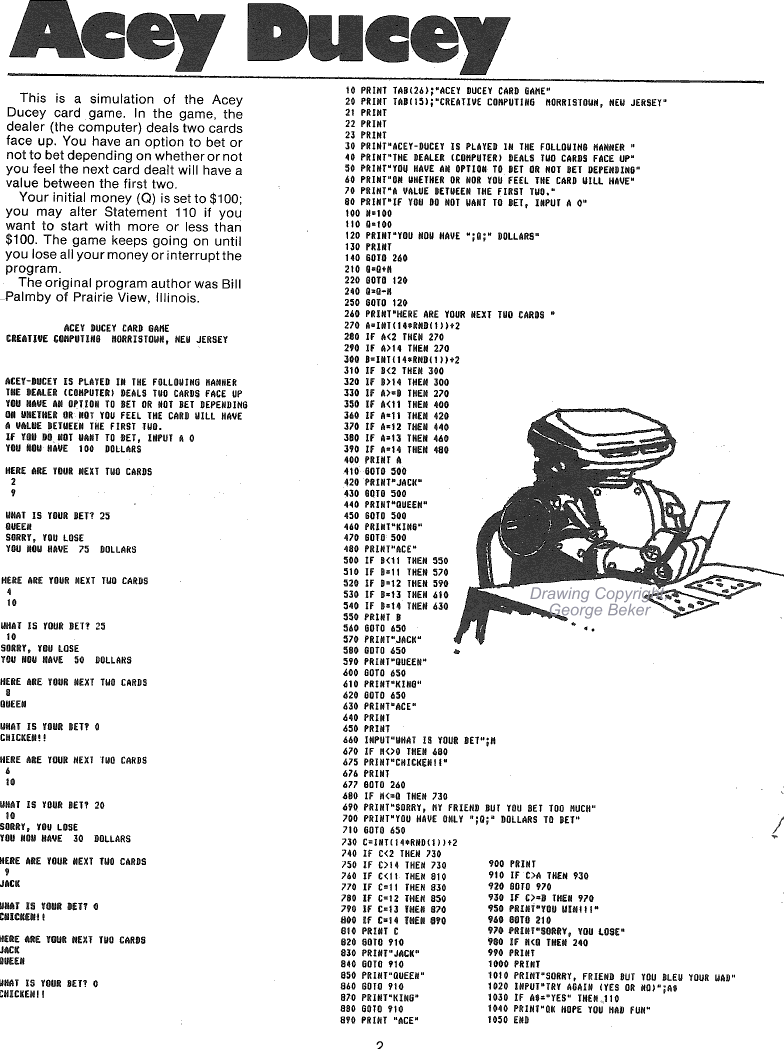
This selection criteria ensures that the rewritten codebases not only preserve the logic and whimsy of the original 1970s programs—complete with authentic illustrations by original artist George Beker—but also adhere to strict 21st-century software engineering standards.
Community Engagement and Philanthropic Impact
To accelerate development and encourage widespread participation, Atwood structured the project as a decentralized, open-source collaboration. Instead of individuals isolating themselves with printed books and blinking command lines, modern developers from around the globe can coordinate pull requests, review code architecture, and resolve bugs collectively.
To further incentivize contributions, project leadership implemented a philanthropic matching program. For every fully functioning, verified program submitted across the designated languages, financial donations are channeled toward Girls Who Code, a national non-profit organization dedicated to closing the gender gap in technology and empowering young women to pursue computer science education.
Broader Implications and Cultural Preservation
The initiative to update 101 BASIC Computer Games transcends mere nostalgia; it addresses a critical challenge in digital preservation. As hardware evolves at an exponential rate, early software artifacts risk being lost to bit rot and generational detachment. By translating these foundational programs into modern, memory-safe environments, the project bridges a crucial educational chasm.
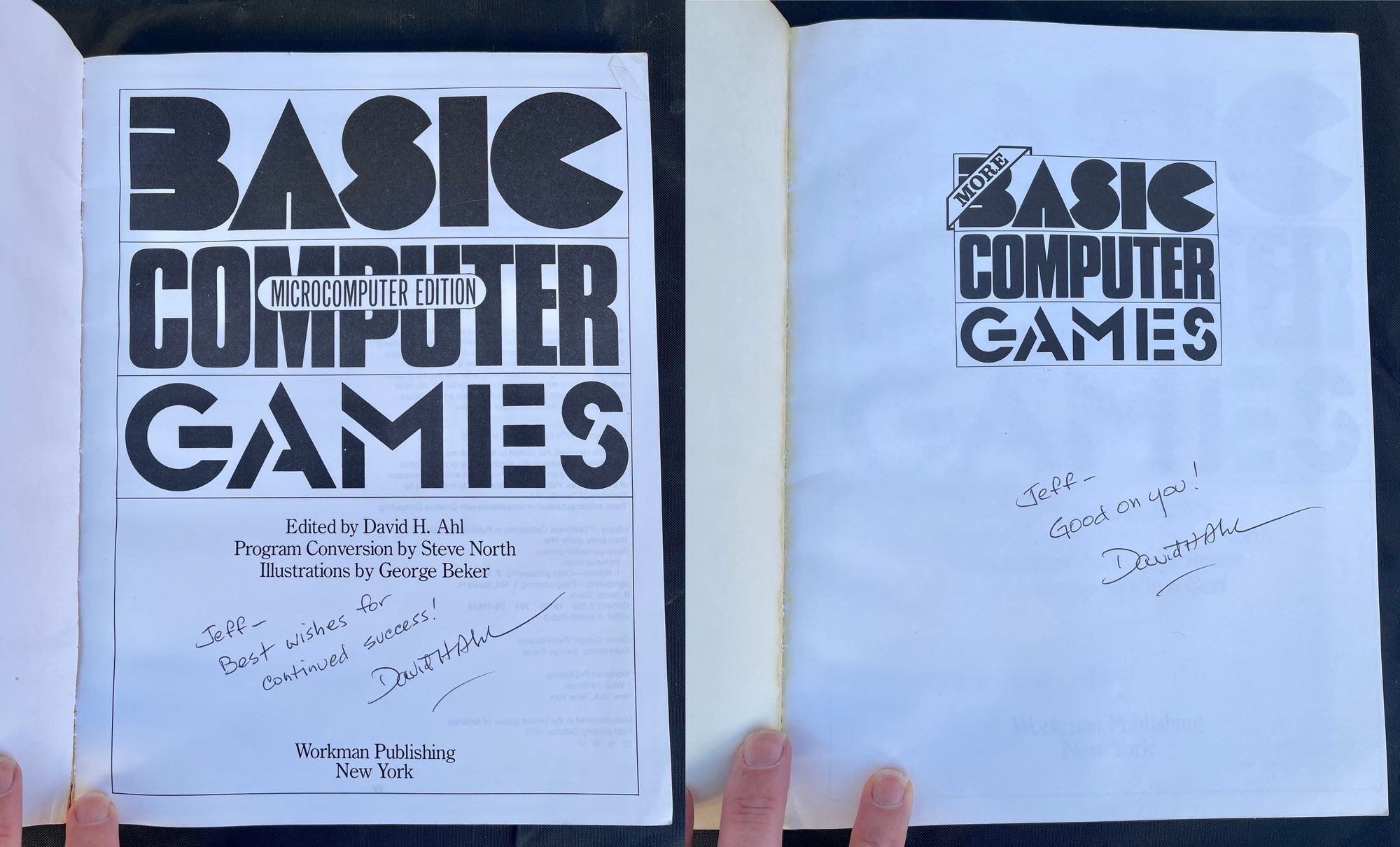
For contemporary software engineers, engaging with the repository offers a unique historical perspective, illustrating how complex computational logic was once distilled into constrained hardware environments. For novices and students, the repository provides a low-barrier entry point into open-source contribution, combining historical appreciation with practical coding experience.
As the repository continues to expand through community contributions, it stands as a testament to the enduring appeal of foundational programming. By merging the archival preservation of computing heritage with modern collaborative development practices, the initiative successfully honors the vision of David H. Ahl while equipping a new generation of programmers with the tools of the future.