Mastering the Art of Fall Layering: A Structural Approach to Seasonal Style

Fall layering should be a deliberate exercise in precision rather than a chaotic accumulation of garments. As temperatures shift, the transition between summer and winter necessitates a strategic approach to apparel that balances thermal regulation with aesthetic cohesion. The distinction between a curated, intentionally styled ensemble and an unrefined, bulky silhouette often hinges on the application of fundamental design principles. By viewing a wardrobe as a functional system rather than a collection of individual items, individuals can achieve a polished appearance that prioritizes comfort without sacrificing structural integrity.
The Physics of Apparel Volume and Silhouette
The perception of "bulk" in layered outfits is rarely a byproduct of the number of garments worn, but rather a failure to manage the relationship between fit, fabric weight, and proportion. When layering is executed without regard for the interplay of textures, the result is an overwhelming silhouette that obscures the body’s natural lines.
Professional stylists emphasize that successful layering relies on maintaining a consistent visual narrative. According to industry analyses from publications such as Vogue, the most effective outfits utilize a clear visual axis—often achieved through color continuity or a deliberate contrast in garment fit. This "systematic" approach treats every layer as a component of an architecture; each piece must interact with the others to ensure that the cumulative volume remains controlled.
Statistically, the importance of these choices is reflected in the garment industry’s focus on transitional clothing. Market data indicates that consumers spend approximately 30% of their annual clothing budget on transitional pieces—items specifically designed for the moderate temperatures of autumn and spring. The ability to maximize these items through layering is a key factor in sustainable consumption, as it reduces the perceived need for seasonal overhauls.
Establishing a Structural Foundation
The effectiveness of a layered outfit is dictated by the quality and fit of the base layer. A foundational piece—such as a lightweight turtleneck, a ribbed tank top, or a slim-fit long-sleeve cotton shirt—serves as the anchor for the entire ensemble. The primary objective of the base layer is to provide a clean, streamlined silhouette upon which subsequent, more voluminous layers can be placed.
Experts from Harper’s Bazaar suggest that the base layer should consistently be thinner than the wearer anticipates. Given that the body generates significant heat once activity levels rise, an overly heavy base layer can quickly lead to discomfort, rendering the subsequent layers impractical. A thermal-weight base provides necessary warmth without the structural interference caused by thicker fabrics, ensuring that the middle and outer layers do not lose their intended shape or drape.
The Principle of Proportional Balance
The "one fitted, one relaxed" rule is the cornerstone of modern layering. This principle requires that for every oversized or boxy garment, there must be a corresponding slim or structured piece to balance the silhouette. For instance, a voluminous, cable-knit sweater is most effectively paired with slim-leg trousers or a structured midi-skirt, rather than wide-leg bottoms, which can lead to a lack of visual definition.
This balancing act is particularly critical for individuals with petite frames. Analysis by Real Simple and Good Housekeeping indicates that layering can easily overwhelm smaller proportions if the visual lines are broken too frequently. A cropped jacket or a tucked-in shirt helps maintain a vertical visual line, preventing the body from appearing segmented. The overarching rule remains: if the top is voluminous, the bottom should be streamlined; if the bottom is wide or heavy, the top must be fitted to ground the overall look.
Chromatic Strategies: Monochrome vs. Color Blocking
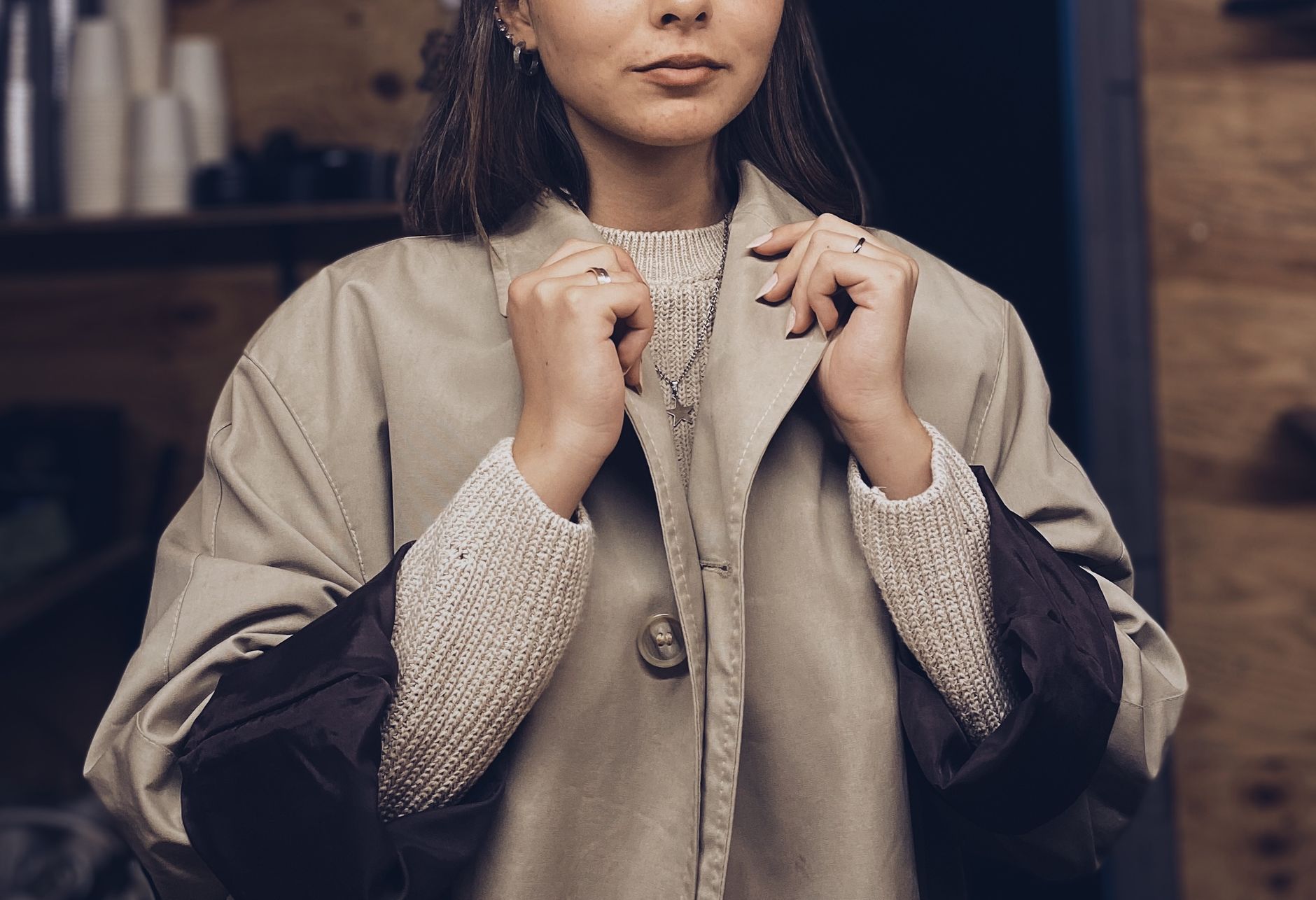
Color selection serves as a powerful tool in manipulating the viewer’s perception of body shape and outfit cohesiveness. Monochromatic layering—the practice of wearing different shades or textures of the same color—is widely regarded as the most efficient way to project a refined, intentional appearance. By utilizing a tonal palette (such as various shades of camel, cream, and ivory), an individual creates an unbroken visual line that is inherently elongating.
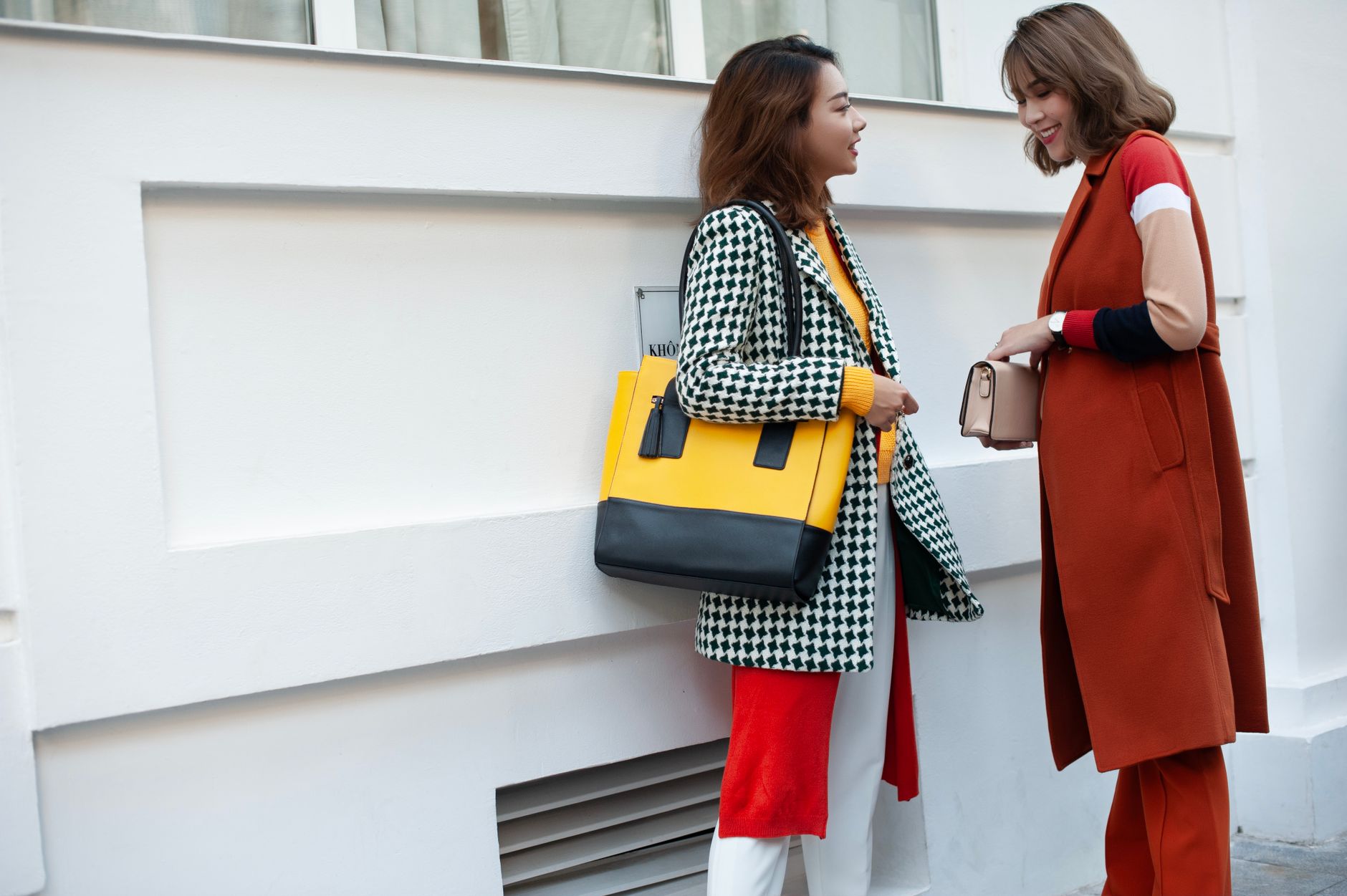
Conversely, color blocking requires a more sophisticated understanding of proportion. Because distinct color segments can visually "cut" the body into horizontal sections, this method is often perceived as riskier. Stylists recommend limiting color-blocked outfits to two primary colors to maintain harmony. For those seeking a low-risk, high-reward approach, a palette of earth tones—including olive, rust, chocolate, and taupe—provides a neutral framework where the pieces naturally complement one another without requiring precise color matching.
Managing Oversized Aesthetics Through Technical Styling
The dominance of the oversized trend in modern fashion necessitates techniques that prevent "swallowing" the frame. The "front tuck" or "half-tuck" has emerged as a standard industry recommendation for mitigating the volume of larger sweaters and shirts. By tucking only the front portion of a top into the waistband, the wearer creates a visible waistline while retaining the aesthetic benefits of the loose-fitting back.
Further professional styling techniques involve the strategic placement of layers to distribute weight. A long, oversized coat, for example, can be balanced by a fitted bodysuit and streamlined footwear. The goal is to create a "push-pull" dynamic where the structure of one piece highlights the softness of the other. As noted by The Cut, the longevity of the oversized trend is predicated on this deliberate contrast; it is the tension between structured and relaxed elements that defines a modern, sophisticated look.
The Role of Texture in Transitional Dressing
Texture provides depth to an outfit, distinguishing a high-fashion look from a purely utilitarian one. However, the placement of texture must be handled with care to avoid adding unnecessary visual weight. Smooth fabrics, such as silk, fine-gauge cotton, and thin knits, are best suited for base layers, as they sit close to the body. Heavier, airy textures—such as sherpa, chunky bouclé, or cable-knit—should be reserved for the outermost layers.
According to data from fashion retail analytics, the "ribbed-knit-under-blazer" combination remains a perennial favorite for professional environments during the autumn months. This pairing is effective because it combines the formal structure of a blazer with the tactile comfort of a ribbed knit, creating a professional look that is both warm and visually balanced.
Summary Checklist for Autumnal Layering
For those navigating the complexities of seasonal dressing, the following framework serves as a reliable guide:
- Prioritize the Base: Start with a fitted, lightweight foundation to ensure a clean silhouette.
- Implement the Proportional Rule: Ensure a balance between voluminous and fitted items.
- Utilize Tonal Color Palettes: Use monochromatic or earth-tone schemes to create visual continuity.
- Master the Tuck: Use a partial tuck to define the waistline when wearing oversized pieces.
- Strategic Texturing: Keep heavy textures to the outer layers and smooth textures to the inner layers.
- The Final Edit: Before leaving, evaluate the ensemble for unnecessary items. Often, the removal of a single redundant layer enhances the overall clarity and intention of the outfit.
The broader implications of these styling choices extend beyond mere aesthetics; they reflect a growing cultural shift toward a "capsule" mentality. By understanding how to layer effectively, consumers are better equipped to build a smaller, more versatile wardrobe that serves them throughout the changing seasons. This approach not only streamlines the morning routine but also encourages a more thoughtful engagement with one’s personal style and a reduction in the reliance on fast-fashion trends. By mastering the fundamentals of proportion, color, and texture, the challenge of transitional weather is effectively transformed into an opportunity for consistent, intentional self-expression.
Related posts: