Summer Tech Bonanza: Major Retailers Unveil "Black Friday in July" Savings on Laptops, Monitors, and PC Accessories

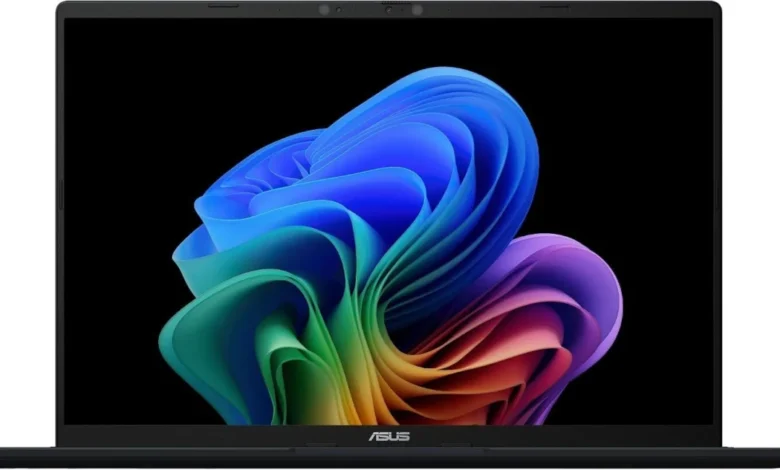
As the summer of 2026 reaches its peak, major electronics retailers Best Buy and Amazon have initiated aggressive "Black Friday in July" sales events, offering substantial discounts on a wide array of laptops, monitors, and essential PC accessories. This mid-year retail surge provides consumers with an opportune moment to upgrade their work-from-home setups, refresh aging hardware, or acquire cutting-edge peripherals at significantly reduced prices. Among the most notable offers, the Dell 14 Plus laptop, boasting an Intel Core Ultra i9 processor, 32GB of RAM, and a 1TB SSD, has seen its price slashed to $999.99 from an original $2,049.99, representing an exceptional value for a premium ultra-portable device. Similarly, the 49-inch Samsung Odyssey OLED G93SC gaming monitor, a high-performance curved ultrawide display, is available for $899.99, down from $1,299.99 at launch. Even practical accessories like the TP-Link Roam 6 travel router are seeing their lowest prices yet, making advanced technology more accessible than ever.

The Mid-Year Sales Phenomenon: "Black Friday in July" Explained
The concept of "Black Friday in July" has evolved significantly over the past decade, transforming from a nascent marketing gimmick into a crucial mid-year retail strategy. Traditionally, Black Friday marked the unofficial start of the holiday shopping season, characterized by unprecedented deals. However, in an increasingly competitive retail landscape, major players like Best Buy, closely followed by Amazon with its Prime Day events, have extended these deep discount periods to other times of the year. The primary motivation behind these summer sales is multifaceted: to clear existing inventory ahead of new product cycles typically announced in the fall, to stimulate consumer spending during a generally slower retail period, and to counter competitor events. For 2026, these sales are particularly strategic, coming after a period of sustained demand for personal computing devices driven by the enduring hybrid work model and the growing popularity of high-fidelity gaming. Retailers aim to capture consumer attention and market share by mimicking the urgency and allure of the year-end shopping frenzy.
The genesis of these mid-year sales can be traced back to the early 2010s, as retailers sought to replicate the success of Black Friday. Amazon’s Prime Day, launched in 2015, cemented the idea of a summer sales holiday, forcing other retailers to respond with their own competitive events. Best Buy’s "Black Friday in July" is a direct answer to this, offering a comprehensive suite of deals across various product categories. These events are now firmly established in the annual retail calendar, providing consumers with multiple opportunities to purchase electronics at substantial markdowns. Industry analysts suggest that these July sales are increasingly critical for meeting quarterly sales targets and maintaining a robust cash flow, especially in a year where economic forecasts remain cautiously optimistic, encouraging consumers to be more discerning with their discretionary spending.

Deep Dive into Laptop Deals: Power, Portability, and AI Integration
The current sales event highlights a clear trend in the laptop market: the democratization of high-performance computing and the rapid integration of artificial intelligence (AI) capabilities. The Dell 14 Plus, with its Intel Core Ultra i9 processor, 32GB of RAM, and a 1TB SSD, exemplifies this. The Intel Core Ultra series, launched in late 2024 and early 2025, represents a significant leap in mobile processing, particularly with its dedicated Neural Processing Unit (NPU) designed for AI workloads. This allows for enhanced performance in tasks ranging from complex data analysis to advanced image and video editing, all while improving power efficiency. A 32GB RAM configuration is a professional-grade standard, ensuring seamless multitasking and robust performance for demanding applications, while a 1TB SSD offers ample high-speed storage. The discount of over $1,000 on this model makes it an unprecedented opportunity for users seeking a future-proof, high-end portable workstation.
Beyond Dell, the sale encompasses a broad spectrum of laptops catering to diverse user needs and budgets:

- ASUS Vivobook (Qualcomm UMA/16GB/512GB): Priced at $660.00 (down from $799.99), this model likely features a Qualcomm Snapdragon X series processor, signaling the emergence of ARM-based PCs with strong AI capabilities and extended battery life, often marketed as "Copilot+ PCs." This platform offers a compelling alternative to traditional Intel/AMD architectures, particularly for users prioritizing portability and efficiency.
- Microsoft Surface Snapdragon X Plus (512GB SSD, 16GB RAM, 13.8" Touch): Available for $1,099.99 (originally $1,499.99), this Surface device further underscores Microsoft’s commitment to the Snapdragon X platform and AI integration, offering a sleek, touch-enabled experience ideal for creative professionals and mobile users.
- Asus Vivobook 17 Intel 7 (1TB SSD, 16GB RAM, 17.3"): Discounted to $869.99 (from $1,099.99), this larger Vivobook caters to users who prefer a more expansive screen real estate for productivity or entertainment, featuring a capable Intel Core i7 processor.
- HP OmniBook 5 Snapdragon X (512GB SSD, 16GB RAM, 16"): At $809.99 (reduced from $1,099.99), this HP offering also leverages the Snapdragon X platform, positioning itself as a strong contender in the AI PC segment with a generous 16-inch display.
- HP OmniBook X Flip 2-in-1 (Intel Core Ultra 7, 16" 2K Touchscreen, 1TB SSD): Marked down to $749.99 (from $1,199.99) at Best Buy, this convertible laptop provides flexibility, combining tablet and laptop functionalities, powered by Intel’s AI-ready processors.
- HP OmniBook X Flip 2-in-1 (AMD Ryzen AI 5 430, 16" 2K OLED Touchscreen, 512GB SSD): Also at $749.99 (a significant saving from $1,329.99), this variant showcases AMD’s entry into the AI PC market with its Ryzen AI processors, offering a vibrant OLED display for superior visuals.
- Samsung Galaxy Book4 Edge (Snapdragon X, 15.6" LED, 16GB Memory, 512GB Storage): A remarkable deal at $499.99 (half its original $999.99 price), this Samsung laptop is another example of the widespread adoption of Snapdragon X and the "Copilot+ PC" designation, providing a powerful yet affordable option for mobile productivity.
- HP OmniBook 5 Laptop Next Gen AI 16z-bp000, 16": Available at HP for $649.99 (from $1,299.99), this model reiterates HP’s commitment to next-generation AI-powered devices, offering significant savings for those seeking advanced capabilities.
- Dell 15 Laptop (AMD Ryzen processors): Priced at $599.99 (down from $999.99), this 15-inch Dell laptop provides a solid, value-oriented option for everyday computing, equipped with AMD Ryzen processors for reliable performance.
The proliferation of "Copilot+ PC" models across multiple brands is a clear indicator of the industry’s strategic pivot towards AI-enhanced computing. These machines are optimized to run Microsoft’s Copilot AI assistant efficiently, offering features like advanced search, content generation, and system optimization directly on the device, rather than relying solely on cloud processing. This trend signifies a new era of personal computing, where AI is not just an add-on but a fundamental component of the user experience.
Elevating Visual Experiences: The Allure of Advanced Monitors
For both gamers and professionals, the quality of a monitor is paramount. The 49-inch Samsung Odyssey OLED G93SC is a standout offering in the current sale, priced at $899.99, a $400 reduction from its launch price. This monitor boasts a curved ultrawide OLED panel, which delivers unparalleled contrast, true blacks, and vibrant colors that far surpass traditional LCD screens. The 240Hz refresh rate and 1ms response time are critical specifications for competitive gaming, ensuring buttery-smooth visuals and minimal input lag. However, its ultrawide format also offers immense benefits for productivity, allowing users to effectively have two or three conventional monitors consolidated into one seamless display, ideal for complex spreadsheets, multi-application workflows, or extensive coding environments.

The market for high-performance monitors has seen continuous innovation, with OLED technology becoming increasingly accessible. The G93SC’s price point during this sale makes it a compelling upgrade for users looking to invest in a premium visual experience without the full premium cost. The ergonomic advantages of a curved screen, reducing eye strain and providing an immersive field of view, further enhance its appeal for prolonged use. This deal reflects the broader trend of manufacturers pushing advanced display technologies to a wider consumer base, recognizing the demand for both immersive entertainment and enhanced productivity tools.
Essential Peripherals and Connectivity Solutions
Beyond core hardware, essential accessories often provide the final touch to a seamless tech ecosystem. The TP-Link Roam 6 travel router, now available for $49.99 (down from $59.99), highlights a crucial yet often overlooked need for modern connectivity. In an age of ubiquitous digital nomads, frequent business travelers, and vacationers, reliable and secure internet access is non-negotiable. The Roam 6 addresses common frustrations such as unreliable hotel Wi-Fi, restrictive device limits imposed by public networks, or the inherent security risks of connecting to untrusted public hotspots. By creating a personal, secure Wi-Fi network from any wired or wireless connection, it ensures consistent performance and protects user data. This deal, marking the lowest price for the Roam 6, underscores the growing demand for portable and robust networking solutions.

While the article specifically highlights the travel router, the broader category of PC accessories often sees significant discounts during these sales. This can include ergonomic keyboards and mice, high-resolution webcams for video conferencing, external storage drives, and various adapters and hubs necessary for connecting multiple devices. These peripherals, though sometimes seen as minor, play a crucial role in enhancing user experience and productivity, especially in hybrid work environments where seamless transitions between office and home setups are vital.
Industry Reactions and Analyst Insights
Retailers like Best Buy and Amazon have likely seen robust initial uptake for their "Black Friday in July" promotions. Public statements from company executives, if available, would typically emphasize strong consumer engagement and the success of these events in driving traffic both online and in physical stores. For instance, a Best Buy spokesperson might highlight how the promotion aligns with their strategy to provide value and access to cutting-edge technology throughout the year, not just during the traditional holiday season. Amazon would likely point to the continued strength of its Prime membership program, which often underpins its major sales events.

Industry analysts, observing these trends, would likely issue reports detailing the competitive dynamics between major retailers, the performance of specific product categories, and the overall health of the consumer electronics market. They might note that the strategic timing of these July sales, positioned between the first half of the year and the crucial back-to-school and holiday seasons, allows manufacturers to offload older inventory while simultaneously creating demand for newer models featuring the latest advancements, such as AI processors. The aggressive pricing seen on high-end components like the Intel Core Ultra i9 and Snapdragon X series indicates manufacturers are eager to push these next-generation technologies into consumers’ hands, accelerating adoption rates. Furthermore, these mid-year sales often serve as a bellwether for consumer confidence and discretionary spending, providing valuable insights into broader economic trends.
Broader Implications for Consumers and the Tech Market
The "Black Friday in July" sales event carries significant implications for both consumers and the wider technology market. For consumers, these promotions represent an unparalleled opportunity to acquire high-performance computing equipment that might otherwise be out of budget. The substantial discounts on laptops with advanced processors and generous memory configurations make professional-grade tools accessible to a broader audience, fostering productivity and innovation. Similarly, the reduced price of cutting-edge monitors means that immersive visual experiences are no longer exclusively for high-end enthusiasts. This accessibility can accelerate the upgrade cycle for many users, ensuring they benefit from the latest technological advancements.

From an industry perspective, these mid-year sales events reinforce the highly competitive nature of electronics retail. The need for continuous innovation and aggressive pricing strategies is paramount for maintaining market share. The strong emphasis on AI-enabled PCs in these sales also signals a definitive shift in the industry’s focus. Manufacturers are clearly investing heavily in AI capabilities, and these sales are a mechanism to rapidly introduce these features to the mainstream. The success of "Black Friday in July" indicates that consumers are responsive to these value propositions, suggesting a healthy appetite for new technology, even amidst broader economic uncertainties. As technology continues to evolve at a rapid pace, these strategic sales events play a critical role in driving adoption, managing inventory, and shaping consumer expectations for value and performance.
In conclusion, the "Black Friday in July" sales from Best Buy and Amazon in 2026 are more than just a seasonal shopping event; they are a clear indicator of the dynamic forces shaping the consumer electronics market. With unprecedented discounts on powerful laptops, advanced monitors, and essential accessories, these sales empower consumers to embrace the future of computing, particularly with the widespread integration of AI. For retailers and manufacturers, these events are crucial for strategic positioning, inventory management, and accelerating the adoption of next-generation technologies.