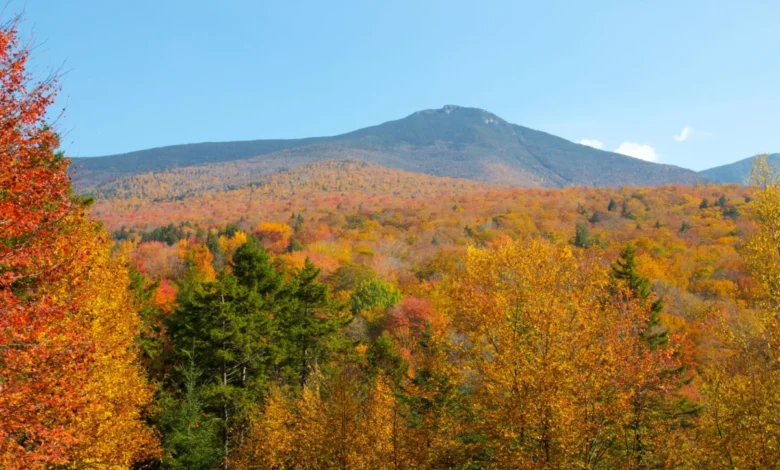
The autumnal season represents a significant shift in the domestic tourism landscape, characterized by a marked transition from the high-density travel periods of summer to the more temperate, cost-effective shoulder season. While popular destinations like Vermont or Asheville, North Carolina, often experience a surge in demand—leading to inflated lodging costs and infrastructure strain—travel data suggests that mid-tier American cities offer comparable aesthetic and cultural value at a fraction of the cost. Following Labor Day, domestic hotel occupancy rates typically decline by 20% to 30%, creating an opportunity for budget-conscious travelers to leverage reduced pricing without sacrificing the atmospheric benefits of the season.
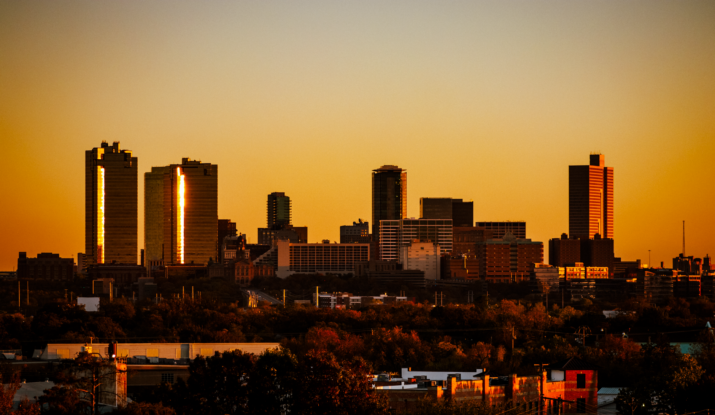
The Economics of Shoulder-Season Travel
The logistical advantages of traveling in October are supported by macroeconomic trends in the hospitality industry. According to industry reports, travel demand consistently dips in the weeks following the start of the academic year. During this window, hoteliers in secondary markets are incentivized to lower nightly rates to sustain occupancy, often resulting in competitive pricing for mid-week stays.
Beyond lodging, the fiscal benefit extends to transportation. Airline capacity often remains high while passenger volume decreases, leading to a stabilization in airfare. For the prudent traveler, this creates an environment where the "leaf-peeping" experience—traditionally associated with high-premium tourist hubs—can be replicated in emerging destinations where the infrastructure remains underutilized and the local economy benefits from sustained, non-peak visitation.

Pacific Northwest: Coastal and Viticultural Alternatives
In the Pacific Northwest, Astoria, Oregon, provides a case study in how small-scale urban development can anchor a regional tourism strategy. As the oldest American settlement west of the Rockies, the city benefits from a unique historical profile. Its architectural integrity, defined by 19th-century Victorian structures, serves as a natural draw during the fall, when the Columbia River basin experiences a cooling effect that enhances the region’s moody, coastal climate.
Similarly, Walla Walla, Washington, represents a significant development in the domestic wine tourism sector. While the Willamette Valley is the established standard, Walla Walla has emerged as a high-value alternative. With over 100 wineries within a concentrated geographic radius, the region’s harvest season, which spans October and November, provides a comprehensive agricultural experience. Industry observers note that the lack of institutionalized "bachelorette party" infrastructure in Walla Walla allows for a more focused, educational tasting environment, where producers often waive tasting fees as a gesture of brand engagement.
The Midwest: Historic Preservation and Ecological Tourism
The Midwestern United States continues to demonstrate its potential as a hub for cultural and ecological tourism. Galena, Illinois, provides an example of successful historical preservation. Situated in the Driftless Area, the city’s topography—characterized by rolling, unglaciated hills—offers a vibrant display of autumn foliage that rival those of the Appalachian corridor. With over 85% of its structures listed on the National Register of Historic Places, Galena’s economic model relies on the integration of heritage tourism with local hospitality.
In Minnesota, the city of Duluth has transitioned from its industrial roots toward a diversified economy that includes a robust outdoor recreation sector. The Superior Hiking Trail, which spans hundreds of miles along the North Shore, serves as a primary asset for the city’s fall tourism. Fact-based analysis indicates that Duluth’s peak foliage window, which typically occurs in early to mid-October, aligns with the shoulder-season price drop, allowing for a high-value experience that combines wilderness access with urban culinary amenities.

Southern and Southeastern Regional Dynamics
The Southeast offers a different climate profile for the autumn traveler, characterized by longer, milder seasons. Dahlonega, Georgia, occupies a strategic position in the North Georgia mountains. Historically significant due to the first major U.S. gold rush in 1828, the town has since repositioned itself as a viticultural center. By leveraging the proximity of the Chattahoochee National Forest, Dahlonega has created a sustainable tourism model that peaks in October.
Chattanooga, Tennessee, presents a more complex urban narrative. The city has undergone extensive revitalization over the past two decades, focusing on the rehabilitation of its riverfront and the development of mountain-based outdoor activities such as climbing and hiking. Economic data suggests that Chattanooga remains a competitive alternative to Nashville, providing a similar density of cultural activities and dining options at a lower average daily cost for accommodation. The city’s geography, situated in a valley, creates a microclimate that remains comfortable for outdoor activity well into November, extending the tourist season beyond that of northern locations.
Northeast: Strategic Alternatives to High-Density Hubs
The Northeast remains the most heavily visited region for autumn foliage, yet a shift is occurring toward smaller, decentralized markets. Hudson, New York, exemplifies the growth of the creative economy in upstate New York. By revitalizing its downtown historic district, the city has attracted a demographic that values art, antique curation, and farm-to-table dining.
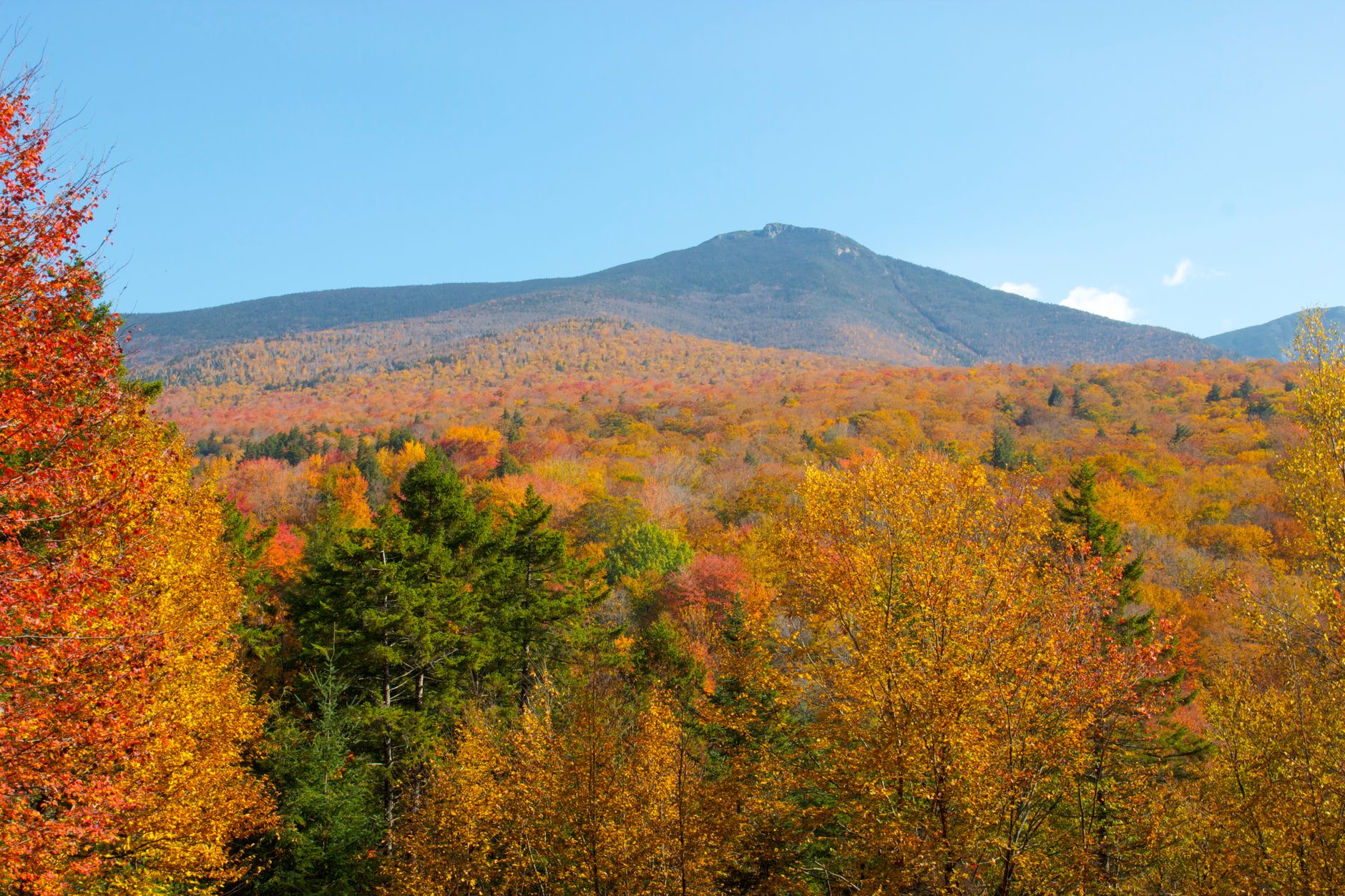
Brattleboro, Vermont, serves as an alternative to the highly commodified tourism hubs of central Vermont. By focusing on its identity as an arts-oriented community rather than a resort town, Brattleboro maintains an authentic character that appeals to travelers seeking the traditional New England foliage experience without the overcrowding associated with more famous destinations.
Strategic Planning for the Budget-Conscious Traveler
To maximize the economic benefits of off-peak travel, experts recommend the following strategies:
- Mid-Week Scheduling: Booking travel between Tuesday and Thursday can reduce lodging costs by an additional 10–15% compared to weekend rates, as demand for city-center hotels is predominantly leisure-driven during the weekend.
- Strategic Timing: Foliage tracking reports should be consulted to align travel dates with the specific peak of the destination’s deciduous trees, which generally occurs in the second and third weeks of October for most of the northern U.S.
- Local Sourcing: Utilizing independent, locally owned dining establishments rather than chain-affiliated restaurants often leads to a more authentic experience at a lower price point, while simultaneously supporting the local tax base.
- Flexible Itineraries: Allowing for weather-dependent adjustments in regions like the Pacific Northwest or the Midwest can prevent lost value if outdoor activities are hampered by early season precipitation.
Broader Impact and Future Outlook
The trend toward "secondary" city tourism is having a measurable impact on local economies. By spreading visitor density away from primary hubs, these cities are able to invest in infrastructure and preservation without the rapid gentrification often seen in high-traffic tourist destinations. Furthermore, the diversification of the travel industry—where smaller municipalities are gaining visibility through digital platforms—suggests that the reliance on "classic" tourist destinations may continue to wane.

For the modern traveler, the implication is clear: the ability to access high-quality, seasonal experiences is no longer tied to the most advertised locations. By identifying destinations that offer a balance of environmental beauty, historical significance, and cost-effective infrastructure, travelers can maintain a higher standard of living while on the road. As these regions continue to refine their tourism offerings, the window of opportunity to enjoy them before they reach a saturation point remains open, provided that travelers prioritize planning and strategic timing. The shift toward these under-the-radar cities is not merely a cost-saving measure; it is a shift toward a more sustainable and immersive mode of domestic travel.