Rebuilding the American Dream: Philanthropic Commitments and Guaranteed Minimum Income Initiatives at Cooper Union

The historic Great Hall at Cooper Union in New York City recently served as the backdrop for a significant public discourse addressing the contemporary state and future viability of the American Dream. Joined by Lieutenant Colonel Alexander Vindman, speakers and civic organizers gathered to evaluate systemic economic disparities, the erosion of foundational opportunities, and actionable pathways forward. Central to the proceedings was a comprehensive critique of modern wealth concentration, coupled with an ambitious philanthropic pledge aimed at restructuring social safety nets through Guaranteed Minimum Income (GMI) pilot programs and targeted infrastructure investments.

Historical Context and Wealth Concentration in the Second Gilded Age
The dialogue centered heavily on the unprecedented level of wealth accumulation currently observed in the United States, a phenomenon economists and historians increasingly classify as the Second Gilded Age. Drawing parallels to the late nineteenth century—an era marked by rapid industrialization, acute labor strife, such as the 1892 Homestead Strike, and a severe imbalance between corporate profits and worker welfare—analysts highlighted the modern widening gap between socioeconomic classes.
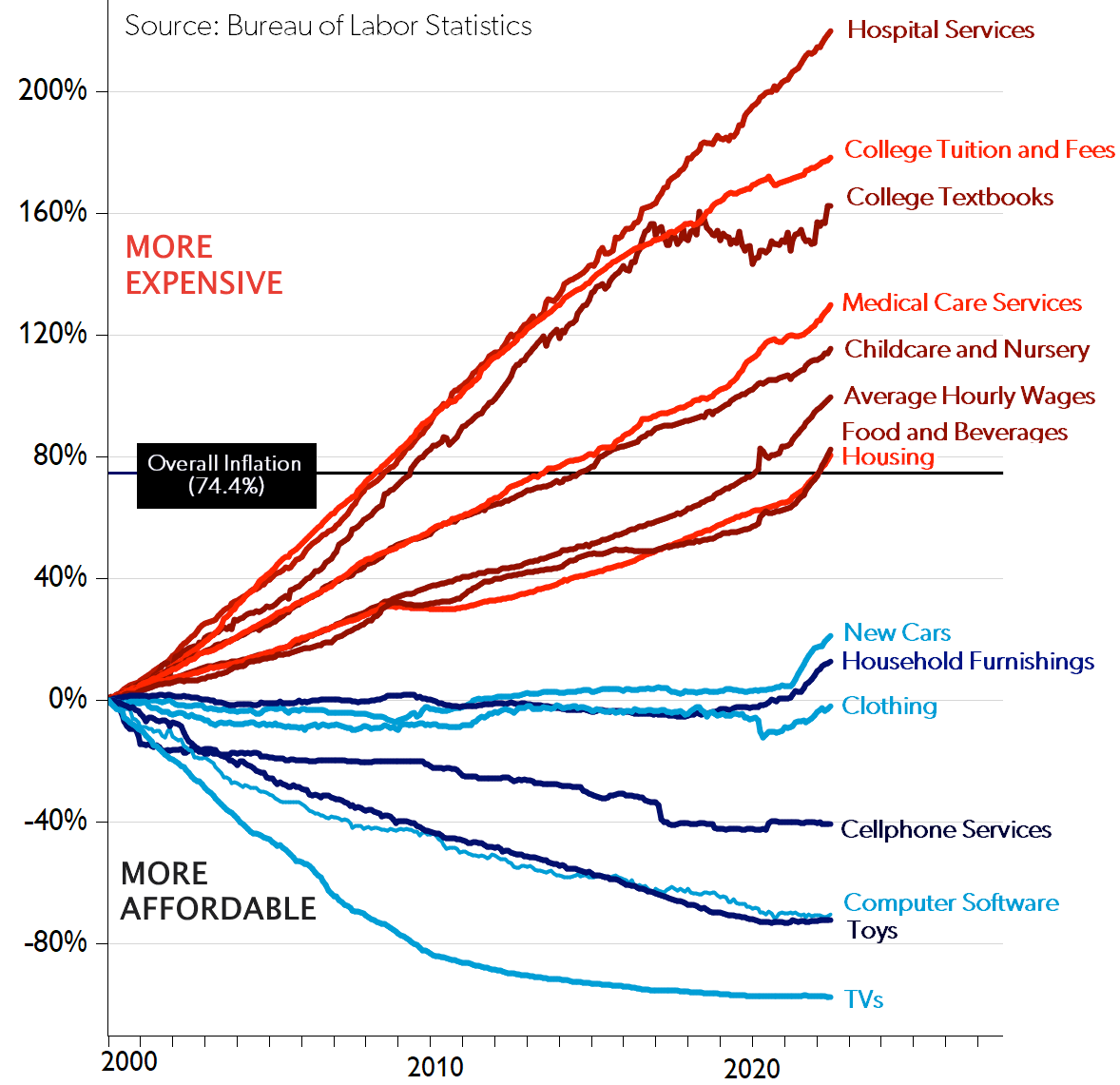
According to federal and independent economic data referenced during the address, wealth disparity has reached historic highs. As of recent metrics from the Federal Reserve and academic institutions, the top one percent of households control approximately 32 percent of all national wealth, while the bottom fifty percent retain roughly 2.6 percent. This stark imbalance has created systemic barriers, effectively trapping significant segments of the population in cycles of generational poverty. Escalating costs associated with higher education, accessible healthcare, and affordable housing prevent many Americans from achieving foundational stability, thereby transforming the traditional pursuit of happiness into an exhaustive daily struggle for survival.

The Evolution of Guaranteed Minimum Income
To address these systemic economic bottlenecks, proponents of structural reform have increasingly turned toward Guaranteed Minimum Income (GMI) and Universal Basic Income (UBI) frameworks. Rather than relying solely on traditional, highly bureaucratic social welfare programs, GMI models seek to provide direct, unconditional cash disbursements to individuals and families living in economically depressed regions, thereby restoring baseline financial security and consumer agency.
The conceptual roots of guaranteed income trace back centuries in American political and economic thought:
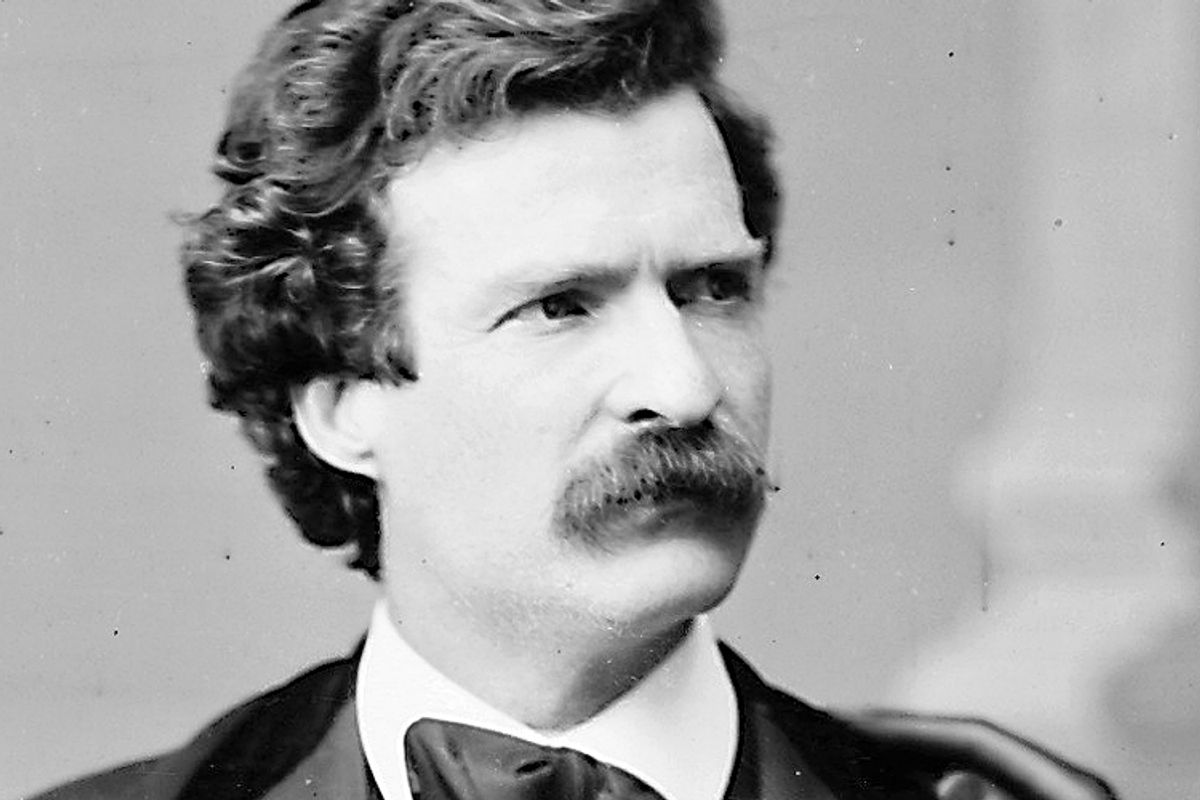
- 1797: Founding era statesman Thomas Paine proposed a foundational retirement pension funded through estate taxes to support citizens entering old age.
- 1935: Amid the profound economic devastation of the Great Depression, President Franklin D. Roosevelt signed the Social Security Act into law, successfully reducing senior citizen poverty rates from historical highs down to roughly ten percent.
- 1967: Civil rights leader Dr. Martin Luther King Jr., in his book Where Do We Go from Here: Chaos or Community?, advocated explicitly for direct cash disbursements as the most direct mechanism to eradicate systemic poverty.
- 1972: The federal government established the Supplemental Security Income (SSI) program, extending direct financial aid to low-income elderly, blind, and disabled individuals.
- 1975: Congress enacted the Earned Income Tax Credit (EITC), which remains one of the nation’s most effective anti-poverty measures, lifting millions of working-class families and children out of poverty annually.
- 2019: Stockton, California Mayor Michael Tubbs launched the Stockton Economic Empowerment Demonstration (SEED), providing unconditional monthly cash payments to residents and demonstrating measurable improvements in financial stability and full-time employment.
Philanthropic Commitments and Strategic Partnerships
Aligning with these historical precedents, significant financial resources are being mobilized to launch new, rigorously studied GMI initiatives targeted specifically at rural American communities. Rural areas frequently exhibit higher persistent poverty rates, diminished job growth, and restricted access to educational and medical infrastructure compared to metropolitan centers. Counties within the Mississippi Delta, the broader Appalachian region, and specific American Indian reservations continue to record poverty rates exceeding 30 to 50 percent.
To test the efficacy of direct intervention, philanthropic commitments totaling tens of millions of dollars have been directed toward immediate non-profit support and long-term infrastructural studies. Immediate funding allocations have supported organizations specializing in disaster relief, hunger alleviation, legal defense, civil liberties, open-source software maintenance, and independent digital journalism.
Furthermore, upcoming empirical studies will be executed in close collaboration with established research organizations, including GiveDirectly—which has overseen extensive domestic cash-transfer evaluations—and OpenResearch, the organization behind the largest unconditional cash study conducted to date. These initiatives intend to partner with local institutions, community colleges, civic associations, and veteran-serving networks to enroll participants voluntarily. By leveraging the leadership skills of military veterans and the infrastructure of local community groups, the programs aim to measure key socioeconomic indicators, including entrepreneurship, educational attainment, health outcomes, and civic engagement.
Implications for Democratic Stability and Civic Participation
Economists and sociologists analyzing the implementation of guaranteed income emphasize that economic security serves as a fundamental prerequisite for a functioning democracy. When individuals are relieved of chronic financial distress regarding basic survival necessities such as food, shelter, and medical care, they acquire the agency required for active civic participation.
Proponents argue that targeted GMI models do not merely alleviate individual poverty; they generate positive network effects within communities. Data derived from prior unconditional cash transfer studies indicate that recipients frequently utilize supplemental funds to support extended family members and local neighbors facing acute hardship, thereby reinforcing community resilience.
As policymakers, economists, and civil rights advocates debate the future of social policy, initiatives like the newly announced rural GMI pilots represent an ongoing effort to adapt America’s foundational promises of life, liberty, and the pursuit of happiness to modern economic realities. Observers note that while the logistical and political challenges of scaling such programs remain substantial, the integration of empirical data collection with targeted philanthropic investment establishes a rigorous framework for future legislative considerations.
Related posts: