Instagram’s Move Into Long-Form Video Threatens YouTube’s Creator Economy Dominance

If content creators are asked to choose a single social media platform to amass one million followers with the ultimate goal of earning a sustainable income, the traditional answer has long been clear: YouTube. For over a decade, Google’s video giant has maintained an uncontested position as the most lucrative platform for digital creators, backed by a robust and transparent revenue-sharing model. However, a major strategic pivot by Meta-owned Instagram threatens to challenge this hegemony. By dipping its toes back into long-form video content—a space it previously abandoned—Instagram is positioning itself to capture a larger share of the creator economy, provided it can successfully overhaul its monetization infrastructure.
The Shift Toward Long-Form Content
In a significant departure from the short-form video trend that has dominated internet culture throughout the 2020s, Instagram announced a public test of a new video upload feature. This capability allows creators to publish "Features," which are videos spanning up to 90 minutes in length. For years, major technology companies—ranging from TikTok and Instagram to unexpected players like LinkedIn—have aggressively prioritized short, vertical video formats designed to maximize user engagement, algorithmic sharing, and direct messaging.
Yet, despite driving immense user engagement, short-form video has notoriously struggled to deliver direct, reliable income streams for creators. Unlike traditional television or long-form streaming platforms, short clips offer minimal real estate for ad placement. Consequently, platforms like Instagram and TikTok have historically relied on brand partnerships and sponsored content to compensate their top talent, rather than offering robust, per-view revenue-sharing programs.
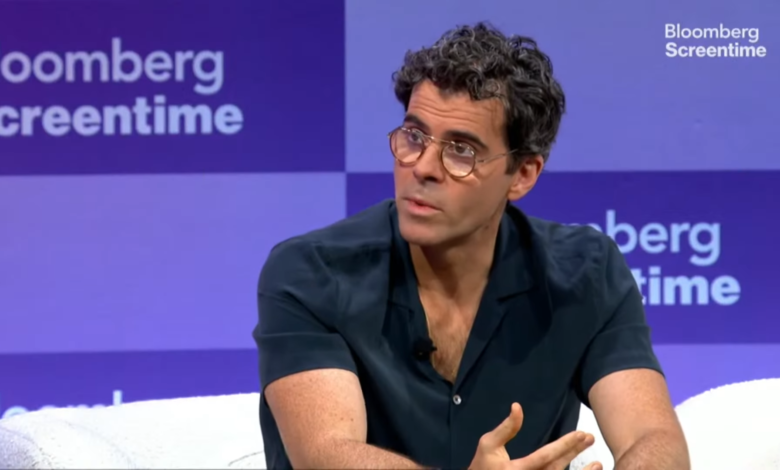
Instagram Head Adam Mosseri addressed this structural limitation during a recent appearance on the creator economy interview program, The Colin and Samir Show. Mosseri broke down the primary avenues through which creators generate revenue: direct platform payouts, fan-to-creator monetization, and brand sponsorships.
"And right now, the way that it works on Instagram primarily is you primarily get paid by brands," Mosseri explained. "Some people get paid by fans. We still have a small performance-based program, but… we spend more money than we make back by a long shot, and so it doesn’t really make sense to scale up because we’re just burning capital."
The YouTube Standard and the Monetization Gap
To understand why Instagram’s pivot matters, one must examine the gold standard of creator monetization: YouTube. The platform operates on a relatively straightforward and reliable financial engine. Creators enrolled in the YouTube Partner Program receive 55 percent of the advertising revenue generated from ads displayed on their content.
This model has injected staggering amounts of capital into the digital ecosystem. YouTube reported that it paid out more than $100 billion to creators, artists, and media companies over a four-year period ending in the mid-2020s. For professional content creators, this predictable income stream provides the financial stability required to produce high-budget, time-intensive long-form productions.
Instagram and TikTok have continually struggled to replicate this scale of direct monetization with short-form content. While Instagram offers monetization tools such as subscriber-only content and digital badges, these mechanisms remain niche and fail to match the pervasive, ad-driven revenue engine of YouTube. As a result, many digital creators utilize Instagram Reels primarily as a promotional funnel—a top-of-funnel marketing tool designed to drive traffic and subscribers back to their monetized YouTube channels.
A Historical Precedent: The Ghost of IGTV
Instagram’s current push into long-form video carries a strong sense of déjà vu for industry veterans. Nearly a decade ago, Instagram launched IGTV, a dedicated standalone app and in-app feature designed to host long-form vertical video content up to an hour in length. At the time, the company aggressively promoted the initiative as the future of mobile entertainment.
However, IGTV failed to capture mainstream creator adoption or consumer habits. Creators found the production requirements misaligned with mobile-first viewing habits, and consumers simply preferred YouTube for longer viewing sessions. Instagram ultimately sunsetted the IGTV brand and integrated its features into the main video tab before abandoning long-form aspirations altogether in favor of the hyper-successful Reels format.
Internal Debates and Strategic Reversal

Reversing a multi-year strategy requires navigating internal disagreement. Mosseri candidly admitted in a video announcement that he was historically opposed to introducing long-form video back onto Instagram.
"For a long time, I have been against doing long-form video on Instagram," Mosseri said, noting that shorter content like Reels historically drives significantly more algorithmic sharing and direct messaging among users.
However, shifting internal perspectives—led largely by Instagram Vice President of Product Tessa Lyons—helped convince leadership to give long-form content a second chance. Lyons argued that while short-form video remains crucial for discovery, audiences need a native environment to form deeper connections with creators.
"Reels is still going to be a core part of Instagram," Lyons said in the video announcement. "Pero when you want to go deeper with the creators you love and the content that they’re creating, you should be able to do that on Instagram."
Ecosystem Synergy: Features and Living Room Integration
Rather than treating long-form and short-form content as isolated formats, Instagram’s engineering and product teams are attempting to build a symbiotic ecosystem. Alongside the "Features" test, Instagram is rolling out auxiliary tools designed to bridge the gap between bite-sized clips and extended viewing.
One notable feature currently undergoing testing is "Clips as Reels." This functionality allows creators to automatically slice highlights out of their 90-minute "Features" and publish them as standard Reels. These derivative clips contain direct links pointing viewers back to the full-length video. Furthermore, Instagram is expanding its footprint into living room environments, allowing users to save longer videos to watch via the Instagram app on smart TVs.
Geographic Rollout and Initial Testing
Instagram is taking a measured approach to its latest experiment. The initial testing phase for "Features" and "Clips as Reels" is currently localized to Brazil—a key market known for high social media adoption rates—before expanding to a limited test group in the United States. Concurrently, the platform is overhauling discovery features for Live video and developing a profile hub for episodic content, mirroring the playlist systems utilized by competitors like TikTok.
Implications for the Creator Economy
The ultimate question facing the industry is whether Meta intends to introduce comprehensive, ad-based revenue-sharing models to rival the YouTube Partner Program. When pressed on long-term monetization plans, a Meta spokesperson offered a cautious response.
"It’s too early to share a long-term monetization model, but we’re exploring ways for creators to earn from brands, fans, and Instagram, including performance-based incentives," the spokesperson stated. "Over time, we think there will be compounding benefits for creators to tell new stories, reach new audiences, and find new partners, which should lead to many monetization opportunities."
While the statement stops short of promising a direct revenue split akin to YouTube’s, it signals that Meta is actively evaluating the economics of long-form video. If Meta decides to leverage its immense advertising infrastructure to directly compensate creators for views on 90-minute "Features," the financial math of the creator economy could shift dramatically.
For creators who have long felt economically tethered to Google’s ecosystem despite maintaining massive followings across Meta properties, Instagram’s pivot represents an intriguing development. If executed correctly, creators may soon have a viable, multi-format alternative to YouTube—one that allows them to keep their audiences engaged within a single application from a 15-second clip to a 90-minute feature film.