The Best Travel Experiences Are Often Free: A Strategic Guide to Urban Exploration

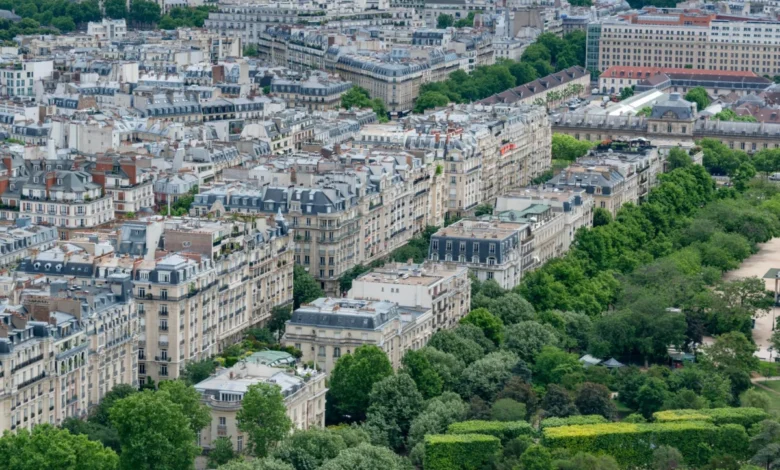
Modern tourism is frequently defined by the accumulation of paid experiences, from high-priced observation decks to exclusive guided excursions. However, a growing body of data and travel industry analysis suggests that the most authentic interactions with a new destination—those that provide deep cultural immersion and a genuine understanding of local life—frequently occur outside the traditional commercial framework. By pivoting away from ticketed attractions, travelers can significantly reduce costs while enhancing the quality of their experiences.
The Economic Shift in Cultural Tourism
The global travel landscape has undergone a significant transformation over the past decade. According to reports from the World Tourism Organization (UNWTO), travelers are increasingly prioritizing "experiential tourism"—a trend that favors engagement with local communities over passive consumption of historic monuments. This shift is supported by the availability of free public infrastructure that rivals, and often surpasses, private attractions in both historical significance and artistic merit.
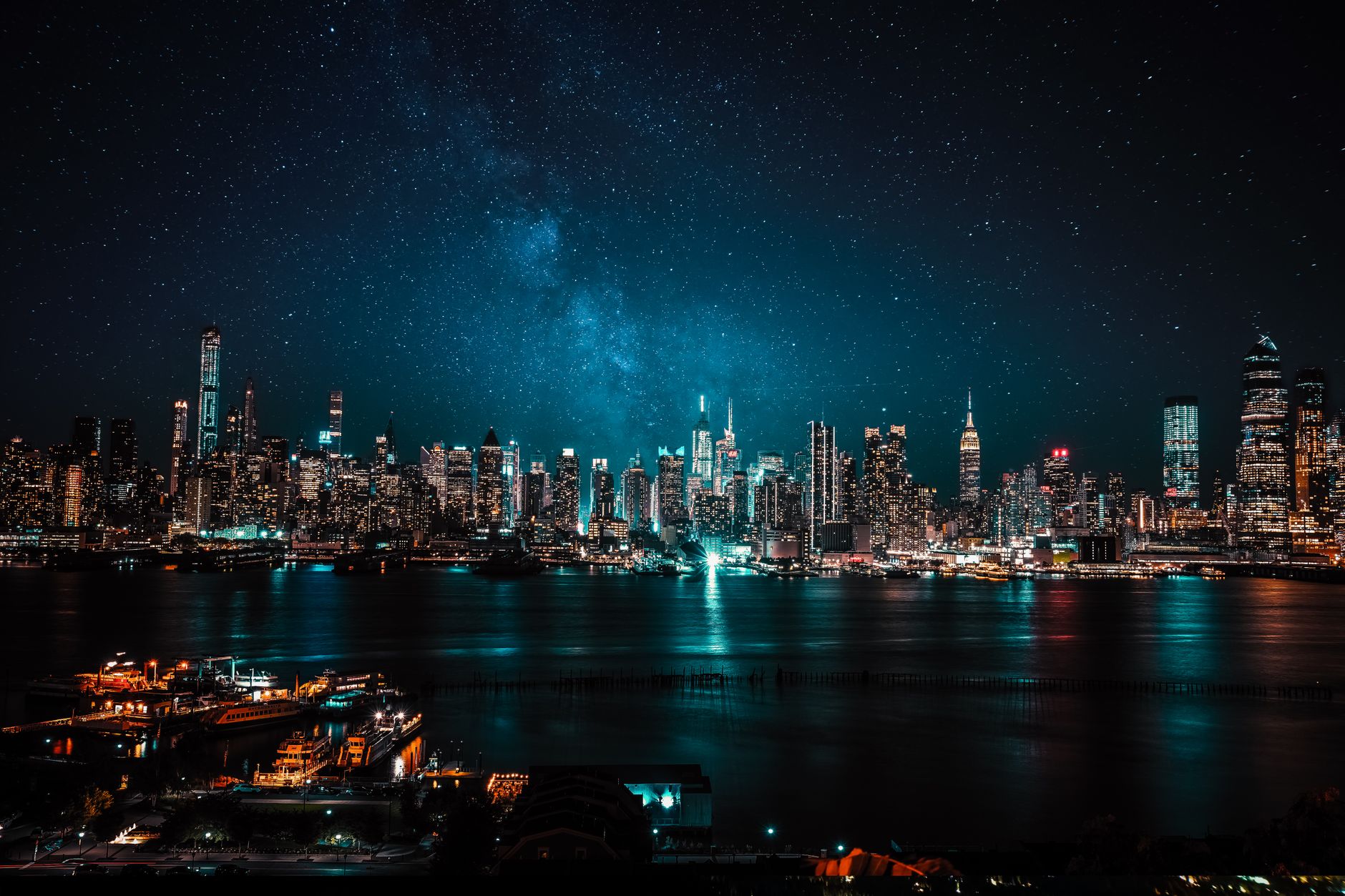
The Smithsonian Institution serves as the gold standard for this model. Established in 1846 with funds from James Smithson, the network now encompasses 19 museums, galleries, and a zoological park in Washington, D.C. By congressional mandate, these institutions remain free to the public, facilitating over 30 million visits annually. This is not a localized anomaly; globally, the trend of publicly funded cultural institutions is widespread. The British Museum in London, for instance, has operated on a free-admission model since its inception in 1753, a policy that remains a cornerstone of British cultural policy despite intermittent debates regarding funding models.
Navigating Permanent Collections vs. Temporary Exhibitions
A critical distinction for the budget-conscious traveler is the difference between permanent collections and touring "blockbuster" exhibitions. Museum administrators note that while special, high-profile exhibitions often require significant logistical investment—including insurance for high-value artifacts and international shipping costs—the permanent collections are usually subsidized by state or private endowments.
Statistical analysis of museum attendance shows that visitors often derive higher satisfaction from unhurried engagement with permanent galleries than from the crowded, time-restricted environment of temporary shows. Furthermore, permanent collections often house the most representative works of a region’s history, providing a clearer narrative of the local identity than a rotating exhibition, which may be designed primarily for international appeal.
Strategic Neighborhood Exploration
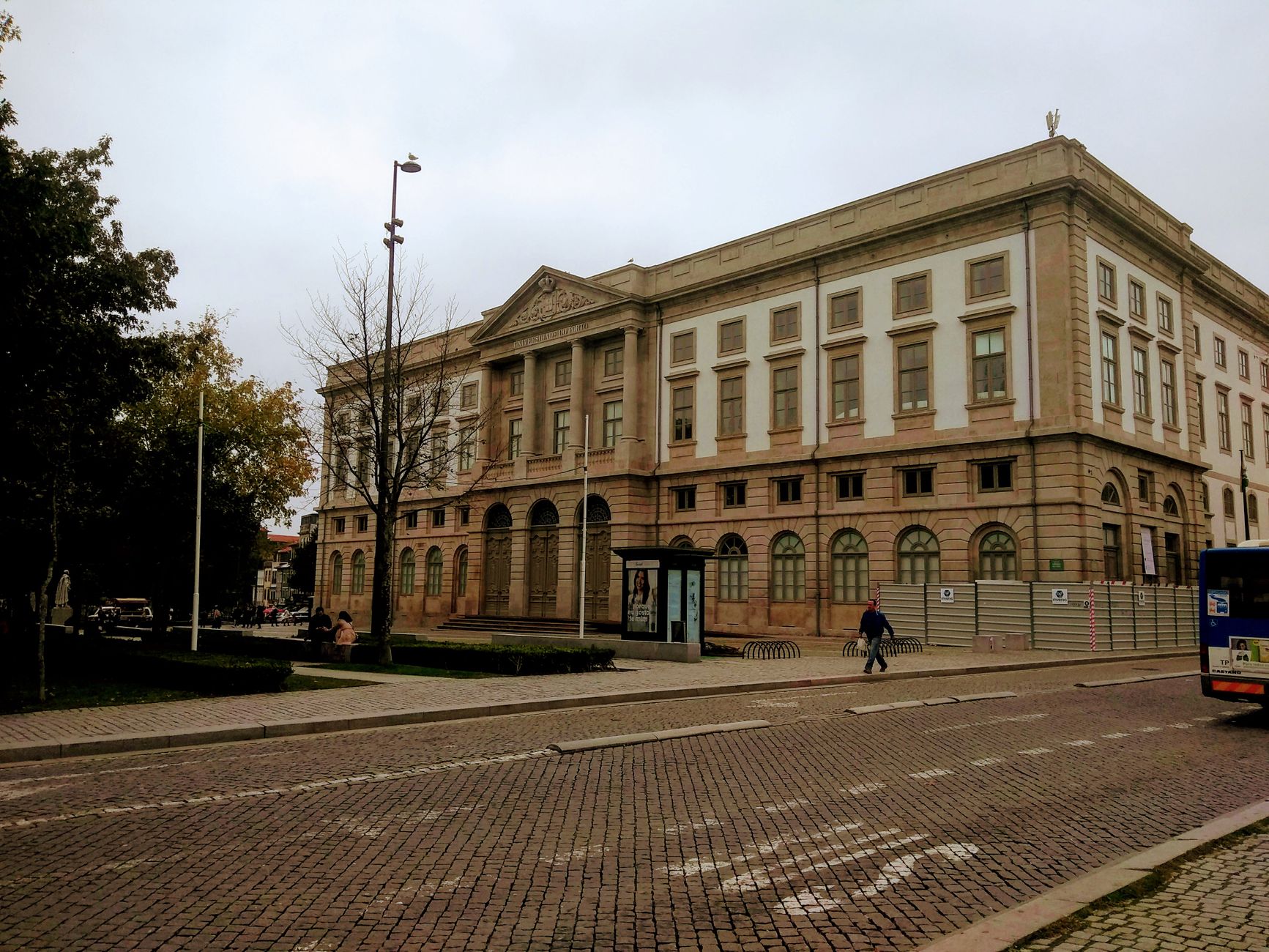
The methodology of urban exploration has also evolved. While traditional tourism models emphasize "landmark hopping"—the rapid movement between high-traffic sites—modern urban planners and tourism boards increasingly advocate for "neighborhood immersion." This approach encourages travelers to spend extended periods in single districts, allowing for incidental discoveries that are typically missed by transit-based tours.
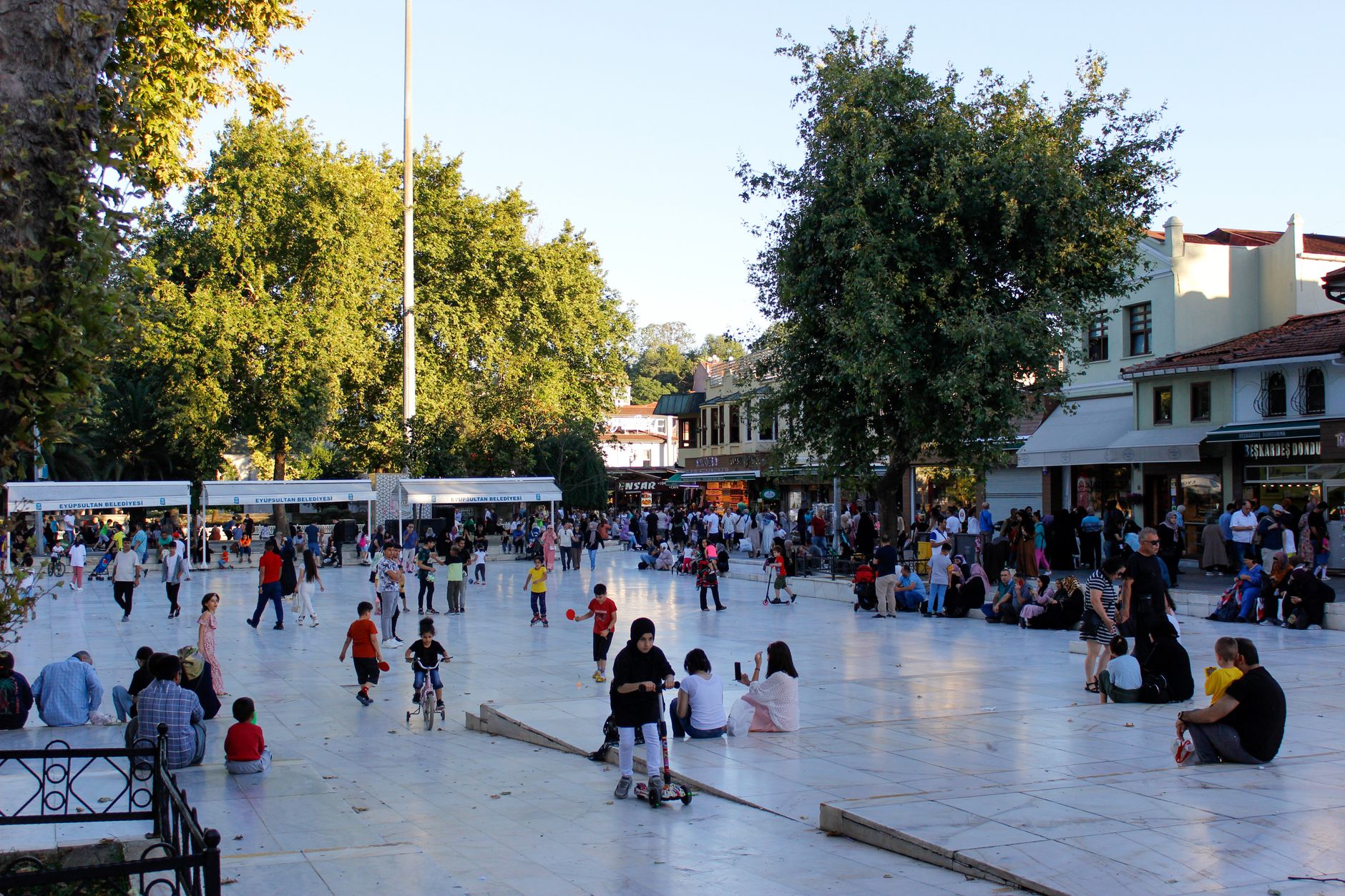
This strategy is highly effective because it shifts the traveler’s role from consumer to observer. When travelers spend an entire day in a neighborhood, they gain access to the rhythms of local life: the morning rush at a local bakery, the mid-day social dynamics of a public square, and the shift in atmosphere as the business day ends. This is supported by data from urban sociology studies, which indicate that the "walkability index" of a city is the primary driver of its economic vitality, as pedestrian traffic fosters a localized micro-economy that thrives on the presence of visitors who are not simply passing through.
The Role of Local Markets as Cultural Hubs
Public markets are perhaps the most vital, yet underrated, components of urban tourism. Whether they are farmers markets in the Pacific Northwest, night markets in Southeast Asia, or historic flea markets in European capitals, these spaces serve as the primary nodes of local commerce and social cohesion.
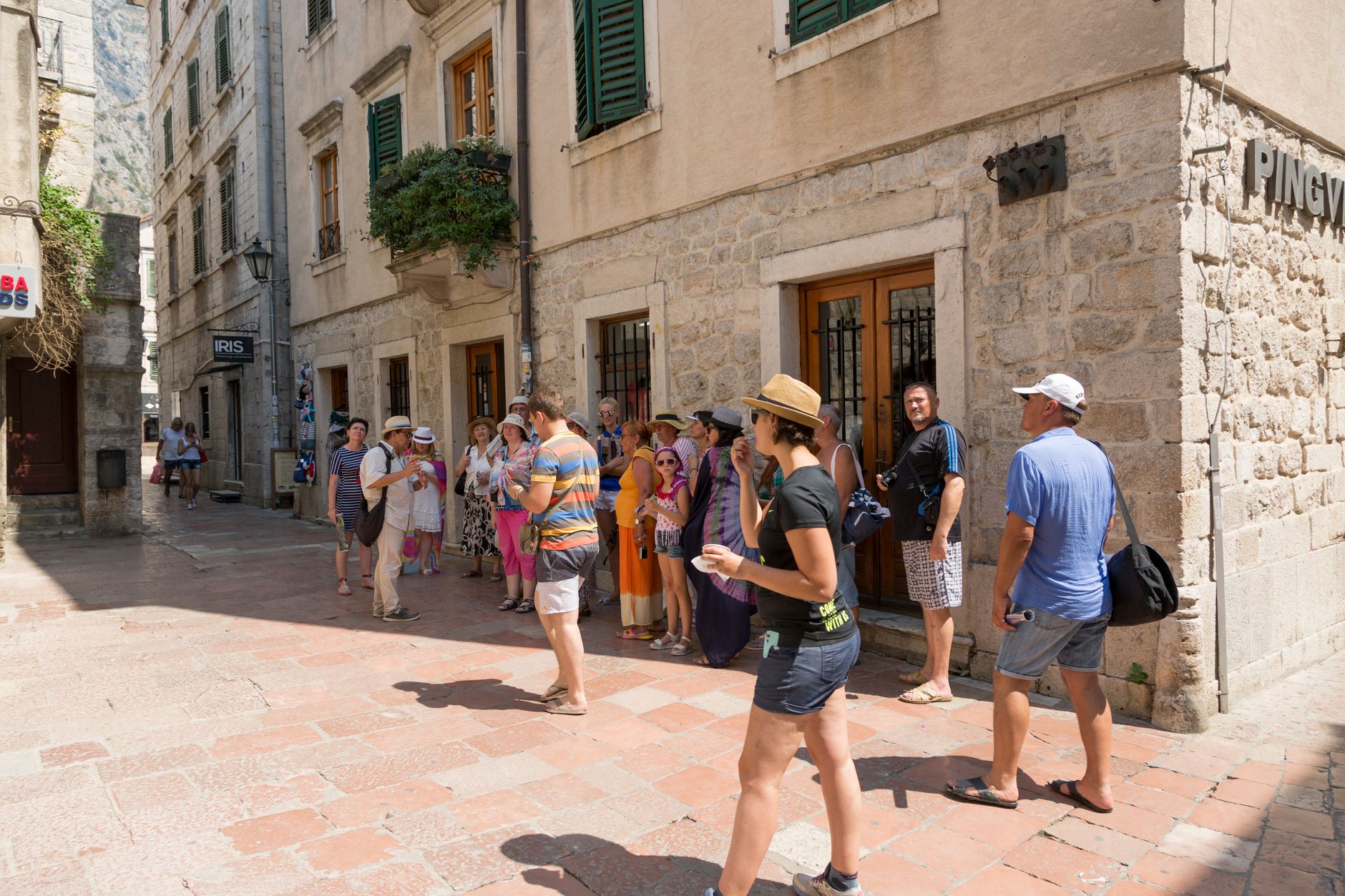
From an economic perspective, markets provide a direct look at the regional supply chain. They illustrate what a city produces, how it consumes resources, and what it values culturally. For travelers, these spaces are essentially free ethnographic studies. Experts in hospitality management suggest that a visit to a market within the first 24 hours of arrival provides a "cultural primer," giving the traveler a baseline understanding of local ingredients, pricing, and social etiquette, which then makes navigating the rest of the city significantly more efficient and comfortable.
Utilizing Public Infrastructure and Topography
Urban planning often includes the development of public spaces—parks, waterfronts, and elevated walkways—that are designed to enhance the livability of the city for residents, yet they remain underutilized by tourists. Notable examples include the High Line in New York City, an adaptive reuse project that turned an abandoned rail line into a public park. Such projects have been shown to increase property values and tourism revenue without requiring direct entry fees, proving that the best infrastructure for tourists is the same infrastructure that serves the local population.
The National Park Service (NPS) in the United States and similar agencies globally manage vast swaths of land that are frequently overlooked by city-bound travelers. These sites are not merely places for recreation; they are sites of historical record. The cost of maintaining these public assets is covered by tax revenue, meaning that the barrier to entry is zero for the public. Failing to include these sites in a travel itinerary ignores a significant portion of a destination’s historical and environmental context.
The Rise of Digital Tools for Budgeting
The digital age has democratized the process of travel research, allowing for more precise planning. Platforms such as Eventbrite, Meetup, and local government municipal calendars provide real-time data on free events—including outdoor concerts, community festivals, and public lectures—that were once inaccessible to outsiders.
The logistical workflow for a successful, low-cost trip involves three key phases:
- Pre-Departure Mapping: Identifying the city’s major public infrastructure (parks, museums, walking paths) using official tourism board websites rather than private booking aggregators.
- Temporal Alignment: Researching the specific days of the week when museums waive fees or when markets are most active.
- The "No-Spend" Day: Integrating a day into the itinerary where the goal is to traverse a specific geographic sector on foot. This practice removes the pressure of the "sunk cost fallacy," where travelers feel compelled to visit expensive sites simply because they paid for a ticket, even if the experience is lackluster.
Implications and Broader Impact
The adoption of a "no-spend" or low-spend travel strategy has significant implications for both the individual and the destination. For the traveler, it fosters a more resilient and adaptable travel style. By relying on free public resources, the traveler becomes less dependent on the volatility of the tourism industry, such as fluctuating ticket prices or sold-out attractions.
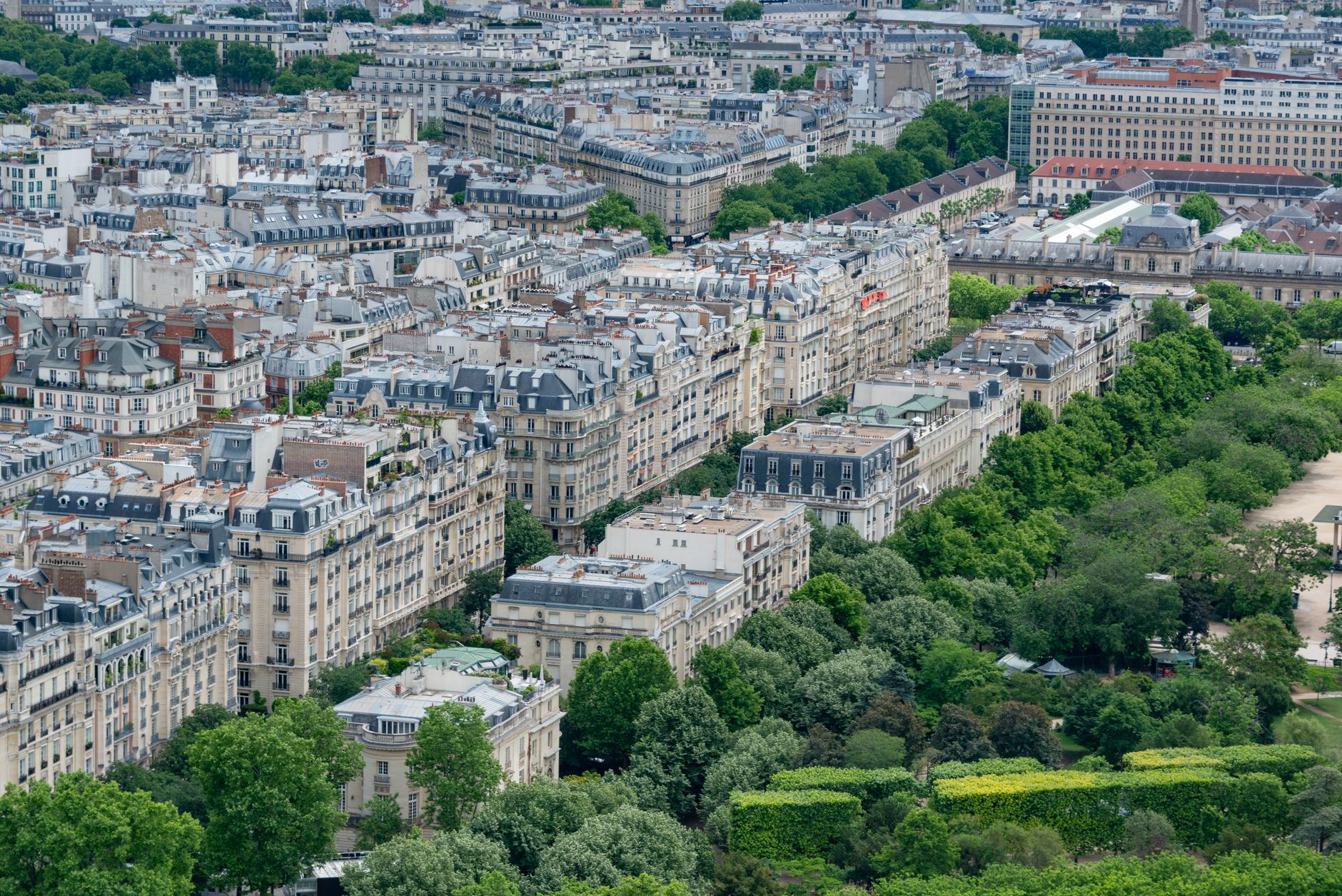
For the destination, this approach promotes sustainable tourism. High-density tourist attractions often face significant infrastructure strain, leading to the erosion of the very assets they intend to display. By encouraging visitors to spread out across different neighborhoods and utilize free public spaces, cities can better manage the flow of people, reduce the burden on popular landmarks, and ensure that the economic benefits of tourism are distributed more evenly throughout the local economy.
Ultimately, the most profound travel experiences are not those that can be purchased. They are the result of curiosity, careful planning, and a willingness to engage with a city on its own terms. By leveraging the free cultural and public assets that define a destination, travelers can achieve a deeper, more sustainable, and ultimately more memorable connection to the places they visit. As the travel industry continues to recover and evolve, the emphasis on accessible, community-focused exploration will likely remain a hallmark of the informed, modern traveler.