From Startup Consultant to Retail Powerhouse: How Scoops Disrupted the Protein Market


Liz Lane, a veteran of the food and beverage startup ecosystem with over 12 years of operational experience, has successfully navigated the transition from behind-the-scenes consultant to the founder of a high-growth consumer packaged goods (CPG) brand. Her company, Scoops, which offers a plant-based peanut butter protein powder, has experienced a meteoric rise since its retail debut in Target stores in May 2026. After recording $25,000 in sales during its initial month of operation, the brand saw that figure climb to $400,000 in September, signaling a significant shift in consumer demand for accessible, high-protein supplements.
The Operational Foundation and Market Opportunity
Lane’s career trajectory provided the blueprint for the launch of Scoops. Before venturing into entrepreneurship, she served as the first U.S. operations lead for the nutrition brand Huel and later played a critical role as an early hire at the protein-focused cereal company Magic Spoon. Her tenure at these organizations allowed her to witness firsthand the complexities of scaling a startup from a nascent concept to a widely recognized, high-velocity consumer brand.
Following her departure from Magic Spoon, Lane transitioned into a consultancy role, assisting various CPG firms in optimizing their supply chains and operational infrastructure. However, the ambition to launch an independent venture remained. The concept for Scoops emerged not from a desire to invent a novel category, but from a pragmatic assessment of consumer habits. Lane identified that while the market for "better-for-you" foods was expanding, there remained a gap for products that integrated seamlessly into existing dietary routines without requiring significant lifestyle modifications.
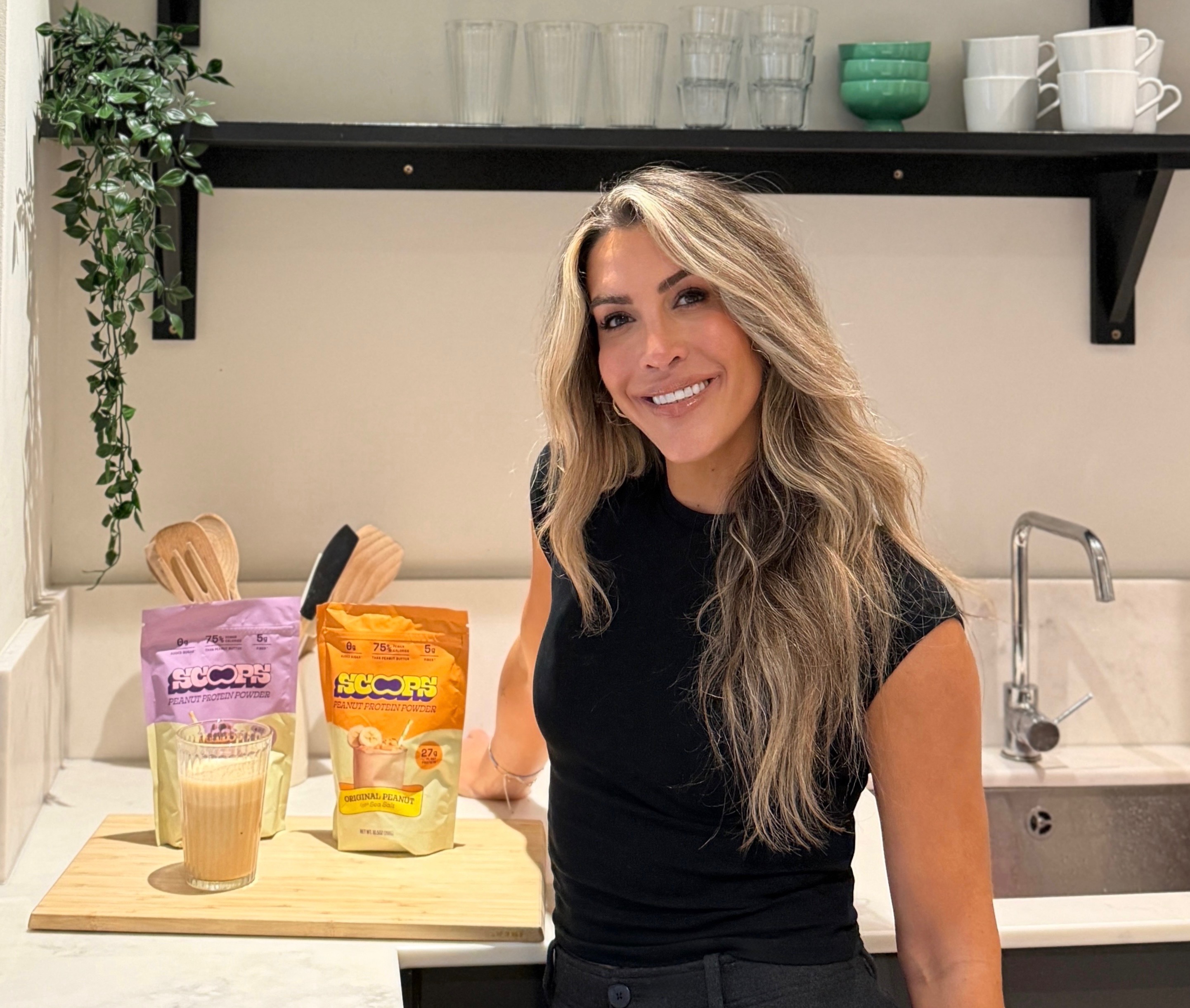
The pivot toward a peanut-based protein powder came through discussions with a vegan acquaintance. Recognizing that peanuts are a natural, high-protein source, Lane sought to modernize the application of the ingredient. Through her professional network, she engaged a supplier who was preparing to introduce a new peanut isolate to the market. This ingredient offered a distinct nutritional advantage: it provided a high concentration of protein while significantly reducing the caloric and fat density typically associated with traditional peanut butter.
Strategic Product Development and Retail Entry
The transformation of this concept into a retail-ready product was accelerated by a strategic partnership with Target. In late summer 2025, Lane presented the Scoops concept to the retailer, armed with initial branding and a single prototype. At that stage, the product existed largely as a concept rather than a fully developed commercial line.
Target’s interest in the brand reflected a broader corporate initiative to refresh its health and wellness aisles with innovative, "new-to-market" offerings. By December 2025, Scoops had secured a distribution agreement covering more than 1,100 retail locations. This rapid validation presented a significant challenge: the company had only three months to finalize its capital raise, refine its manufacturing processes, and establish the logistics required to meet a May 2026 launch date.
Financial Structure and Supply Chain Integration
Unlike many startups that pursue venture capital through traditional equity rounds, Scoops adopted a unique financing strategy. Lane raised approximately $500,000 in capital primarily from within her existing supply chain network. The primary investors included the manufacturer and the ingredient supplier, alongside other industry professionals.
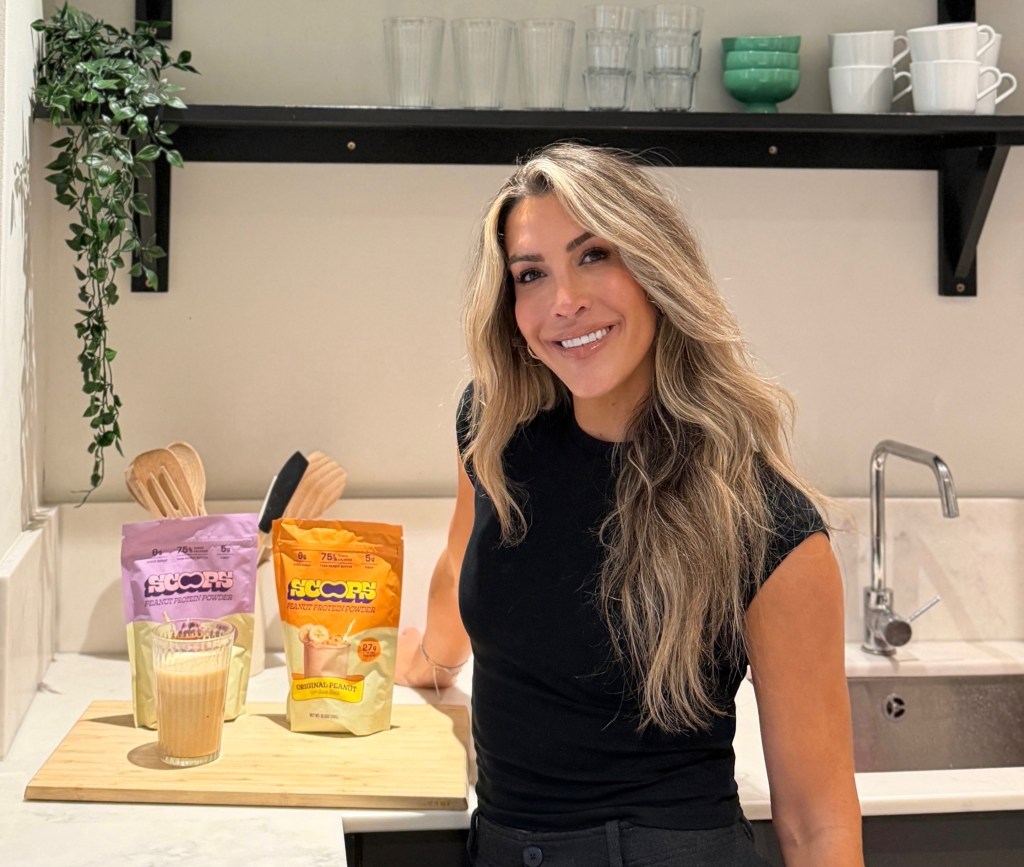
This unconventional approach provided more than just liquidity; it created an ecosystem of partners with a vested interest in the brand’s success. Because these stakeholders had previously collaborated with Lane on other successful product launches, the level of trust allowed for a faster execution cycle. Most of the initial funding was directed toward inventory production to ensure that stock levels were sufficient to support the massive retail footprint at Target.
The Challenges of Rapid Scaling
The launch of Scoops occurred in a highly competitive environment where established protein brands command significant shelf space and marketing budgets. With most of the initial capital deployed toward inventory, Lane faced a constrained marketing budget during the critical early months.
To generate velocity at retail, the company employed a grassroots strategy focused on digital engagement. Lane utilized partnerships with social media influencers, specifically targeting segments interested in "Target finds." This strategy, combined with a targeted gifting campaign, helped build initial brand awareness among the primary consumer demographic. Furthermore, the brand’s placement on an 11-week end-cap display in Target stores served as a vital marketing tool, increasing visibility during the crucial introductory period.
Industry Implications and Market Analysis
The success of Scoops highlights several key trends in the modern food and beverage industry. First, it underscores the continued dominance of "better-for-you" snacks. As consumers become more health-conscious, there is a clear shift away from traditional, high-sugar snacks toward products that emphasize clean labels and high-protein content.
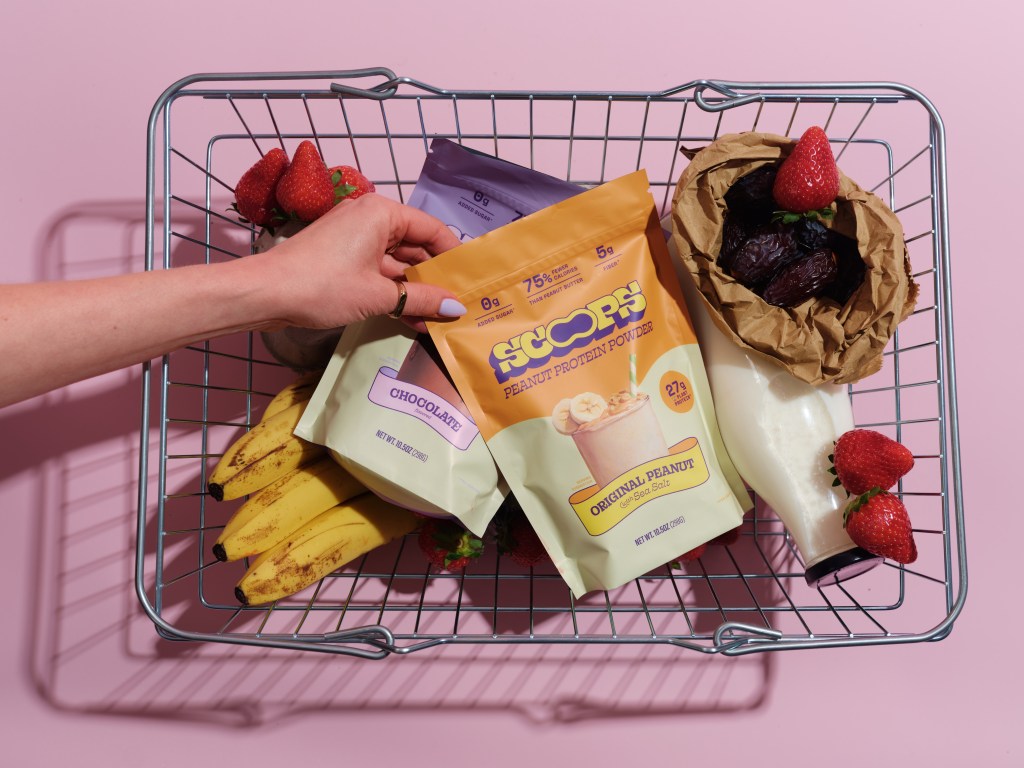
Second, the brand’s performance validates the efficacy of the "lean startup" model within the CPG sector. By focusing on a single, high-quality product and leveraging existing supply chain relationships, Lane managed to achieve significant revenue growth without the massive burn rates often associated with early-stage CPG startups.
Third, the retail landscape for CPG remains highly receptive to brands that can solve a specific consumer pain point—in this case, the difficulty of moderating peanut butter intake while maintaining high protein consumption. The shift from a jarred spread to a versatile powder format allows consumers to utilize the ingredient in smoothies, oats, and baked goods, effectively broadening the potential use cases for the product.
Future Outlook and Strategic Advice
As Scoops moves beyond its initial launch phase, the focus for Lane and her chief marketing officer, Lauren Browning, is on sustaining growth and expanding the product line. While the company has operated with a minimal team thus far, future plans include scaling the workforce to support increased demand and operational complexity.
For aspiring entrepreneurs looking to enter the CPG space, Lane’s experience offers a cautionary but encouraging lesson. While her path involved a rapid, high-stakes retail entry, she advocates for a more measured approach. Building a sustainable, smaller business allows founders to iterate based on real-time consumer feedback, a critical component for long-term viability in an industry where many new brands fail to survive past the first year.
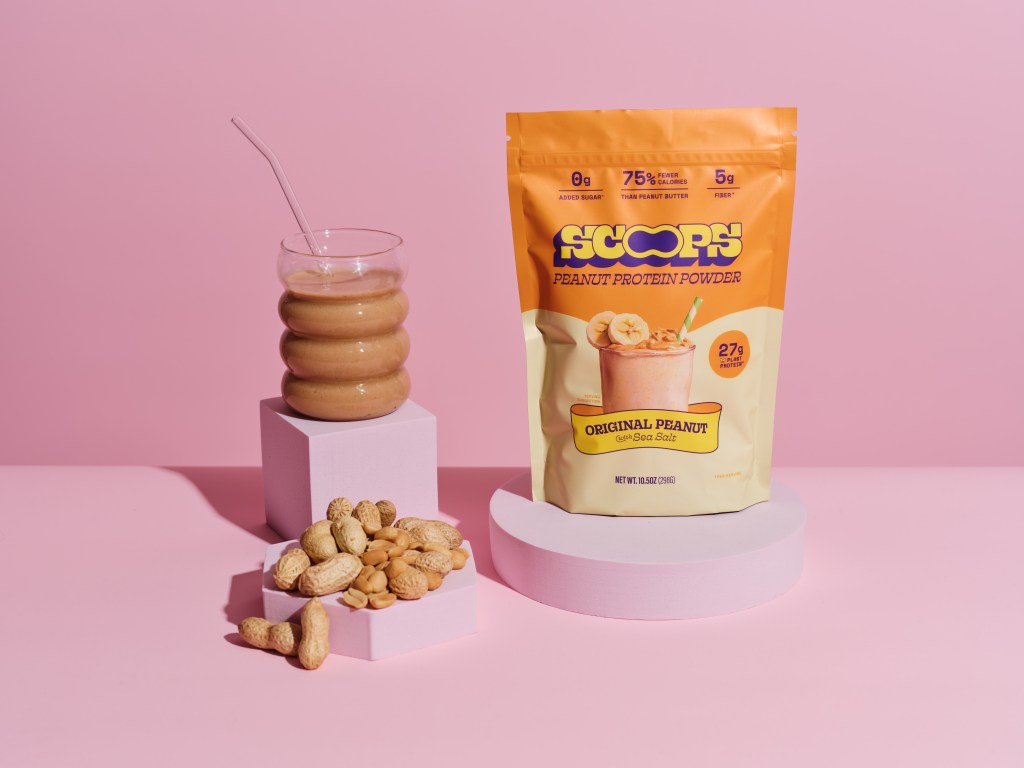
Lane emphasizes that entrepreneurs do not always need to reinvent the wheel. Often, success lies in taking an existing, popular category and repositioning it through improved ingredients or a different delivery mechanism. By focusing on how a product fits into the daily lives of consumers and maintaining a disciplined approach to cash flow, founders can build enduring brands that outlast the short-lived fads that often characterize the health food market.
Ultimately, the trajectory of Scoops serves as a case study in the power of operational expertise. By leveraging a deep understanding of the supply chain and maintaining clear, actionable goals, Lane has successfully bridged the gap between a promising concept and a high-growth retail brand, setting a standard for others seeking to navigate the challenging but rewarding landscape of consumer goods.