6 Roadmap Templates: Essential Tools and Strategies for Modern Project Management

In the fast-paced environment of modern corporate operations, aligning cross-functional teams, establishing clear strategic direction, and communicating priorities effectively across departments are critical components of sustainable business growth. Whether an enterprise is embarking on sweeping IT transformations, launching complex product lines, or executing overarching corporate strategies, utilizing structured planning tools remains vital. To address these demands, organizations increasingly rely on specialized roadmap templates to save valuable time, mitigate planning errors, and maintain absolute clarity throughout a project lifecycle.

Industry experts and project management analysts have noted that the foundational purpose of any roadmap is to bridge the gap between high-level vision and actionable execution. Recent industry surveys on operational efficiency indicate that organizations utilizing standardized planning frameworks experience a significant reduction in project delays and miscommunication. Without a unified visual guide, cross-functional teams frequently drift away from core strategic objectives, resulting in wasted resources, missed deadlines, and budget overruns. Consequently, the demand for versatile, adaptable planning documents has surged across sectors ranging from software development to enterprise infrastructure.
Understanding the Evolution and Anatomy of Strategic Planning

The concept of the roadmap has evolved significantly over the past two decades. Historically confined to rigid, paper-based Gantt charts or cumbersome physical whiteboards, project visualization transitioned into digital spreadsheets during the late 1990s and early 2000s. While spreadsheets offered a digital alternative, they quickly proved inadequate for dynamic, fast-changing business environments. Modern project management requires flexibility, real-time data integration, and seamless collaboration across geographically dispersed teams—features that static documents inherently lack.
Despite these limitations, templates remain the starting point for millions of project managers worldwide. They provide a predictable, uniform structure that ensures critical metrics—such as goals, milestones, timelines, and resource allocations—are consistently addressed. By eliminating the need to build planning documents from scratch, teams can redirect their focus toward problem-solving, stakeholder communication, and execution.
A Comprehensive Breakdown of Essential Roadmap Categories
To cater to diverse operational needs, modern organizations utilize several distinct types of roadmaps, each tailored to specific functional requirements and project scopes.
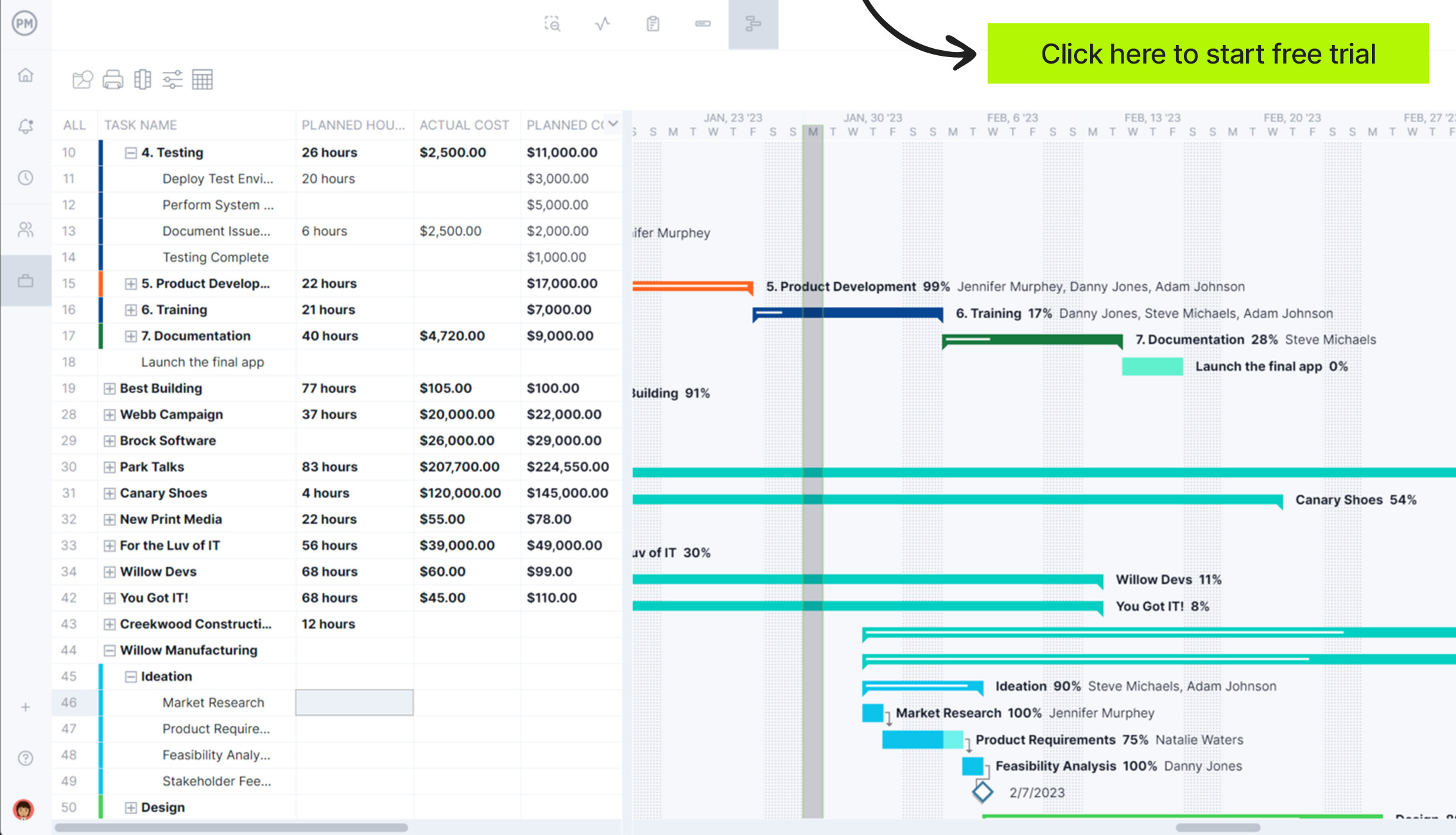
The Standard Excel Roadmap Template
Designed for general project planning, the traditional Excel roadmap template allows teams to visualize project goals, timelines, and milestones over defined periods. Featuring structured rows for tasks alongside start and end dates, this linear format helps map out project phases efficiently. Native spreadsheet functionalities—such as conditional formatting, color-coding, and cell merging—enable users to customize views based on shifting priorities and departmental responsibilities. While highly accessible and familiar to most corporate users, static spreadsheets require manual updates, creating vulnerabilities to human error and version control issues when multiple team members collaborate simultaneously.
Product Roadmap Templates for Cross-Functional Alignment
Product management requires a specialized approach to track feature development, release cycles, and market positioning. A dedicated product roadmap template visually outlines the evolution of a product over time, segmented by quarters or distinct development phases. This framework allows product managers, engineers, marketers, and sales teams to synchronize their efforts around shared objectives. By establishing a clear hierarchy of deliverables, organizations can balance short-term feature releases with long-term product vision, ensuring that customer feedback and market demands are swiftly integrated into the development cycle.
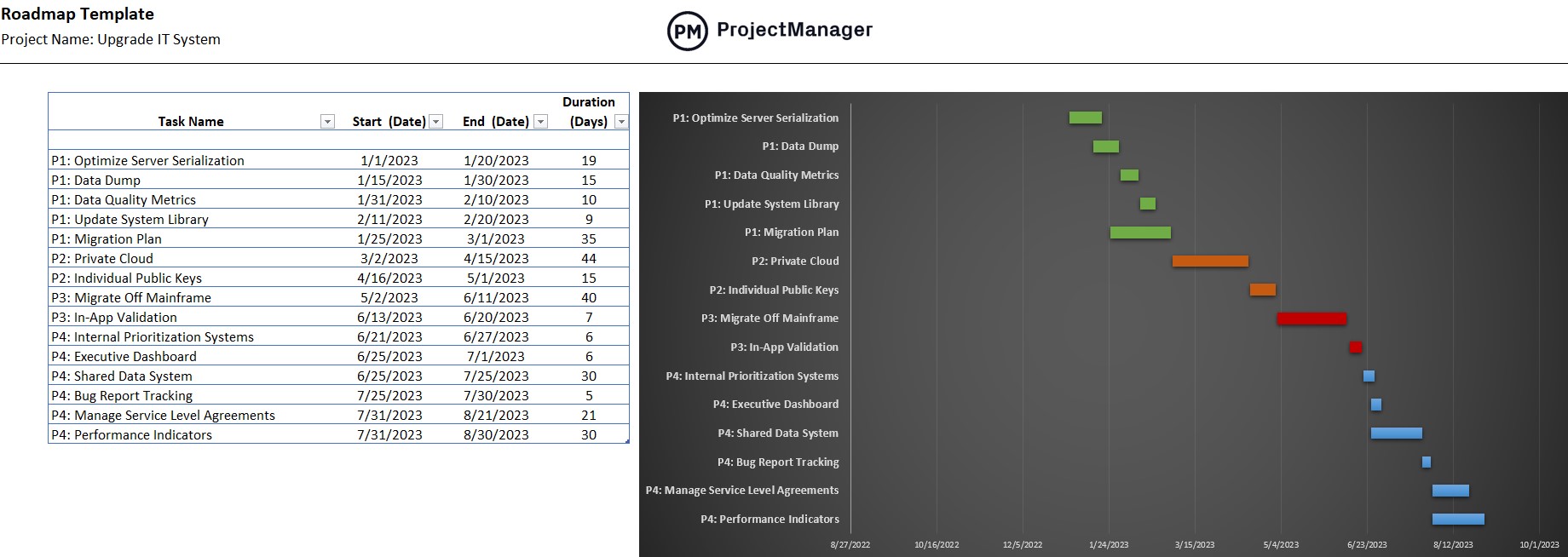
Strategic Roadmaps for Long-Term Vision
For executive leadership and business strategists, a strategic roadmap provides a high-level overview spanning multiple years. Unlike tactical project trackers, a strategic roadmap outlines overarching corporate objectives, financial goals, and phased business transformations. Divided into major categories such as operations, marketing, technology, and customer experience, this tool helps stakeholders understand how departmental efforts contribute to the broader organizational mission. These templates are particularly valuable during annual planning cycles, mergers and acquisitions, and enterprise-wide restructuring initiatives.
Program Roadmaps for Coordinated Initiatives
When an organization undertakes a collection of related projects working toward a common goal, program management frameworks become essential. A program roadmap template captures the broader macroeconomic view of an enterprise, aligning disparate projects under a single strategic umbrella. By mapping out interconnected timelines and shared resource pools, program managers can identify potential bottlenecks, mitigate cross-project risks, and ensure that cumulative deliverables support the ultimate organizational objective.

IT Roadmaps for Technology Infrastructure
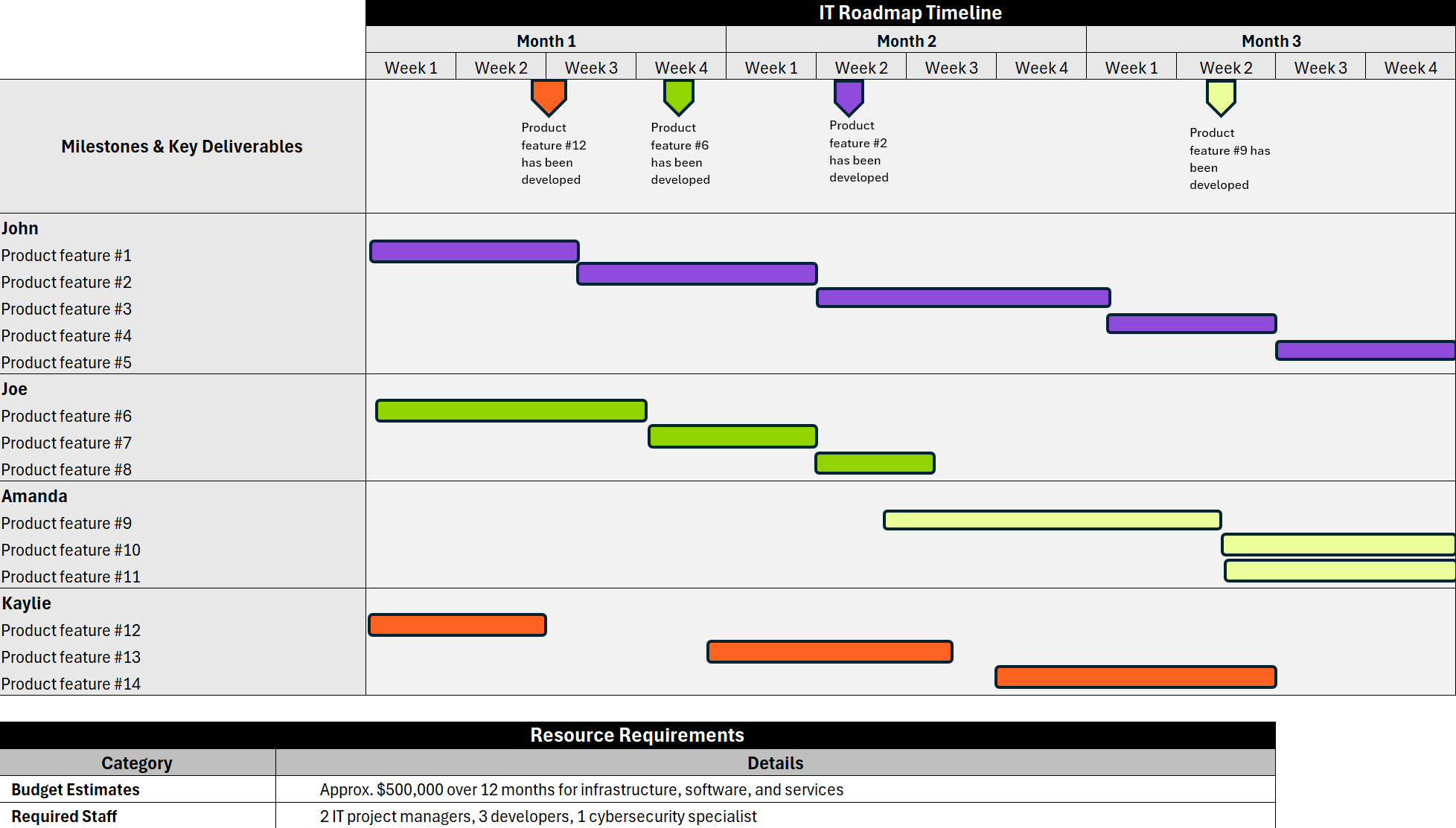
Information technology departments operate in hyper-dynamic environments characterized by rapid innovation and stringent security demands. An IT roadmap template visually aligns technology investments with overarching business goals, covering infrastructure upgrades, system integrations, cybersecurity enhancements, and cloud migrations. By mapping out technology portfolios on a monthly timeline, IT leaders can prioritize critical projects, eliminate redundant software expenditures, and anticipate future hardware or software requirements.
Milestone Charts as Checkpoints for Success
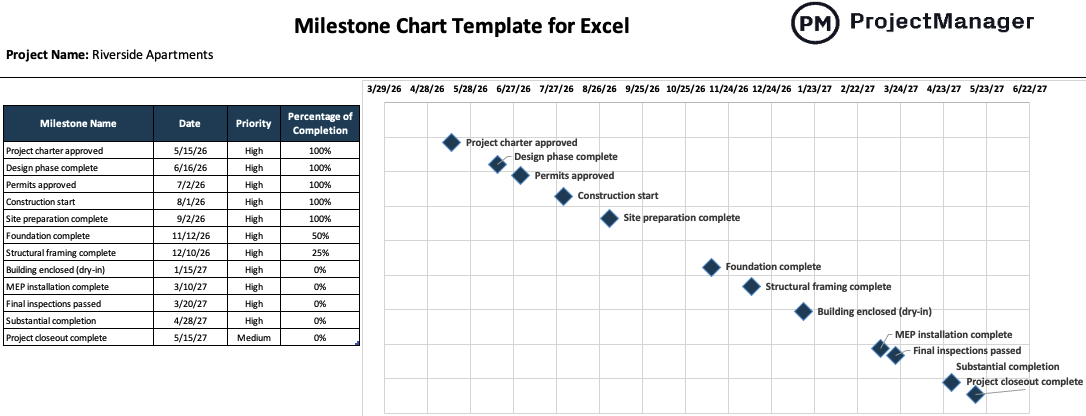
While roadmaps establish the overarching trajectory, milestone charts mark specific, dated checkpoints that confirm a project remains on schedule. By plotting key deliverables along a horizontal timeline equipped with completion indicators, milestone charts offer stakeholders a concise, date-anchored summary without the granular complexity of a full-scale Gantt chart.
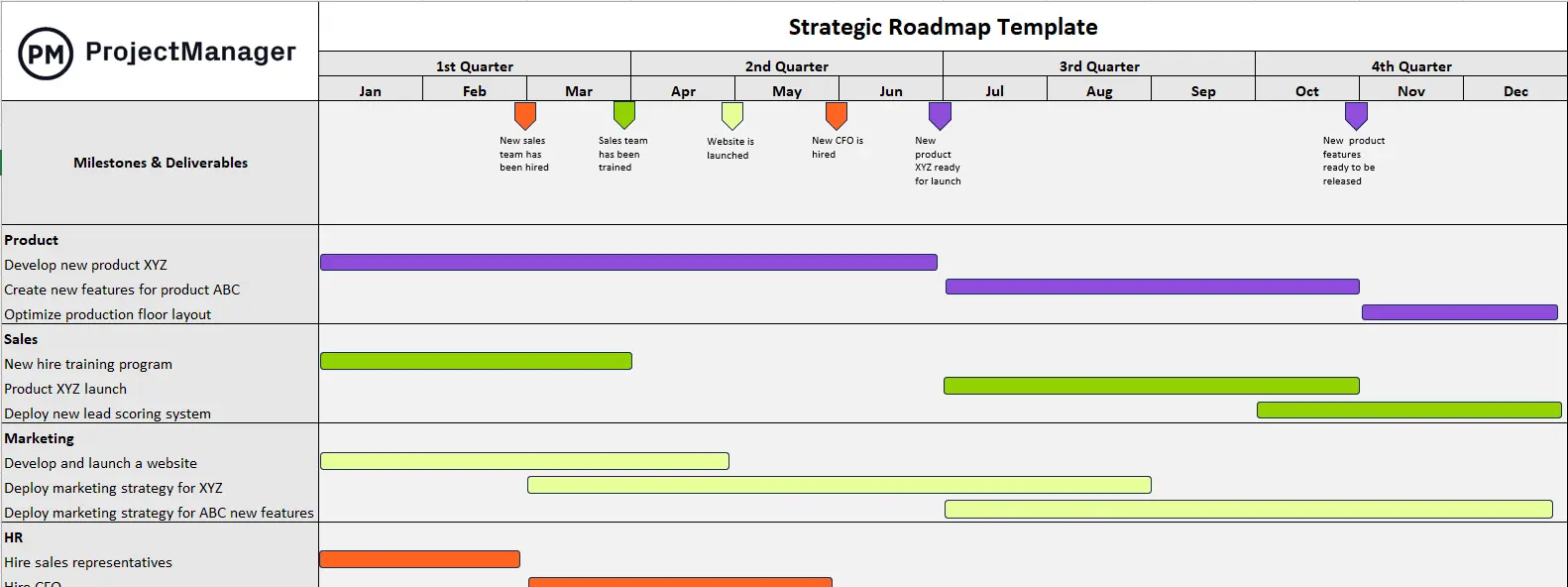
The Technological Shift: Moving Beyond Static Templates
While free templates offer an accessible entry point for small teams and budget-conscious organizations, industry analysts emphasize their inherent structural limitations. Static documents cannot natively process real-time data, meaning that every update must be performed manually. This lag in information can lead decision-makers to operate on outdated metrics, increasing the risk of project failure. Furthermore, collaboration within static files is notoriously difficult, often resulting in conflicting versions and communication silos.

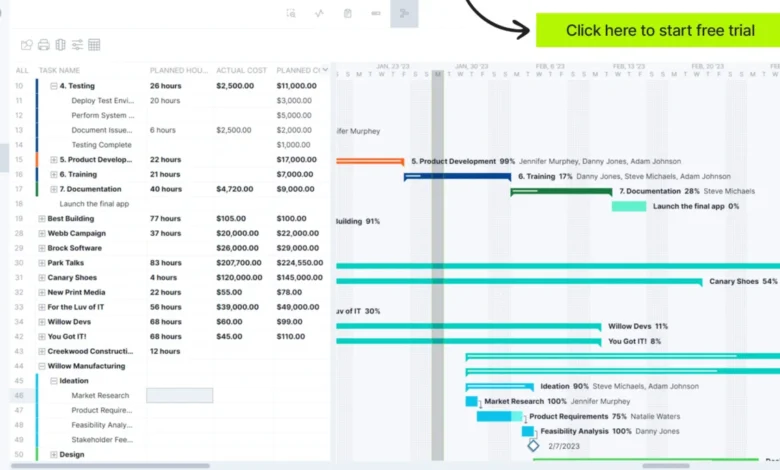
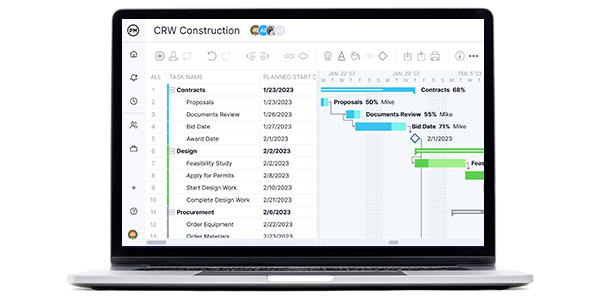
Recognizing these inefficiencies, modern enterprises are rapidly transitioning toward automated, cloud-based project management platforms. Advanced software solutions—such as those offered by industry leaders like ProjectManager—replace static spreadsheets with live, interactive roadmaps featuring automated updates, drag-and-drop editing, and robust task dependencies. These digital environments allow project managers to automatically calculate critical paths, identify slack time, and prevent cost overruns before they materialize.
Data-Driven Resource Management and Workload Optimization
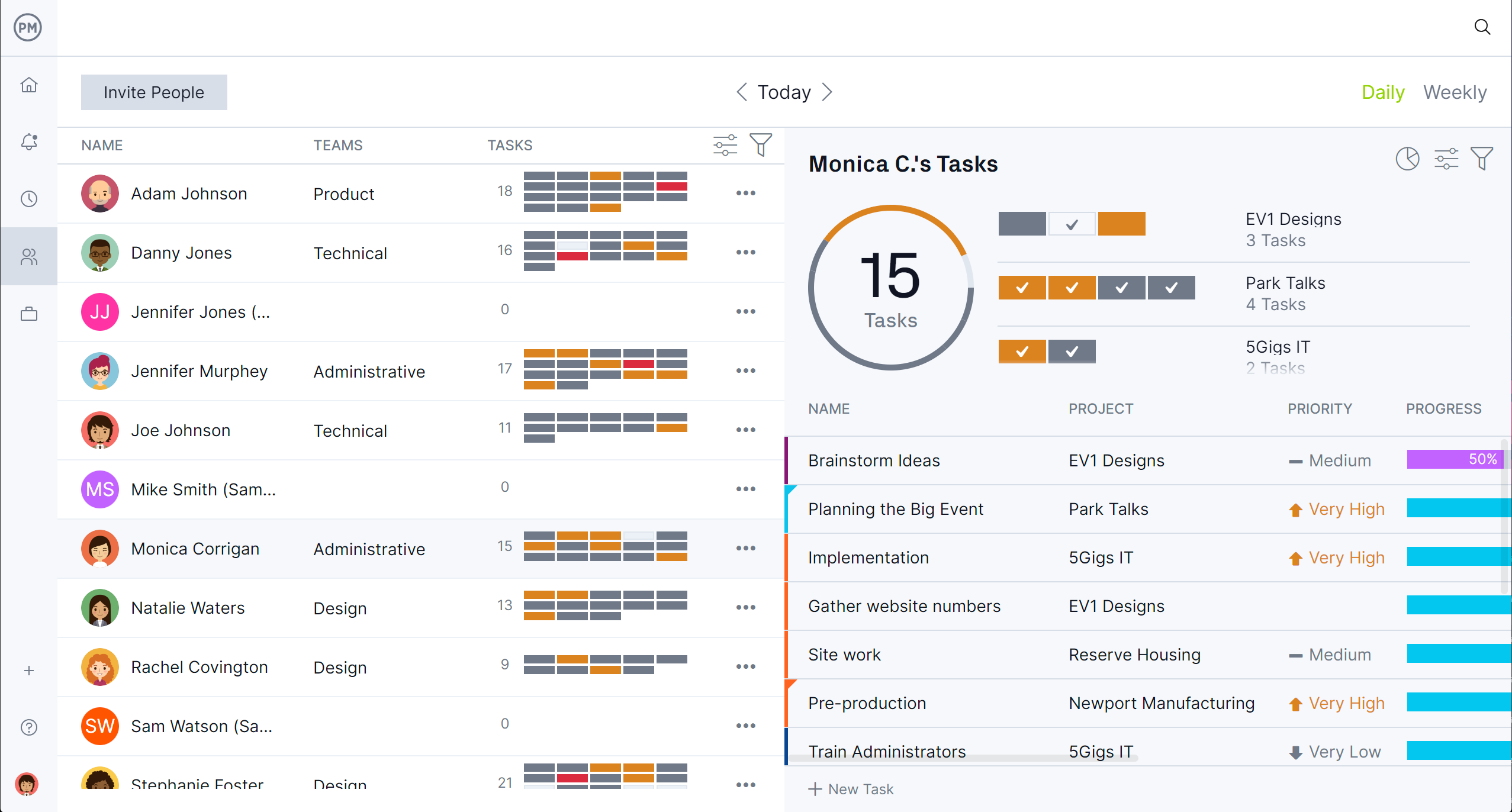
A critical differentiator between basic templates and advanced software solutions is the management of human resources. Maintaining team productivity without inducing burnout requires continuous monitoring of individual workloads and schedule capacities. Modern project management platforms incorporate color-coded workload charts that instantly highlight overallocated or underutilized team members. By visualizing resource availability directly alongside project timelines, managers can dynamically reallocate tasks, balance workloads, and optimize productivity without disrupting the strategic roadmap.
Furthermore, integrated team management pages offer daily and weekly summaries of ongoing activities, filterable by progress and priority level. Team members can update task statuses directly within the platform, ensuring that project managers maintain absolute visibility over operational execution.
Real-Time Dashboards and Reporting Capabilities
To maintain executive alignment, organizations require instant access to high-level performance metrics. Advanced project management tools eliminate the need for manual status reporting by utilizing real-time dashboards that automatically aggregate live data regarding time, cost, workload, and project health. One-click reporting features enable managers to generate comprehensive analytical reports tailored to executive stakeholders, ensuring complete transparency across the enterprise portfolio. Secure timesheets further streamline payroll operations while accurately tracking labor costs to enforce strict budget adherence.
Implications and Future Outlook for Strategic Planning
As businesses navigate an increasingly complex global economy, the demand for agility, precision, and cross-departmental alignment will only intensify. While roadmap templates will likely remain a popular educational resource and a quick fix for basic planning needs, the future of enterprise project management undoubtedly lies in automated, collaborative software ecosystems. Organizations that successfully transition from static documents to dynamic, real-time management platforms position themselves to adapt swiftly to market disruptions, optimize resource utilization, and achieve sustainable, long-term success.