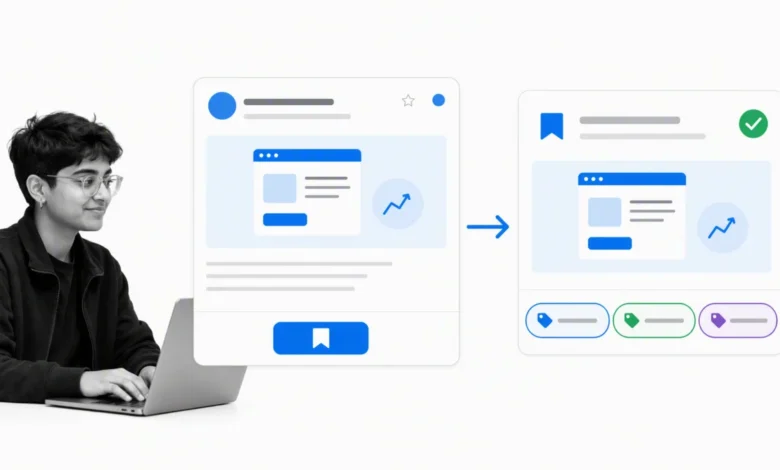
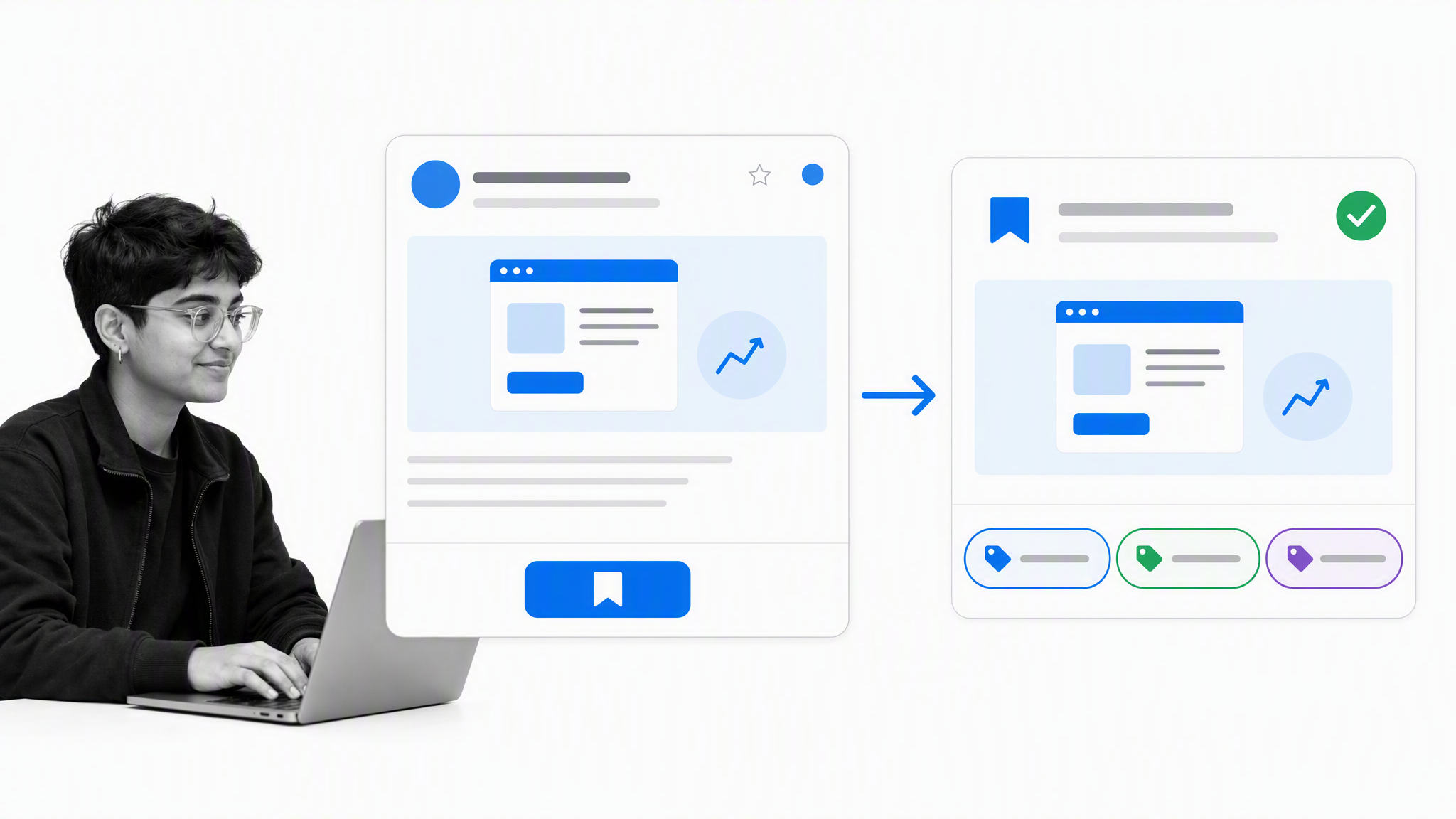
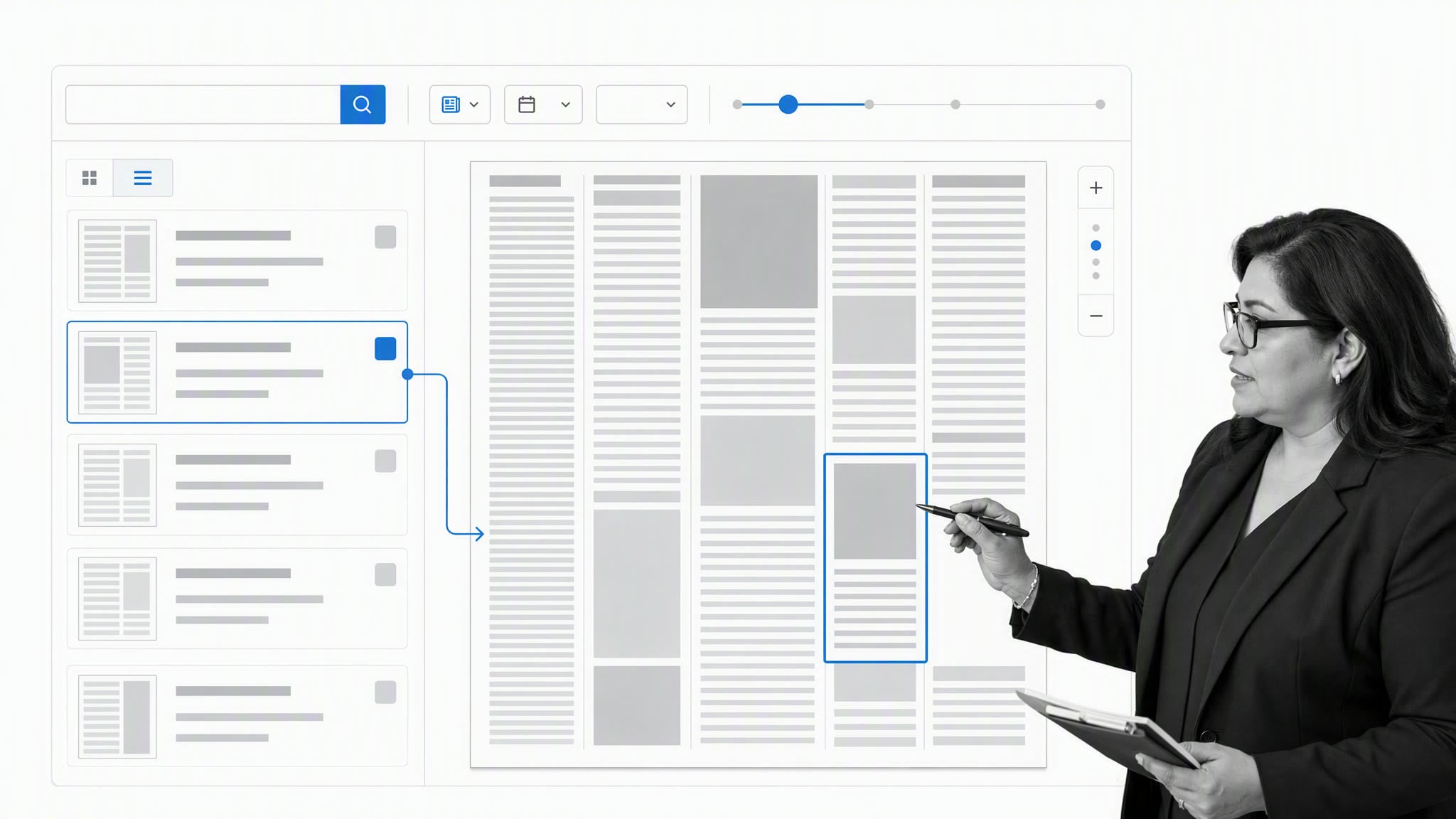
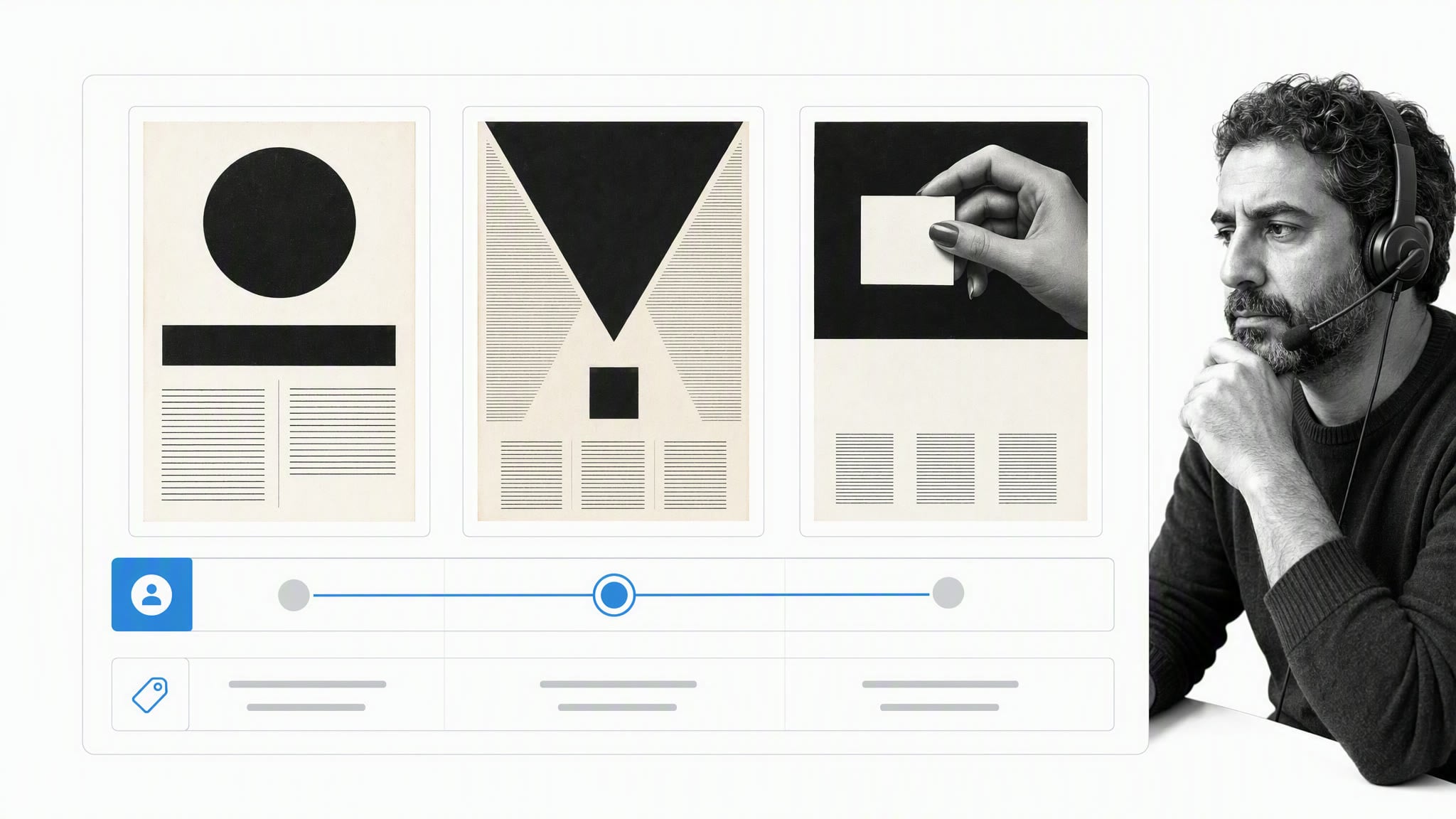
A copywriting swipe file is a structured, searchable repository of high-performing marketing collateral—ranging from email subject lines and landing page headlines to comprehensive sales letters—designed to serve as a reference point for creative professionals facing a blank page. In the fast-paced environment of digital marketing and corporate communications, the ability to synthesize proven structural patterns without resorting to plagiarism is a critical skill for any copywriter or marketing strategist. By curating a collection that is meticulously tagged by audience, channel, and persuasive intent, professionals can transform passive browsing into an actionable educational resource.
The Evolution and Utility of Swipe Files
The concept of the "swipe file" traces its origins to the mid-20th century, a golden era of direct mail advertising. Pioneers such as David Ogilvy and Claude C. Hopkins understood that advertising was not an exercise in creative self-expression, but rather a form of "salesmanship in print." They maintained physical files of tear sheets from newspapers and magazines, analyzing why certain headlines drove response rates while others failed.
In the modern era, the digital landscape has democratized access to these archives. Where a copywriter once had to manually clip physical ads, they can now utilize platforms like Swiped.co, the Meta Ad Library, or the Google Ads Transparency Center. These tools allow marketers to view current creative in the market, providing a window into how competitors are framing their value propositions, handling customer objections, and executing calls to action. The implication for modern businesses is clear: those who leverage data-backed historical precedents for their copy development cycles consistently outperform those who rely solely on intuition.
Chronology of Advertising Research
The discipline of copywriting has undergone several distinct phases of development. In the 1920s, the focus was on "Scientific Advertising," a philosophy championed by Claude C. Hopkins, which prioritized testable results over artistic flair. By the mid-century, the "Creative Revolution" led by figures like William Bernbach introduced a more nuanced, visual-first approach to copy, exemplified by the iconic Volkswagen "Think Small" campaign.
Today, the industry has shifted toward high-velocity digital testing. The current timeline of a typical campaign involves rapid A/B testing of headlines and CTAs, where minor adjustments in copy can lead to double-digit percentage shifts in conversion rates. A robust swipe file acts as a foundational library, ensuring that new campaigns start from a baseline of established psychological principles rather than zero.

Data-Driven Approaches to Content Curation
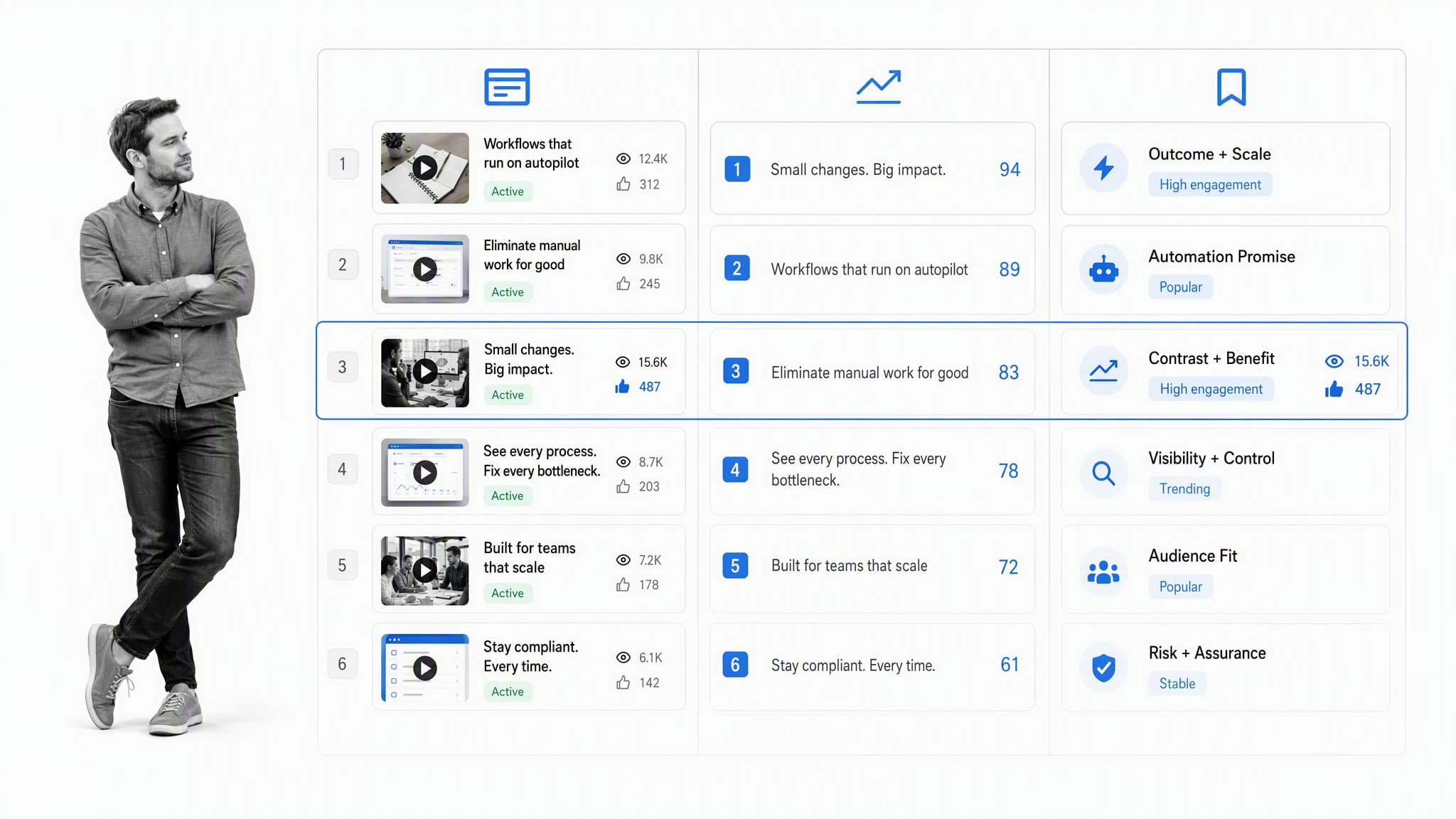
Industry data suggests that the most effective marketing teams prioritize "contextual saving." A screenshot of a headline is insufficient; the value lies in the "conversion path." Research from platforms like Really Good Emails indicates that the highest-performing email campaigns rely on a coherent narrative arc—a compelling subject line that leads to a teaser, followed by a value-driven body, and finally a frictionless call to action.
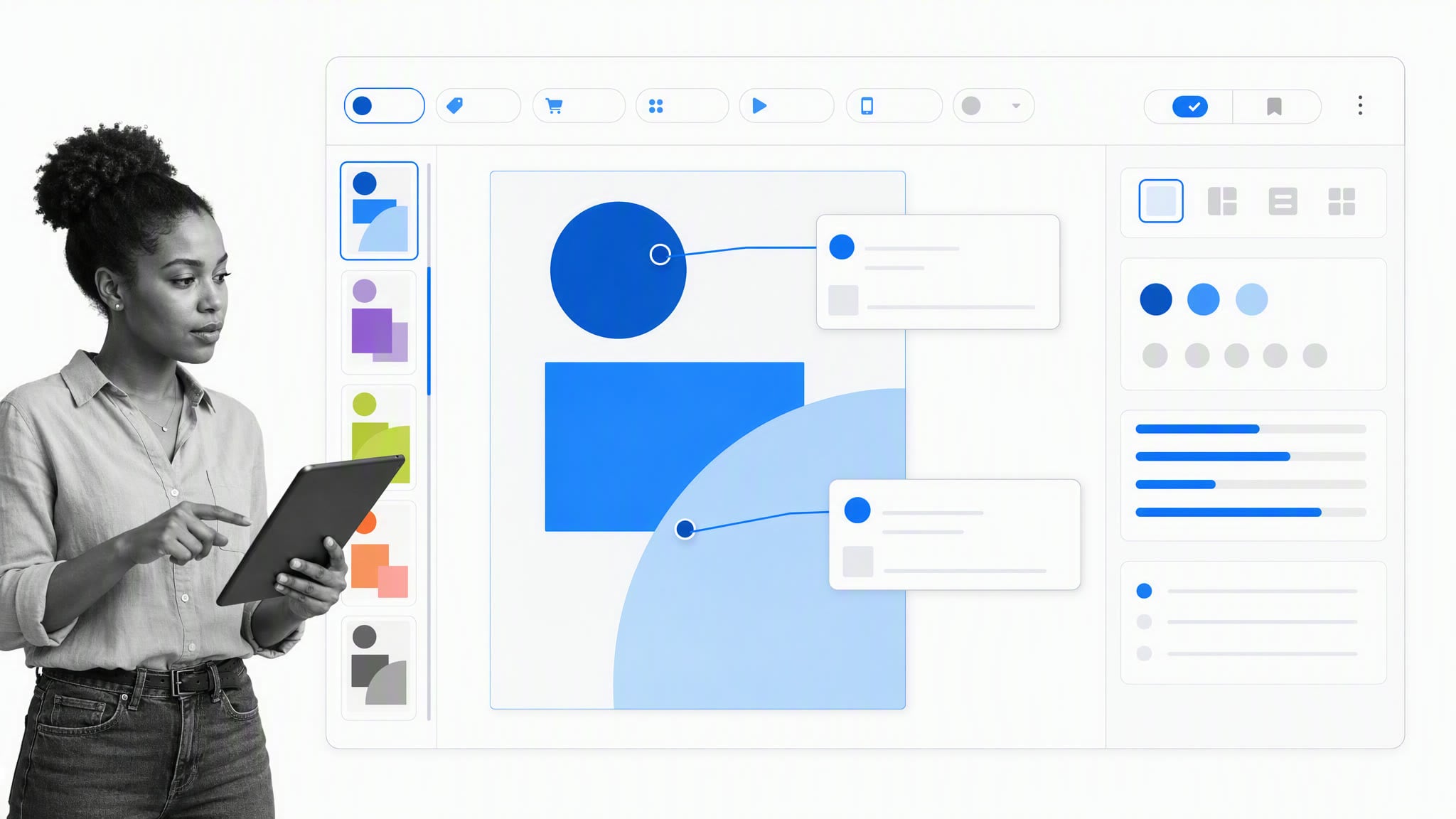
When building a library, practitioners are advised to categorize entries by "Customer Awareness Level"—a concept developed by Eugene Schwartz. This framework dictates that the copy must shift based on whether the reader is unaware of their problem, aware of the problem but not the solution, or aware of the brand but undecided. By tagging a swipe file with these categories, a copywriter can instantly pull a "solution-aware" landing page template when the project demands it, significantly reducing production time and increasing the likelihood of success.
Public Domain Resources and Historical Literacy
For those seeking to understand the foundational principles of persuasion, the public domain offers a treasure trove of literature. Archive.org serves as a primary repository for seminal works that remain remarkably relevant in the modern digital age. Notable texts include:
- Scientific Advertising (1921) by Claude C. Hopkins: A foundational text on testing and measurement.
- Advertising, Its Principles and Practice (1919) by Harry Tipper: Offers a comprehensive view of the early advertising ecosystem.
- Effective Direct Advertising (1888) by Robert E. Ramsay: Provides insights into the roots of direct mail—the precursor to modern email marketing.
These books remain essential reading because human psychology regarding status, fear, convenience, and novelty has changed little over the last century, even if the media through which those appeals are delivered has evolved.
Integrating Compliance and Workflow Operations
The transition from a personal collection of notes to a team-wide resource requires operational rigor. For many large organizations, the "swipe file" is becoming part of a broader "Compliance Operations Platform." This involves not just saving examples, but managing the rights to use them and ensuring that the brand’s unique voice remains consistent.
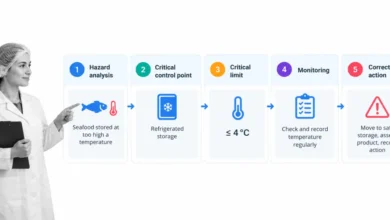
Modern workflows, such as those integrated into platforms like Process Street, allow teams to turn the creative process into an auditable, step-by-step procedure. This ensures that when a copywriter pulls an idea from the archive, the accompanying metadata—such as the target audience, the original performance data, and the legal constraints—is immediately available. This creates a "single source of truth" that prevents the misuse of copyrighted assets while fostering an environment of continuous improvement.
The Role of Fiction and Non-Traditional Inspiration
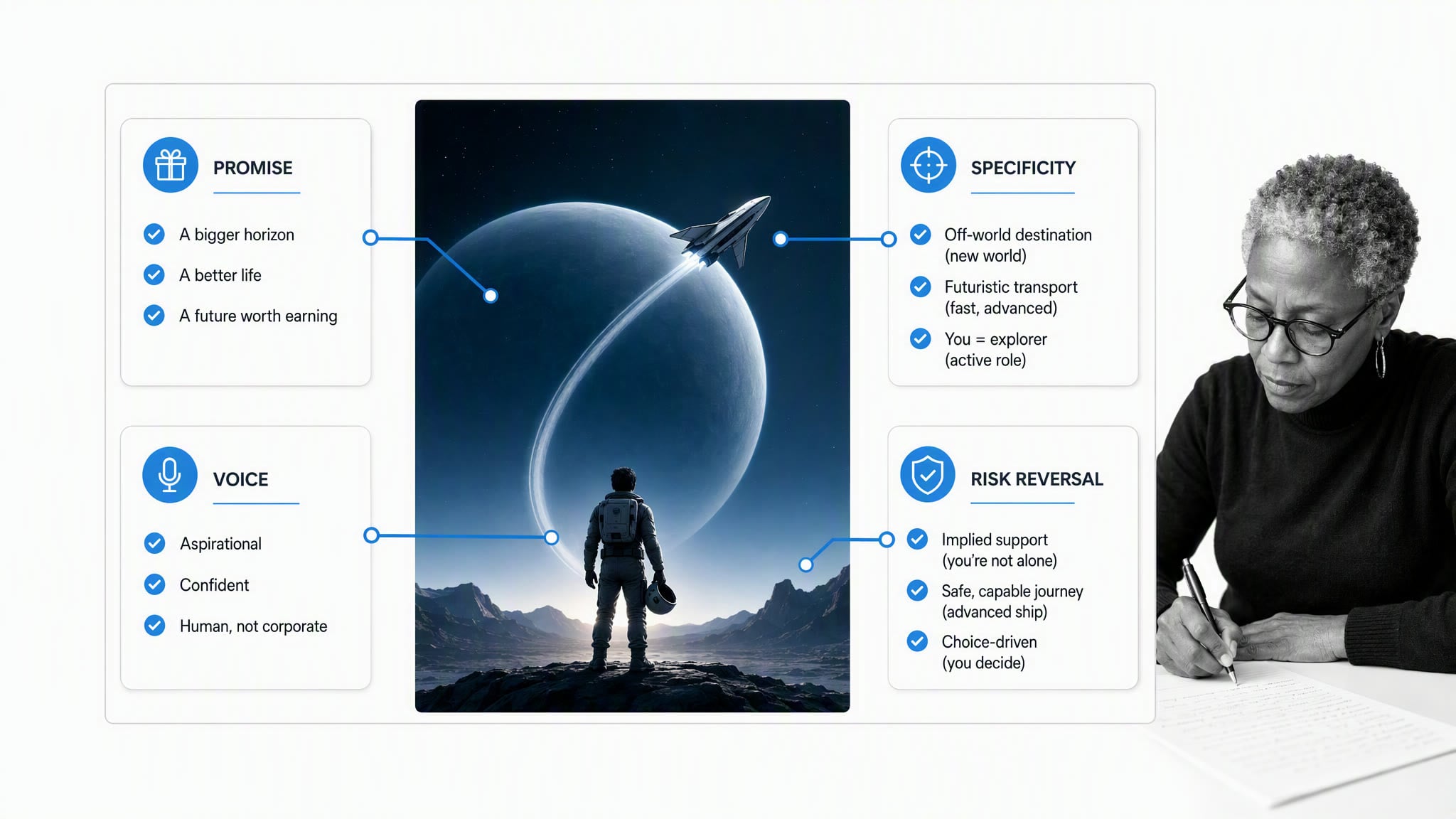
Professional copywriters are increasingly encouraged to look beyond the advertising industry for inspiration. Narratives found in fiction, such as the world-building in Philip K. Dick’s Do Androids Dream of Electric Sheep? or the satirical corporate messaging in films like WALL-E, provide a unique look at how language is used to manipulate desire and create belief. By studying the "emotional job" of this copy, writers can learn to craft more compelling narratives for real-world products. The objective is to "swipe the technique, not the wording."
Analyzing Award-Winning Campaigns
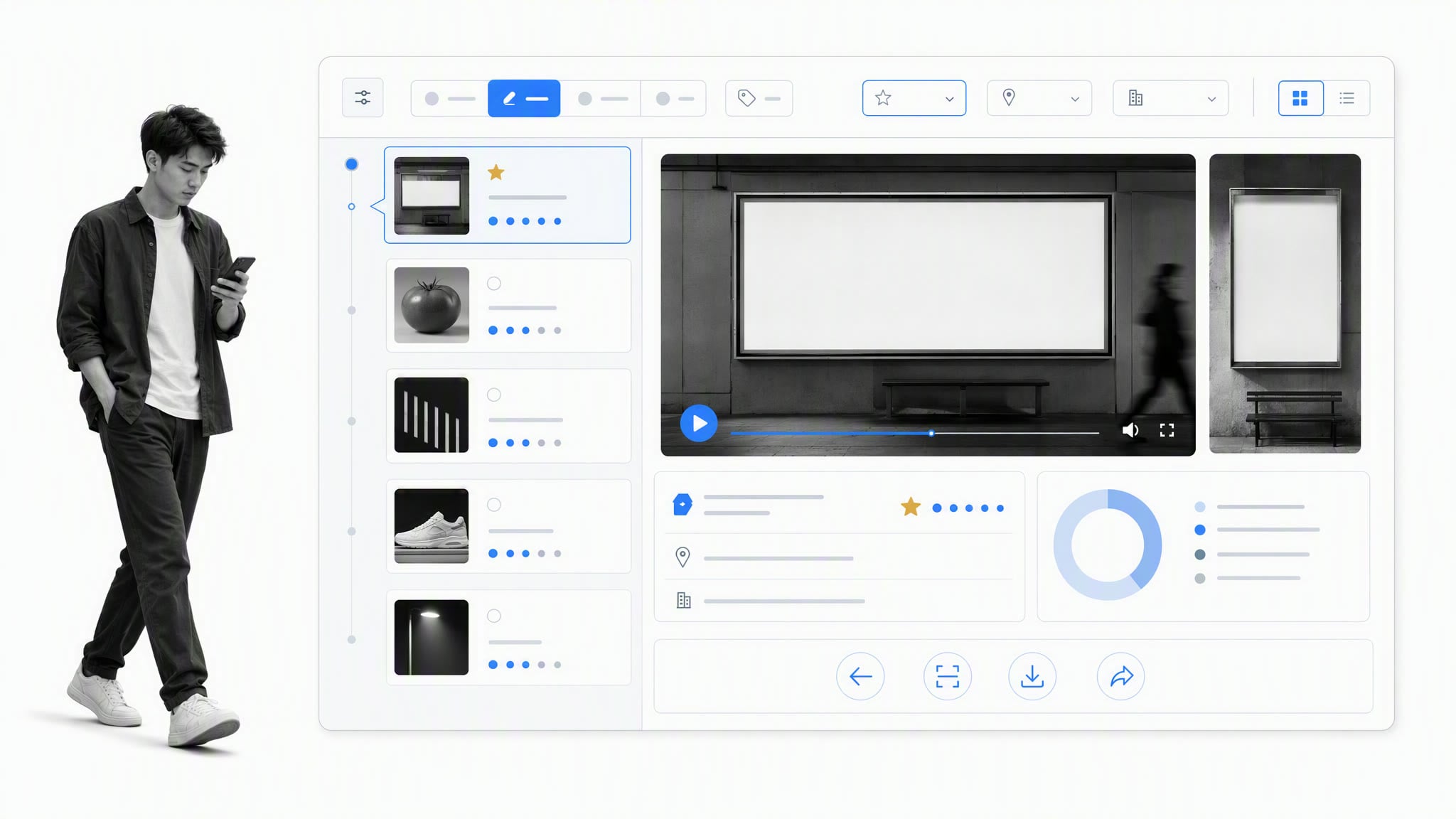
Galleries such as the CLIO Awards and the American Advertising Awards offer a view into the most ambitious creative work in the industry. While an award-winning ad does not necessarily correlate with high conversion rates, these galleries are unparalleled for studying concepts such as "compression"—the ability to convey a complex message in a few words or seconds.
When reviewing these campaigns, analysts should filter by medium. A television spot requires a different structural approach than a search engine ad or a social media post. Failure to account for the constraints of the medium often results in "copy leakage," where the message loses its impact because it was designed for a platform that does not match the reader’s current intent.
Ethical Considerations and Best Practices
A recurring concern among creative teams is the distinction between inspiration and plagiarism. The industry standard is clear: stealing distinct, trademarked, or copyrighted wording is both unethical and legally precarious. However, observing the structural pattern—the "why" behind the hook or the "how" of the objection-handling—is the cornerstone of professional development.
To maintain ethical standards, professionals should:
- Attribute and Link: Always keep the original source of the ad attached to the file.
- Restate the Lesson: Summarize the psychological principle being used in one’s own words rather than copying the text verbatim.
- Document Usage: For assets that might be reused in public-facing work, confirm licensing and intellectual property rights.
Conclusion and Future Outlook
The most effective swipe files are not stagnant archives; they are living, breathing libraries that are reviewed and refined monthly. As the digital marketing landscape continues to shift toward AI-assisted generation, the value of a high-quality, human-curated swipe file will likely increase. AI models are trained on the entirety of the web, but a curated, internal swipe file provides a competitive advantage by reflecting the specific brand voice and the unique performance history of a company.
For the modern copywriter, the goal remains unchanged: to move the reader to action. By systematically collecting, tagging, and analyzing the best examples of communication, professionals can ensure that their work is not only creative but also built upon a foundation of proven, historical, and empirical success.