The landscape of B2B software sales, particularly in the rapidly evolving Artificial Intelligence (AI) sector, is undergoing a significant transformation, necessitating a strategic pivot away from aggressive multi-year contract mandates. Industry data and expert analysis suggest that a more agile, value-driven approach focusing on shorter initial commitments is now the prevailing and most effective strategy for SaaS companies. This shift is not merely a negotiating tactic but a rational response by buyers to the accelerated pace of technological advancement and the inherent uncertainties of AI’s future trajectory.
The Shifting Sands of Contract Lengths: Data Reveals a Trend
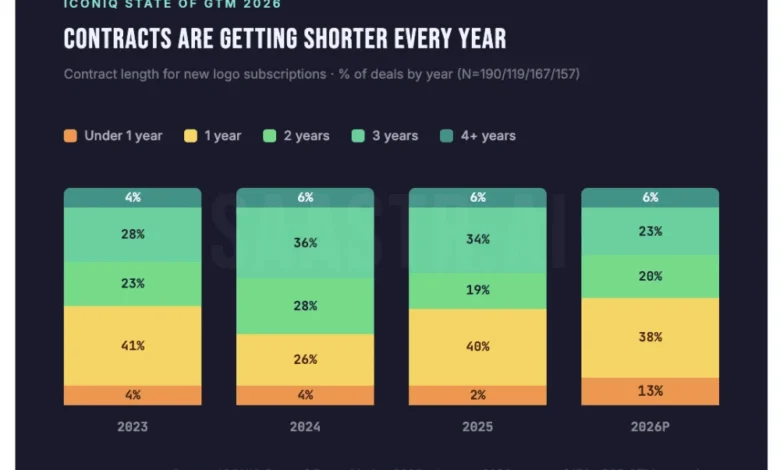
Recent market intelligence indicates a clear and consistent decline in the prevalence of multi-year contracts. According to data compiled by ICONIQ, a prominent venture capital firm, the proportion of new logos secured with three-year contracts has seen a noticeable decrease. In 2023, these longer-term commitments represented 28% of new customer acquisitions. However, this figure has reportedly fallen to 23% by 2026, a trend that, while seemingly incremental, signals a fundamental change in buyer sentiment and purchasing behavior.
Conversely, the appeal of shorter contract durations has surged. The same ICONIQ data reveals a substantial jump in sub-one-year contracts, which grew from a modest 4% in 2023 to a significant 13% in 2026. This doubling of short-term contract adoption underscores a growing buyer preference for flexibility and a reduced commitment in an era marked by unprecedented technological disruption.
The AI Imperative: Compressing Innovation Cycles
The primary driver behind this market recalibration is the accelerating pace of innovation within the AI domain. The core issue, as articulated by industry observers, is the rapid obsolescence cycle of AI technologies. Predictions suggest that AI replacement cycles are now compressing to approximately every 18 months. This means that a three-year contract signed today could potentially lock a company into a platform or solution that is technologically outdated, or significantly surpassed by competitors, within the first two years of the agreement.
Furthermore, the competitive landscape within AI is exceptionally fluid. Vendors that may be considered market leaders today could find their dominance challenged or eroded by emerging technologies and innovative startups within a mere 10 to 12 months. Consequently, buyers are increasingly hesitant to commit to lengthy contracts that could bind them to a vendor who may no longer represent the cutting edge or offer the most competitive solutions by the time the contract is halfway through its term. This pragmatic approach by customers is not born out of a desire to negotiate more favorable terms, but rather from a strategic imperative to maintain agility and access the latest advancements in AI.
When Multi-Year Deals Still Shine: Demonstrating Unwavering ROI
Despite the prevailing trend towards shorter contracts, there are specific scenarios where longer commitments continue to be secured with regularity. These successes are not achieved through aggressive sales tactics or steep discounts on multi-year agreements. Instead, they are the direct result of companies that can consistently and demonstrably deliver undeniable Return on Investment (ROI) to their customers before the critical renewal conversation even begins.
Leading companies in the SaaS space, often cited as exemplars of exceptional customer value, consistently achieve high Net Revenue Retention (NRR) rates. Top-quartile companies, as reported by various industry analyses, typically operate within the 110% to 123% NRR range. This metric is a powerful indicator of customer satisfaction and product stickiness, reflecting not only customer retention but also expansion and upsells within the existing customer base.
Companies like Datadog, Figma, Databricks, and Snowflake are frequently mentioned in this context. Their ability to secure longer initial commitments or inspire significant expansion within shorter contract cycles is not a function of convincing buyers with persuasive pitch decks alone. Rather, it is a testament to their proven track record of delivering substantial value, leading customers to proactively choose to expand their engagement and deepen their partnerships based on tangible results. This organic expansion, driven by customer success, is the bedrock upon which longer-term commitments are built.
Strategic Reorientation: Prioritizing NRR and Renewal Quality
In light of these market dynamics, SaaS companies are advised to fundamentally re-evaluate their sales strategies. The emphasis should shift from the initial contract length to optimizing for Net Revenue Retention (NRR) and the overall quality of renewals. For companies that have reached Series B funding or beyond, aiming for an NRR of 120% or higher should be the paramount objective. When a company consistently achieves such robust NRR, the length of the initial contract becomes a less critical concern. The ability to earn contract extensions and expansions through superior product performance and customer success becomes the primary growth engine.
The Perils of Forcing Multi-Year Deals
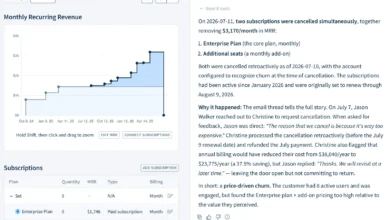
Actively discounting multi-year deals in an attempt to force them can prove counterproductive. Such strategies can not only slow down the sales cycle in the current market environment, where buyers are uncertain about the future of AI solutions, but they can also sow the seeds of future churn. Forcing a commitment upon a hesitant buyer, especially when they are unsure about the long-term viability of the technology, can lead to customer resentment. This resentment can fester, making customers feel constrained by the commitment, and ultimately result in them churning at the renewal point, negating any short-term gains.
Investing in Customer Success: The Key to Long-Term Growth
The most effective strategy for winning longer-term commitments in the current market, particularly in 2026 and beyond, lies in a robust investment in post-sales success and customer enablement. Companies should prioritize the following:
- Front-End Deployment Excellence (FDEs): Ensuring seamless and efficient deployment of products is crucial. A positive initial experience sets the stage for long-term customer satisfaction.
- Accelerated Time to ROI: The focus should be on helping customers achieve tangible ROI within a compressed timeframe, ideally between 60 to 90 days. Demonstrating value quickly builds confidence and loyalty.
- Proactive Post-Sales Engagement: Continuous engagement and support from post-sales teams are vital for ensuring customers are maximizing their use of the product and achieving their desired outcomes.
- Making Renewal an Obvious Choice: By consistently delivering exceptional value, superior support, and demonstrable ROI, the renewal process should become a natural and obvious decision for the customer, rather than a point of negotiation or concern.
This customer-centric approach, rooted in delivering measurable value and fostering strong partnerships, is the most sustainable path to achieving both customer loyalty and predictable revenue growth in the dynamic AI era. It acknowledges the buyer’s need for flexibility while building a foundation of trust and proven success that naturally leads to longer-term engagements.