The Ultimate Guide to User Onboarding: Driving Activation, Retention, and Revenue Through Strategic Implementation is Crucial for Business Growth.

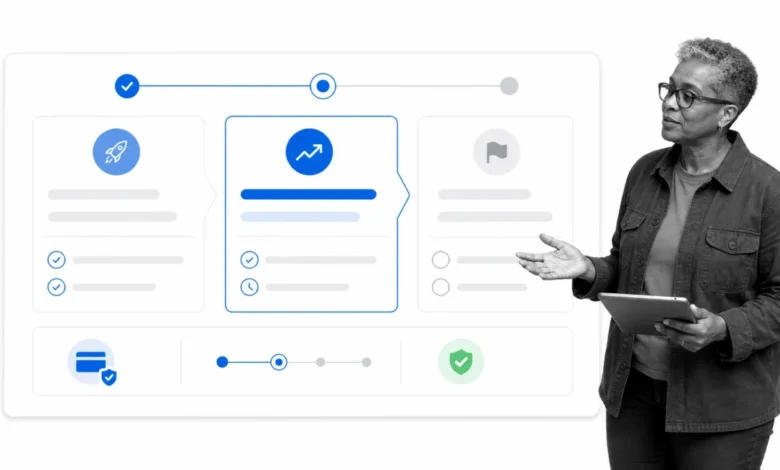
User onboarding is the foundational process of guiding a new user from the initial sign-up to achieving their first significant success with a product. This critical journey can encompass a multifaceted approach, blending in-app guidance, educational resources, human support, secure authentication, iterative experimentation, and robust operational workflows to ensure consistency across all user interactions. The ultimate goal of effective user onboarding transcends merely explaining product features; it is designed to drastically shorten the time-to-value, significantly improve user activation and retention rates, and provide product and customer success teams with a clear, actionable pathway to achieving their revenue targets.
While there is no one-size-fits-all solution for user onboarding, a consistently effective strategy involves formulating hypotheses, rigorously testing them, meticulously analyzing user behavior and feedback, and continuously refining the user experience. This comprehensive guide delves into the evidence-based strategies, explores the spectrum from automated to concierge onboarding models, examines real-world onboarding experiments, outlines a high-touch framework, and highlights nine essential tools that can empower businesses to optimize their onboarding processes.

The Paramount Importance of User Onboarding
A key benefit of examining user onboarding is the profound realization of its extensive impact across numerous facets of a business. It offers diverse perspectives for addressing long-standing challenges. The strategic implementation of user onboarding can directly influence critical business metrics, as evidenced by the transformative results achieved by major market players.
HubSpot’s Strategic Week 1 Onboarding Boosts Week 10 Revenue
The success story of HubSpot in optimizing its user onboarding process is a compelling illustration of its long-term impact on revenue. While seemingly minor adjustments in the initial user experience, particularly during the first week, can lead to disproportionately substantial gains in recurring paying users by week 10. This phenomenon was detailed by Appcues, who cited Dan Wolchonok, a product manager at HubSpot, in his presentation at SaaSFest, a conference dedicated to the Software as a Service (SaaS) industry.
Wolchonok highlighted how incremental improvements to the user onboarding for HubSpot’s Sidekick product resulted in a proportional increase in user engagement throughout the entire customer lifecycle. These compounding increases yield progressively greater rewards over time. Providing concrete figures, Wolchonok stated: "User onboarding improvements drove Week 1 retention up to 75% from the 60s. Week 2 retention maintained that difference as it was up to the 60s from 50%. By Week 10, 25% of users were still using the product, rather than having only 10-15% of users actually active." This demonstrates that achieving a modest increase in early-stage retention can translate into a significant uplift in long-term user engagement and, consequently, revenue. The strategic focus on improving week 1 retention from the 60s to 75% proved to be a more attainable goal with the same impactful long-term results as a seemingly more ambitious target for week 10 retention.

Facebook’s Discovery of User Engagement Drivers
Facebook’s journey to understand and foster user engagement offers another powerful example of how early user experiences shape long-term product adoption. The platform’s core value proposition is inherently tied to social connection; the more friends a user has and the more they interact, the richer their experience becomes. However, Facebook recognized that not all users achieved this high level of engagement.
The company’s growth team conducted a study, dividing users into two groups: those who became consistently engaged and those who did not. Their findings revealed a critical insight: "Engaged users had added at minimum 7 friends within the first 10 days of signing up." This metric proved to be a highly accurate predictor of a user’s long-term value to the platform. The initial ten-day period post-signup was identified as a crucial window for establishing lasting engagement. This revelation led to a strategic shift within Facebook, aligning the entire company’s efforts towards ensuring new users connected with at least seven friends as quickly as possible during their onboarding phase. This focus on a key early activation event proved instrumental in shaping user behavior and driving sustained engagement.
Key User Onboarding Approaches
Businesses typically adopt one of two primary approaches to user onboarding, though many find success in a hybrid model that blends elements of both.
Automated Onboarding
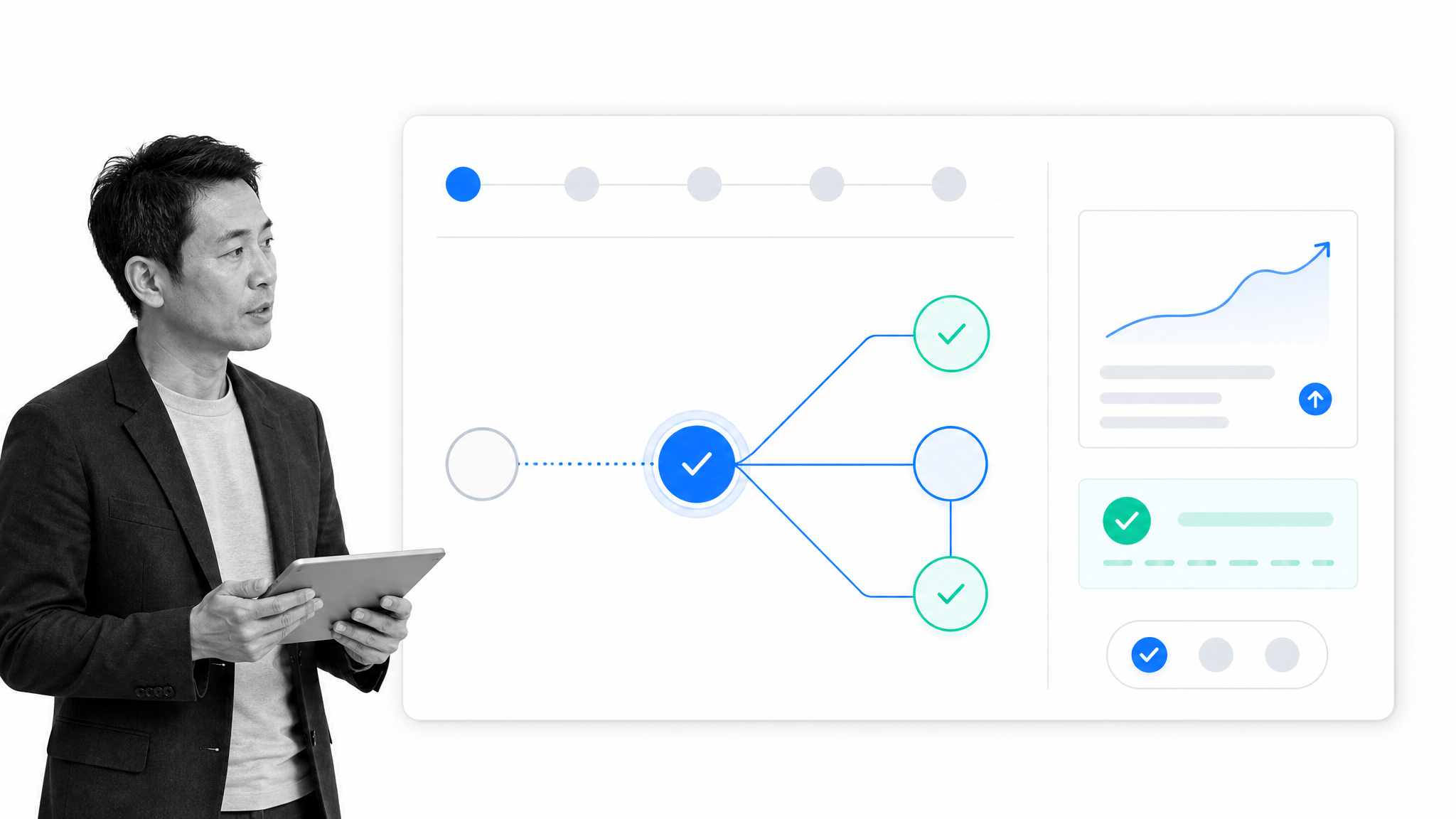
Automated onboarding, common among large-scale consumer platforms like Facebook, Twitter, or Slack, relies on the user independently navigating and learning the product. Effective automated onboarding often incorporates in-app aids such as instructional videos, on-screen prompts, or virtual tours. The primary advantage of this approach is its scalability and cost-effectiveness, allowing businesses to support a vast user base with minimal human intervention.
Concierge Onboarding
Concierge onboarding involves direct human interaction, where a dedicated representative, often from customer success or sales, guides new users through the product, its functionalities, and how it can be tailored to their specific needs. This personalized approach is particularly valuable for emerging startups seeking direct customer feedback and for companies with a high Lifetime Value (LTV) customer base, where investing in personalized support to ensure customer success is economically viable.
A Balanced Hybrid Approach
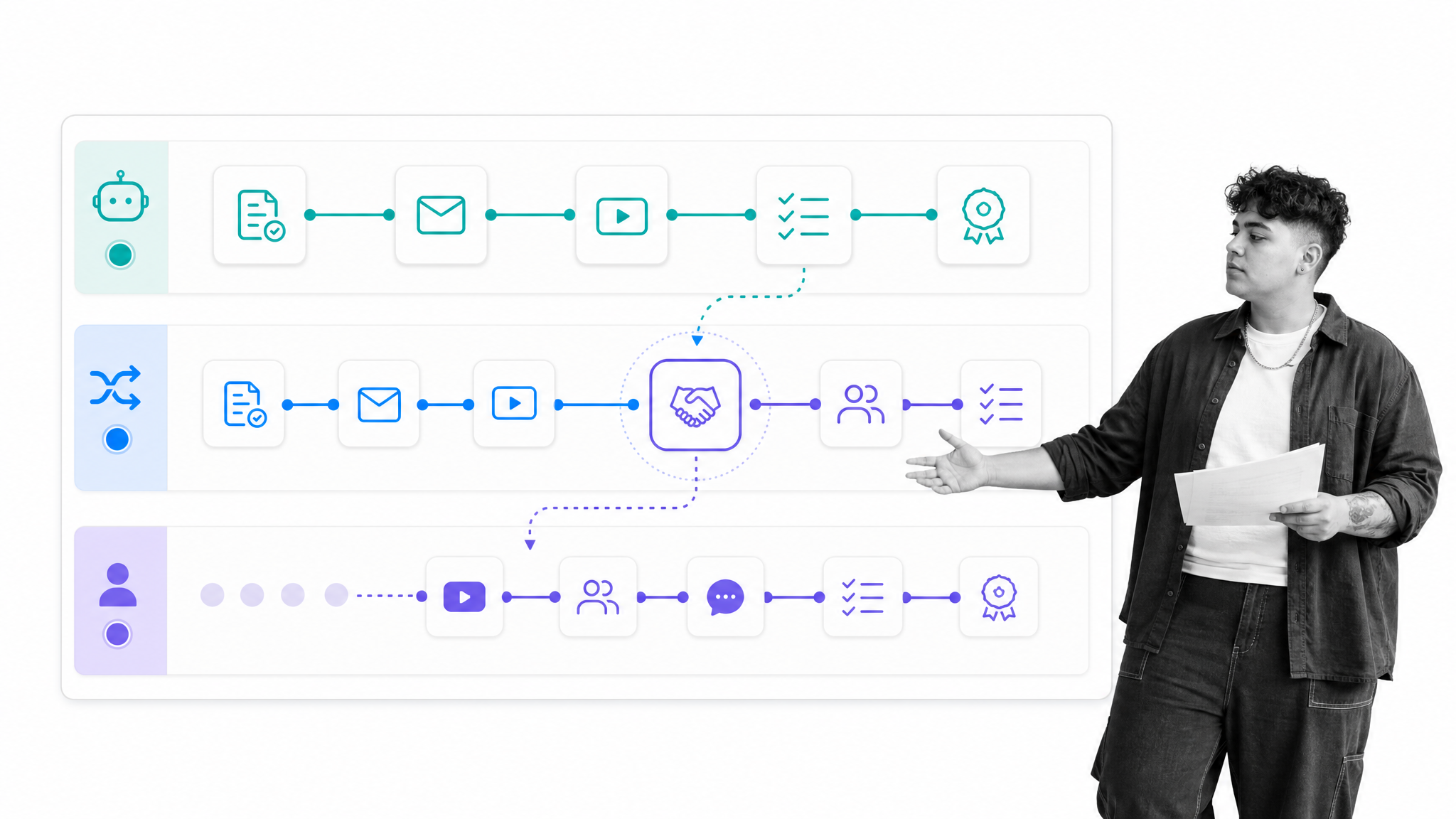
Many organizations strategically implement a mixed approach, combining elements of both automated and concierge onboarding. This is frequently seen in SaaS companies offering tiered pricing structures. For instance, users on a freemium plan might be exploring the product with the potential for a larger enterprise contract, while the majority may have no such intention. A common strategy involves leveraging best practices in automated onboarding, such as creating comprehensive instructional materials, while simultaneously deploying a dedicated team for personalized concierge onboarding for high-value prospective clients. The challenge lies in determining the optimal balance for a specific business at any given time.
Sujan Patel’s Transformative Six Onboarding Experiments for ContentMarketer.io
Sujan Patel’s iterative approach to refining the user onboarding process for ContentMarketer.io, over a nine-month period and through six distinct experiments, provides a valuable case study in adapting and optimizing for growth. This journey saw the company transition from a fully automated onboarding model to a concierge-led strategy, and finally to a refined hybrid model, ultimately establishing a robust business that could focus on strategic development and expansion. The company, later rebranded as Mailshake, continued its upward trajectory, becoming a successful email platform.
Patel’s methodology was characterized by its lean execution, requiring minimal developer resources and yielding a rich dataset encompassing both quantitative and qualitative insights. Before initiating these experiments, Patel engaged directly with numerous early adopters, conducting in-depth interviews to gain a foundational understanding of his audience, their expectations, and their perceptions of the product. This initial research enabled him to formulate initial user segments based on their feedback.
A recurring theme emerged from these conversations: a deficit in product education. Recognizing that education is an intrinsic component of effective onboarding, Patel identified this as a prime area for initial experimentation.
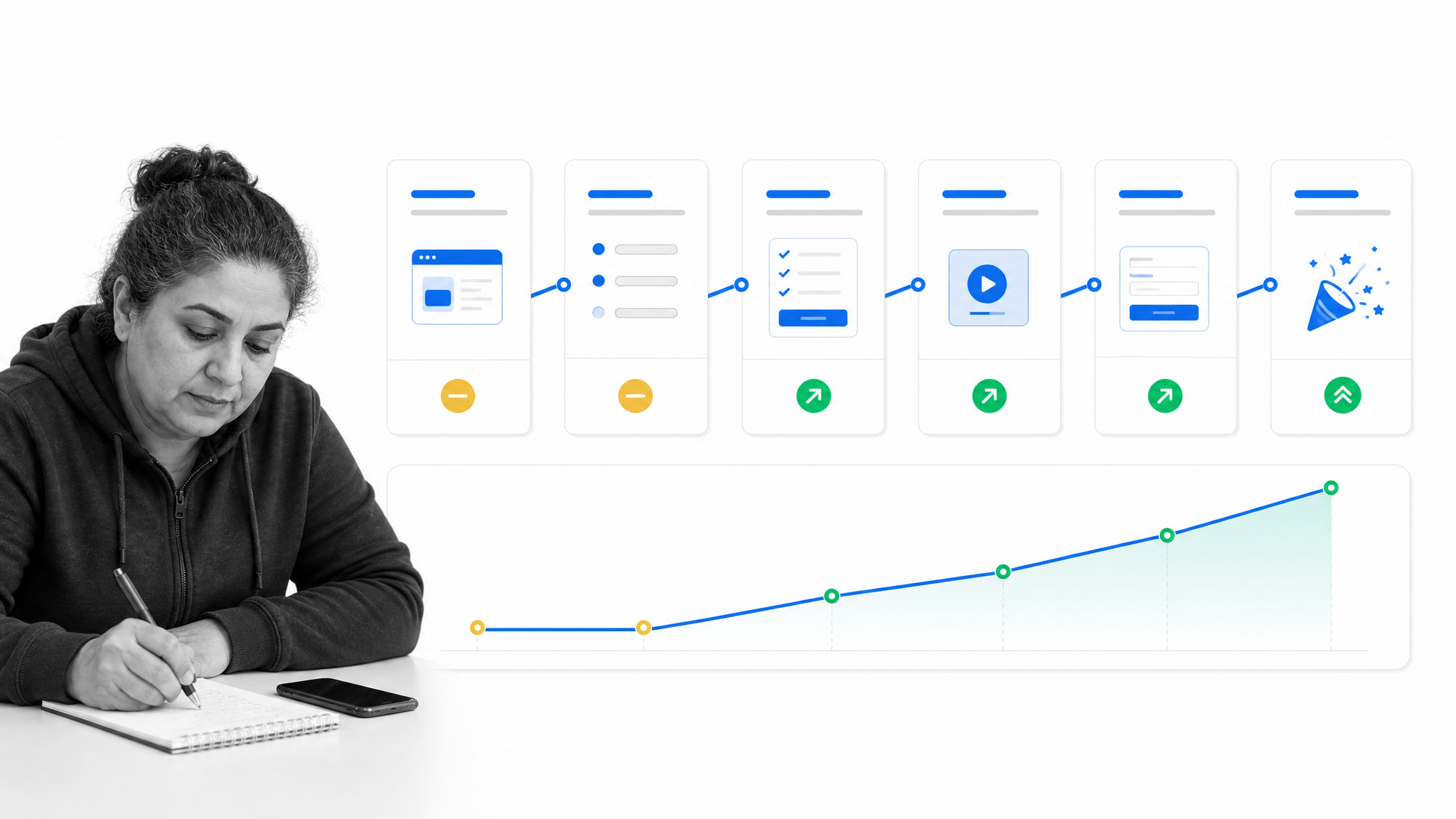
Experiment 1: Developing Comprehensive "How-To" Guides
The hypothesis was that providing clear, accessible educational materials would empower users to better understand and adopt the product. The creation of "how-to" guides aimed to equip users with the knowledge needed to navigate the platform independently and extract maximum value.
The implementation of these guides proved successful in boosting user engagement, with weekly active users increasing by 15%. However, this initial success did not translate into a corresponding increase in trial-to-paid conversion rates. This outcome indicated that while improved usability and communication of value were achieved, a more direct approach was needed to influence revenue generation. The challenge shifted to understanding the motivations behind upgrades and finding a mechanism to incentivize them.
Experiment 2: Transitioning to Manual User Onboarding
In response to the plateau in conversion rates, Patel shifted to a concierge onboarding model, adopting a more proactive sales-oriented approach to encourage upgrades. This involved directly engaging with users to discuss their needs and the product’s value proposition.
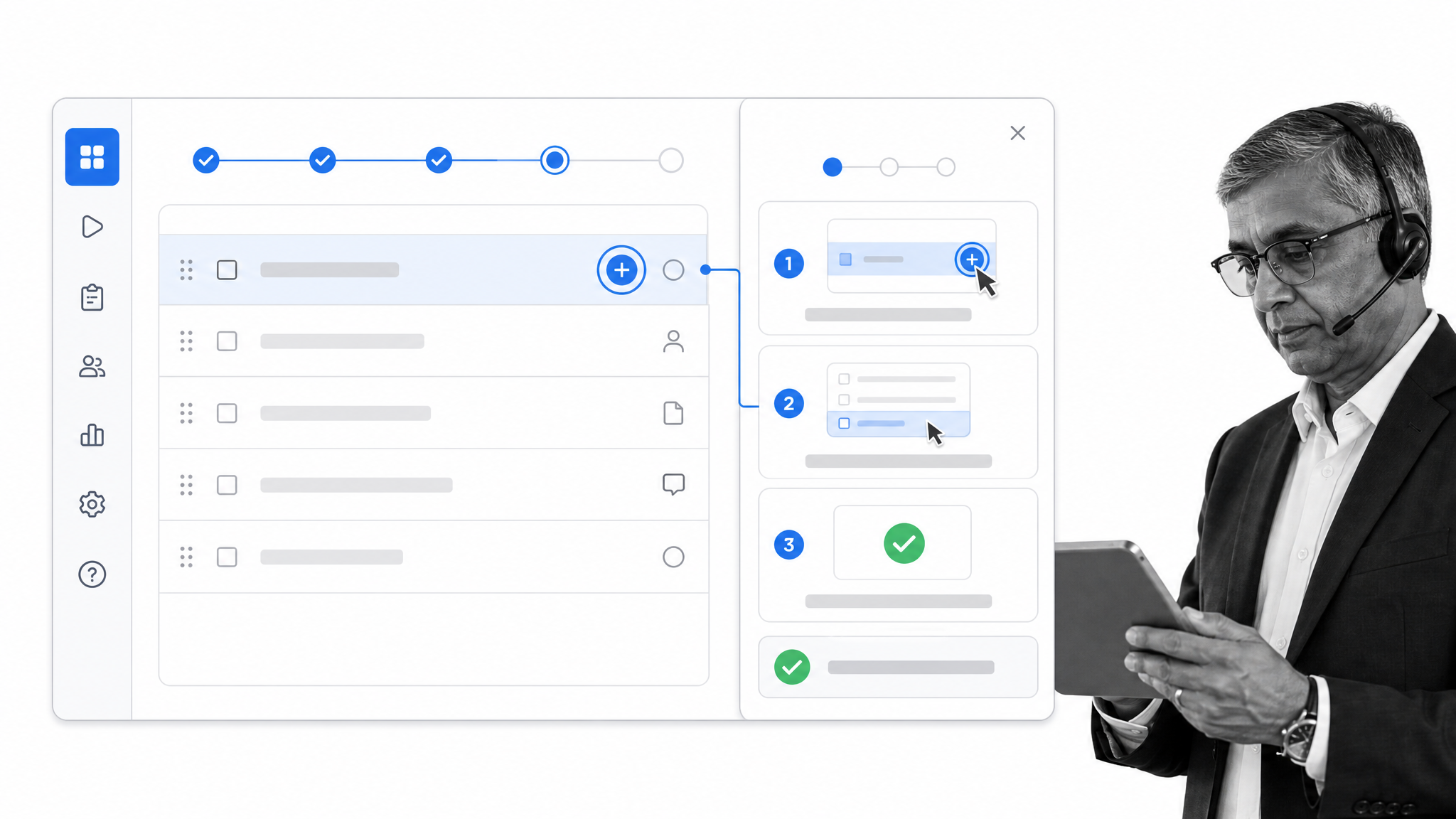
This manual approach yielded significant results, with approximately 55% of the users Patel personally engaged with converting to paid subscriptions. This represented a substantial win for ContentMarketer’s bottom line. However, the challenge then became scaling this highly effective, yet labor-intensive, outreach. Only about 15% of trial users opted into these personalized conversations, highlighting the need to improve the reach and efficiency of this engagement strategy.
Experiment 3: Implementing Live Chat Prompting
To address the low contact rate associated with manual outreach, Patel introduced live chat prompting on the platform. This feature allowed for more immediate and less intrusive engagement, enabling users to seek assistance or initiate a conversation with the customer success team directly within the application.
The implementation of aggressive live chat prompts resulted in an approximately 30% lift in total conversions, moving the trial-to-paid customer conversion rate from around 3% to 4.5%. While these numbers might appear modest, they represent a 50% increase in revenue, demonstrating the significant impact of accessible, real-time support. The challenge persisted, however, in the labor-intensive nature of managing live chat interactions and the need to more effectively target resources towards users most likely to convert.
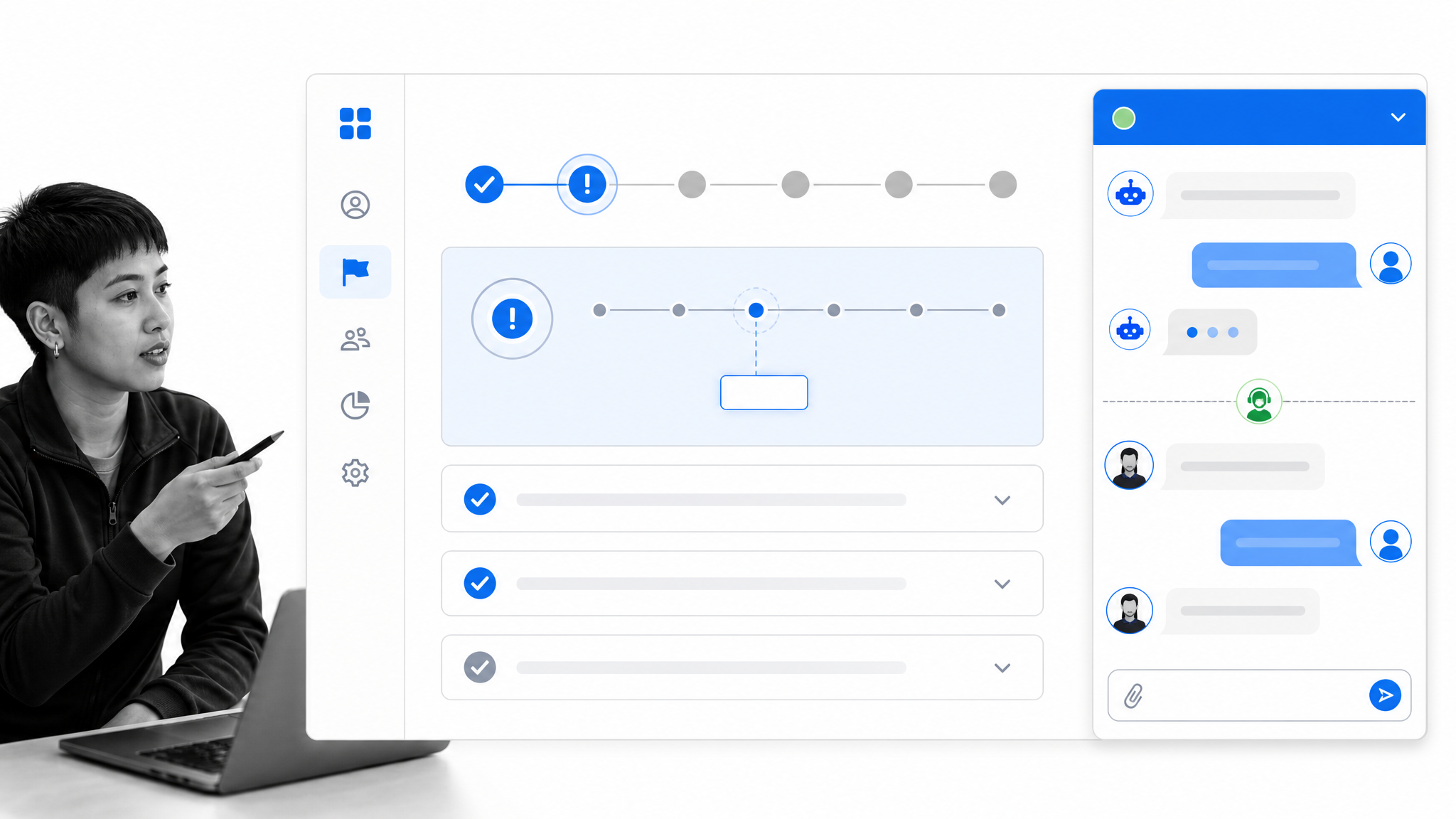
Experiment 4: Utilizing Question-Based Onboarding for User Insights
Armed with new knowledge and an improved revenue stream, Patel directed his development team to enhance the automated onboarding process by incorporating a short questionnaire. This survey aimed to gather critical insights into users’ motivations for signing up, their expectations of the platform, and their current content marketing practices.
The data collected provided crucial understandings about non-converting users. Approximately 50% struggled with product usability, often abandoning the platform due to difficulties in understanding how to use it. The remaining 50% had unrealistic expectations, seeking a "silver bullet" solution for their content strategy that did not align with the product’s capabilities. This realization led Patel to conclude that a segment of sign-ups, those with unrealistic expectations, would likely never convert. This insight allowed for a more focused outreach strategy, concentrating resources on assisting users who faced usability challenges and clarifying the product’s actual capabilities and limitations in marketing materials.
Experiment 5: Requiring Credit Card at Sign-Up
With a clearer understanding of user expectations and a refined marketing message, Patel aimed to further optimize the conversion process by weeding out users with no intention of purchasing. The introduction of a credit card requirement at sign-up served this purpose.
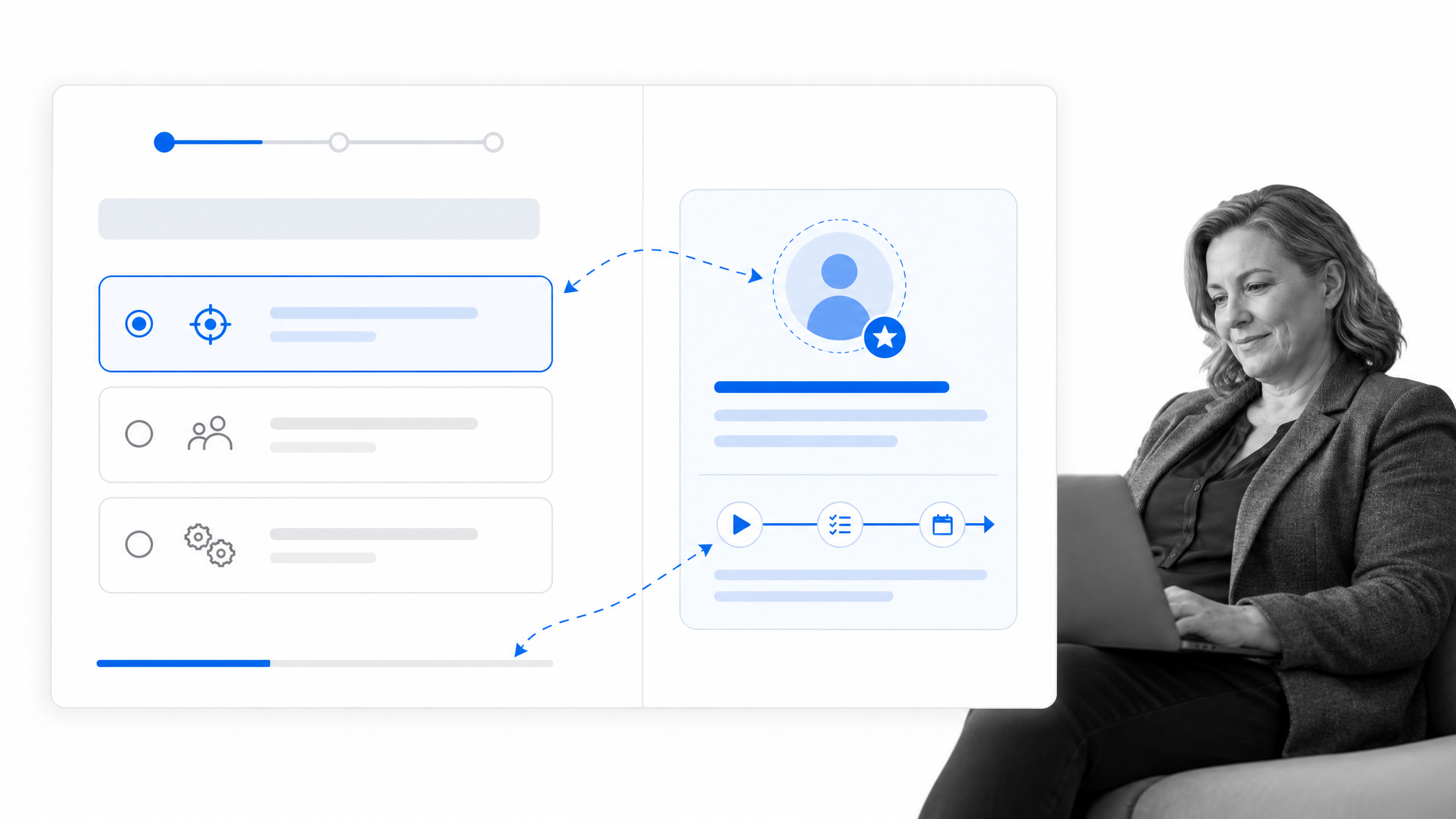
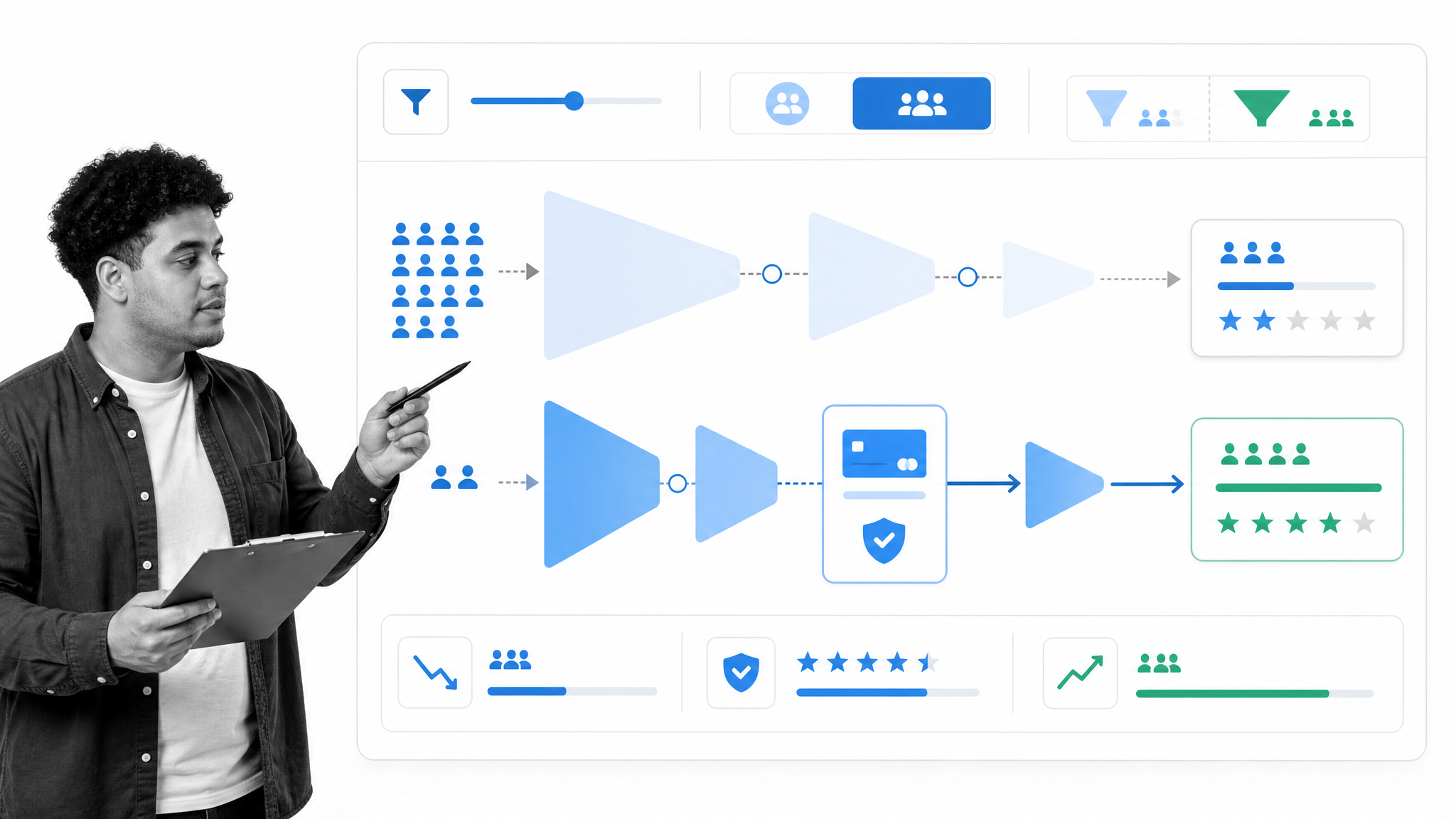
This strategic change significantly reduced the volume of leads from 300-350 per month to 75-100. However, it nearly doubled the number of paid customers acquired each month, increasing from a previous range of 13-15 to 20-25. This reduction in unqualified leads freed up valuable company resources, allowing Patel to focus his attention on supporting a more serious and motivated cohort of 100 new sign-ups. The smaller, higher-quality pool of new users enabled the highly effective concierge onboarding method to be applied with greater precision, nearly doubling the monthly acquisition of paying customers.
Experiment 6: Eliminating Free Trials Entirely
Buoyed by the consistent revenue generation and the increased quality of sign-ups, Patel made the bold decision to eliminate the free trial period altogether. ContentMarketer now required an upfront payment of $50 to access the application.
This final step ensured that every sign-up generated immediate revenue and represented a highly qualified lead. Each user was now committed to the service and had realistic expectations, which had been managed prior to the sign-up. The result was an all-time high of 30-35 new customers per month, a significant improvement from the previous 20-25 and a monumental leap from the starting point nine months prior.
After nine months of iterative refinement, Patel had successfully crafted a sustainable SaaS business. His approach centered on recognizing resource limitations and meticulously refining the user base to maximize conversion efforts. ContentMarketer’s success led to the development of three distinct tools: Marketer, Notifier, and Connector. Connector, proving to be the most popular, became the focus, and the platform was rebranded as Mailshake. Mailshake now boasts nearly 15,000 users, generating substantial monthly revenue, a testament to the power of strategic user onboarding.
Key Learnings from Patel’s Experiments
Patel’s extensive experimentation offers several crucial takeaways for businesses looking to optimize their user onboarding:
- Iterative Refinement is Key: User onboarding is not a static process. Continuous testing, analysis, and adaptation are essential for maximizing effectiveness.
- Understand Your Users Deeply: Direct engagement and data analysis are critical for identifying user pain points, expectations, and conversion drivers.
- Focus on Activation Events: Pinpointing the specific actions or milestones that correlate with long-term user success is vital for guiding new users effectively.
- Align Onboarding with Business Goals: The onboarding process should directly support key business objectives, such as revenue generation and customer retention.
- The Value of a Mixed Approach: While automated onboarding offers scalability, personalized, high-touch interactions can be invaluable for driving conversions and fostering loyalty, especially for higher-value customers.
Kevin Dewalt’s Four-Step Framework for Implementing Concierge Onboarding
Kevin Dewalt, a proponent of concierge onboarding, outlines a structured approach for implementing this high-touch model, emphasizing its benefits in building strong customer relationships and driving conversions.
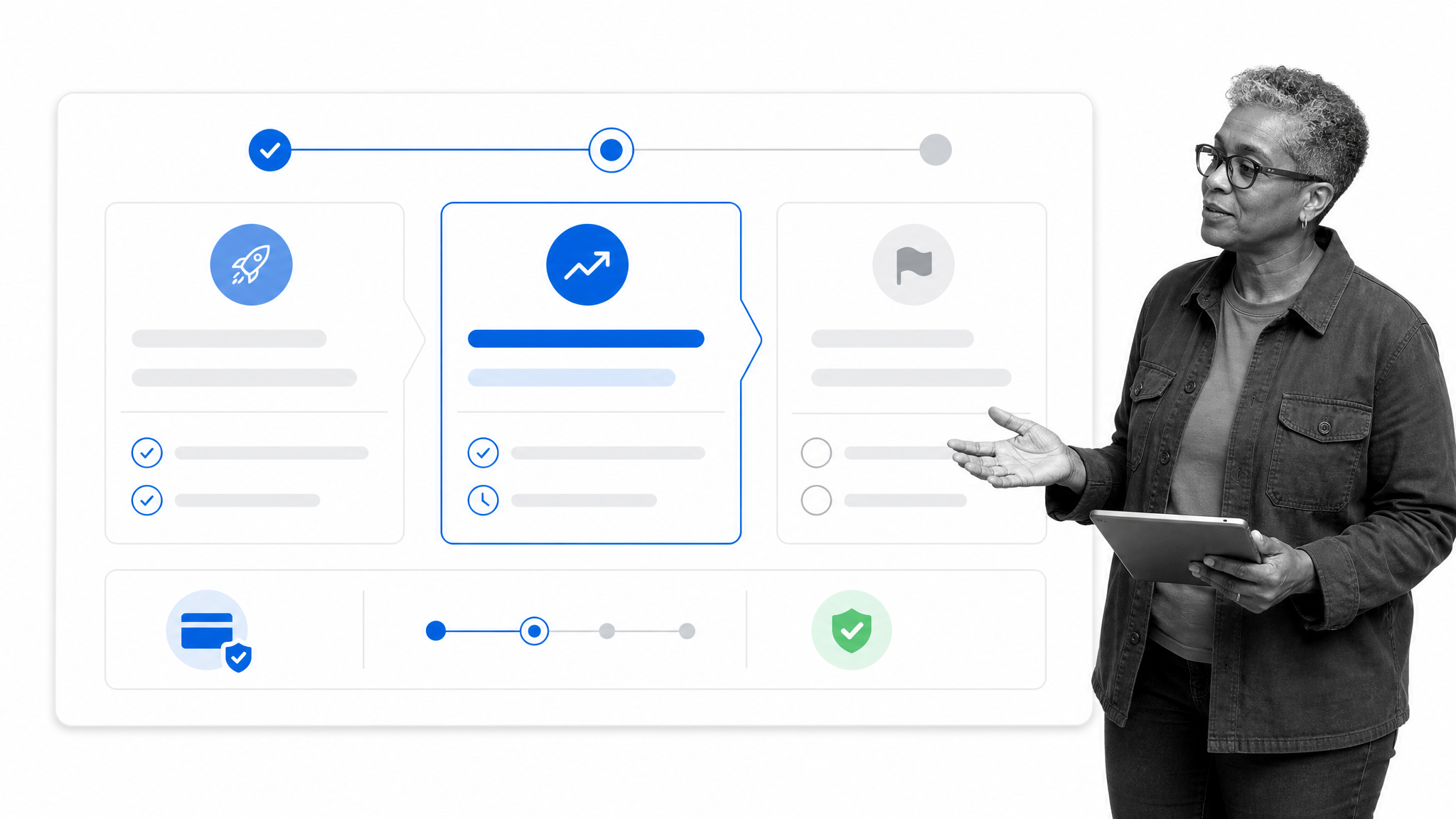
Dewalt highlights three primary reasons for advocating concierge onboarding:
- Direct Feedback Loop: It provides immediate, unfiltered insights into user challenges and product perception.
- Relationship Building: It fosters trust and rapport, laying the groundwork for long-term customer loyalty.
- Conversion Optimization: Personalized guidance can effectively address user hesitations and drive conversion to paid plans.
Step 1: Analyze Customers at Sign-Up
Dewalt advocates for a lean, iterative approach, beginning with an analysis of recent sign-ups. By examining the last 10 free trial users, teams can gather relevant data to answer three critical questions:
- What is the user’s stated goal for using the product?
- What problem are they trying to solve?
- What is their current workflow or existing solution?
The answers to these questions provide a foundational understanding that guides subsequent interactions and allows for the contextualization of various data points.
Step 2: Engage Customers on a Call
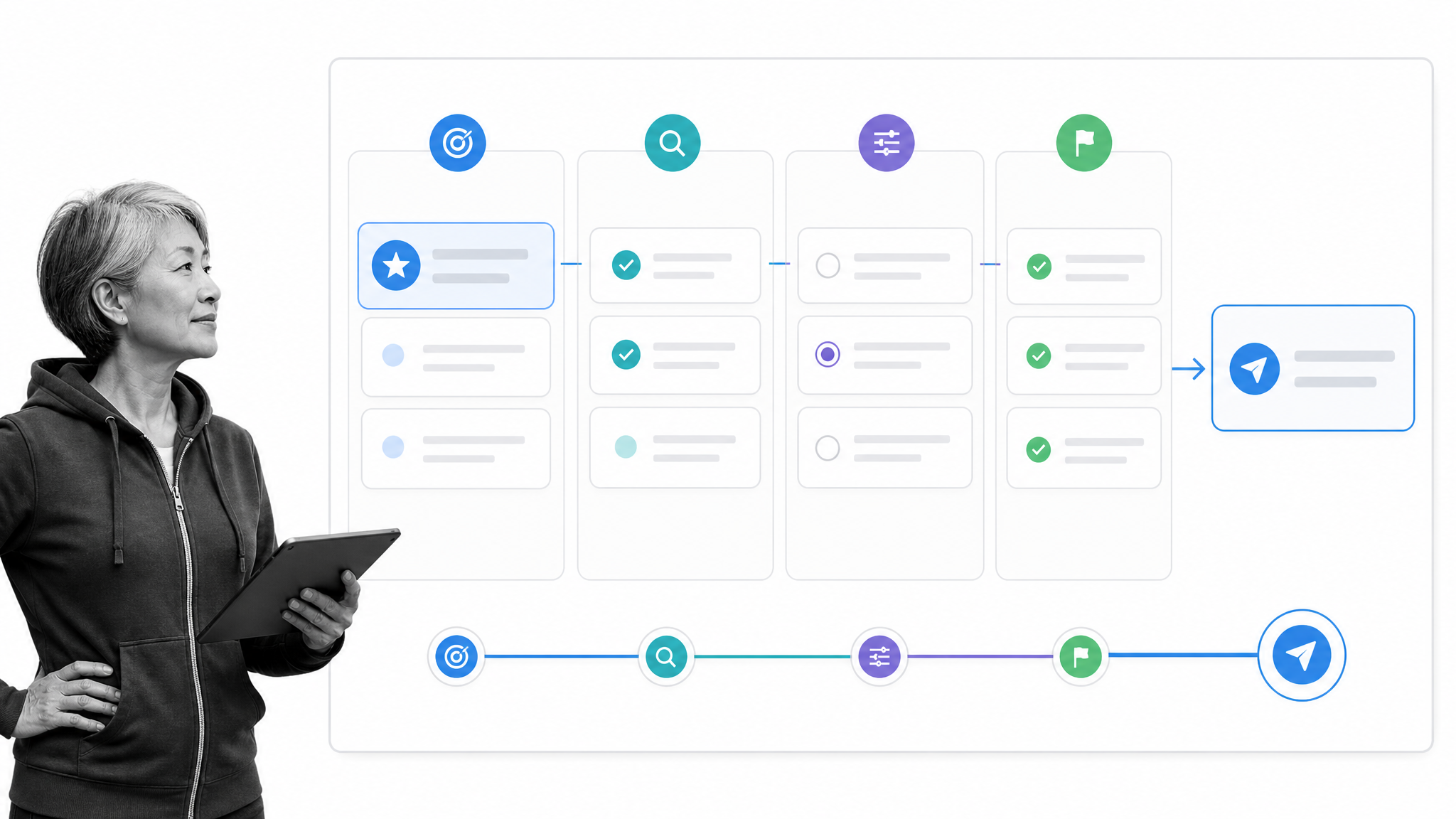
This step, often the most challenging, involves securing a conversation with the new user. Dewalt recommends personalized, hand-crafted emails that include specific details, such as mentioning the user’s city or industry, to demonstrate genuine research and a departure from automated outreach. Offering assistance or training is presented as a more effective opener than directly soliciting an upgrade.
Step 3: Utilize the GROW Method
Dewalt champions the GROW (Goal, Reality, Options, Will) method for structuring these calls. The process involves:
- Goal: Clearly define the user’s objectives for using the product.
- Reality: Understand their current situation and challenges.
- Options: Explore potential solutions and how the product can meet their needs.
- Will: Encourage commitment and action by presenting how the platform can help them achieve their goals.
This framework ensures a structured and productive conversation that moves towards a clear outcome.
Step 4: Measure Results and Document the Process
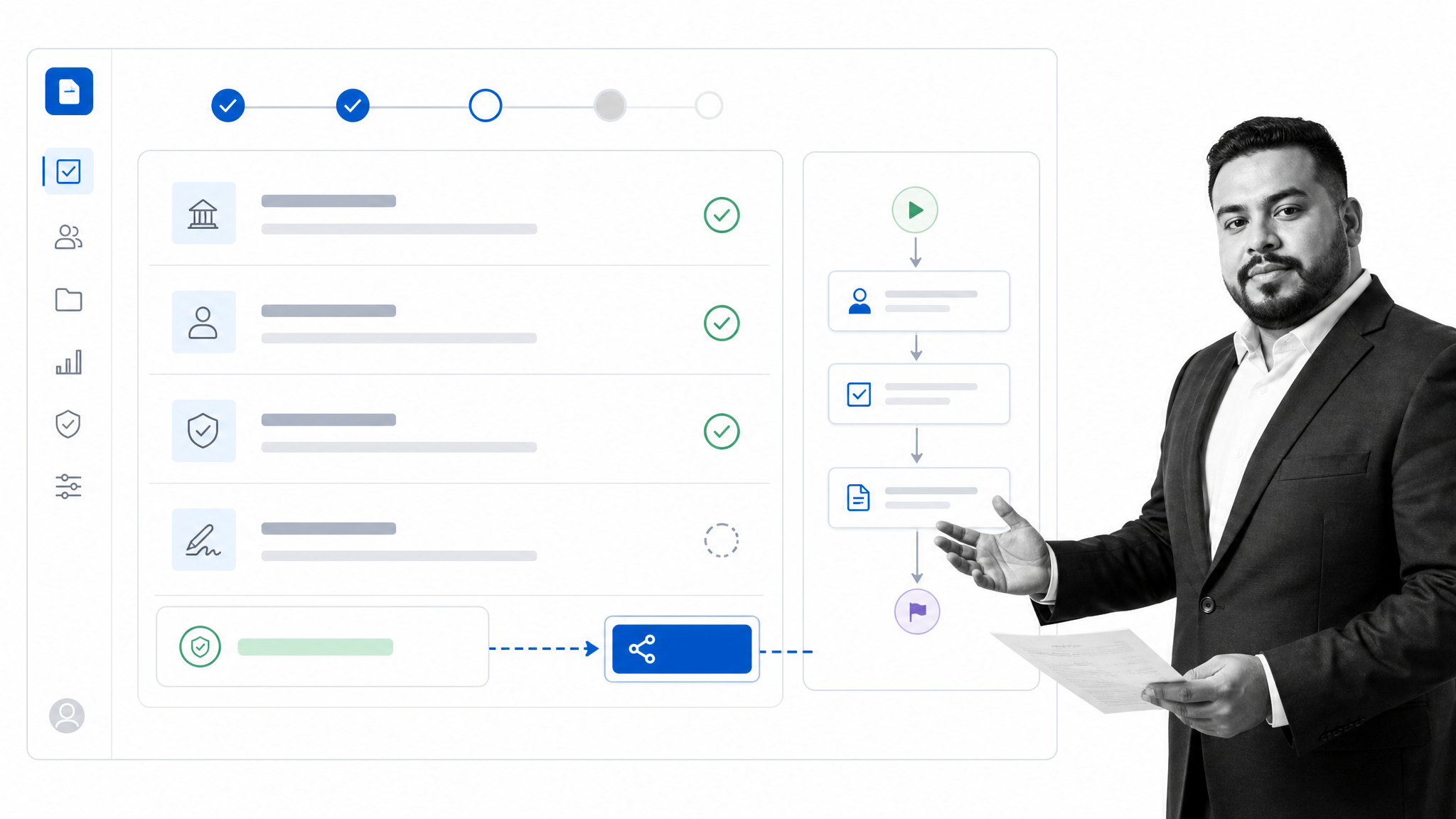
Following each call, detailed notes or transcriptions should be compiled. These insights are then used to refine future interactions and improve the understanding of customer needs. Dewalt emphasizes the importance of documenting the entire process and adhering to it consistently. Regular evaluation of learnings allows for iterative improvements to both customer knowledge and conversion rates. Tools like Process Street can be instrumental in documenting, executing, and iterating these onboarding workflows.
How Process Street Supports Consistent User Onboarding
A truly effective onboarding experience extends beyond simple tooltips. It requires seamless coordination between product, marketing, sales, customer success, and operations teams, all guided by clear ownership and robust mechanisms for addressing deviations from the expected user path. Process Street, as a Compliance Operations Platform, offers integrated Docs and Ops capabilities, augmented by AI, to bridge the gap between onboarding knowledge and its consistent execution.
Utilizing Docs for Governed Onboarding Guidance
Process Street’s Docs feature provides a centralized, structured repository for product guidance, account qualification criteria, call scripts, escalation protocols, and customer-facing instructions. The review and approval workflows ensure that this guidance remains current and accurate. By serving as a single source of truth, Docs minimizes the risk of inconsistent onboarding experiences being developed independently by different team members.
Leveraging Ops for Coordinated Milestones, Ownership, and Exceptions
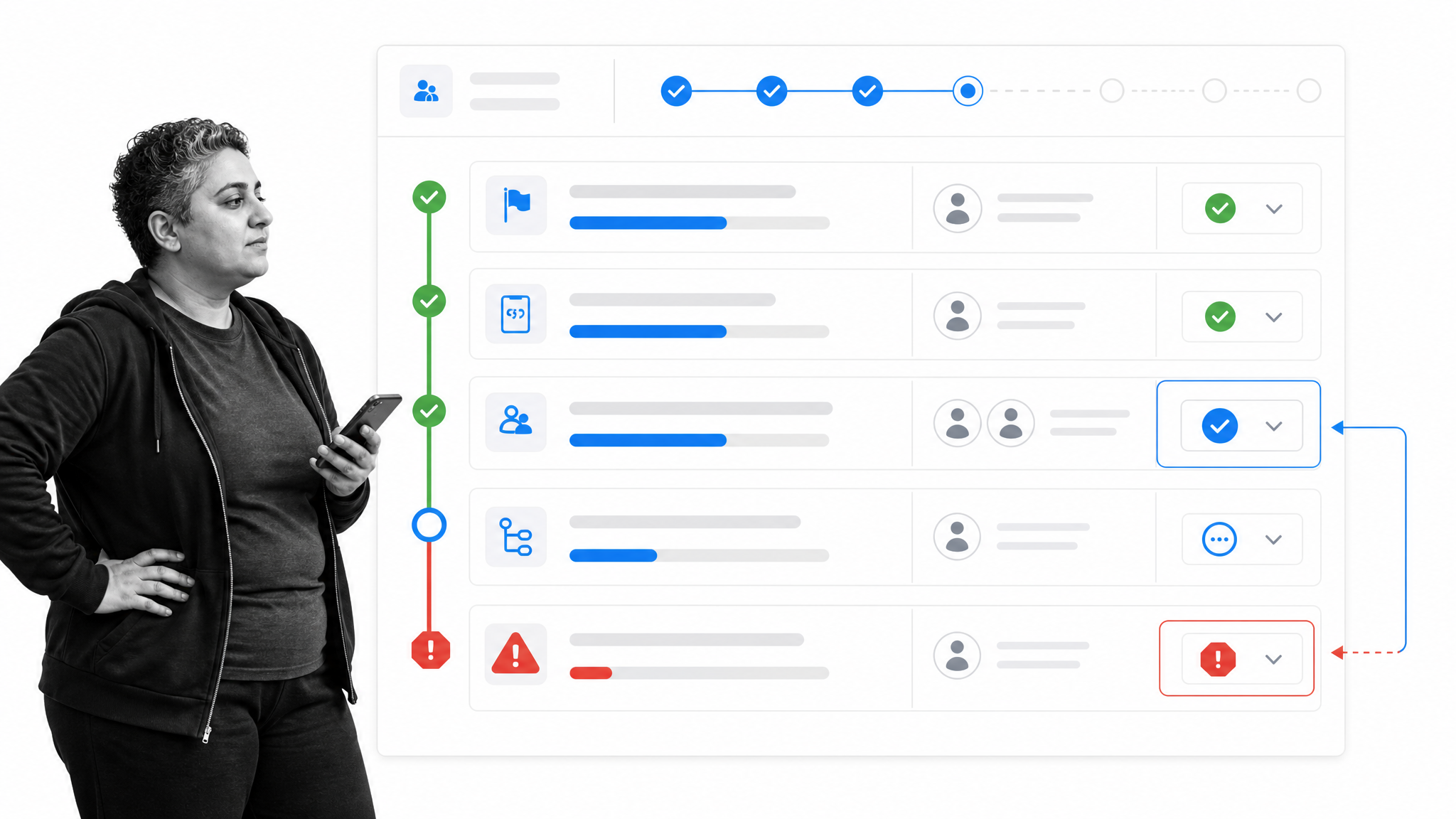
Ops transforms the operational model into an active, dynamic workflow. Teams can assign customer milestones, collect structured data, implement conditional logic for adaptive user paths, manage approvals, and flag exceptions before they escalate into churn risks. Built-in AI can assist in task completion or routing within the process, while maintaining team control over the underlying operational rules.
Connecting Onboarding to the Broader Customer Ecosystem
Onboarding processes rarely exist in isolation. Process Street offers universal integrations with over 5,000 systems, with the capability for AI-driven custom integration development. This connectivity enables the seamless transfer of qualified customer data into onboarding workflows, the triggering of appropriate processes, and the return of completion or exception signals to existing team systems. The ultimate objective is to achieve consistency without sacrificing flexibility, standardizing critical controls that safeguard the customer experience while allowing for adaptation based on user goals, product behavior, risk profiles, and account value.
Nine Essential Tools for User Onboarding Experimentation
When evaluating onboarding tools, it is crucial to identify where the user journey is encountering friction. Various tools address different aspects of this journey, from in-app guidance and reducing access friction to facilitating high-touch interactions and enabling process management and testing. Each tool should be viewed as a means to test a specific onboarding hypothesis, rather than a replacement for a deep understanding of user needs. These nine tools cover a range of functionalities, including communication, product guidance, analytics, video, identity management, concierge routing, experimentation, and governed operations.

1. Intercom for Conversational Onboarding
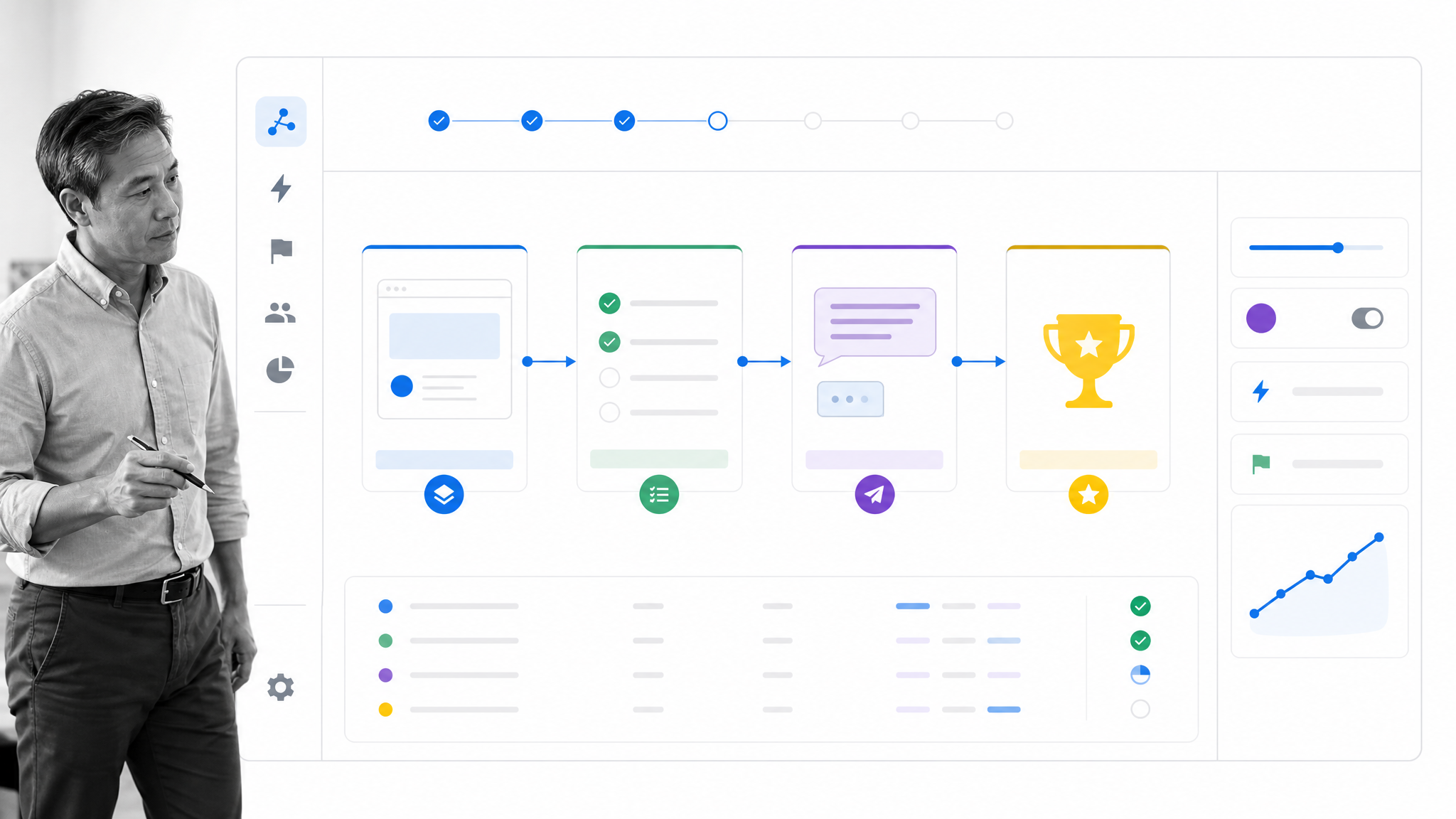
Intercom integrates in-app messaging, product tours, and customer support workflows, making it ideal for onboarding that dynamically responds to user behavior. It allows product teams to introduce features contextually, guide users through short tours, and provide immediate human assistance when needed. The key is to trigger messages around meaningful actions or obstacles, measuring their impact on activation rather than overwhelming users with excessive prompts.
2. Appcues for Cross-Channel Product Guidance
Appcues empowers teams to create onboarding flows, checklists, and announcements without altering the core product interface. This makes it highly suitable for teams looking to experiment with user guidance while engineers focus on product development. Appcues effectively links user behavior to the next relevant prompt, ensuring that guidance is timely and contextually appropriate.
3. Userpilot for Behavior-Led Onboarding
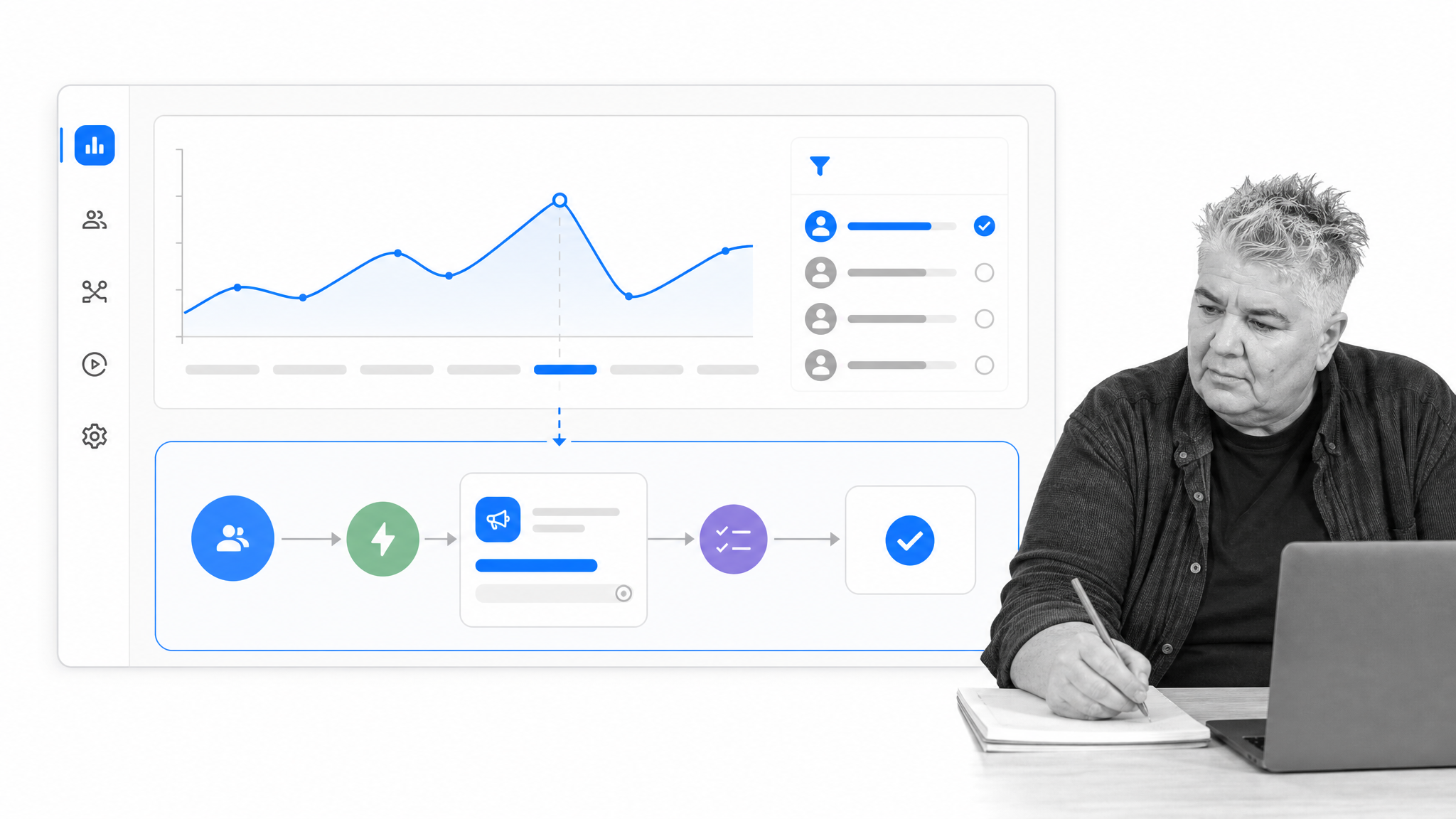
Userpilot consolidates product analytics, segmentation, surveys, session replay, and in-app onboarding workflows into a single product growth platform. Its strength lies in the feedback loop it creates: observing user behavior to identify bottlenecks, soliciting context through surveys, and triggering more relevant experiences for similar users. This is particularly beneficial for diverse user segments with varying paths to first value.
4. Intro.js for Lightweight Guided Tours
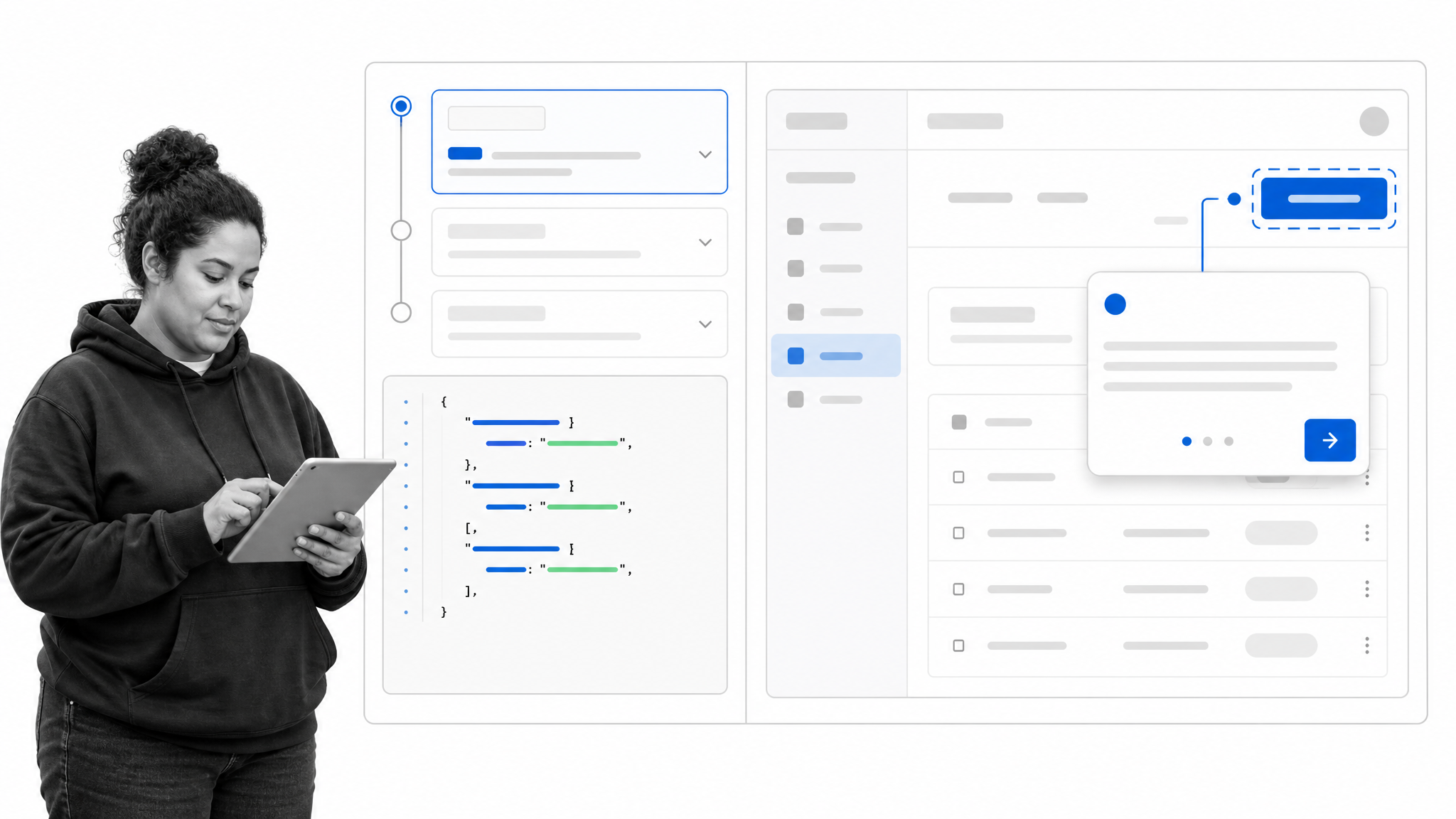
Intro.js is a JavaScript library that facilitates the creation of step-by-step product tours and contextual highlights. It offers development teams direct control over tour implementation without the overhead of larger adoption platforms, making it suitable for well-defined tasks where code maintenance is feasible. Tours are best used to orient users around specific workflows, allowing the interface to take over thereafter.
5. Wistia for Onboarding Video
Wistia provides a comprehensive video platform for hosting, editing, and analyzing onboarding videos. Video can effectively demonstrate workflows and sequences more efficiently than lengthy text instructions. Wistia’s features, including AI-assisted editing and localization, support the creation of engaging content. Onboarding videos should be concise and linked to clear next actions, with engagement data serving as a guide for improvement.
6. Auth0 for Low-Friction Sign-In
Auth0 addresses the critical initial step of authentication, ensuring that a confusing or rigid sign-in process does not deter users before they experience the product’s value. It supports various identity patterns, including passwordless and social sign-in, to reduce friction while maintaining security. The chosen authentication methods should align with user context and account risk, prioritizing a secure and predictable experience.
7. Chili Piper for Instant Concierge Handoff
Chili Piper’s Concierge Live is designed for high-intent inbound handoffs. It can qualify visitors, route them to the appropriate representative, offer calendar scheduling, or initiate immediate phone connections. This is particularly effective for sales-assisted or high-value onboarding motions. Defining clear qualification and ownership rules before implementing speed is essential to ensure that prospects are connected with the right person who has sufficient context.
8. Optimizely for Onboarding Experiments
Optimizely facilitates digital experimentation, feature flagging, staged rollouts, and personalization, enabling teams to test onboarding changes with controlled exposure. It allows for the creation of clear hypotheses and the pre-definition of key metrics for evaluation. Feature flags enable gradual exposure increases, segment comparisons, and the ability to halt changes if evidence does not support them, thereby protecting the overall user journey.
9. Process Street for Governed Onboarding Operations
Process Street helps teams document and consistently execute onboarding models across different accounts. Its Docs feature provides governed guidance and customer-facing materials, while Ops coordinates tasks, handoffs, approvals, data collection, and exception management. Built-in AI can assist within workflows, ensuring transparency and control. Process Street’s integrated approach keeps guidance and operational execution connected, which is particularly valuable for onboarding processes that span multiple departments, involve compliance requirements, or necessitate a clear audit trail.
Optimizing User Onboarding Optimizes Your Business
The strategic implementation of user onboarding is a critical driver of business success. By understanding and applying the principles of iterative refinement, deep user analysis, focusing on activation events, and aligning onboarding with overarching business goals, companies can significantly enhance user activation, retention, and ultimately, revenue. The exploration of both automated and concierge approaches, along with the adoption of a balanced hybrid strategy, offers a flexible framework for diverse business needs. Ultimately, a commitment to continuous testing and a willingness to adapt will empower businesses to achieve remarkable growth through optimized user onboarding.