The Essential Guide to VPNs in 2026: Safeguarding Your Data in the Age of AI

The burgeoning integration of artificial intelligence into daily professional workflows has ushered in a new era of digital convenience, yet it simultaneously presents unprecedented challenges to data privacy and security, particularly when operating on public networks. This evolving landscape necessitates a re-evaluation of fundamental cybersecurity tools, with Virtual Private Networks (VPNs) emerging as a critical line of defense for individuals and enterprises alike.
The urgency of this shift was starkly illustrated a few months prior, when an individual, connected to public Wi-Fi in an airport lounge in Tokyo, was utilizing a generative AI tool to process client notes. While the information was not classified, the realization that the entire query was being transmitted unencrypted across an unknown router, en route to a third-party server, underscored a profound and often overlooked vulnerability. In 2026, the interaction with AI tools extends far beyond simple browsing; it involves the transmission of sensitive context, proprietary documents, and sometimes entire strategic decks over whatever network is readily available. While a secure home internet connection typically mitigates some risks, the scenario dramatically changes in less controlled environments, such as a coffee shop in Bangkok or a hotel business center. This growing exposure has prompted many to re-prioritize VPNs, moving them from a ‘good-to-have’ to an ‘essential’ component of their digital security posture.
The Evolving Threat Landscape: Public Wi-Fi and AI Data
The proliferation of public Wi-Fi networks has long been a double-edged sword, offering ubiquitous connectivity but often at the cost of security. Cybersecurity reports consistently highlight public Wi-Fi as a significant vector for data interception, with unencrypted connections serving as open invitations for malicious actors. In 2026, this risk is amplified by the sheer volume and sensitivity of data now routinely fed into AI models. Unlike traditional web browsing, where HTTPS encrypts the connection between a browser and a website, local network observers can still infer activity or, in the absence of a VPN, potentially intercept the raw, unencrypted traffic before it reaches the HTTPS layer for AI prompts and application-level data. This distinction is crucial: while HTTPS protects data in transit to the server, it does not obscure the initial query as it leaves a user’s device on a local, potentially compromised network.
The typical prompt to an AI model might contain proprietary business strategies, confidential client discussions, personal identifiable information (PII), or even preliminary intellectual property. The consequences of such data falling into the wrong hands range from competitive disadvantage and reputational damage to severe legal and financial repercussions under data protection regulations like GDPR and CCPA. The incident in the Tokyo lounge serves as a potent reminder that even seemingly innocuous client notes, when aggregated and analyzed by an AI, could reveal patterns or insights that are highly valuable to competitors or bad actors.
Deconstructing "AI" in VPNs: Reality Versus Marketing Hype
The cybersecurity industry, like many others, has readily adopted "AI-powered" as a marketing differentiator in recent years. While some of these claims genuinely reflect advancements, a significant portion remains buzzword layering over existing functionalities. Understanding the true application of AI in VPN services is critical for informed decision-making.
Genuine AI applications, or those closely aligned, leverage machine learning to enhance security proactively. NordVPN’s Threat Protection Pro exemplifies this. It utilizes on-device machine learning algorithms to analyze URLs, downloaded files, and traffic patterns in real-time. This allows it to identify and block novel malware and phishing attempts that have not yet been added to conventional blocklists, moving beyond reactive, signature-based detection to a more predictive threat mitigation strategy. Industry experts commend such implementations for their potential to offer a more robust defense against zero-day exploits and evolving cyber threats.
In contrast, features like "intelligent server selection," while beneficial for user experience by optimizing connection speed and stability, are typically powered by sophisticated load-balancing algorithms, not artificial intelligence in the contemporary sense. These algorithms efficiently route traffic to the least congested or geographically closest server, a capability that has been standard in advanced networking for years. Similarly, "AI-optimized connections" often merely refer to the application automatically selecting the nearest server, a basic function repackaged with advanced terminology.
The consensus among cybersecurity analysts is that while AI can augment VPN capabilities, the fundamental value proposition of a VPN in 2026 remains unchanged: establishing an encrypted tunnel, masking the user’s IP address, and providing a secure layer of protection on untrusted networks. The "AI" label, where genuinely applied, enhances these core functions, but it should not overshadow the essential cryptographic and networking principles that form the backbone of VPN security.
The Hidden Cost of Connectivity: Unmasking the VPN Renewal Trap
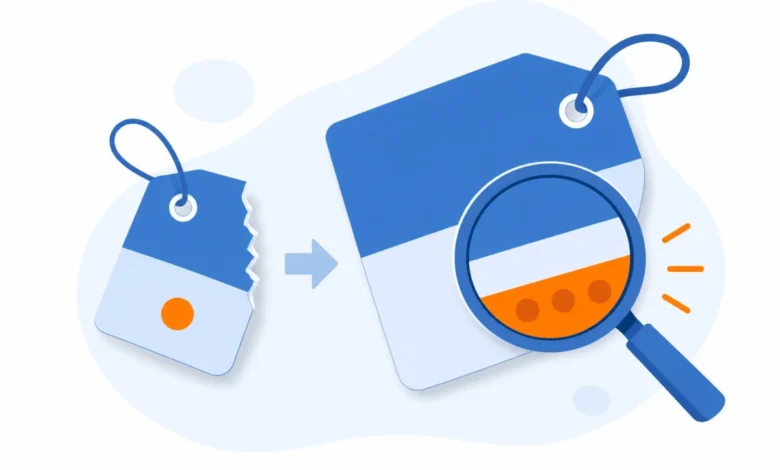
A significant, yet frequently unaddressed, aspect of VPN pricing models is the "renewal-price trap." This widespread industry practice involves offering highly attractive, deeply discounted rates for initial multi-year subscriptions, only to automatically renew at a significantly inflated annual cost once the promotional period concludes. This strategy, common across various subscription-based services from streaming platforms to gym memberships, often catches consumers off guard and substantially alters the long-term financial implications of a VPN subscription.
For instance, a leading provider like NordVPN might offer a two-year promotional rate ranging from $3.49 to $4.59 per month. However, after the initial term, the subscription typically renews at an annual rate of approximately $219.48, equating to about $18.29 per month – a staggering 4 to 5 times the introductory price. Surfshark follows a similar model, with its Starter plan promoting at $2-2.50/month for two years, then renewing at around $79/year. ExpressVPN also employs this tiered promotional pricing, with significant jumps at renewal.
This lack of transparency in renewal pricing is a critical oversight in many VPN comparison articles, skewing the perceived value proposition. What appears to be a $3/month service can quickly escalate to a $15-20/month commitment. Consumer advocacy groups have increasingly called for greater clarity in subscription billing, highlighting the need for providers to explicitly communicate both introductory and renewal rates upfront.
Mullvad stands as a notable exception to this industry norm. It adheres to a straightforward, flat-rate pricing model, charging a consistent €5 per month regardless of the subscription duration. This commitment to transparent, unchanging pricing provides a refreshing alternative for consumers seeking predictability and a clear understanding of their long-term expenditure. Awareness of this renewal trap and its implications is paramount for any user considering a multi-year VPN subscription, prompting the recommendation to calendar renewal dates to avoid unexpected cost escalations.
Leading VPN Solutions for 2026: An In-Depth Analysis
The market for VPN services in 2026 is robust and competitive, with several providers standing out for their blend of security features, performance, and user experience.
NordVPN – Best Overall
NordVPN has consistently topped VPN recommendation lists for its comprehensive offering. Its standout feature is Threat Protection Pro, a genuinely AI-driven solution that operates locally on the user’s device. This machine learning-powered system actively scans for malicious URLs, trackers, and files, blocking threats before they can impact the browser. Its ability to detect and mitigate novel threats, rather than relying solely on known blocklists, represents a significant advancement in proactive cybersecurity. NordVPN boasts an extensive network of over 8,400 servers across 111 countries, ensuring reliable connectivity and broad geographical coverage. The implementation of the NordLynx protocol, based on WireGuard, offers impressive speeds, typically resulting in only an approximate 18% speed loss compared to unprotected connections. Its automatic protocol switching intelligently adapts to network conditions, optimizing performance and security. NordVPN is highly recommended for remote workers who require a versatile VPN capable of handling diverse needs, from robust security to high-speed streaming. Pricing for its Plus plan, which includes Threat Protection Pro, hovers around $4.59/month for a two-year term, renewing at approximately $219.48/year (~$18.29/month).
Surfshark – Best Value / Families
Surfshark distinguishes itself with a compelling value proposition, primarily its offer of unlimited device connections at an accessible price point. This feature makes it an ideal choice for households or individuals managing multiple devices, eliminating the hassle of slot limitations common with other providers. Its CleanWeb feature provides effective ad, tracker, and malware blocking, though it operates more on a blocklist basis rather than the advanced machine learning of NordVPN’s Threat Protection Pro. Surfshark One, a higher tier, expands its offering with antivirus protection, a private search engine, and data breach alerts, positioning it as a more comprehensive security suite. The Starter plan’s promotional rate is around $2-2.50/month for a two-year plan, renewing at roughly $79/year. Surfshark One’s promo is about $2.50-3/month, renewing at approximately $99/year. Surfshark is particularly suited for budget-conscious users and families seeking extensive device coverage.
ExpressVPN – Best for Speed and Streaming, Now Three Tiers
ExpressVPN maintains its reputation for exceptional speed and reliable streaming capabilities. The proprietary Lightway protocol, further enhanced by Lightway Turbo in 2026 with multi-lane tunneling, consistently delivers some of the fastest connections in the market, with speed loss comparable to NordLynx (around 18%). Its upload speeds are frequently cited as best-in-class among VPNs. In February 2026, ExpressVPN restructured its offering into three distinct tiers, introducing an AI-powered privacy bundle that includes a real-time personal data security checker, email protection, and a standalone password manager. These advanced features are primarily concentrated in the higher tiers. ExpressVPN’s robust server network reliably unblocks major streaming services like Netflix, Hulu, Disney+, BBC iPlayer, and Paramount+, making it a top choice for international travelers and streaming enthusiasts. Pricing varies significantly across its Basic, Advanced, and Pro tiers, with promotional rates from $2.49/month to $5.99/month for initial terms, and renewal rates ranging from $99.95/year to $199.95/year. Users are advised to confirm device limits and feature inclusions for their chosen tier at the time of purchase.
Mullvad – For People Who Actually Need Privacy
Mullvad occupies a unique position in the VPN market, prioritizing absolute privacy and anonymity above all else. It operates on a strict, flat-rate pricing model of €5/month, devoid of promotional pricing or renewal traps. Mullvad’s commitment to user anonymity is exemplified by its account creation process, which involves generating a random 16-digit number instead of requiring an email or personal details. Payment options include cash by mail and Bitcoin, further enhancing anonymity. All of Mullvad’s servers run on RAM, ensuring that no persistent data storage exists and information is wiped with every server restart. This uncompromising approach was put to a real-world test in 2023 when Swedish police, armed with a warrant for user data, were unable to retrieve any information, validating Mullvad’s no-logs policy and technical architecture. As of January 2026, Mullvad exclusively supports the WireGuard protocol, having dropped OpenVPN. It intentionally foregoes features like ad blocking, threat protection, or streaming optimization, focusing solely on its core mission as a privacy tool. Mullvad is the preferred choice for journalists, activists, researchers, and anyone for whom true anonymity and a verifiable no-logs policy are paramount.
Beyond the Basics: When a VPN Becomes Indispensable
While the core utility of a VPN lies in encrypting internet traffic and masking IP addresses, its necessity in 2026 extends to specific scenarios and user profiles. A VPN is unequivocally worth having for individuals frequently using public Wi-Fi networks, especially when handling sensitive information. This includes remote professionals, digital nomads, and travelers who routinely access work-related documents or communicate confidential client details on hotel, airport, or cafe networks. Furthermore, a VPN is crucial for bypassing geo-restrictions on content and services, ensuring access to preferred streaming libraries or region-locked applications. For those concerned about online tracking and targeted advertising, a VPN provides an essential layer of defense by obscuring online activities from advertisers and data brokers. Lastly, for users in regions with restrictive internet censorship, a VPN is a vital tool for maintaining access to a free and open internet.
However, it is equally important to understand the limitations of a VPN. It will not protect against phishing scams if a user willingly clicks on malicious links or provides credentials to fraudulent websites. Similarly, a VPN cannot prevent malware infections if a user downloads compromised files or software. It also does not offer protection against vulnerabilities within a user’s own device or network, nor does it guarantee anonymity if other identifying behaviors are engaged in online. The emphasis, therefore, is on a holistic approach to cybersecurity, where a VPN acts as a foundational layer rather than a singular solution. For individuals working from a secure home network, a VPN may not be required 24/7, but its importance escalates dramatically when engaging with AI tools and sensitive data on any shared or untrusted network.
The Symbiosis of VPNs and AI Tools: A Deeper Dive
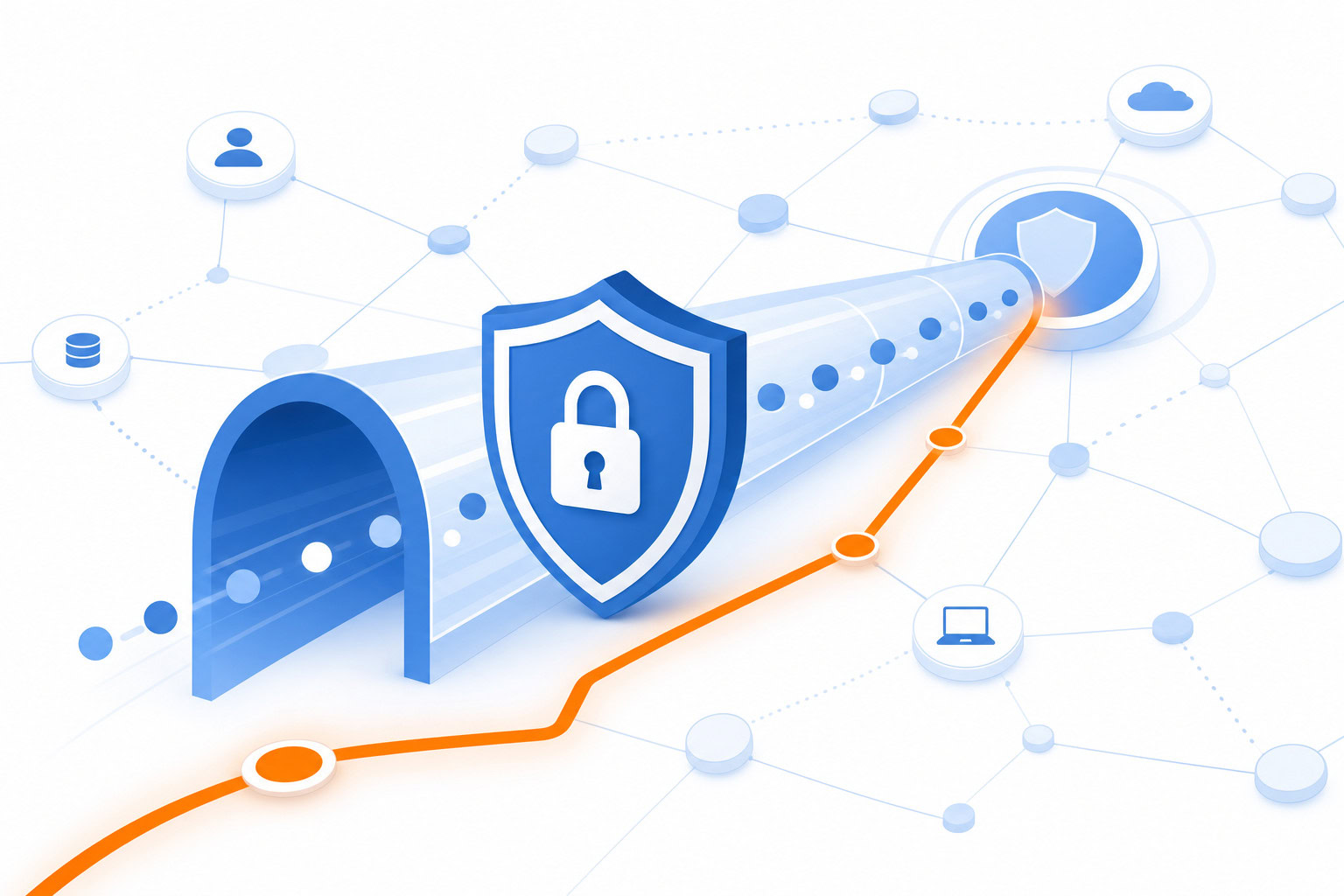
The unique interaction between VPNs and AI tools in 2026 represents a critical area of focus for data security. When a user inputs a prompt into an AI model like Claude or ChatGPT while connected to a public Wi-Fi network, the request travels from the user’s device to the local router. Without a VPN, this initial leg of the journey can be unencrypted and visible to anyone monitoring the local network. This is distinct from standard web browsing, where HTTPS typically secures the connection after it leaves the local network. A VPN intervenes at the device level, establishing an encrypted tunnel before any data, including AI queries, leaves the machine. This ensures that local network observers, such as malicious actors on a coffee shop’s Wi-Fi, cannot intercept or read the content of these queries.
The integrity of this protection hinges on the VPN provider’s commitment to a "no-logs" policy. NordVPN, Surfshark, and ExpressVPN have all undergone independent audits to verify their adherence to these policies, providing an extra layer of assurance. Mullvad, as demonstrated by its 2023 encounter with Swedish police, offers real-world proof of its no-logs architecture. This verifiable commitment means that even the VPN provider itself cannot record or divulge user traffic data. For the growing population of professionals, researchers, and individuals regularly interacting with AI tools in public or semi-public spaces, the deployment of a reliable, audited VPN is the most direct and effective measure to safeguard the confidentiality of their AI-generated interactions and the sensitive data embedded within their prompts.
Strategic Considerations and Future Outlook
The convergence of AI advancements and persistent cybersecurity threats underscores a fundamental shift in digital hygiene. As AI tools become more sophisticated and integral to various industries, the volume and complexity of data processed by these systems will only increase. This trajectory necessitates continuous vigilance and adaptation of security protocols. The "AI-powered" features in VPNs, while sometimes overhyped, represent a nascent but promising trend towards more intelligent, proactive threat detection at the network edge.
Looking ahead, the demand for VPN services is projected to continue its upward trend, driven by the expanding remote workforce, the increasing reliance on cloud-based AI services, and a growing global awareness of data privacy. The regulatory environment is also likely to evolve, placing greater emphasis on data protection for AI-processed information, further solidifying the role of VPNs as essential compliance tools. Businesses, in particular, will need to enforce strict VPN usage policies for employees accessing corporate AI tools from external networks, recognizing the potential for significant data breaches. The ongoing challenge for VPN providers will be to balance robust security with user-friendly interfaces and competitive, transparent pricing models that educate consumers rather than ensnaring them in renewal traps.
Frequently Asked Questions
Is a VPN really necessary in 2026?
Yes, particularly when using public Wi-Fi networks or accessing AI tools with sensitive data. For a secure home internet connection, it may not be constantly necessary, but its importance is paramount in any shared or untrusted network environment.
Does a VPN slow down my internet?
Modern VPN protocols like NordLynx (WireGuard-based) and Lightway minimize speed loss, typically around 15-20% in most tests. On fast connections, this is often imperceptible. On slower public Wi-Fi, the VPN might add marginal latency, but the underlying network is usually the primary bottleneck.
Are free VPNs any good?
Generally, no. Free VPNs often monetize by selling user data, displaying ads, or imposing severe speed and data limits, compromising the very privacy and performance they claim to offer. Proton VPN offers a legitimate free tier with limitations, which can be a starting point if a paid service is not immediately feasible.
How is a VPN different from just using HTTPS?
HTTPS encrypts data between your browser and the website server. A VPN encrypts all traffic leaving your device, including application data, AI tool queries, and DNS lookups, before it even reaches the local network. It also masks your IP address from websites. They are complementary security layers, with a VPN providing broader device-level protection on local networks.
My Pick
For the vast majority of users navigating the complexities of digital privacy and AI tools in 2026, NordVPN Plus emerges as the top recommendation. Its inclusion of Threat Protection Pro, a genuinely AI-driven security feature, coupled with fast speeds, reliable streaming performance, and a rigorously audited no-logs policy, offers a comprehensive and robust solution. Users should factor in the approximately $18.29/month renewal rate when budgeting, rather than solely the initial promotional price.
For large households or users managing numerous devices, Surfshark One provides excellent value with unlimited device connections and essential web security features.
Individuals prioritizing blazing speeds and seamless streaming across international servers should opt for ExpressVPN. Its tiered structure allows users to select a plan that aligns with their specific needs for advanced AI privacy features.
Finally, for journalists, activists, researchers, or anyone demanding the highest level of anonymity and a proven, unyielding commitment to privacy, Mullvad stands as the unparalleled choice, offering transparent pricing and real-world validation of its privacy claims.