The Evolution of AI Search and the Strategic Impact of Query Fan-Out on Digital Visibility

The traditional landscape of search engine optimization is undergoing a fundamental transformation as artificial intelligence systems redefine how information is retrieved, synthesized, and presented to users. For decades, the digital marketing industry operated on a linear premise: securing a position on the first page of Google was the ultimate indicator of success. However, the emergence of Large Language Models (LLMs) such as ChatGPT, Claude, and Perplexity has introduced a new background process known as "query fan-out." This mechanism ensures that even content ranking at the top of traditional search engine results pages (SERPs) may never be cited or mentioned by AI if it does not align with the specific retrieval patterns these systems employ.
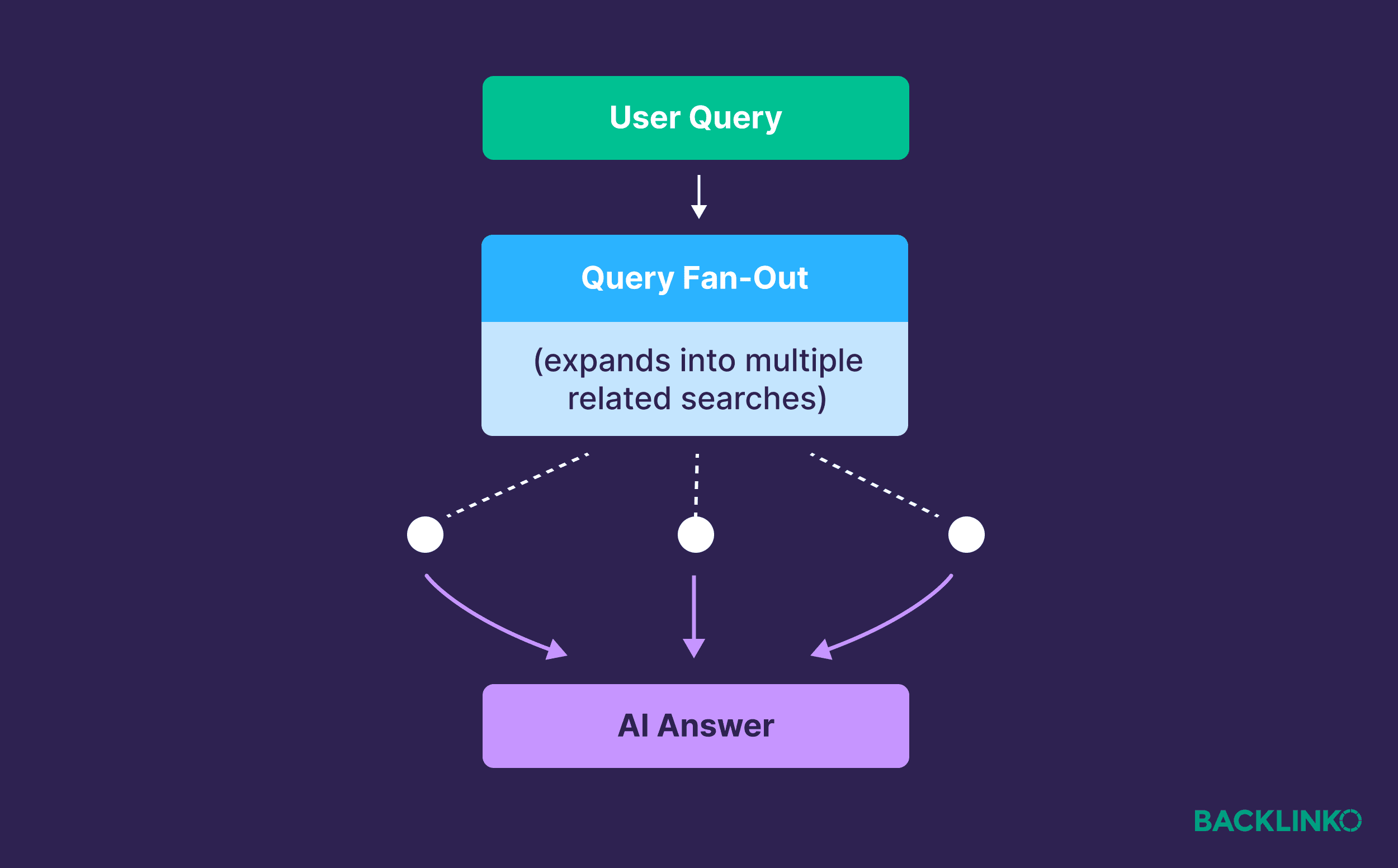
Query fan-out represents a sophisticated shift in information architecture. When a user submits a prompt to an AI search tool, the system does not merely look for the "best" ranking page. Instead, it deconstructs the single user query into multiple, related sub-queries to build a comprehensive and multi-dimensional answer. This process allows the AI to pull from a diverse array of sources—including editorial sites, community forums like Reddit, and technical product pages—regardless of their traditional search engine position. As a result, the criteria for digital visibility are shifting from "ranking" to "retrievability" and "coverage."
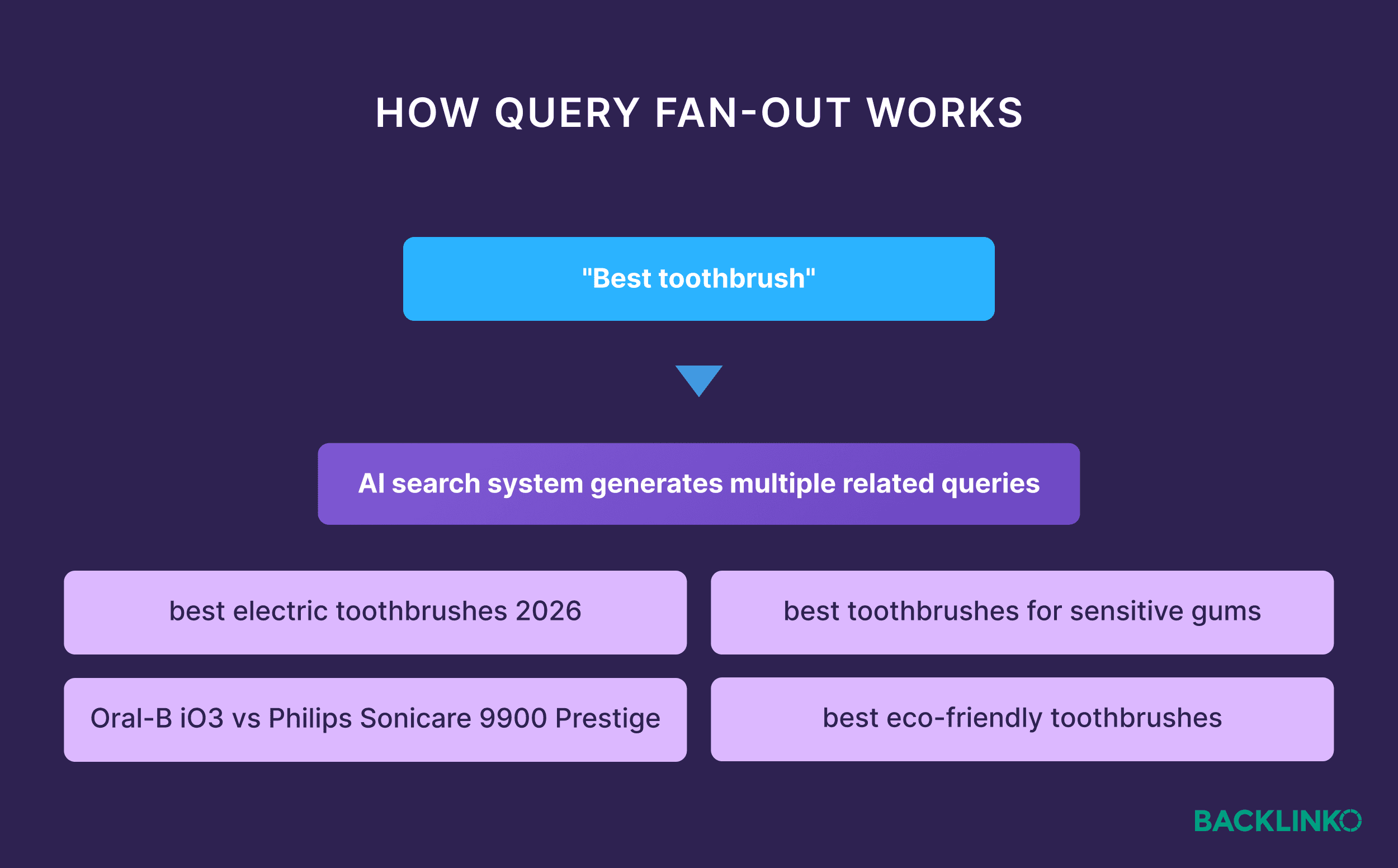
The Mechanics of Query Fan-Out
To understand the implications of this shift, one must analyze the technical process of how AI constructs a response. Query fan-out is designed to resolve ambiguity and provide depth. For instance, a broad search for "best mountain bikes" might be "fanned out" by an AI into sub-queries such as "best mountain bikes for beginners," "top-rated full-suspension mountain bikes 2025," and "mountain bike price comparisons."
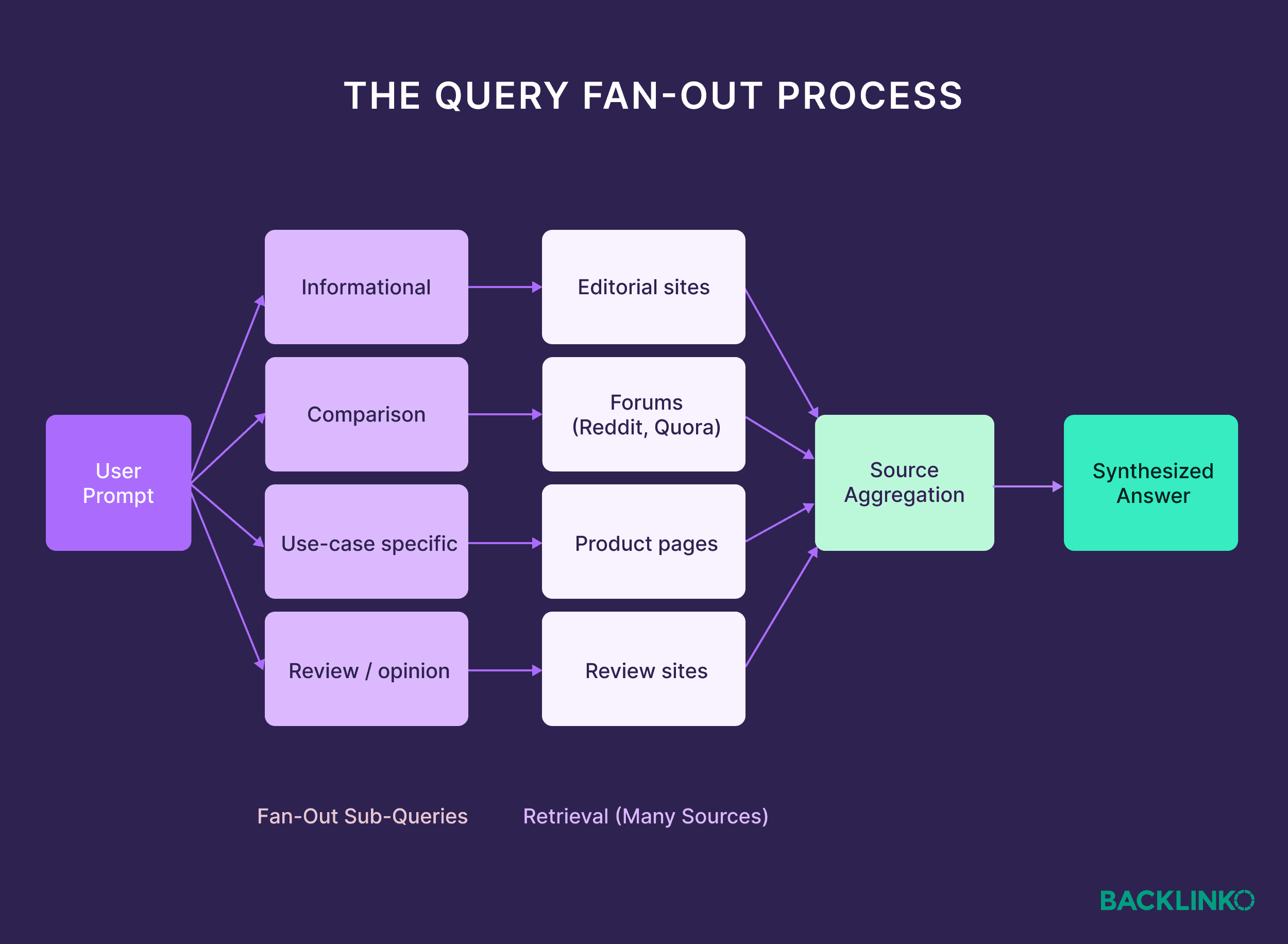
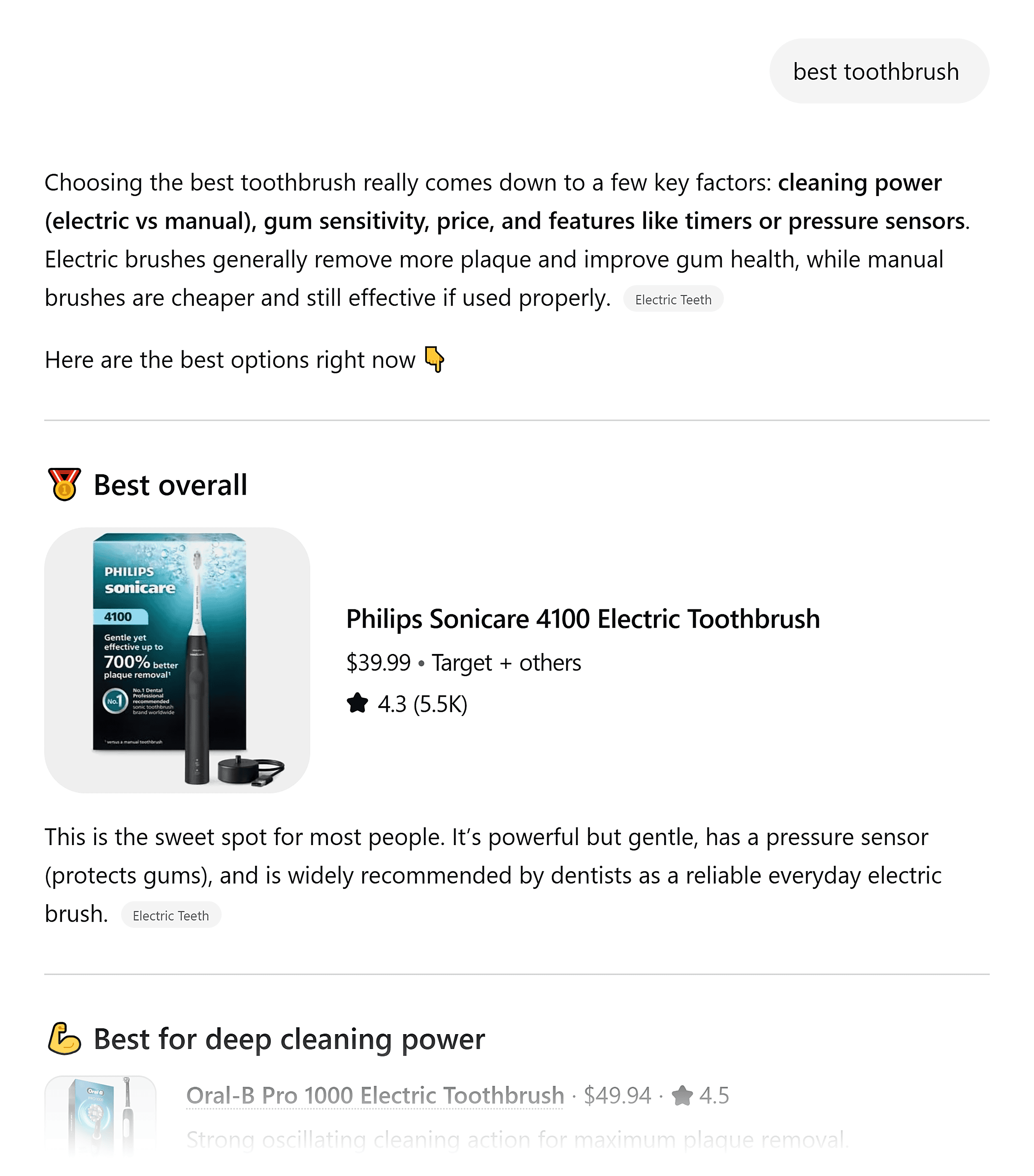
By executing these searches behind the scenes, the AI gathers a mosaic of information. It then synthesizes these findings into a single, cohesive narrative that anticipates the user’s next several questions. Analysts suggest this process serves three primary functions: it clarifies the user’s intent, provides a comprehensive overview of a topic, and ensures that the final response is grounded in multiple, reliable data points. For brands and content creators, this means that showing up in an AI answer requires presence across the entire "fan-out set" of sub-questions, rather than just the primary keyword.
A Chronology of Search Evolution: From Links to Synthesis
The transition to query fan-out is the latest chapter in a quarter-century of search history. Understanding this timeline provides context for why traditional SEO tactics are no longer sufficient.
- 1998–2010: The Era of Indexing. Search was defined by keyword matching and backlink profiles. Google’s "10 blue links" were the gold standard.
- 2011–2021: The Rise of Semantic Search. With updates like Hummingbird and BERT, Google began understanding intent and context, moving away from exact keyword matching toward "entities" and "strings."
- 2022–2023: The Generative Breakout. The launch of ChatGPT-3.5 and subsequently GPT-4 shifted the paradigm from "searching for a link" to "asking for an answer."
- 2024–Present: The Integration of Real-Time Retrieval. Platforms like Perplexity and SearchGPT integrated live web browsing with generative capabilities. This necessitated the development of query fan-out to manage the vast amount of real-time data being processed for every user interaction.
This evolution indicates that search engines are no longer just directories; they are becoming "answer engines." In this environment, the structure of content is becoming as important as the information it contains.
Supporting Data: Why Rankings No Longer Guarantee Citations
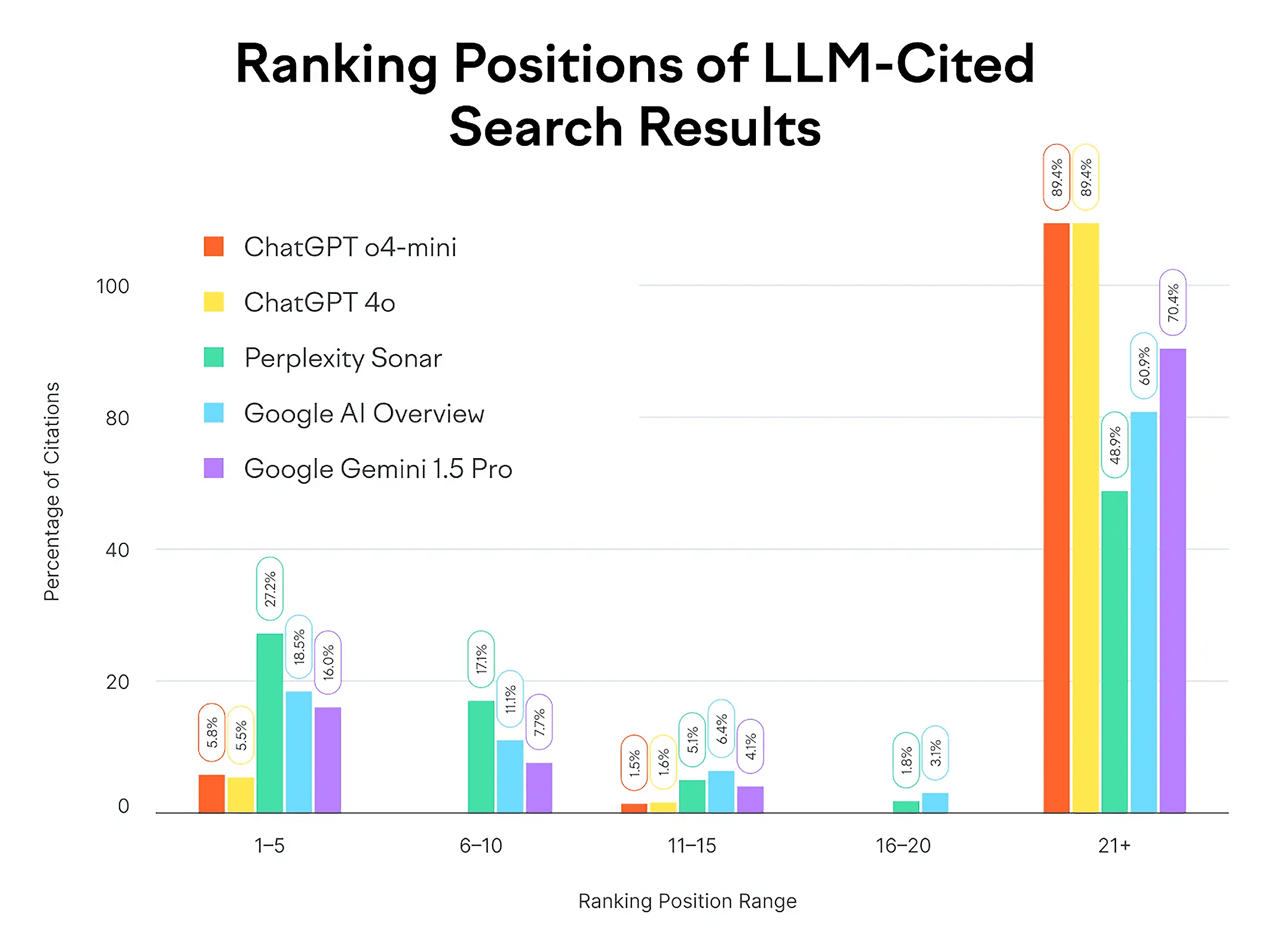
Recent industry studies highlight a startling disconnect between traditional rankings and AI citations. Data from a comprehensive Semrush study reveals that ChatGPT cites pages in search positions 21 or lower nearly 90% of the time. This suggests that the AI is not prioritizing the "most popular" page according to Google’s algorithm, but rather the "most relevant passage" according to its own internal sub-queries.
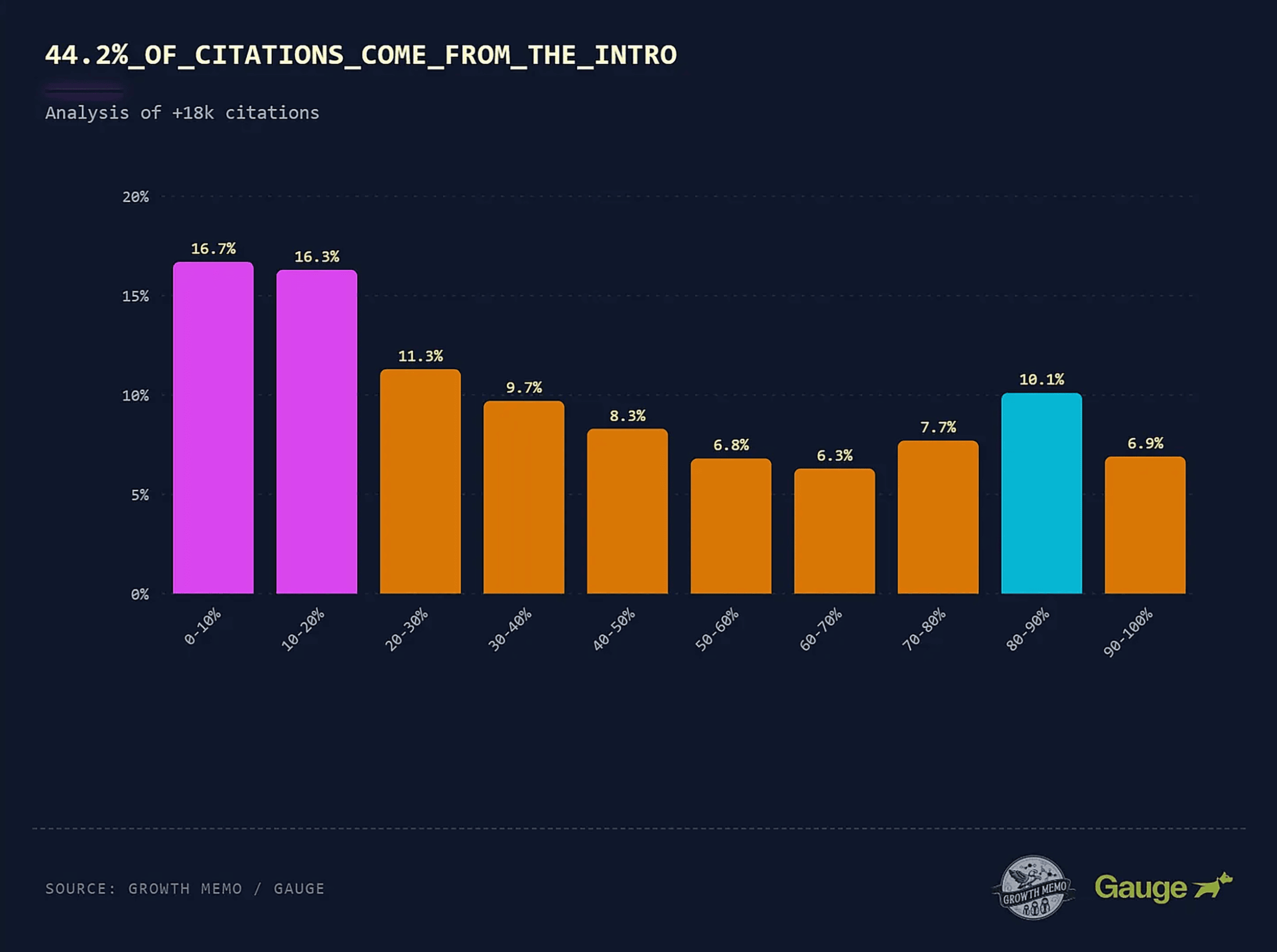
Furthermore, the placement of information within a page has become a critical factor for AI extraction. Analysis by growth advisor Kevin Indig, which examined 1.2 million ChatGPT responses, found that 44.2% of citations are drawn from the first 30% of a web page. Approximately 31.1% come from the middle section, and only 24.7% are retrieved from the final third. This data suggests that AI models prioritize "front-loaded" information—direct answers that appear early in the content and can be easily extracted without extensive context.
Strategic Response: The Six-Step Fan-Out Workflow
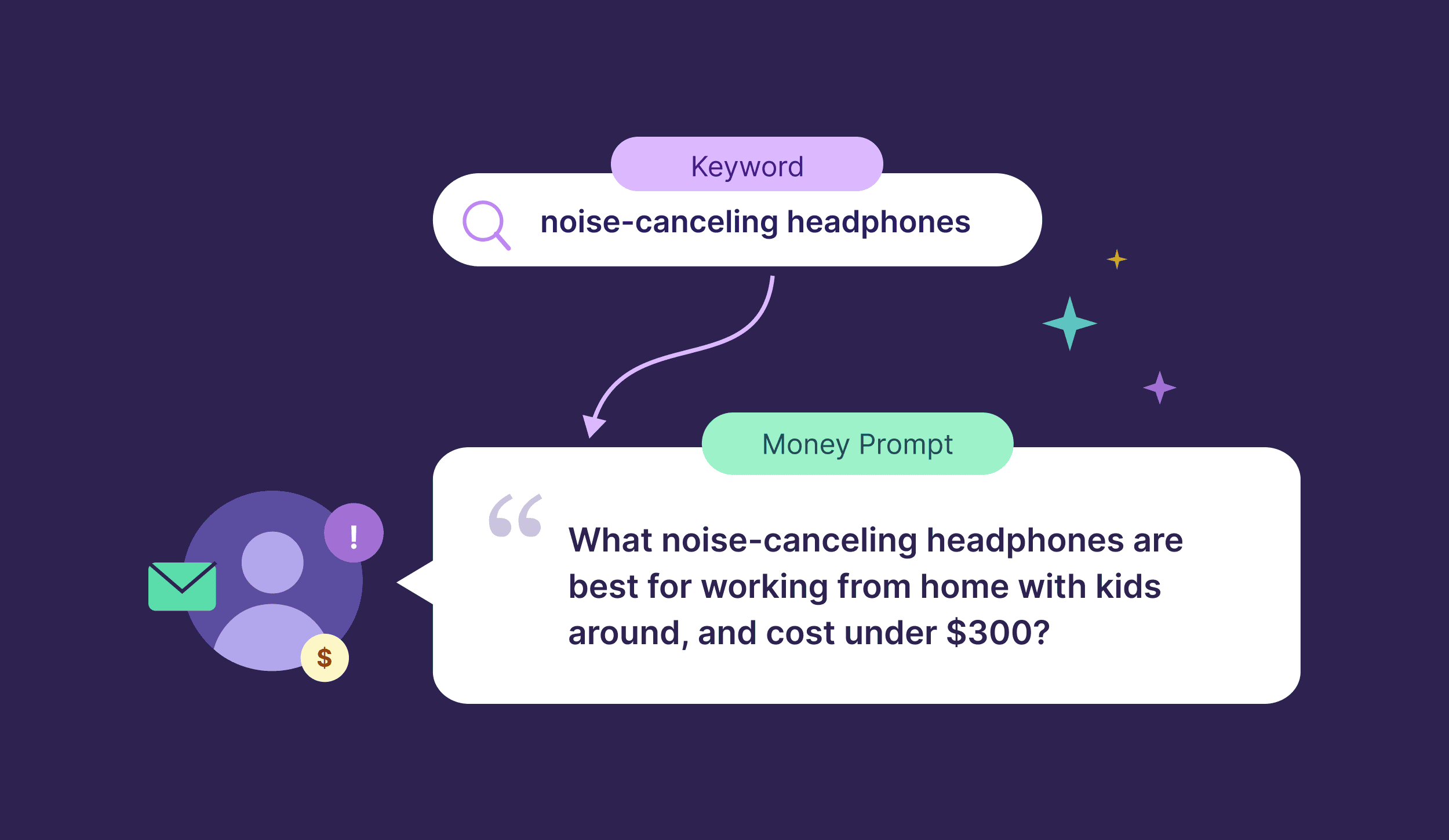
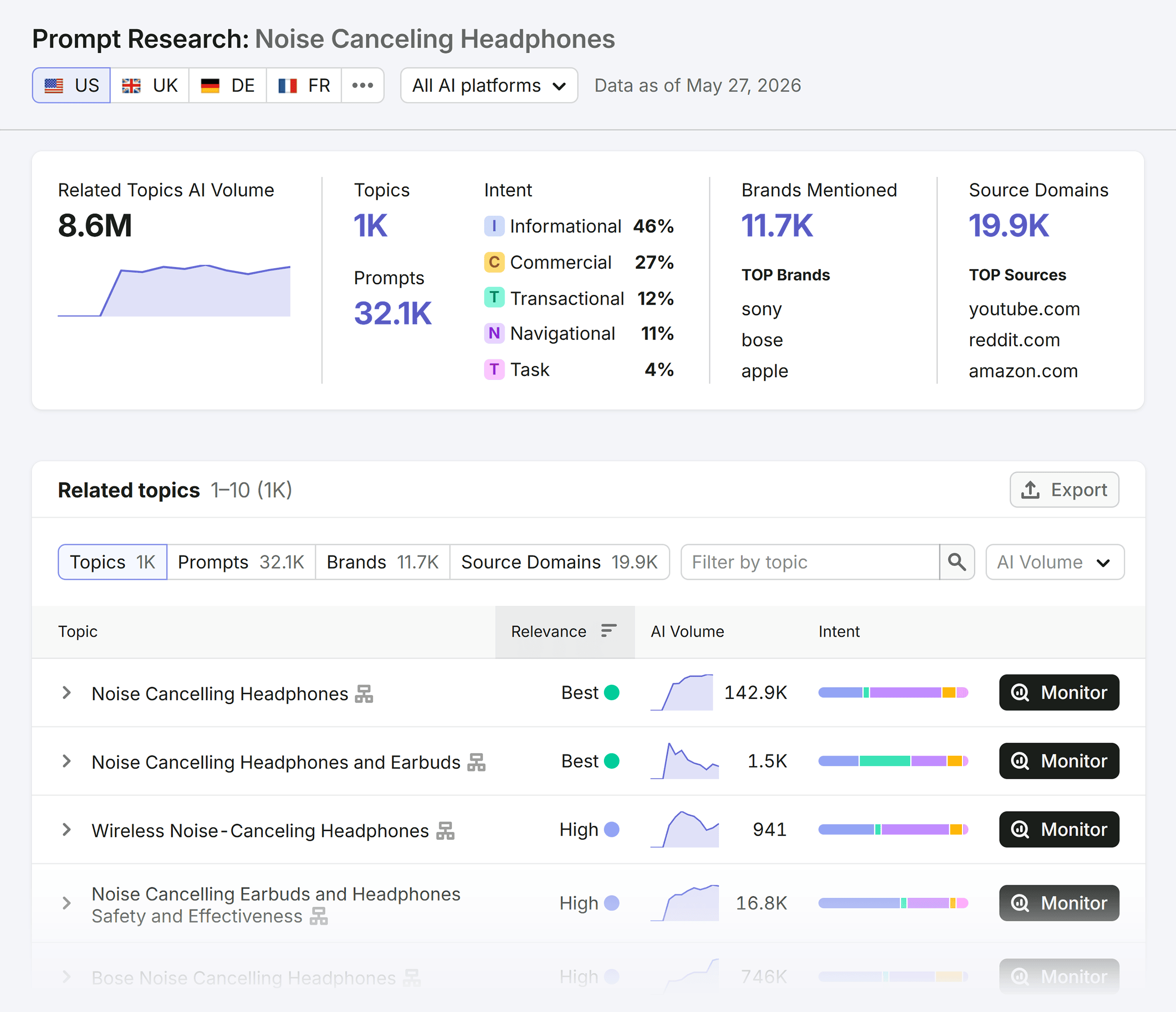
For organizations looking to maintain visibility in an AI-driven market, industry experts recommend a shift in content strategy focused on "money prompts"—the conversational phrases high-intent users ask AI. This involves a repeatable six-step workflow:
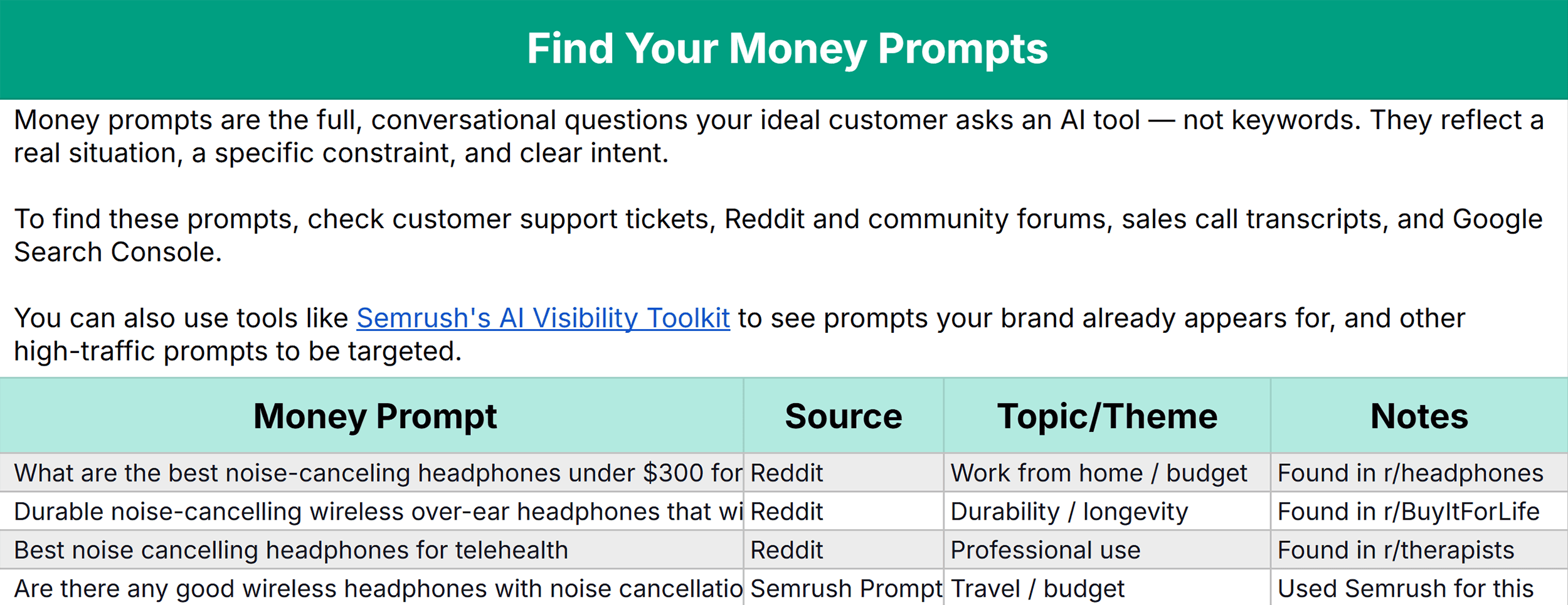
1. Identifying Money Prompts
Organizations must identify the specific questions their ideal customers ask AI tools. Unlike traditional keywords, these are often long-form and situational, such as "What is the best CRM for a 10-person remote marketing agency under $500 a month?"

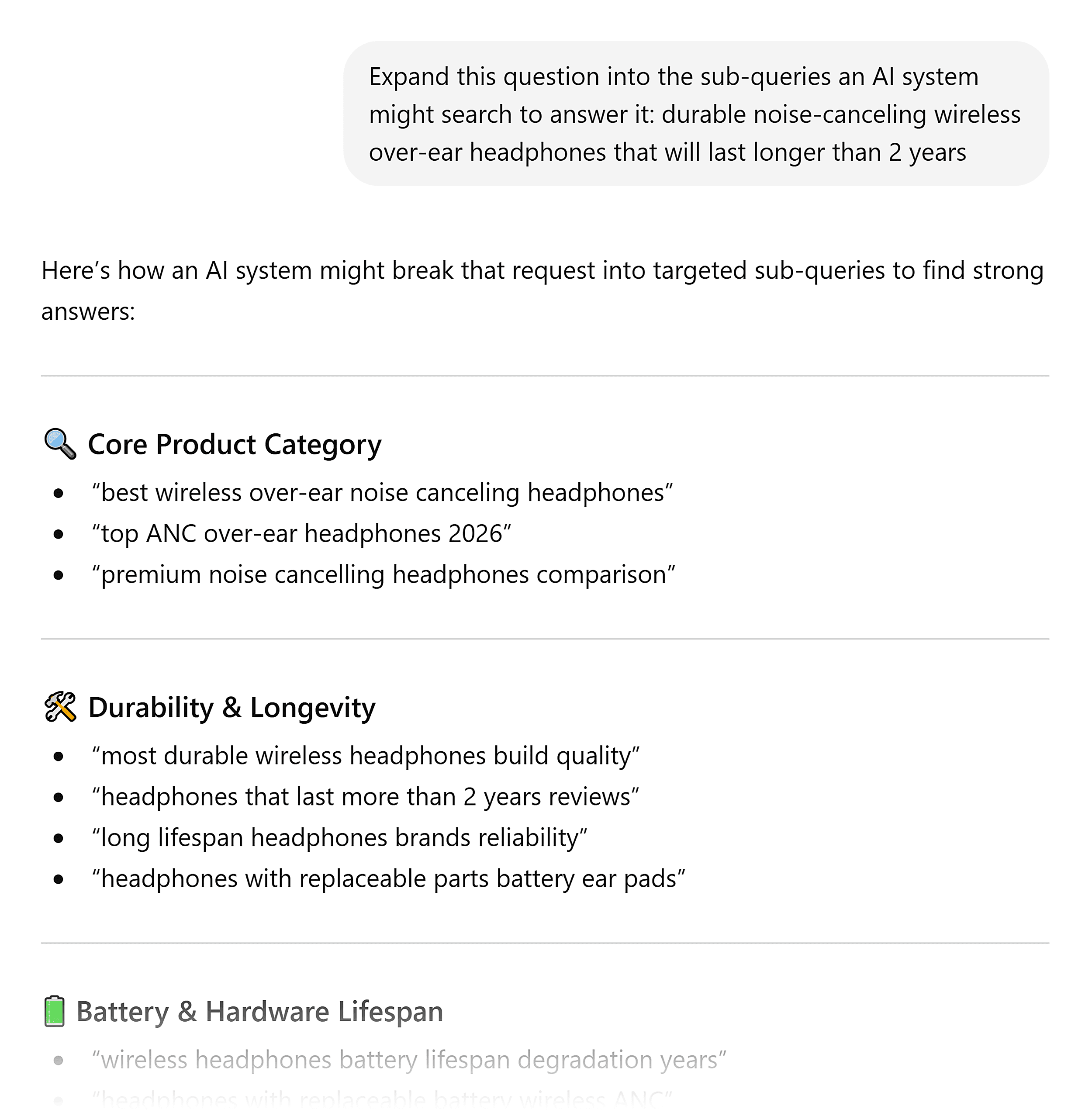
2. Generating the Fan-Out Set
Using AI platforms or dedicated tools, marketers can see how a primary prompt is broken down into sub-queries. This reveals the "hidden" questions the AI is trying to answer behind the scenes.

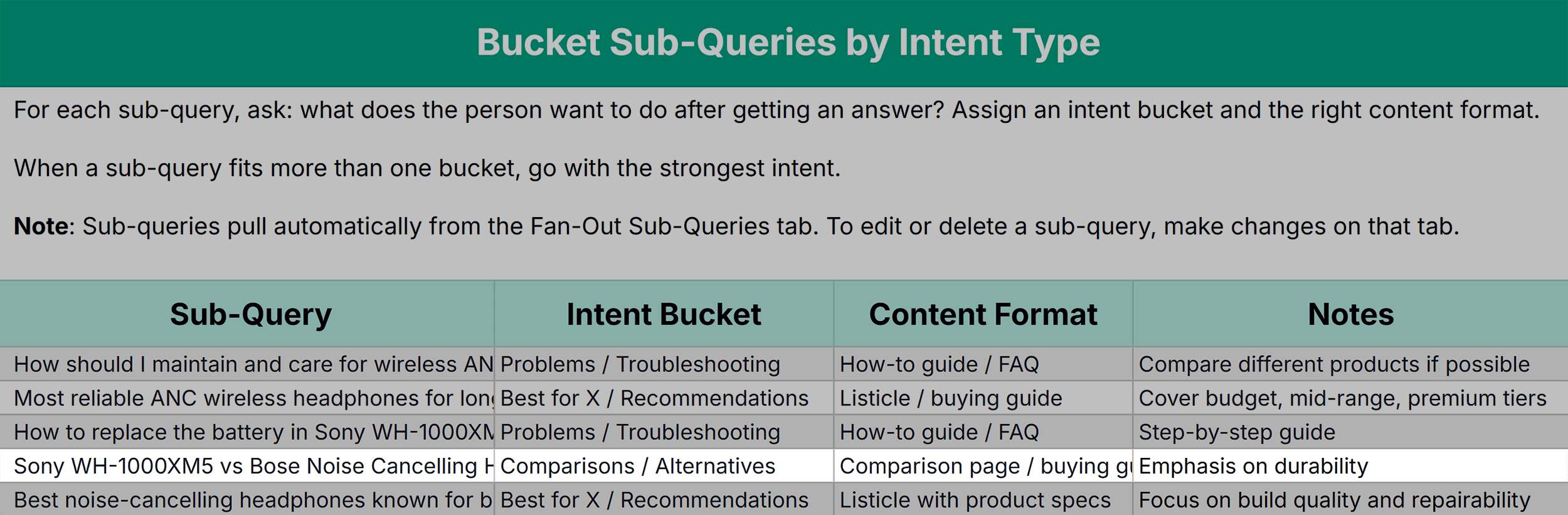
3. Bucketing by Intent
Sub-queries generally fall into categories such as "Comparative" (X vs. Y), "Implicit" (addressing unstated needs), or "Entity Expansion" (drilling into specific brands). Categorizing these helps determine the necessary content format, such as a head-to-head comparison table or a technical FAQ.
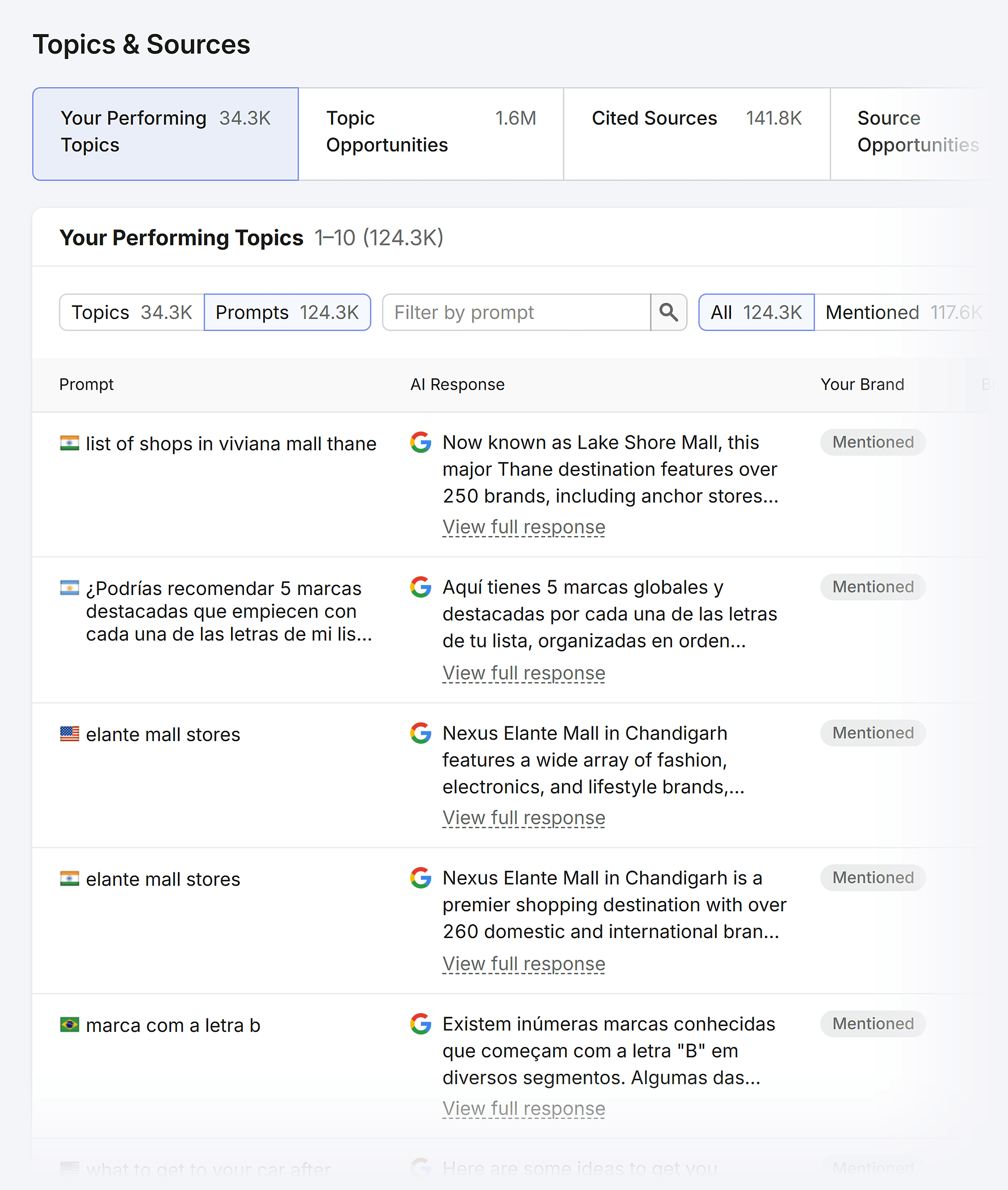
4. Content Gap Auditing
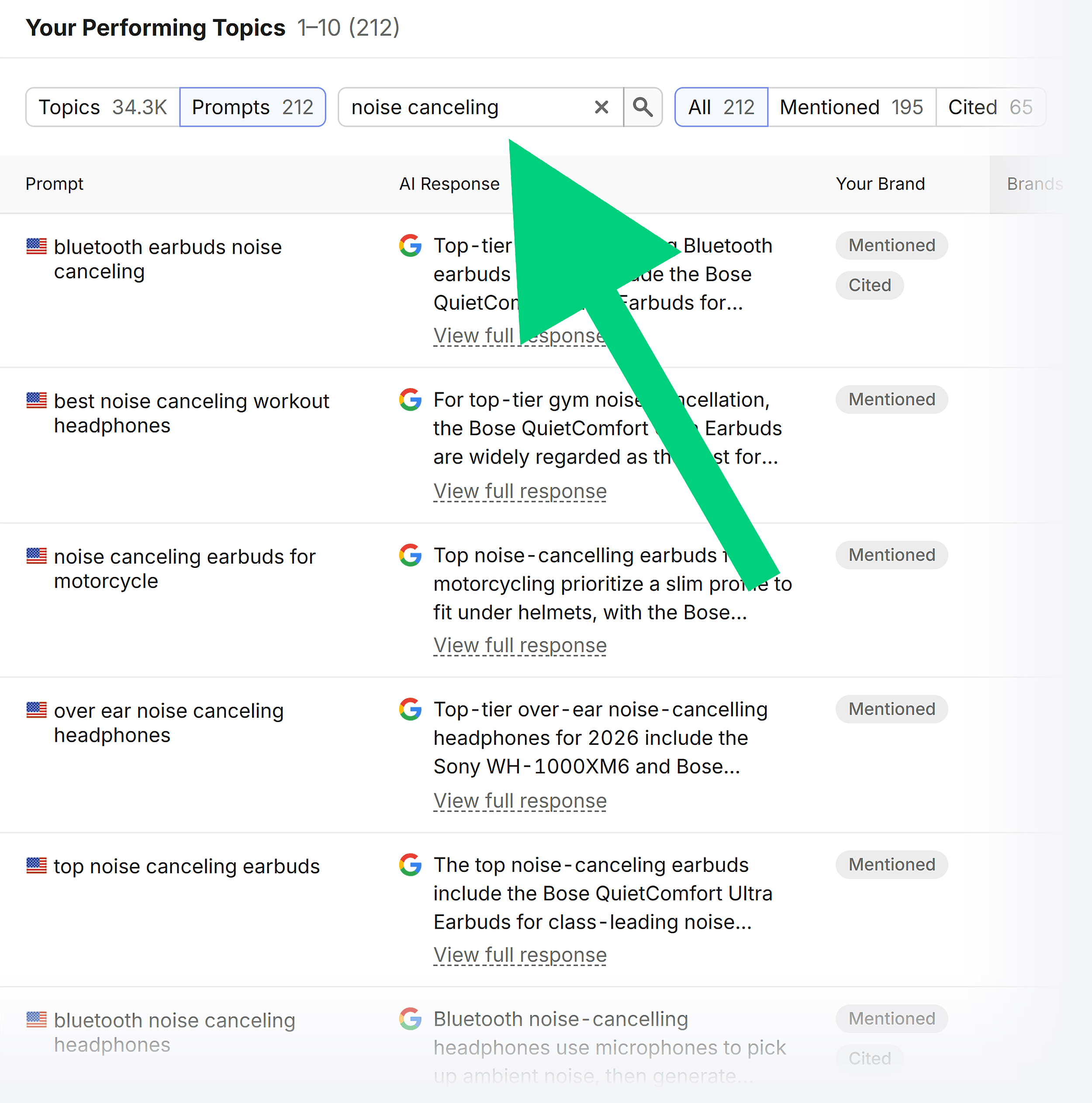
By searching their own domains for these sub-queries, brands can identify where they are missing coverage. If a competitor appears in a fan-out set while the brand is absent, it represents a significant risk to the brand’s AI visibility.
5. Structuring for Extraction
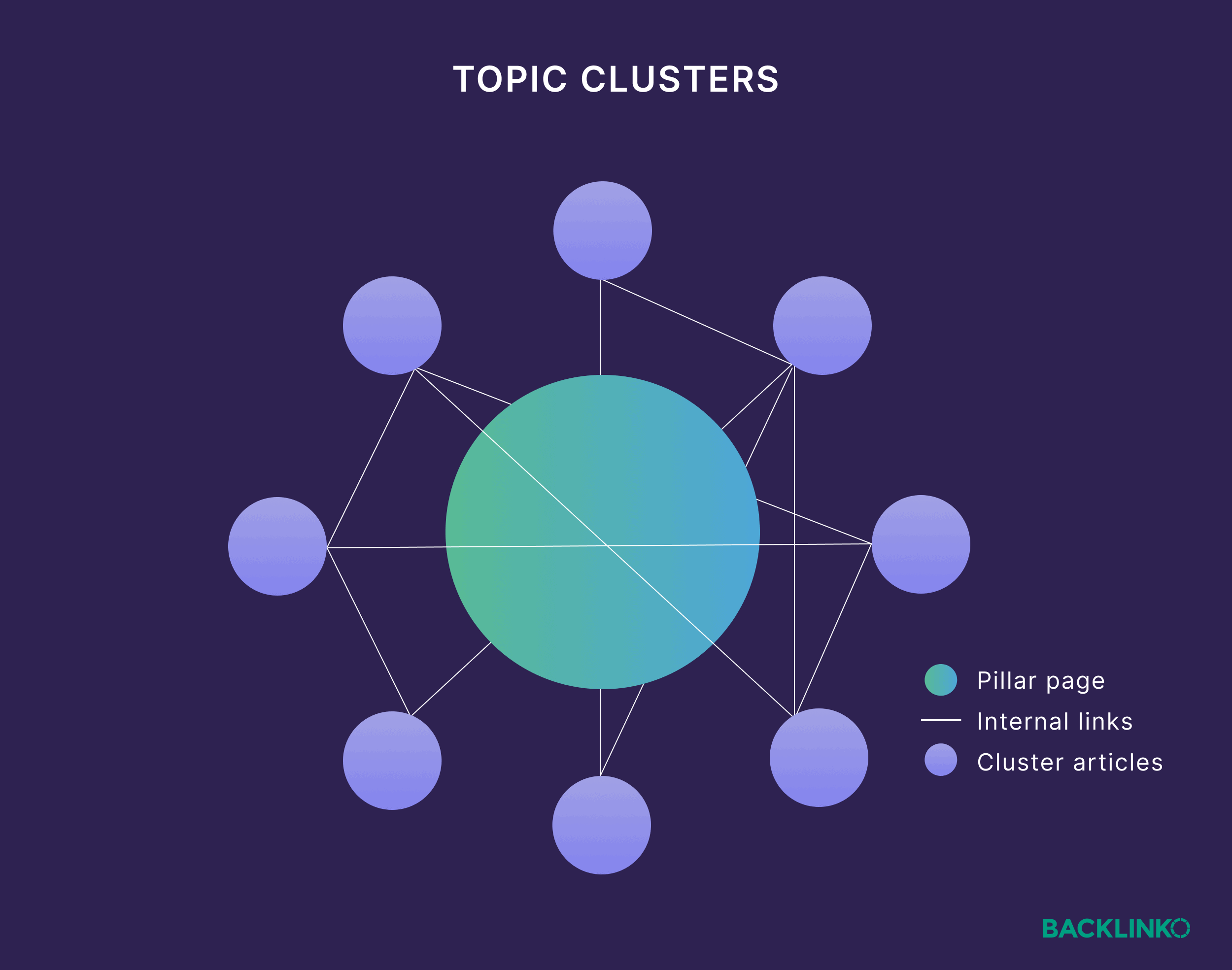
AI does not read pages; it retrieves passages. Content must be structured with descriptive H2 and H3 subheadings, front-loaded answers (the "inverted pyramid" style), and structured data like tables and bulleted lists that allow the AI to "scrape" facts efficiently.
6. Performance Measurement
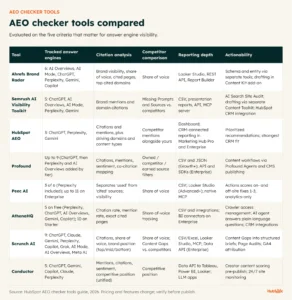
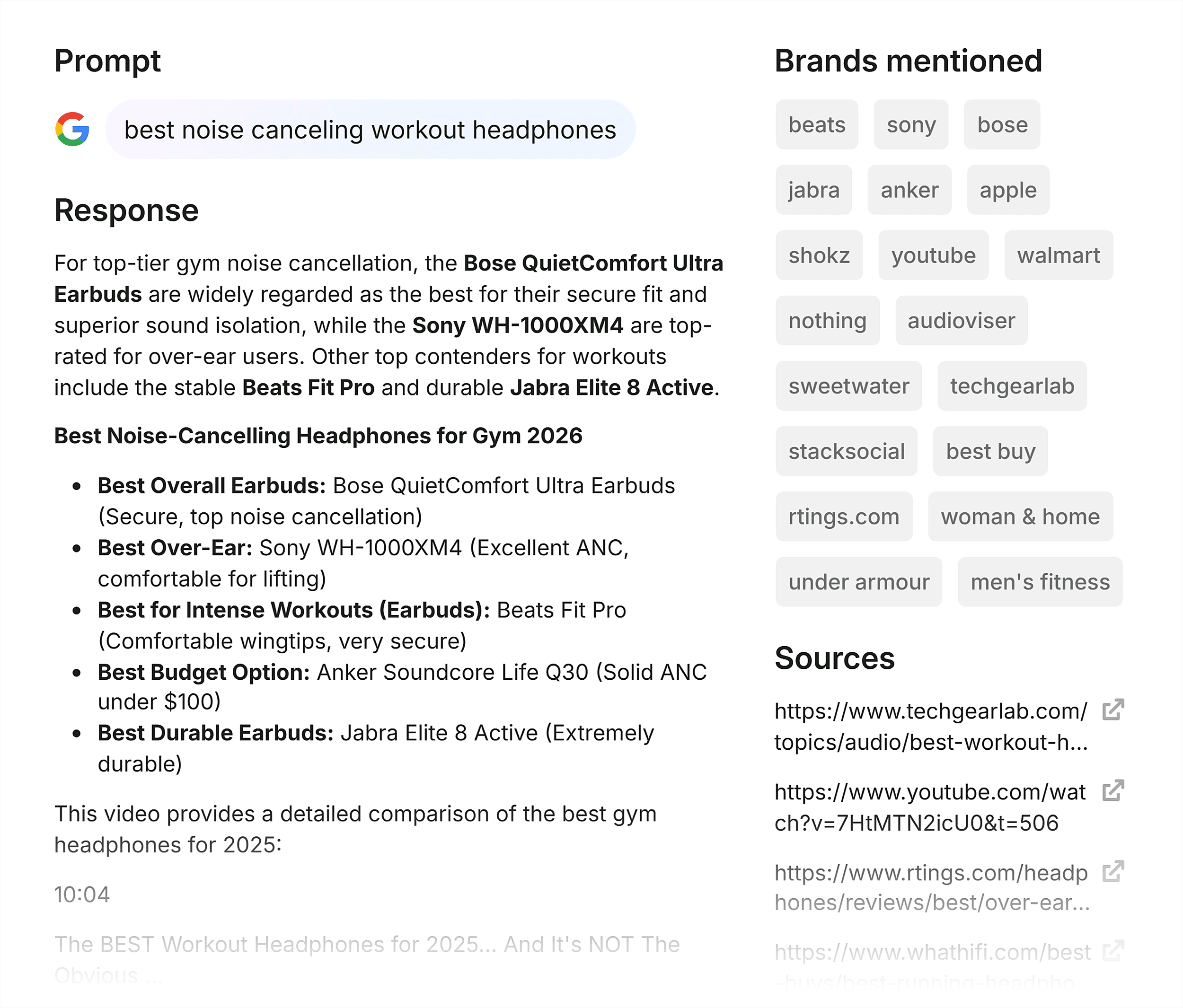
Visibility in AI search is not measured by a single ranking but by an "AI visibility score"—a metric tracking how often a brand is mentioned across various LLMs compared to its competitors.
Platform-Specific Behaviors and Industry Reactions
The implementation of query fan-out varies across major AI platforms, creating a complex environment for digital publishers. ChatGPT often uses a "reasoning" phase for complex questions, running dozens of searches to build a response. Perplexity, by contrast, combines conversational context with real-time web search, often pairing a user’s past questions with current data. Claude tends to ask for clarification before searching, leading to more targeted but fewer fan-out queries.
Industry reactions to these developments have been mixed. While some SEO professionals view the collapse of the traditional marketing funnel as a threat, others see it as an opportunity for smaller, more specialized sites to gain traction. Because AI models often cite sources deep in the search results, niche authority is becoming more valuable than broad domain authority.
Official statements from search giants suggest a commitment to this path. Google’s rollout of "AI Overviews" and "AI Mode" confirms that the company is moving toward a synthesized search experience. During recent developer conferences, executives emphasized that the goal is to "do the searching for you," a direct nod to the query fan-out process.
Broader Implications: The Collapse of the Marketing Funnel
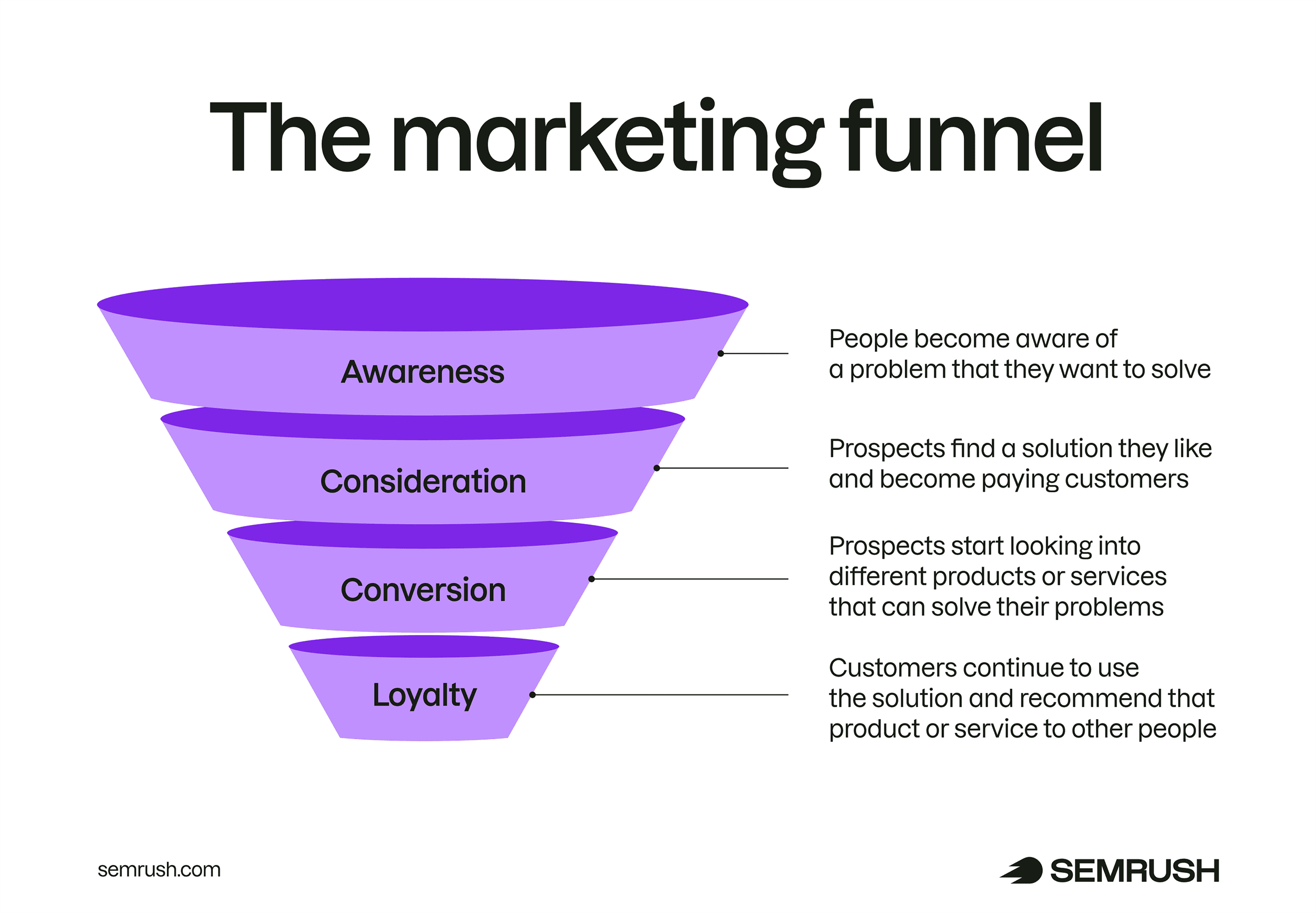
Perhaps the most significant implication of query fan-out is the "collapse" of the traditional marketing journey. Historically, consumers moved linearly through awareness, consideration, and decision stages. In an AI-driven search, these stages happen simultaneously. A single high-intent prompt triggers a fan-out that pulls awareness-level context, consideration-level comparisons, and decision-level pricing into one comprehensive answer.
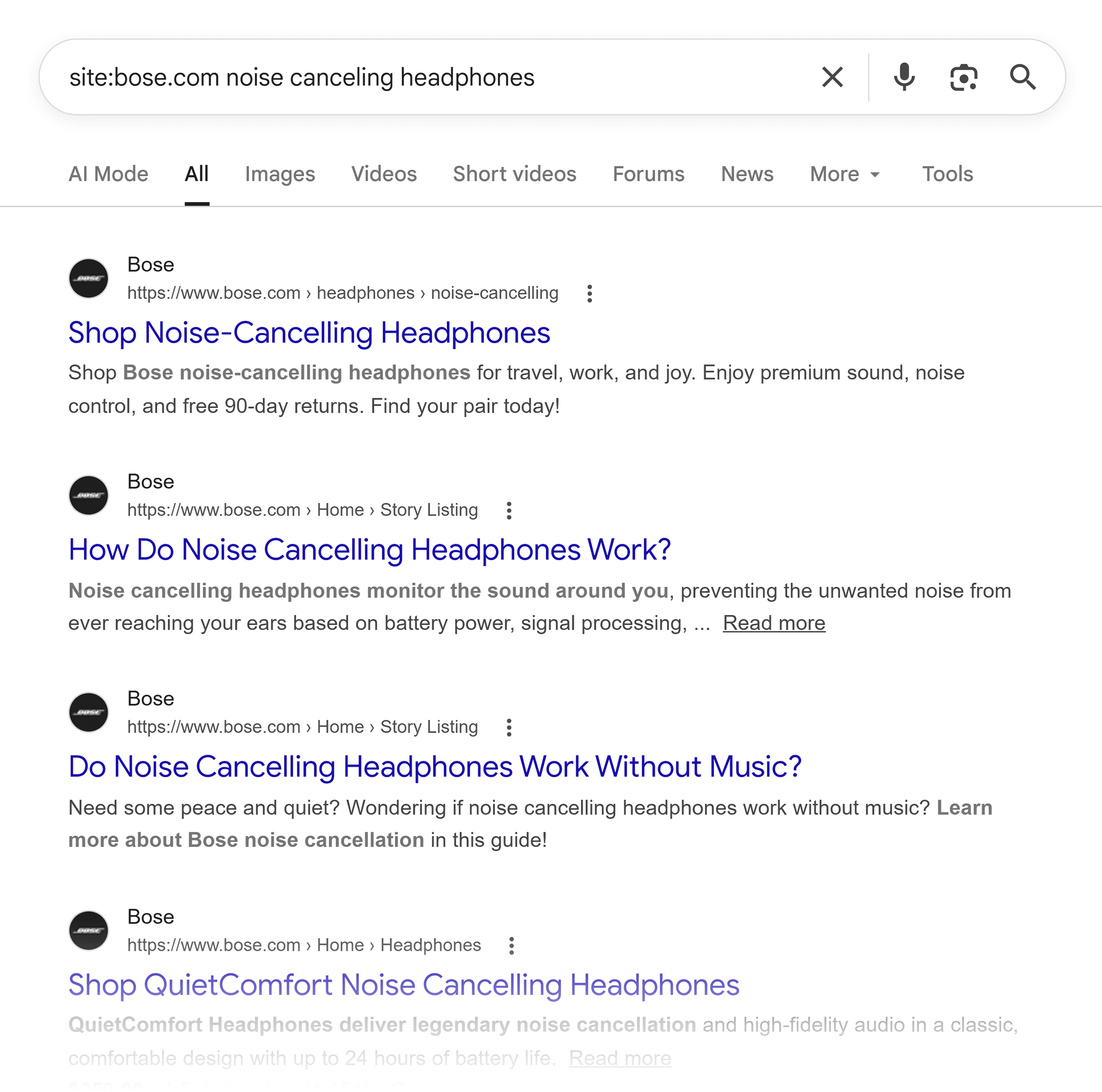
This necessitates a "full-funnel" approach to every piece of content. A product page can no longer just be a list of specs; it must provide the context and comparisons that an AI would look for during a fan-out process. As AI continues to evolve, the brands that thrive will be those that stop trying to "rank" for keywords and start trying to "solve" for the complex, fanned-out queries of the modern user. The future of search visibility belongs to those who provide the most retrievable, structured, and comprehensive answers in an increasingly conversational digital world.