Mastering Query Fan-Out: Why First-Page Rankings Fail in AI Search and How to Adapt


The digital publishing landscape is undergoing a profound paradigm shift as artificial intelligence systems redefine how information is retrieved and presented to users. For decades, search engine optimization (SEO) strategies have been singularly focused on securing top-tier positions on traditional search engine results pages (SERPs). However, industry data and empirical observations reveal a counterintuitive reality: a web page can comfortably rank on the first page of Google while remaining entirely invisible to large language models (LLMs) such as ChatGPT, Claude, and Perplexity.
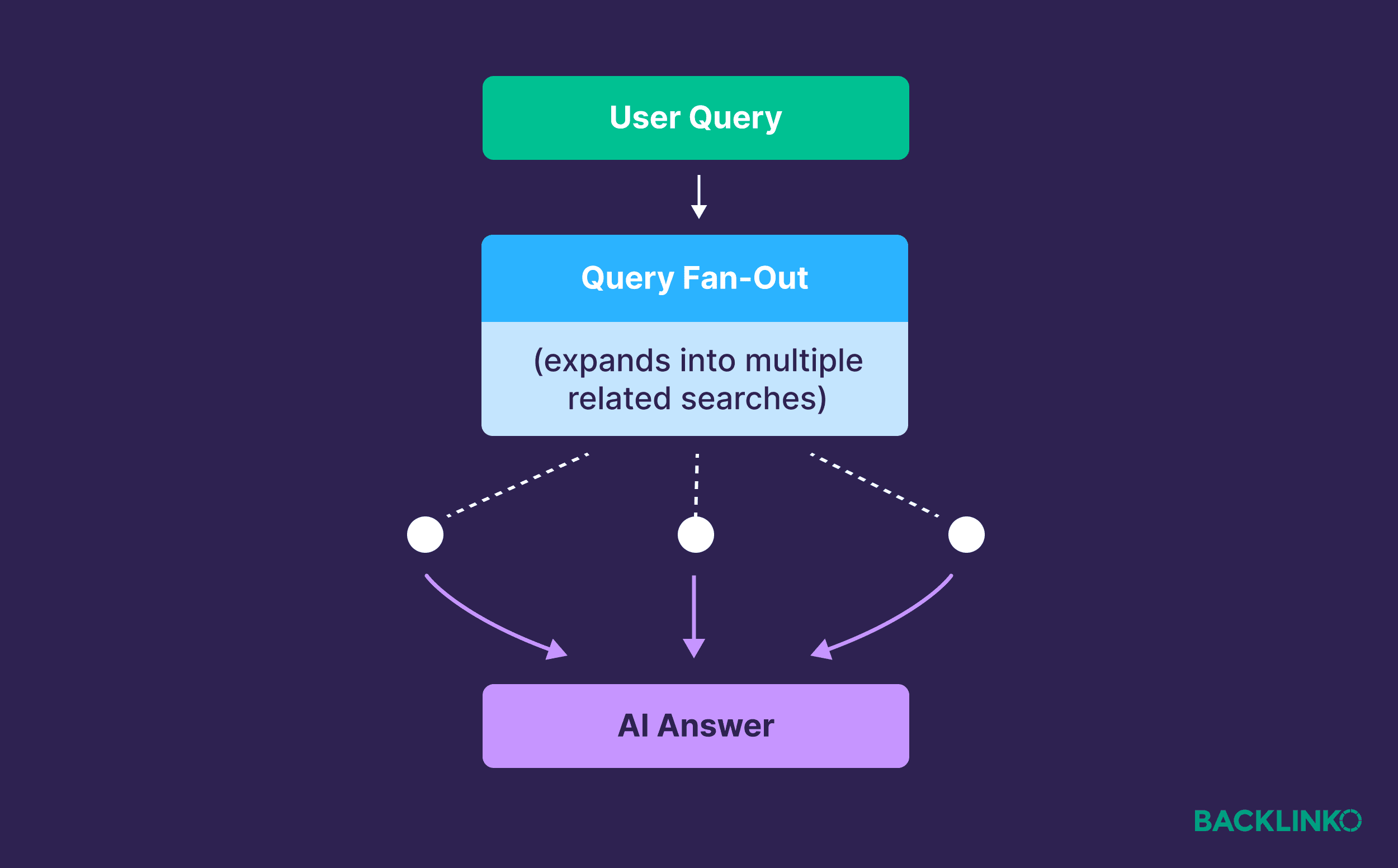
This disconnect stems from a fundamental mechanism governing AI information retrieval known as query fan-out. Unlike traditional search engines that match a user’s literal keyword string to an indexed webpage based on relevance and authority algorithms, conversational AI platforms operate through multi-step analytical reasoning processes. Understanding the mechanics of query fan-out has thus become essential for content creators, enterprise marketers, and digital strategists aiming to secure visibility in the emerging era of generative engine optimization.
The Mechanics of Query Fan-Out in Conversational Search
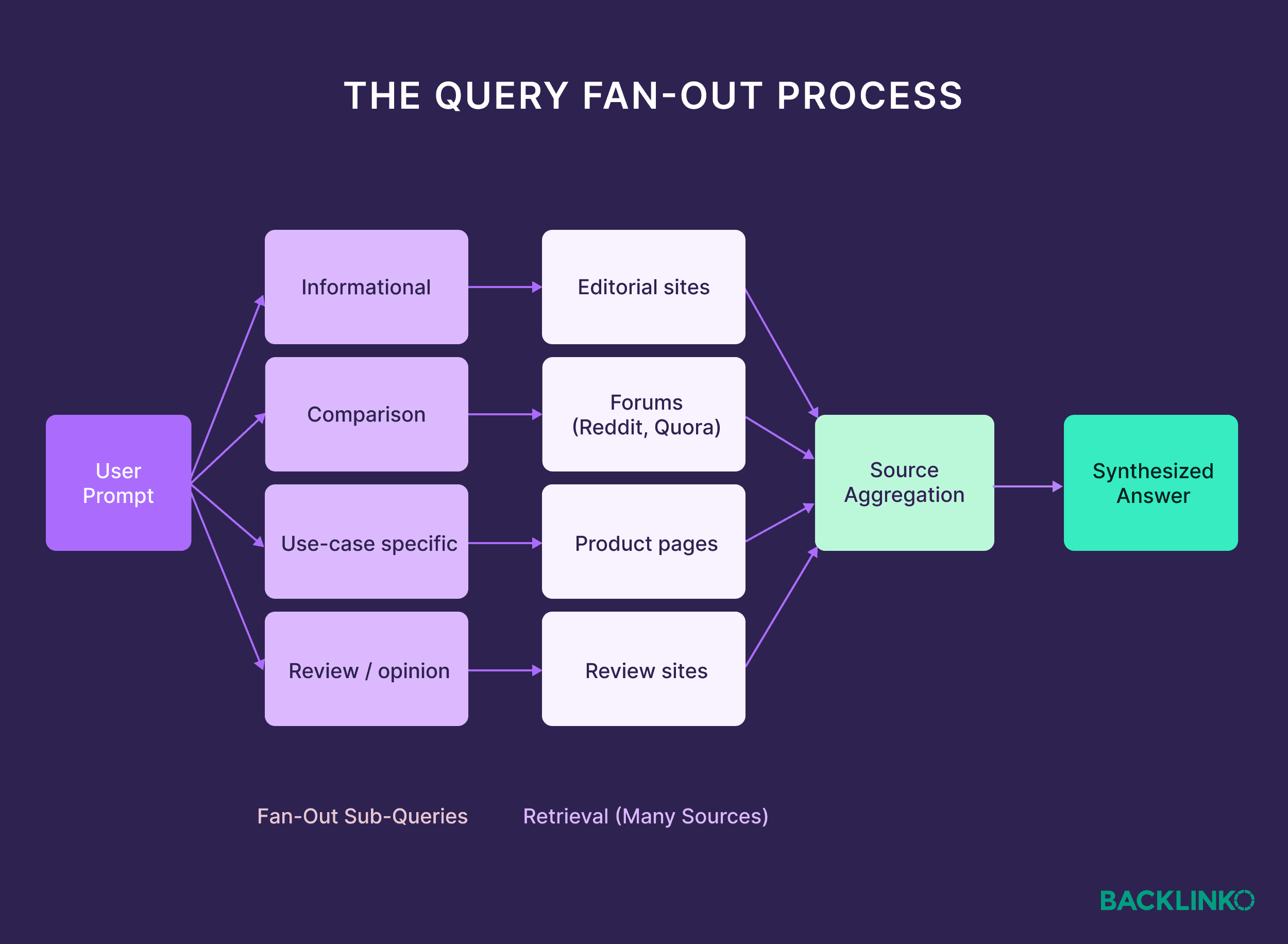
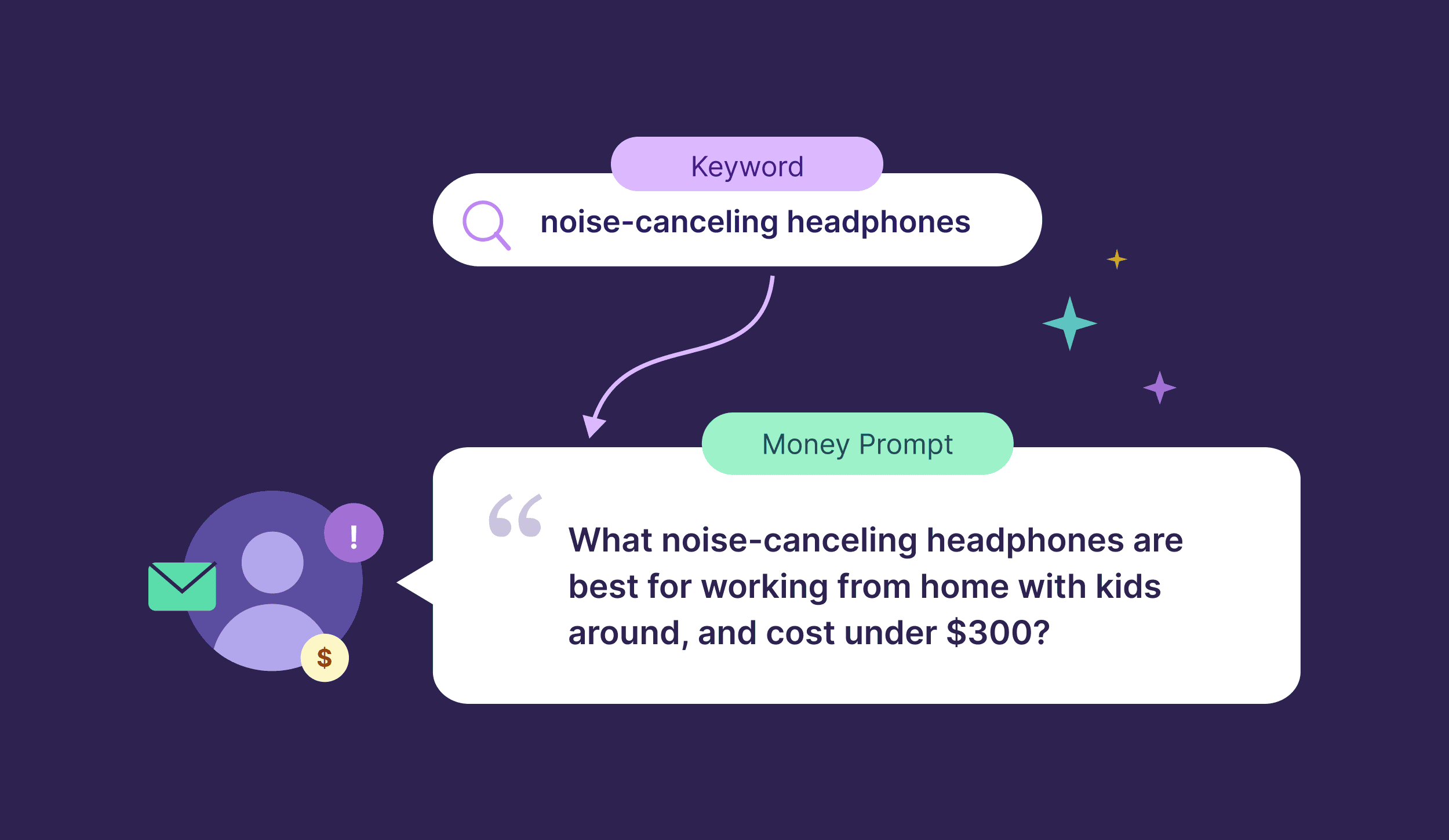
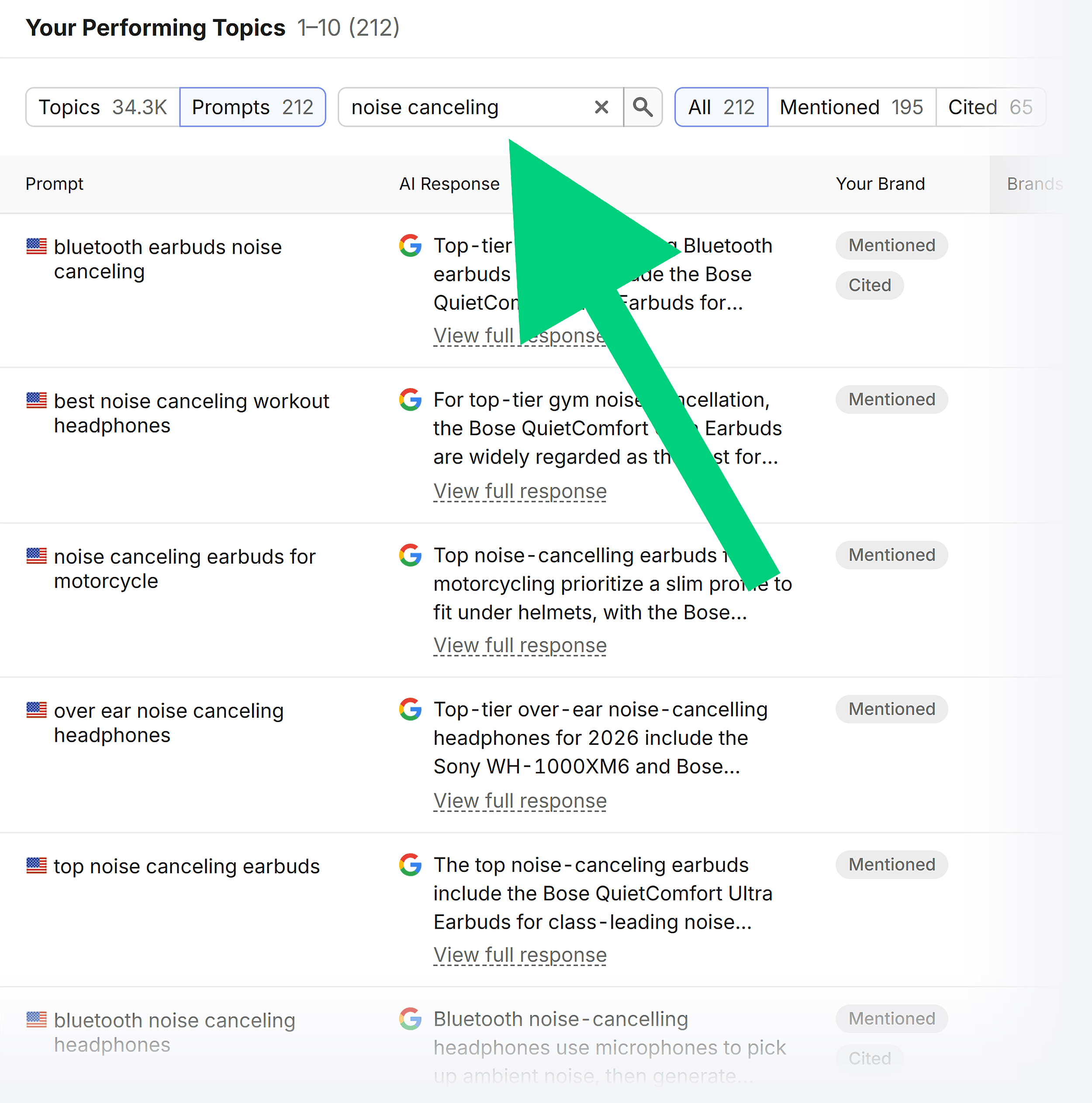
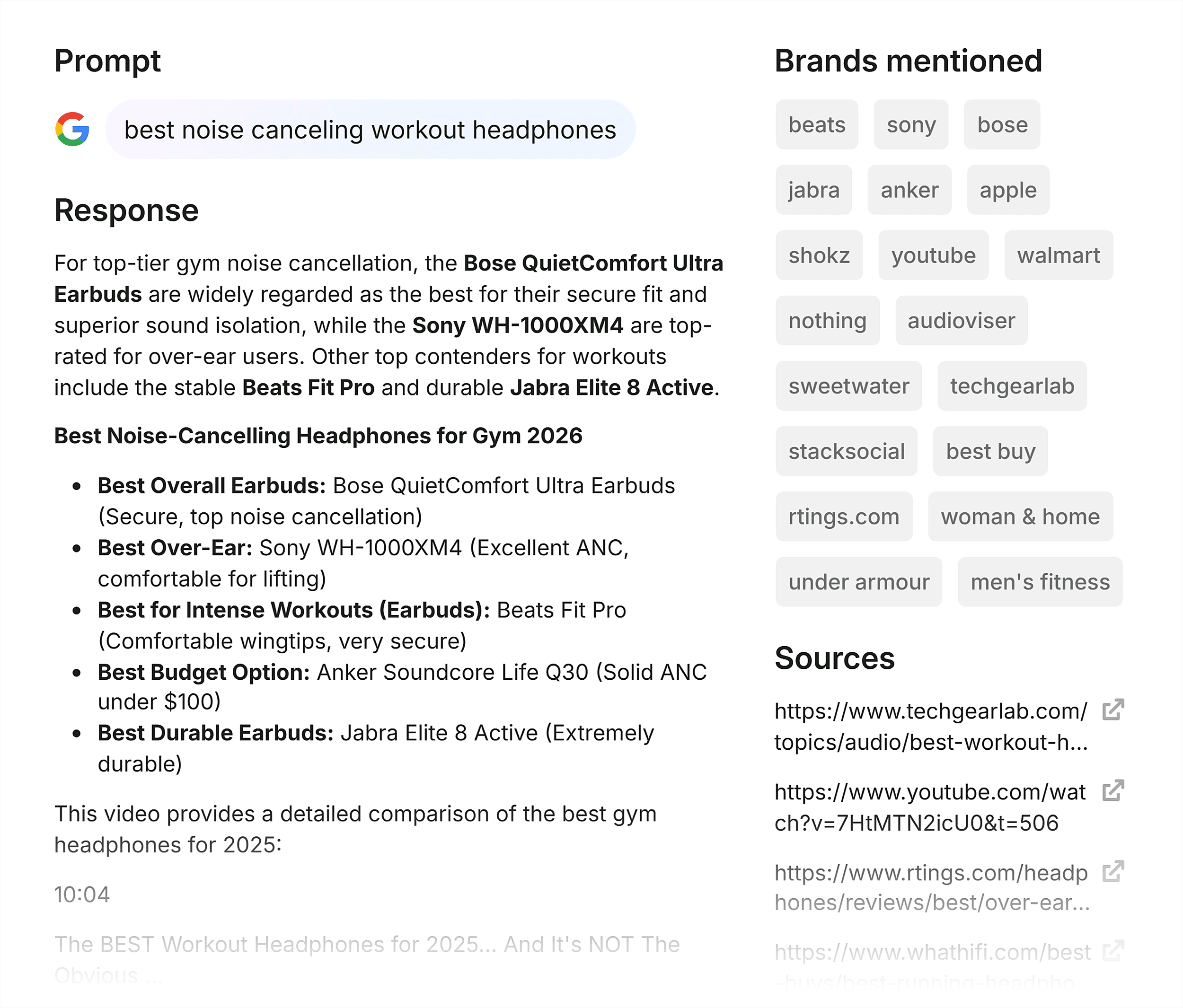
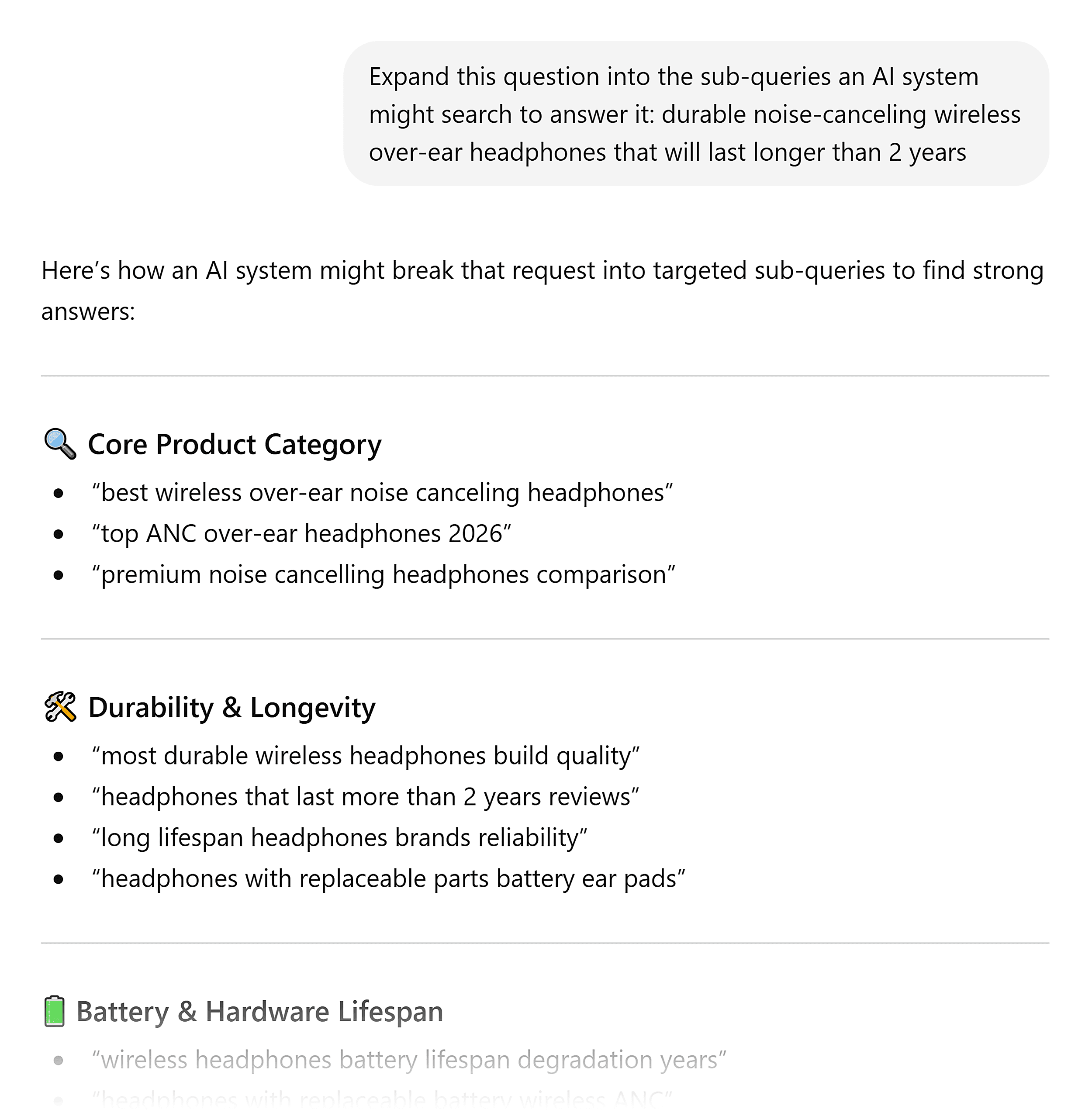
Query fan-out is a background computational process utilized by AI search systems to deconstruct a single, broad user prompt into a comprehensive matrix of related sub-queries. When an end-user inputs a concise query—such as "best noise-canceling headphones" or a complex conversational prompt—the underlying artificial intelligence system does not merely scan for the highest-ranking pages matching those exact words. Instead, it systematically expands, or "fans out," the original input into a series of nuanced sub-questions designed to capture the multifaceted intent behind the user’s request.
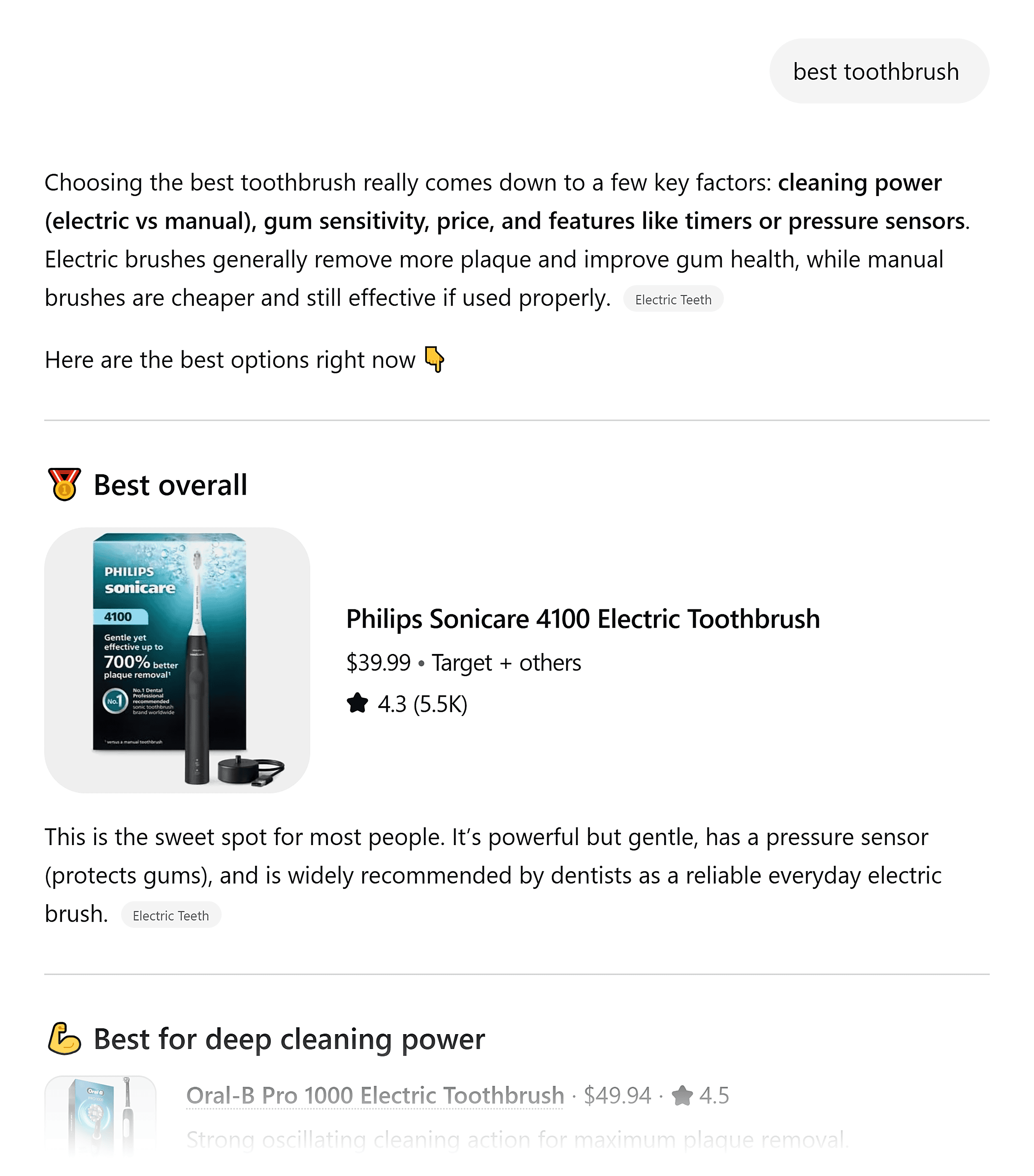
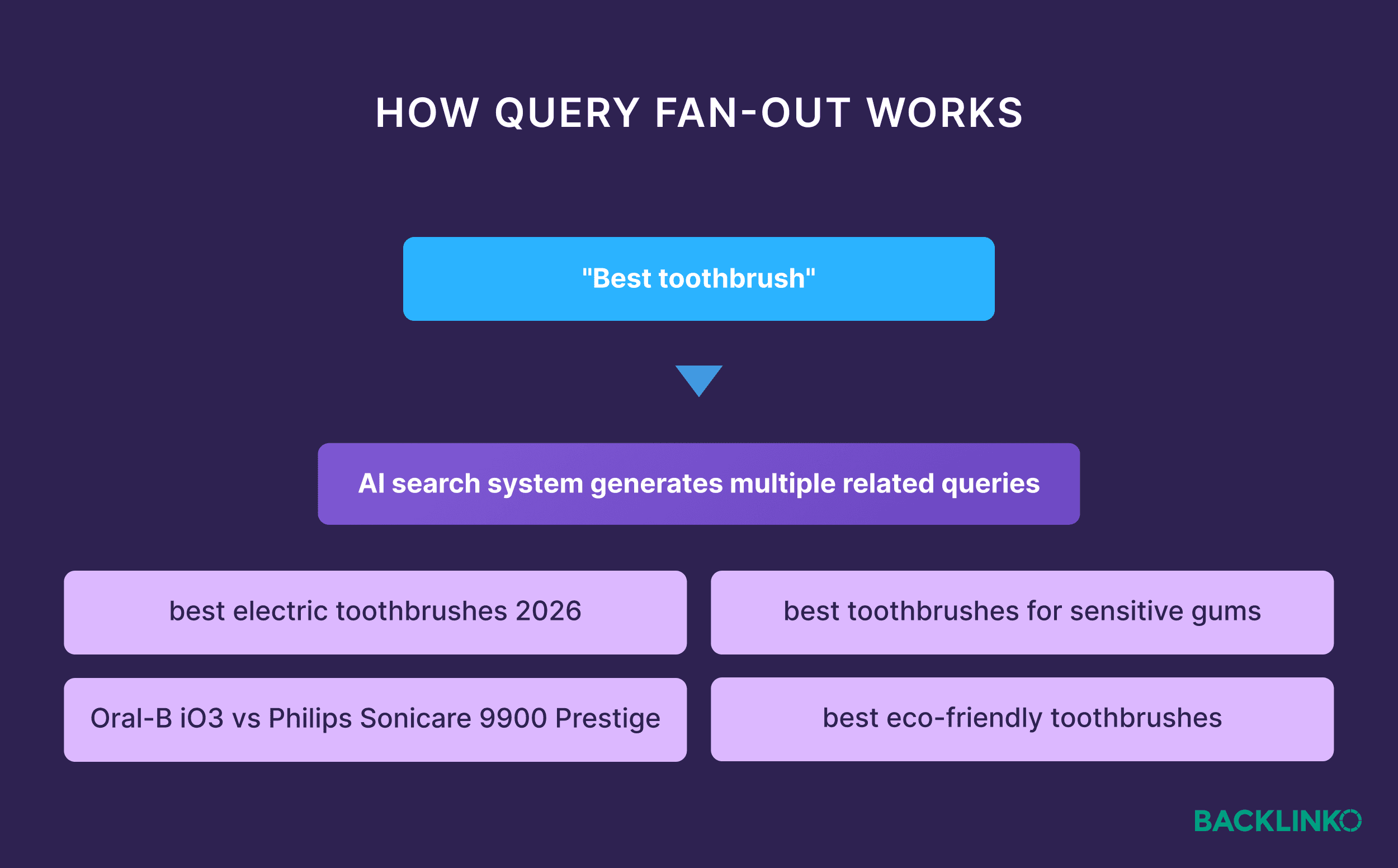
For instance, an initial prompt regarding a toothbrush purchase will trigger background sub-queries targeting electric models versus manual alternatives, price tiers, sustainability factors, and medical use cases like sensitive gums. The AI then queries diverse data reservoirs—ranging from authoritative editorial review sites and structured product catalogs to crowdsourced forums like Reddit—synthesizing the retrieved passages into a unified, coherent response.
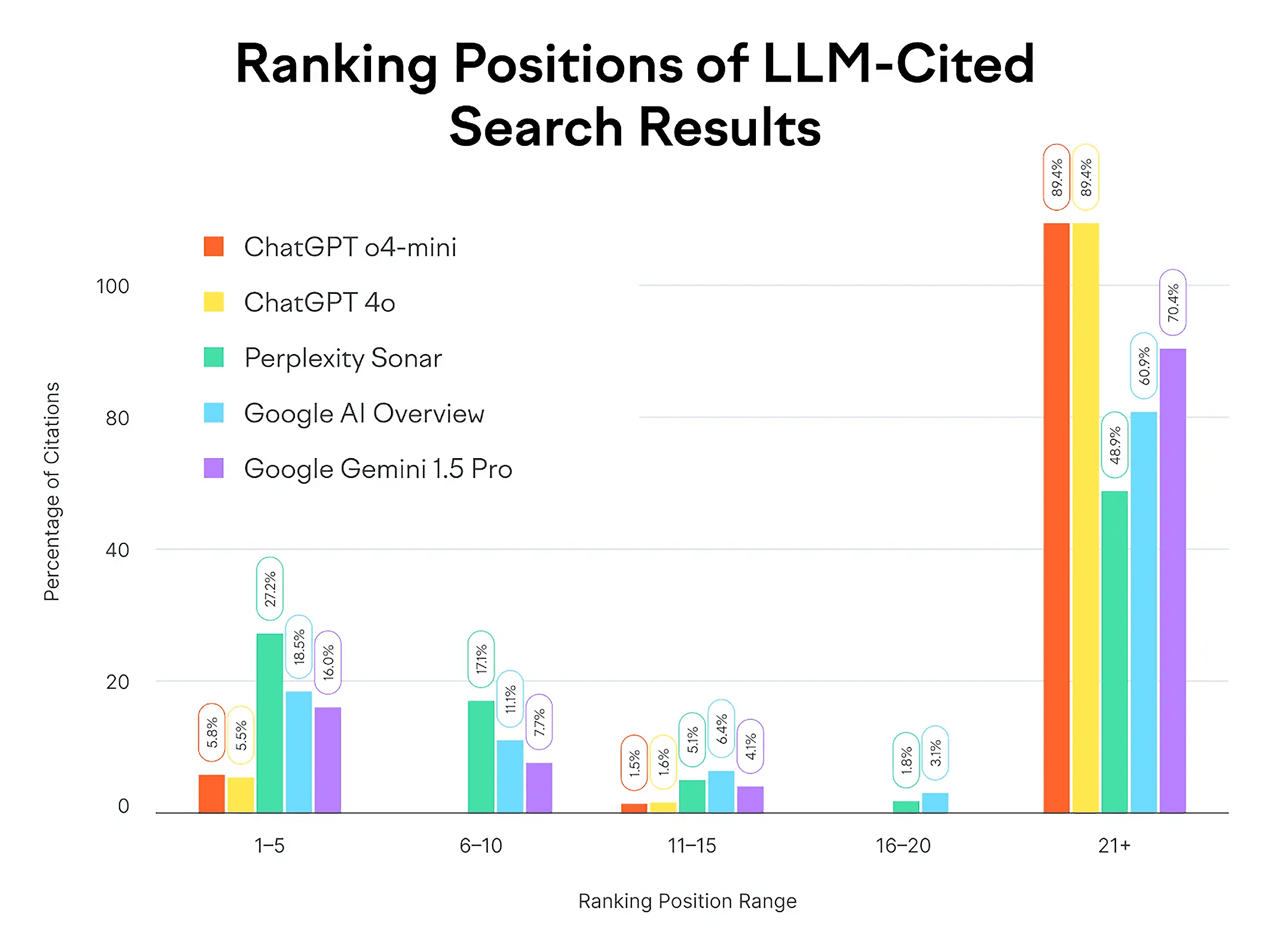
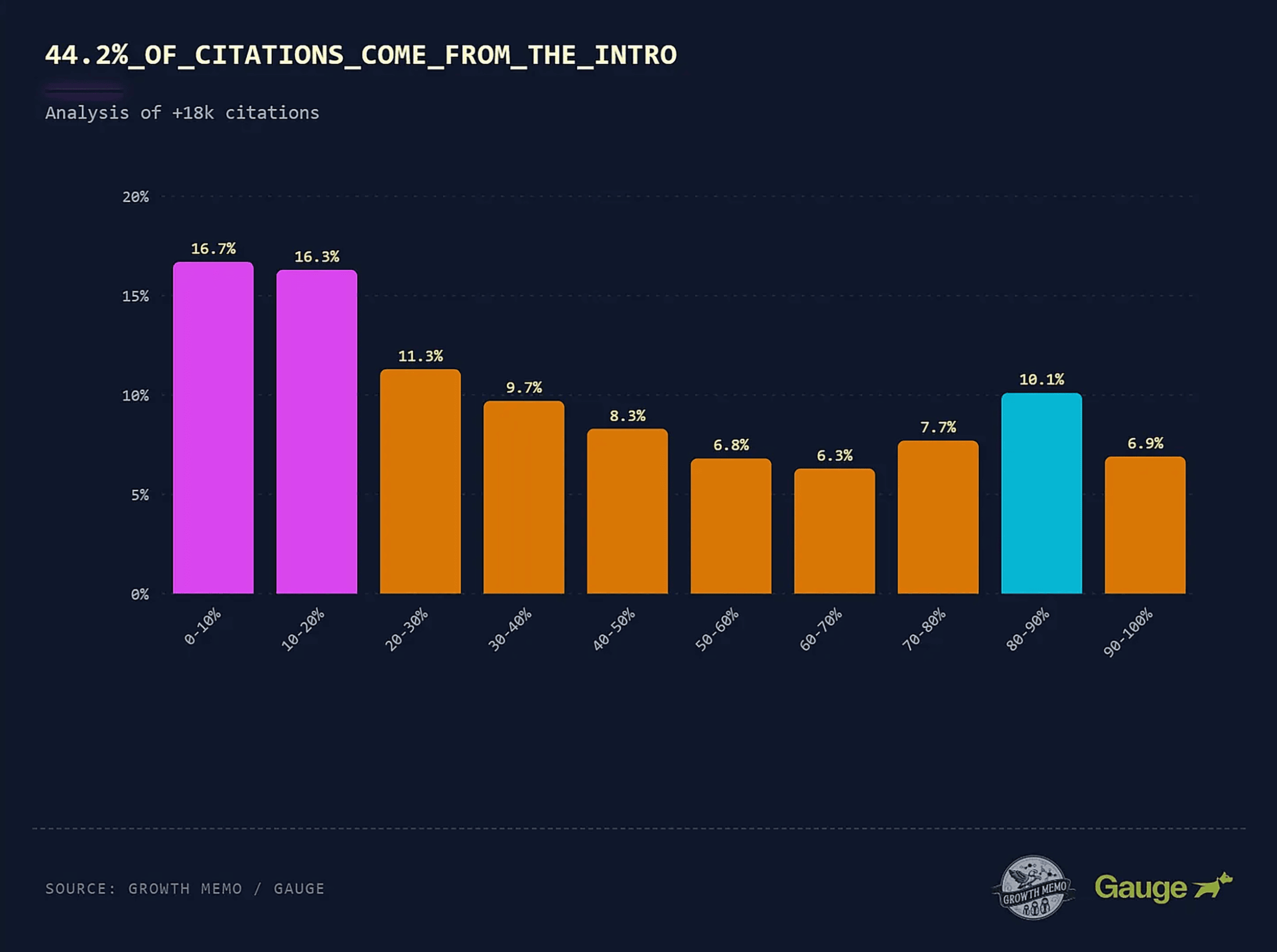
According to structural analyses of generative search behaviors, this process collapses the traditional linear consumer journey. Awareness, consideration, and decision-making stages are compressed into a single, instantaneous interaction. Because the AI evaluates passages for their direct utility in answering individual sub-queries rather than evaluating entire domains for overall authority, traditional ranking metrics no longer guarantee citation. Empirical findings highlight this shift: a study published by Semrush demonstrated that ChatGPT cites web pages ranking at position 21 or lower in nearly 90% of instances, provided the content within those deep pages precisely satisfies a specific sub-query. Furthermore, growth analyses of large-scale LLM outputs indicate that over 44% of citations are drawn from the top 30% of a referenced page, underscoring the critical importance of front-loading concise, highly extractable answers.
Strategic Implications for Content Architecture and Digital Publishing
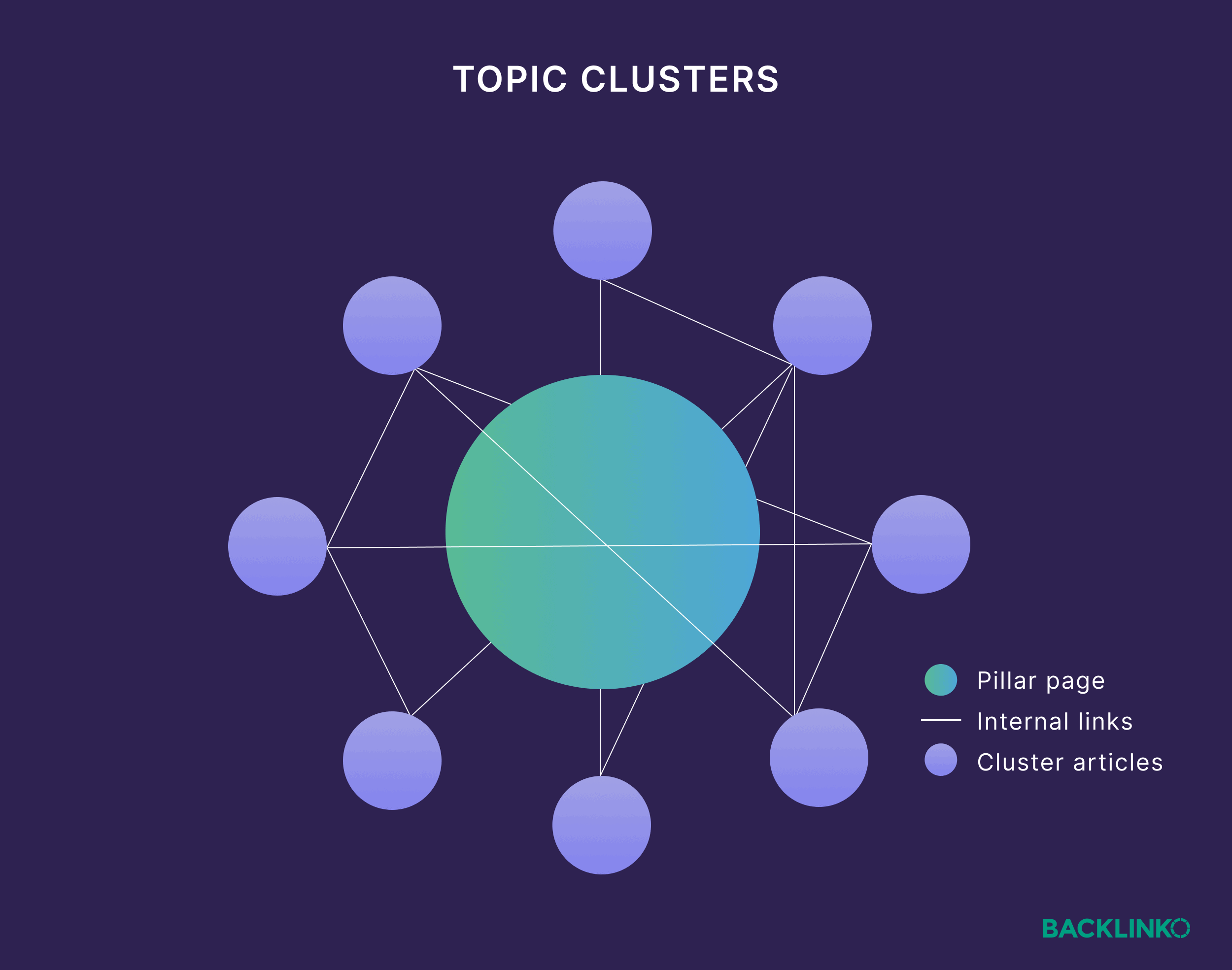
The rise of query fan-out necessitates a comprehensive restructuring of modern content strategy. Digital publishers can no longer rely on optimizing individual articles for isolated keywords; instead, they must build robust topical authority through interconnected content ecosystems, such as pillar pages and comprehensive topic clusters. Because AI models extract specific passages rather than directing traffic to entire domains, content must be architected for modular retrievability.
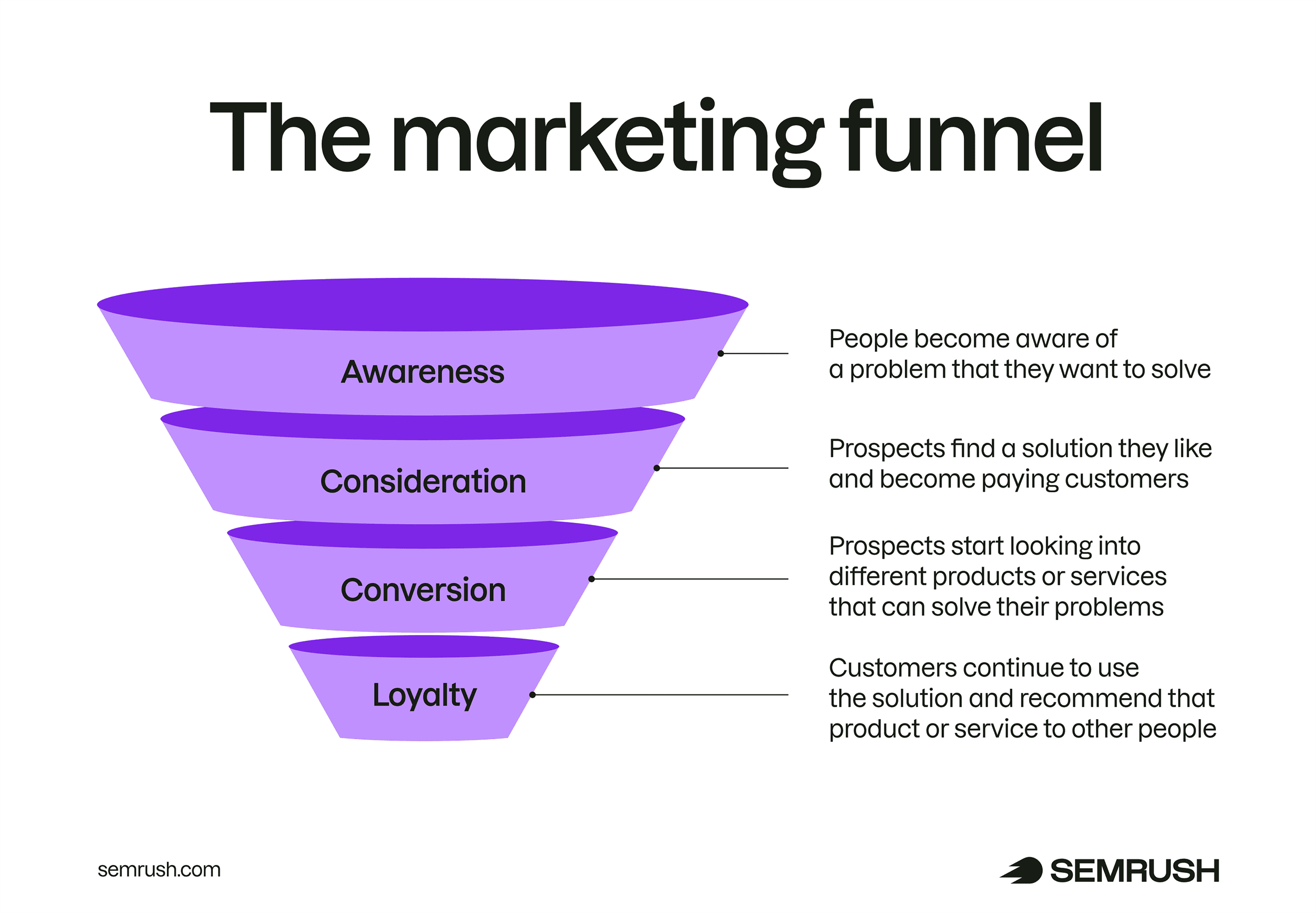
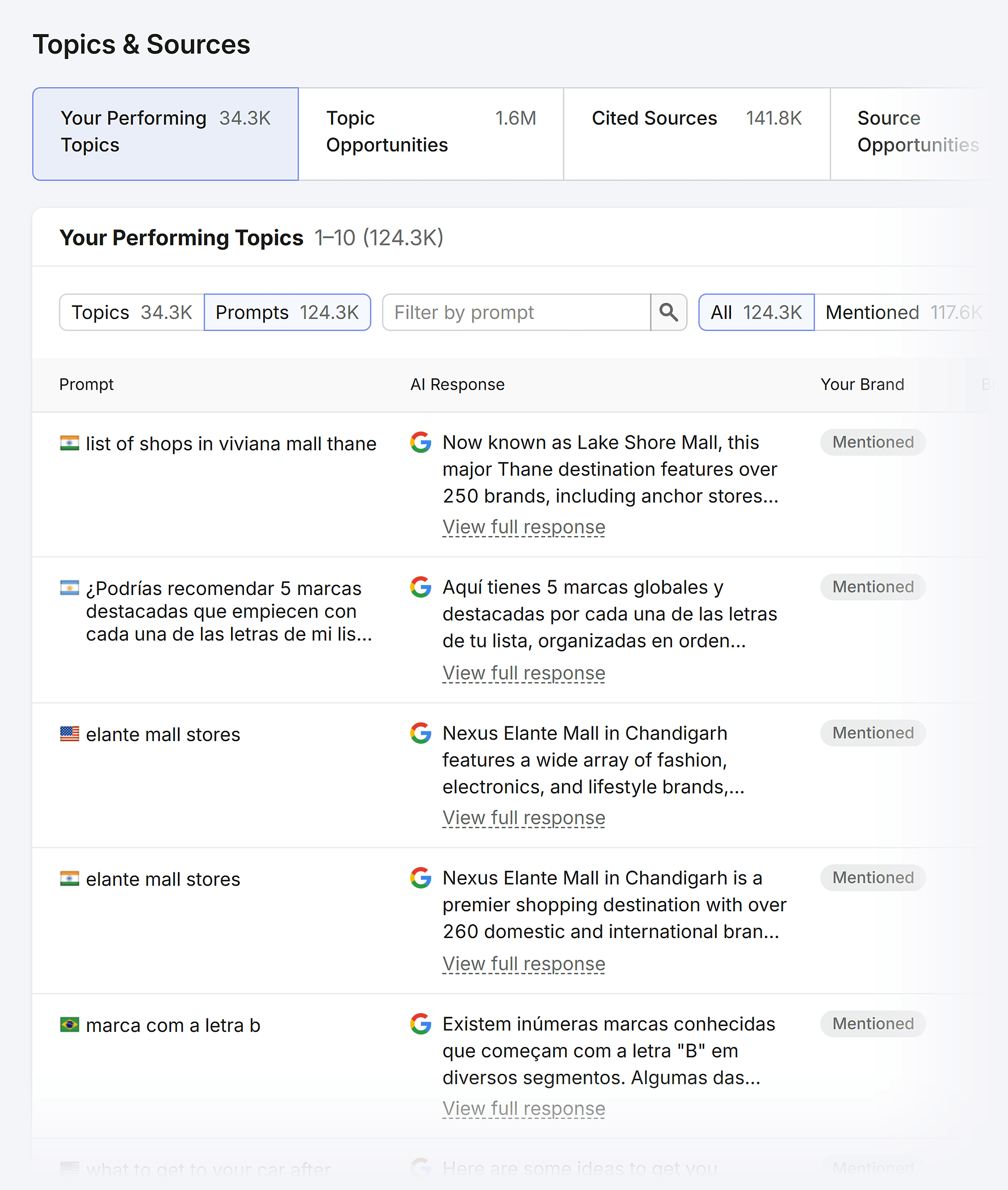
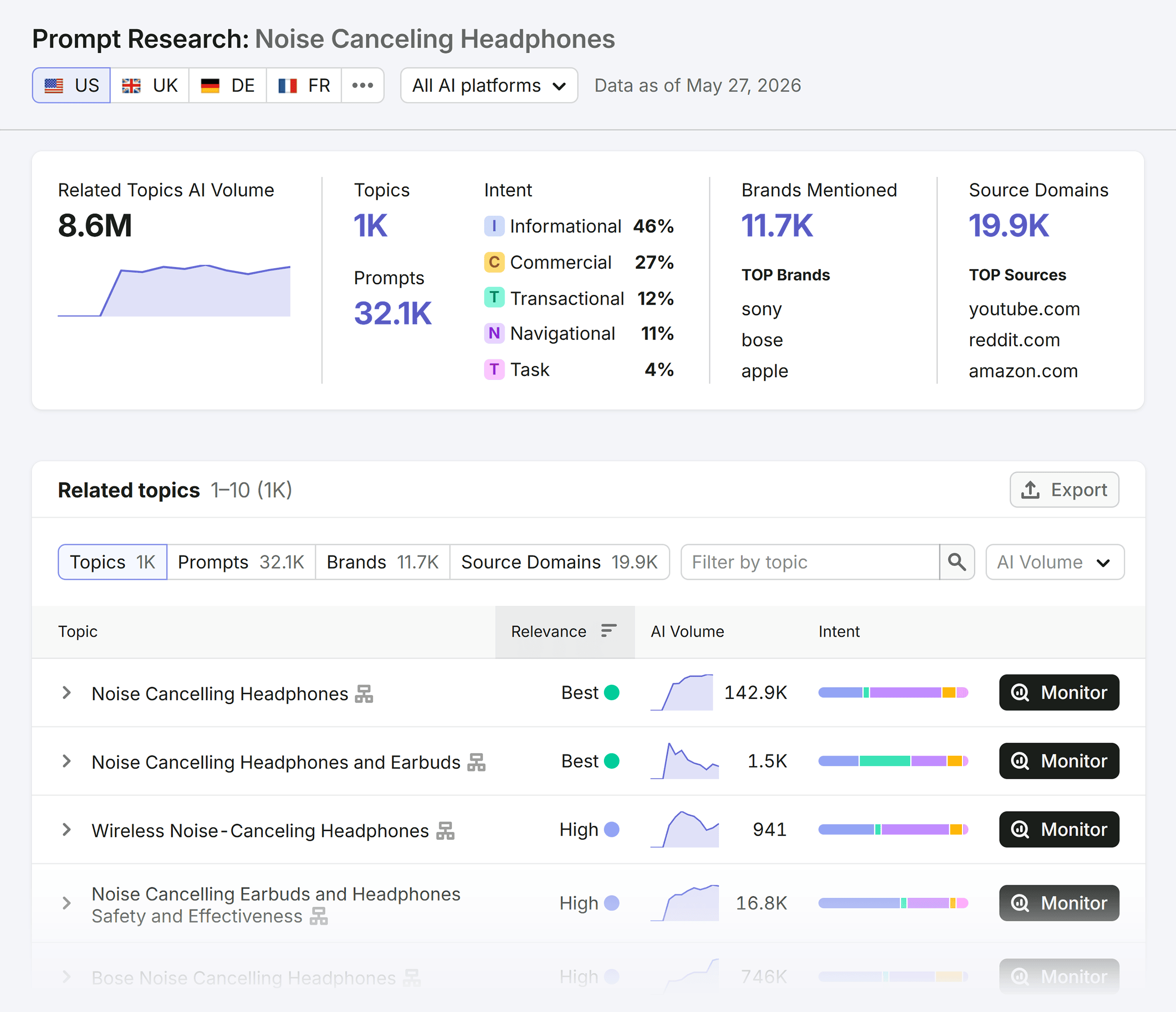
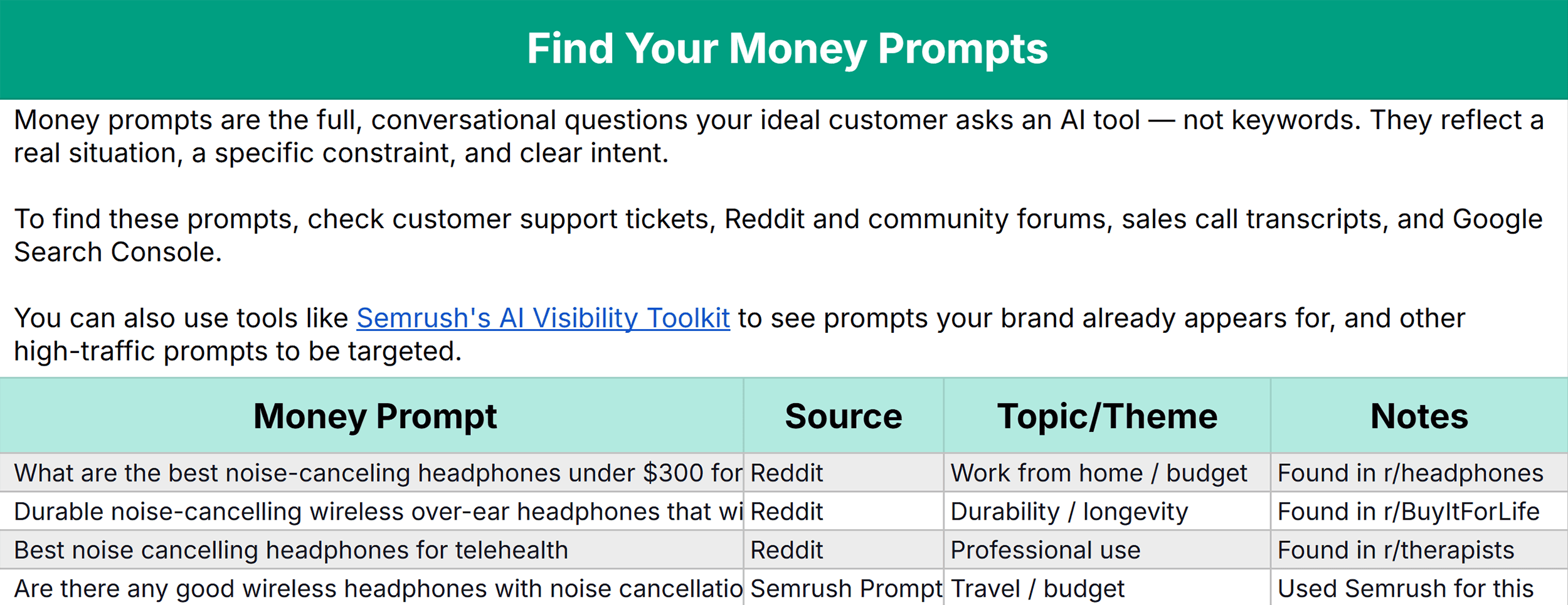
The optimization workflow required to capture AI citations relies on six core operational steps. First, brands must identify their "money prompts"—conversational phrases and high-intent questions that target specific consumer needs. Second, publishers must generate comprehensive fan-out sets by analyzing how AI platforms expand these prompts into sub-queries. Third, these sub-queries must be categorized into intent buckets, distinguishing between definitions, comparative analyses, troubleshooting guides, and pricing inquiries. Fourth, content teams must conduct thorough content gap audits to identify missing coverage on their digital properties. Fifth, publishing architecture must be optimized with scannable elements, structured data tables, and direct answers that allow AI crawlers to easily parse and extract passages. Finally, visibility must be systematically measured using specialized AI tracking tools that monitor brand sentiment, prompt frequency, and citation sources across multiple LLM environments.
Platform-Specific Variances in AI Information Retrieval

While query fan-out is a universal characteristic of modern generative search, different platforms execute the process through distinct architectural frameworks. Recognizing these nuances allows digital strategists to tailor their content for maximum compatibility across competing ecosystems.

ChatGPT relies on internal reasoning models that trigger live web searches when queries demand real-time data, current pricing, or comparative analysis. By inspecting network responses during conversational queries, developers can extract the exact internal sub-queries the model generates, revealing a heavy reliance on specialized sub-topics and community-driven discussions. Consequently, maintaining a strong footprint across third-party review platforms and forums is vital for influencing ChatGPT citations.
Perplexity executes a dual-layered fan-out process, simultaneously evaluating conversational context—such as a user’s historical preferences, stated budget constraints, and previous prompts—alongside real-time web searches. This dynamic means that content must remain self-contained and universally accurate, as it may be surfaced within unpredictable contextual frameworks.
Claude approaches complex queries by prioritizing intent clarification. Before executing automated sub-queries or broad web searches, Claude frequently prompts the user to define their specific parameters through interactive widgets. Because it narrows the scope prior to retrieval, Claude tends to generate fewer, highly targeted fan-out queries, rewarding content that directly addresses precise, well-defined use cases.
Google AI Overviews and AI Mode integrate generative summaries directly into traditional search infrastructure. AI Overviews condense Google’s established index into concise, featured-snippet-style summaries accompanied by sidebar citations. AI Mode, operating as a dedicated conversational tab, handles multi-part, complex inquiries by executing multiple background searches across the index. Optimization for these Google-driven environments requires strict adherence to technical SEO best practices, including clear semantic HTML markup, descriptive subheadings, and early placement of authoritative claims.
Industry Analysis and Future Outlook
The transition from keyword-driven SEO to generative engine optimization marks a permanent evolution in digital discovery. As search engines and AI assistants merge into unified answer engines, the value of traditional ranking positions will continue to decouple from actual referral traffic and brand visibility. Organizations that fail to adapt their content architectures to accommodate query fan-out risk losing market share, even if their domains occupy top positions in legacy search indexes.
Industry analysts emphasize that future-proofing a digital presence requires shifting away from volume-driven keyword targeting in favor of comprehensive, structured, and use-case-specific information design. By anticipating the granular sub-queries generated by artificial intelligence and formatting content for seamless machine extraction, publishers can secure sustainable visibility, protect brand sentiment, and capture high-intent audiences across all major AI platforms.