Website Marketing in 2026: Why the Traditional Customer Journey Has Shifted Beyond the Homepage


Website marketing has undergone a profound transformation, moving far beyond the traditional playbook of optimizing a single domain to attract inbound traffic. Historically, digital marketing strategies centered on a linear funnel: prospective buyers clicked on search engine results, landed on a company website, and navigated conversion paths directly on-site. Today, however, that model no longer reflects how consumers actually discover, evaluate, and purchase products or services.
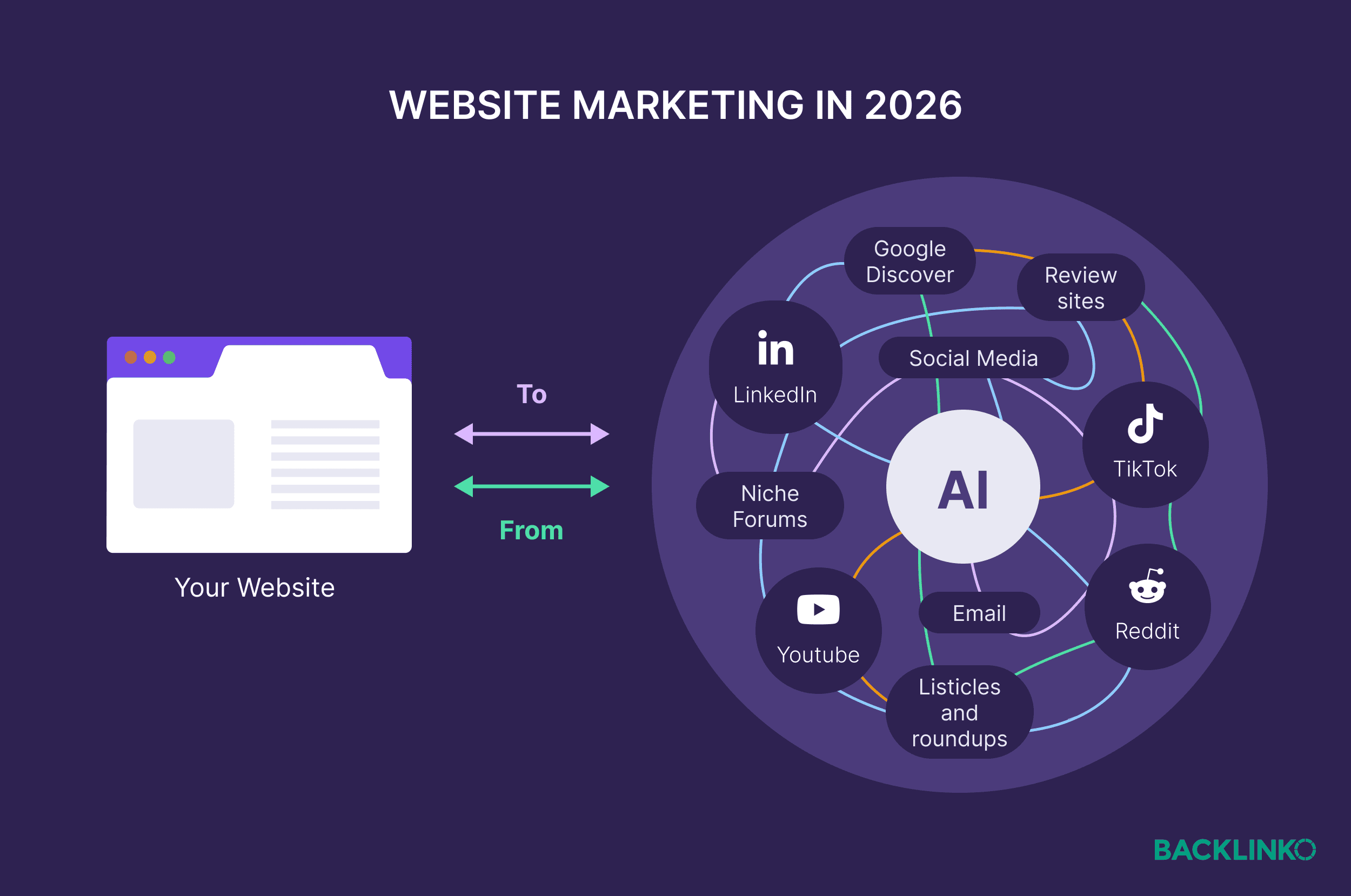
A significant majority of the modern customer journey now takes place entirely off-site before a user ever interacts with a brand’s primary domain. Recent industry data indicates that over 65% of consumers utilize artificial intelligence tools, peer-to-peer discussion platforms like Reddit, and various social media ecosystems to conduct exhaustive research prior to visiting a corporate website. Consequently, modern digital strategy requires brands to maintain active visibility, authority, and credibility across an expansive decentralized digital landscape.

The Evolution of the Pre-Purchase Discovery Phase

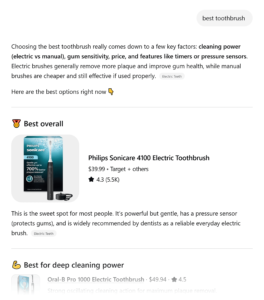
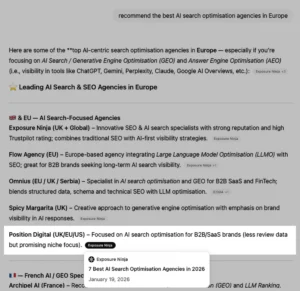
The mechanics of consumer decision-making shifted dramatically with the widespread adoption of generative AI search engines, conversational assistants, and decentralized community forums. When modern buyers investigate a product category or specific brand, they rarely rely solely on traditional search engine results pages (SERPs). Instead, they query large language models (LLMs) or review aggregated peer feedback on niche forums to form preliminary opinions.

By the time a prospective buyer finally clicks through to a company website, they have often already established a definitive perception of the brand’s reputation, value proposition, and market standing. This pre-conditioning means that businesses failing to manage their digital footprint across third-party networks effectively miss out on high-intent traffic. Conversely, organizations that deliberately cultivate a trusted presence across AI training data, social media, and community networks ensure that visitors arrive with enhanced context and elevated trust.
Strategic Frameworks for Modern Website Marketing
To adapt to this decentralized reality, digital marketers are deploying comprehensive frameworks designed to capture attention across multiple touchpoints while optimizing on-site conversion mechanisms. Industry experts emphasize seven core strategies required for effective website marketing in the current ecosystem.
- Positioning for AI and Human Discovery
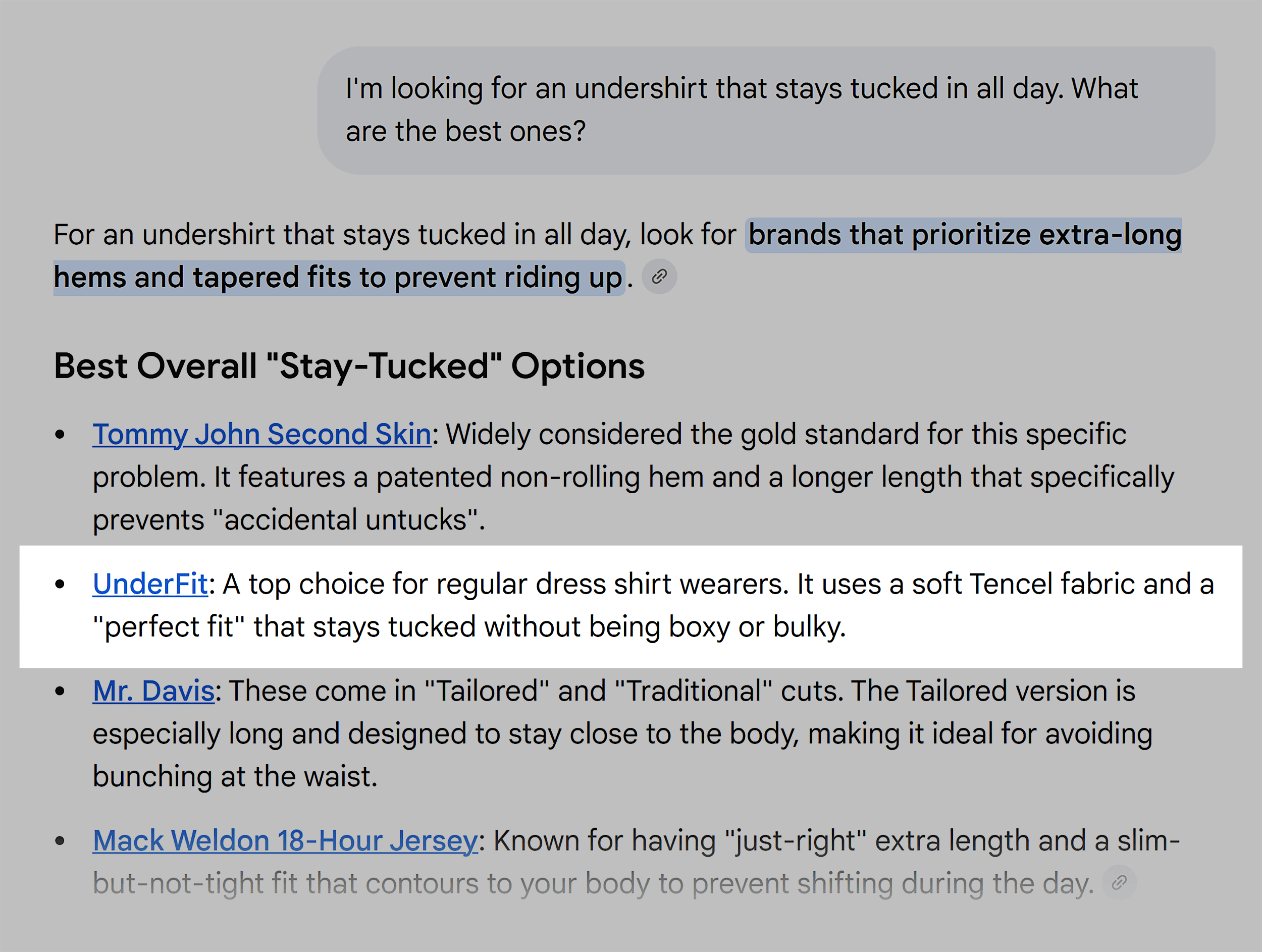
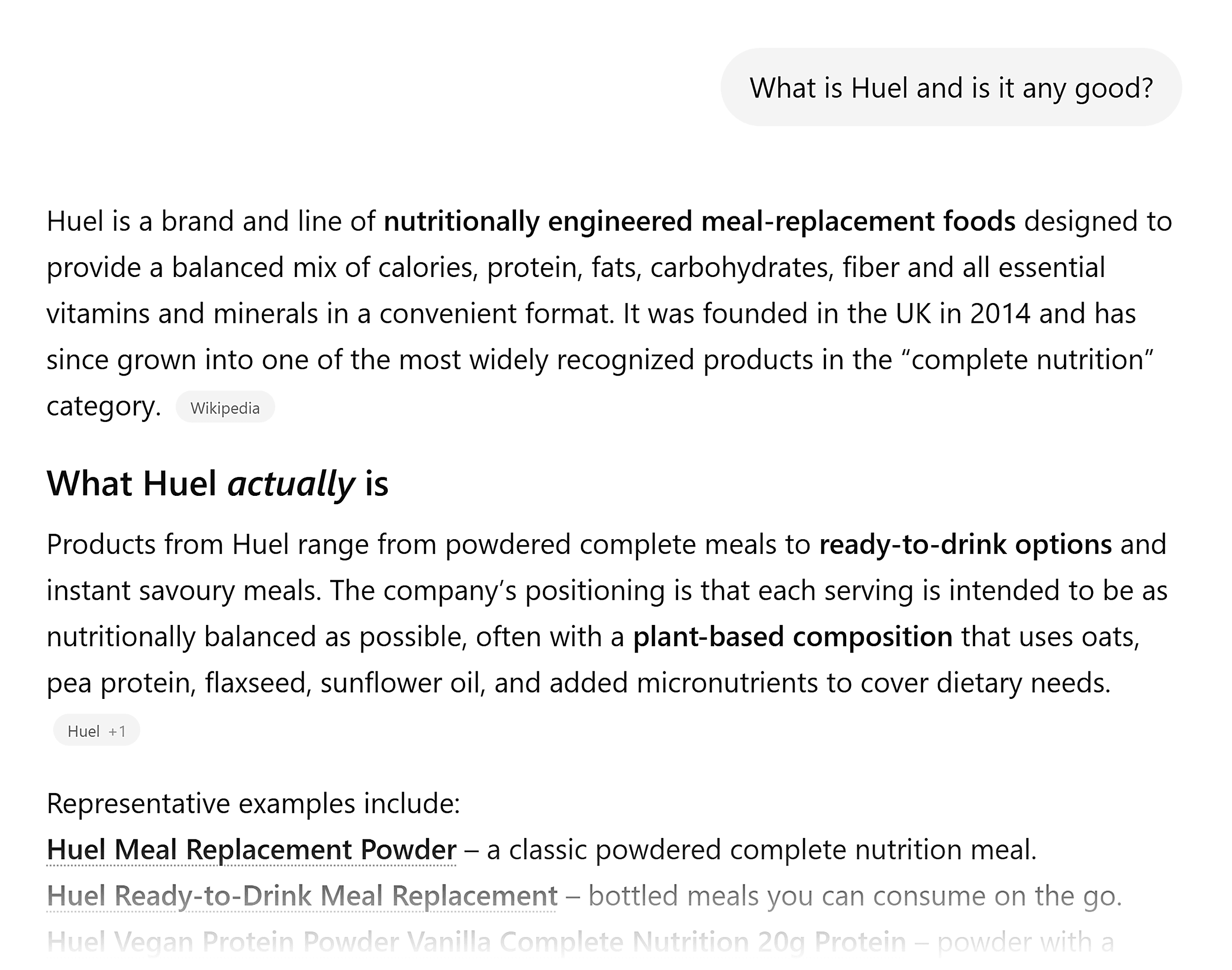
Managing how algorithms and humans perceive a brand requires a structured approach to brand messaging. Organizations are establishing clear brand messaging guidelines that dictate the exact vocabulary, category positioning, and core benefits associated with their products. By maintaining absolute consistency across press releases, executive communications, partner networks, and public reviews, companies build a recognizable linguistic pattern that large language models easily ingest and associate with specific search queries.

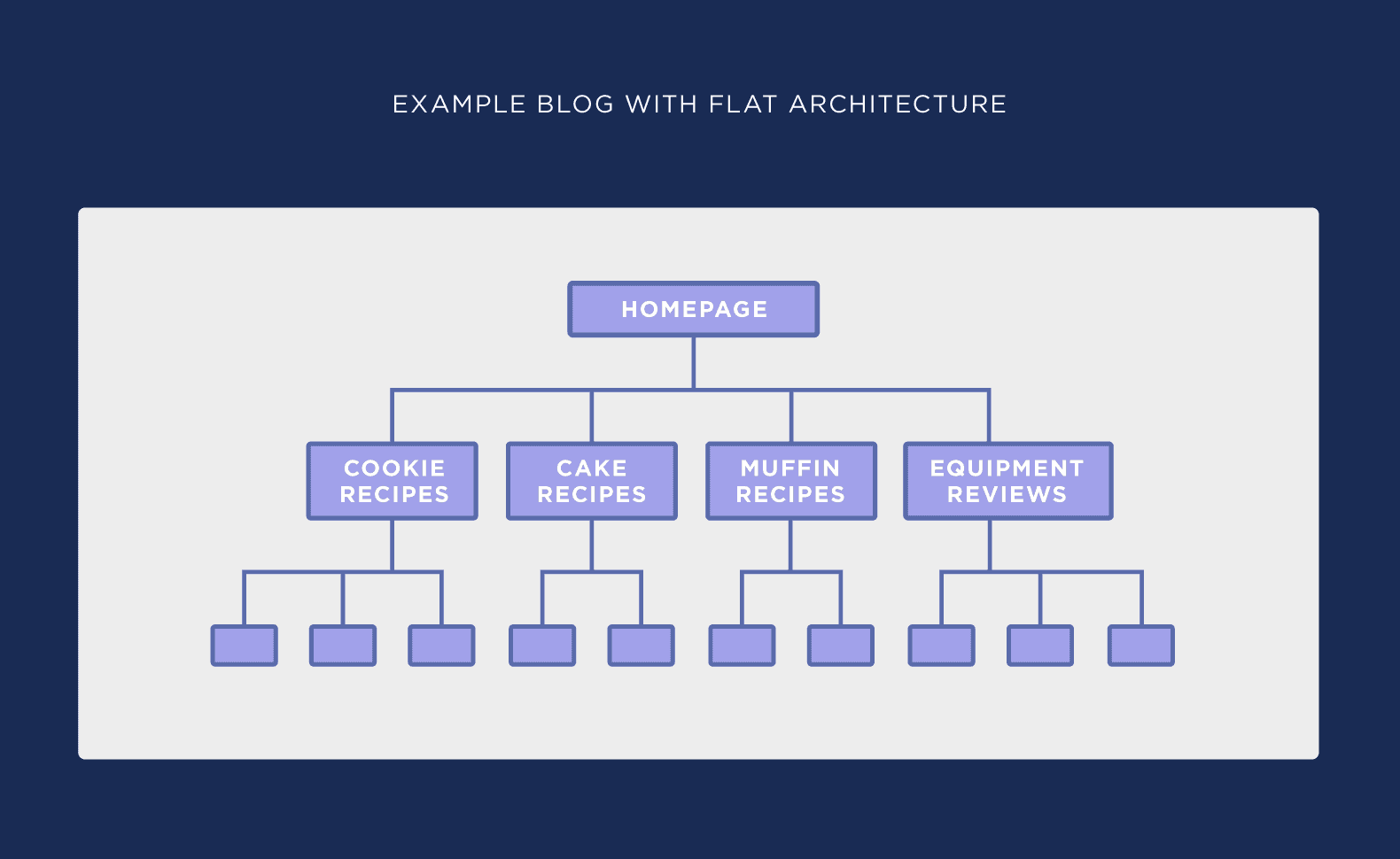
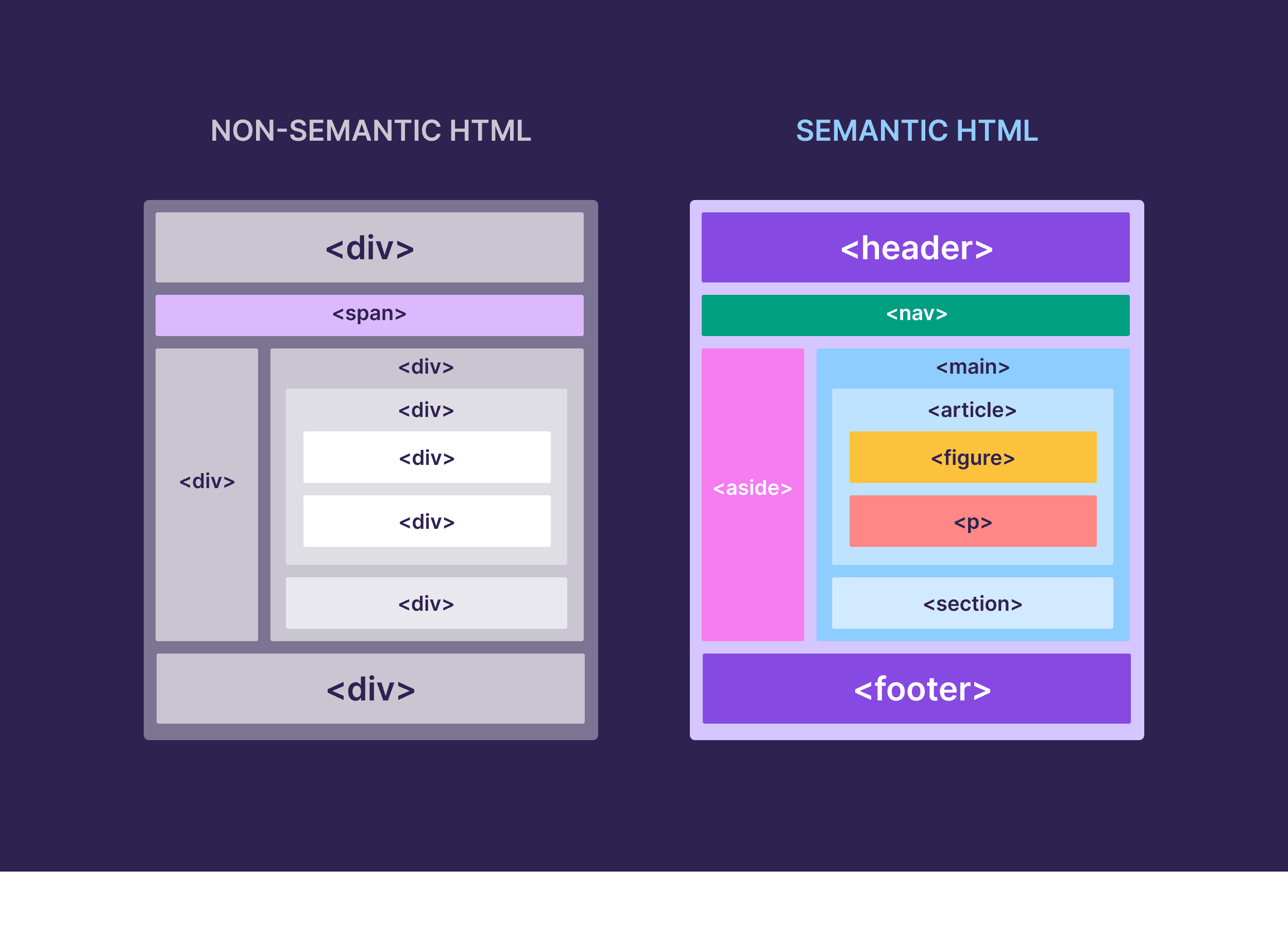
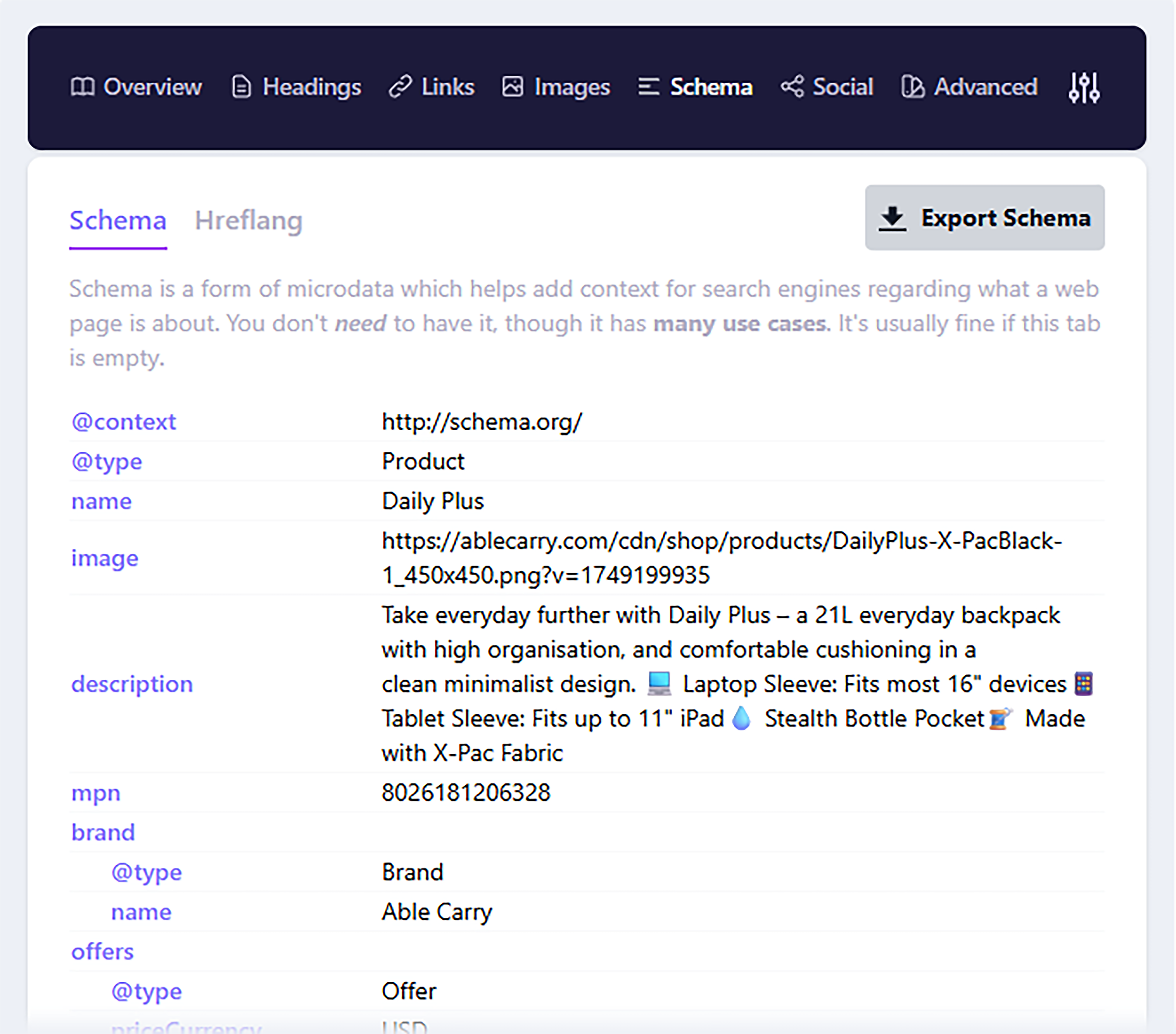
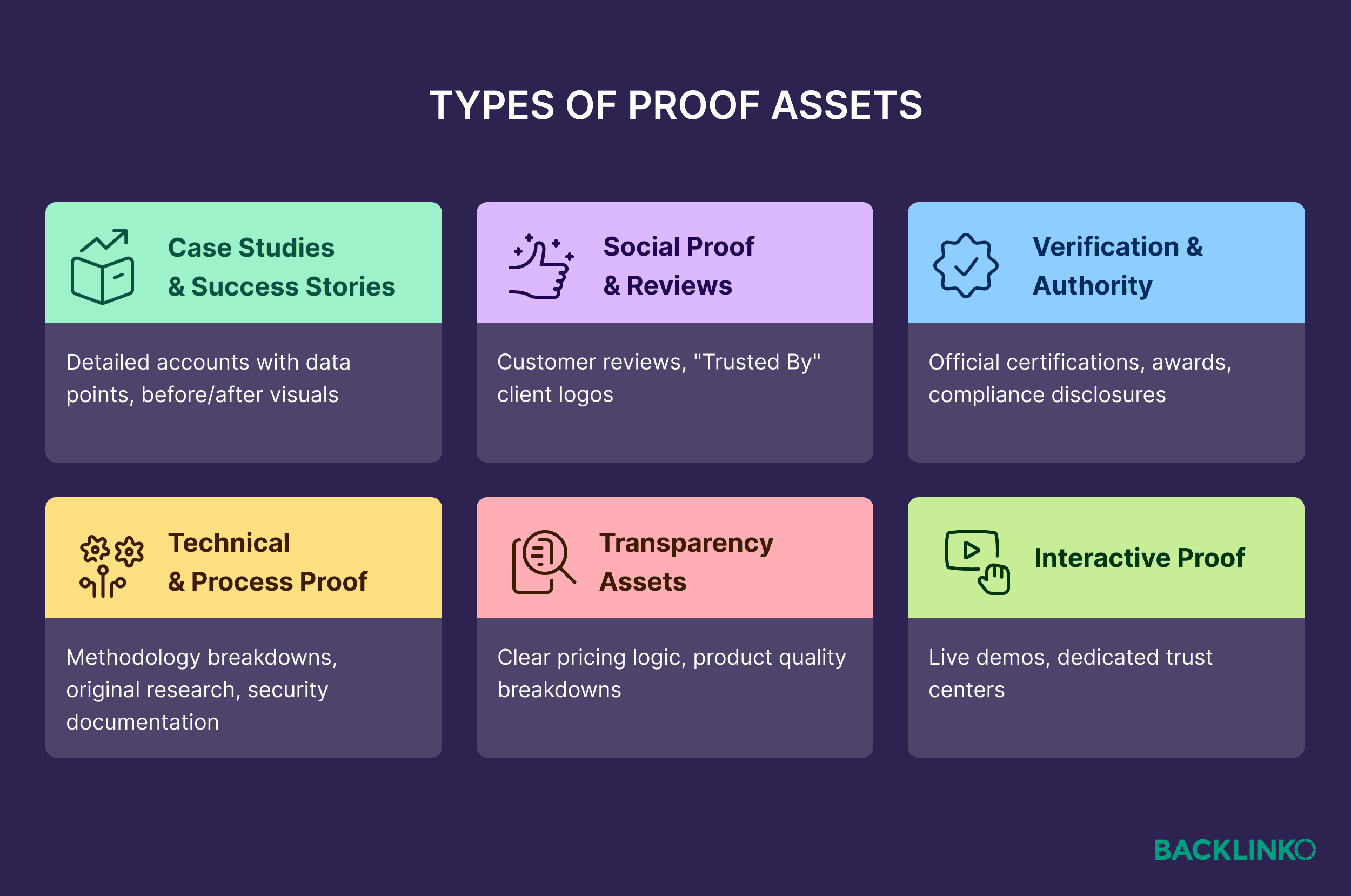
Concurrently, technical website architecture must evolve to accommodate both human readers and automated web scrapers. Semantic HTML, clear heading hierarchies (H1, H2, H3), and properly implemented structured data (schema markup) allow search engines and AI systems to parse page content accurately. Furthermore, publishing verifiable proof assets—such as empirical data, case studies, security certifications, and transparent return policies—directly addresses consumer skepticism and reinforces brand credibility.
- Leveraging Video for Trust and Familiarity
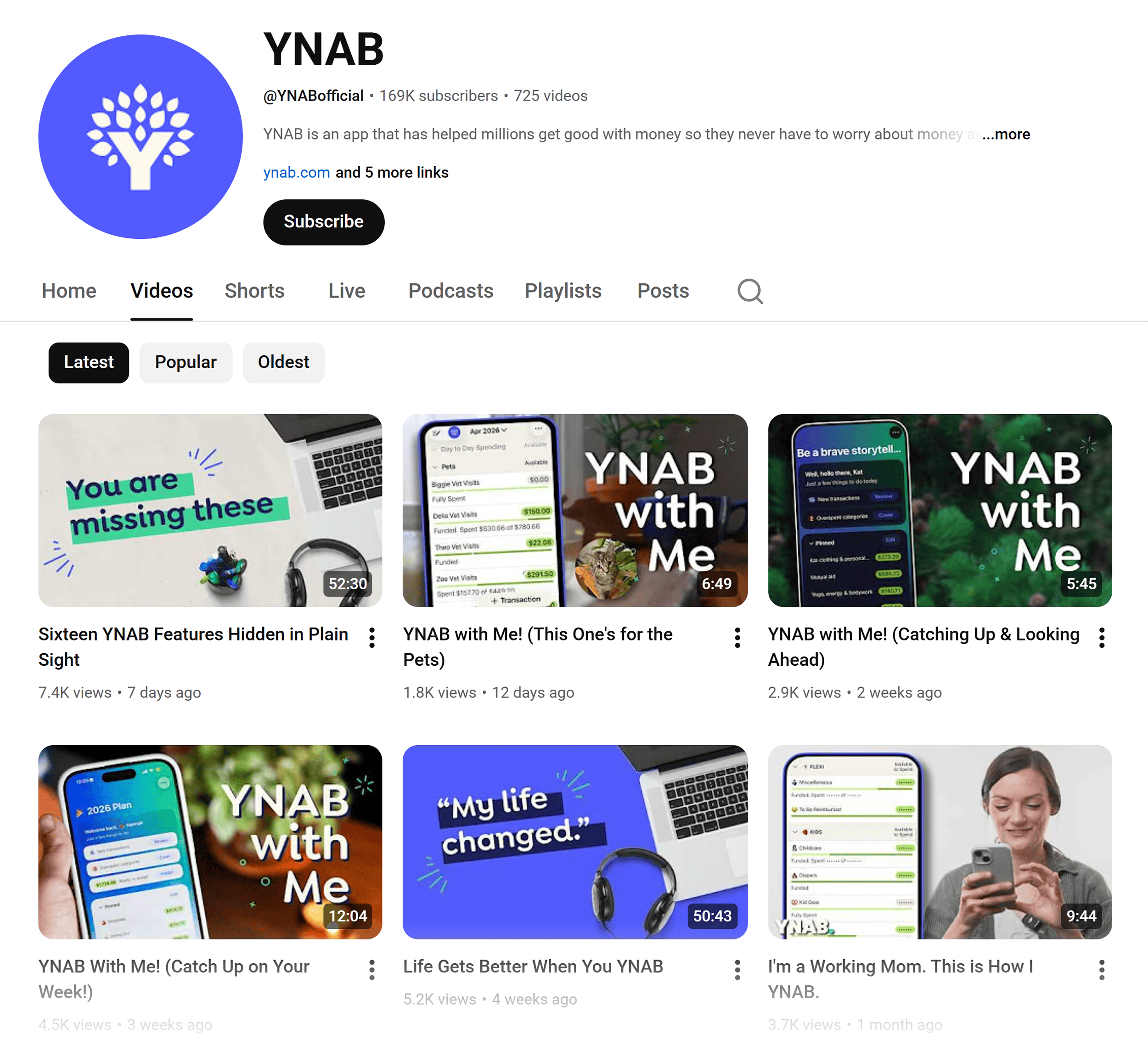
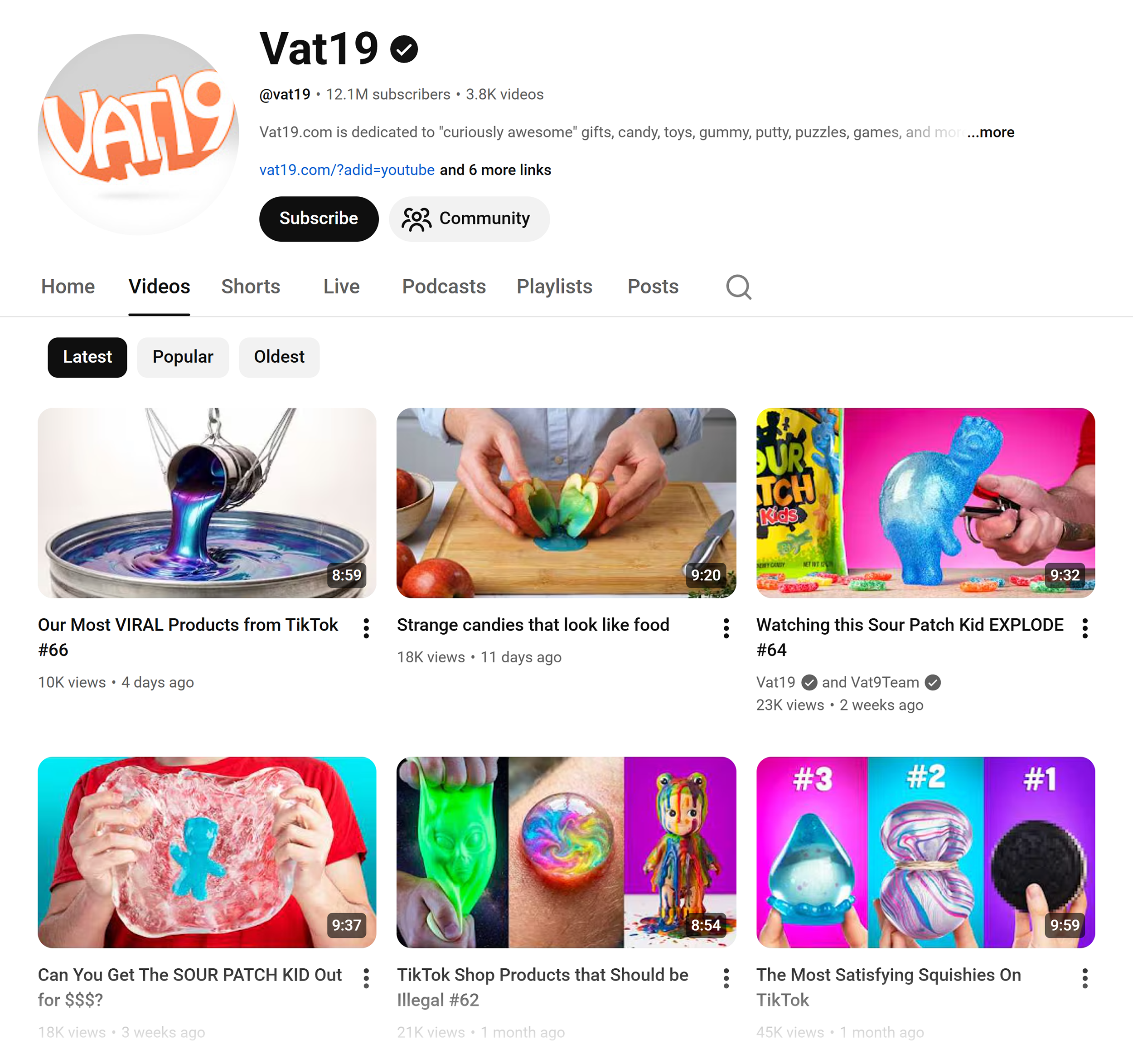
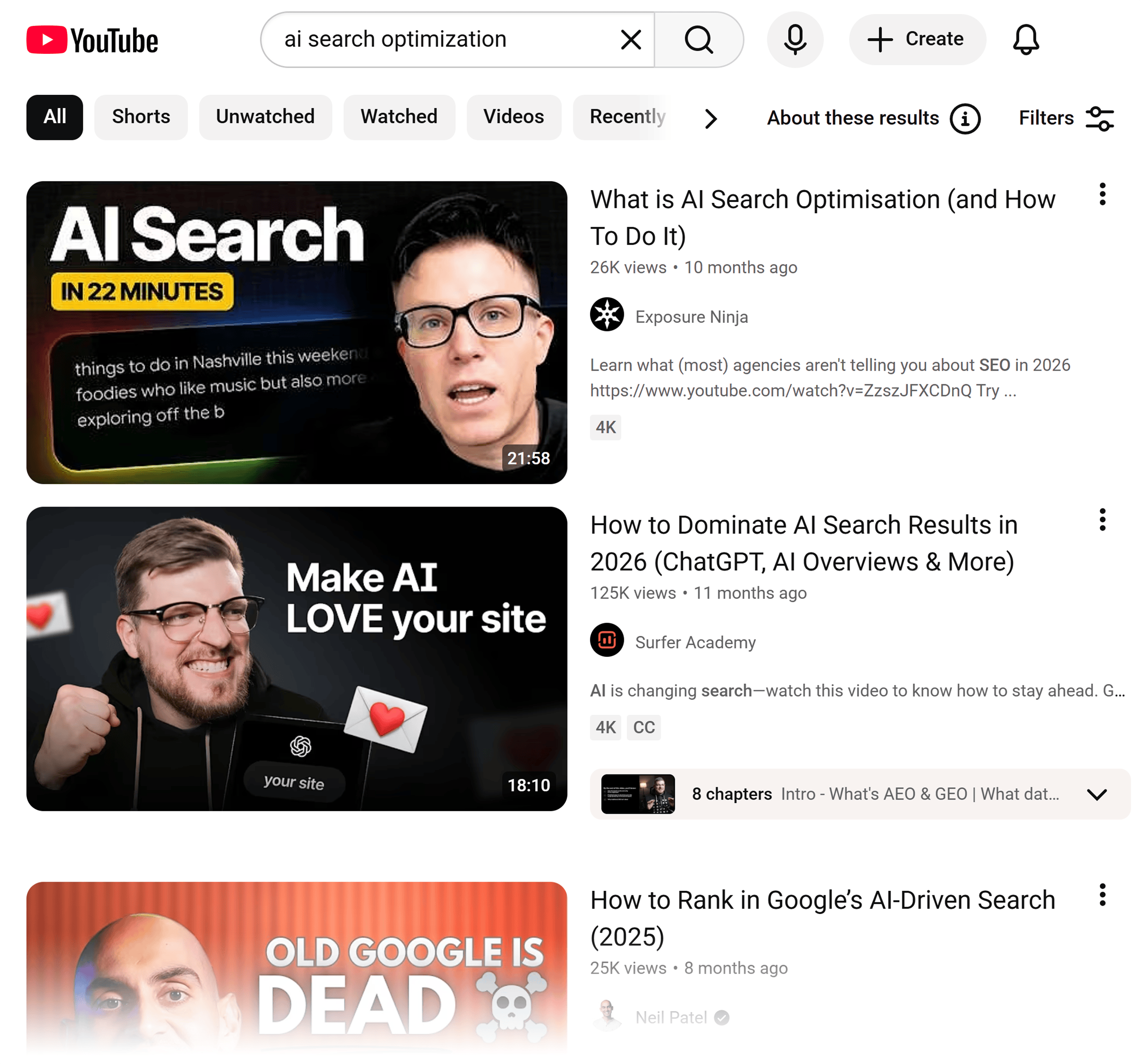
Video content has become an indispensable medium for establishing brand familiarity and humanizing corporate entities. Long-form video platforms, particularly YouTube, allow brands to provide deep educational dives, product evaluations, and tutorials that engage buyers during the consideration phase. Rather than operating in isolation, these video assets are intentionally integrated with website funnels through direct calls-to-action and contextual description links.
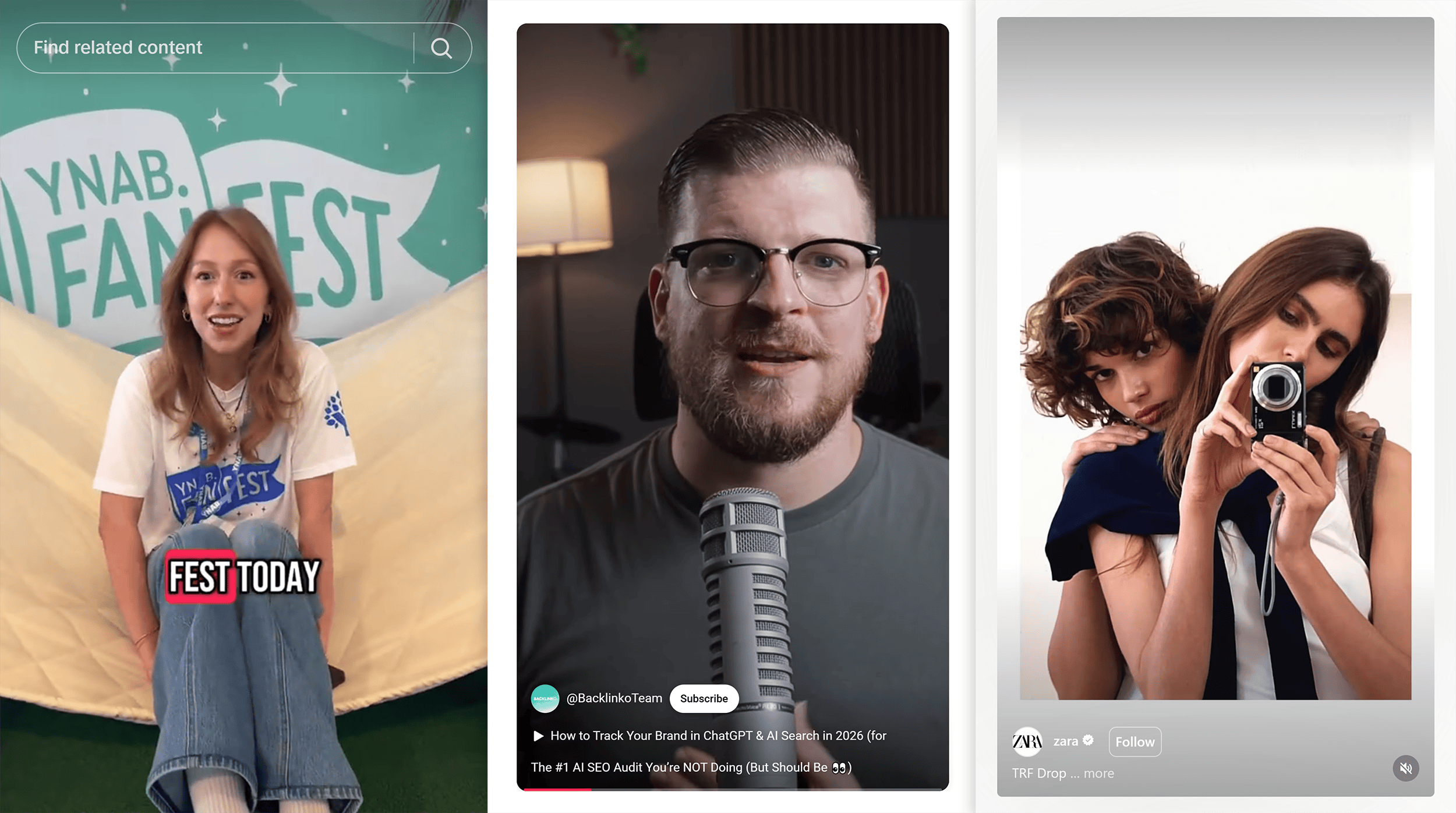
In tandem, short-form video strategies on platforms like TikTok, Instagram Reels, and YouTube Shorts leverage repetition to build micro-familiarity. By addressing recurring customer objections and answering real-world support queries in short clips, brands capture fleeting attention spans and guide interested viewers toward deeper educational resources on their primary websites.
- Capturing Google Discover and Feed Traffic
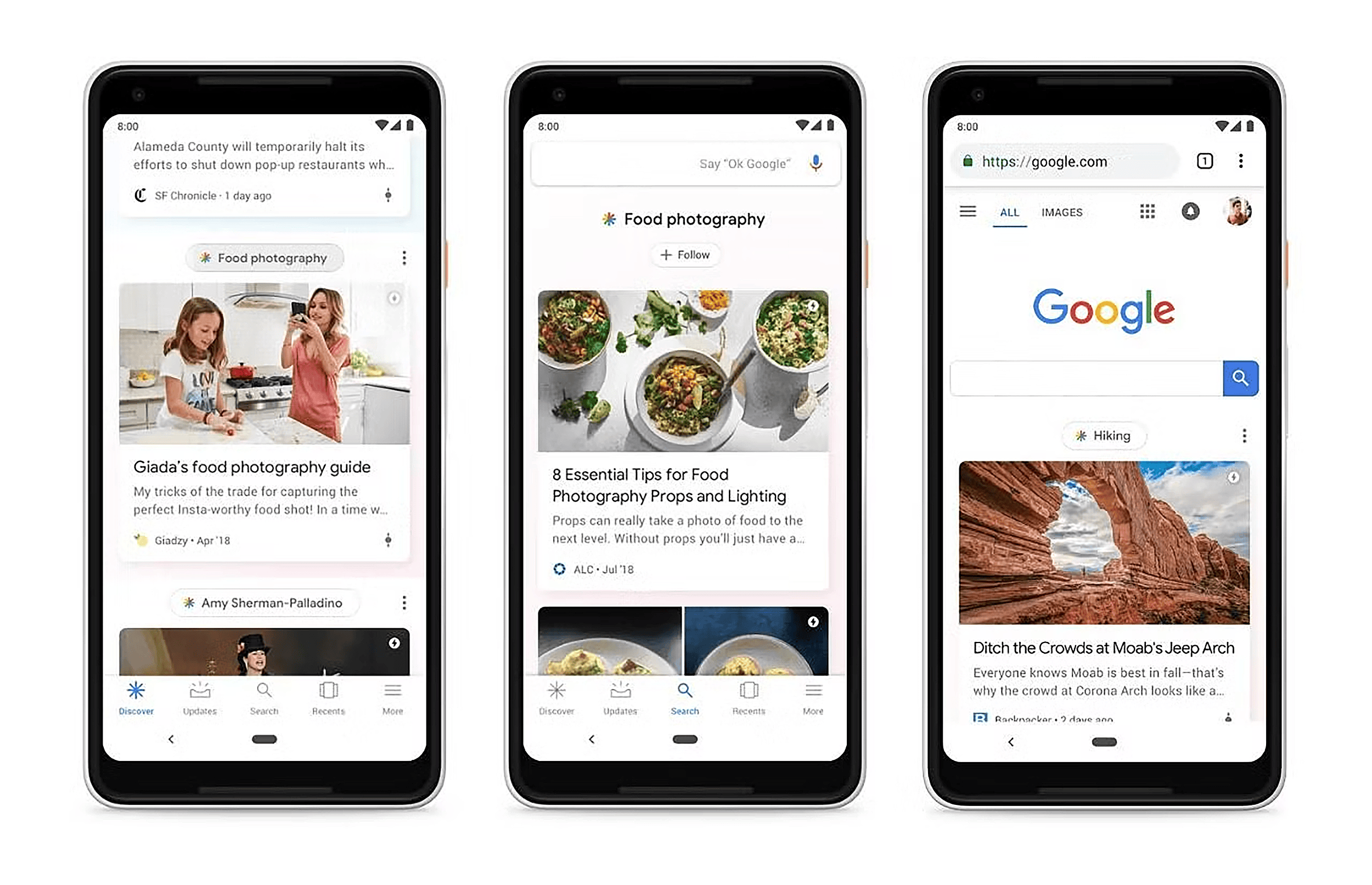
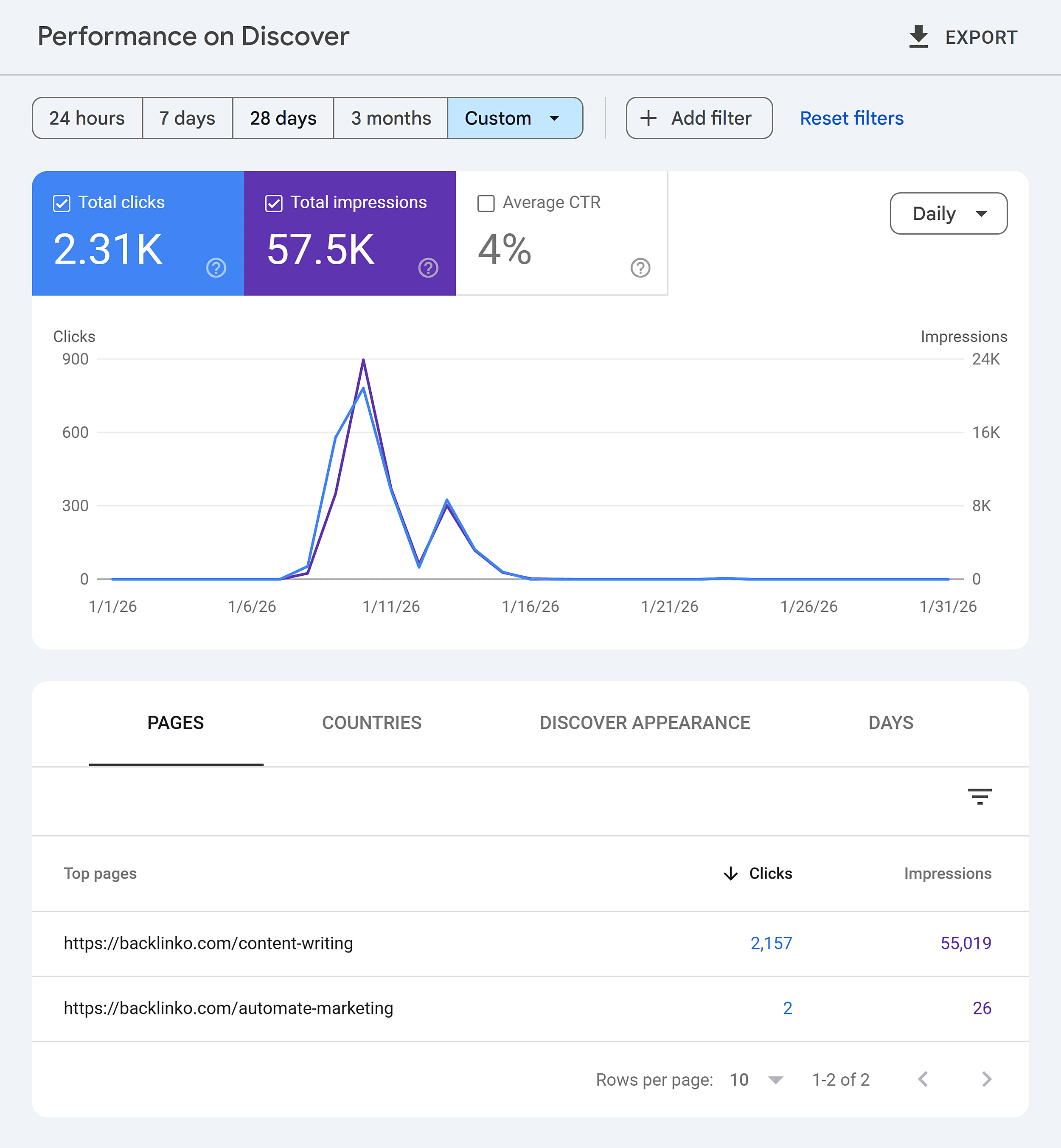
As search behavior shifts toward algorithmic, interest-based feeds, optimizing for features like Google Discover has become a critical traffic acquisition channel. Google Discover curates personalized content feeds based on user browsing history and explicit interests, often bypassing traditional keyword-driven search queries.

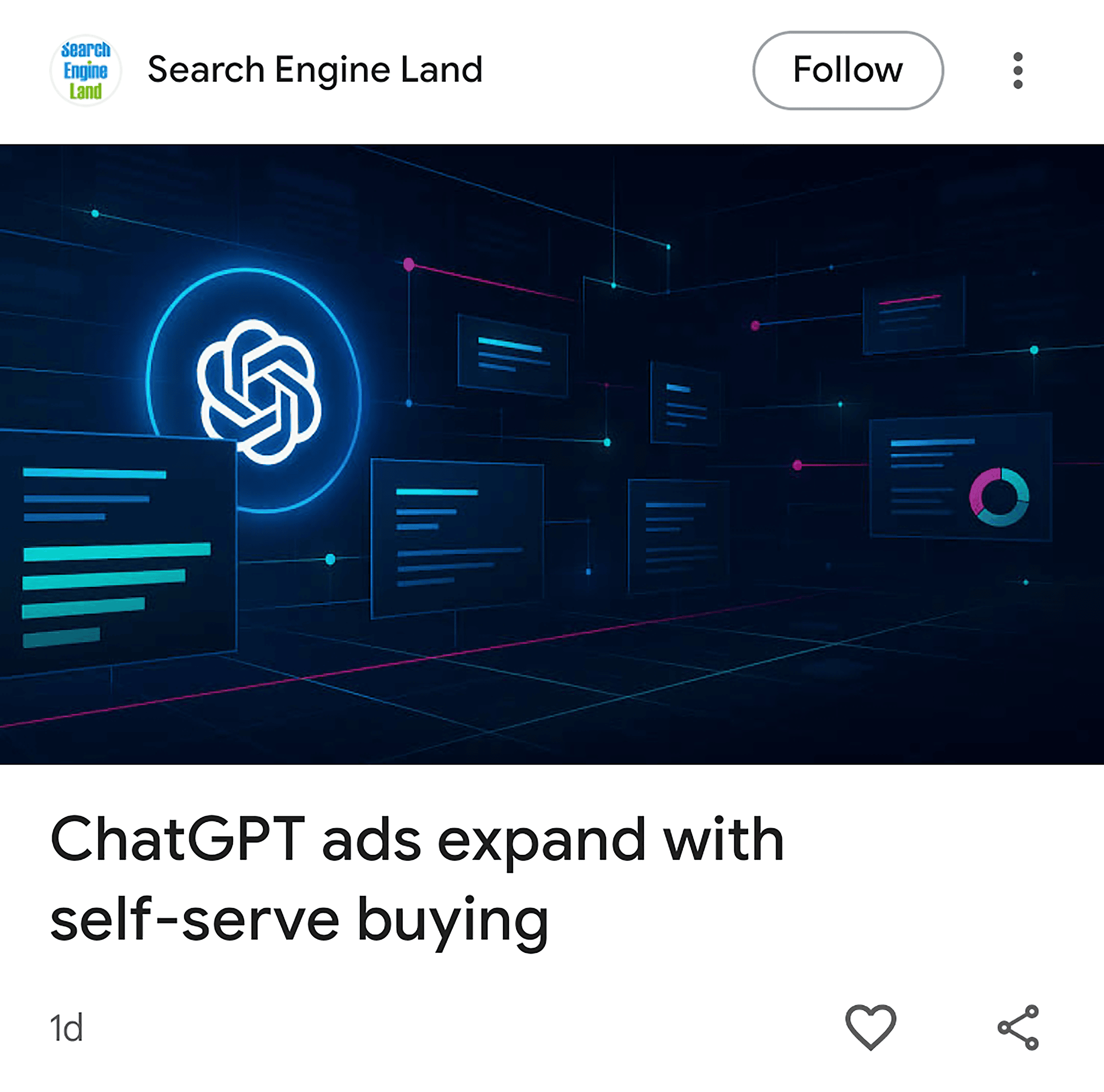
To capture Discover traffic, publishers are introducing dedicated content lanes focused on timeliness, narrative tension, and high-stakes industry developments. Success on these feeds relies heavily on editorial packaging—specifically, compelling headlines that communicate urgency and high-resolution featured images that capture attention in fast-moving mobile environments. Content that successfully frames existing topics around breaking regulatory changes, emerging controversies, or shifting macroeconomic trends frequently achieves significant visibility spikes.

- Optimizing Conversion Rates in a Zero-Click Ecosystem
The proliferation of zero-click searches—where users obtain direct answers from AI summaries or featured snippets without navigating to the source—places a heavier burden on post-click conversion rate optimization (CRO). Because fewer casual browsers land on corporate websites, the traffic that does arrive consists of highly pre-educated, high-intent prospects.
Consequently, modern CRO audits focus aggressively on eliminating friction and anxiety. Brands are systematically removing page-speed bottlenecks, clarifying pricing structures, and enhancing trust signals on pages closest to the point of transaction, such as product pages, pricing tiers, and checkout carts. Additionally, organizations are deploying behavioral email targeting workflows triggered by specific on-site actions, such as abandoned carts or pricing page visits, to nurture warm leads and capitalize on consumer reciprocity.

- Amplifying Human-Led Thought Leadership
In an era saturated by automated and AI-generated content, human presence commands a distinct premium. Brands are increasingly centering their marketing strategies around recognizable founders, executives, and subject matter experts. By publishing authoritative thought leadership content—such as contrarian industry insights, original research, and public commentary—these individuals humanize the corporate entity.
When company representatives actively participate in industry discussions on professional networks, deliver conference keynotes, and maintain transparent public profiles linked to their corporate affiliation, they effectively de-risk the purchasing decision for prospective clients. This human-centric approach transforms abstract corporate brands into trusted relational partners.

- Cultivating Authority on Third-Party Platforms
Because external platforms heavily influence both consumer perception and AI-driven brand sentiment, proactive participation in niche communities is now a core marketing imperative. Brands are systematically engaging with digital ecosystems where their target audiences congregate, including specialized subreddits, Discord servers, professional Slack channels, and regional review platforms.
Rather than executing aggressive promotional campaigns, successful community marketing relies on providing objective, helpful expertise. By consistently supporting community members, answering technical questions, and addressing customer grievances transparently, brands earn organic mentions that ultimately feed back into their broader digital reputation and search visibility.
- Intentional Content Repurposing and AI Acceleration
The exponential rise of content creation tools has introduced the risk of diluted messaging through indiscriminate publishing. To combat this, sophisticated marketing teams rely on data-driven repurposing workflows. By identifying high-performing content assets validated by audience engagement on platforms like X or LinkedIn, marketers selectively expand these validated themes into comprehensive blog posts, long-form videos, email newsletters, and visual carousels.
Leveraging advanced AI tools—such as artifact generation systems and automated transcription engines—allows content teams to scale this repurposing efficiently without sacrificing strategic focus. This cyclical workflow ensures that every piece of published material is rooted in proven audience interest.
Implications and Future Outlook

The maturation of website marketing into a decentralized, AI-integrated discipline marks the end of an era where companies could rely exclusively on optimized landing pages and basic search engine optimization. As consumer research continues to fragment across conversational AI agents, social media algorithms, and peer networks, the success of a corporate website is inextricably linked to the strength of a brand’s off-site reputation.
Organizations that adapt by humanizing their leadership, engineering clear and consistent brand narratives, maintaining rigorous technical standards, and engaging authentically with third-party communities will secure a distinct competitive advantage. Those that fail to look beyond their own domain risk becoming invisible in a digital marketplace driven by automated discovery and decentralized trust.