Tech Industry Veteran Jeff Atwood and Partner Betsy Launch $50 Million Initiative to Combat Rural Poverty Through Guaranteed Minimum Income

One year after issuing a public call to action to help preserve the American Dream, software developer and Stack Overflow co-founder Jeff Atwood, alongside his partner Betsy, has committed a major portion of his personal wealth to a systemic philanthropic project. The initiative centers on the Rural Guaranteed Minimum Income Initiative (RGMII), a targeted economic intervention model designed to evaluate and address generational poverty across overlooked American communities.
The couple’s total philanthropic allocation has now reached $71 million. This includes an initial $21 million deployed through short-term disaster relief and emergency donations to various nonprofits, followed by a $50 million pledge—representing half of their remaining wealth—dedicated entirely to long-term systemic reform. Rather than establishing a conventional family foundation, Atwood has positioned the funding to drive empirical research into direct cash-transfer models, specifically targeting rural counties where poverty rates are high and economic mobility is constrained.
Background and the Evolution of the Pledge
The foundation of Atwood’s current philanthropic trajectory was laid publicly in early 2025, when he published an essay inviting Americans to engage in a two-fold pledge: supporting immediate crisis-response organizations while simultaneously contributing to long-term initiatives aimed at preserving economic viability for future generations.

The philosophy behind the substantial financial commitment draws inspiration from a principle articulated by philanthropist Mary Gates: "From those to whom much is given, much is expected." Following the acquisition of Stack Overflow by Prosus in 2021 for a reported $1.8 billion, Atwood and his family repeatedly evaluated the definition of personal financial sufficiency. Concluding that their immediate and long-term material needs were permanently met, the couple sought a mechanism to address structural deficiencies in basic human needs—such as stable housing, nutrition, and healthcare—on a broader scale.
Initially, the couple directed $1 million across eight distinct nonprofit organizations. As acute socioeconomic needs persisted, they supplemented this with an additional $13 million, eventually bringing the short-term relief total to $21 million. However, recognizing that reactive philanthropy functions primarily as short-term firefighting rather than preventative abatement, Atwood and Betsy shifted their focus toward root causes. By March 2025, after months of policy review and consultation, they coalesced around Guaranteed Minimum Income (GMI) as the optimal vehicle for long-term reform.
Understanding Guaranteed Minimum Income
Guaranteed Minimum Income is an evolution of Universal Basic Income (UBI). While UBI programs typically distribute funds uniformly across an entire population regardless of socioeconomic status, GMI is structured to direct financial resources specifically toward individuals and families experiencing high levels of economic distress, most notably those trapped in generational poverty.
Proponents of direct cash transfers argue that unrestricted funds empower recipients to resolve immediate crises with maximum efficiency, bypassing the bureaucratic overhead often associated with traditional welfare programs. Case studies highlighted by the initiative illustrate how unpredictable financial shocks—such as a vehicle breakdown for a parent attempting to return to the workforce—can permanently derail employment and family stability without a liquid safety net.

To test these hypotheses rigorously, Atwood and his partners established the Rural Guaranteed Minimum Income Initiative, moving away from densely populated metropolitan areas where similar pilot programs have historically concentrated.
The Rural Guaranteed Minimum Income Initiative: Chronology and Scope
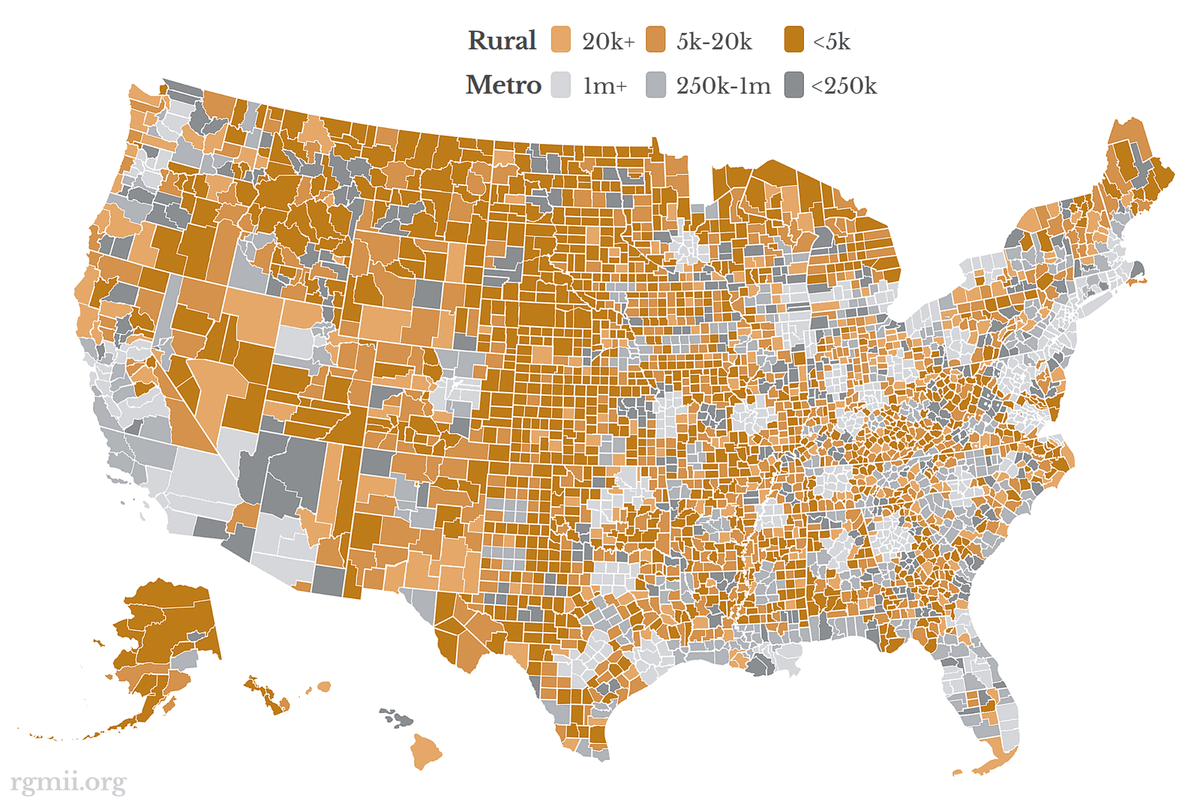
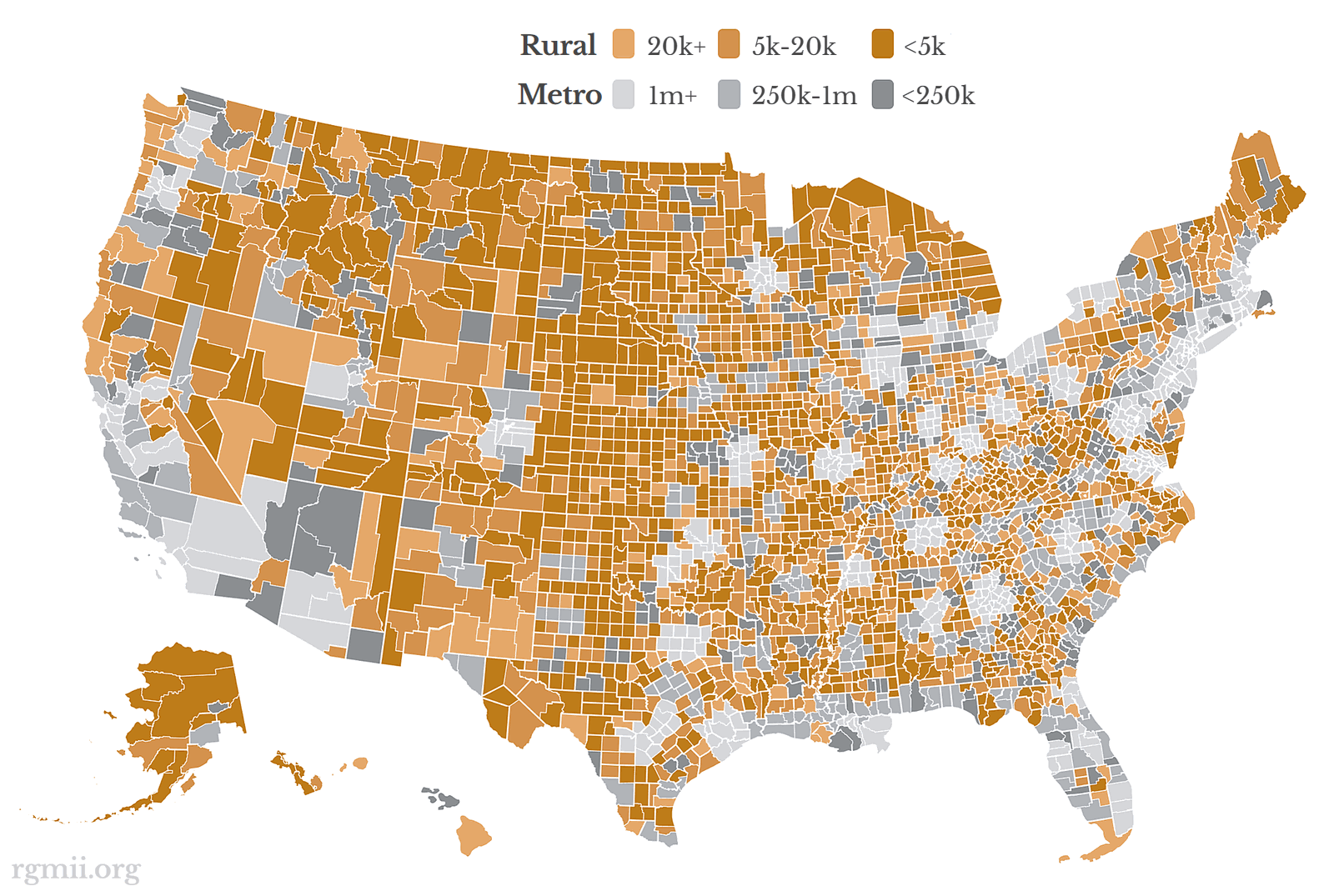
The RGMII strategy focuses deliberately on rural American counties. According to initiative organizers, rural regions frequently experience higher prevalence of poverty, smaller population pools that facilitate more accurate longitudinal studies, and lower overall operational costs for financial distribution, meaning charitable dollars stretch significantly further. Furthermore, these regions are frequently overlooked by traditional venture philanthropy and major policy think tanks.

The chronology of the rollout includes the following milestones:
- January 2025: Atwood issues the initial "Share the American Dream" pledge, backed by $1 million in distribution to select charities.
- Early to Mid-2025: Short-term contributions are scaled up by an additional $13 million, totaling $21 million in immediate-relief funding.
- March 2025: Following consensus on GMI as the primary mechanism for systemic change, planning begins for structured, county-level pilot programs.
- Late 2025 to Early 2026: The RGMII officially launches initial county-level studies in Mercer County, West Virginia; Beaufort County, North Carolina; and Warren County, Mississippi.
These first three active sites involve direct, recurring financial disbursements to thousands of residents over a 16-month period. Throughout the pilot phases, anonymized data and outcome metrics are gathered and made publicly available to researchers, policymakers, and the public to evaluate the efficacy of the interventions.
Broader Impact, Public Response, and Future Implications
The initiative’s long-term goal is to expand the GMI study framework across all 50 states, targeting areas identified by federal data as having high concentrations of rural poverty. The open-data approach adopted by RGMII is designed to provide empirical evidence for lawmakers considering social safety net reforms at both the state and federal levels.
Observers note that while direct cash-transfer programs face ongoing political debate regarding work incentives, inflation risks, and fiscal sustainability, pilot programs across the United States have consistently demonstrated improvements in recipient employment stability, mental health, and early childhood development. By funding these studies through private capital, Atwood’s initiative seeks to de-risk the policy model, providing clear metrics for future legislative considerations.
Atwood has characterized the RGMII as his third and final startup, emphasizing that the project operates not as a perpetual legacy foundation, but as a focused vehicle to advance direct cash-transfer science. As the pilot programs in West Virginia, North Carolina, and Mississippi progress, the initiative continues to invite external donors, researchers, and policymakers to examine the open-source datasets and consider scaling the model to additional jurisdictions nationwide.