Rebuilding the American Dream: A Path Forward Through Guaranteed Minimum Income and Wealth Redistribution

The historic Great Hall at Cooper Union in New York City served as the backdrop for a significant public discourse on the future of economic mobility in the United States, featuring prominent technologists, civic leaders, and Lieutenant Colonel Alexander Vindman. The gathering centered on an escalating national crisis: the stark divergence between the foundational ideals of the American Dream and the realities of modern economic stratification. Against the backdrop of the highest wealth concentration in American history, the event highlighted new philanthropic commitments aimed at testing structural interventions, most notably Guaranteed Minimum Income (GMI) initiatives tailored for rural and impoverished American communities.

Background and Historical Context of Wealth Inequality
The discussion of the American Dream is historically rooted in times of profound economic and social upheaval. In 1931, amid the depths of the Great Depression, historian James Truslow Adams first coined the term in his book The Epic of America, describing it as a social order where every individual should be able to attain the fullest stature of which they are innately capable, regardless of the fortuitous circumstances of their birth. However, contemporary economic indicators suggest that this promise is increasingly out of reach for a significant portion of the population.

In recent years, the concentration of wealth in the United States has reached levels unseen since the late 19th century—a period historically designated as the Gilded Age, characterized by rapid industrialization, severe labor disputes such as the 1892 Homestead Strike, and a vast disparity between industrial laborers and industrial magnates. Economic data from the Federal Reserve and independent research institutions indicate that the top one percent of American households control over thirty percent of the nation’s total wealth, while the bottom fifty percent hold a fraction of that amount.
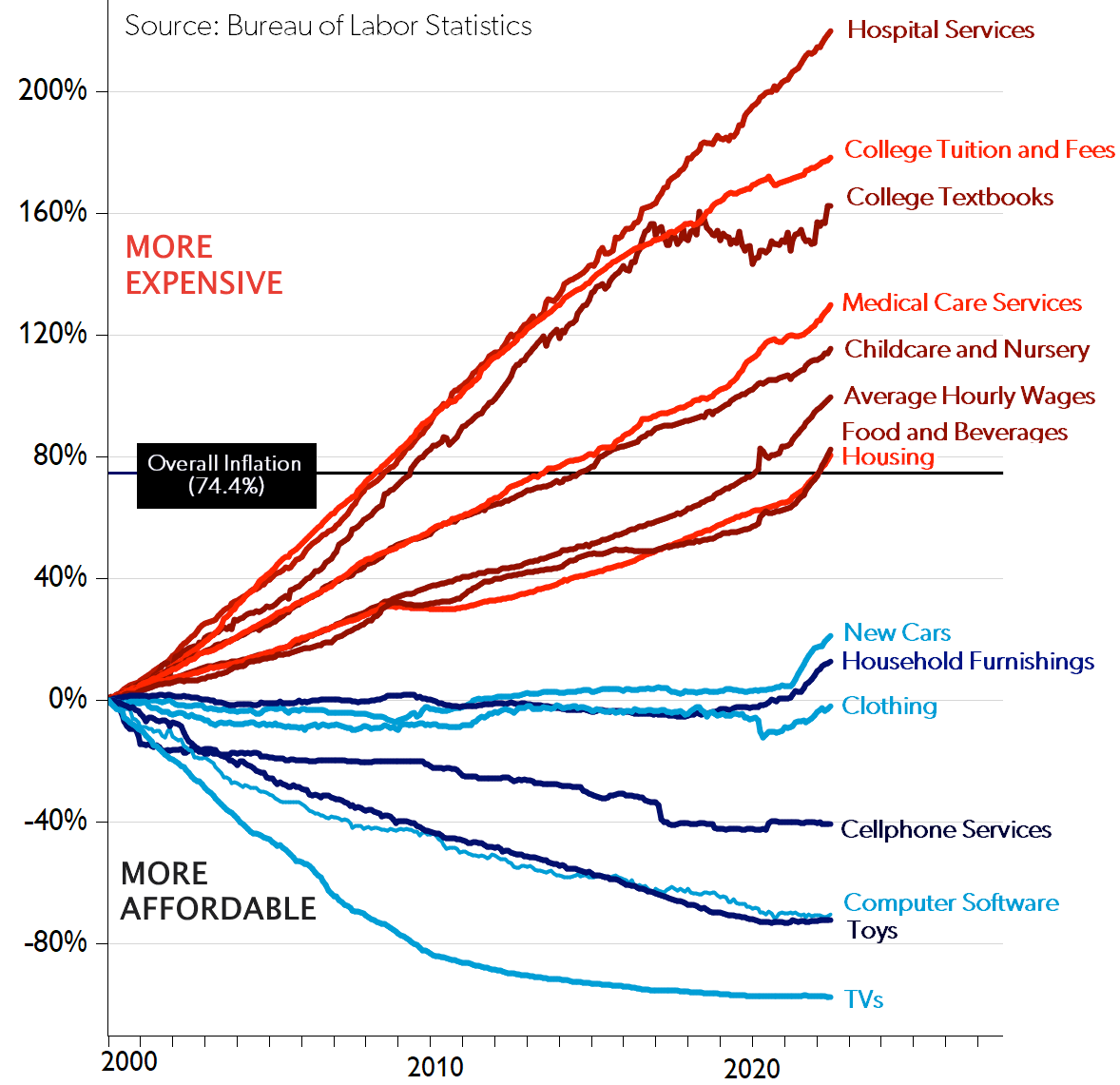
This extreme wealth concentration has precipitated a modern socio-economic environment where foundational necessities such as higher education, stable housing, and accessible healthcare remain prohibitively expensive for millions of working-class families. Analysts note that without a reliable financial foundation, individuals are trapped in a cycle of survival, lacking the discretionary stability required to pursue career advancement, entrepreneurship, or long-term financial planning.
The Evolution of Guaranteed Minimum Income in America
To address systemic economic insecurity, policy experts and philanthropists are increasingly turning toward direct cash assistance models, commonly referred to as Guaranteed Minimum Income (GMI) or Universal Basic Income (UBI). While often debated in modern political discourse, the concept has deep historical roots in American public policy.
The intellectual framework of guaranteed economic security dates back to 1797, when Founding Father Thomas Paine proposed a national retirement pension funded by estate taxes. Decades later, the economic devastation of the Great Depression catalyzed the implementation of the Social Security Act of 1935 under President Franklin D. Roosevelt, effectively reducing senior poverty from catastrophic levels to a fraction of its historical peak.
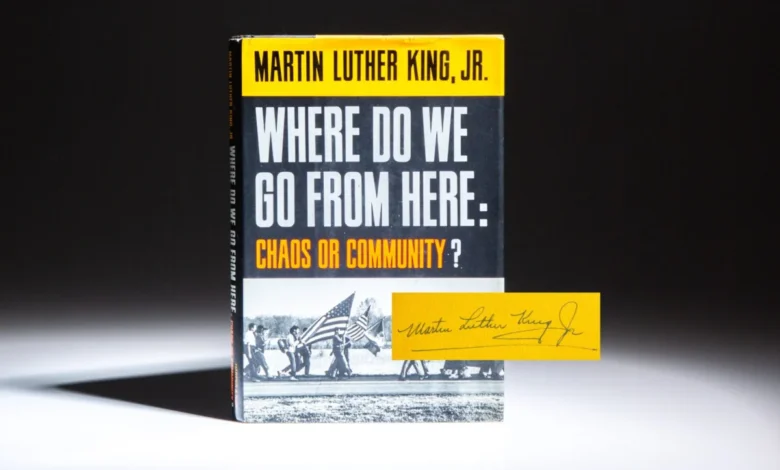
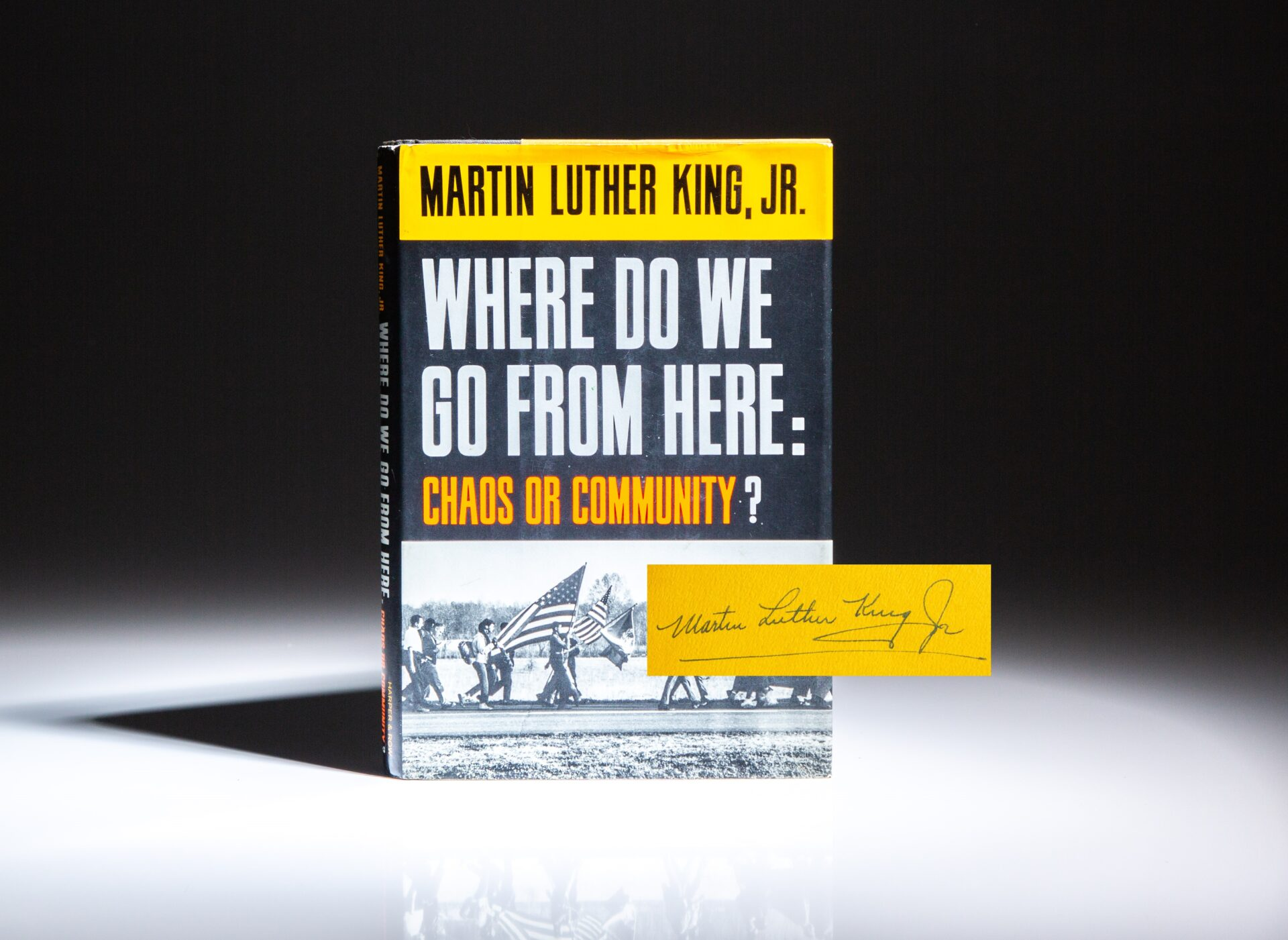
In 1967, civil rights leader Dr. Martin Luther King Jr. articulated the moral imperative for direct cash disbursements in his book Where Do We Go from Here: Chaos or Community?, asserting that the abolition of poverty was the most direct path to genuine racial and economic equality. This philosophy influenced subsequent legislative measures, including the establishment of the Supplemental Security Income (SSI) program in 1972 and the expansion of the Earned Income Tax Credit (EITC) in 1975, which remains one of the federal government’s most effective anti-poverty mechanisms.

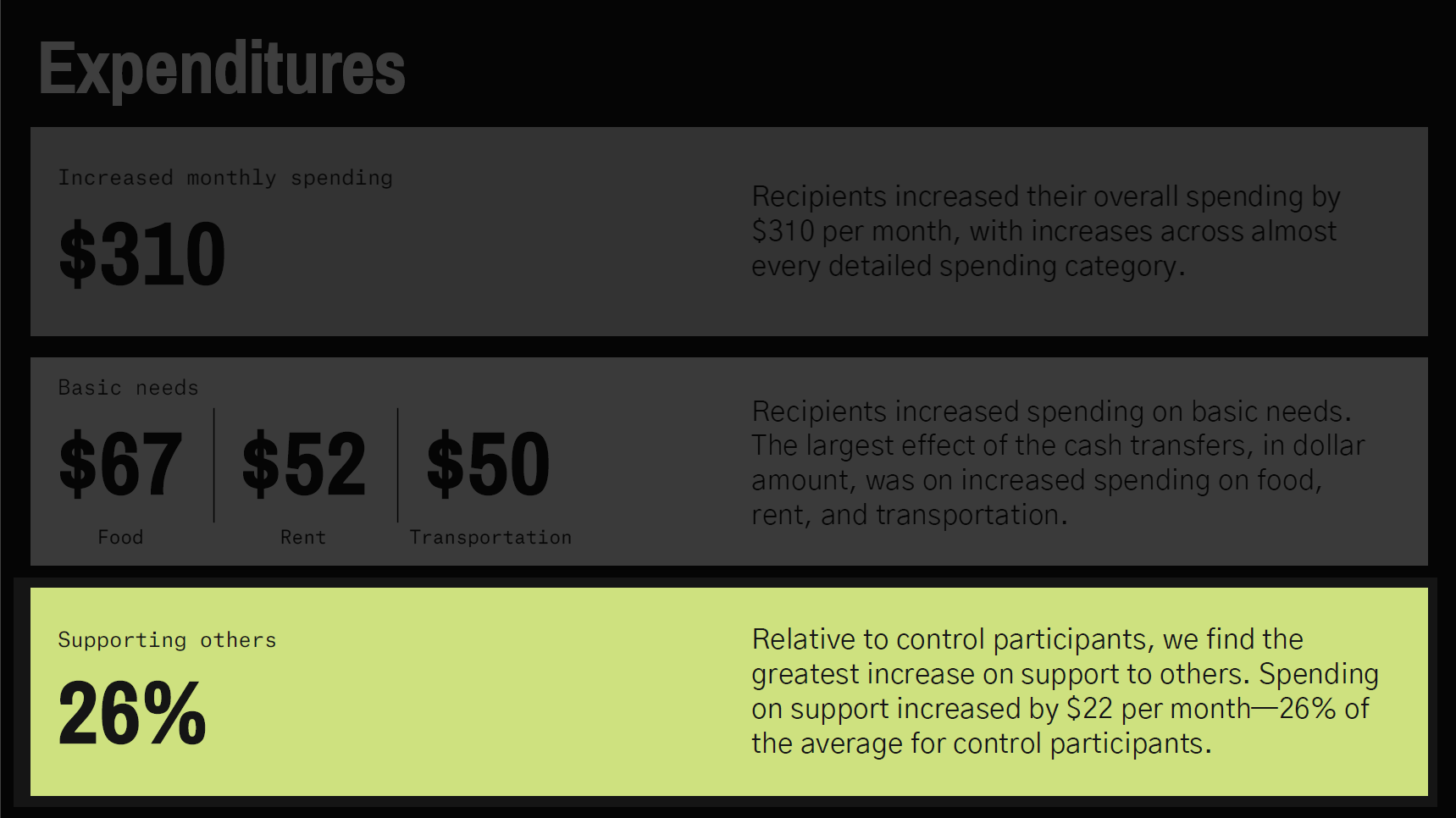
In recent years, municipal leaders have revived direct cash pilot programs to test these theories at a local level. Notably, in 2019, then-Mayor Michael Tubbs of Stockton, California, launched the Stockton Economic Empowerment Demonstration (SEED), providing unconditional cash transfers to low-income residents. The results demonstrated improvements in full-time employment stability, mental well-being, and overall financial resilience among participants.
The New Philanthropic Initiative and Research Partnership
Building upon historical precedents and contemporary empirical data, philanthropic efforts are now scaling these localized experiments into broader, multi-year studies. Collaborating with established research organizations such as GiveDirectly and OpenResearch—the latter of which conducted the largest unconditional cash study in the United States in 2023—new initiatives are being deployed directly within rural American counties.
Rural poverty presents distinct structural challenges compared to urban poverty, characterized by persistent economic stagnation, limited job growth, and restricted access to healthcare and educational infrastructure. Counties in regions such as Appalachia, the Mississippi Delta, and various Native American reservations have experienced generational poverty that resists traditional localized interventions.

The newly announced GMI initiatives are structured as opt-in empirical studies designed to measure key socio-economic indicators, including employment rates, educational attainment, business formation, and community health. By partnering with local community colleges, civic organizations, churches, and veteran-serving networks, the initiative seeks to integrate financial support systems seamlessly into existing community frameworks. Furthermore, the involvement of military veterans is intended to ground the program in principles of local leadership, self-reliance, and public service.
Implications and Broader Economic Analysis
Economists and policy analysts studying the intersection of wealth distribution and democratic stability suggest that mitigating extreme economic insecurity is essential for the preservation of civic engagement. Proponents of GMI argue that providing a stable economic floor reduces chronic physiological and psychological stress, allowing individuals the autonomy to participate fully in democratic processes, including voting and community organizing.
Critics of guaranteed income models, however, often raise concerns regarding long-term fiscal sustainability, potential disincentives to traditional employment, and inflationary pressures within localized housing and consumer markets. In response, organizers of the current rural GMI studies emphasize the collection of rigorous, peer-reviewed data to evaluate these exact variables over multi-year periods, ensuring that future public policy decisions are informed by comprehensive empirical evidence rather than ideological conjecture.

As the United States navigates its second Gilded Age, the convergence of high-level wealth accumulation and grassroots economic experimentation highlights a critical national dialogue. Whether through targeted cash transfers, structural tax policy reforms, or infrastructural investments in open-access information and technology, the central challenge remains reconciling the foundational promise of equal opportunity with the realities of modern economic life.