The Evolving Definition of the American Middle Class and the Shifting Economic Landscape


The concept of the American middle class, long considered the bedrock of national economic stability, is undergoing a profound transformation as inflationary pressures, housing costs, and shifting government fiscal policies reshape what it means to be "middle income." Recent public discourse, ignited by a viral financial case study involving a household earning $408,000 annually, has highlighted a widening chasm between traditional perceptions of middle-class status and the modern reality of sustaining that lifestyle in high-cost-of-living areas.
The $408,000 Benchmark and Public Perception
In July 2026, a detailed budget analysis of a dual-income family earning $408,000 annually drew significant attention across social media platforms, garnering over 3.5 million views and thousands of comments. The budget, which showcased the rapid depletion of income due to mortgage payments, taxes, childcare, and cost-of-living expenses, served as a lightning rod for debate. While many observers initially categorized such an income level as well within the upper-middle or "mass affluent" bracket, the ensuing public reaction revealed a deep-seated disagreement over the baseline requirements for a comfortable life.
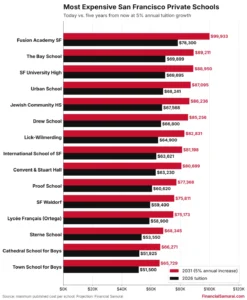
Critics of the budget argued that the allocation of funds—specifically regarding private school tuition and mortgage costs—suggested an out-of-touch lifestyle. Conversely, proponents noted that in major metropolitan areas, a $408,000 gross income is significantly eroded by federal, state, and payroll taxes, leaving little room for error or luxury. This dichotomy illustrates the "middle-class squeeze," where the benefits traditionally associated with middle-income status, such as tax credits or government subsidies, phase out, yet the household remains vulnerable to market volatility.
Historical Context and Policy Evolution
Historically, the American middle class was defined by homeownership, steady employment, and the ability to save for retirement. However, the economic landscape of the 2020s has introduced new variables. Since the mid-20th century, the middle class has seen its share of total national income decline, while the cost of essentials—education, housing, and healthcare—has outpaced general inflation.
The political significance of this demographic cannot be overstated. During the 2026 midterm election cycle, economic anxiety among middle-class voters became a primary driver of electoral outcomes. Issues such as persistent inflation, the rising cost of groceries, and the burden of high mortgage rates prompted a shift in voting behavior. Voters expressed frustration with a perceived disconnect between the priorities of the political elite and the daily financial realities of working families. This dissatisfaction materialized in the shifting composition of Congress, as the middle class utilized the ballot box to voice concerns over wealth inequality and the erosion of purchasing power.
Comparative Analysis: Consumption Patterns and Debt
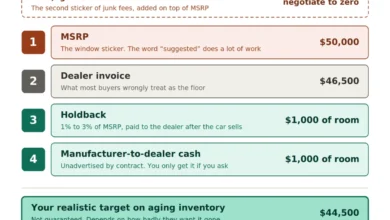
A key finding from the discourse surrounding the $408,000 budget was the divergence between standard financial advice and common middle-class consumption patterns. For instance, financial experts frequently advocate for the "1/10th rule"—a guideline suggesting that a household should spend no more than 10% of their annual income on a vehicle purchase. However, the data suggests that many middle-class households opt for financing vehicles that exceed these parameters, often utilizing long-term, 72-month debt structures.

Similarly, the "House-to-Car Ratio," a metric used by analysts to encourage the prioritization of appreciating assets (real estate) over depreciating ones (vehicles), is rarely utilized by the average consumer. While financial advisors recommend a ratio of 50 to 1, many middle-income households operate at a ratio closer to 10 to 1. This trend indicates that the "middle-class membership card" is often defined by external consumption markers rather than long-term asset accumulation.
The Role of Education and Labor Market Trends
The debate also touched upon the necessity of private education. With the proliferation of free, high-quality digital educational resources, a growing segment of the public is questioning the ROI of private grade school tuition. Data suggests that households are increasingly caught in a cycle of high spending on education, yet they simultaneously struggle to adequately fund long-term savings vehicles like 529 college savings plans.
Furthermore, the reliance on W-2 employment remains a cornerstone of the middle-class experience. Unlike the "mass affluent" or the wealthy, who often diversify income streams through passive investments, business equity, or real estate portfolios, the middle class primarily relies on earned income. This dependence creates a unique vulnerability to economic cycles. When layoffs occur, the lack of a diversified income buffer can move a middle-class family into financial distress almost immediately. The reluctance to engage in entrepreneurship, often cited as a risk-averse behavior, further anchors the middle class to traditional labor models.
Implications of the "Silent" Financial Crisis
The broader implications of these trends suggest a precarious future for the middle class. As government assistance programs increasingly scale based on reported income rather than effort or total cost-of-living burden, families in the upper-middle-income brackets find themselves in a "no man’s land." They earn too much to receive support but are not wealthy enough to be immune to economic shocks.
The recent discourse highlights three primary areas where this demographic is feeling the most pressure:
- Passive Income Deficiency: A systemic lack of focus on building income streams outside of traditional employment leads to a reliance on continuous, long-term labor.
- Vacation and Leisure Standards: The standard for "reasonable" leisure time has shifted downward. Where three weeks of vacation were once considered a professional standard for experienced workers, public sentiment now views this as a luxury, reflecting a broader culture of overwork.
- Family Planning Economics: The cost of raising children has become a significant factor in household financial planning. As childcare costs rise, the "middle-class limit" for family size appears to be stabilizing at two children, as the financial burden of a larger family often necessitates lower-income status to qualify for subsidies.
Conclusion and Outlook
The public debate surrounding what defines the middle class acts as a Rorschach test for the American economy. It reveals how deeply individual financial experiences color the perception of fairness and normalcy. While some argue that middle-class status is defined by a specific income range, others suggest it is a state of mind characterized by a commitment to steady, traditional employment and a specific set of consumption habits.
As the economy continues to evolve, the distinction between being "middle class" and being "mass affluent" will likely become more pronounced. For households, the challenge lies in balancing the desire for the traditional markers of success—such as homeownership and quality education—with the necessity of building financial resilience through passive income and prudent debt management. The recent viral discourse serves as a reminder that without a strategic approach to financial independence, the middle class remains susceptible to the shifting tides of political and economic policy, leaving them in a cycle of working until retirement age without the security of a truly diversified net worth. Whether the middle class can adapt to these pressures or whether the definition will continue to narrow remains one of the most critical questions for the future of the American workforce.