A pitch deck is far more than a collection of aesthetic slides; it serves as a high-stakes, evidence-based business narrative designed to convert skepticism into investment. For founders, the deck is the primary instrument for communicating the viability of their venture, the efficacy of their solution, and the potential for market dominance. While templates abound in the startup ecosystem, industry experts and seasoned venture capitalists emphasize that a successful pitch is not about conforming to a slide count, but about delivering a precise, data-driven argument that addresses the core inquiries of prospective investors.
The Architecture of an Effective Pitch
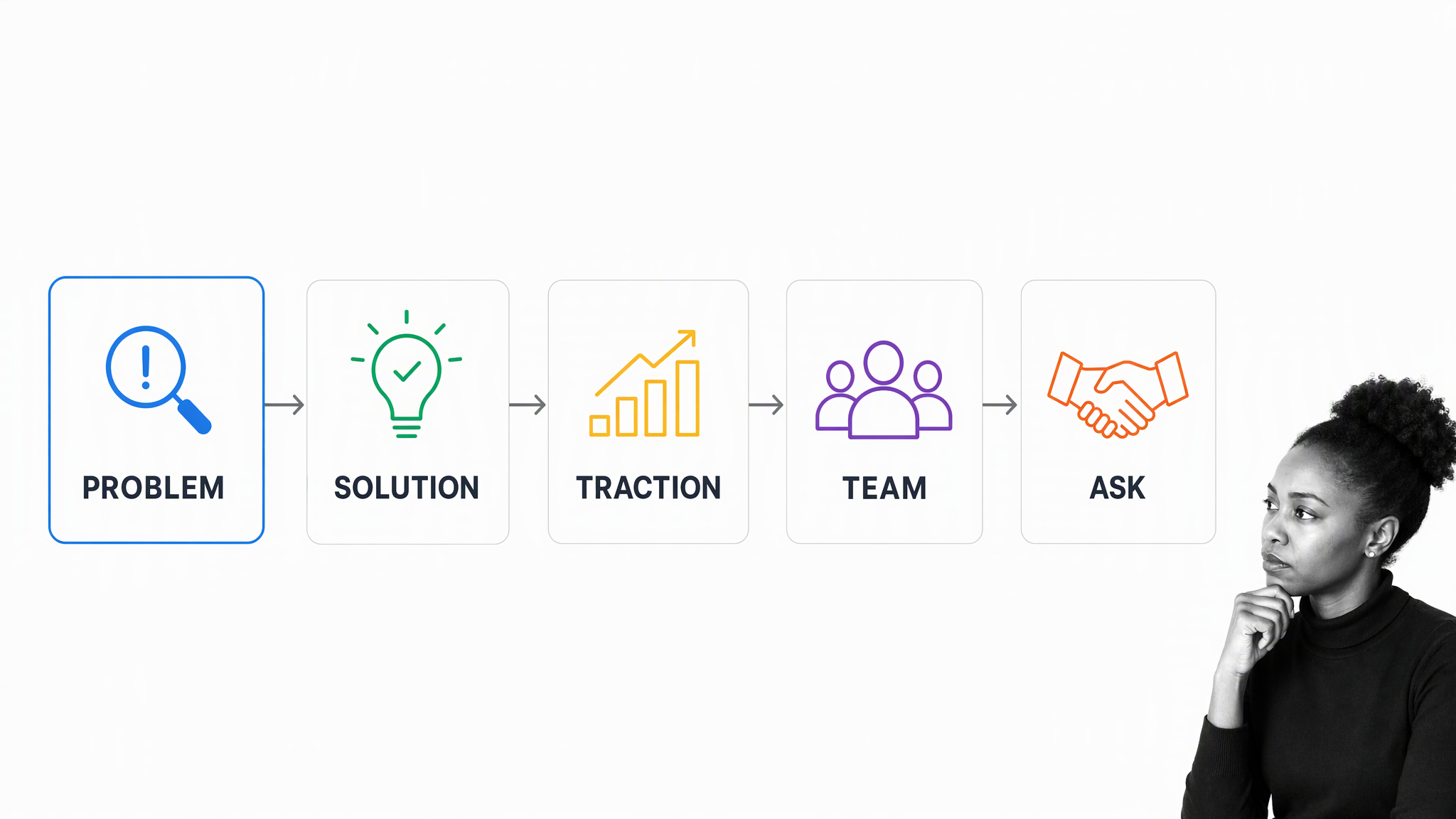
The fundamental purpose of an investor presentation is to secure the next conversation. To achieve this, a deck must be structured around the essential pillars of business assessment: the problem, the solution, market size, traction, competitive advantage, the business model, and the team’s ability to execute. According to standard guidance from institutional firms such as Sequoia Capital and Y Combinator, these elements are non-negotiable.
A common pitfall for emerging founders is the tendency to overwhelm the audience with excessive data. Effective decks operate on the principle of "one slide, one claim." By isolating specific business arguments—such as why a problem exists or how a solution provides a unique value proposition—founders allow their verbal presentation to provide the necessary context. The slide should act as a visual anchor, while the presenter provides the judgment, energy, and nuanced detail that convince investors of the company’s trajectory.

Historical Case Studies: From Facebook to Airbnb
The evolution of the pitch deck can be traced through the success stories of major tech giants. In 2004, when Mark Zuckerberg and Eduardo Saverin sought early-stage capital for what was then "The Facebook," they utilized a media kit rather than a traditional pitch deck. The document focused heavily on engagement metrics and user growth statistics to demonstrate the platform’s addictive nature and market potential, effectively proving a concept that had yet to be fully monetized.
Similarly, the early Airbnb pitch deck is frequently cited as a masterclass in simplicity. The founders identified a clear gap in the travel market—the lack of authentic, affordable, and local lodging—and supported their premise with hard data regarding the number of annual travel bookings and the limitations of existing competitors. By clearly articulating a 10% commission model, they presented a scalable solution to a well-defined problem. These examples highlight a universal truth: when the business model is inherently scalable, the most effective pitch is the one that most clearly highlights the path to growth.
Chronology of the SaaStr Europa 2019 Competition
The necessity of a streamlined, process-driven approach to pitching was demonstrated on a global stage during the 2019 SaaStr Europa conference in Paris. Hosted at the Maison de la Mutualité, the event drew over 2,500 industry leaders, including prominent venture capitalists and CEOs. Amidst a two-day schedule of high-level discourse and networking, the pitch competition served as the focal point for many of the participating startups.
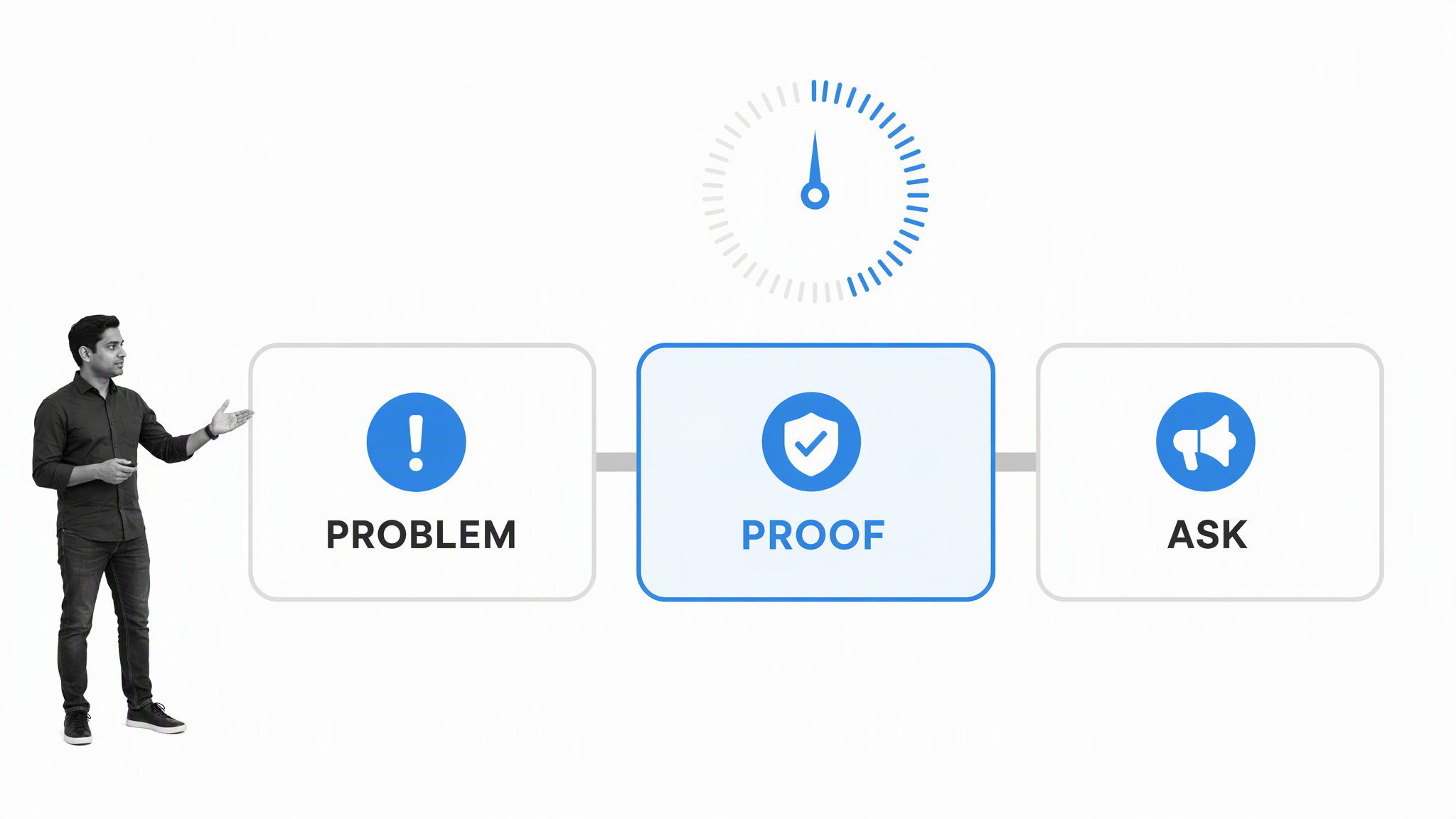
With over 500 initial entrants, the field was narrowed down to four finalists. The stakes were heightened significantly when the organizers announced a sudden reduction in presentation time from five minutes to three minutes. This change forced finalists to abandon any superfluous information and focus exclusively on the core business case.
Process Street, one of the finalists, utilized this high-pressure environment to validate its internal operational systems. By adhering to a rigorous structure—covering the problem, the evidence, and the funding request—their CEO, Vinay Patankar, successfully completed the pitch within the allotted timeframe. This performance led to the company winning the "Most Likely to Become a Unicorn" award and a $50,000 cash prize. The victory underscored a critical industry lesson: the ability to articulate a value proposition under time constraints is often a direct reflection of how well a founder understands their own business model.
Data and Implications for Modern Startups
The implications of these findings for modern founders are significant. Analysis of successful funding rounds over the past decade indicates that investors prioritize "clarity of intent." In a 2023 survey of venture capital partners, 78% stated that they decide whether to follow up on a pitch within the first three minutes of a presentation. This confirms that the initial slides, which define the problem and the market opportunity, are the most critical components of the deck.
Furthermore, the integration of technology into the pitch process is becoming a standard operational requirement. Startups that employ a structured, document-based workflow to manage their pitch preparation—tracking iterations, managing evidence, and securing internal approvals—are statistically more likely to maintain consistency across multiple investor meetings. This "compliance-first" approach to fundraising ensures that when a VC asks a technical or operational question, the response is backed by verified internal data rather than anecdotal evidence.
The Role of Quantitative Evidence
A robust pitch deck must bridge the gap between vision and reality. For early-stage companies, this means showcasing "traction," which can be defined through user growth, pilot program outcomes, or recurring revenue metrics. For established companies, the focus shifts to market share and the durability of the competitive moat.
The importance of this evidence cannot be overstated. When investors review a deck, they are performing a risk assessment. Each slide that does not directly contribute to mitigating that risk is essentially "noise." If a slide does not explain the problem, prove the solution, or define the financial opportunity, it is often viewed as a distraction that lowers the quality of the overall argument.
Strategic Recommendations for Founders
Founders preparing for a funding round should adopt the following strategic framework:

- Prioritize the Investor’s Perspective: Start by listing the questions investors will inevitably ask (e.g., "How will you acquire users?" or "Why is your team uniquely qualified to win?"). Use these questions as the basis for the slide order.
- Maintain Narrative Consistency: While the depth of technical detail may change depending on whether you are presenting to a specialized technical fund or a generalist firm, the core business narrative must remain immutable.
- Embrace Brevity: If a point cannot be made in one sentence on a slide, it should be moved to the spoken portion of the presentation.
- Systematize the Process: Treat the pitch deck as a "living" document. Use operational platforms to track which versions of the deck were sent to which investors and ensure that any data included in the deck has been verified by the internal team.
Ultimately, the pitch deck is a tool for simplification. It reduces complex operational realities into a digestible format that invites further inquiry. As the startup landscape becomes increasingly competitive, the founders who succeed will be those who recognize that the deck is not the end goal, but the bridge to a partnership. By focusing on evidence-based storytelling and maintaining a rigorous, disciplined approach to their business operations, founders can transform their pitch from a simple presentation into a powerful, repeatable asset for growth.
Related posts: