In the modern enterprise, the stagnation of business processes is frequently caused by a phenomenon known as the "bus factor"—a situation where organizational knowledge and task execution are so heavily concentrated in specific individuals that the sudden departure of one person halts operations entirely. As organizations scale, the traditional method of hard-coding task assignments to specific employees has become a significant bottleneck. To address this, workflow management platforms like Process Street have introduced dynamic role assignments, a technical framework that decouples task ownership from specific user identities, allowing responsibilities to be resolved at the moment of execution based on real-time data.
The evolution of workflow management has moved away from static, spreadsheet-based tracking toward automated, logic-driven systems. Historically, project managers spent hours manually reassigning tasks when staff turnover occurred or when project scope shifted. This manual overhead not only wasted time but introduced a high margin for human error, often leading to missed deadlines or fragmented communication. By transitioning to role-based assignments, companies are now able to maintain stable, reusable processes that automatically adapt to the specific participants of each individual workflow run.
The Mechanics of Dynamic Assignment
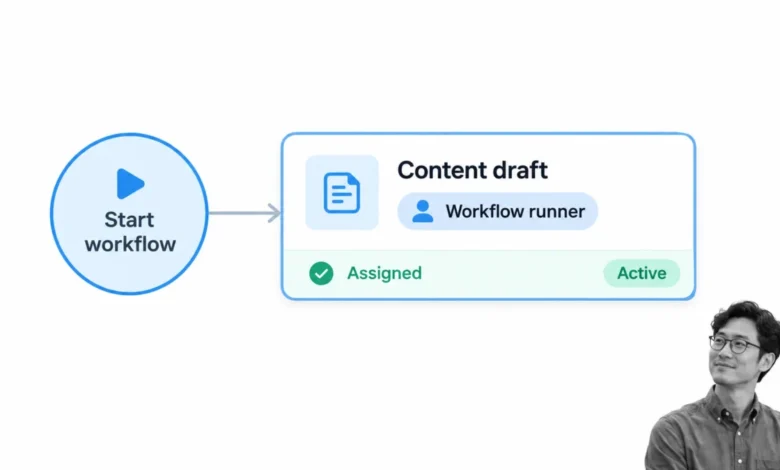
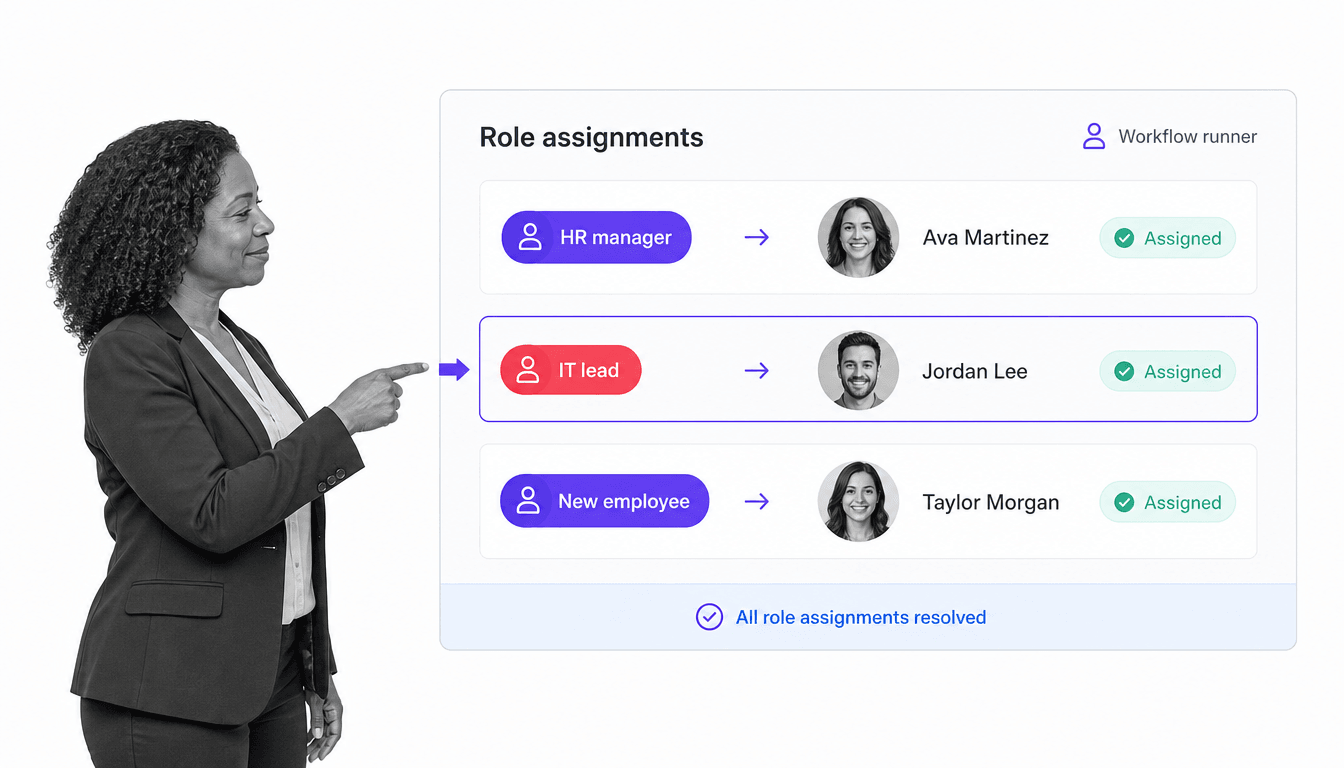
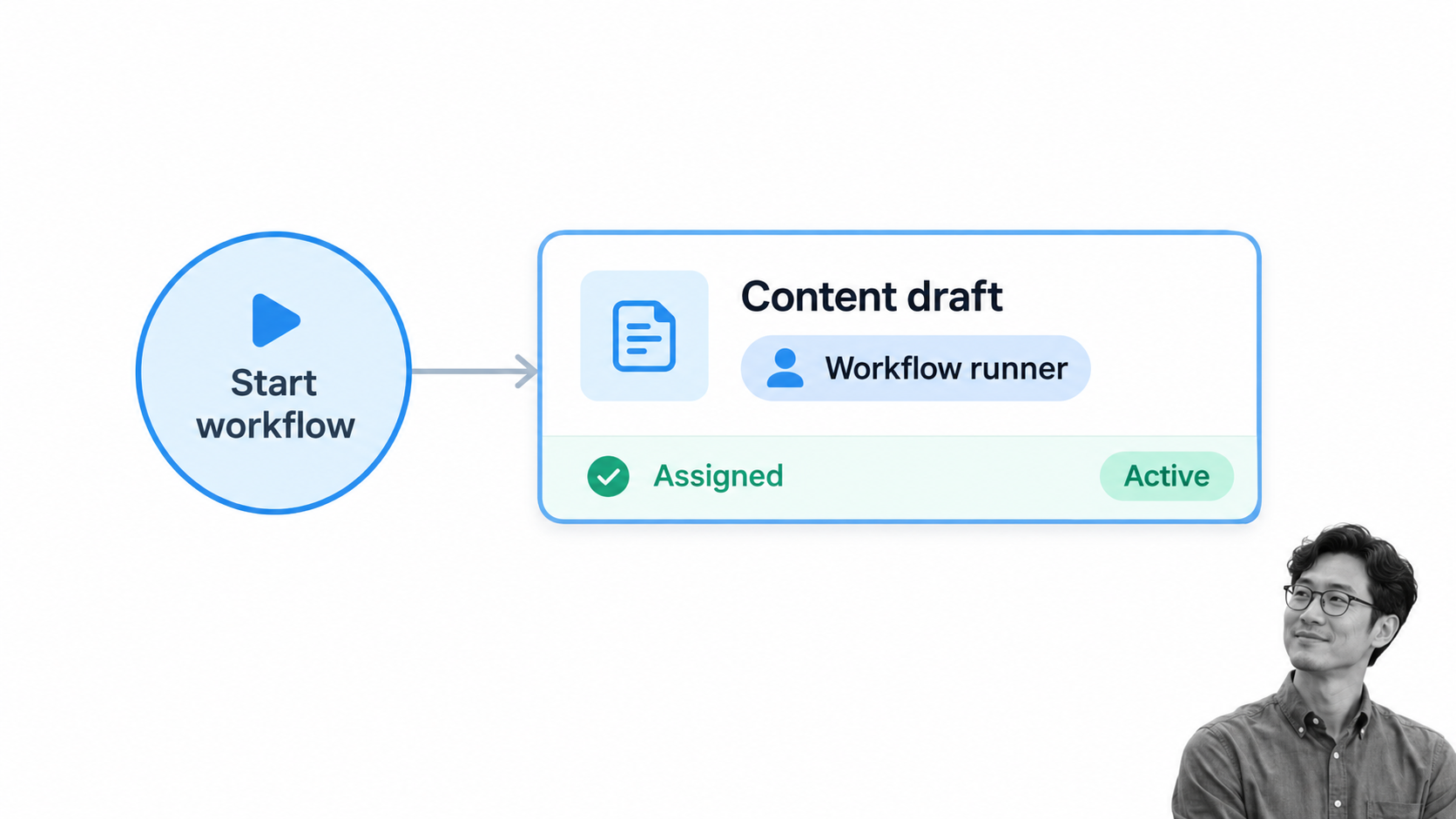
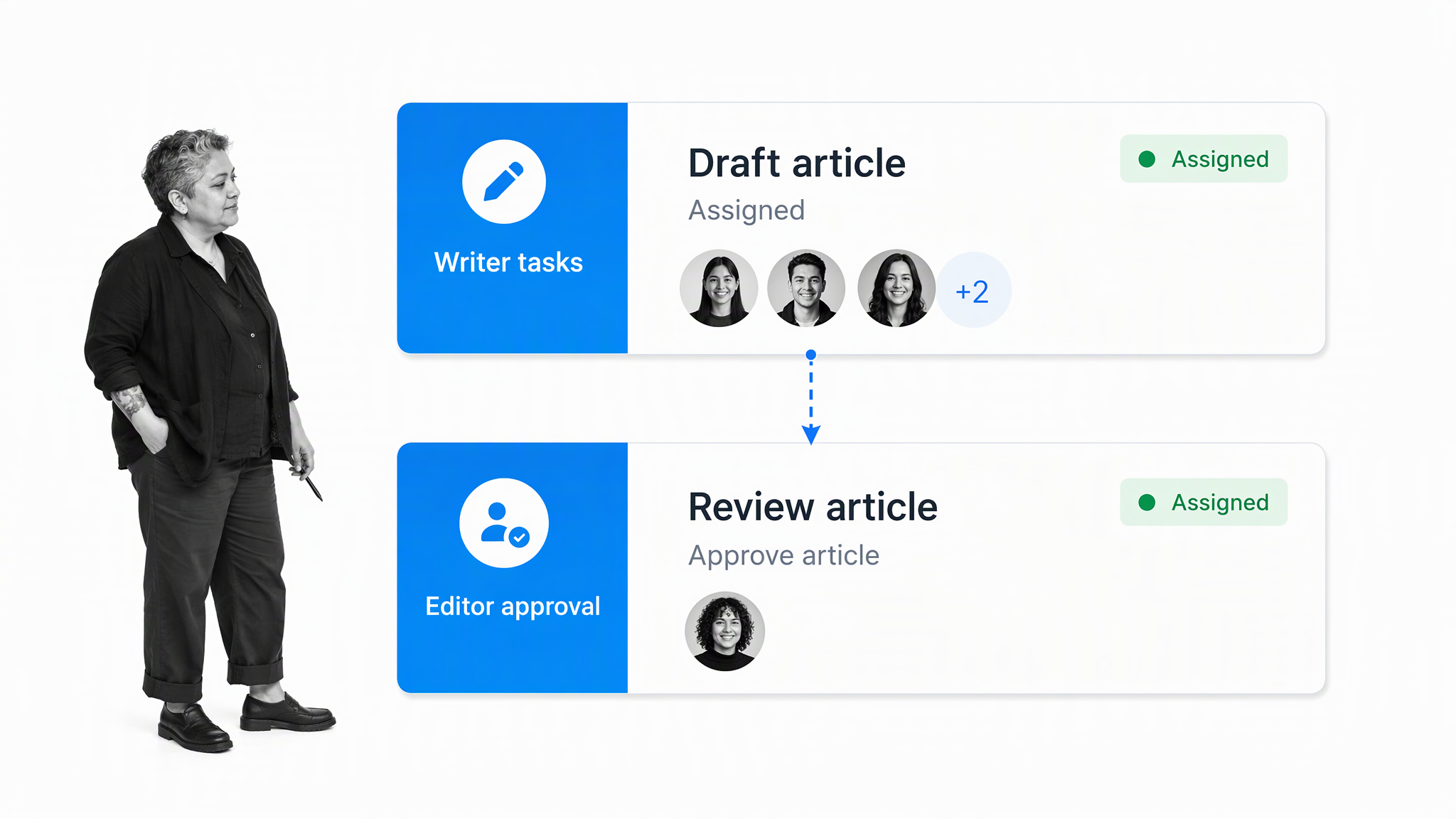
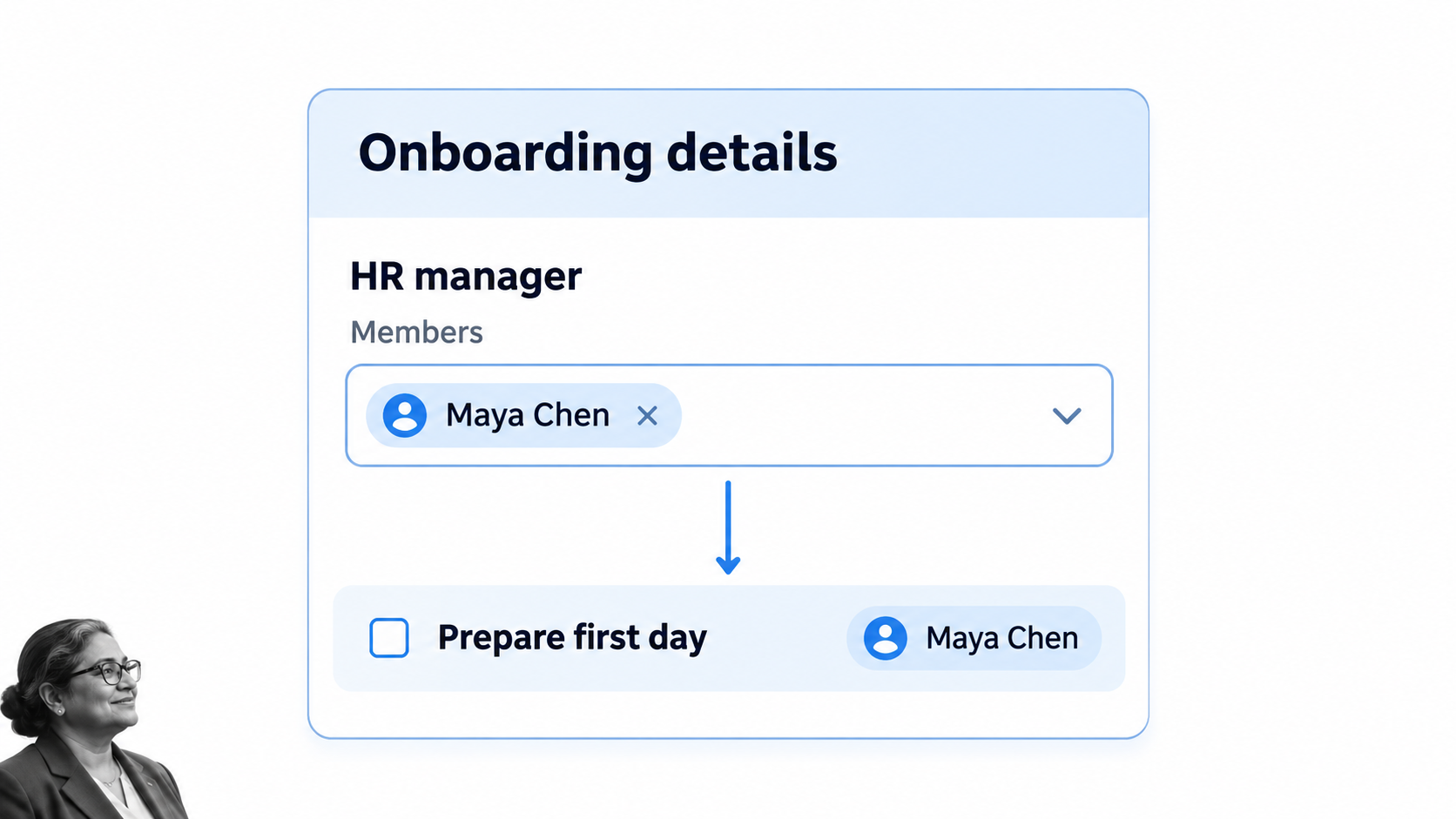
At its core, dynamic role assignment shifts the responsibility of delegation from the administrator to the workflow data itself. Instead of assigning a task to "John Doe," an administrator assigns the task to a designated role, such as "HR Manager," "Lead Editor," or "Compliance Officer." When the workflow is initiated, the system references a specific source—either the person who started the workflow, an entry in a members form field, or a provided email address—to determine who should receive the task.
This architectural shift ensures that the underlying process remains constant even if the personnel involved change. In a globalized economy where teams are often distributed across time zones and departments, this flexibility is critical. It allows for the seamless integration of external stakeholders, such as contractors or clients, who can be granted scoped access to specific tasks without requiring full organizational membership. By utilizing email-based assignment, the system can automatically invite external participants as guests, ensuring they interact only with the necessary components of a process.
Chronology of Workflow Evolution
The transition toward automated task assignment has followed a clear trajectory over the last decade. In the early 2010s, business process management (BPM) was largely dominated by rigid software that required extensive IT support to change even minor routing rules. By 2018, the rise of "no-code" platforms began to democratize process design, allowing operational leads to define their own workflows.
The current phase, which began around 2023, is characterized by "context-aware" automation. In this era, workflows are no longer isolated; they are interconnected via APIs and AI-driven integrations. The introduction of dynamic role assignment is a direct response to this connectivity. It represents the ability for a system to process external triggers—such as a new hire entry in an ATS (Applicant Tracking System) or a flagged incident in a security platform—and immediately route the subsequent steps to the correct, currently available individual.
Data-Driven Operational Advantages
Quantitative analysis of organizational workflows indicates that manual task delegation consumes approximately 15% to 20% of an operations manager’s weekly capacity. In companies with high turnover or complex, cross-departmental projects, this number can be significantly higher. By automating these handoffs, organizations report a marked improvement in cycle time and employee engagement.
According to industry benchmarks, the primary benefits of dynamic assignments include:
- Reduction in Handoff Latency: By instantly alerting the correct assignee upon task creation, the "wait time" between process stages is virtually eliminated.
- Audit Trail Integrity: Because the system logs the identity of the person who actually completes the task, organizations maintain a clear audit trail that is separate from the role definition, satisfying regulatory requirements in sectors like finance and healthcare.
- Improved Scalability: Processes can be applied to new teams or regions without the need to "re-build" the workflow, as the assignment logic relies on labels rather than specific user accounts.
The Strategic Implementation of Roles
For organizations aiming to implement this, the distinction between "fixed" and "dynamic" assignments is the most vital design consideration. A best-practice approach involves a hybrid strategy: compliance-heavy or executive-level approvals often remain as fixed assignments to ensure consistency, while operational tasks—such as data entry, document review, or field inspections—are handled through dynamic roles.
Industry experts emphasize that the success of this model depends on clear, responsibility-based labeling. When an administrator creates a field, it should be named after the function (e.g., "Quality Auditor") rather than the name of an employee (e.g., "Sarah’s Field"). This naming convention is fundamental to maintaining the longevity of the process. If a field is named after an individual, the workflow becomes obsolete the moment that person changes roles or leaves the organization.
Addressing External Participants and Security
A significant challenge in modern operations is the secure inclusion of third-party vendors and contractors. Traditional models often forced these individuals to have full access to internal systems, creating a significant security risk. Dynamic role assignments, when paired with granular task permissions, allow for "need-to-know" access.
When an email address is entered into a workflow, the system can dynamically create a guest profile with access restricted solely to the tasks assigned to that specific email. This allows for a "walled-garden" approach to project collaboration, where external partners can complete their contributions without exposing the internal organization to unnecessary security vulnerabilities.
Broader Implications for the Future of Work
The integration of AI agents into these platforms further accelerates the utility of role-based assignments. With the capability to build custom integrations on the fly, businesses can now link their CRM, HRIS, and ERP systems directly into their workflow engine. This creates a "closed-loop" system where data flows seamlessly from the start of a project to its completion.
For example, when a recruitment software triggers an onboarding workflow, the system can automatically pull the email of the new hire and the mentor assigned in the HR portal, mapping them to the correct tasks within the workflow instantly. This eliminates the "administrative drag" that typically hinders onboarding efficiency.
Conclusion and Strategic Outlook
As businesses continue to navigate the complexities of hybrid work and rapid digital transformation, the reliance on rigid, human-dependent processes is becoming a liability. The move toward dynamic role assignments is more than a mere software feature; it is a fundamental shift in how organizations define responsibility. By prioritizing the role over the individual, companies can ensure that their operations remain resilient, scalable, and audit-ready.
The long-term impact of this technology will likely manifest as a standard requirement for all enterprise-grade operations. As AI and automation continue to mature, the ability for a system to "know" who needs to perform a task—and when—will differentiate highly agile, competitive firms from those burdened by outdated, manual coordination. Organizations that move to adopt these dynamic frameworks today will be significantly better positioned to handle the operational volatility of the coming years, ensuring that productivity is driven by logic rather than legacy habits.