Matrix Growth Academy Unveils the Zero to 100 Playbook: A Masterclass in Scaling B2B Startups to $100 Million

While the conventional "Lean Startup" methodology successfully guides entrepreneurs through the treacherous waters of discovering initial product-market fit, enterprise and B2B founders frequently discover that this framework alone falls short. Achieving true commercial viability is merely the baseline; the subsequent challenge lies in engineering a repeatable, scalable, and profitable growth engine capable of propelling a company toward $100 million in annual recurring revenue. To address this critical juncture, the Matrix Growth Academy convened a landmark educational event in San Francisco. Titled "Zero to 100," the conference brought together seasoned venture capitalists, successful founders, and operational experts to deconstruct the arduous journey of scaling early-stage B2B ventures.
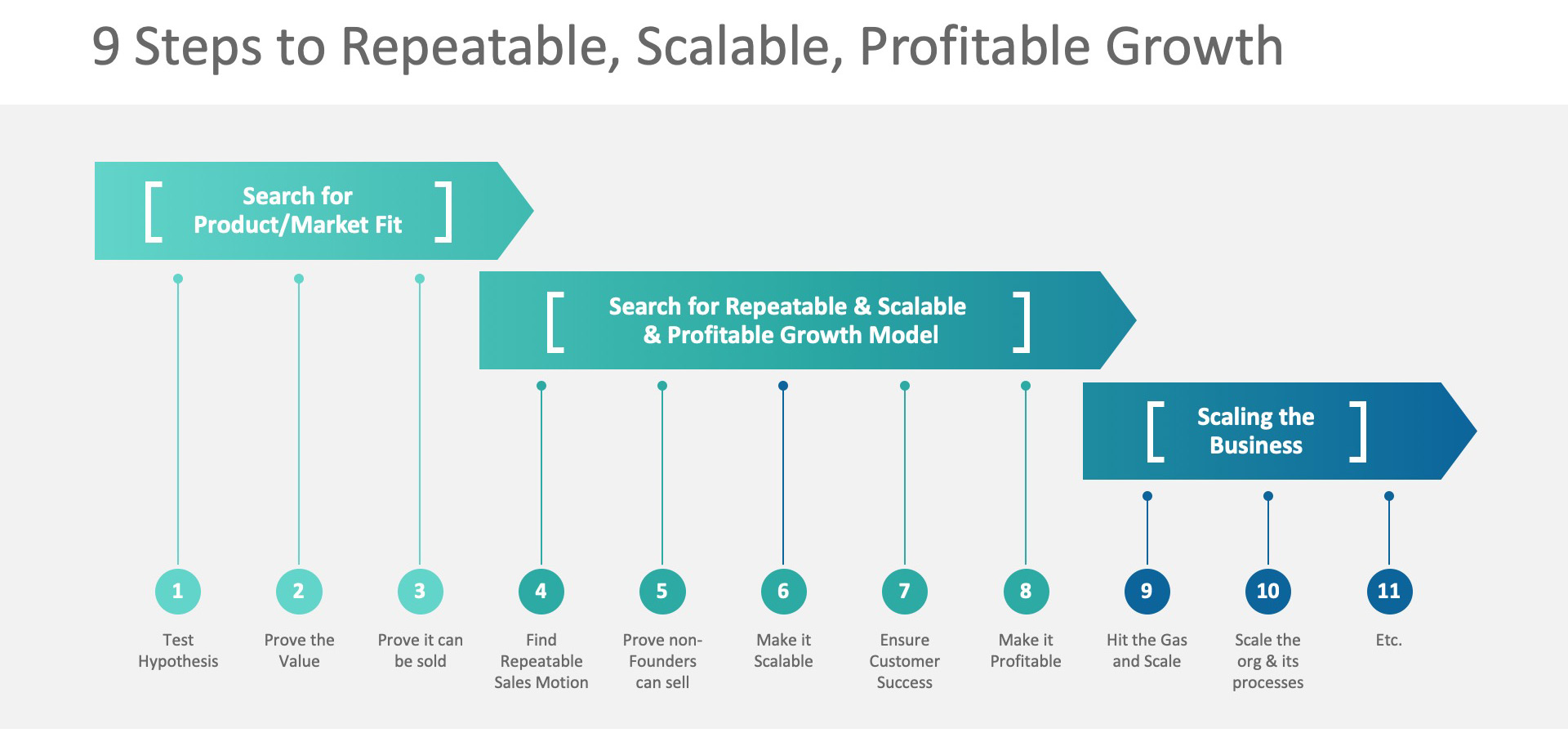
At the heart of the conference was a comprehensive nine-phase framework spearheaded by venture capitalist and Matrix Partners board member David Skok. Drawing heavily from his own entrepreneurial missteps and years of observing portfolio companies navigate the chaotic scaling phase, Skok and a roster of elite speakers delivered an exhaustive roadmap designed to save founders from costly and potentially fatal errors.
The Core Framework: Avoiding the Perils of Premature Scaling
One of the central warnings echoed throughout the Matrix Growth Academy event was the danger of premature scaling—specifically, attempting to force hyper-growth by bypassing foundational steps. According to industry data from organizations like the Startup Genome Project, premature scaling is cited as the primary cause of startup failure, accounting for more than 70 percent of premature enterprise shutdowns. Founders eager to capture market share often inject capital into sales and marketing before their unit economics or go-to-market models are properly validated.
Skok emphasized the emotional and financial toll of these missteps, noting that the nine-phase playbook detailed during the event aims to demystify the transition from a scrappy startup to a mature, enterprise-grade organization. By breaking down the trajectory into manageable, digestible milestones, the curriculum provides a systematic approach to risk mitigation and operational excellence.
Founder-Led Selling and Early Validation
The journey begins long before a dedicated sales team is hired. In the opening sessions of the event, entrepreneur and sales expert Pete Kazanjy tackled the critical phase of founder-led selling. Kazanjy addressed the common psychological hurdles founders face when transitioning from product development to pitching customers directly. For many technical founders, sales can feel unnatural or intimidating. However, the curriculum stressed that founders must personally lead the sales charge in the early days to deeply understand customer pain points, refine the value proposition, and achieve genuine product-market fit.

Transitioning from founder-led sales to a repeatable sales model requires meticulous documentation of what works. Kazanjy and Skok outlined how founders must codify their pitch, identify patterns in customer objections, and establish a repeatable sales playbook before attempting to recruit their first professional sales representatives.
Building and Structuring the Sales Organization
Once a repeatable sales process is established, the focus shifts to organizational scaling. Stephanie Schatz, former Chief Revenue Officer at Xamarin, delivered an extensive multi-part masterclass on building a high-performing sales organization from the ground up. Schatz detailed the intricacies of hiring the right sales talent, structuring compensation plans, and establishing accountability metrics that align with long-term company growth.
Building a sales team is rarely a plug-and-play exercise. Schatz highlighted the importance of onboarding, continuous training, and designing a sales management hierarchy that can scale alongside increasing revenues. Founders were cautioned against hiring expensive, enterprise-level sales executives too early, as these leaders often thrive only when supported by established infrastructure and brand recognition—assets that early-stage startups typically lack.
Mastering SaaS Metrics and Unit Economics
No discussion on scaling a modern B2B company is complete without a deep dive into Software-as-a-Service (SaaS) metrics and unit economics. David Skok returned to the stage to dissect the mathematical foundations of predictable revenue models. Understanding metrics such as Customer Acquisition Cost (CAC), Lifetime Value (LTV), Monthly Recurring Revenue (MRR), and Churn Rate is non-negotiable for founders seeking institutional funding and long-term profitability.
Skok explained how unit economics serve as the ultimate diagnostic tool for a business. If the cost of acquiring a customer vastly outweighs the lifetime value they generate, pouring capital into marketing will only accelerate financial burn rather than sustainable growth. Furthermore, the event explored advanced troubleshooting techniques for fixing "broken funnels"—identifying precisely where prospective customers drop off in the conversion pipeline and implementing targeted interventions to maximize conversion efficiency.
Product-Led Growth and Shortening the "Time to Wow"
An innovative theme emphasized during the conference was the concept that the product itself should act as a primary salesperson. Skok and fellow speakers introduced strategies aimed at shortening the "Time to Wow"—the duration it takes for a new user to experience the core value proposition of the software.
In an increasingly competitive B2B landscape, buyers expect intuitive, friction-free onboarding experiences. By leveraging product-led growth principles, companies can reduce reliance on human-intensive sales cycles, allowing the software to demonstrate its utility organically and accelerate user adoption. This approach not only lowers customer acquisition costs but also improves retention rates by fostering immediate engagement.
Execution, Leadership, and the Evolving Role of the CEO
Theory is fundamentally distinct from execution. To bridge this gap, Mark Gally took the stage to discuss the operational realities of putting growth frameworks into practice. Gally provided tactical guidance on aligning internal teams, managing cross-functional dependencies, and maintaining organizational momentum as headcount expands.
As a company evolves from its initial inception to a scaled enterprise, the responsibilities of the Chief Executive Officer undergo a radical transformation. In the final major instructional session of the event, David Skok examined the changing role of the CEO. Founders must transition from being tactical operators involved in every daily decision to strategic leaders focused on culture, capital allocation, executive hiring, and long-term vision. Failing to delegate operational control can create severe bottlenecks, stifling innovation and stalling company momentum.
Broader Industry Implications and Legacy of the Event
The insights shared at the Matrix Growth Academy’s Zero to 100 event arrive at a crucial time for the broader technology sector. In recent years, macroeconomic shifts have placed a renewed premium on capital efficiency, sustainable unit economics, and a clear path to profitability over the "growth at all costs" mentality that previously dominated venture capital markets.
By emphasizing structured, repeatable processes over rushed expansion, the curriculum provides a timely blueprint for modern B2B entrepreneurs. The comprehensive video archives and documentation resulting from the San Francisco conference continue to serve as an invaluable, evergreen resource for founders navigating the precarious terrain between early-stage innovation and enterprise-scale success.