A business explainer video serves as a critical communication bridge between complex technical solutions and the target market. In an era where consumer attention spans have dropped to approximately eight seconds, the ability to synthesize a value proposition into a succinct, focused visual narrative is no longer an optional marketing tactic but a commercial necessity. Effective explainer videos are not defined by studio-sized budgets or cinematic flair; rather, they are defined by a rigorous adherence to core structural pillars: a laser-focused script, high-fidelity audio, intentional visual pacing, and a singular, unambiguous call to action.
The Strategic Value of Internal Production
For many startups and established organizations, the decision to produce explainer content internally—or to maintain tight control over the process—is driven by the need for agility. Software products and internal processes are subject to rapid iteration; when a company maintains the source files, screen recordings, and project assets, it gains the ability to update specific scenes to reflect new product features without the significant expense of commissioning an entirely new production.

Historically, this modular approach has allowed companies like Process Street to maintain a living library of visual assets. By treating the explainer video as a "maintained business asset" rather than a one-time creative project, organizations reduce long-term costs and ensure that the marketing collateral remains in lockstep with the actual product interface.
The Seven-Stage Production Framework
Industry standards for corporate video production suggest that the most efficient workflow follows a strictly gated sequence: script, audio, storyboard, animation, screencasts, music, and final assembly. This chronology is essential because each stage functions as a structural safeguard for the next. If the script lacks a clear narrative arc, no amount of post-production animation can salvage the final output. Similarly, poor audio quality is often cited by audience research as the primary reason for viewer abandonment, as it immediately signals an amateurish product, regardless of the visual production value.
1. The Script: The Narrative Foundation
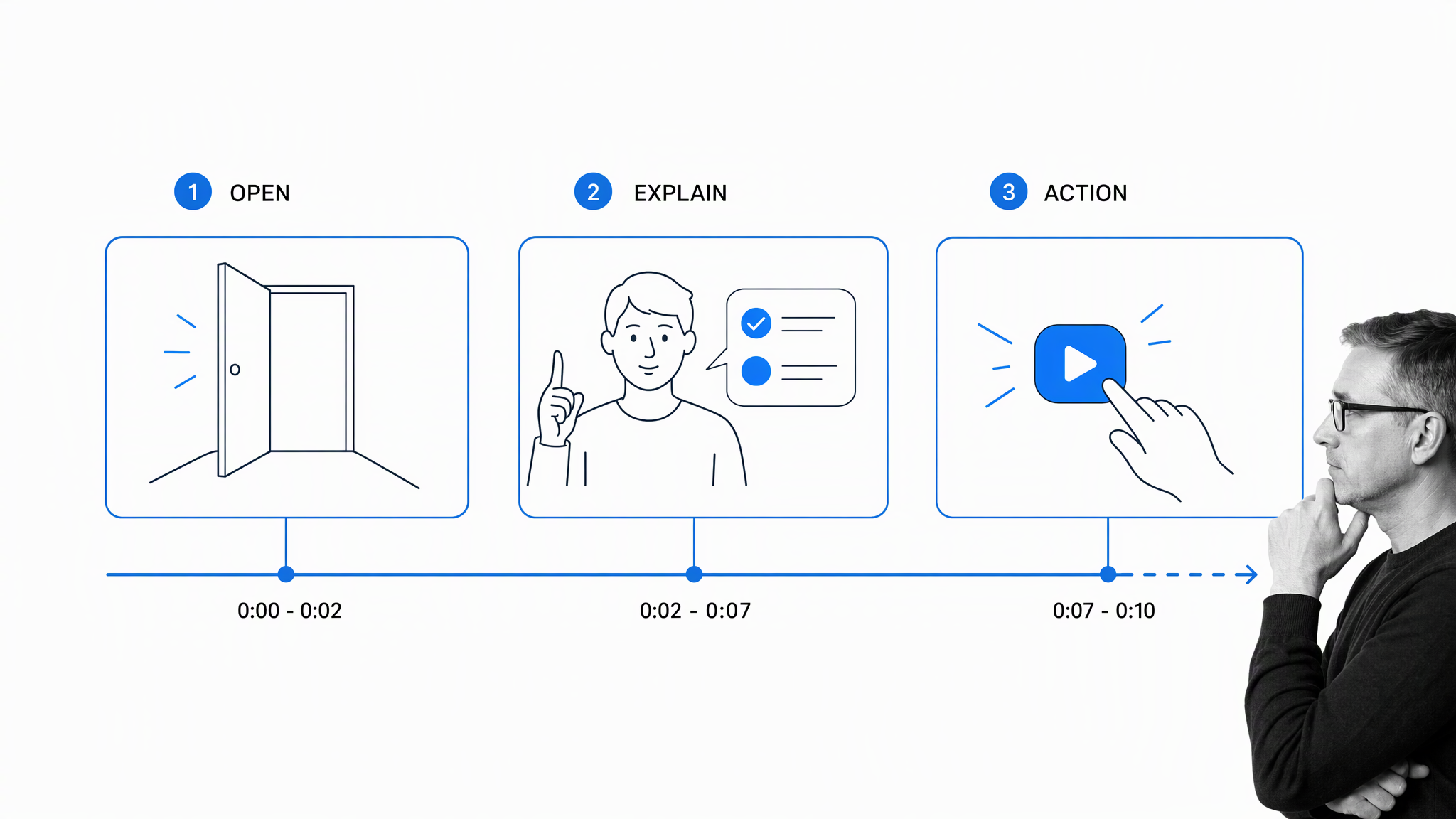
The script must be finalized before a single frame is captured or a microphone is turned on. Data from successful B2B marketing campaigns indicate that the most effective scripts follow one of two models: the "User Story" (the "Meet Jack" approach) or the "Problem-Solution" model. In both cases, the script must prioritize benefits over features.
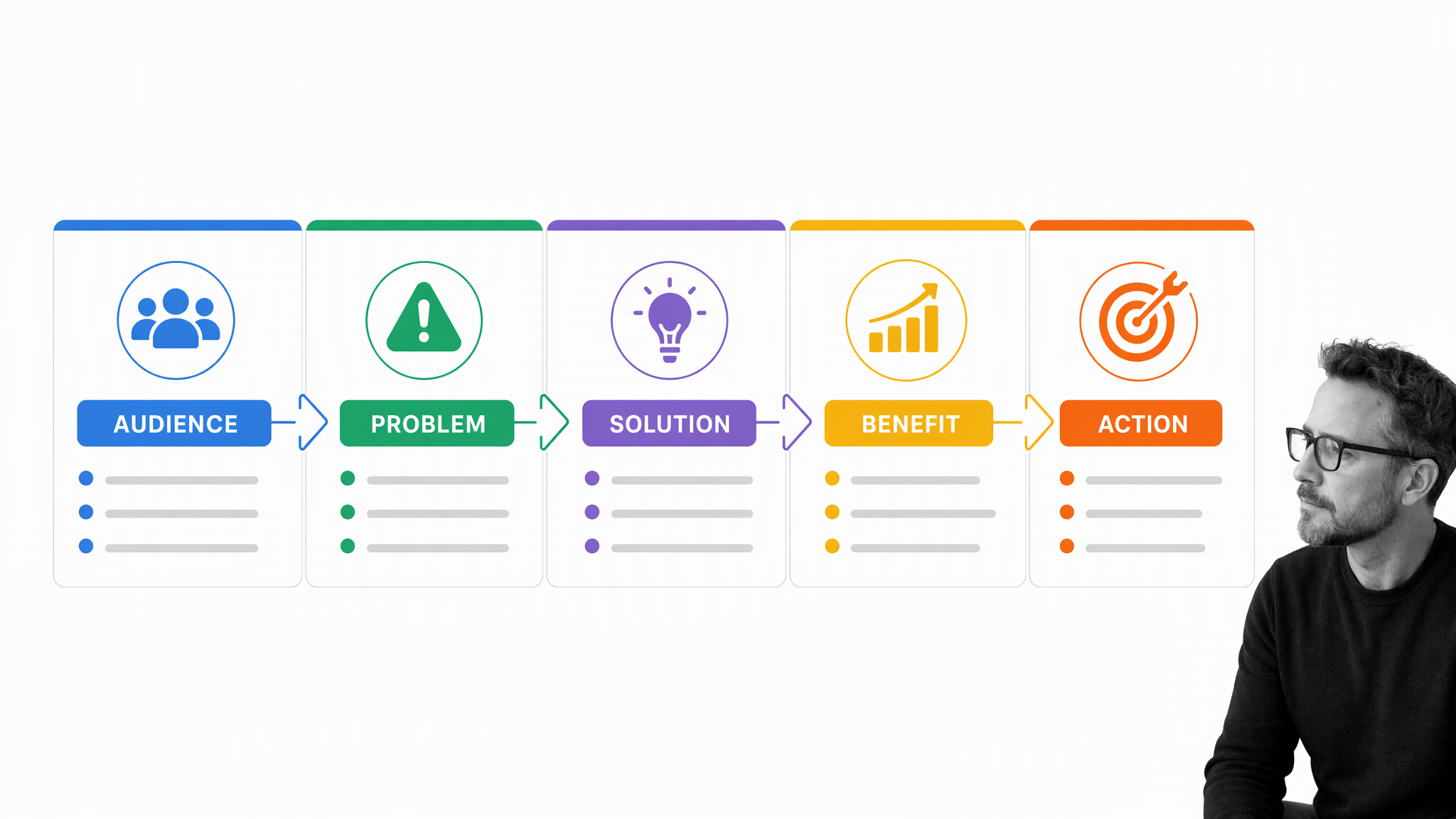
The goal is to provide a central promise. During the drafting phase, writers should prioritize concrete verbs and short sentences. It is a proven best practice to have the script reviewed by someone outside the product team; if they cannot accurately explain the value proposition back to the creator after one viewing, the script requires further refinement.
2. Audio Engineering and Narration
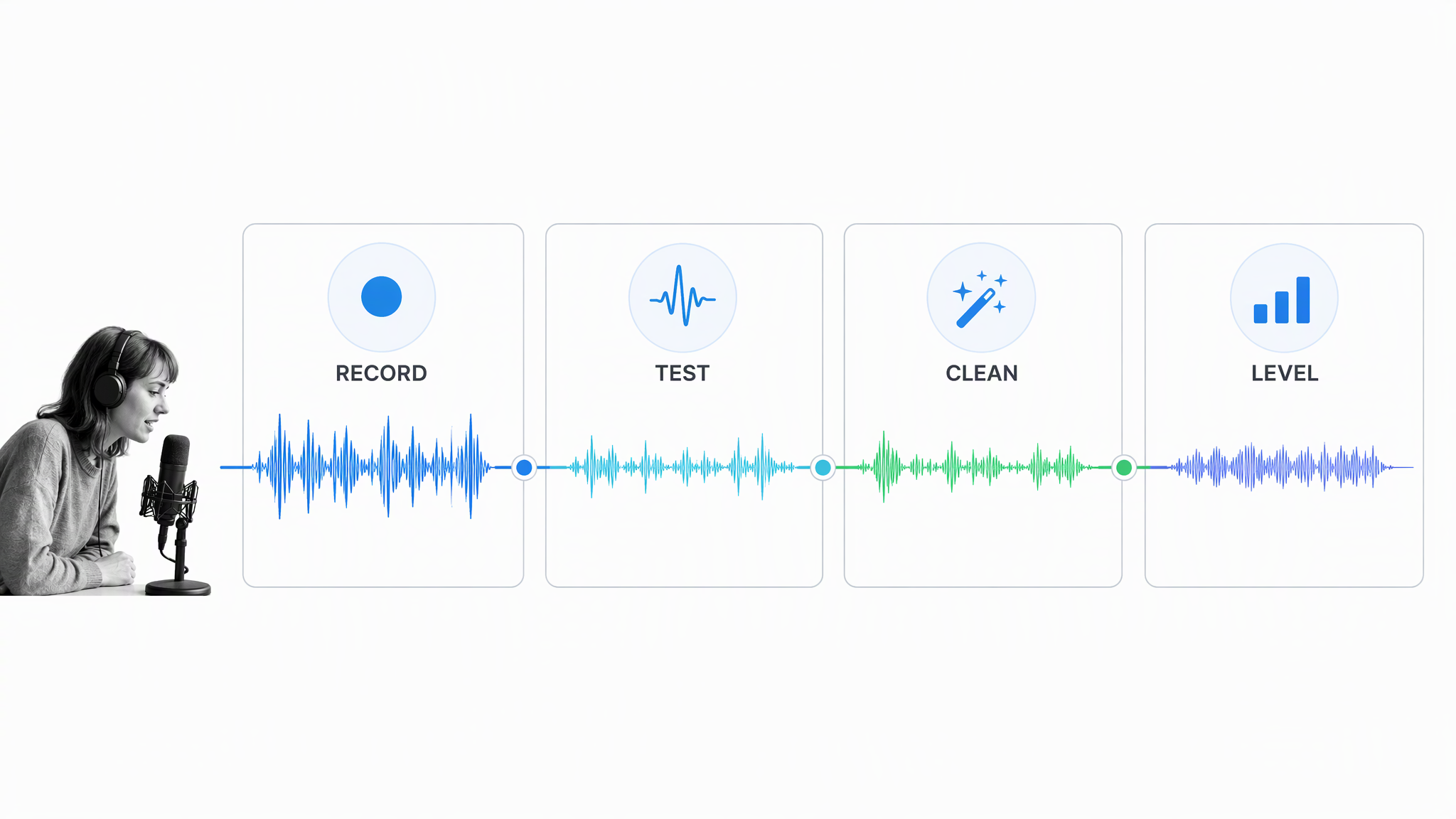
Audio clarity is the most significant differentiator between professional and amateur production. A controlled, quiet environment—often utilizing soft furnishings to mitigate echo—is more important than the cost of the microphone itself. The industry standard for high-quality voiceover involves recording in manageable sections to ensure consistency and to provide "room tone" samples for noise reduction software. While AI-driven voice generation has become increasingly sophisticated for prototyping, the final cut generally requires the natural pacing and emotional nuance of a human narrator or a highly calibrated synthetic voice to maintain brand authority.
3. Storyboarding and Visual Planning
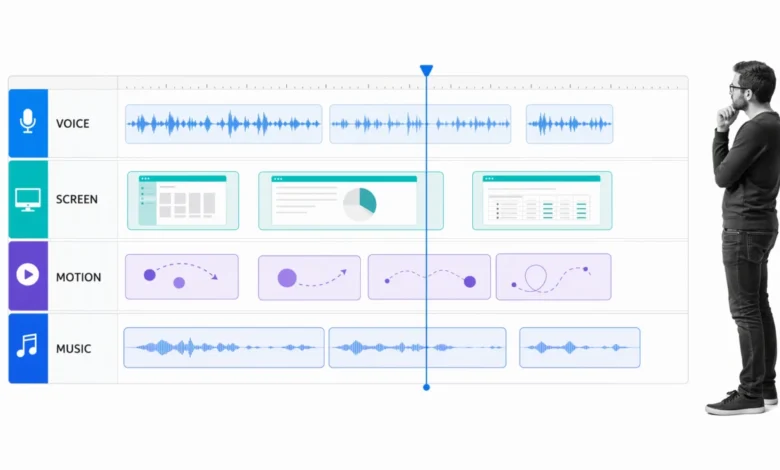
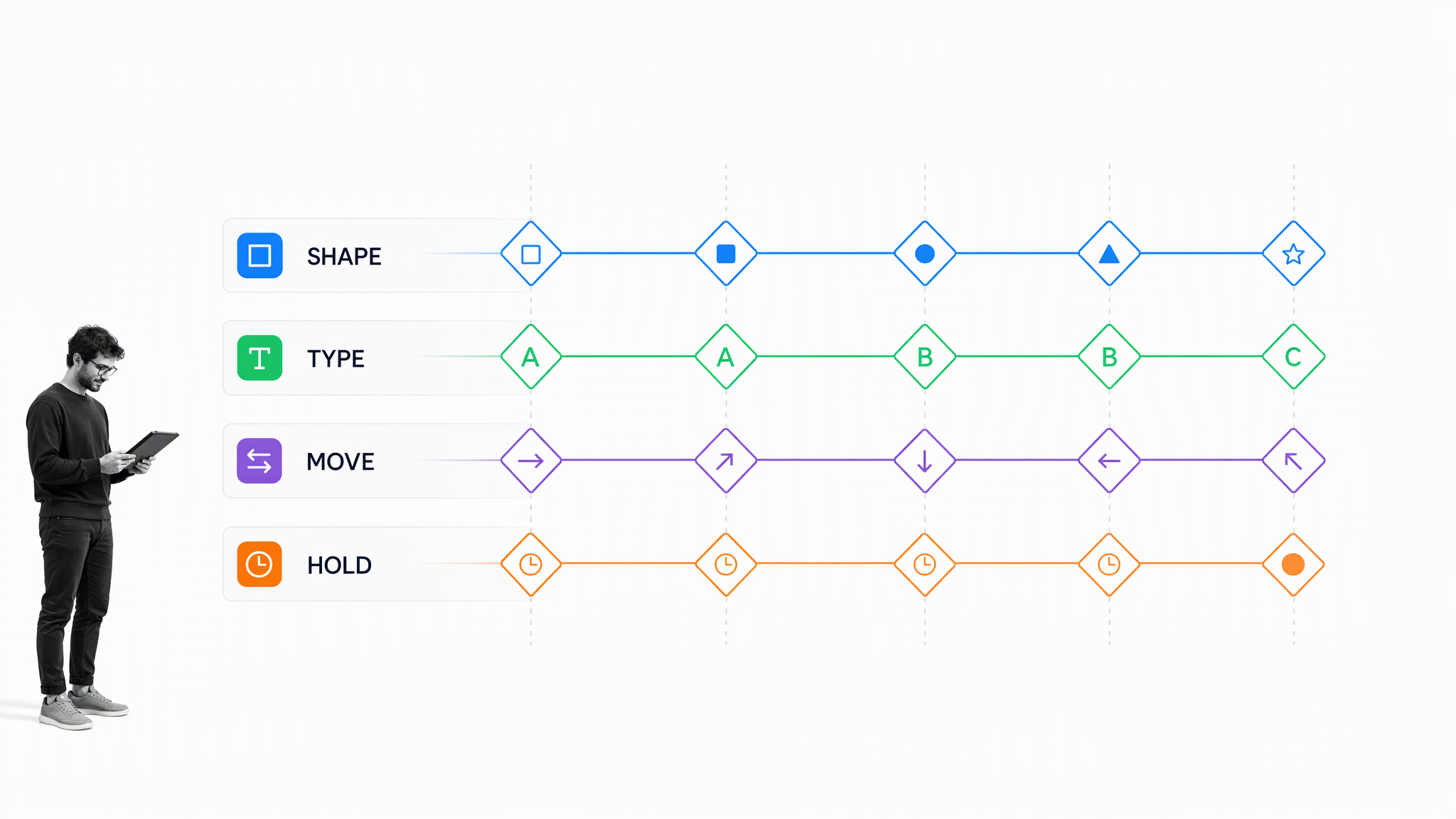
The storyboard serves as the blueprint for the final video. By mapping the audio track against a series of visual frames, producers can identify potential pacing issues. This phase is critical for determining when to use animations—which are ideal for explaining abstract concepts or invisible processes—versus when to utilize screencasts, which are necessary for demonstrating tangible product utility.
Pixar and other animation industry leaders have long utilized this method to test emotional resonance and narrative flow before committing to expensive production cycles. For a business, this step is about removing uncertainty. By finalizing the storyboard, stakeholders can approve the "what" and the "why" without being distracted by the "how" of the final polish.
4. The Role of Motion Design and Animation
Animation should be used to clarify, not decorate. Over-animation or the use of inconsistent visual styles can distract the viewer from the core message. Modern tools such as Adobe After Effects, or template-based platforms like Vyond and Canva, allow for the creation of consistent visual languages. The key is to establish a system of shapes, colors, and transition rules that remain consistent throughout the video, reinforcing the brand identity while keeping the cognitive load on the viewer low.
5. Executing High-Quality Screencasts
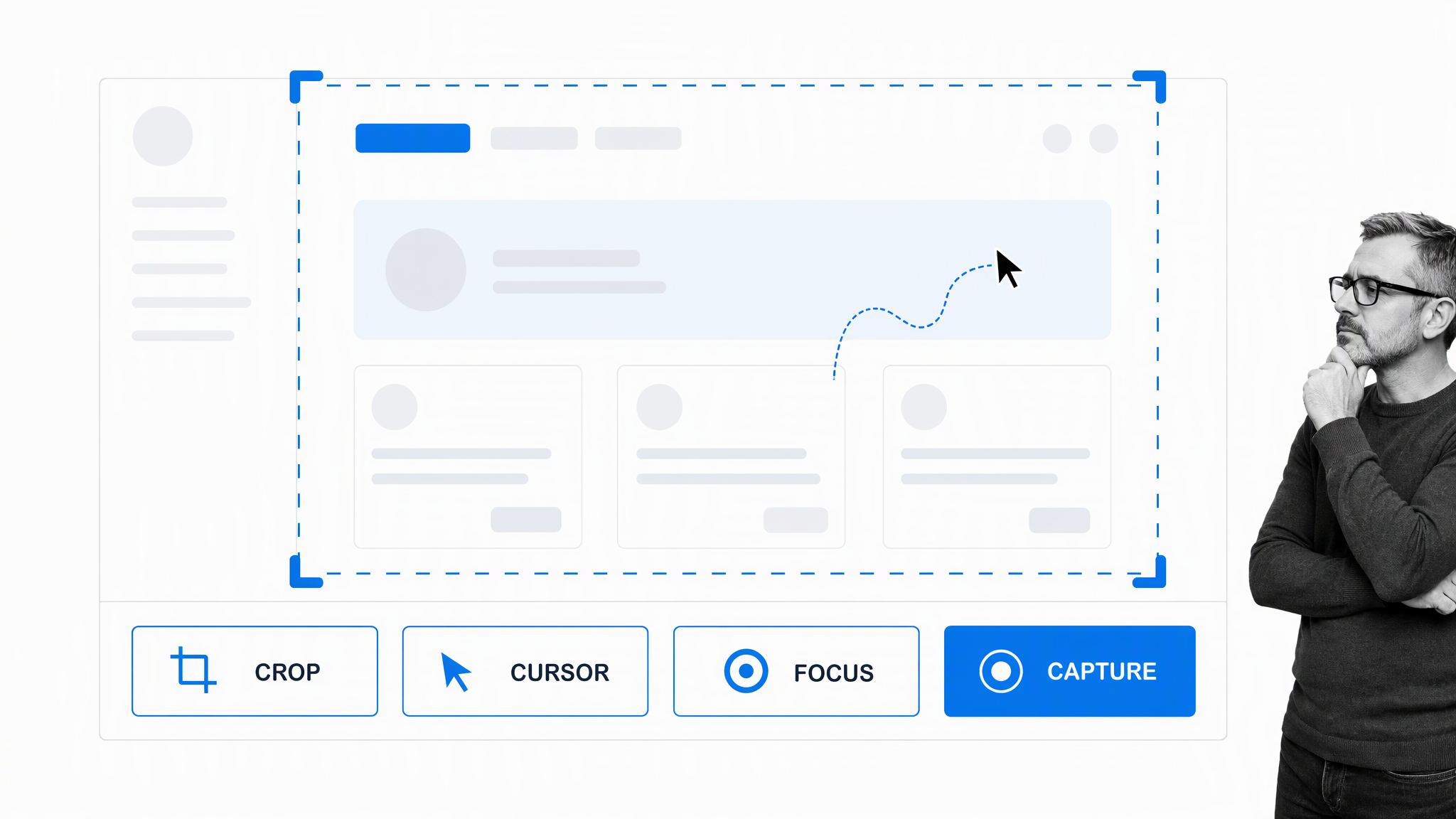
Screencasts represent the most direct way to build trust with a potential buyer. To maintain professional standards, developers and marketers should focus on recording only the necessary area of the screen, utilizing clean demo data, and suppressing all notifications or unrelated browser tabs.
The most effective screencasts are designed as "replaceable modules." By keeping the original capture resolution and ensuring consistent cropping, a company can swap out a specific feature demonstration if the UI changes, without having to re-record the entire sequence. This modularity is a core component of sustainable content operations.
6. Musical Integration and Sound Mixing
Music acts as the emotional backdrop of the video, but it must never compete with the narration. The selection process should occur only after the voice edit is nearing completion. Industry guidelines suggest that the music should reflect the brand’s temperament—calm and professional for B2B services, or energetic and driving for consumer-facing apps. Crucially, all music must be properly licensed, and documentation of these licenses should be stored alongside the project files to avoid future copyright disputes.
7. Final Assembly and Quality Assurance
The final assembly phase is where the individual components are synthesized. Once the audio, visual, and motion elements are integrated, a formal quality control process must be implemented. This includes checking for frame synchronization, audio leveling, and ensuring that all captions are accessible.
A final "release package" should be created, containing the approved script, final narration files, project source files, license agreements, and multiple export formats. This package transforms the video from a transient digital file into a persistent corporate asset.
Broader Implications for Business Operations
The rise of the "Compliance Operations Platform" and similar digital infrastructures has fundamentally changed how companies manage media production. By integrating production workflows into broader operational platforms—such as Process Street’s own systems—teams can document production standards in shared manuals, track recurring tasks, and maintain a high level of accountability.
The economic implications are significant: when production is standardized, the "effective cost" per video decreases. By utilizing existing equipment and standardized workflows, small teams can produce professional-grade content that rivals the output of larger agencies. Furthermore, this approach ensures that the organization is not reliant on a single creative individual who possesses the "tribal knowledge" of the project files.
Conclusion: The Three Modes of Production
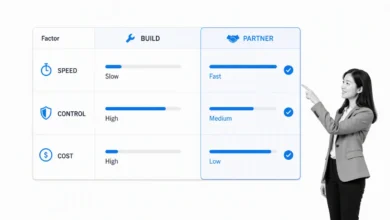
Ultimately, businesses must choose between three production modes based on their internal capacity and risk tolerance:
- The DIY Approach: Offers the highest level of control and cost-efficiency, provided the team is willing to invest in learning the necessary production tools.
- The Hybrid Approach: Involves in-house script and product expertise combined with outsourced specialized labor (such as professional motion design or audio mixing). This is often the "sweet spot" for growing companies.
- The Studio Approach: Necessary for high-stakes product launches or brand-defining moments where visual perfection is mandatory and multiple internal stakeholders require a highly managed, white-glove process.
Regardless of the chosen path, the mandate for the modern enterprise remains the same: define the audience, secure the message, maintain your source assets, and ensure that every production choice directly serves the goal of converting a viewer into a customer. As digital landscapes continue to evolve, the ability to produce, maintain, and update high-quality video content will remain a cornerstone of effective market engagement.