The Strategic Shift: Why Group Travelers Are Trading Modern Hotels for Historic and Haunted Mansions

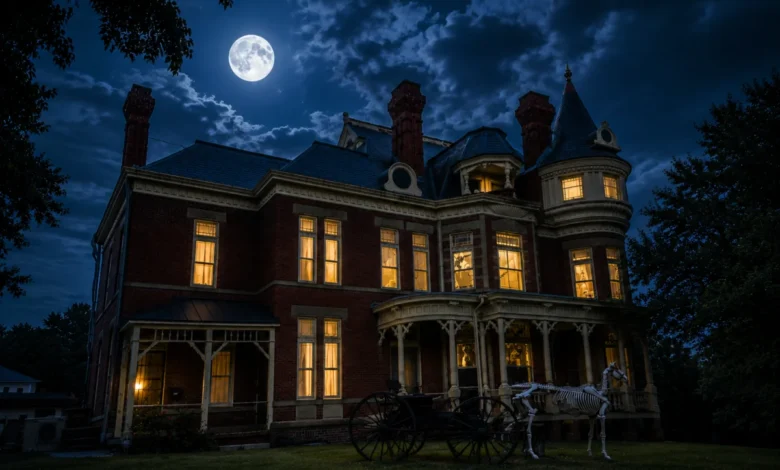
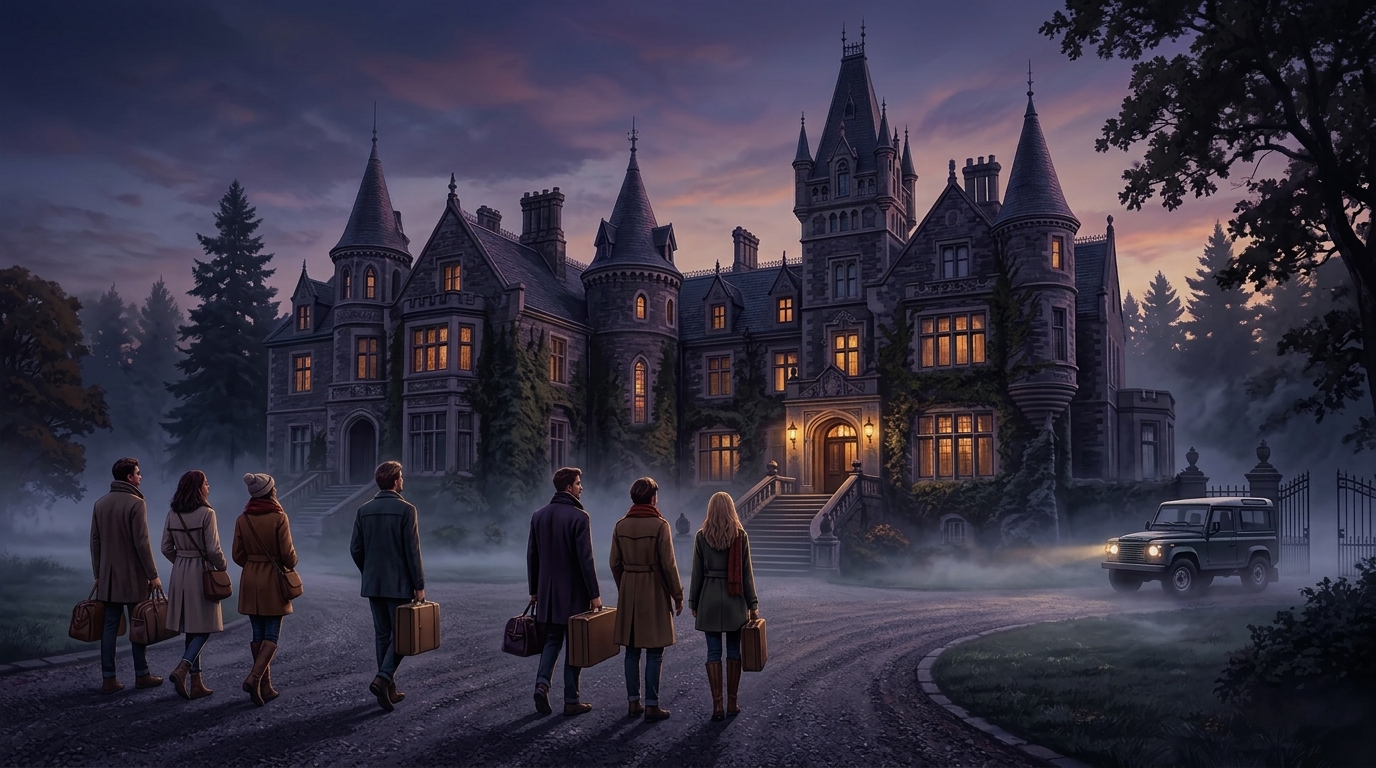
The traditional group travel model—reserving a block of rooms at a modern hotel or resort—is facing a significant disruption as travelers increasingly prioritize experiential lodging over standardized convenience. For groups of ten or more, the arithmetic of hospitality is changing. At an average national rate of approximately $200 per hotel room, a weekend getaway for a large group can easily exceed $4,000 before accounting for dining and excursions. Consequently, there has been a measurable pivot toward booking historic, and often allegedly haunted, properties. This shift represents a fusion of the "experience economy" and a pragmatic approach to group budgeting, allowing travelers to secure private, historically significant estates for a fraction of the cost per head compared to traditional boutique or luxury hotel chains.
Economic Analysis of Shared Lodging
The financial incentive for renting entire estates is rooted in economies of scale. In the hospitality sector, room rates are typically fixed per unit, regardless of whether a room is occupied by one or two guests. Conversely, private estate rentals often operate on a flat-fee or tiered-occupancy structure. When the total cost of a property—such as a $900-per-night historic villa—is divided among a group of twenty, the individual expenditure drops to $45 per night. This represents a 77% savings compared to the $200 standard hotel rate. Beyond the base price, these properties often include communal kitchens, living rooms, and private grounds, which mitigate the additional costs of booking meeting rooms or event spaces required for large-group interaction.
The Evolution of Paranormal Tourism
The popularity of "haunted" accommodations is not merely a modern trend but a byproduct of a growing interest in true-crime tourism and the preservation of historical sites. These properties often serve as conduits for public history, forcing visitors to engage with the darker chapters of American development. The preservation of these sites is frequently subsidized by the income generated from overnight stays, as many of these buildings are too costly to maintain through standard tourism or public grants alone.
Key Historic Sites and Their Historical Context
The surge in this market segment is best exemplified by several high-profile properties that balance historical significance with overnight access.
The Villisca Axe Murder House, Iowa
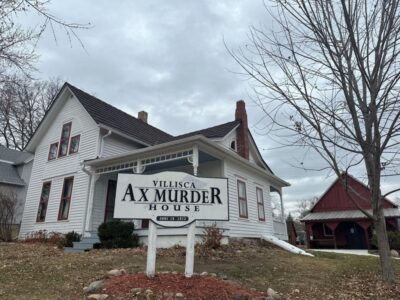
The Villisca Axe Murder House remains a cornerstone of the dark tourism industry. On the night of June 9, 1912, an unidentified assailant entered the Moore residence and murdered eight people, including six children, with an axe. The case remains one of the most famous unsolved crimes in American history. Today, the property operates as a historical site and an overnight destination. By offering the house for a flat rate of $599 for five guests—with a maximum capacity of twelve—the management provides an immersive experience that keeps the property’s historical context intact. It is important to note, however, that the site maintains its 1912 state, meaning the absence of modern plumbing and electricity is a deliberate design choice to preserve the historical integrity of the experience.
The McInteer Villa, Kansas
Constructed between 1889 and 1890, the McInteer Villa in Atchison, Kansas, represents the architectural zenith of the late 19th century. Its history is characterized by the prosperity of the Victorian era and the subsequent decline of the families who occupied it. Unlike the Villisca property, the McInteer Villa is frequently sought out by paranormal researchers who argue that the structure’s original materials and architectural layout contribute to its reported atmospheric disturbances. The site serves as a case study for how private owners can monetize historic preservation by catering to niche interest groups, such as amateur historians and investigators.
The Lizzie Borden House, Massachusetts
The 1892 murders of Andrew and Abby Borden in Fall River, Massachusetts, triggered one of the most publicized trials in American history. Lizzie Borden’s acquittal left an enduring mystery that continues to influence American culture. The current iteration of the house functions as a museum and bed-and-breakfast. The property management has adopted a dual-stream revenue model: daily tours during business hours and exclusive overnight bookings for groups. This allows the business to capitalize on the high volume of day-trippers while maintaining higher profit margins from exclusive evening rentals.
Gettysburg’s Brickhouse Inn and the Welty House
In Gettysburg, Pennsylvania, the Brickhouse Inn offers a different perspective on historic lodging. The inclusion of the Welty House, which was active during the Battle of Gettysburg in 1863, provides guests with a direct connection to the American Civil War. Unlike the aforementioned "haunted" properties, the Brickhouse Inn functions primarily as a boutique hospitality business that leverages its historical proximity to the battlefield. This illustrates the broader trend of "history-adjacent" lodging, where the primary value proposition is the location’s role in significant national events.
Luxury and the Gilded Age Aesthetic
Not all historic mansion rentals are centered on the paranormal. Properties such as Oheka Castle in New York, the Wentworth Mansion in South Carolina, and The Chanler at Cliff Walk in Rhode Island offer a counter-narrative to the haunted-house trend. These venues target the luxury demographic, providing a high-end, Gilded Age experience.
Oheka Castle, built in 1919 for financier Otto Hermann Kahn, is one of the largest private homes ever constructed in the United States. Its current use as a luxury hotel allows guests to reside in a setting that would otherwise be inaccessible to the public. Similarly, the Wentworth Mansion, an 1886 residence, offers a boutique experience that highlights Southern architecture. These properties cater to social gatherings, such as weddings and reunions, where the prestige of the venue is as important as the accommodation itself.
Operational Considerations for Groups
While the financial benefits of renting historic properties are significant, potential guests must navigate a distinct set of operational challenges. Standard hotel chains provide predictable amenities, including high-speed internet, housekeeping, and climate control. Historic estates, by contrast, are often subject to preservation restrictions.
- Liability and Maintenance: Many of these properties operate under strict preservation codes. Guests are often required to sign extensive liability waivers, particularly in properties where structural integrity is a factor.
- Capacity vs. Comfort: A property may claim a high occupancy capacity, but the actual number of beds or bathrooms may be limited. For example, the Villisca Axe Murder House, while accommodating up to twelve, lacks traditional en-suite bathrooms, which requires significant planning for large groups.
- Hidden Costs: While the base rate may be lower than a hotel, group planners must account for mandatory cleaning fees, site-specific insurance requirements, and the cost of incidentals that are typically covered in a hotel’s standard operating procedure.
- Booking Timelines: Because these properties are often unique, demand significantly outstrips supply. High-demand dates, such as the anniversary of a historical event or the month of October, are often booked 12 to 18 months in advance.
Broader Impact and Future Implications
The trend of group travelers favoring historic mansions has several implications for the travel industry. Firstly, it indicates a move away from the "cookie-cutter" aesthetic of global hotel chains in favor of authentic, localized experiences. Secondly, it provides a viable economic path for the preservation of heritage buildings that might otherwise fall into disrepair.
However, this trend also highlights a growing regulatory gap. As more historic homes enter the short-term rental market, local municipalities are struggling to categorize these properties. They often fall into a "gray area" between residential rentals and commercial hospitality businesses, leading to debates over zoning, noise ordinances, and public safety standards.
Furthermore, the "haunted" label acts as a powerful marketing tool that lowers the cost of customer acquisition. By positioning a property within the context of folklore or true crime, owners can generate organic interest that would otherwise require significant investment in traditional advertising. This suggests that the intersection of history, mystery, and lodging will likely remain a robust niche for the foreseeable future.
In conclusion, for groups looking to maximize their travel budget while seeking an immersive, unconventional experience, the historic mansion rental is a compelling alternative to traditional lodging. Whether the motivation is historical education, the allure of the supernatural, or the desire for a luxury Gilded Age experience, the key to a successful trip lies in meticulous planning, realistic expectations regarding amenities, and an understanding of the unique historical context of the chosen property. As the travel industry continues to evolve, the distinction between a hotel and an experience will continue to blur, making these historic estates a permanent fixture of the group travel landscape.