Mastering Query Fan-Out: The New Frontier of AI Search Visibility and Content Strategy

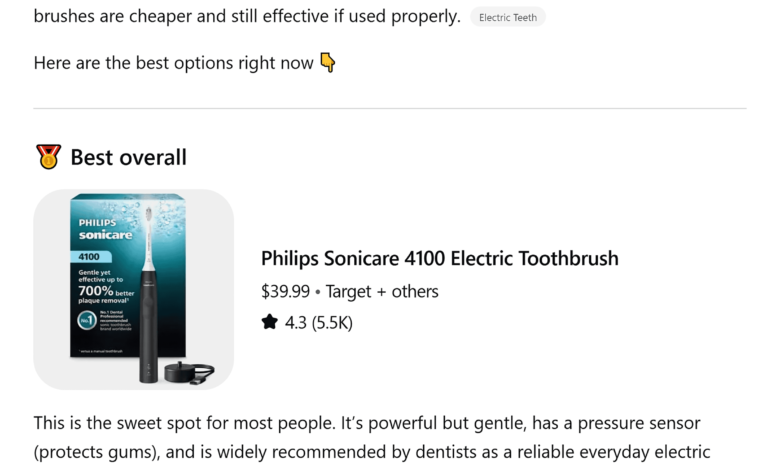
The traditional search engine optimization paradigm, which long prioritized securing a position in the "top ten" blue links on Google, is undergoing a fundamental transformation as artificial intelligence systems redefine how information is retrieved and presented. In this new landscape, content can rank on the first page of Google and yet remain entirely invisible to Large Language Models (LLMs) such as ChatGPT, Claude, and Perplexity. The engine driving this shift is a process known as query fan-out, a sophisticated background mechanism AI systems use to decompose complex user prompts into a series of targeted sub-queries. By understanding this architecture, digital marketers and content creators can move beyond traditional keyword tracking to secure a place in the synthesized answers that are increasingly replacing the standard list of search results.
The Mechanism of Query Fan-Out
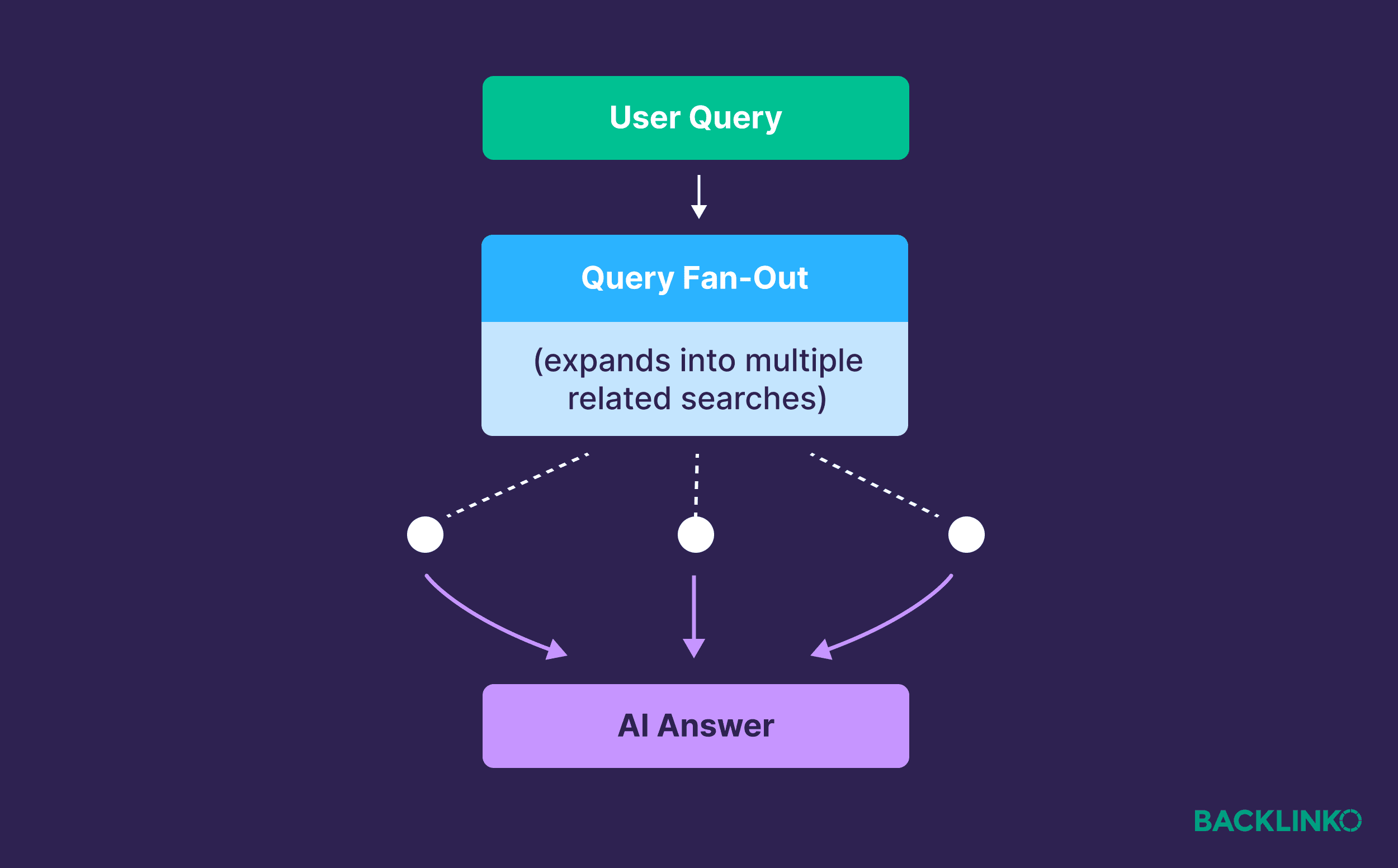
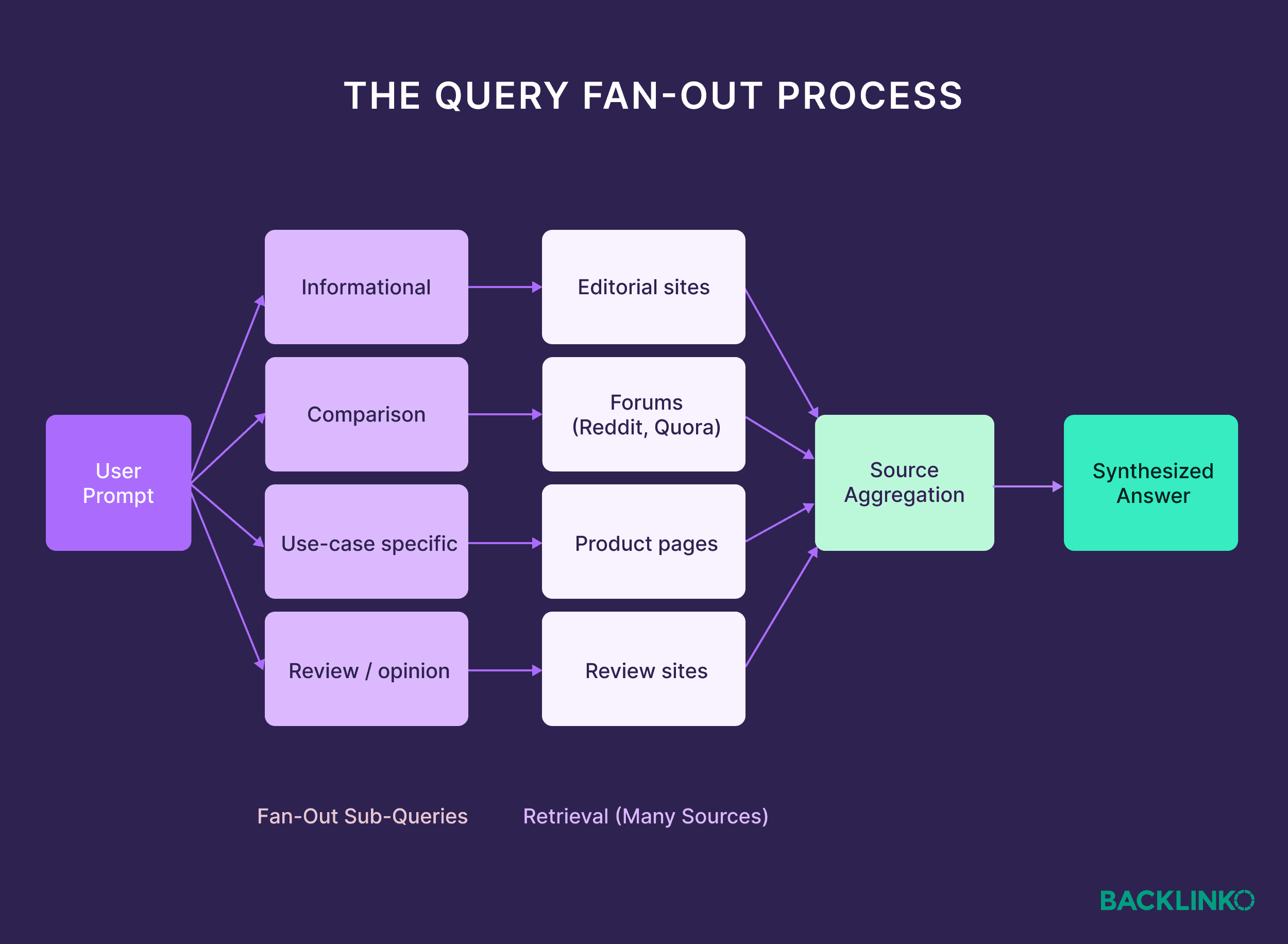
Query fan-out is the process by which an AI search system breaks a single user query into multiple sub-queries to construct the most comprehensive and helpful response possible. When a user asks a broad question, the AI "fans out" that query into related sub-questions, pulling data from diverse sources—including editorial sites, Reddit threads, product pages, and technical documentation—to build a multi-faceted answer.
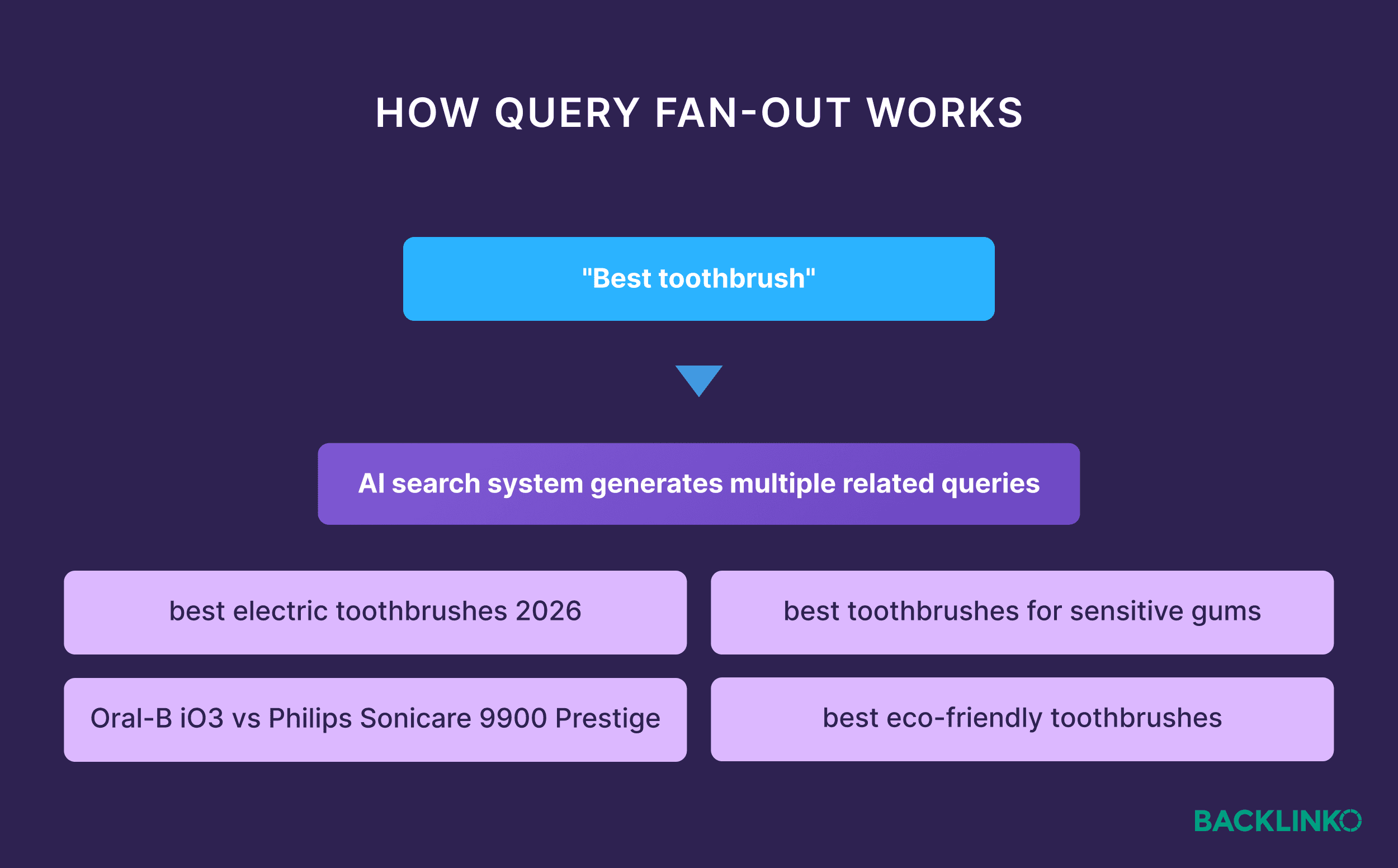
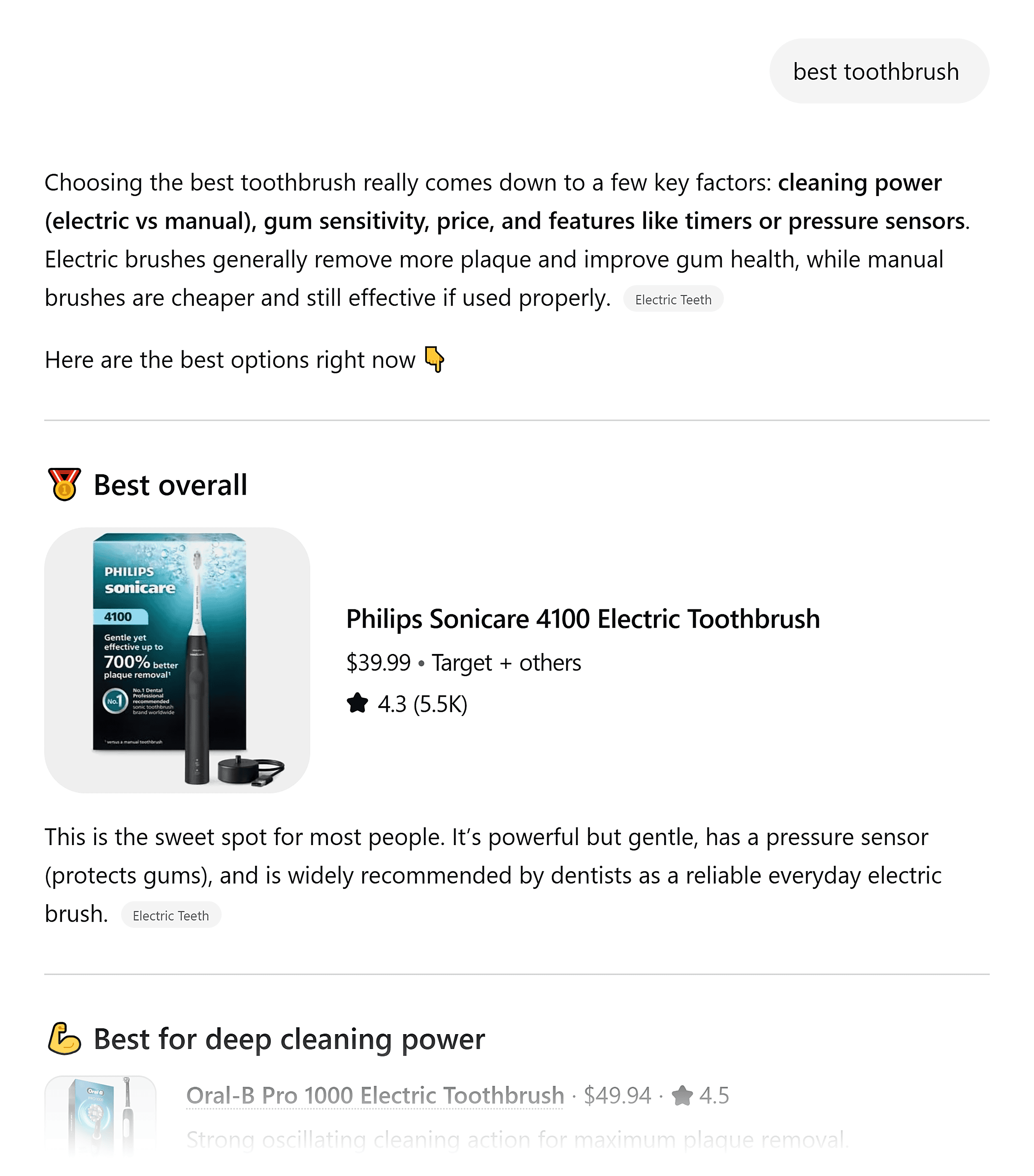
This process serves three primary functions. First, it clarifies user intent by exploring different interpretations of a prompt. Second, it provides a comprehensive overview by gathering details that a single source might lack. Third, it anticipates follow-up questions, effectively providing the user with the next several steps of their information journey before they even ask. For example, a simple search for the "best toothbrush" might trigger sub-queries regarding the best electric models for the current year, options for sensitive gums, head-to-head brand comparisons (such as Oral-B versus Philips Sonicare), and eco-friendly alternatives. The AI then synthesizes these findings into a single, cohesive narrative.
The Statistical Reality of AI Citations
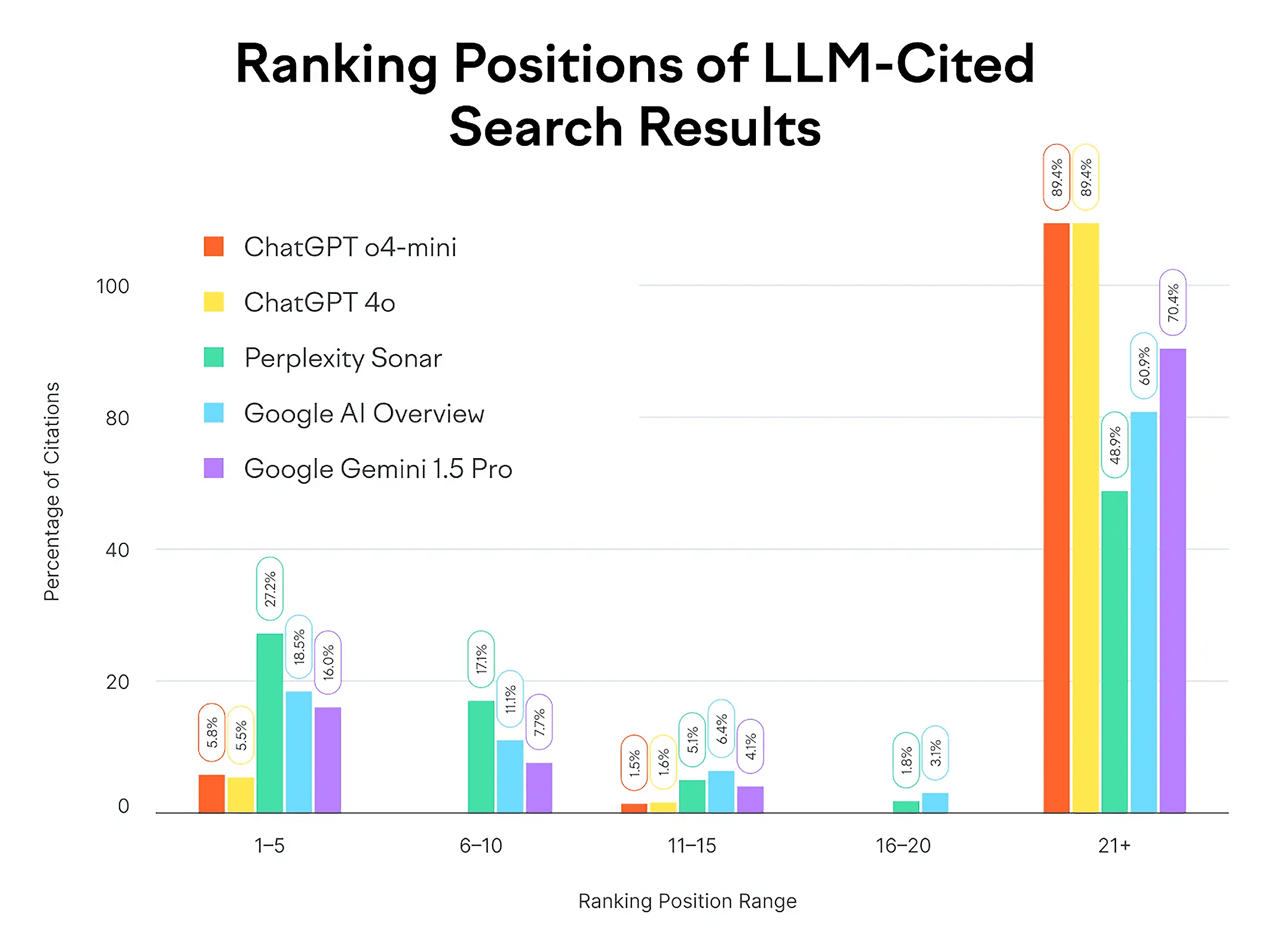
Recent data indicates that the correlation between high Google rankings and AI citations is much weaker than previously assumed. According to a study by Semrush, ChatGPT cites pages that rank in position 21 or lower on Google approximately 90% of the time. This suggests that AI systems prioritize the specific relevance and "extractability" of a passage over the broad domain authority or traditional ranking signals that Google favors.
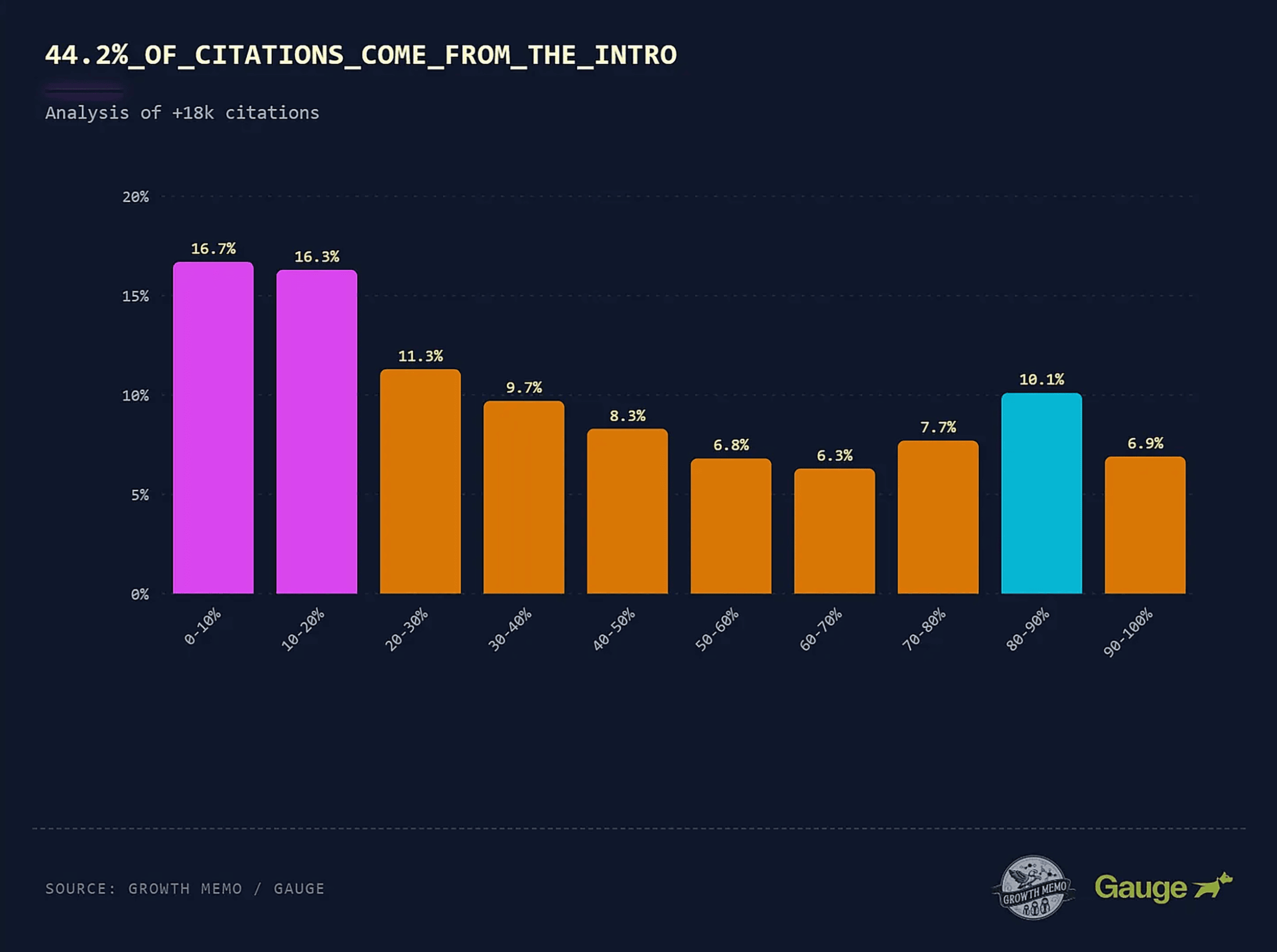
Furthermore, research conducted by growth advisor Kevin Indig, analyzing over 1.2 million ChatGPT responses, reveals a strong "primacy effect" in how AI retrieves information. The study found that 44.2% of citations come from the first 30% of a web page. In contrast, 31.1% are drawn from the middle section, and only 24.7% are taken from the final third. This data underscores a critical tactical shift for content creators: the most important information must be front-loaded and presented with extreme clarity to be "retrievable" by AI agents.
The Evolution of the Search Timeline
To understand the urgency of query fan-out, it is necessary to view it within the broader chronology of search technology:
- The Keyword Era (1990s – 2010): Search was primarily based on exact keyword matching. Success was defined by keyword density and backlink quantity.
- The Semantic Era (2011 – 2022): Google introduced updates like Hummingbird and BERT, moving search toward "entities" and user intent. Rankings became more nuanced, but the output remained a list of links.
- The Generative Retrieval Era (2023 – Present): The launch of ChatGPT and Google’s AI Overviews marked the beginning of "answer engines." Search engines no longer just point to information; they synthesize it. Query fan-out becomes the primary method for ensuring that synthesis is accurate and complete.
A Strategic Framework for AI Visibility
To compete in an environment governed by query fan-out, brands must adopt a repeatable workflow that aligns their content with the way LLMs "think" and "search." This framework consists of six essential stages:
Step 1: Identifying Money Prompts
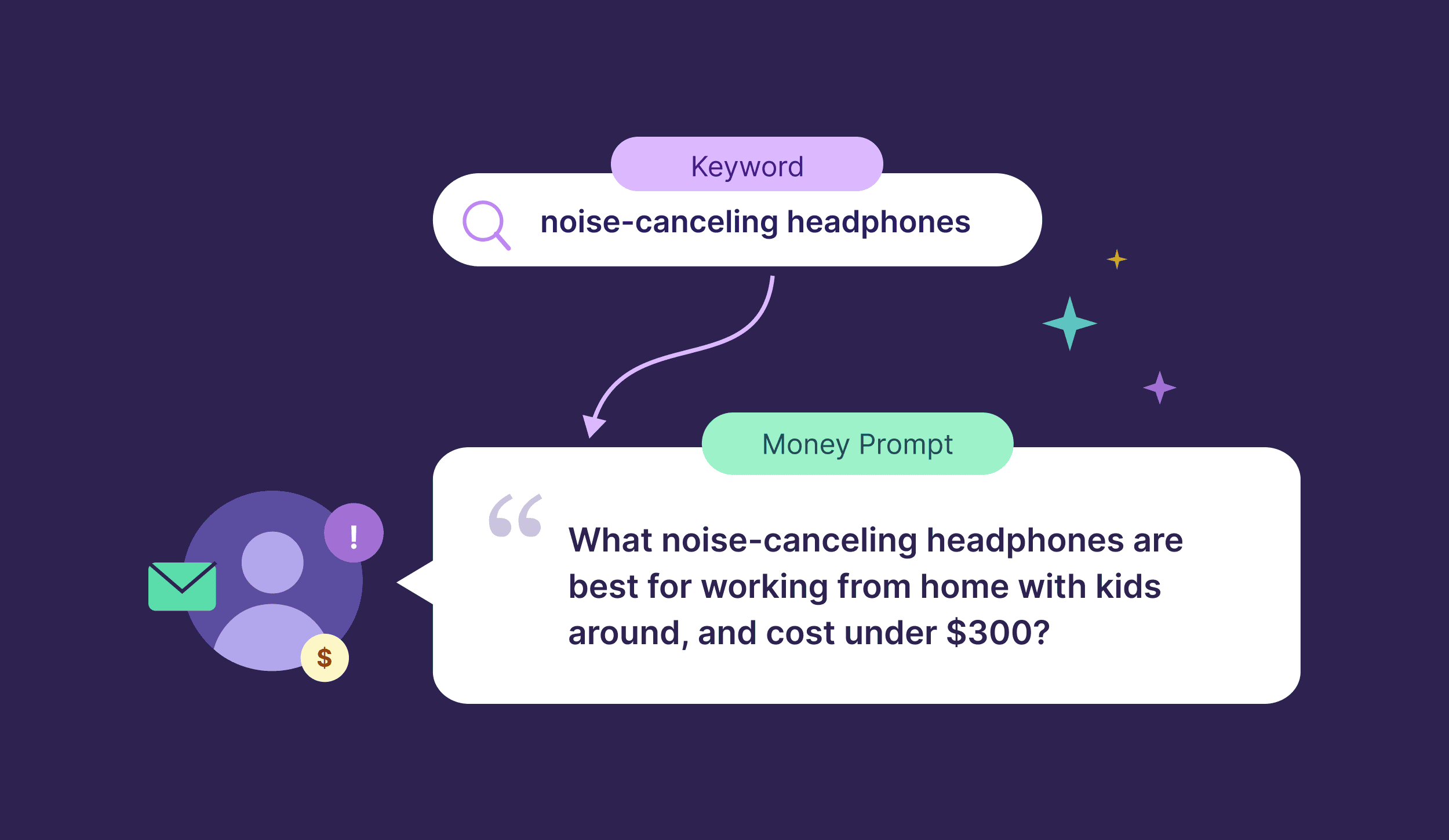
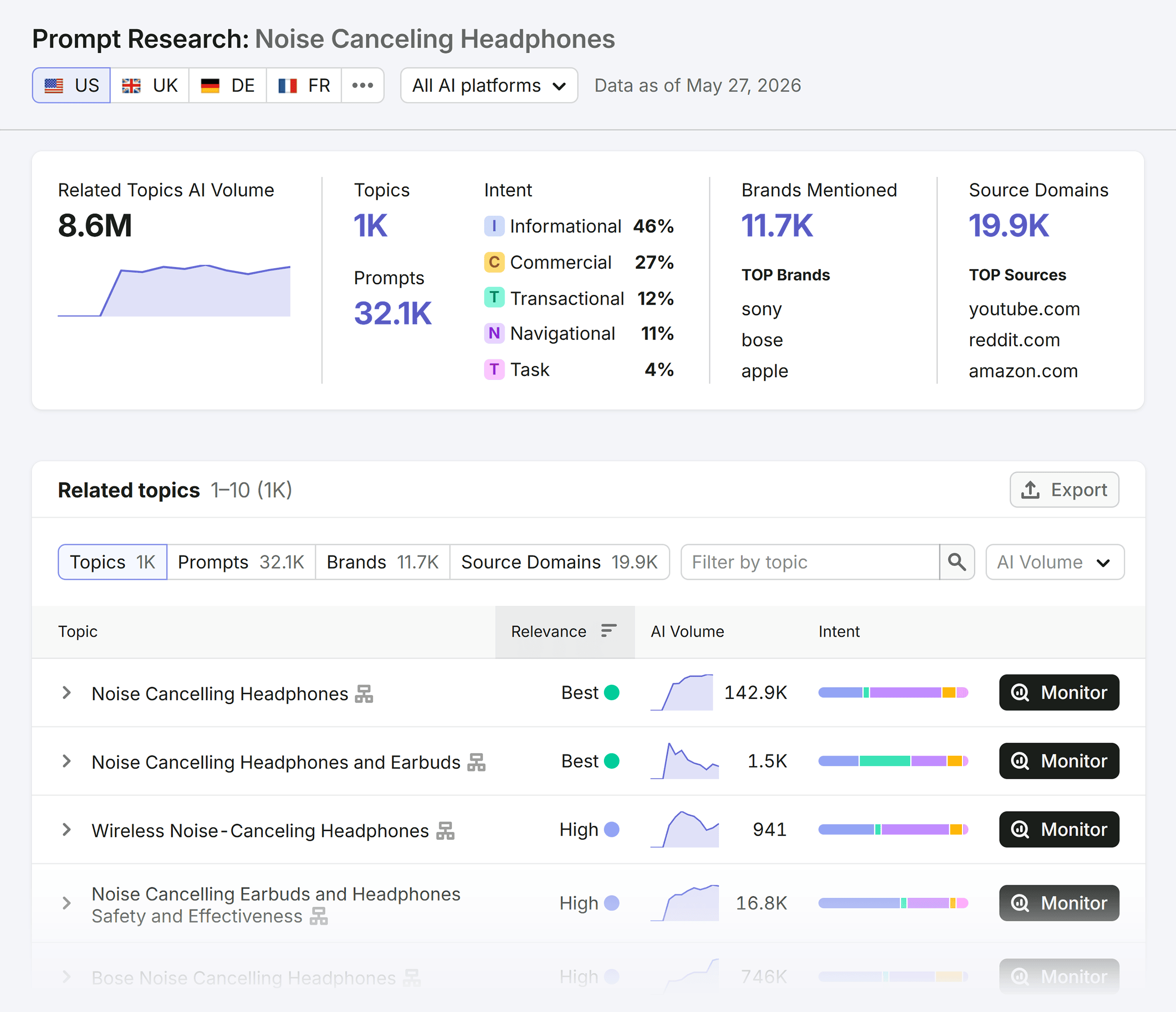
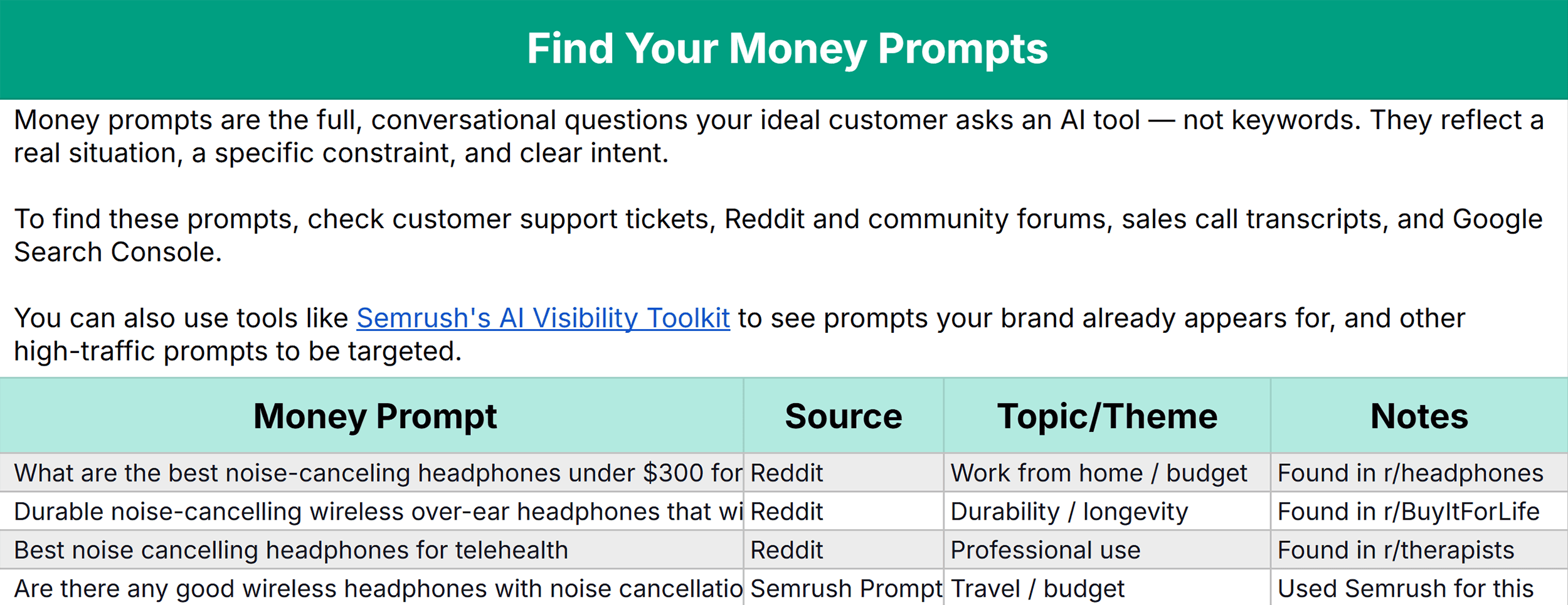
In the AI era, "money keywords" have evolved into "money prompts." These are the high-commercial-intent conversational phrases or questions a customer would ask an AI tool when seeking a solution. Unlike traditional keywords (e.g., "noise-canceling headphones"), money prompts are specific and situational (e.g., "What are the best noise-canceling headphones for a parent working from home with loud children for under $300?"). Brands must mine forums like Reddit and use AI visibility tools to identify the exact phrasing their audience uses in conversational interfaces.
Step 2: Generating the Fan-Out Set
Once a money prompt is identified, creators must determine how AI platforms will decompose it. This can be done manually by asking an LLM to "list the sub-queries you would run to answer this prompt" or by using specialized browser extensions that capture an AI’s background search processes in real-time. This reveals the "content gaps" that the AI is trying to fill.
Step 3: Bucketing by Intent
Sub-queries generally fall into specific categories, each requiring a different content format:

- Definitions/Basics: Requires explainer articles or glossaries.
- Comparisons: Requires head-to-head tables or "vs." pages.
- Recommendations: Requires listicles or buying guides.
- Troubleshooting: Requires "how-to" guides or FAQ sections.
- Pricing: Requires transparent pricing pages and value comparisons.
Step 4: Conducting a Content Gap Audit
Brands must evaluate their existing site architecture against the identified sub-queries. A "site:domain.com" search on Google can reveal if the brand has pages that address these specific niches. Content is then categorized as "not covered," "partially covered," or "fully covered." The goal is to ensure that for any given money prompt, the brand has a "retrievable" answer for every possible sub-query.

Step 5: Structuring for Extraction
AI systems do not read pages; they scan for passages. To be cited, content must be structured for easy parsing. This includes:
- Answering the primary question in the first paragraph.
- Using descriptive, question-based H2 and H3 subheadings.
- Utilizing bulleted lists and structured data tables for specifications.
- Ensuring each section is "self-contained," meaning it provides a complete answer without requiring the context of the rest of the page.
Step 6: Performance Measurement
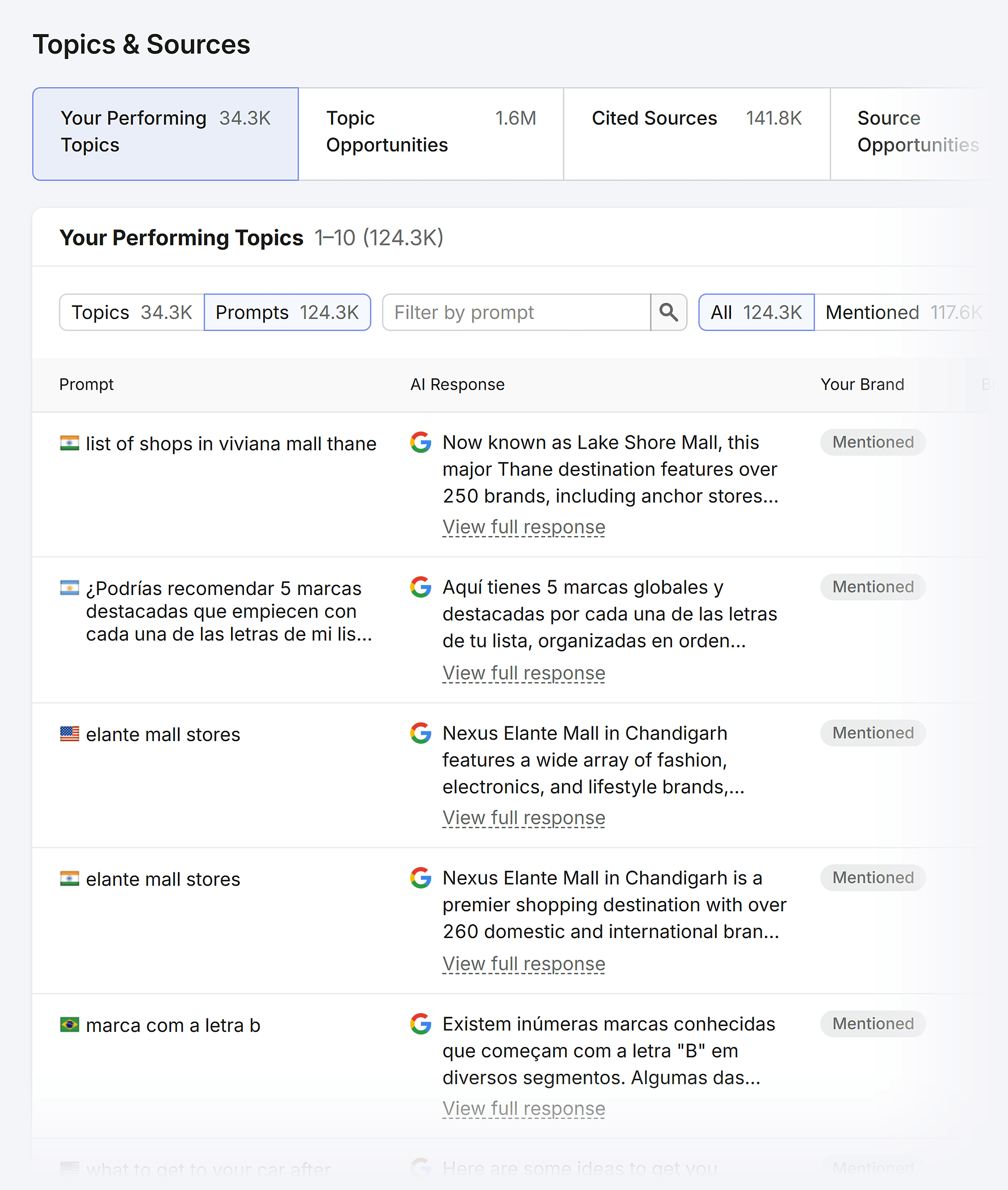
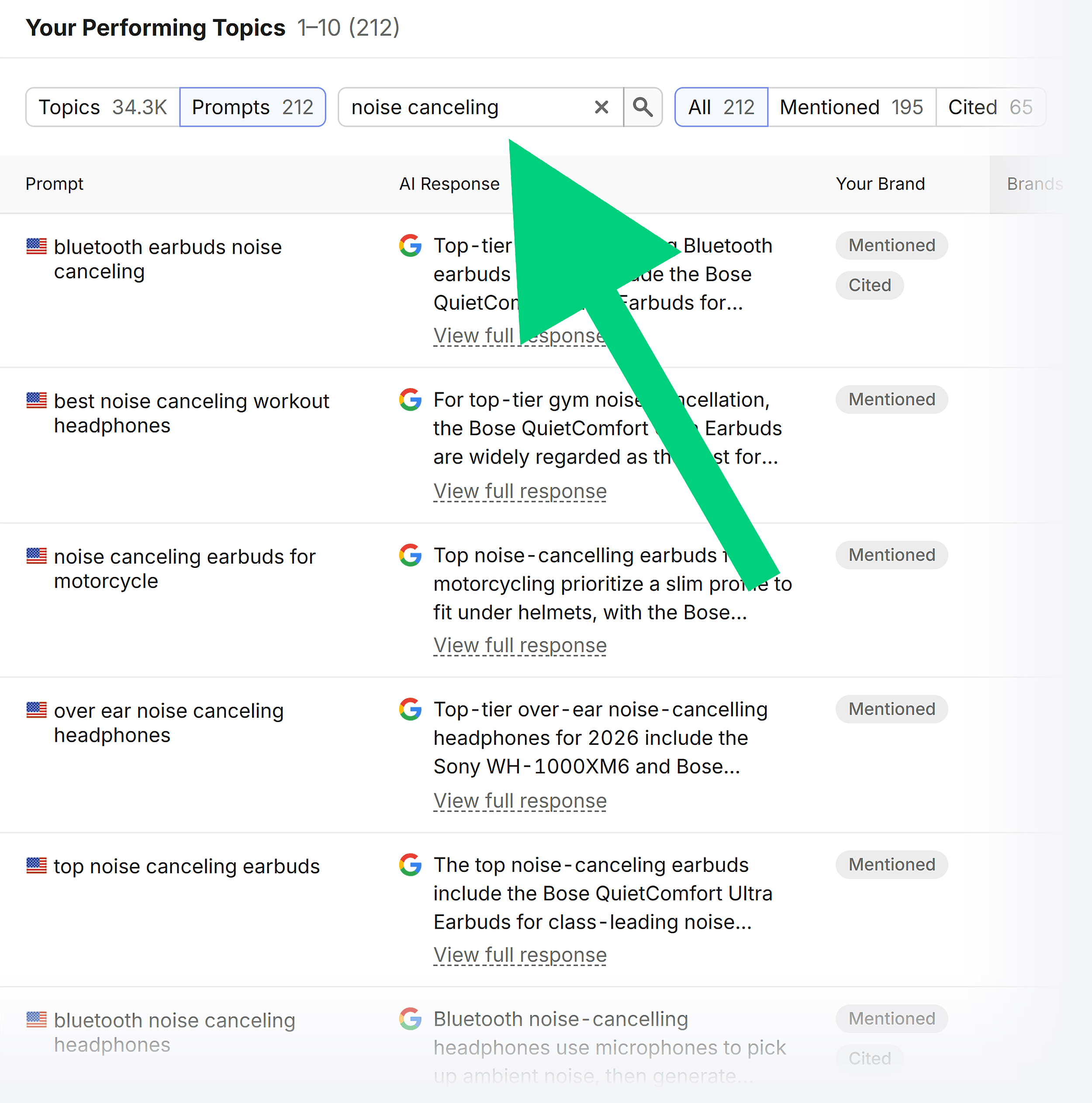
Finally, brands must move away from traditional rank tracking to "AI Visibility Scores." This involves monitoring how often a brand is mentioned in LLM responses for its top money prompts, the sentiment of those mentions, and whether the AI is citing the brand’s own site or a third-party review site.
Platform-Specific Behavioral Variations
Not all AI platforms handle query fan-out identically, and a robust strategy must account for these technical differences:
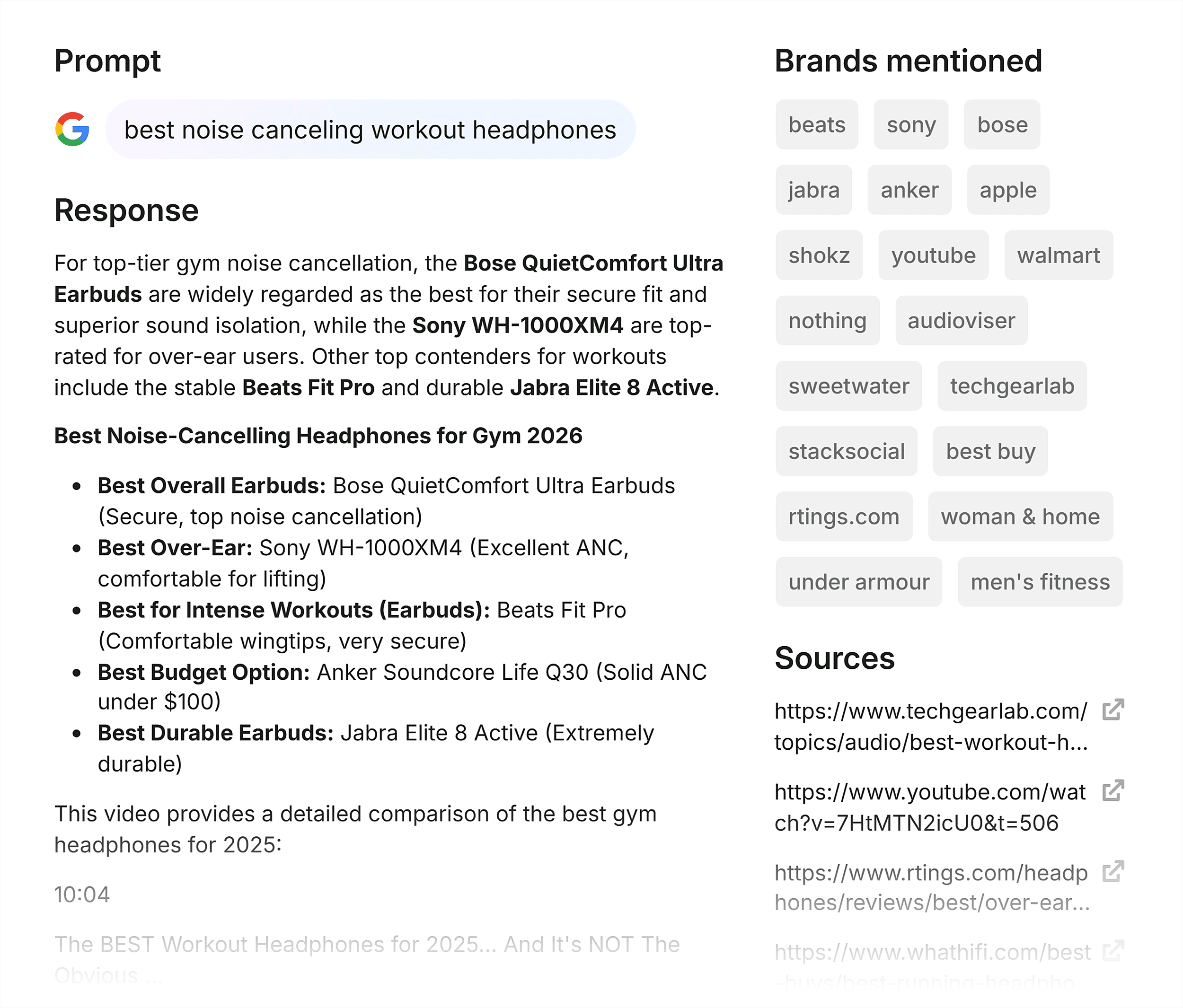
- ChatGPT: Uses a "reasoning" model. For fresh or complex data, it runs live web searches, often pulling from a vast array of sources (sometimes 40 or more) before synthesizing an answer.
- Perplexity: Operates as a real-time search engine. It heavily prioritizes recent web data and often pairs its findings with the user’s previous conversation history, meaning content must be accurate across multiple contexts.
- Claude: Prioritizes intent clarification. It often asks the user follow-up questions before searching, leading to fewer but more highly targeted sub-queries.
- Google AI Overviews: Synthesizes Google’s existing index into condensed summaries. It relies heavily on traditional SEO signals but reformats the information into a "featured snippet" on steroids.
The Broader Impact: The Collapse of the Marketing Funnel
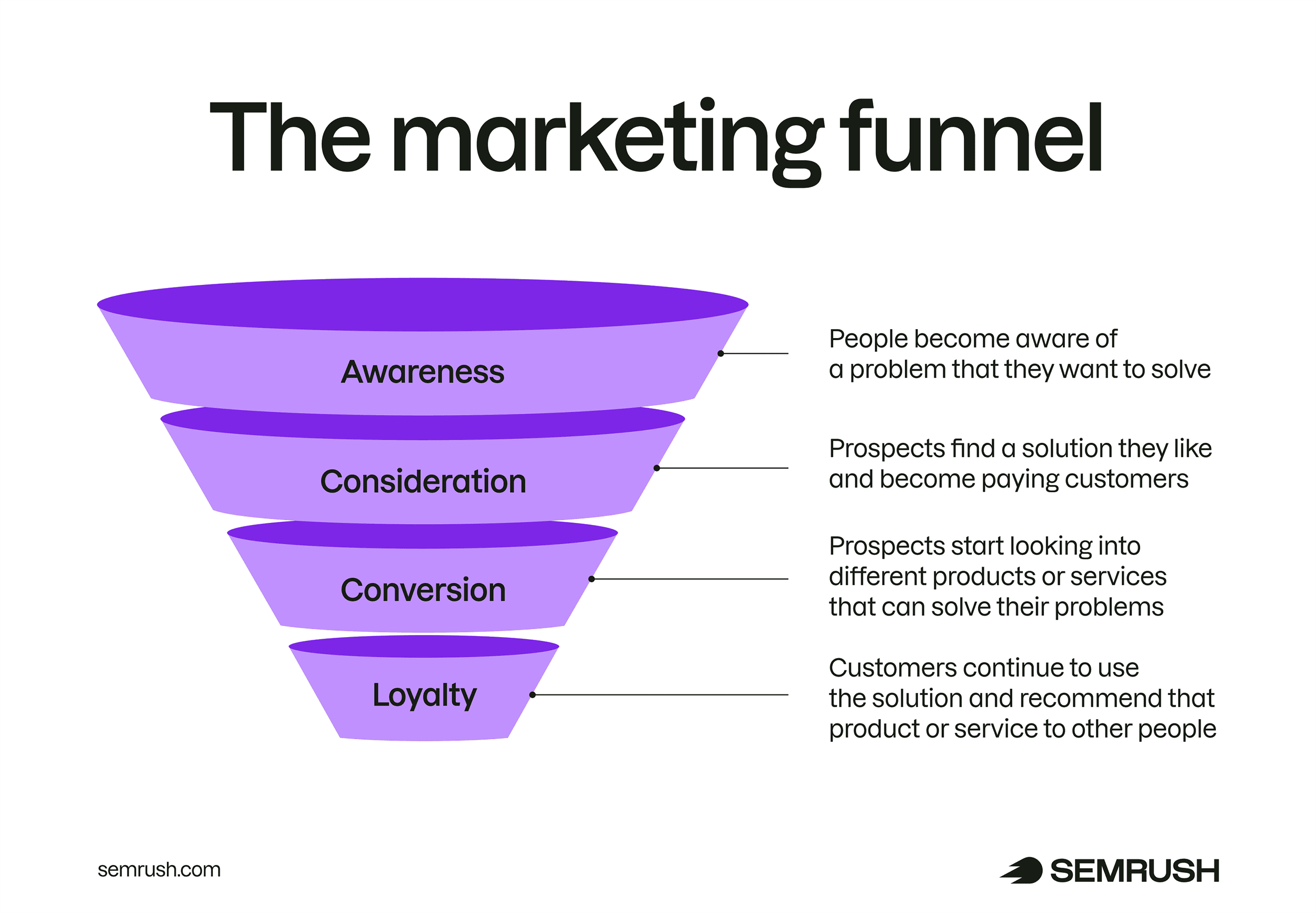
The most significant implication of query fan-out is the "funnel collapse." Historically, marketers viewed the buyer’s journey as a linear progression from awareness to consideration to decision, creating different content for each stage. AI search collapses these stages into a single interaction.
When a user asks a high-intent question, the query fan-out process pulls awareness-level context, consideration-level comparisons, and decision-level pricing into one synthesized response. Consequently, a single piece of content must now perform multiple roles. It must be authoritative enough for the awareness stage, detailed enough for the consideration stage, and transparent enough for the decision stage.
As AI search continues to gain market share, the brands that thrive will be those that stop obsessing over their position on a list and start focusing on their presence in the answer. Query fan-out is the map of this new territory; those who can navigate its sub-queries will define the future of digital discovery.